S'geisstuewel
S'geisstuewel sits on the main thoroughfare of Geispolsheim, a village just south of Strasbourg where Alsatian dining traditions run deep. The address places it squarely within a regional food culture that prizes local produce, seasonal rhythms, and the kind of hospitality that doesn't perform itself. For visitors tracing the Alsace dining circuit, it represents the village end of that spectrum.
Pearl is the En Primeur Club membership app — saves, bookings, and concierge access live there. Same editors, same standards.
- Address
- 32 Rue du General de Gaulle, 67118 Geispolsheim, France
- Phone
- +33388688133
- Directions
- Get directions
 Saves & bookings on Pearl
Geispolsheim and the Village Table
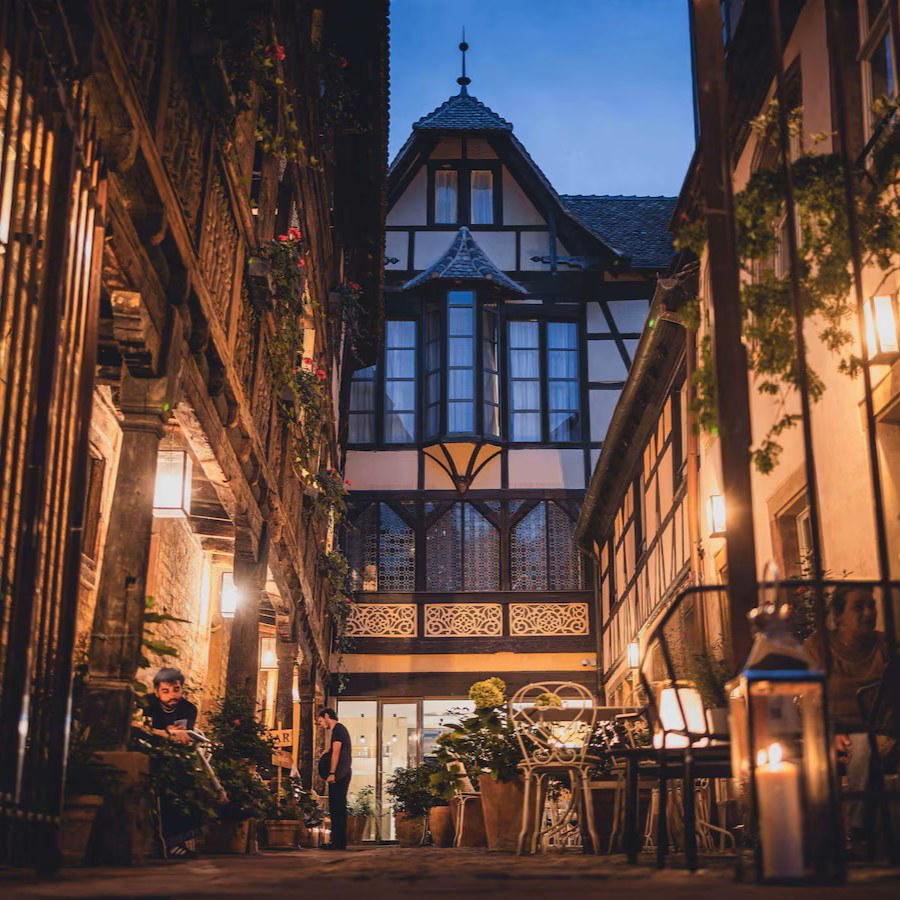
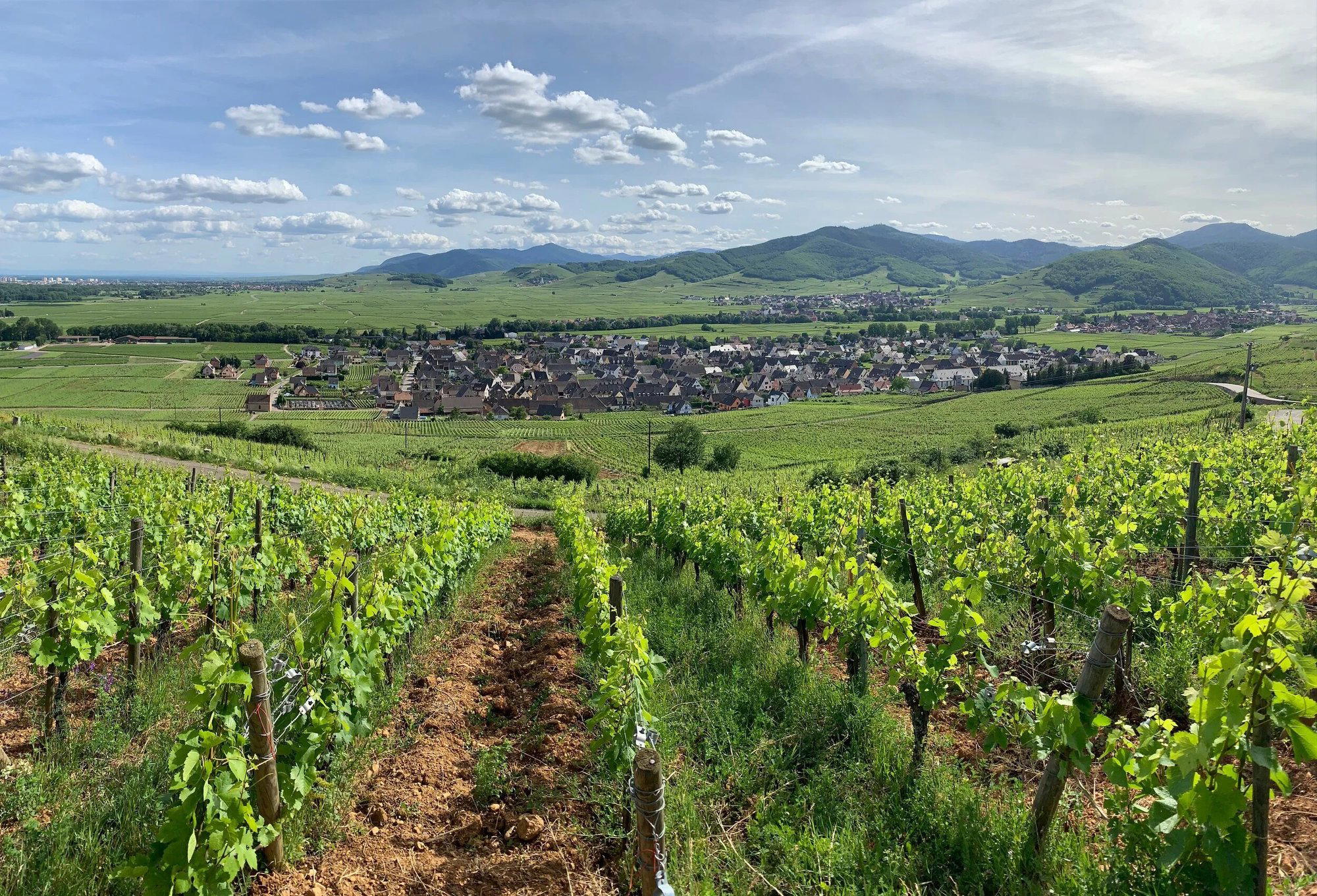
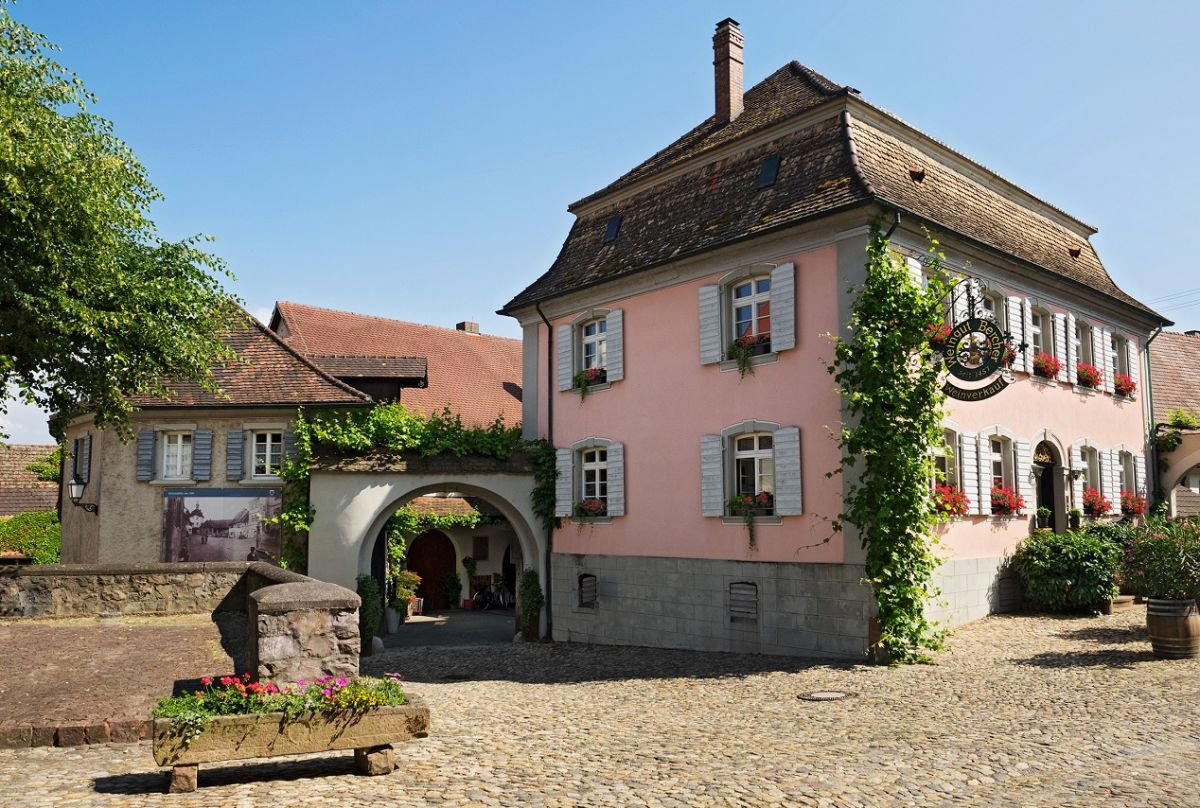
Geispolsheim lies on the flat Alsatian plain south of Strasbourg, among half-timbered facades and church squares that suggest a community still oriented around shared meals. At 32 Rue du General de Gaulle, S'geisstuewel occupies a position that feels less like a destination restaurant and more like a fixture of local life. That grounding in place is what the Alsatian village dining tradition has always done well: it keeps the room honest.
Alsace produces some of France's most ingredient-forward cuisine, shaped by a geography that straddles the Rhine plain and the Vosges foothills. The proximity to Germany gives the region a larder with distinct character, charcuterie traditions running deeper than almost anywhere else in France, freshwater fish from rivers that feed into the Rhine, game from the forested slopes, and white wines from varieties that demand food with texture and weight. Village restaurants like this one are where those ingredients circulate without ceremony: just the produce doing the work it was grown for.
The Ingredient Logic of Alsatian Cooking
In France's most celebrated dining rooms, Mirazur in Menton, Troisgros - Le Bois sans Feuilles in Ouches, Flocons de Sel in Megève, the sourcing narrative is made explicit, foregrounded in menu language and tasting notes. The village end of the same tradition operates differently: the relationship between kitchen and supplier is assumed rather than announced. What matters is whether the dish tastes like the season it came from.
Alsace has a long-established rhythm for this. Spring brings white asparagus from the Rhine plain, a crop so important to regional identity that it anchors menus from late April through June. Summer means mirabelle plums, fresh herbs, and the first game birds. Autumn tilts toward foie gras, venison, and the buckwheat and potato preparations that hold against cold. This calendar isn't a marketing construct, it's the practical consequence of cooking in a climate with hard seasonal edges and a food culture that treats preserving and curing as craft rather than nostalgia. The charcuterie traditions in particular, smoked meats, air-dried preparations, fermented vegetables, reflect a pre-refrigeration logic that turned the Alsatian larder into one of France's most self-sufficient.
Village restaurants in this part of France sit at the intersection of that deep larder and a dining culture that values portion, substance, and directness over refinement for its own sake. The contrast with Paris's grand tables, Alléno Paris au Pavillon Ledoyen, is intentional rather than a shortcoming. The village table and the three-star room serve different functions within the same national food culture.
Regional Context: Alsace at the Table
Alsace produces more Michelin-starred restaurants per capita than almost any other French region, but the starred addresses represent only one layer of a much deeper food culture. Auberge de l'Ill in Illhaeusern has held its three stars since 1967 and remains the region's prestige anchor, while Au Crocodile in Strasbourg covers the urban end of classical Alsatian fine dining. Below that tier, in villages spread along the Route des Vins and the plain south of Strasbourg, the texture of the cuisine lives in rooms like this one.
Geispolsheim sits in that second geography, not on the tourist wine route, not inside Strasbourg's old city, but in the working agricultural belt where the ingredients originate. A restaurant at this address serves a community that has opinions about cooking formed by proximity to production rather than dining-out fashion. That reader pressure matters: it keeps kitchens calibrated to actual quality rather than performance of quality.
For context on how French regional cooking operates at its most prestigious, see Bras in Laguiole, Auberge du Vieux Puits in Fontjoncouse, or L'Oustau de Baumanière in Les Baux, each of which demonstrates how a specific terroir becomes cooking philosophy at the highest level. The village restaurant operates within the same logic at a different scale.
Planning a Visit
S'geisstuewel is located at 32 Rue du General de Gaulle in Geispolsheim, reachable from Strasbourg in under twenty minutes by car heading south on the D1083. The village is compact and parking is available on the main street. Confirm hours and booking availability directly before visiting; arriving without a reservation on a weekend is a risk worth avoiding in Alsace, where local regulars fill rooms early.
For comparison across France's broader fine dining spectrum, EP Club covers AM par Alexandre Mazzia in Marseille, Assiette Champenoise in Reims, Georges Blanc in Vonnas, Christopher Coutanceau in La Rochelle, Paul Bocuse - L'Auberge du Pont de Collonges in Collonges-au-Mont-d'Or, and La Marine in Noirmoutier-en-l'île. For reference points outside France, Le Bernardin in New York City and Atomix in New York City illustrate how European culinary traditions translate at distance.
At-a-Glance Comparison
Comparable venues nearby, for context on price, style, and recognition.
| Venue | Cuisine | Price | Notes |
|---|---|---|---|
| S'geisstuewelThis venue — the venue you are viewing | Traditional Alsatian French Bistro | $$ | Not listed |
| RESTAURANT STEINKELLER | Traditional Alsatian | $$ | Entzheim |
| Muensterstuewel | Traditional Alsatian Winstub | $$ | Centre |
| La Vignette | French Bistro | $$ | Robertsau |
| Fink Stuebel | Traditional Alsatian Winstub | $$ | Centre |
| Biblenhof | Traditional Alsatian French | $$ | Soultz-les-Bains |
Continue exploring
More in Geispolsheim
Restaurants in Geispolsheim
Browse all →

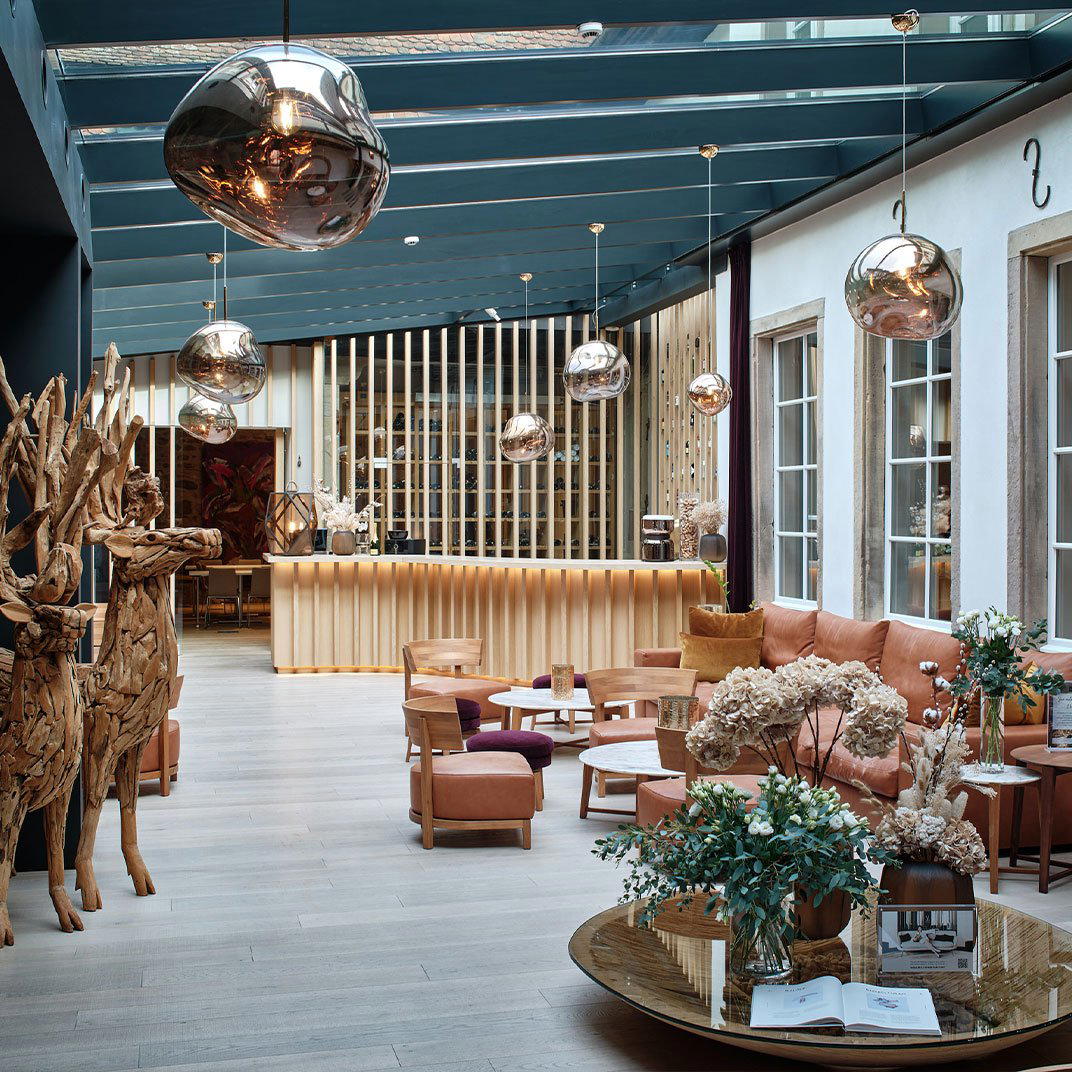
Bars in Geispolsheim
Browse all →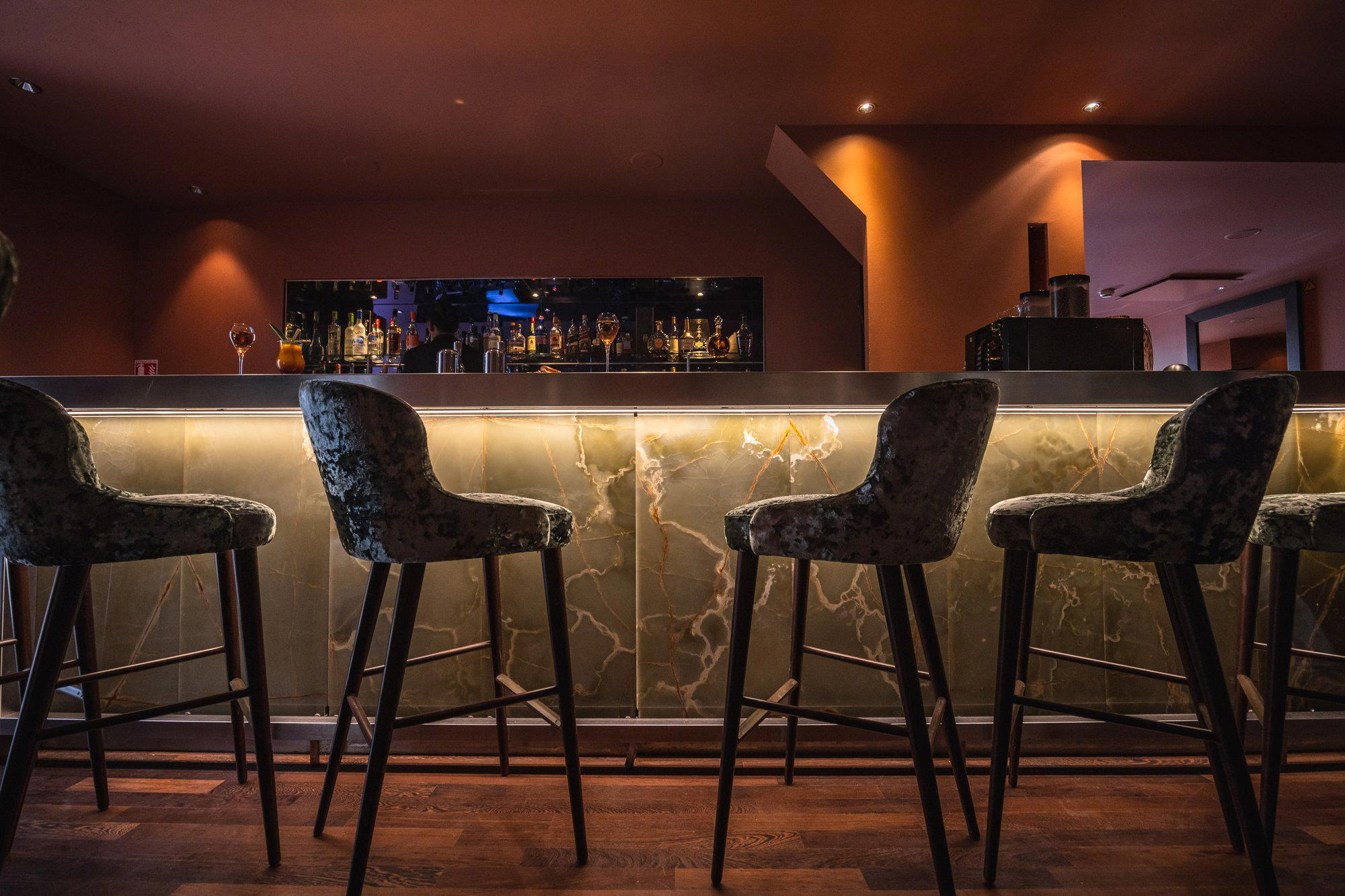
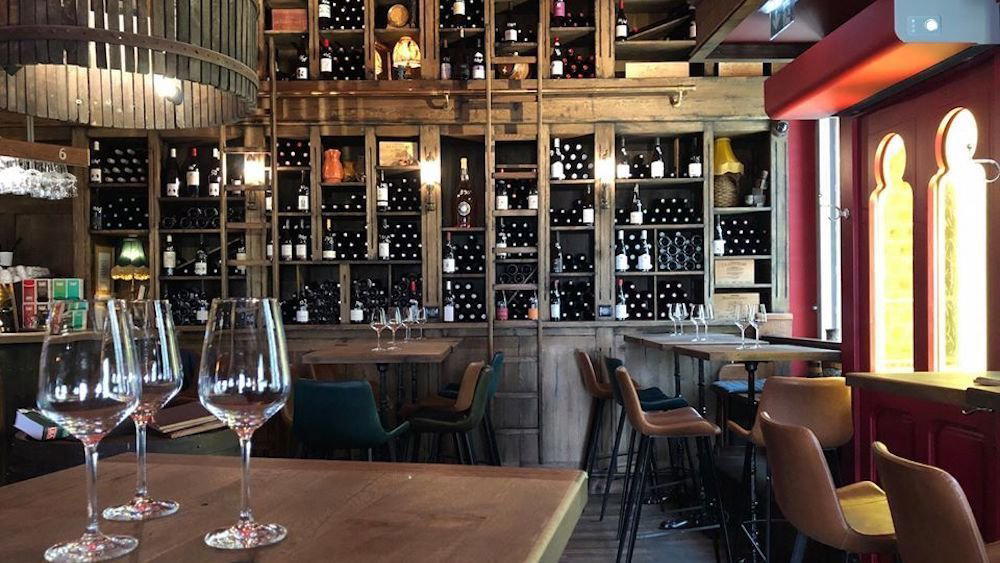
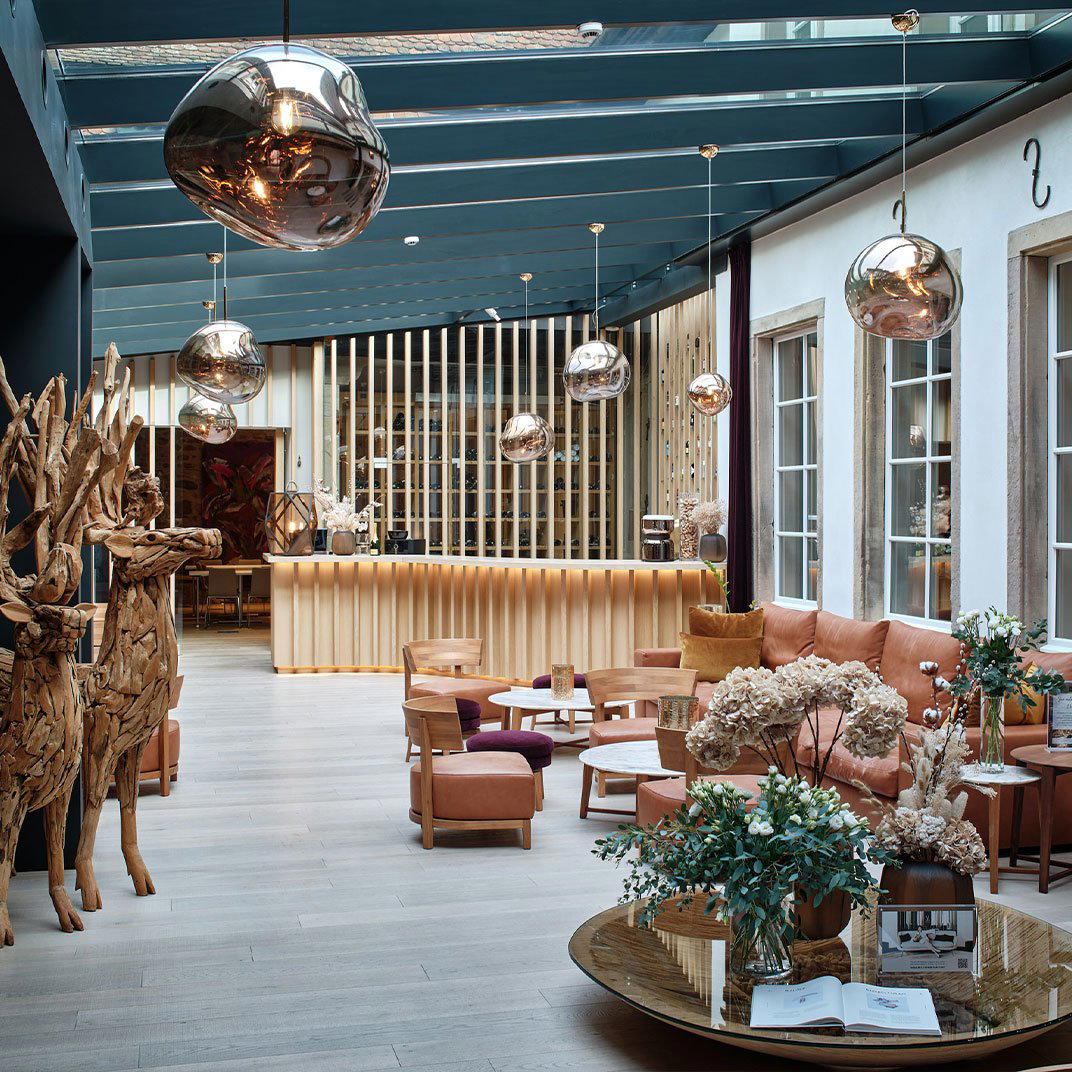
Hotels in Geispolsheim
Browse all →
At a Glance
- Cozy
- Rustic
- Classic
- Intimate
- Family
- Casual Hangout
- Historic Building
- Extensive Wine List
Current opening hours
- Monday
- Closed
- Tuesday
- 12–1:45 PM, 7–9:30 PM
- Wednesday
- 12–1:45 PM, 7–9:30 PM
- Thursday
- 12–1:45 PM, 7–9:30 PM
- Friday
- 12–1:45 PM, 7–10 PM
- Saturday
- 7–10 PM
- Sunday
- Closed
Hours can change for holidays and private events. Last verified .
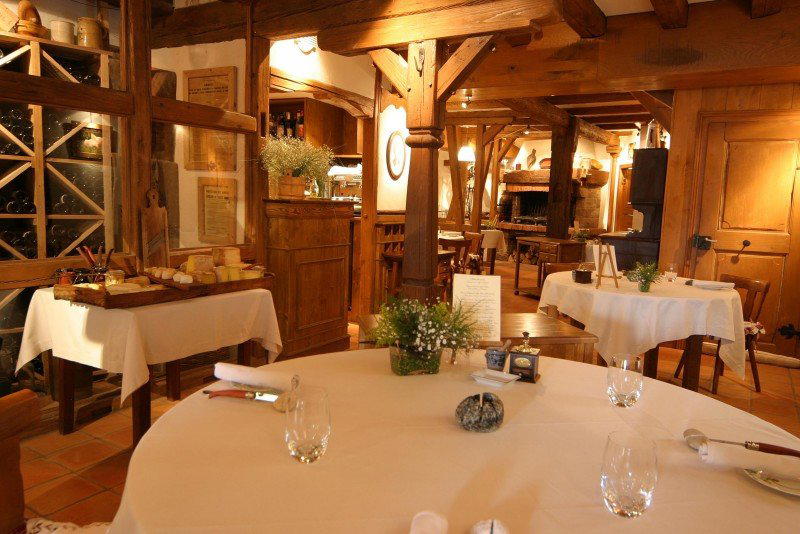
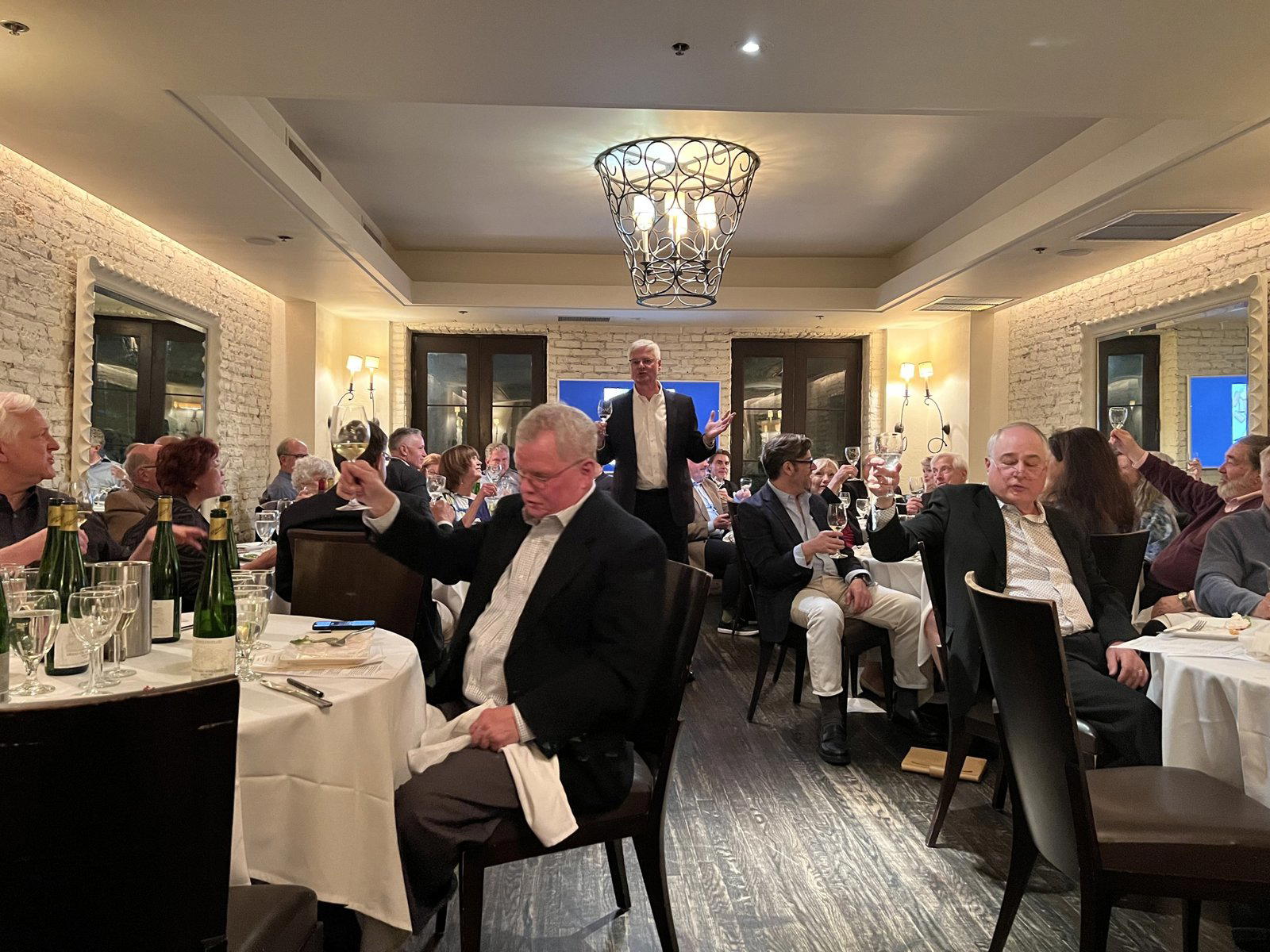
Warm and inviting interior in traditional style with a cozy, convivial atmosphere.