SEOUL 1988 brings Korean culinary tradition to Hamburg's Eimsbüttel district, where the address on Müggenkampstraße signals a neighbourhood more accustomed to German bistros than Korean technique. The name anchors the restaurant to a specific historical moment, pointing toward a kitchen that treats its source material with the seriousness now common in Europe's better Korean dining rooms.
Pearl is the En Primeur Club membership app — saves, bookings, and concierge access live there. Same editors, same standards.
- Address
- Müggenkampstraße 86, 20257 Hamburg, Germany
- Phone
- +4915757998582
- Directions
- Get directions
 Saves & bookings on Pearl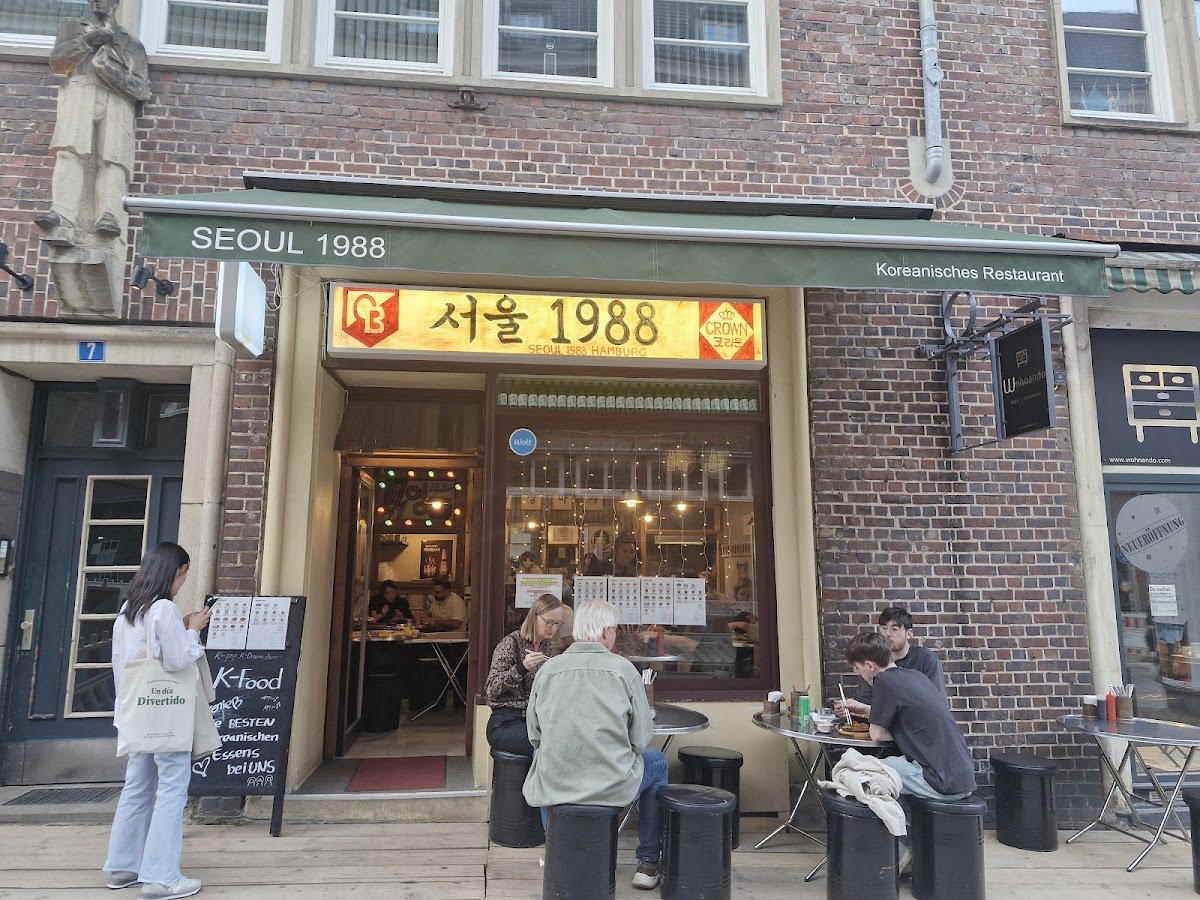
Korean Cooking Finds Its Footing in Eimsbüttel
Hamburg's Eimsbüttel district has spent the past decade accumulating a dining scene that sits at the mid-tier of the city's creative restaurant ecosystem, not the white-tablecloth formality of the dining corridor anchored by venues like Restaurant Haerlin or The Table Kevin Fehling, but serious enough that local residents expect kitchen craft behind an unmarked façade. Müggenkampstraße 86 sits inside that register. The street is residential in feel, lined with early twentieth-century apartment blocks and the kind of neighbourhood cafes that don't chase tourists. SEOUL 1988 occupies this address as a Korean restaurant operating in a city where Korean food has historically been underrepresented relative to Hamburg's broader Asian dining offer.
The name does specific work. 1988 is the year of the Seoul Summer Olympics, a moment that marked South Korea's formal arrival on the world stage after decades of postwar reconstruction and rapid industrialisation. Using that year as a reference point signals an intent to locate the food in a particular cultural and historical register, not simply to trade on generic Korean branding. Whether the kitchen fully inhabits that ambition is the more interesting question.
Where Local Technique Meets Korean Structure
Korean cuisine in Europe increasingly divides into two camps. The first is the banchan-and-barbecue format familiar from larger cities with established Korean communities. The second is a smaller, more technically deliberate approach that imports Korean structural logic, fermentation, the balance of fat and acid, the precision of banchan sequencing, and applies it to European sourcing. This second camp is where the more compelling dining is currently happening, and it maps onto a broader European movement that values the intersection of imported methods with locally available ingredients.
This approach has precedents in cities with sharper Korean fine dining profiles. Atomix in New York City represents the far end of that spectrum, where Korean technique is executed at a level that reads as global fine dining with a Korean grammatical structure. Hamburg's position is different: the city has strong produce access through its port history and northern German agricultural hinterland, but no deep Korean restaurant tradition to push against. That creates both freedom and risk for a kitchen attempting to work within this framework.
Local ingredients meeting global technique is where SEOUL 1988 is most legible as a proposition. Northern Germany's larder includes cold-water fish, strong root vegetables, and dairy traditions that can absorb fermentation logic naturally. Korean technique's emphasis on controlled fermentation, layered seasoning, and the strategic use of heat maps onto that ingredient set in ways that feel less forced than, say, Korean-French fusion in Paris. The conceptual argument is coherent.
Hamburg's Creative Dining Context
Hamburg's fine dining scene is anchored by a cluster of Michelin-starred restaurants that skew toward European creative formats. 100/200 Kitchen and bianc represent the city's more contemporary European registers, while Lakeside occupies the German fine dining tier. Below that starred tier, a set of creative mid-range restaurants operates with more format flexibility and lower price points. SEOUL 1988, appears to sit in this mid-range creative bracket, with an approximate price point of about $20 per person, rather than competing directly with the €€€€ tier.
That positioning is not a limitation. Germany's most interesting Korean-influenced cooking is not always found in the starred sector. CODA Dessert Dining in Berlin demonstrates how a German city can generate internationally recognised creative work outside conventional cuisine categories. The comparison is not direct, but the principle holds: Hamburg's creative mid-tier has produced work that punches above its price bracket before.
For readers calibrating expectations against Germany's broader creative dining geography, reference points include Aqua in Wolfsburg, JAN in Munich, and Schwarzwaldstube in Baiersbronn for the starred tier, and Schanz in Piesport or Vendôme in Bergisch Gladbach for the country's more classically anchored end. The restaurant operates in a different register from all of these, which is part of what makes it worth tracking.
Seasonal Timing and the Korean Calendar
Korean cuisine has strong seasonal logic built into its fermentation traditions. Kimchi-making, for instance, follows harvest cycles that align with autumn root vegetable abundance. A kitchen working seriously within Korean structural conventions will register these seasonal shifts on the menu, shifting banchan compositions, fermentation depths, and protein choices across the year. Hamburg's own seasonal produce cycle, which peaks with summer stone fruits, autumn game, and cold-weather root vegetables, creates natural alignment points with Korean fermentation timing. Autumn and winter are particularly interesting periods to visit restaurants working in this vein, when fermentation-forward cooking has ingredient support.
Planning Your Visit
| Venue | Price Tier | Cuisine Register | Booking Lead Time |
|---|---|---|---|
| The restaurant | Not confirmed | Korean | Not confirmed |
| The Table Kevin Fehling | €€€€ | Creative | Several weeks to months |
| bianc | €€€€ | Modern Mediterranean | Several weeks |
| Lakeside | €€€€ | German Lakeside | Several weeks |
The restaurant is located at Müggenkampstraße 86, 20257 Hamburg. No phone number, website, or confirmed booking method is listed. Reservations are recommended.
- Dak Galbi
- Korean Fried Chicken
- Pork Belly BBQ
- Tteokbokki
- Bibimbap
- Kimchi Jigae
Comparable Options
Comparable venues nearby, for context on price, style, and recognition.
| Venue | Cuisine | Price | Notes |
|---|---|---|---|
| SEOUL 1988This venue — the venue you are viewing | Authentic Korean BBQ & Street Food | $$ | Not listed |
| Kimchi Guys Ottensen | Authentic Korean Street Food | $$ | Ottensen |
| Bullerei | Modern German Grillhouse | $$ | Sternschanze |
| Traumkuh | Premium Burgers & Poutine | $$ | Rotherbaum |
| Salam | Lebanese Street Food | $$ | Hamburg-Altstadt |
| Fleetschlösschen | North German Fish Specialties | $$ | HafenCity |
Continue exploring
More in Hamburg
Restaurants in Hamburg
Browse all →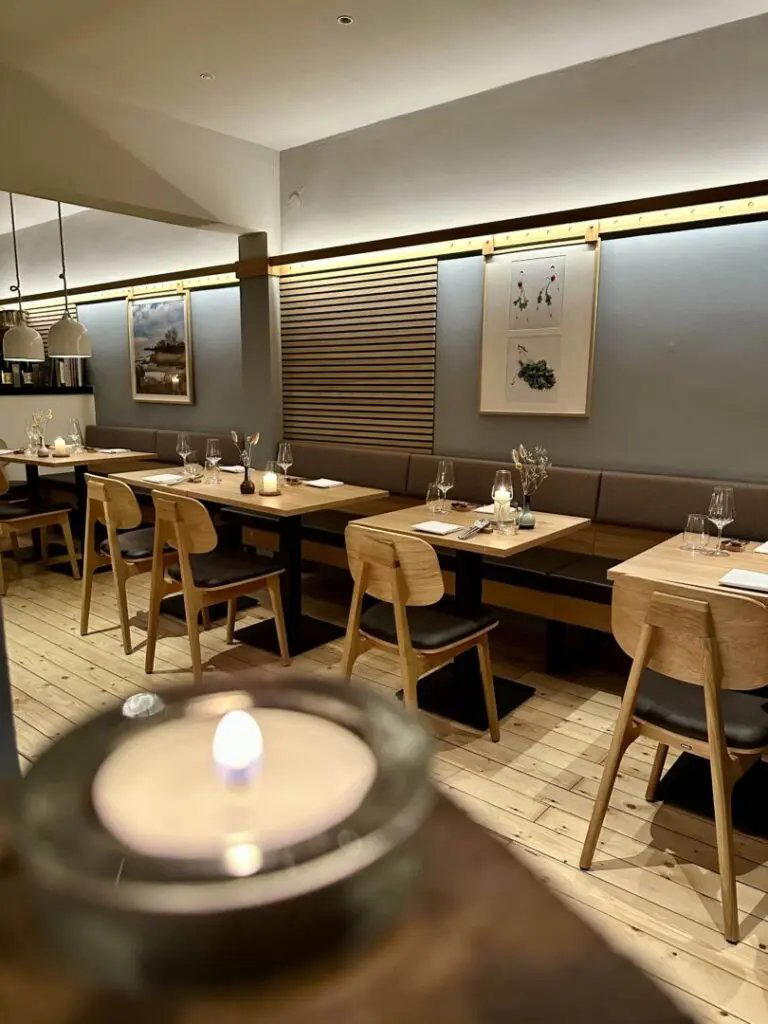
At a Glance
- Cozy
- Casual
- Casual Hangout
- Group Dining
- Family
- After Work
- Open Kitchen
- Terrace
Current opening hours
- Monday
- Closed
- Tuesday
- 12–10 PM
- Wednesday
- 12–10 PM
- Thursday
- 12–10 PM
- Friday
- 12–10 PM
- Saturday
- 12–10 PM
- Sunday
- 12–10 PM
Hours can change for holidays and private events. Last verified .
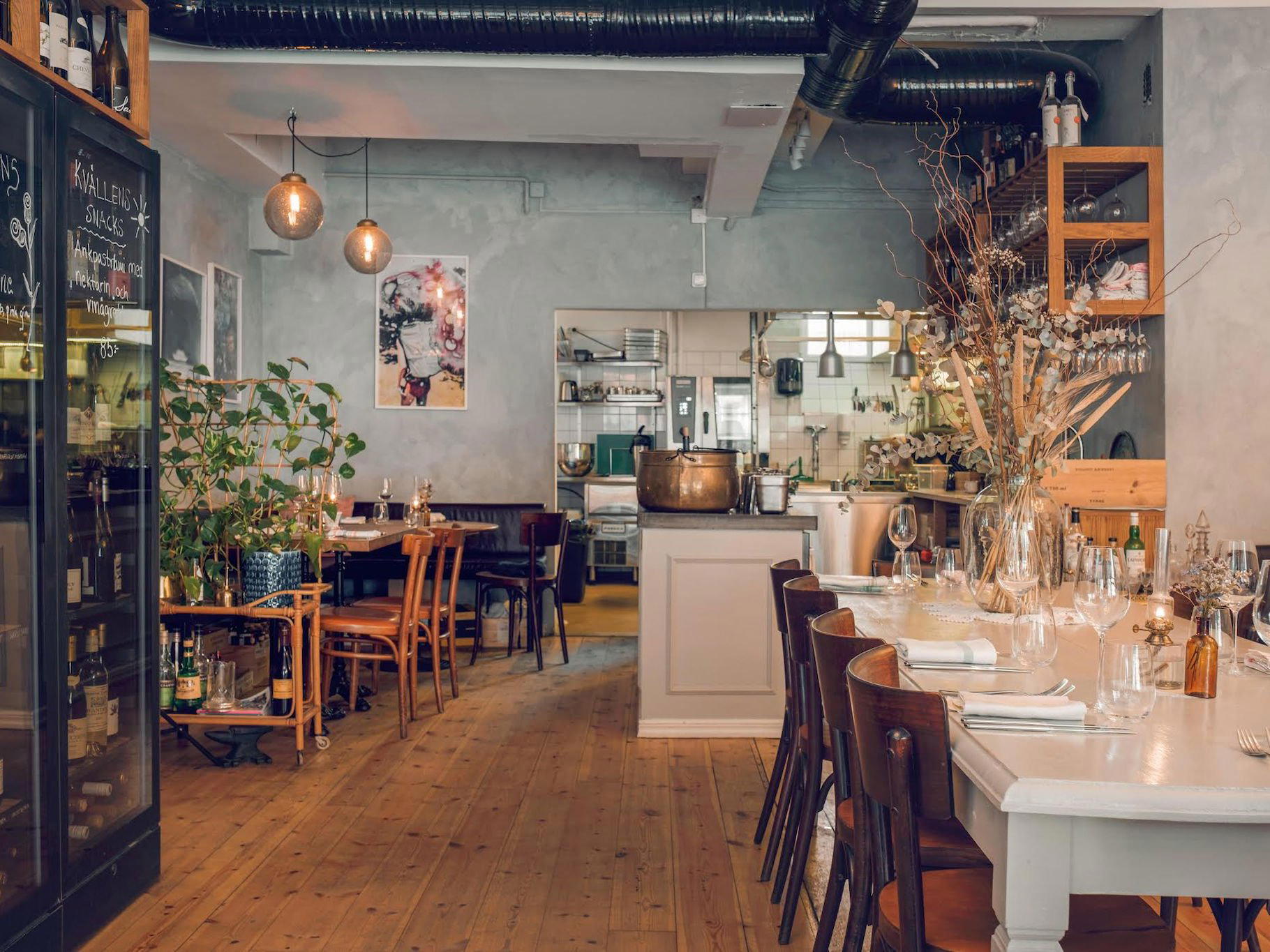
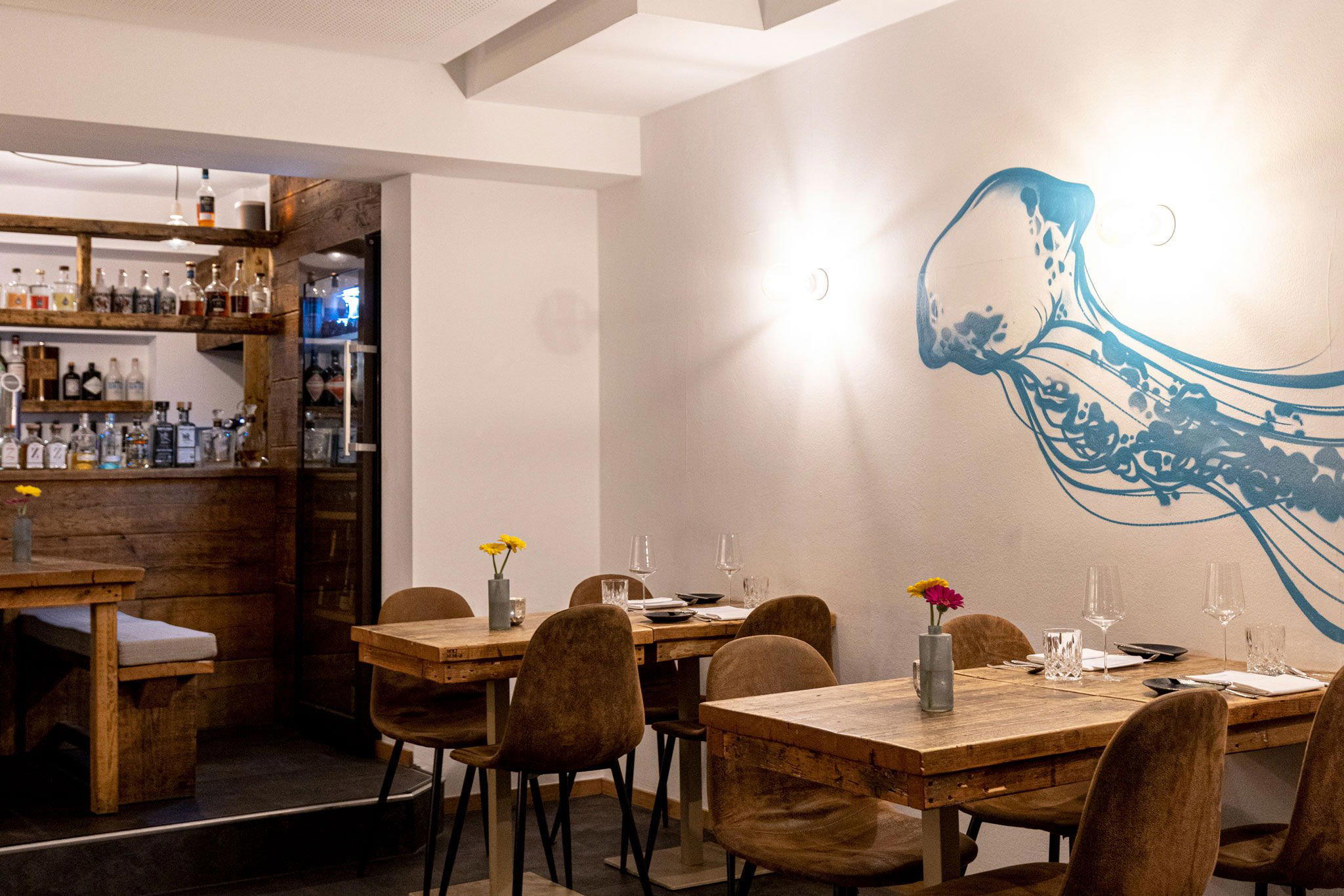
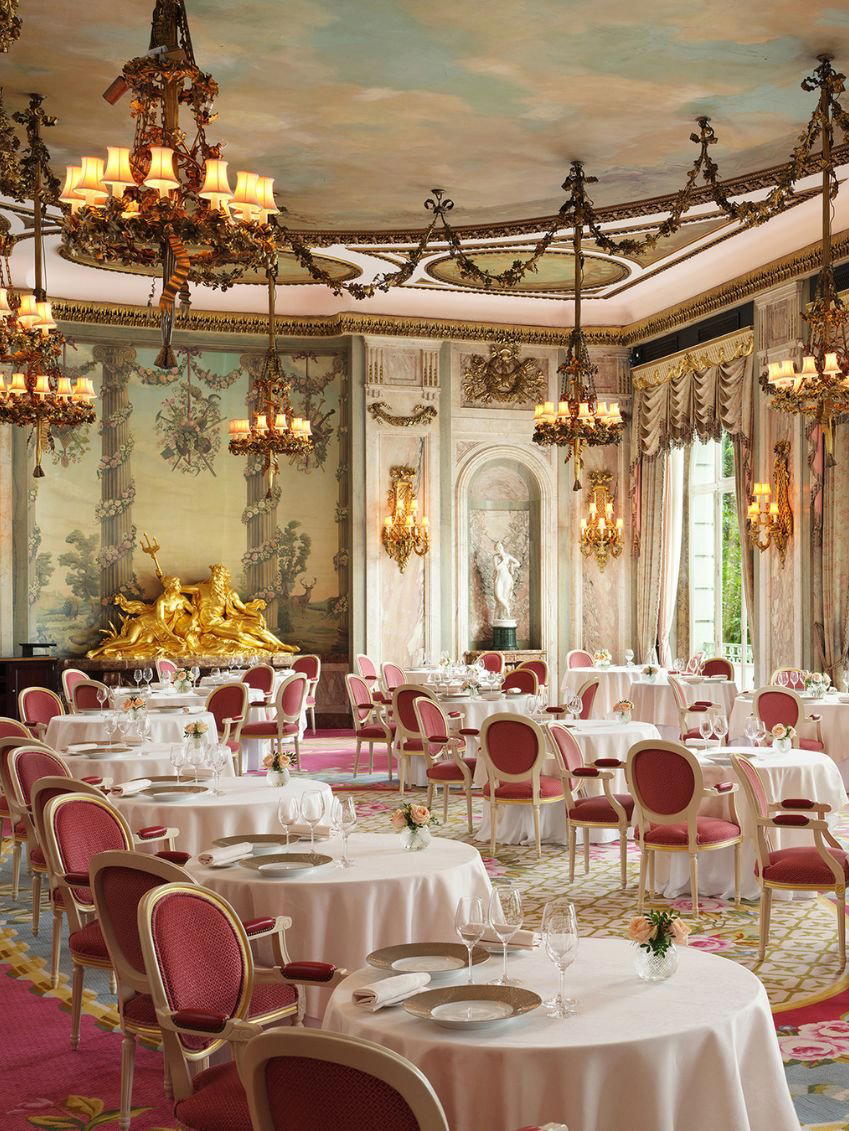
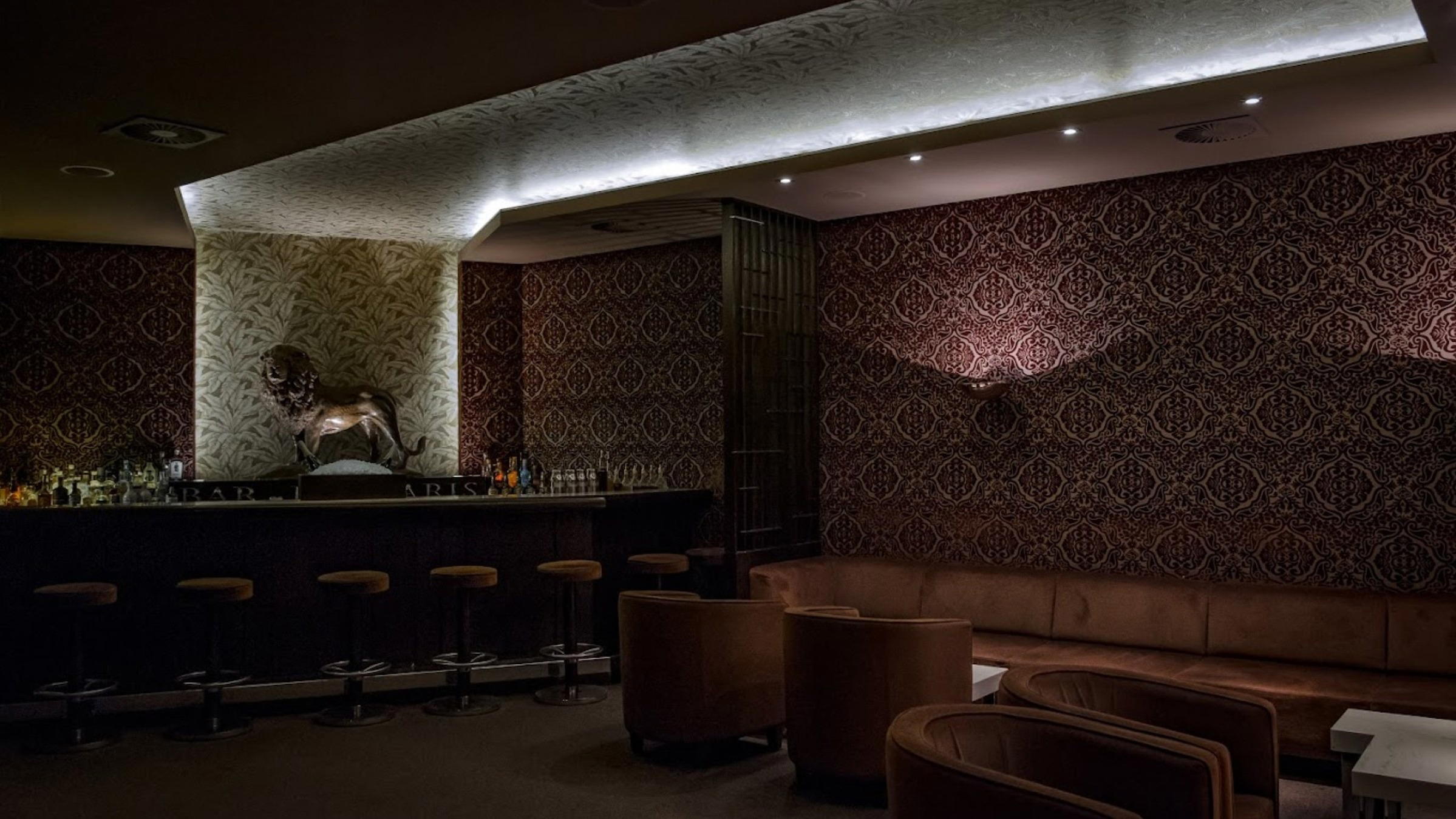
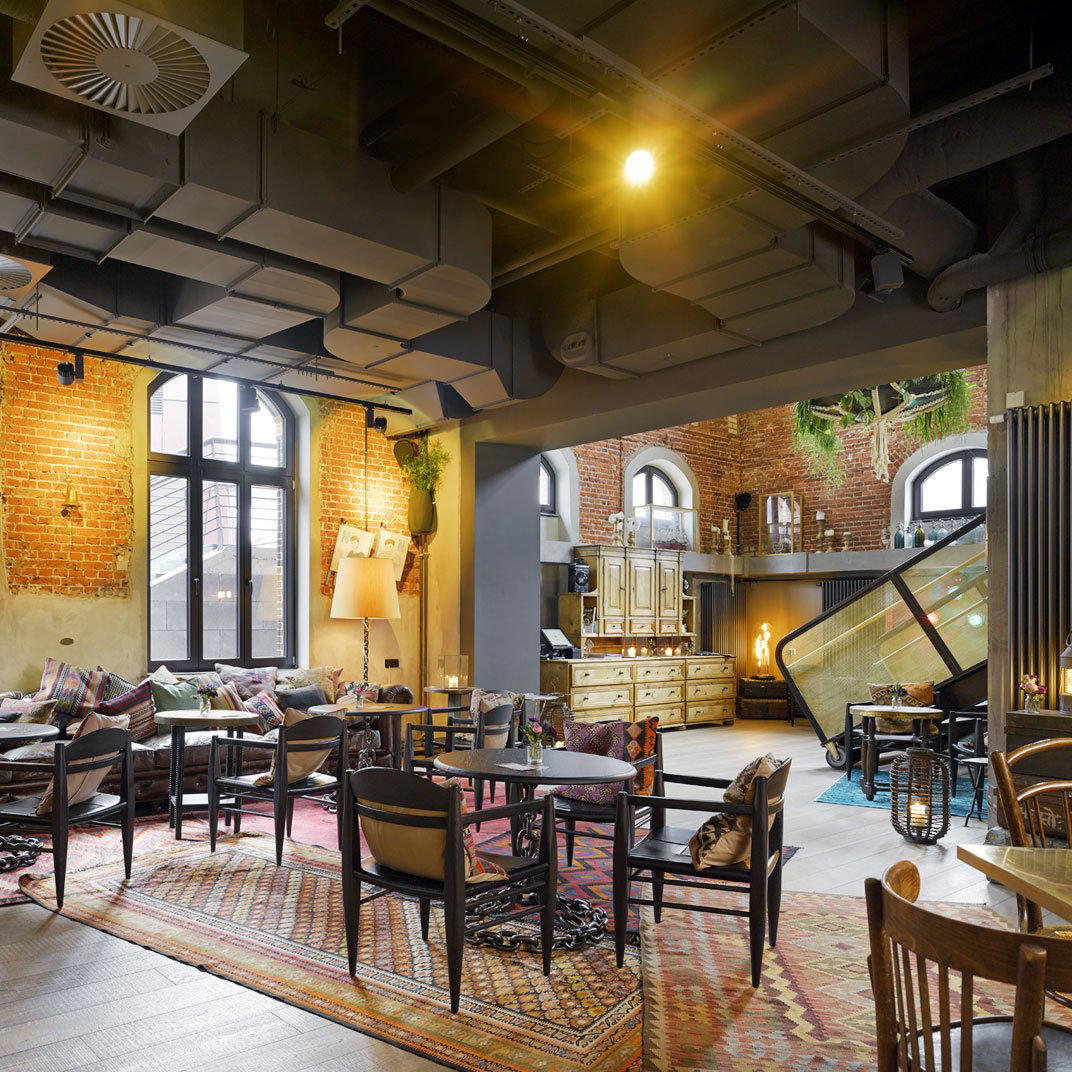
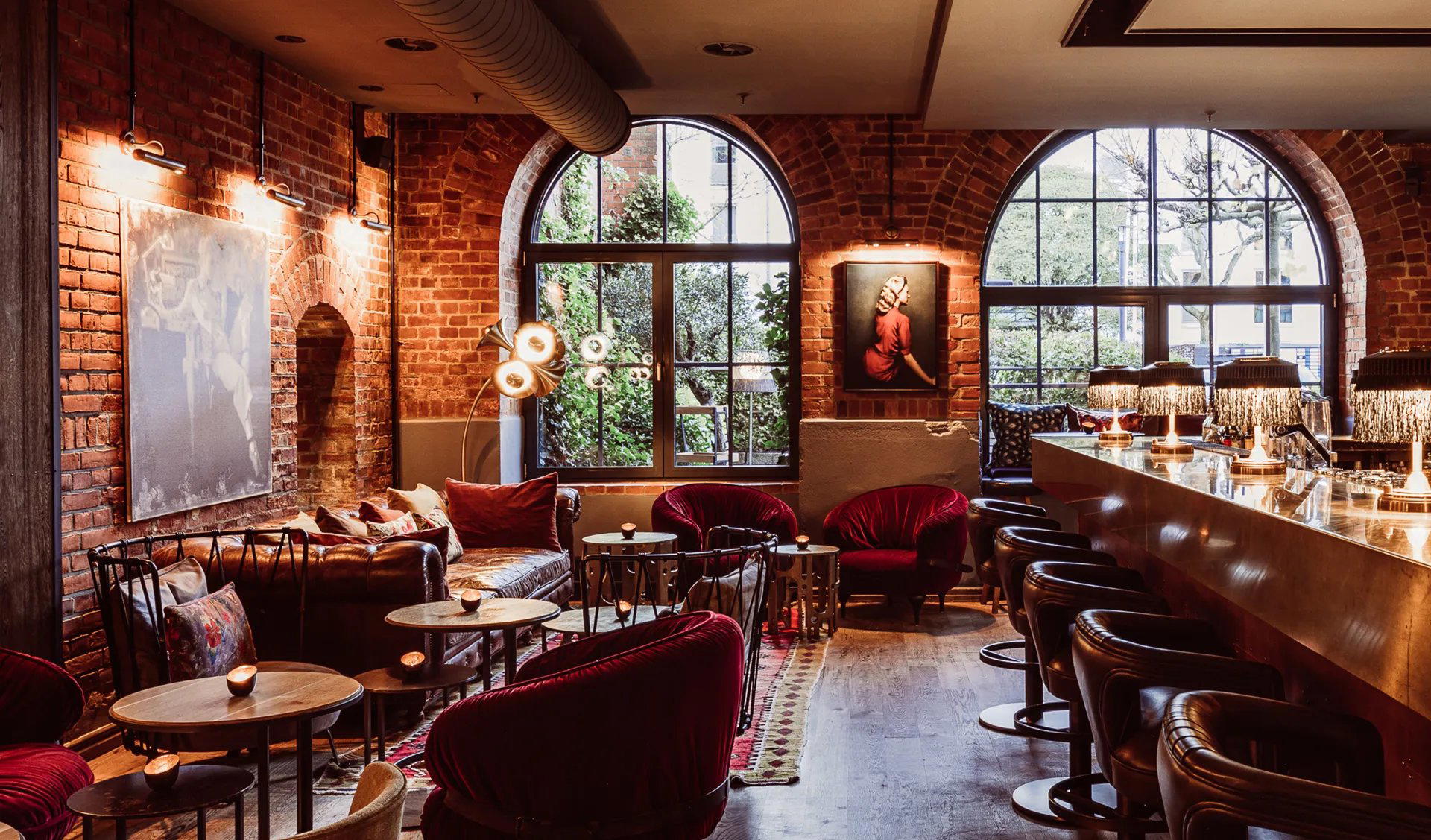
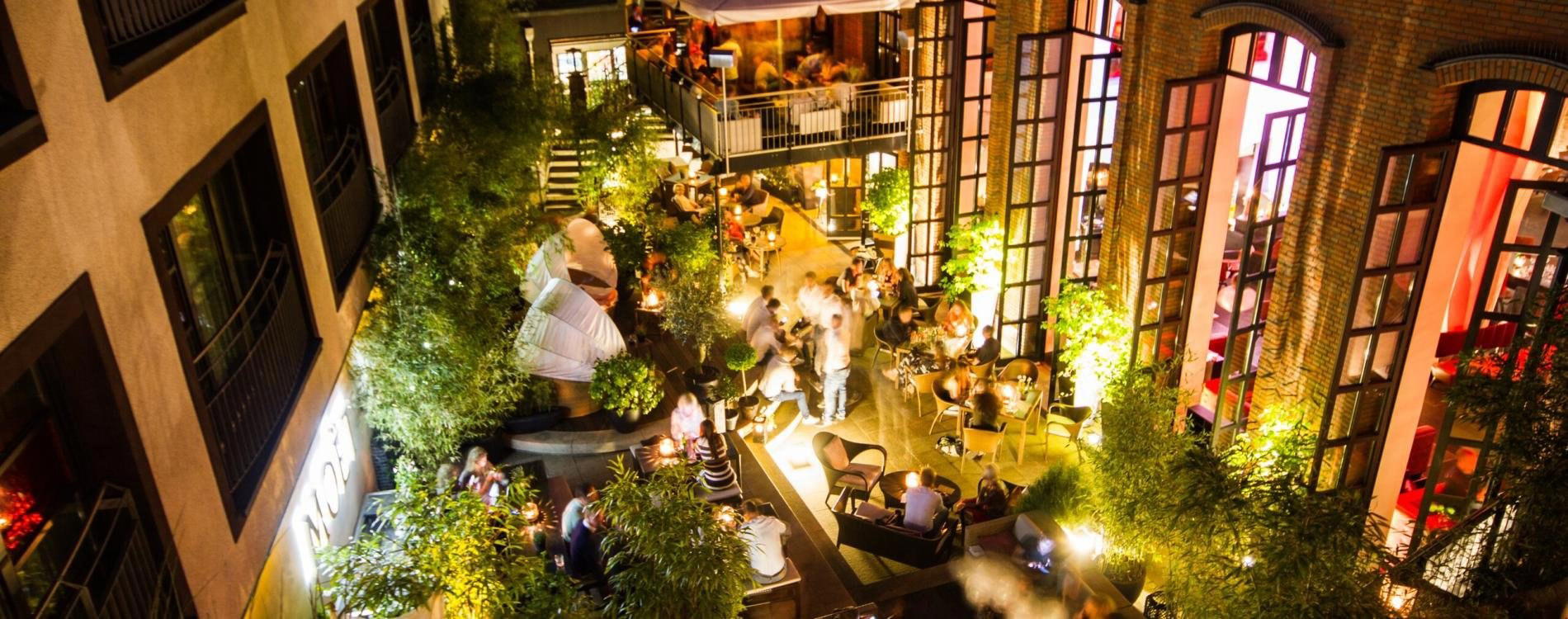
Warm and inviting with nice decoration; small, snug venue with limited space that creates an intimate atmosphere; cool interior design.