Our verdict
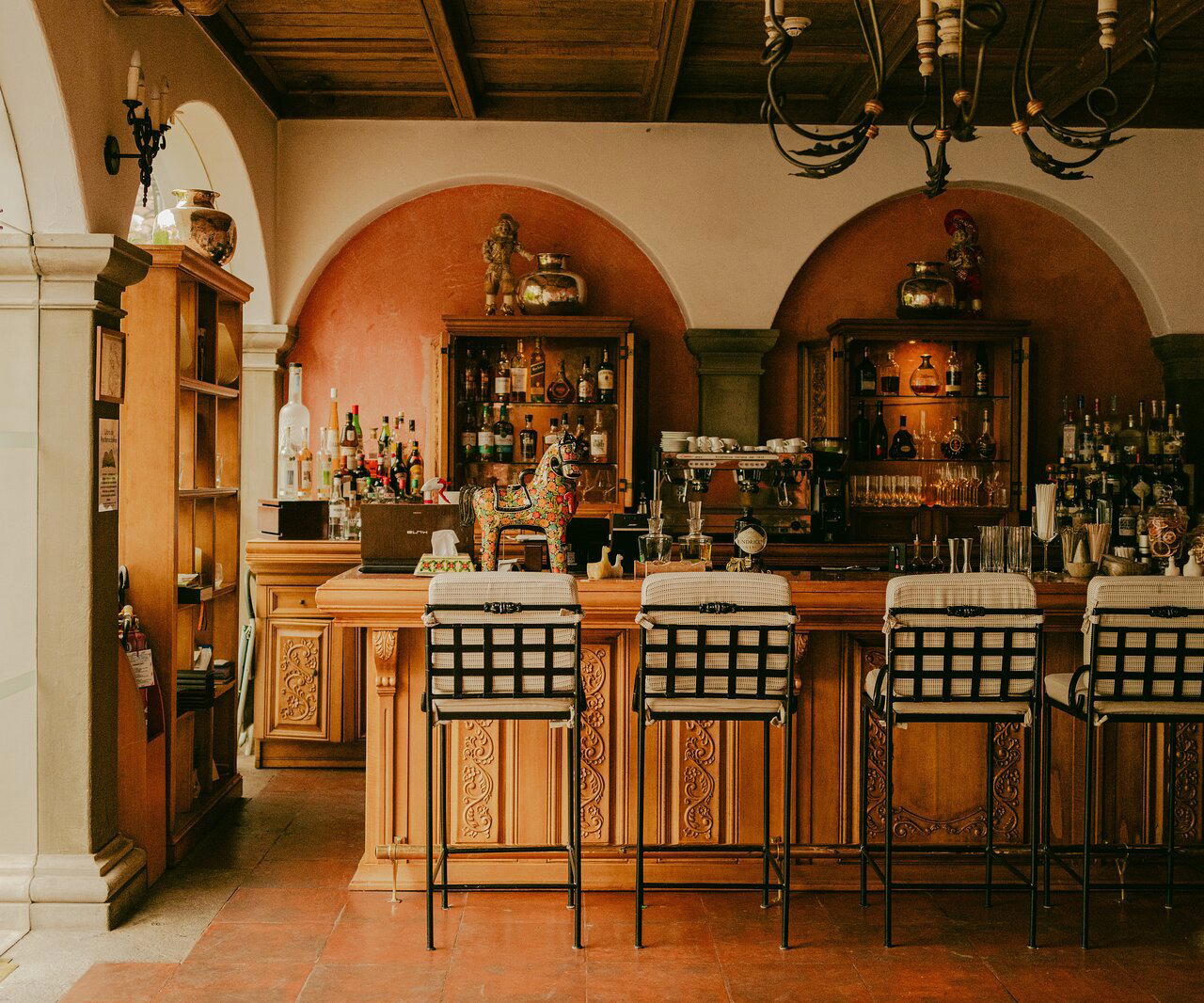
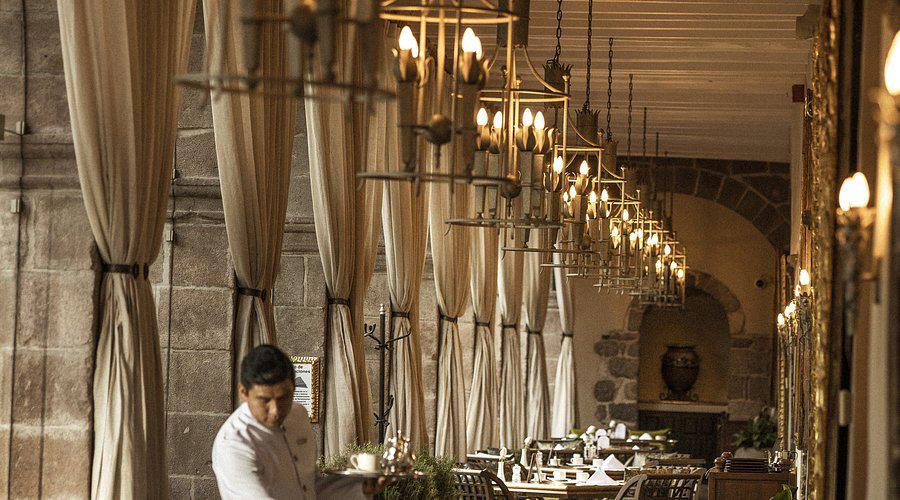
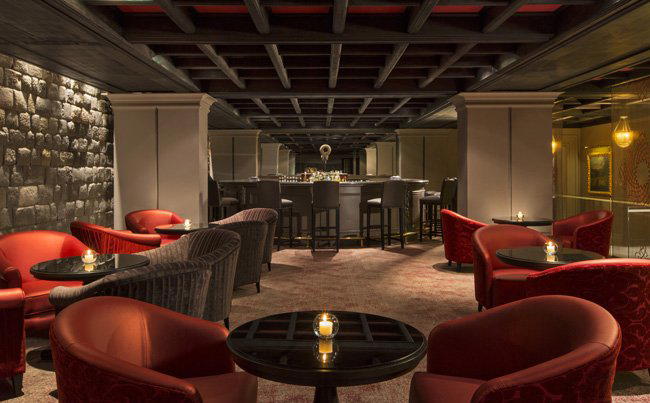
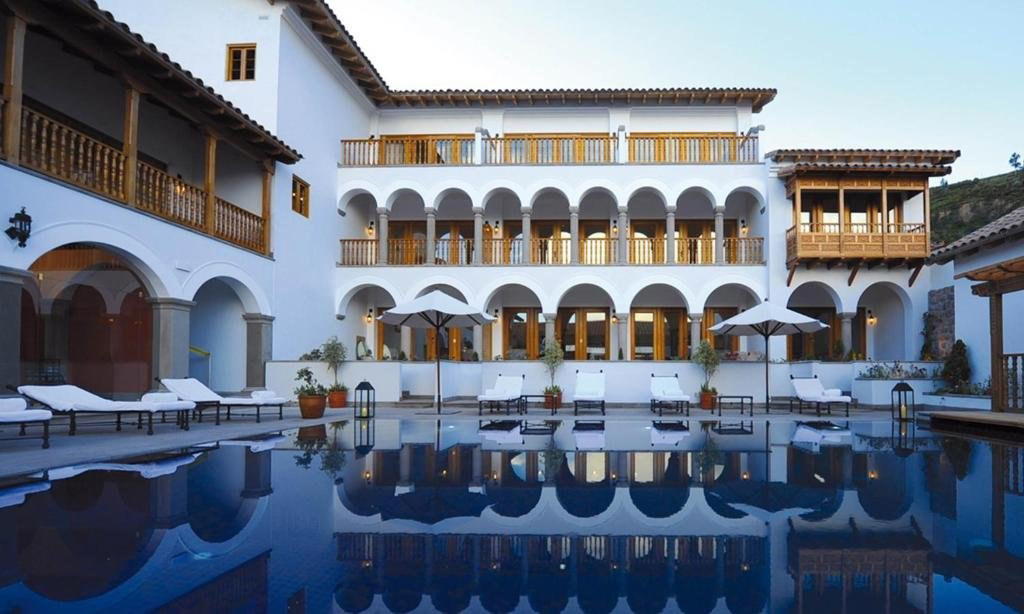
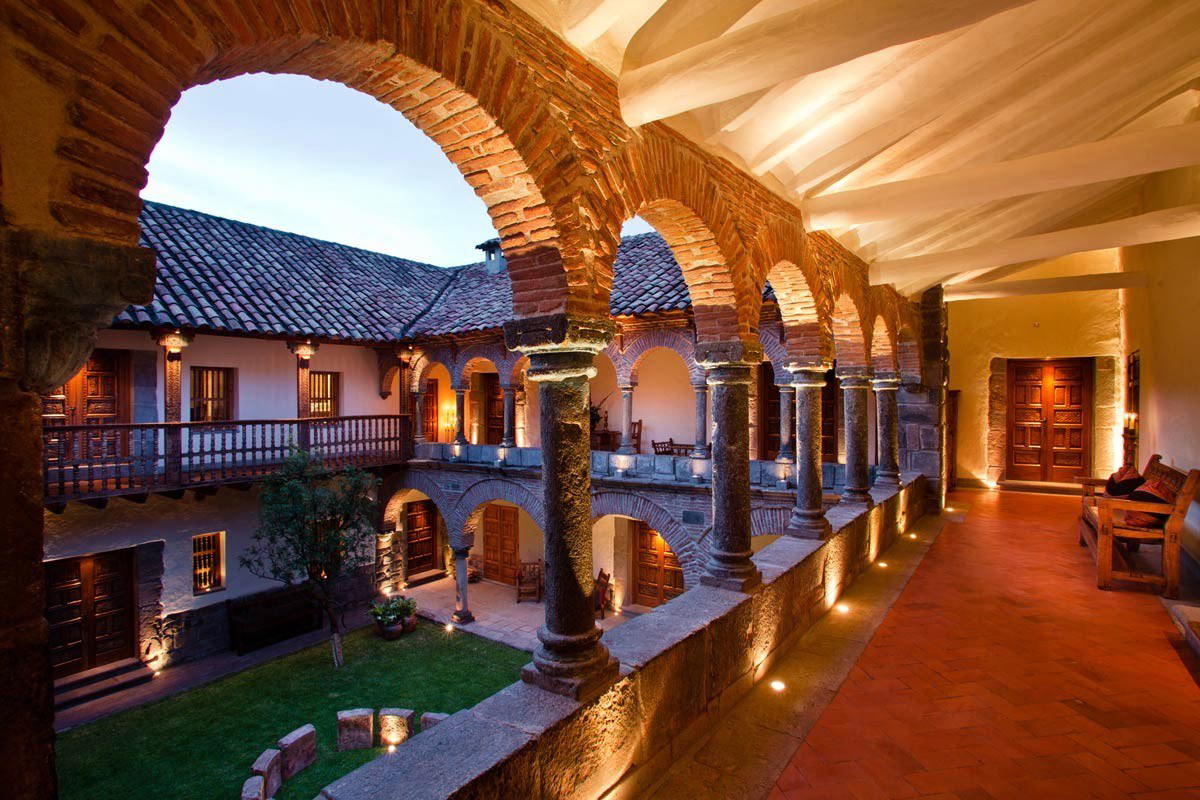
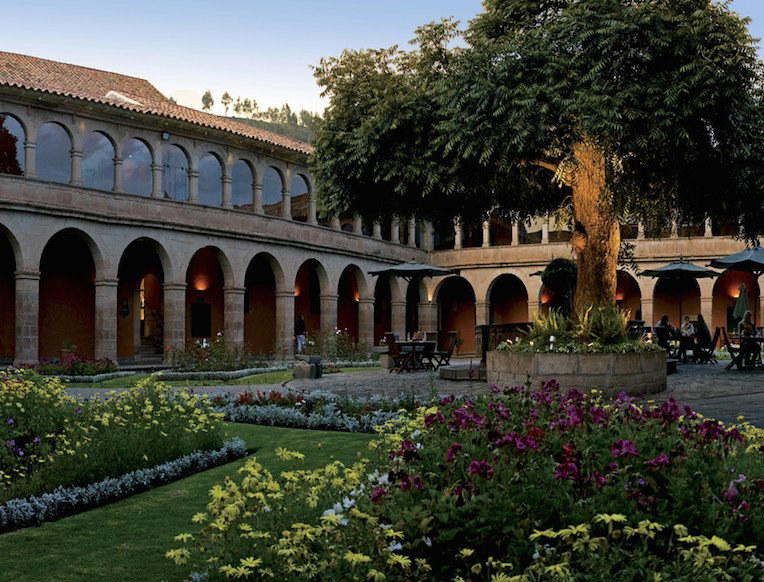
Senzo occupies the former chapel courtyard of Belmond Palacio Nazarenas, a 16th-century Inca-Spanish colonial palace in central Cuzco. The kitchen draws on Andean altitude ingredients and Peruvian culinary tradition within one of the city's most architecturally significant dining settings. For hotel guests and walk-ins alike, it represents the premium end of Cuzco's growing fine-dining tier.

Pearl is the En Primeur Club membership app — saves, bookings, and concierge access live there. Same editors, same standards.
- Address
- Belmond Palacio Nazarenas, C. Palacio 144, Cusco 08002, Peru
- Phone
- +5184582222
- Hours
- Daily 5 AM–10:30 PM
- Website
- belmond.com
- Directions
- Get directions
- Booking
- Book on the venue's website
The menu
What to order
- Breads with cacao butter
- Chocolate texture dessert
Dining Inside a Colonial Palace at 3,400 Metres
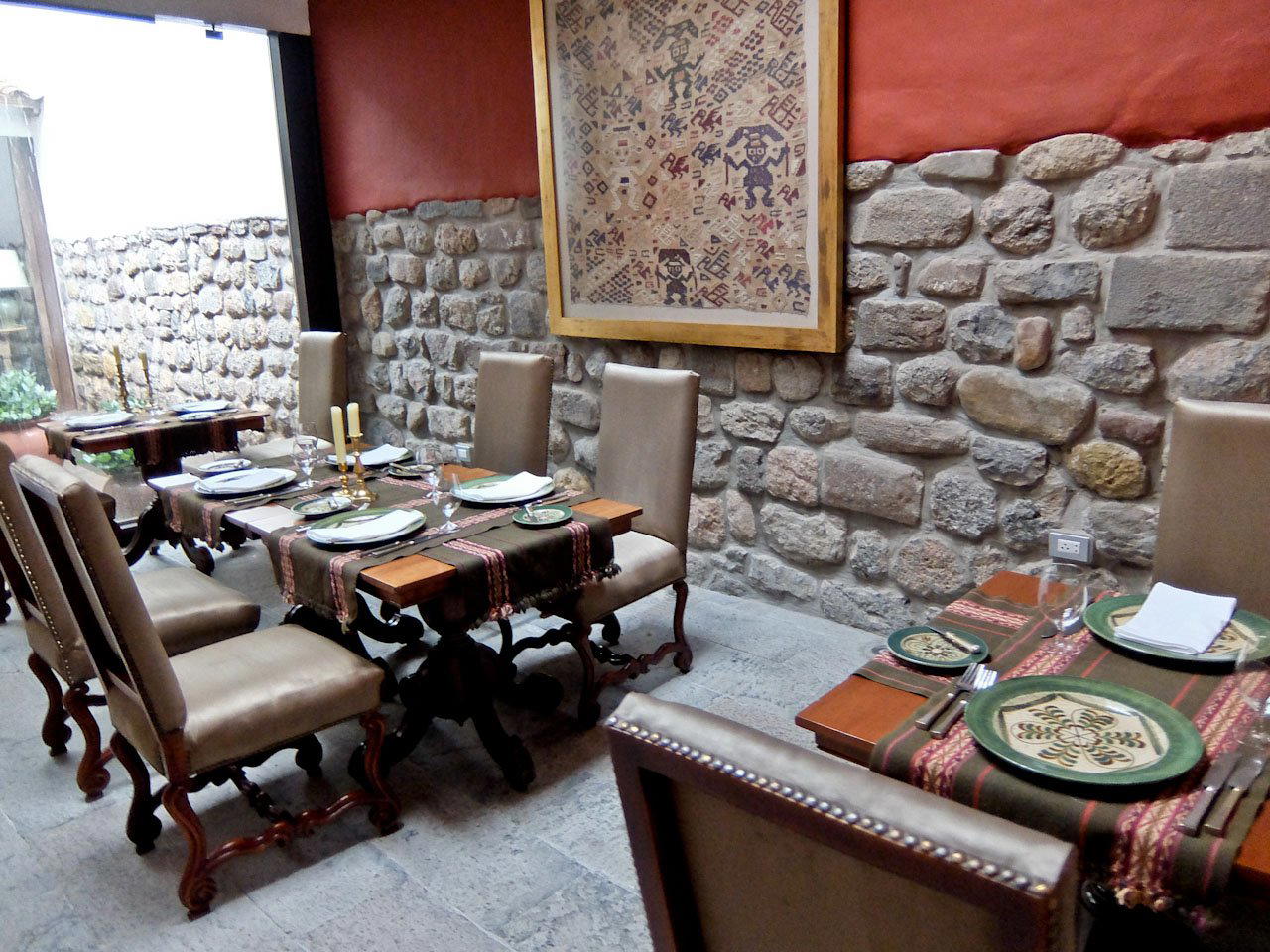
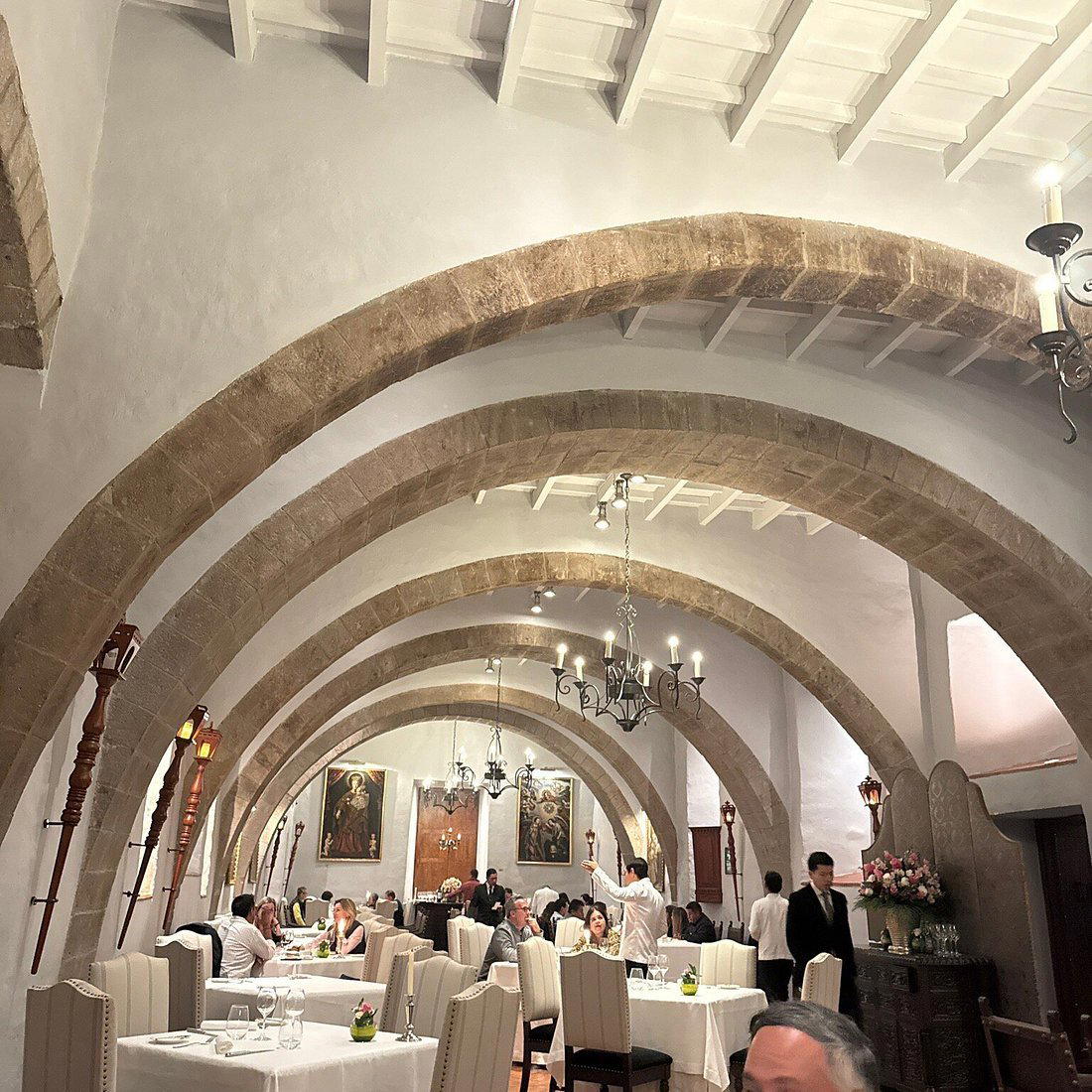
Cuzco's fine-dining scene has matured quietly over the past decade, moving from novelty Novo-Andino experiments into a more settled tier of restaurants that treat altitude ingredients with the same seriousness applied in Lima. At the upper end of that tier sits Senzo, operating inside the Belmond Palacio Nazarenas on Calle Palacio, a few minutes' walk from the Plaza de Armas. The building itself — a 16th-century colonial palace built over Inca foundations — sets the physical context before a single dish arrives. Guests move through stone corridors and into a courtyard where the former chapel structure has been absorbed into the hotel's architecture. The setting places Senzo in a peer group that includes LIMO Cocina Peruana & Pisco Bar in Cusco and Hanz Gastronomique, though the Belmond infrastructure gives Senzo a different kind of operational depth, wine cellars, brigade size, and front-of-house training that independent restaurants in this city rarely match.
The Andean Kitchen and What Drives It
Peru's culinary reputation is, by now, well-documented internationally. Lima anchors it through restaurants like Central Restaurante, where altitude and ecosystem are treated as primary organising principles. Cuzco's version of that conversation is more compressed: fewer restaurants, a smaller pool of international diners, and a kitchen environment that operates at genuine altitude, where water boils at lower temperatures, fermentation moves differently, and imported produce arrives more slowly than at sea level. Senzo's kitchen works within these constraints rather than around them, drawing on the same Andean pantry, quinoa, choclo, purple corn, native potato varieties, alpaca, that defines the regional tradition. In this respect it shares a lineage with Mil Centro in Moray, which takes the altitude-ingredient concept further into agronomic research, though Senzo's context is hotel dining rather than destination-restaurant pilgrimage.
The broader Peruvian fine-dining model rewards kitchen-floor collaboration as much as individual chef vision. At Senzo, the team dynamic between kitchen, sommelier, and front-of-house carries particular weight because the guest profile skews international: visitors arriving via Machu Picchu itineraries who may have little prior reference for Andean ingredients. That means the front-of-house carries an interpretive role that goes beyond wine service or table management. Explaining the difference between a chupe de camarones and a standard bisque, or contextualising the dozen-plus native potato species available in the Sacred Valley, requires a level of floor intelligence that distinguishes this category of hotel restaurant from simpler formats. The sommelier dimension adds another layer: Peruvian wine from the Ica Valley, also accessible through spots like Bistrot Bastille in Ica District, sits alongside pisco-based pairings and international bottles, requiring genuine programme curation rather than a default list.
Cuzco's Fine-Dining Tier: Where Senzo Sits
Cuzco's restaurant options span a wide range. At the neighbourhood end, places like Campo Cocina Andina and Casa Cusqueña offer regional cooking at more accessible price points, while Chicha Cusco, the Gastón Acurio-linked venue on Plaza Regocijo, carries its own institutional weight. Intillay Peruvian Fusion Food represents a different approach, leaning into fusion framing rather than strict regional tradition. Senzo operates at the premium hotel-restaurant end of this spectrum, where the infrastructure of a Belmond property, sourcing relationships, trained brigade, wine programme depth, creates a ceiling for what the kitchen can attempt that independent restaurants rarely reach in a city this size.
That comparison extends internationally. The collaborative service model at Senzo has more in common with hotel-anchored fine dining at properties like those hosting Le Bernardin in New York City, where front-of-house technical fluency is treated as equal to kitchen output, than it does with the tasting-counter format pioneered at places like Atomix in New York City. The comparison isn't about cuisine type; it's about service architecture. Hotel fine dining in a heritage property demands a specific kind of team discipline that tasting-counter formats don't require.
The Sacred Valley as Larder
One of the more underappreciated aspects of dining at altitude in Cuzco is the proximity to the Sacred Valley's agricultural output. The valley, running northeast from Cuzco toward Pisac and Ollantaytambo, produces ingredients at varying microclimates, different elevations yield different potato varieties, different corn types, different herb profiles. Restaurants in Cuzco that build direct supplier relationships with valley farmers gain access to produce that simply doesn't travel to Lima in peak condition. The same logic applies to the Sacred Valley's chicha production and the fermented-corn tradition that underpins much of Andean food culture. For regional context beyond Cuzco itself, Mapacho Craft Beer Restaurant in Urubamba and Inti House in Aguas Calientes reflect how the broader Sacred Valley corridor is developing its own culinary identity alongside the Machu Picchu tourism flow.
Planning a Visit
Senzo is located at Belmond Palacio Nazarenas, Calle Palacio 144, Cuzco, a short walk uphill from the Plaza de Armas, near the San Blas neighbourhood boundary. Hotel guests have direct access, but the restaurant is open to non-staying visitors; reservations through the Belmond property are the practical route for external diners. Given the Palacio Nazarenas is a small luxury property with limited covers, booking ahead is advisable, particularly during the May-to-October dry season when Cuzco's visitor numbers peak. Arriving from altitude-sensitive itineraries, most visitors fly into Cuzco from Lima or connect via Juliaca, it's worth allowing a day of acclimatisation before a full dinner service, both for comfort and to better appreciate the food. The restaurant sits within Cuzco's historic centre, a UNESCO World Heritage-listed zone, which itself sets the architectural register of the arrival experience. For a broader view of the city's dining options across price points and formats, see our full Cuzco restaurants guide.
Frequently asked questions
Is Senzo good for families?
Senzo sits within the Belmond Palacio Nazarenas on Calle Palacio 144, a formal hotel dining room rather than a casual family-friendly space. Children accustomed to sit-down restaurant settings will manage fine, but the colonial palace environment and refined Andean menu format make it better suited to adults or older teenagers with an appetite for regional cooking. Families with young children may find the atmosphere a poor fit for an extended meal.
Is Senzo better for a quiet night or a lively one?
Senzo runs on the quieter side. Housed inside Belmond Palacio Nazarenas — a converted 16th-century colonial palace on Calle Palacio 144 — the dining room prioritises intimate atmosphere over energy. Expect measured service, low ambient noise, and the kind of pacing that suits a long conversation over a considered Andean menu rather than a celebratory group dinner.
What makes dining at Senzo different from other fine-dining restaurants in Cuzco?
The setting is the clearest differentiator: Senzo operates inside Belmond Palacio Nazarenas, a restored colonial palace in central Cuzco, which places the meal inside a building with genuine architectural history rather than a purpose-built restaurant space. At 3,400 metres above sea level, it also sits among a small peer group of fine-dining rooms anywhere in the world operating at this altitude, which shapes both the kitchen's sourcing focus and how the meal physically feels. Within Cuzco's fine-dining tier, that combination of address and elevation is uncommon.
What should I order at Senzo?
Senzo's kitchen draws directly from Sacred Valley produce, so dishes rooted in high-altitude Andean ingredients — heritage potato varieties, Andean grains, local proteins — reflect what the restaurant does with most conviction. The menu operates in the Novo-Andino register that has defined Peru's fine-dining tier internationally, so lean toward preparations that foreground regional ingredients rather than European-influenced dishes.
What's the address for Senzo?
Senzo is located at Belmond Palacio Nazarenas, C. Palacio 144, Cusco 08002, Peru, Cuzco.
Price and Recognition
Comparable venues nearby, for context on price, style, and recognition.
| Venue | Cuisine | Price | Notes |
|---|---|---|---|
| SenzoThis venue — the venue you are viewing | Modern Peruvian Fine Dining | $50–100 | Not listed |
| Hanz Gastronomique | Peruvian-Andean-Japanese Fusion | $30–50 | Plaza de Armas, Peruvian-Andean-Japanese Fusion |
| Campo Cocina Andina | Modern Andean Peruvian | $20–30 | Historic center, Modern Andean Peruvian |
| Intillay Peruvian Fusion Food | Peruvian Fusion | $20–30 | San Blas, Peruvian Fusion |
| Casa Cusqueña | Modern Peruvian | $20–30 | Plaza de Armas, Modern Peruvian |
| MARE RESTAURANT | Modern Peruvian with Mediterranean Influences | $30–50 | Historic Center, Modern Peruvian with Mediterranean Influences |
Continue exploring
More in Cusco
Restaurants in Cusco
Browse all →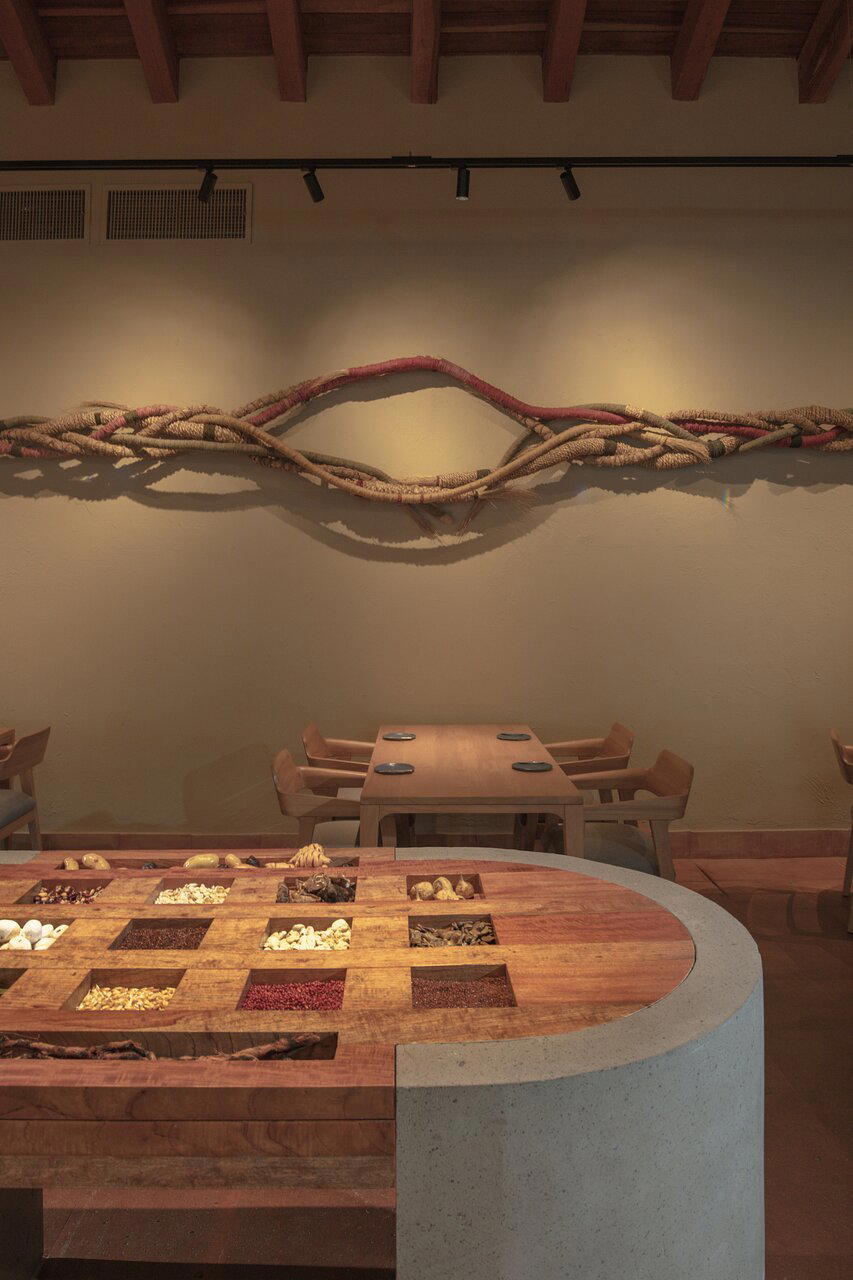
Details
- Elegant
- Sophisticated
- Intimate
- Date Night
- Special Occasion
- Hotel Restaurant
- Open Kitchen
- Courtyard
- Extensive Wine List
- Local Sourcing
- A La Carte
- Tasting Menu
- Pisco
- Wine
- Vegetarian Friendly
- Vegan Options
- Gluten Free Options
Current opening hours
- Monday
- 5 AM–10:30 PM
- Tuesday
- 5 AM–10:30 PM
- Wednesday
- 5 AM–10:30 PM
- Thursday
- 5 AM–10:30 PM
- Friday
- 5 AM–10:30 PM
- Saturday
- 5 AM–10:30 PM
- Sunday
- 5 AM–10:30 PM
Hours can change for holidays and private events. Last verified .
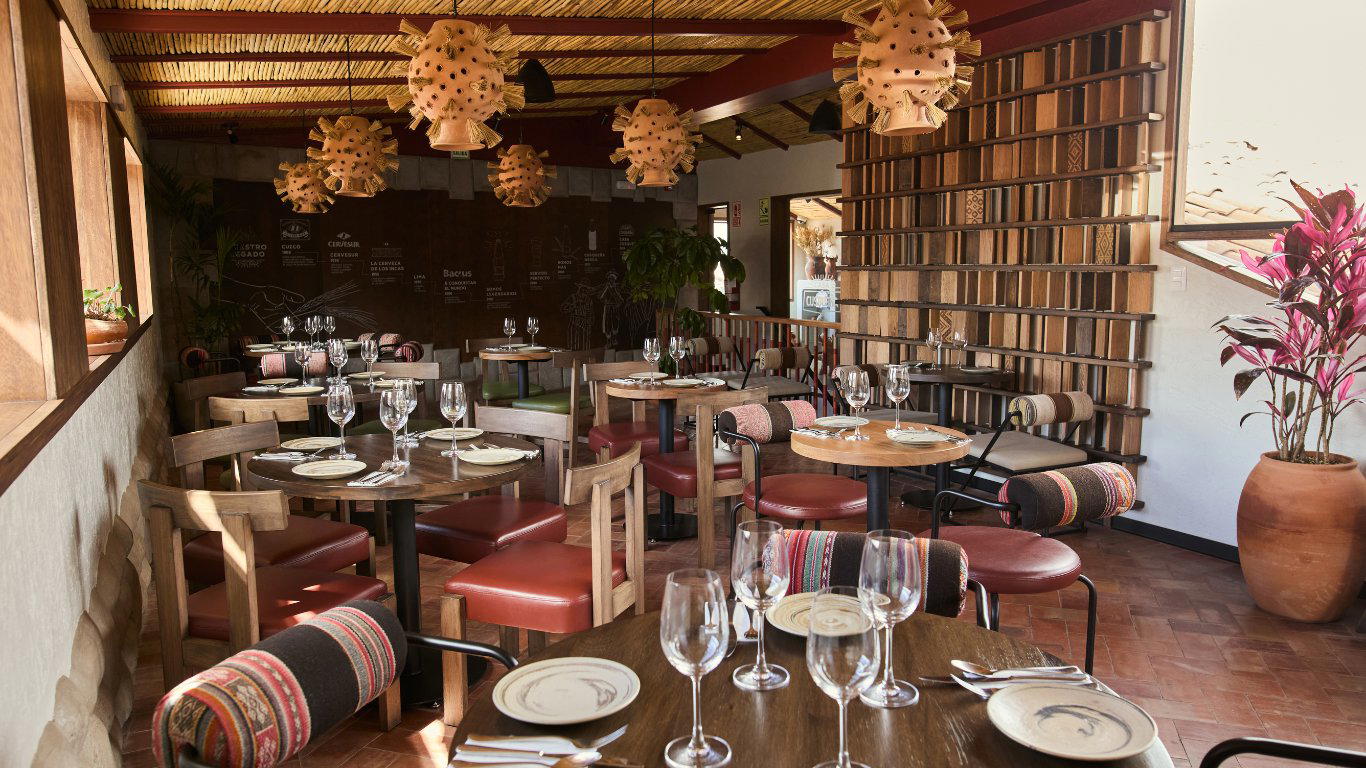
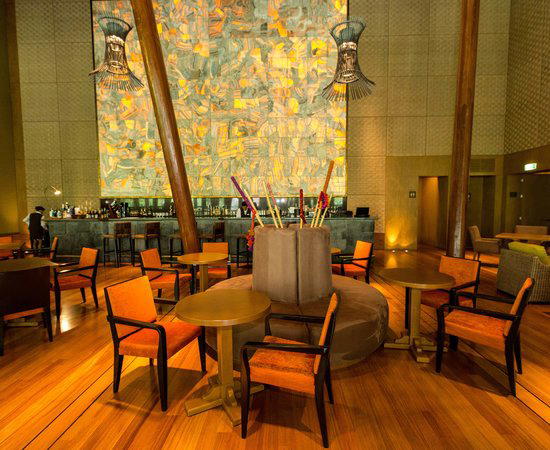
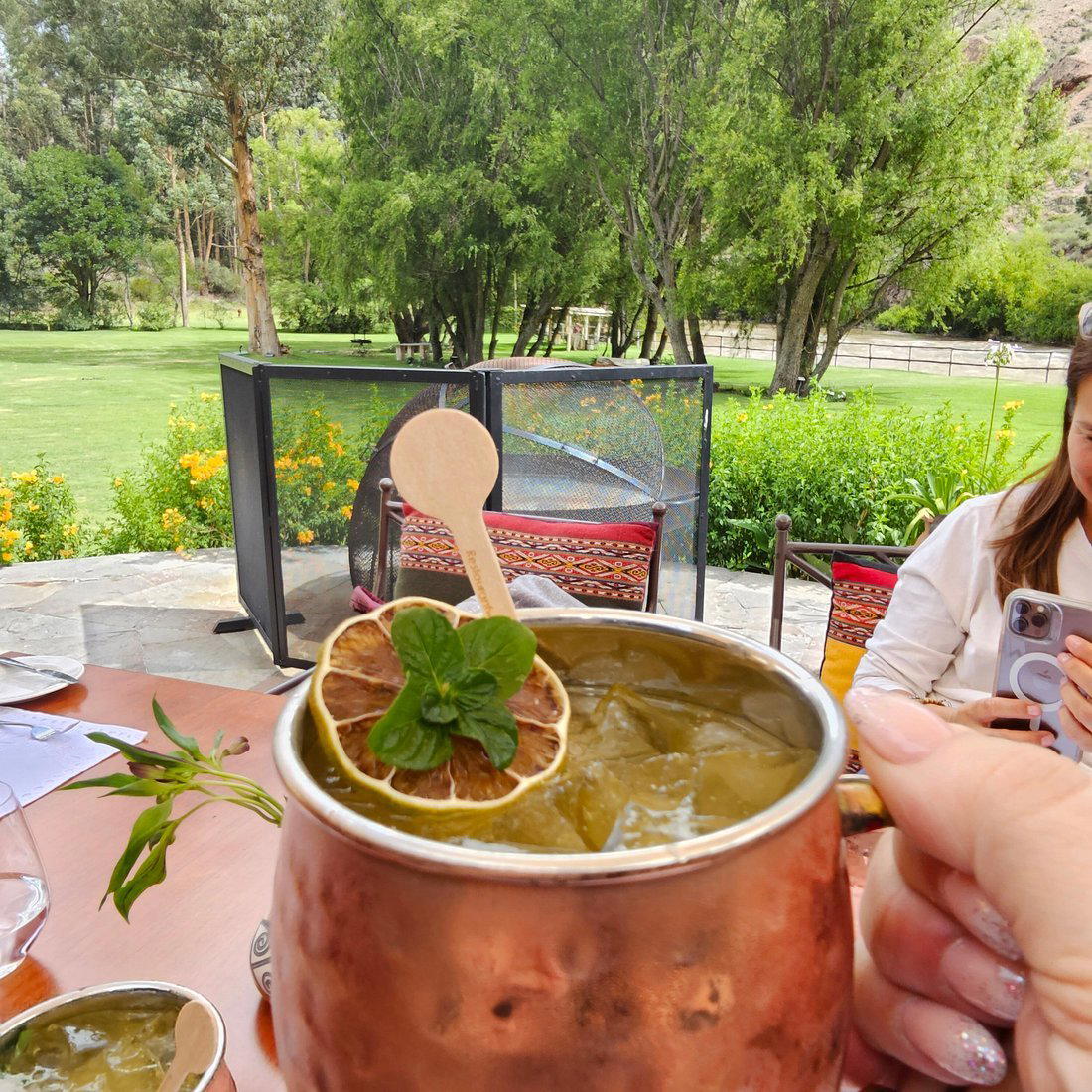
Simple and comfortable decor with bare wooden tables, atmospheric poolside courtyard setting, elegant and formal dining atmosphere.