



1 Michelin Star · La Liste Top Restaurants · We're Smart World 2 Radishes
Our verdict
Located within the grounds of Zen-sect Tengenji Temple in Minamiazabu, Seisoka holds a Michelin star and a La Liste score of 90 points. Chef Nozomu Yamai presents kaiseki that draws directly on shojin ryori, the vegetarian discipline developed by Buddhist monks, with a daily-changing menu built around what seasonal produce offers at its most immediate. The result is one of Tokyo's more philosophically coherent kaiseki addresses.

Pearl is the En Primeur Club membership app, where members save venues, book tables and use the concierge.
Kaiseki Rooted in Temple Tradition: The Minamiazabu Case for Seisoka
Tokyo's kaiseki tier has consolidated around a recognisable set of coordinates: Michelin recognition, seasonal discipline, and price points that sit firmly in the ¥¥¥¥ bracket. Within that set, the distinctions between practitioners matter enormously. RyuGin deploys modern technique as an interpretive layer over classical kaiseki structure. Kanda and Kohaku represent the precision-orthodox end of the tradition. Seisoka operates from a different premise entirely: the kitchen's relationship to shojin ryori, the vegetarian cuisine developed by Zen Buddhist monks over centuries, is not decorative. It is structural. The restaurant sits on the grounds of Tengenji Temple in Minamiazabu, and that address is not incidental to what appears on the table.
The name itself signals intent. Seisoka translates as a tranquil space surrounded by lush greenery, and the phrasing gestures at something older than contemporary restaurant culture: a sensibility about place, season, and the discipline of paying attention to both. That framing makes Seisoka a relatively unusual proposition in the Michelin-starred tier of Tokyo dining, where the philosophical architecture of a menu is more commonly expressed through sourcing notes than through genuine institutional connection to a contemplative tradition.
Chef Nozomu Yamai and the Logic of Daily Change
The kaiseki tradition has always insisted on seasonal rotation, but Seisoka's approach under Chef Nozomu Yamai takes that principle further than the standard quarterly or monthly menu update. The menu evolves by the day, shaped by what the kitchen determines nature is offering at its most immediate. This is a meaningful operational commitment, not a marketing position. Daily-change menus at this price tier require the sourcing infrastructure and the kitchen confidence to execute without the safety net of a fixed sequence.
Chef Yamai's approach places Seisoka in a lineage of kaiseki practitioners who treat the chef's judgment as a daily act of translation between season and plate, rather than as an authorial statement fixed in advance. Among Tokyo's Michelin-starred kaiseki houses, that posture is less common than it might appear. Most operate with a seasonal framework that changes meaningfully three or four times a year with incremental adjustments between. The daily-revision model asks more of the kitchen and produces a different experience for the returning guest: the menu you encountered last month will not reappear.
The integration of shojin ryori within the kaiseki structure is where Yamai's training context becomes editorially relevant. Shojin ryori's constraints, no meat, no fish in its strictest form, no alliums in the traditional monastic version, have historically been treated by kaiseki kitchens as a source of technique and aesthetic reference rather than as a binding discipline. At Seisoka, plant-based preparations carry genuine structural weight. Vegetables are given prominence not as an accommodation but as a reflection of the cuisine's philosophical orientation.
Where Seisoka Sits in the Tokyo Kaiseki Scene
The score moved from 90 in 2025 to 85 in 2026, a modest adjustment that tracks with the typical volatility of aggregate scoring rather than signalling a directional shift. The Michelin star, awarded in 2024, confirms the kitchen's technical standing. Opinionated About Dining, which draws on a broad base of informed-diner assessments, ranked Seisoka at 334 in Japan in 2025, following a ranking of 331 in 2024, with an initial Recommended designation in 2023: a consistent upward recognition trajectory since the restaurant entered the guide universe.
For context on the kaiseki category in Tokyo, Ginza Kojyu and Ginza Shinohara represent the Ginza-anchored, multi-starred end of the spectrum. Seisoka's single star and temple-grounds location in Minamiazabu place it in a different register: more intimate, more philosophically specific, and without the Ginza premium on address. The comparison that matters for a prospective guest is less about ranking position and more about what kind of kaiseki experience the kitchen is oriented toward delivering.
Beyond Tokyo, the kaiseki tradition is addressed at its most codified in Kyoto, where Hyotei and Kikunoi Honten represent the institutional lineage. Seisoka's Tokyo positioning and its shojin ryori integration distinguish it from Kyoto orthodoxy without rejecting the tradition's core architecture. Elsewhere in Japan, Gion Sasaki in Kyoto and HAJIME in Osaka represent other inflection points in how kaiseki and high Japanese cuisine are being reinterpreted across the country.
Tableware, Design, and the Seasonal Object
Traditional kaiseki has always treated the vessel as part of the composition, and Seisoka takes that convention seriously enough that tableware selection is responsive to the emotional register of each season, not fixed across service periods. This is standard practice at the Kyoto end of the tradition, less universal in Tokyo kaiseki, where modernist plating sometimes crowds out the quieter language of ceramic and lacquer. The seasonal alignment of presentation and tableware at Seisoka connects the restaurant to a Japanese design sensibility that treats objects as carriers of temporal meaning, not merely as backdrop.
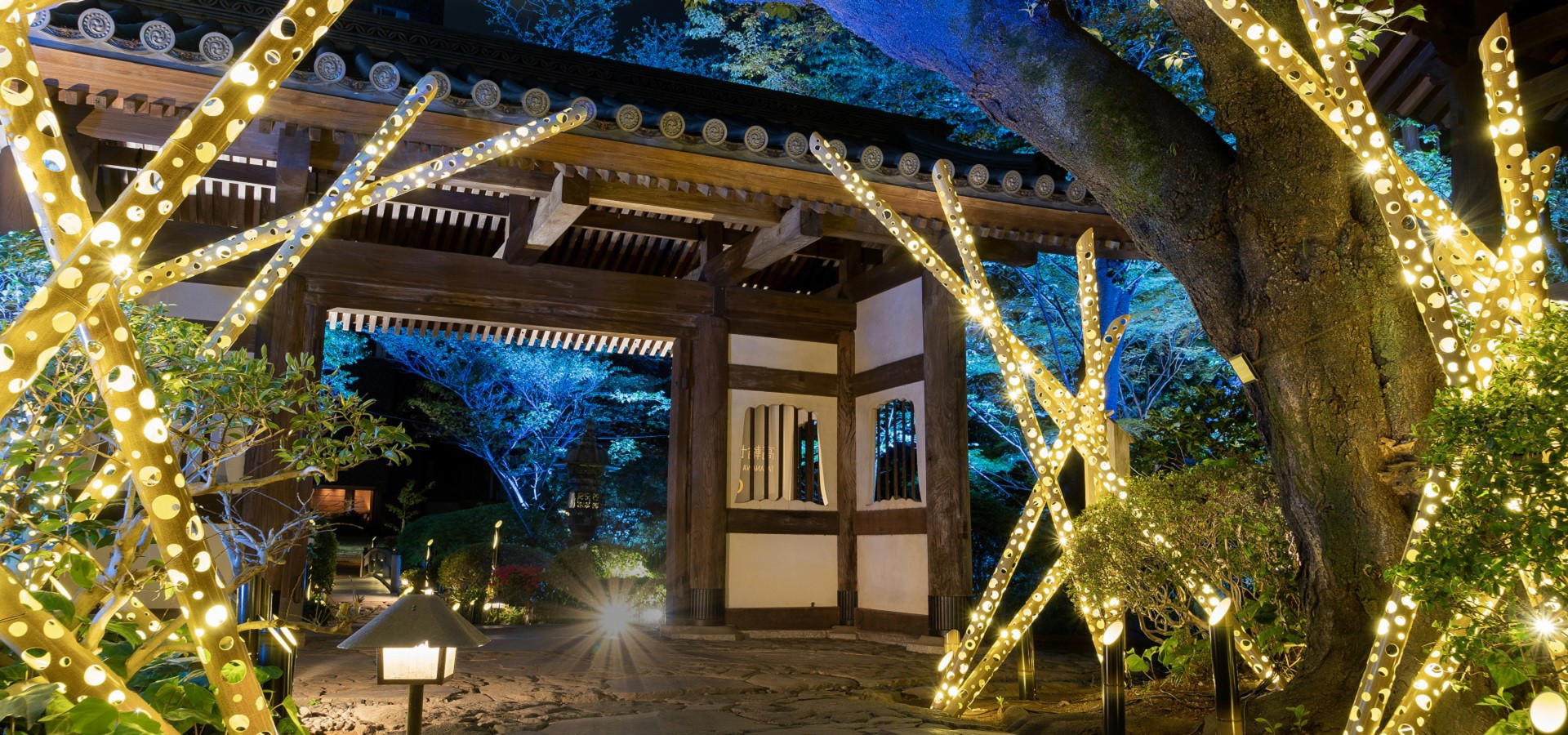
The temple setting reinforces that orientation. Tengenji Temple, a Zen-sect institution, provides a physical context that most Tokyo restaurants can only approximate through interior design. The relationship between the restaurant and the temple is not purely geographical: the shojin ryori tradition that informs the menu is itself a Zen monastic development, which makes the institutional connection between setting and cuisine more than atmospheric.
Planning Your Visit
Seisoka is located at 4 Chome-2-34 Minamiazabu, Minato City, Tokyo. The restaurant operates Tuesday through Saturday with lunch seatings from noon to 2:30 pm and dinner from 5:30 to 11 pm, with the same hours on Monday. It is closed on Sunday. The ¥¥¥¥ price designation places it at the top tier of Tokyo dining expenditure, consistent with other Michelin-starred kaiseki houses in the city.
| Venue | Cuisine | Price Tier | Recognition | Format Notes |
|---|---|---|---|---|
| Seisoka | Kaiseki / Shojin | ¥¥¥¥ | Michelin 1 Star, La Liste 90 (2025) | Daily-change menu, temple grounds, vegetable-forward |
| RyuGin | Kaiseki, Japanese | ¥¥¥¥ | Multiple Michelin Stars | Modernist technique on classical structure |
| Ginza Kojyu | Kaiseki | ¥¥¥¥ | Michelin Starred | Ginza address, counter format |
| Ginza Shinohara | Kaiseki | ¥¥¥¥ | Michelin Starred | Ginza address, classical kaiseki |
| Kanda | Kaiseki | ¥¥¥¥ | Michelin Starred | Precision-orthodox, seasonal |
For a broader view of Tokyo's restaurant scene across categories, see our full Tokyo restaurants guide. If you are planning the wider trip, our full Tokyo hotels guide, our full Tokyo bars guide, our full Tokyo experiences guide, and our full Tokyo wineries guide cover the rest of the picture. Across Japan, the EP Club platform also covers akordu in Nara, Goh in Fukuoka, 1000 in Yokohama, and 6 in Okinawa for those building a longer itinerary.
Frequently asked questions
What should I order at Seisoka?
Seisoka does not operate on an à la carte basis. The kaiseki format means guests receive a sequence determined by the kitchen, and the menu changes daily based on what seasonal produce the kitchen has sourced. The shojin ryori influence means plant-based preparations carry genuine prominence throughout the sequence, not as a concession but as a structural feature of how Chef Nozomu Yamai interprets the kaiseki tradition. Guests with dietary requirements should communicate these at the time of booking. The restaurant holds a Michelin star and a La Liste score of 90 points, and the daily-change format means the experience on any given visit reflects that day's market and harvest rather than a fixed seasonal template.
Awards and Standing
A quick peer reference to anchor this venue in its category.
| Venue | Cuisine | Price | Awards | Notes |
|---|---|---|---|---|
| SeisokaThis venue (the venue you are viewing) | Traditional Kaiseki | $150–200 | 1 Michelin Star · La Liste Top Restaurants | Not listed |
| Harutaka | Edo-Style Omakase Sushi | $200–300 | 3 Michelin Stars · World's 50 Best #76 | Sushi |
| RyuGin | Modern Kaiseki | $500+ | 3 Michelin Stars · World's 50 Best #41 | Kaiseki, Japanese |
| L'Effervescence | Modern French with Japanese Influences | $200–300 | 3 Michelin Stars · World's 50 Best #69 | French |
| HOMMAGE | Modern French with Japanese Influences | $150–200 | 2 Michelin Stars · World's 50 Best #78 | Innovtive French, French |
| MAZ | Innovative Peruvian-Japanese Fusion | $150–200 | 2 Michelin Stars · World's 50 Best #28 | Innovative |
Recognition history
Dated appearances from independent guides and award organizations, with the underlying list record or original source where available.
Michelin 1 Star
Michelin
La Liste Top Restaurants
La Liste
Opinionated About Dining Top Restaurants in Japan Recommended
Opinionated About Dining
We're Smart World 2 Radishes
We're Smart World
Full recognition history (9 entries)
La Liste Top Restaurants
La Liste
Opinionated About Dining Top Restaurants in Japan Ranked #334
Opinionated About Dining
Michelin 1 Star
Michelin
Opinionated About Dining Top Restaurants in Japan Ranked #331
Opinionated About Dining
Opinionated About Dining Top Restaurants in Japan Recommended
Opinionated About Dining
Continue exploring
More in Tokyo
Restaurants in Tokyo
All restaurants in Tokyo →


Bars in Tokyo
All bars in Tokyo →






Details
- Quiet
- Elegant
- Minimalist
- Intimate
- Serene
- Special Occasion
- Date Night
- Private Dining
- Sake Program
- Local Sourcing
- Garden
- Tasting Menu
- Vegetarian Friendly
Current opening hours
- Monday
- 12–2:30 PM, 5:30–11 PM
- Tuesday
- 12–2:30 PM, 5:30–11 PM
- Wednesday
- 12–2:30 PM, 5:30–11 PM
- Thursday
- 12–2:30 PM, 5:30–11 PM
- Friday
- 12–2:30 PM, 5:30–11 PM
- Saturday
- 12–2:30 PM, 5:30–11 PM
- Sunday
- Closed
Hours can change for holidays and private events. Hours as of .
Minimalist Zen-inspired interior with tatami rooms, serene and elegant atmosphere reflecting traditional Japanese aesthetics.