


1 Michelin Star · Tabelog 100 #85
Our verdict
A Michelin-starred tempura counter in Nihonbashiningyocho, Chuo City, Tempura Yaguchi operates at Tokyo's ¥¥¥¥ tier under Chef Kazuki Yaguchi. The kitchen sequences shrimp and squid across multiple preparations fried at calibrated temperatures, with a calligraphy inscription from Yaguchi's mentor marking the room's commitment to the transmission of mastered technique. Ranked 558th in Japan by OAD 2025.

Pearl is the En Primeur Club membership app, where members save venues, book tables and use the concierge.
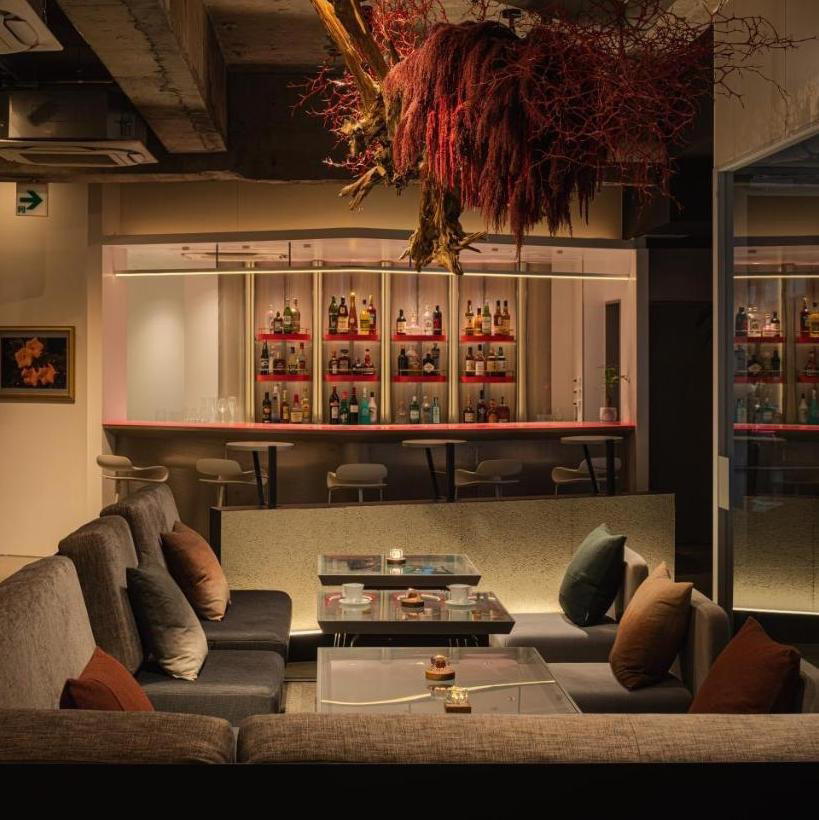
The menu
What to order
- Shrimp tempura with separately fried head and body
- Sea urchin wrapped in shiso leaves
- Conger eel tempura
- Niigata eggplant
The Ritual Before the First Piece
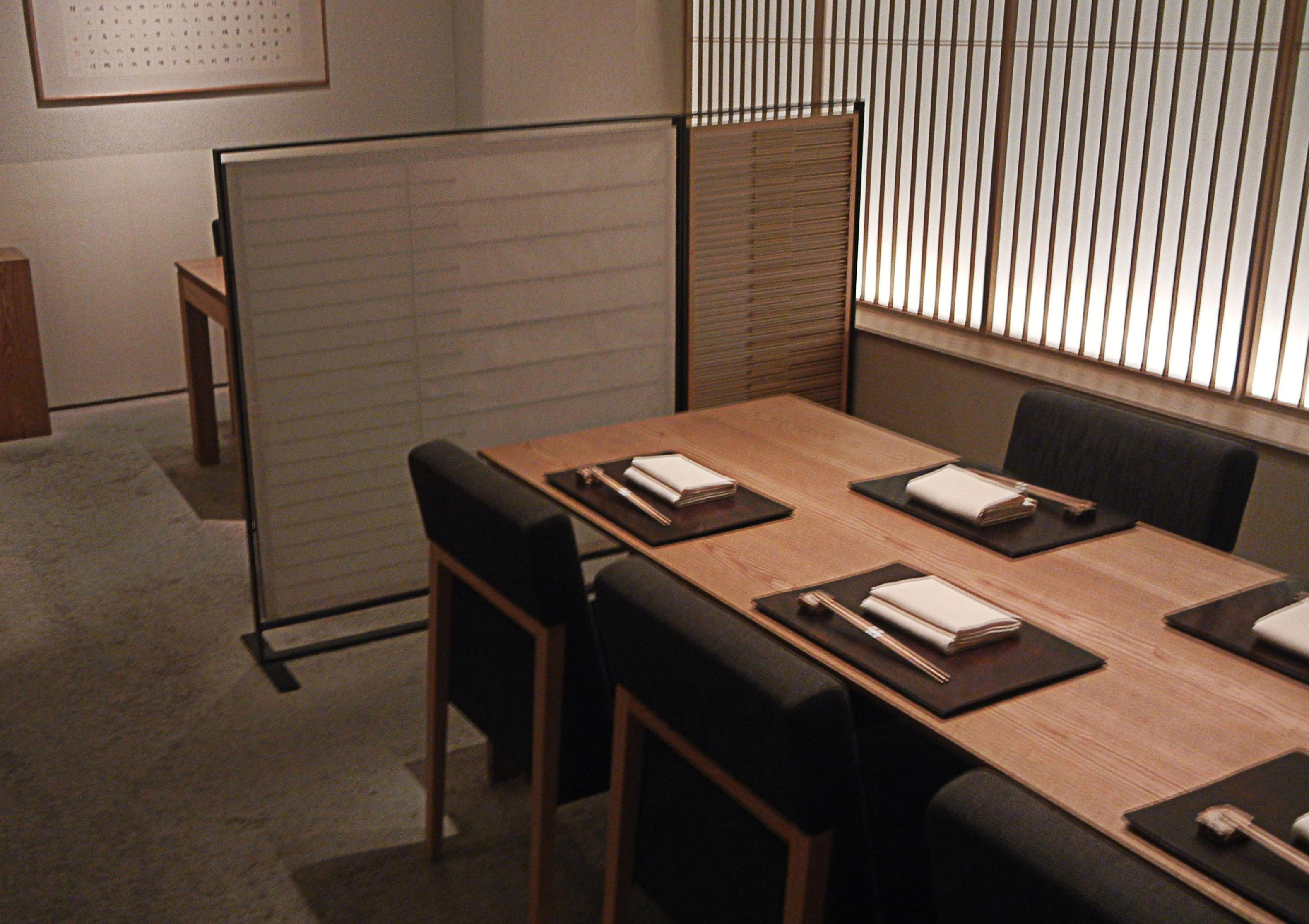
On the wall at Tempura Yaguchi, a piece of calligraphy serves as the room's quiet authority. It is a gift from Chef Kazuki Yaguchi's mentor, and it reads Menkyo Kaiden: full mastery of the arts of the trade. The words carry a double instruction, aimed at both the apprentices working the counter and, by extension, the guest who has come to understand what that mastery looks like on the plate. In Nihonbashiningyocho, a district in Chuo City that carries the measured rhythm of old Tokyo commerce rather than the noise of Shinjuku or the theatre of Ginza, that kind of quiet confidence feels appropriate.
Tokyo's tempura counter tradition is one of the more demanding formats in Japanese fine dining, and not because of ceremony for its own sake. The cooking happens in real time, piece by piece, and the interval between the fryer and the guest's chopsticks is measured in seconds. The ritual is inseparable from the technique: get it wrong and the coating goes from fragrant to leaden before the diner lifts their hand. Tempura Yaguchi holds a Michelin star (2024) and ranks 558th among Japan's restaurants in the 2025 Opinionated About Dining Leading Restaurants in Japan list, placing it within a tier of Tokyo tempura counters that take the format seriously enough to cook to individual order throughout the meal.
How the Meal is Structured
The logic of a tempura omakase is sequential and cumulative. Each piece arrives individually, timed to be eaten immediately, which means the diner's role is more active than it appears at first glance. Sitting still and waiting is exactly wrong; attention and responsiveness are part of the contract. Tokyo's tempura houses at this price level, which sits at the ¥¥¥¥ tier alongside peers such as Tempura Kondo and Tempura Motoyoshi, build their progressions around seasonal availability, moving from lighter, more delicate ingredients through to heavier cuts as the meal deepens.
At Yaguchi, shrimp are served in two successive pieces, each fried at a different temperature to produce a contrast between rare and medium textures in the same ingredient. This is not a gimmick but a teaching moment: the same shrimp handled differently demonstrates that tempura cooking is about calibration, not replication. The kitchen uses high heat to draw out moisture rapidly, producing a coating that reads as fragrant rather than greasy. Depending on seasonal availability, two kinds of squid may appear across the same meal, each yielding a distinct flavour profile. The format insists on comparison as a mode of attention.
This approach to a single ingredient across multiple preparations is something the broader Tokyo tempura scene has made a point of distinction at its upper tier. Venues at this level are not simply frying what arrives from market that morning; they are sequencing a progression that rewards the diner who eats with their full attention rather than one who treats each piece as background to conversation. Tempura Ginya and Fukamachi operate in the same register, each with their own sequencing logic and ingredient emphases.
Nihonbashiningyocho and What the Address Signals
The neighbourhood matters here in ways that go beyond geography. Nihonbashiningyocho sits in Chuo City, a part of central Tokyo that retains a stronger connection to pre-modern merchant culture than the dining districts that tend to attract international attention. It is not an area that performs its history for visitors; it simply has it, in the form of long-established businesses, traditional craft shops, and a street-level quietness that contrasts with the energy of Ginza a few minutes away. A Michelin-starred tempura counter in this part of the city is drawing a guest who has made a specific choice, not stumbled in from a hotel concierge list.
That specificity of location is common among the more serious small-format dining rooms in Tokyo. The city's leading omakase counters, across sushi, tempura, and kaiseki, have long operated on the principle that the right guest will find them. Tempura Yaguchi, located at 2 Chome-9-7 Nihonbashiningyocho, occupies the ground floor of a building in this quiet block, which is accessible from central Tokyo stations without difficulty. Those familiar with the broader Tokyo dining scene will find parallels with the positioning logic of rooms like Edomae Shinsaku, which similarly operates at the intersection of neighbourhood character and serious culinary intent.
The Meaning of Menkyo Kaiden at the Table
The calligraphy gift from Yaguchi's mentor is the room's one overt statement of lineage, and it communicates something that a press release never could. The phrase does not mean competence or proficiency; it refers to the complete transmission of a master's knowledge, the point at which a student has absorbed everything the teacher can give and must now exceed it. In the context of a working kitchen, with apprentices in view of the inscription, it functions as a standing instruction. For the diner, it frames the meal as something that has been handed down and is still being refined.
This transmission model is central to how Japanese fine dining sustains its standards across generations. The chef-mentor relationship in Tokyo's serious kitchens is not a biographical footnote; it is the mechanism by which technique, season knowledge, and sequencing logic are preserved and sharpened. When the awards data confirms a Michelin star and a ranking in the top 600 restaurants in Japan, that recognition is partly a measure of how effectively that transmission has worked. For comparison within Japan's broader dining geography, HAJIME in Osaka, Gion Sasaki in Kyoto, and Goh in Fukuoka each represent how different cities have developed their own transmission lines at the highest dining tier.
Tempura as a Category in Tokyo's Fine Dining Hierarchy
Within Tokyo's ¥¥¥¥ dining tier, tempura occupies a specific position. It lacks the global name recognition of sushi omakase, which attracts significant international booking pressure, and it does not carry the cross-cultural accessibility of French-influenced kaiseki. What it has is technical exactness compressed into a very short window per piece, and a direct relationship between the cook's judgment in the moment and what the diner experiences. There is no aging process, no sauce that can compensate for a timing error, and no plating distance between the kitchen's decision and the guest's palate.
This makes the format less forgiving than many at the same price point, and it is why counters that hold it to the standard of the Michelin tier carry a particular credibility.
For those exploring tempura as a format across geographies, Mudan Tempura in Taipei and Numata in Osaka offer points of comparison within the broader East Asian interpretation of the tradition. Within Japan's regional spread, akordu in Nara, 1000 in Yokohama, and 6 in Okinawa show how the country's serious dining culture extends well beyond Tokyo's central districts.
Planning Your Visit
Tempura Yaguchi sits at the ¥¥¥¥ price level, which in Tokyo's tempura context implies a lunch or dinner omakase in a range consistent with other Michelin-recognised counters in the city. Given the Michelin star and its OAD ranking, booking ahead is the sensible approach; counters at this tier in Nihonbashiningyocho do not rely on walk-in traffic, and the ratio of serious diners to available seats favours those who plan. The Nihonbashiningyocho location is served by the Tokyo Metro Hibiya Line and Asakusa Line, making it direct to reach from most central accommodation.
For the broader Tokyo picture, our full Tokyo restaurants guide covers the city's dining geography in detail. Those planning a wider visit will find relevant context in our Tokyo hotels guide, our Tokyo bars guide, our Tokyo wineries guide, and our Tokyo experiences guide.
Frequently asked questions
Where is Tempura Yaguchi in Tokyo?
Tempura Yaguchi is located at Japan, 〒103-0013 Tokyo, Chuo City, Nihonbashiningyocho, 2 Chome−9−7 大江戸アクセス2 1F, Tokyo.
Who is the chef or culinary lead at Tempura Yaguchi?
The chef associated with Tempura Yaguchi is Kazuki Yaguchi.
How far ahead should I plan for Tempura Yaguchi?
With a Michelin star confirmed for 2024 and an OAD ranking of #558 among Japan's top restaurants in 2025, Tempura Yaguchi sits in a booking tier where advance planning of four to eight weeks is a reasonable baseline. The ¥¥¥¥ pricing and counter format limit covers per service, so seats move quickly. Check availability as early as your travel dates allow.
Price and Recognition
A quick peer list to put this venue’s basics in context.
| Venue | Cuisine | Price | Awards | Notes |
|---|---|---|---|---|
| Tempura YaguchiThis venue (the venue you are viewing) | Modern Edomae-Style Tempura Omakase | $150–200 | 1 Michelin Star · Tabelog 100 #85 | Not listed |
| Harutaka | Edo-Style Omakase Sushi | $200–300 | 3 Michelin Stars · World's 50 Best #76 | Sushi |
| RyuGin | Modern Kaiseki | $500+ | 3 Michelin Stars · World's 50 Best #41 | Kaiseki, Japanese |
| L'Effervescence | Modern French with Japanese Influences | $200–300 | 3 Michelin Stars · World's 50 Best #69 | French |
| HOMMAGE | Modern French with Japanese Influences | $150–200 | 2 Michelin Stars · World's 50 Best #78 | Innovtive French, French |
| MAZ | Innovative Peruvian-Japanese Fusion | $150–200 | 2 Michelin Stars · World's 50 Best #28 | Innovative |
Recognition history
Dated appearances from independent guides and award organizations, with the underlying list record or original source where available.
Michelin 1 Star
Michelin
Opinionated About Dining Top Restaurants in Japan Recommended
Opinionated About Dining
Tabelog 100 #85 · No. 85
Tabelog · Tabelog 100 - Tempura - 2025
Full recognition history (5 entries)
Opinionated About Dining Top Restaurants in Japan Ranked #558
Opinionated About Dining
Michelin 1 Star
Michelin
Continue exploring
More in Tokyo
Restaurants in Tokyo
All restaurants in Tokyo →





Details
- Intimate
- Elegant
- Classic
- Sophisticated
- Special Occasion
- Date Night
- Chefs Counter
- Open Kitchen
- Local Sourcing
- Sustainable Seafood
- Omakase
- Counter Dining
- Sake
Current opening hours
- Monday
- 12–2 PM, 6–9 PM
- Tuesday
- 12–2 PM, 6–9 PM
- Wednesday
- 12–2 PM, 6–9 PM
- Thursday
- Closed
- Friday
- 12–2 PM, 6–9 PM
- Saturday
- 12–2 PM, 6–9 PM
- Sunday
- 12–2 PM, 6–9 PM
Hours can change for holidays and private events. Last verified .
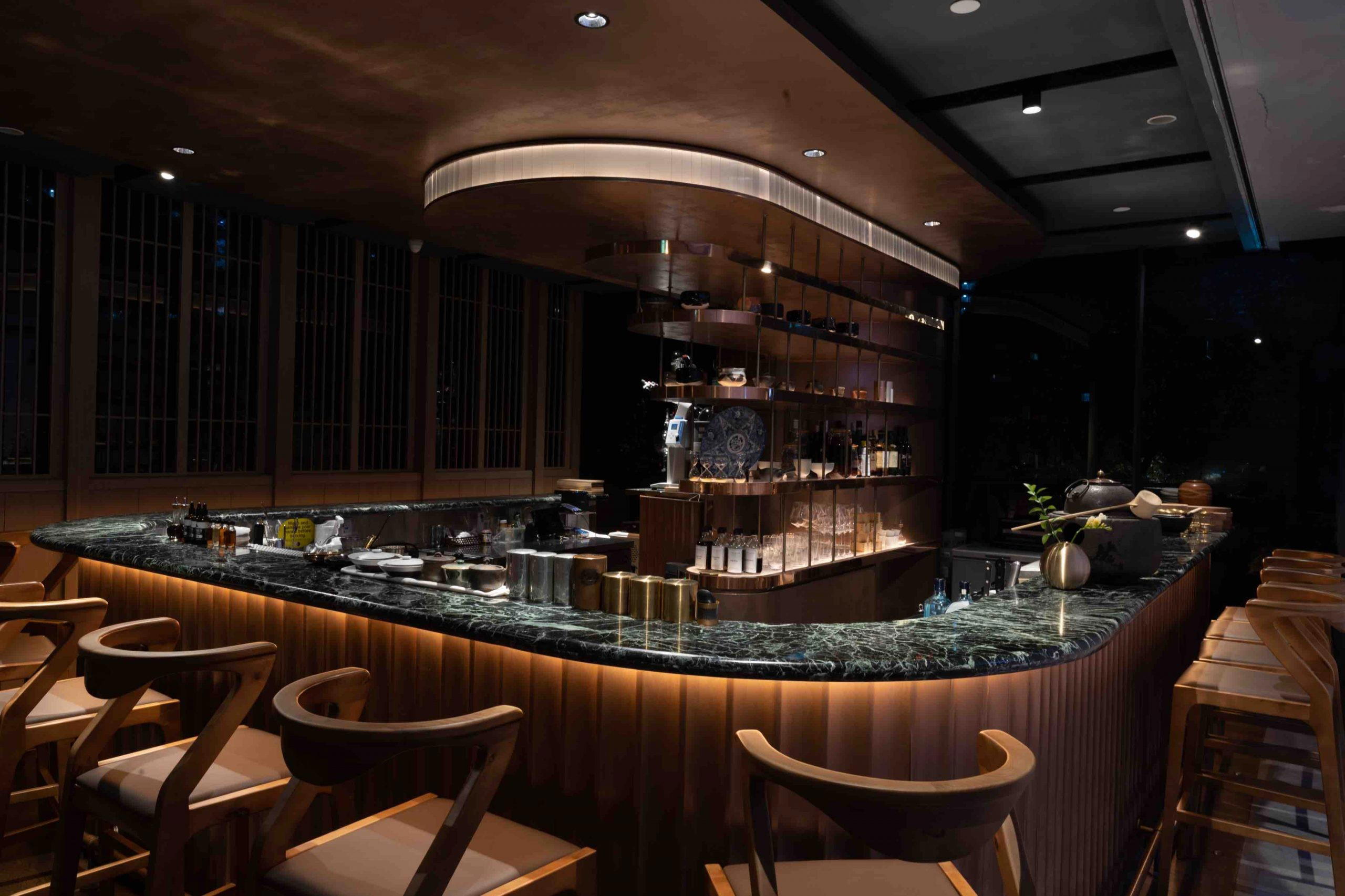
Intimate counter setting with 8 seats overlooking an open kitchen; classic Japanese design with wooden ceiling featuring ajiro mesh pattern and Ise katagami paper stencil wall decorations; calm, refined atmosphere focused on the chef's craft.