SAVR
SAVR occupies a Seaport address that places it squarely within Boston's most commercially active dining corridor, where the premium restaurant tier has expanded rapidly over the past decade. The address at 150 Seaport Blvd signals waterfront adjacency and the expectations that come with it: considered service, a front-of-house team that earns its keep, and a kitchen working with the full weight of the neighbourhood behind it.
Pearl is the En Primeur Club membership app — saves, bookings, and concierge access live there. Same editors, same standards.
- Address
- 150 Seaport Blvd, Boston, MA 02210
- Phone
- +16175537287
- Website
- savrtm.com
- Directions
- Get directions
 Saves & bookings on Pearl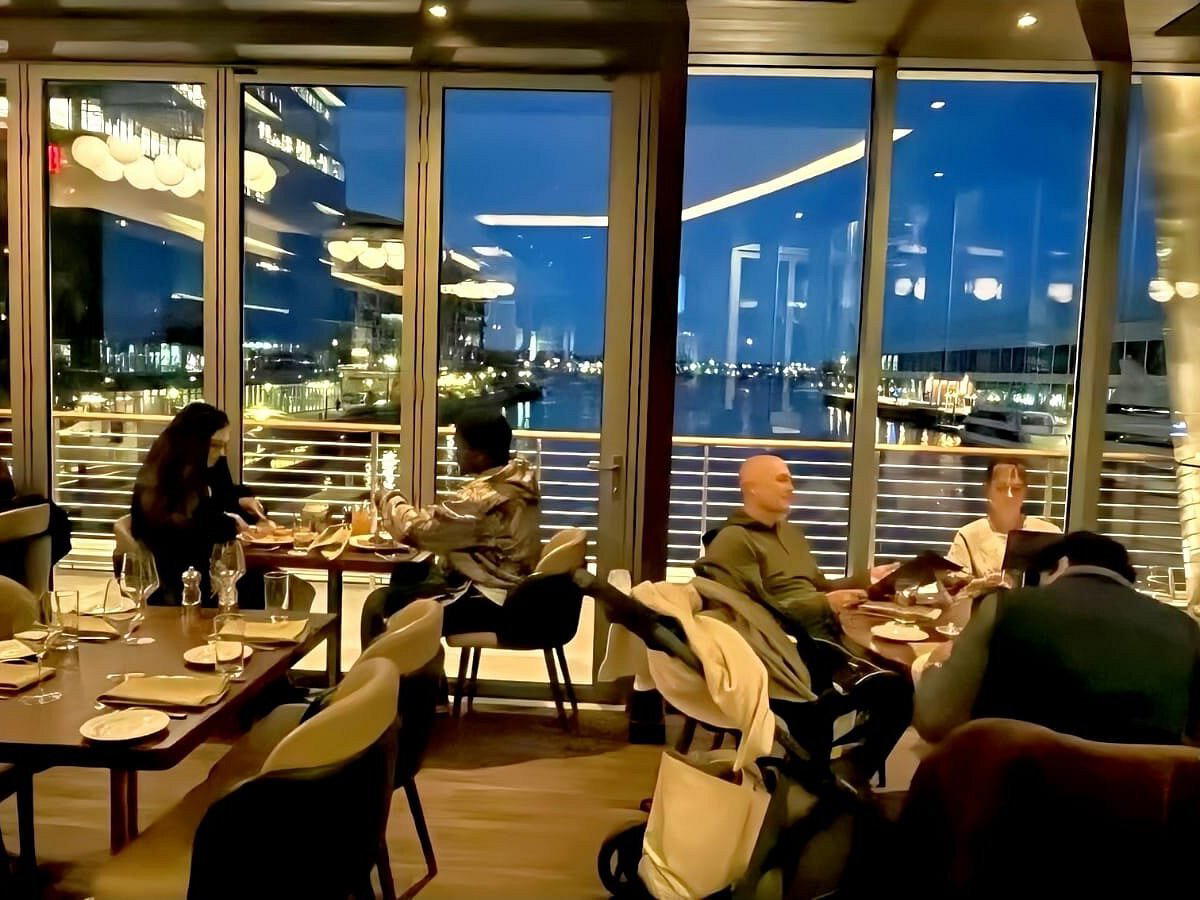
The Seaport Dining Scene and Where SAVR Sits Within It
Boston's Seaport district has undergone one of the more dramatic restaurant-density shifts of any American urban waterfront in recent memory. What was, not long ago, a post-industrial stretch of parking lots and convention infrastructure has become a concentrated address for the city's premium casual and fine dining tiers alike. The competitive pressure in this corridor is real: operators here price and position against a comparable set that includes seafood-forward rooms, international tasting counters, and chef-driven concepts drawing national attention. SAVR, at 150 Seaport Blvd, enters that conversation from a Seaport address that carries both the benefit of foot traffic and the obligation of meeting a more demanding diner than the city average.
For context, the Seaport's dining character skews toward confidence rather than heritage. Unlike the older dining institutions concentrated around the Back Bay or the North End's red-sauce tradition, Seaport rooms tend to lead with format and execution. That dynamic shapes what diners expect when they book here: less neighbourhood familiarity, more deliberate experience design. SAVR's positioning within this corridor places it alongside waterfront peers like 75 on Liberty Wharf and the historically anchored 1928 Rowes Wharf, each of which occupies a distinct register of the same waterfront dining story.
Team Architecture in a Premium Dining Room
Across American fine and premium casual dining, particularly durable rooms tend to be built around collaboration rather than singular kitchen celebrity. The model that has proven most resilient, from Le Bernardin in New York City to Single Thread Farm in Healdsburg, is one where the boundary between kitchen, floor, and wine program is deliberately porous. The sommelier reads the table as carefully as the expediter, the front-of-house anticipates rather than reacts, and the chef's output is framed and contextualised by everyone who touches the guest experience before a plate arrives.
That collaborative structure is increasingly the benchmark against which serious dining rooms are measured. At places like Atomix in New York City and Alinea in Chicago, the integration of service, wine, and kitchen into a unified hospitality posture is treated as a technical discipline in its own right. SAVR's Seaport location places it in a city where that expectation is arriving later than in New York or San Francisco but arriving with force. Boston diners, especially those who have eaten at Agosto or made the trek to the chef's counter format championed by 311 Omakase, are increasingly literate in what a genuinely integrated dining team looks and feels like.
The editorial angle worth holding here is the system. When a front-of-house team at a premium Seaport room is working well, the guest rarely notices the mechanics: the wine arrives ahead of the course it was chosen to frame, the pace of service is set by the kitchen's rhythm, and the floor reads dietary shifts or table energy without prompting. When that system breaks, it is almost always visible at the seams between departments rather than within any one of them.
Boston's Premium Dining Context
Boston sits in an interesting position within the American dining hierarchy. It has produced genuinely serious rooms across multiple categories, from the raw bar tradition exemplified by Neptune Oyster to the steakhouse tier represented by Abe & Louie's, but it has historically sat a tier below New York or San Francisco in terms of national critical attention. That gap is narrowing. The Seaport's investment cycle has pulled in operators and teams with ambitions that extend beyond the local market, and the result is a cohort of rooms that price and behave like their counterparts in denser culinary cities.
Nationally, the frame of reference for collaborative, experience-led dining at the premium end runs through rooms like Blue Hill at Stone Barns in Tarrytown, The French Laundry in Napa, and Providence in Los Angeles. Each of those rooms built its reputation partly on kitchen output and partly on the total experience architecture, the way the team as a unit communicates its intentions to the guest. The question for ambitious Seaport operators is whether they can build that kind of coherence in a neighbourhood that is still commercially volatile and where the diner base is not yet as deep or habituated as those benchmark cities. For comparison, Addison in San Diego and The Inn at Little Washington both made that case in markets that faced similar scepticism.
The Seaport as a Setting
Physically, the Seaport district presents a particular kind of dining atmosphere, one that differs sharply from Boston's older neighbourhoods. The scale is larger, the architecture more recent, and the waterfront adjacency more deliberately engineered than organically evolved. That setting works in some register for some formats: rooms that want to communicate ambition, modernity, and a break from the city's colonial-era vernacular find the Seaport a willing canvas. It works less well for concepts that trade on patina and neighbourhood intimacy, the qualities that make a room like Emeril's in New Orleans feel rooted in its city's particular history rather than transplanted from a generic premium hospitality template.
SAVR's 150 Seaport Blvd address sits within that newer Seaport fabric. For diners approaching from the waterfront side, the visual context is glass, steel, and the harbour. For those coming from the Convention Center corridor, the approach is more urban and commercial. Neither is wrong, but both shape the register a room needs to occupy to feel genuinely at home in its location rather than generically placed.
Category Peers
Comparable venues nearby, for context on price, style, and recognition.
| Venue | Cuisine | Price | Notes |
|---|---|---|---|
| SAVRThis venue — the venue you are viewing | Spirited American Bistro | $$$ | Not listed |
| The Merchant | Modern American Brasserie | $$$ | Downtown Crossing |
| Amber Road | Modern American Rotisserie | $$$ | Financial District |
| Yvonne's | Modern Global Small Plates | $$$ | Downtown Crossing |
| Tremont 647 | Global Comfort Food with American Roots | $$ | South End |
| French Quarter | New Orleans Cajun & Creole | $$ | Downtown Crossing |
Continue exploring
More in Boston
Restaurants in Boston
Browse all →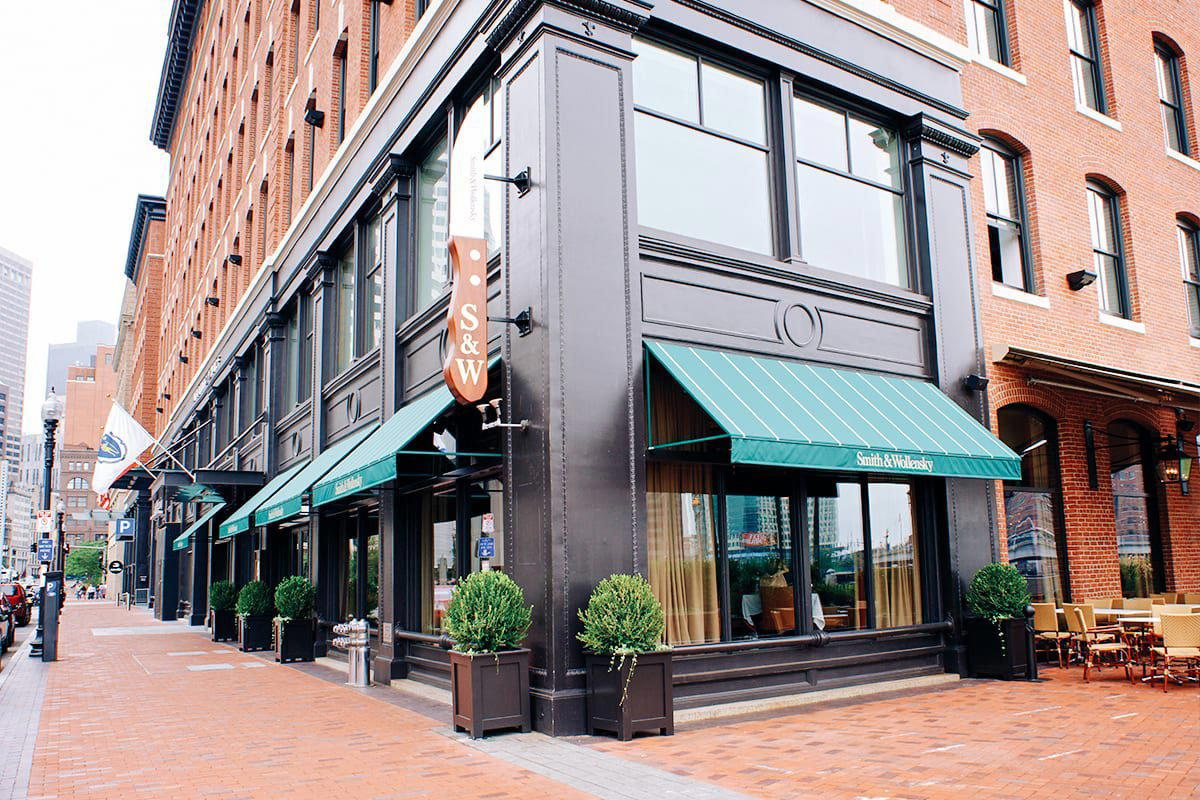
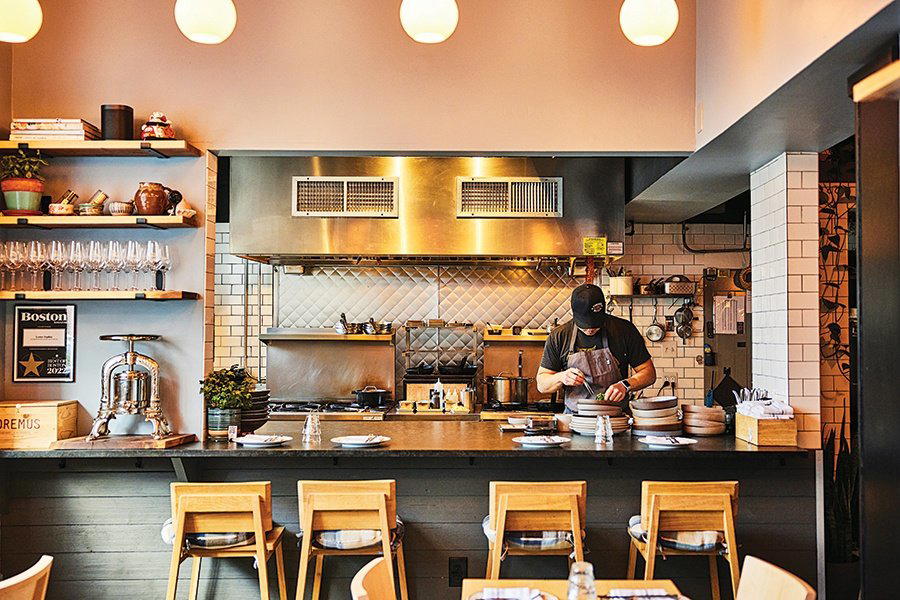
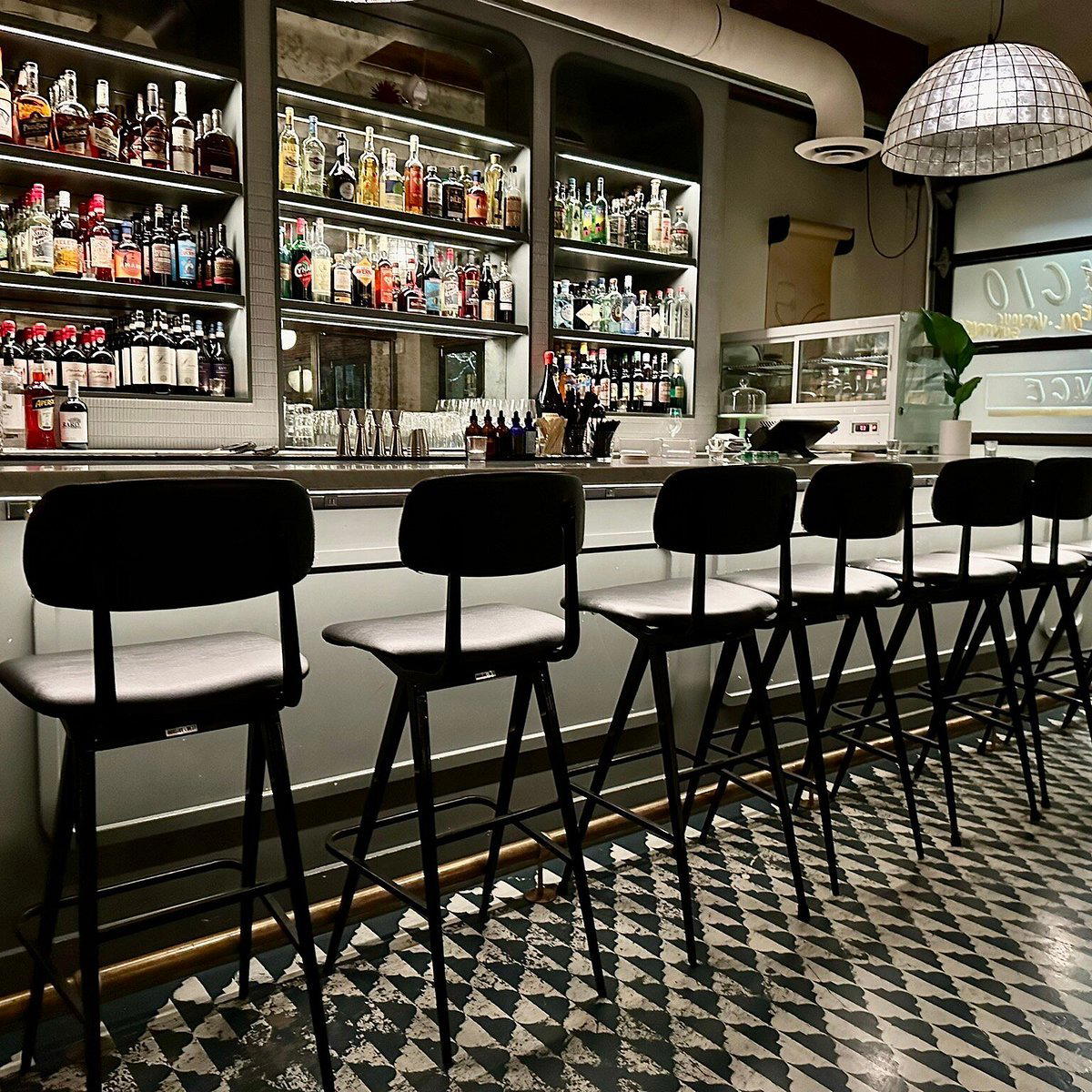
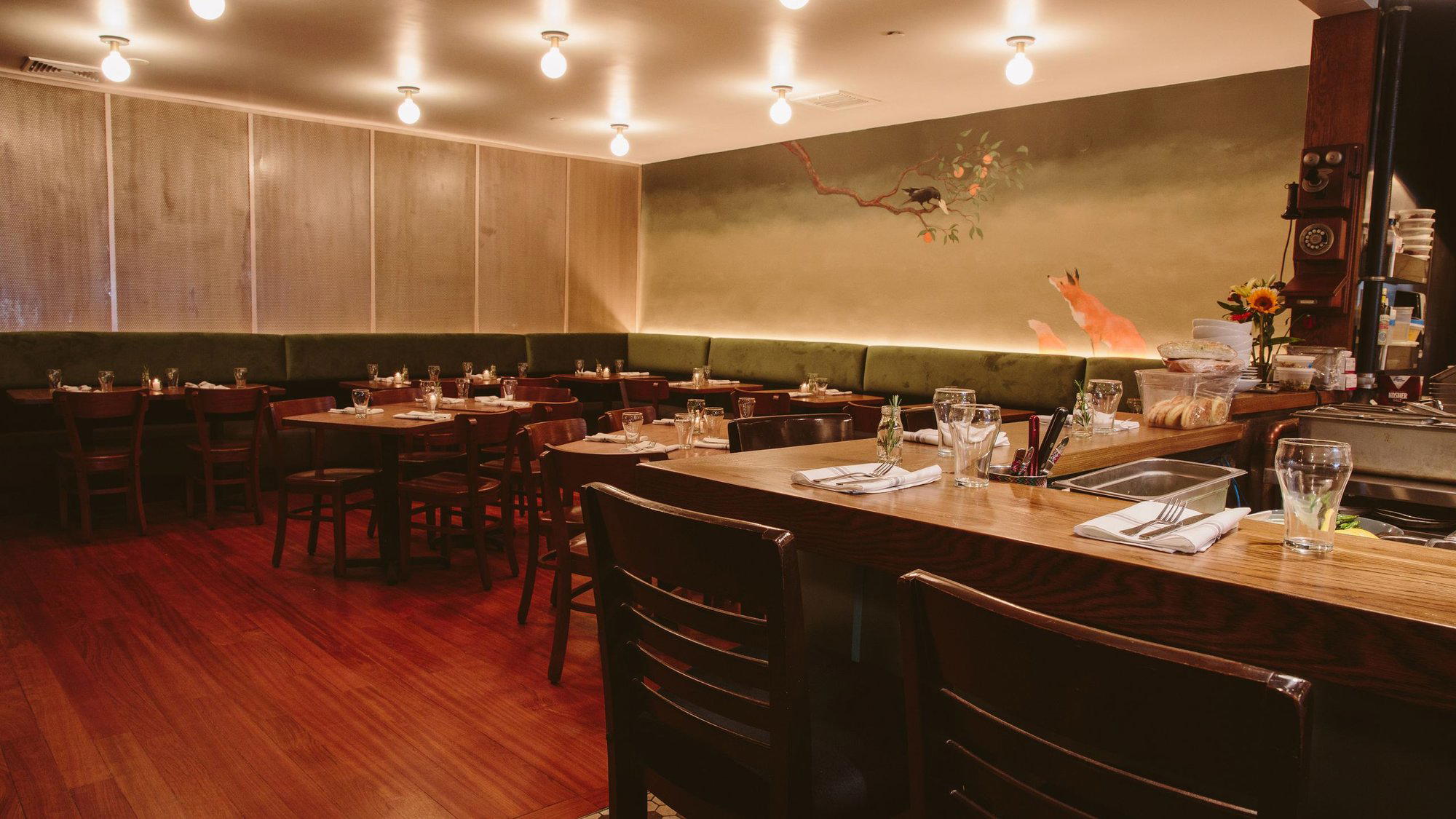
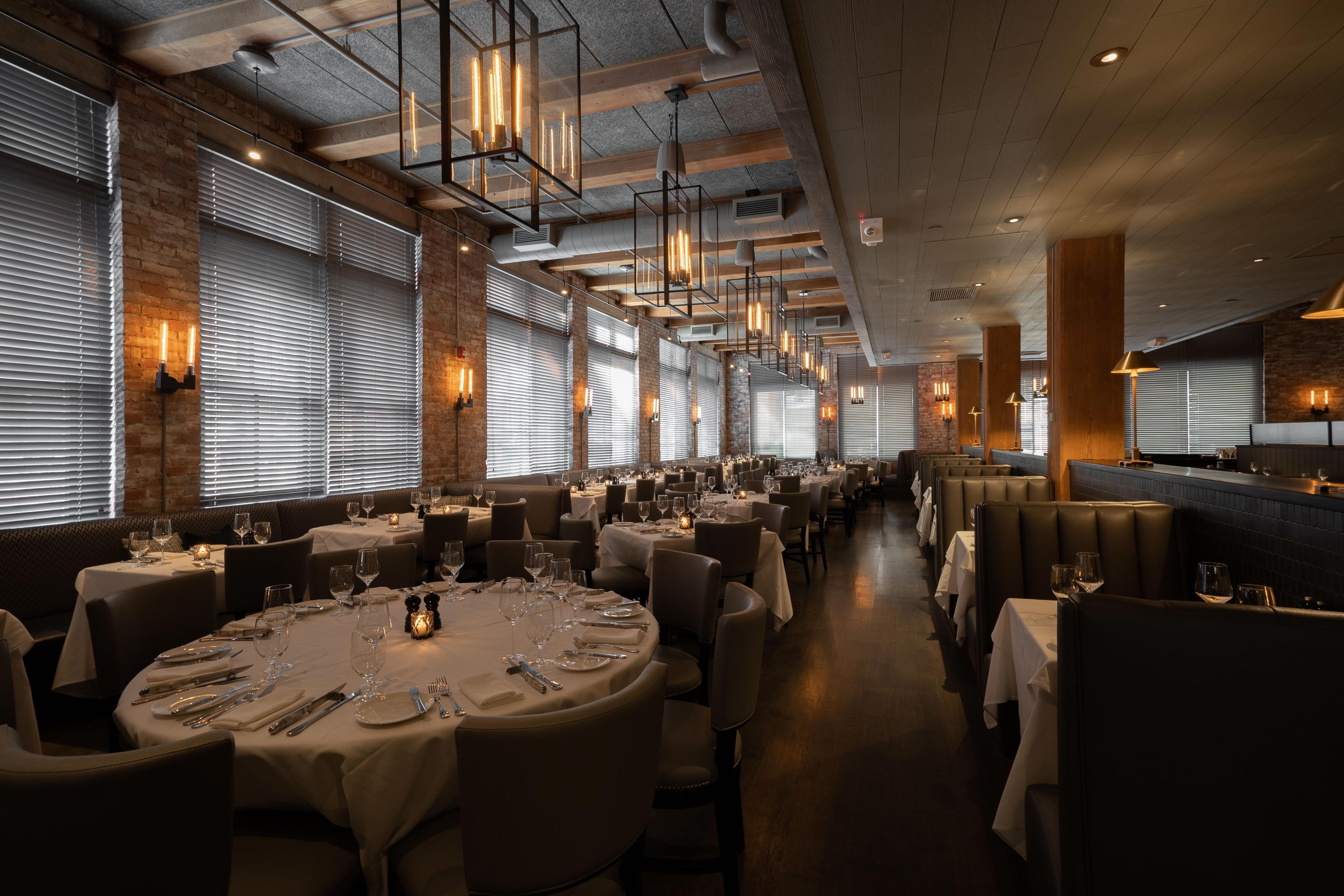
Bars in Boston
Browse all →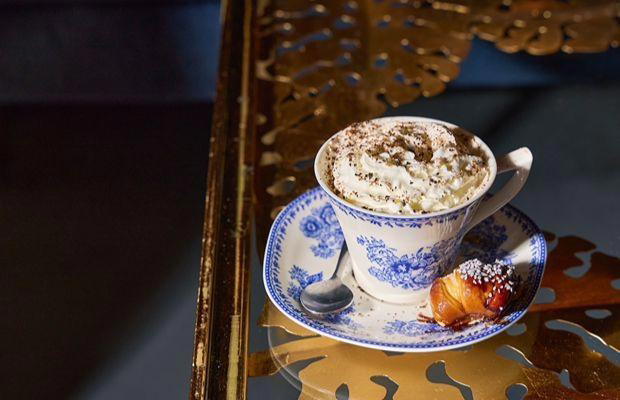
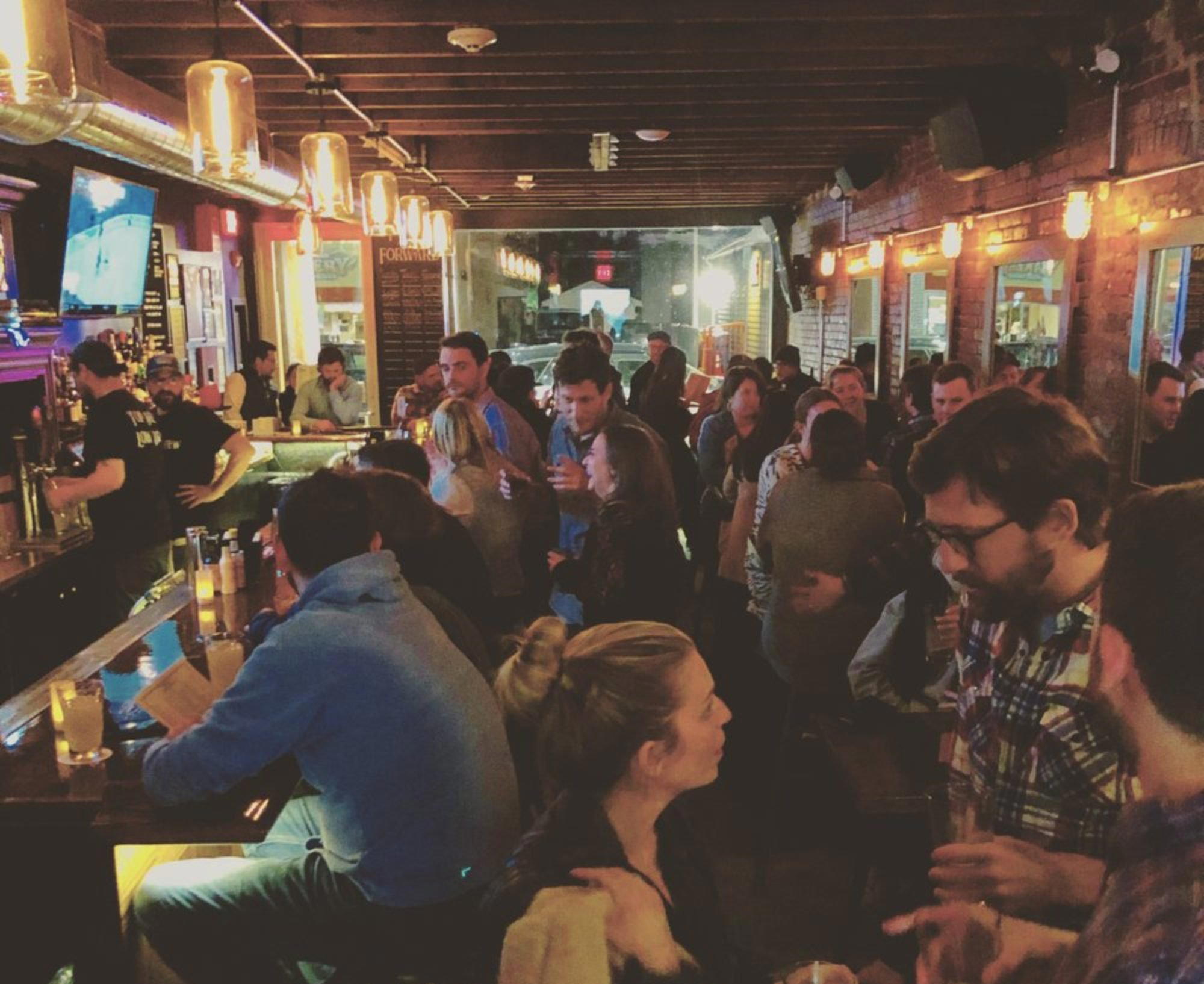
Hotels in Boston
Browse all →
Wineries in Boston
Browse all →
At a Glance
- Elegant
- Sophisticated
- Modern
- Date Night
- Business Dinner
- Brunch
- Waterfront
- Private Dining
- Open Kitchen
- Craft Cocktails
- Local Sourcing
- Waterfront
Current opening hours
- Monday
- 11 AM–11 PM
- Tuesday
- 11 AM–11 PM
- Wednesday
- 11 AM–11 PM
- Thursday
- 11 AM–11 PM
- Friday
- 11 AM–11 PM
- Saturday
- 11 AM–11 PM
- Sunday
- 11 AM–10 PM
Hours can change for holidays and private events. Last verified .
Classy atmosphere that's stylish and upscale without being stuffy, featuring moderate noise levels.