French Quarter
French Quarter occupies a notable address at 545 Washington St in Boston's Theatre District, placing it within a corridor where dining formats range from pre-theatre convenience to destination-level cooking. The venue draws on French culinary tradition in a city whose fine dining scene has grown increasingly international in register. For visitors exploring Boston's broader restaurant circuit, it sits alongside a range of ambitions and price points along Washington Street.
 Discover on Pearl
Pearl is the En Primeur Club membership app — saves, bookings, and concierge access live there. Same editors, same standards.
- Address
- 545 Washington St, Boston, MA 02111
- Phone
- +16175425555
- Website
- frenchquarterboston.com
Washington Street and the French Tradition in Boston
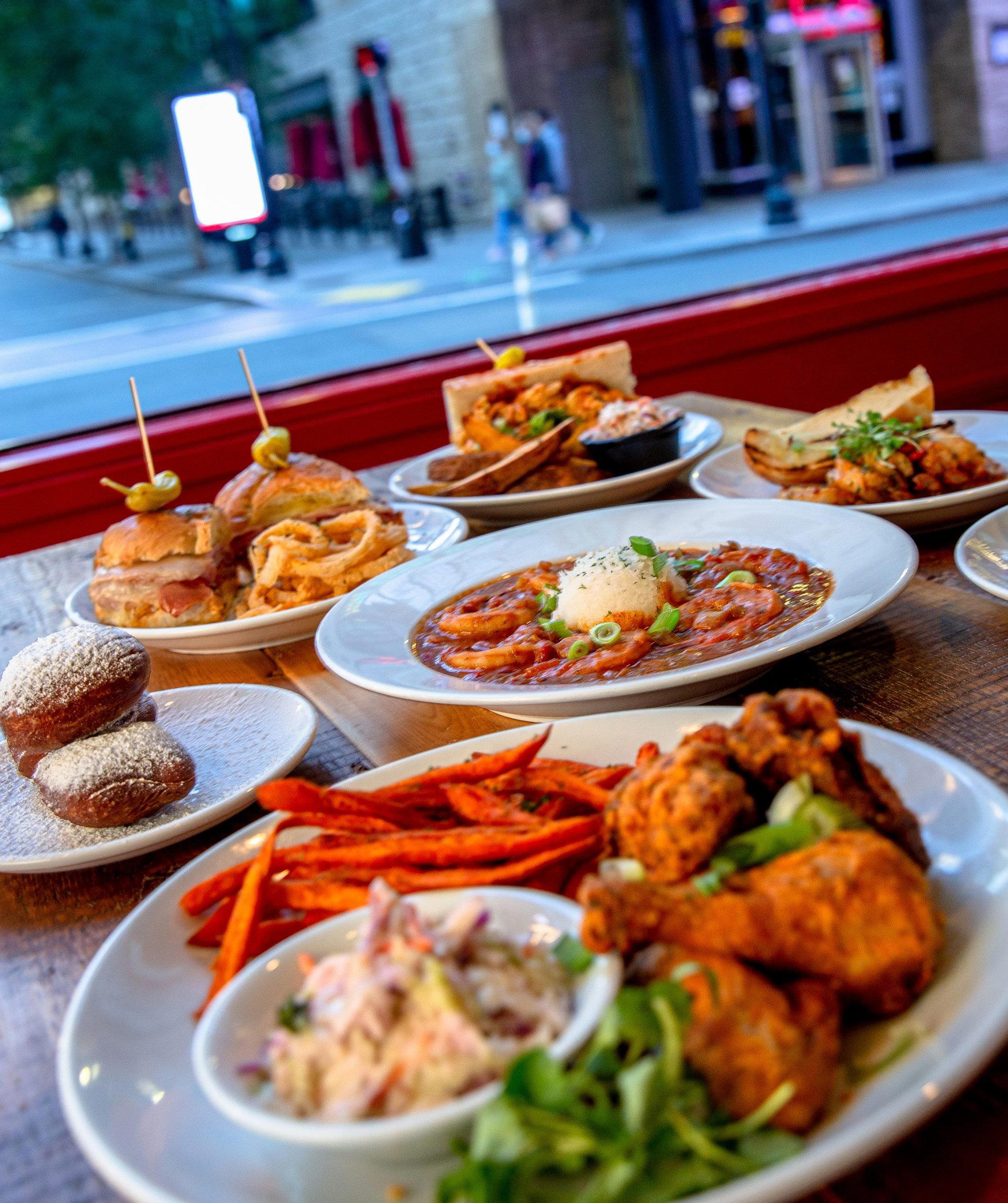
Boston's Theatre District has never been the city's most coherent dining neighborhood. Washington Street runs through it like a spine with mismatched vertebrae: fast-casual counters, pre-theatre prix fixe rooms, and occasional destination spots share the same stretch of sidewalk without forming a clear culinary identity. French Quarter is a restaurant at 545 Washington St in Boston's Theatre District, serving New Orleans Cajun and Creole cuisine. French cooking in American cities tends to function as a marker of formality and ambition, a signal that the kitchen is making structural claims about technique rather than simply plating comfort food.
Rooms built around classic French architecture, whether the brigade system, the sauce-forward menu, or the tasting-menu progression, communicate something to a diner before a single dish arrives. The menu's structure is its first argument. In cities like New York, Le Bernardin uses a format so disciplined that the categories themselves carry meaning; in Napa, The French Laundry has made the multi-course tasting format into something close to a cultural institution. Boston's French offerings operate at a different scale, but the underlying grammar is the same: how a menu is organized tells you what the kitchen believes cooking is for.
Menu Architecture as a Statement of Intent
The most revealing thing about any French-influenced restaurant is not the individual dishes but the logic that connects them. Classical French menus move through registers, from lighter preparations toward richer, more structurally complex plates, and that progression is itself a form of argument. It assumes the diner has time, attention, and appetite for a shaped experience rather than a simple transaction.
In cities where tasting-menu formats have become dominant among serious kitchens, Chicago's Smyth, San Francisco's Lazy Bear, or New York's Atomix, the question of format has become almost philosophical. A la carte French menus, by contrast, place authorial control with the diner. Both approaches have proponents; the choice reflects what a kitchen thinks the dining contract should look like. For a French address in the Theatre District, the structural question matters practically: a room that feeds pre-show diners operates on a different tempo than one designed for leisurely progression through courses.
Boston's broader restaurant scene reflects this tension. Compare the counter-forward format at 311 Omakase, where the kitchen controls pacing entirely, with the more open format at a waterfront address like 1928 Rowes Wharf, where the setting shapes expectations as much as the menu does. At Agosto, the tasting-menu chef's counter format imposes its own discipline. Each of these structural choices communicates something different about what the kitchen is trying to do, and what the diner is expected to bring to the table.
The Theatre District Context
The address at 545 Washington places French Quarter within walking distance of the Wang Theatre and the Boch Center, which means the room competes in a neighborhood defined partly by theatrical timing. Pre-theatre dining in any city creates a specific pressure: kitchens must execute reliably under time constraints, and menus often reflect that by offering defined prix fixe options alongside a la carte choices. The result can be a room with two distinct operating modes, one calibrated for the 6pm wave, one for guests with no curtain to make.
That dual mode is neither unusual nor necessarily a compromise. Some of the most durable French rooms in American cities have built their reputations precisely on reliability across both formats. Emeril's in New Orleans built a long-standing profile by holding consistent quality across different service contexts. The standard is execution, not format. For a French address in Boston's Theatre District, the question is whether the kitchen's ambitions are served or constrained by the neighborhood's tempo.
Washington Street also sits within reach of the South End and downtown financial corridors, which means the dinner crowd is likely to be mixed: tourists orienting around nearby hotels and landmarks, local office workers, and theatre-goers looking for a dependable meal before a show. That mix shapes what a menu needs to do. It needs legibility across a range of familiarity with French cooking, which in practice means balancing accessible preparations with enough technical depth to hold the attention of more experienced diners. Rooms that get that balance wrong end up either too intimidating or too generic.
French Cooking and the Boston comparable set
Boston's premium dining circuit has expanded considerably over the past decade, with a growing number of restaurants making serious technical claims. The steakhouse category remains commercially dominant, Abe & Louie's holds a well-established position in that tier, but the more interesting growth has been in format experimentation and cuisine diversity. Turkish at Sarma, Japanese omakase at O Ya, and the broader New England seafood tradition that anchors places like 75 on Liberty Wharf all represent different claims on the city's dining attention.
A French address in this environment is not swimming against a tide, classical French technique underpins much of what the city's serious kitchens do, even when the menu reads otherwise. But it does mean that a room leading with French identity needs to make that identity earn its keep. French cooking as a category is not a differentiator in itself; the differentiator is what the kitchen does within the tradition. Rooms that have made that argument successfully in other American cities, The Inn at Little Washington, Blue Hill at Stone Barns, Single Thread Farm, Addison, or Providence, have done so by attaching French discipline to a specific local or seasonal point of view. Boston's proximity to exceptional New England seafood and agricultural producers gives any kitchen working in this tradition a clear opportunity to do the same.
Know Before You Go
- Address: 545 Washington St, Boston, MA 02111
- Neighborhood: Theatre District, downtown Boston
- Nearest context: Walking distance from the Wang Theatre and Boch Center; accessible from the South End and Financial District
- Pricing: About $35 per person
- Hours: Mon to Wed 5 to 9 PM; Thu 5 to 10 PM; Fri and Sat 11:30 AM to 11 PM; Sun 11:30 AM to 8 PM
How It Stacks Up
Comparable venues nearby, for context on price, style, and recognition.
| Venue | Cuisine | Price | Awards | Notes |
|---|---|---|---|---|
| French QuarterThis venue — the venue you are viewing | New Orleans Cajun & Creole | $$ | , | |
| Roxanne's | American Cocktail Bar | $$ | , | Downtown |
| Citizens House of Blues Boston | Southern American | $$ | , | Kenmore |
| Fenway Johnnies | American Gastropub | $$ | , | Kenmore |
| Brewer's Fork | Wood-Fired American Small Plates & Pizza | $$ | , | Charlestown |
| Victoria's Diner | Classic American Diner | $$ | , | Dorchester / Roxbury / Mattapan |
At a Glance
- Lively
- Energetic
- Group Dining
- Casual Hangout
- Standalone
- Craft Cocktails
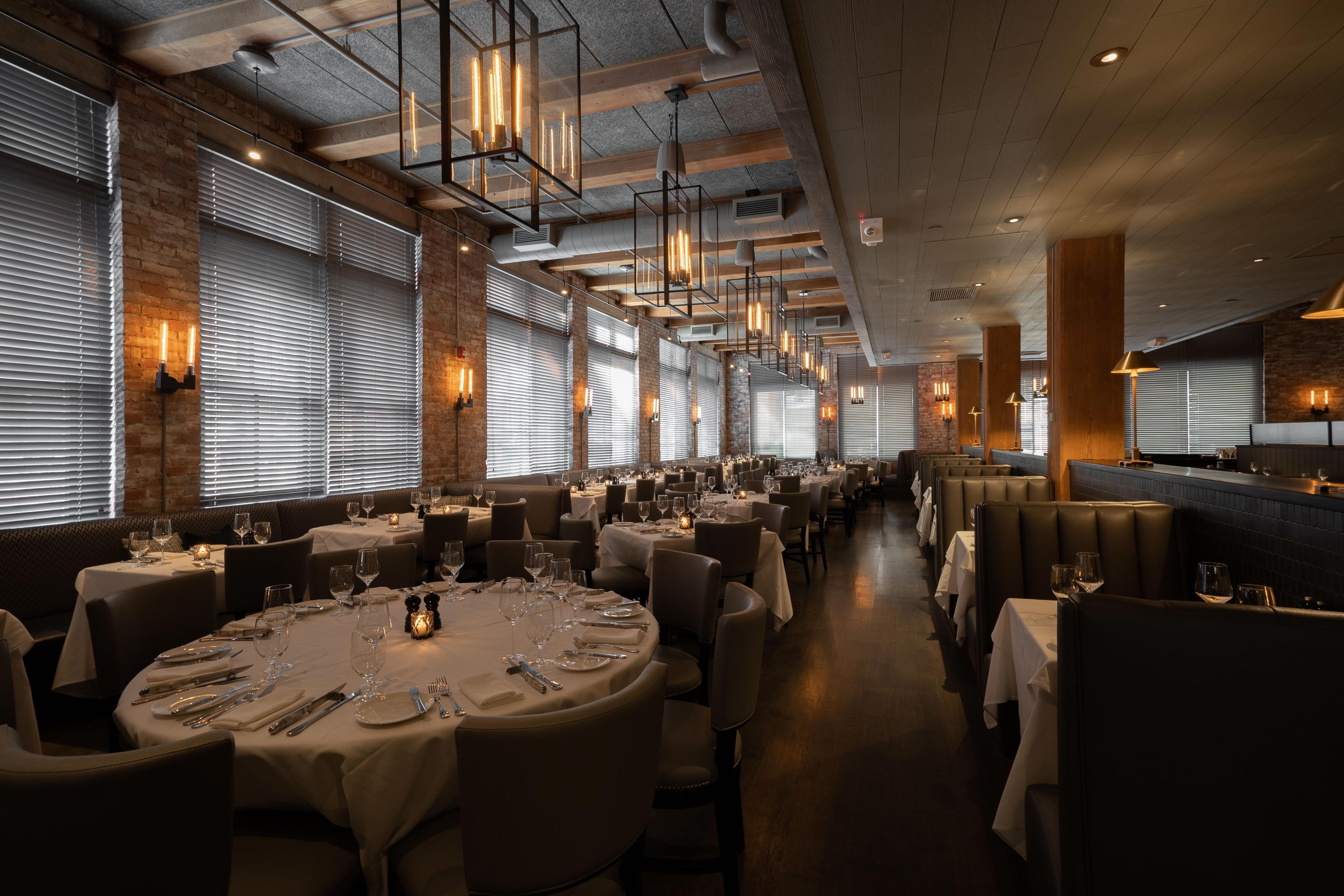
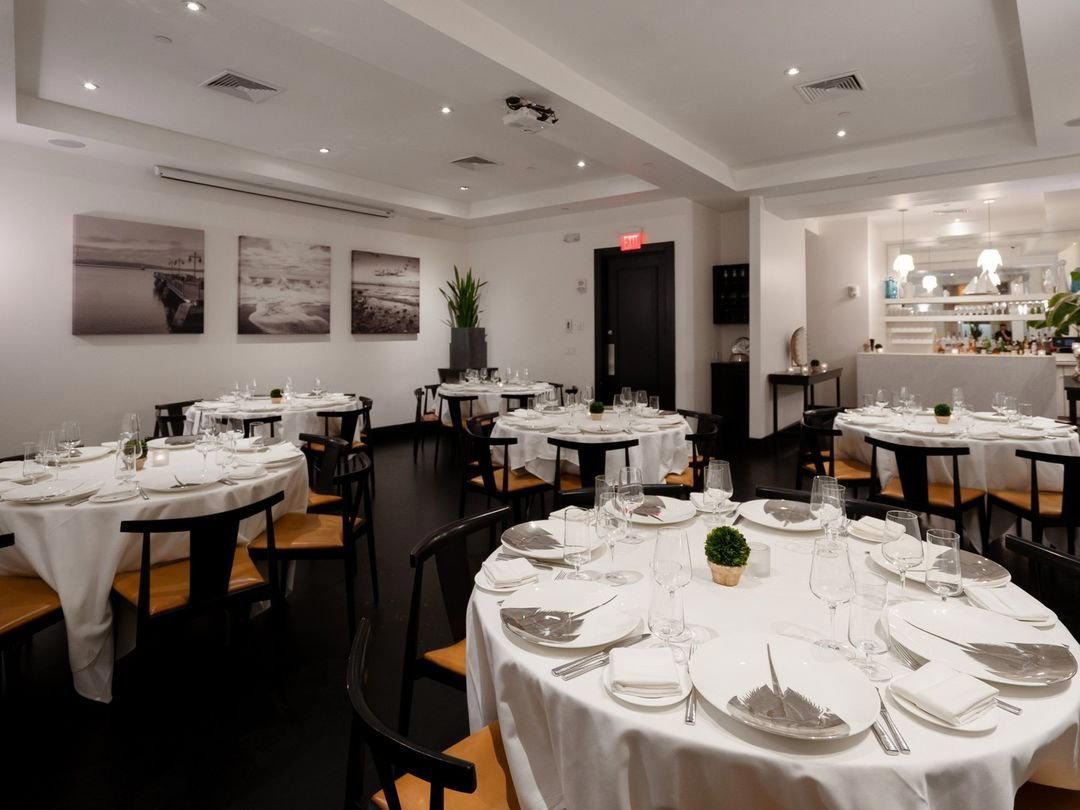
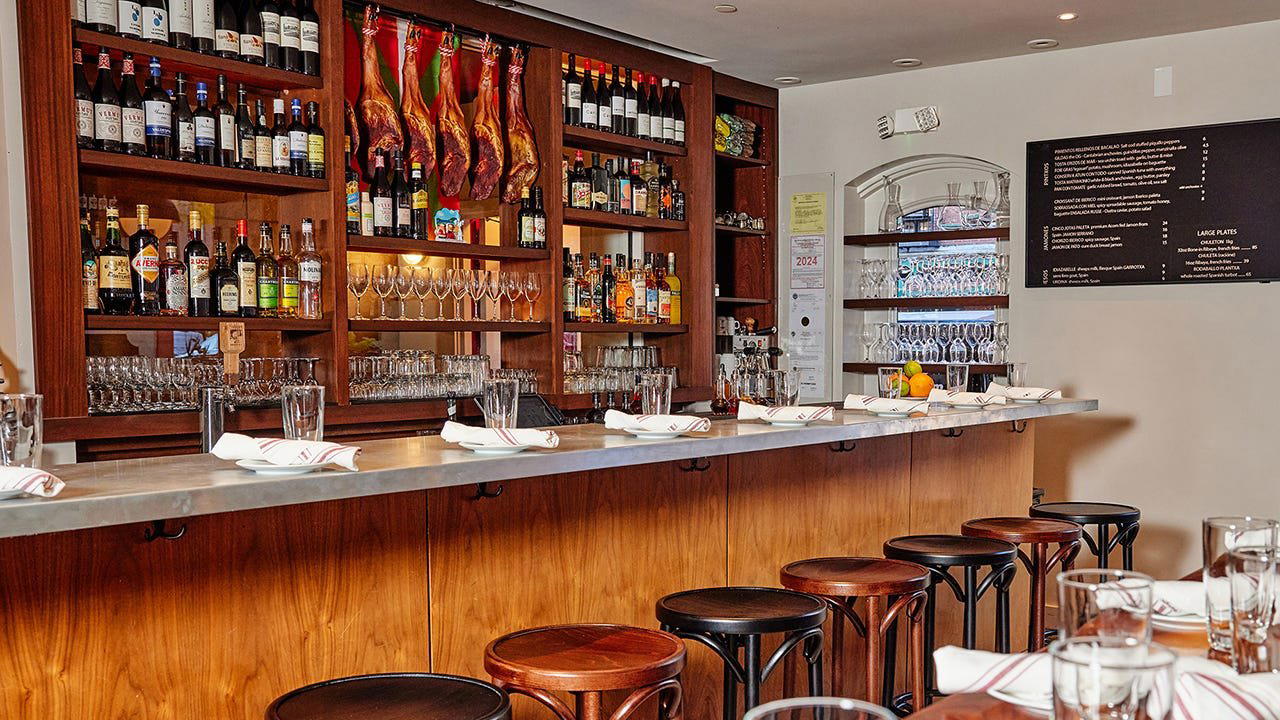
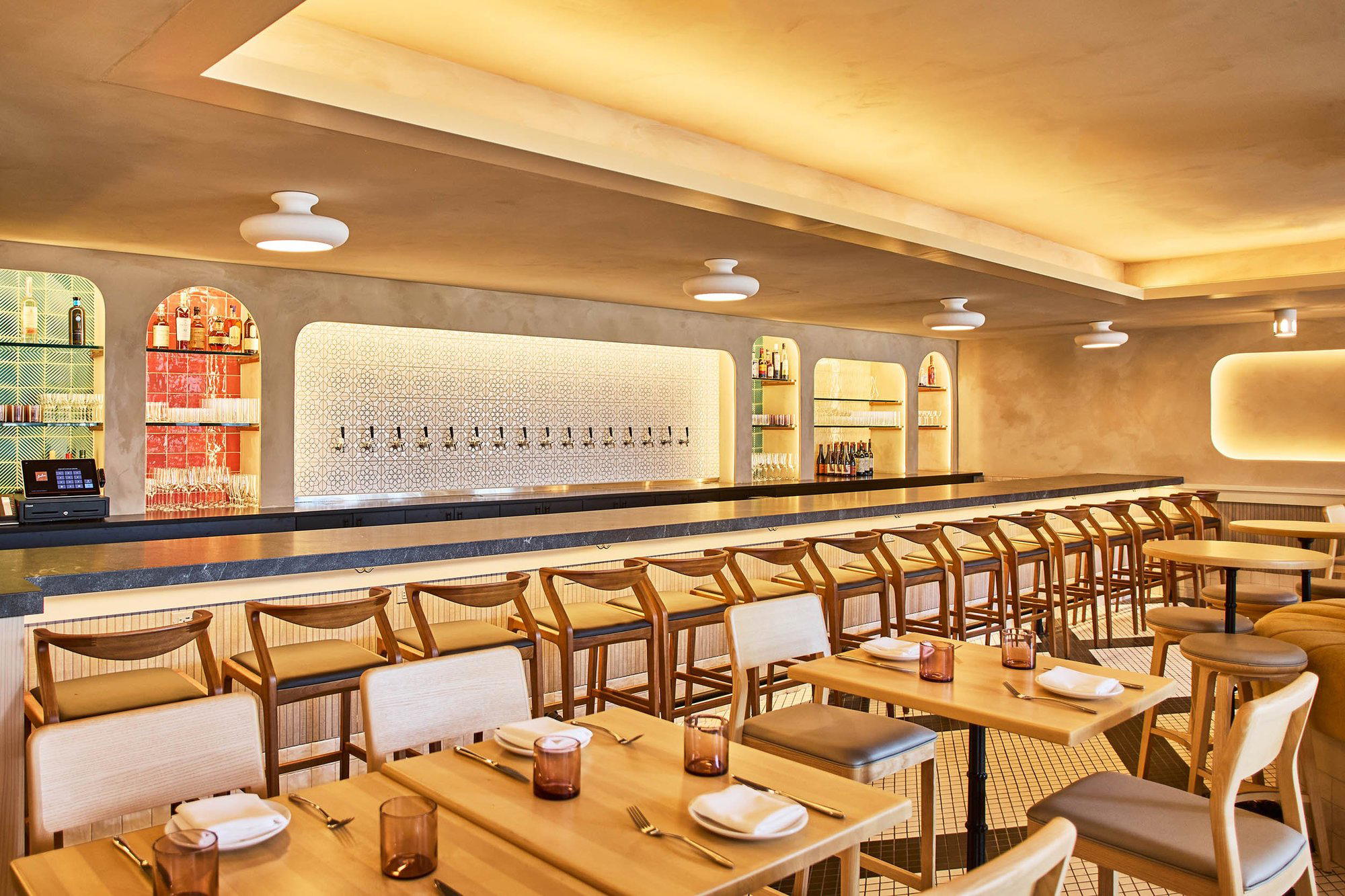
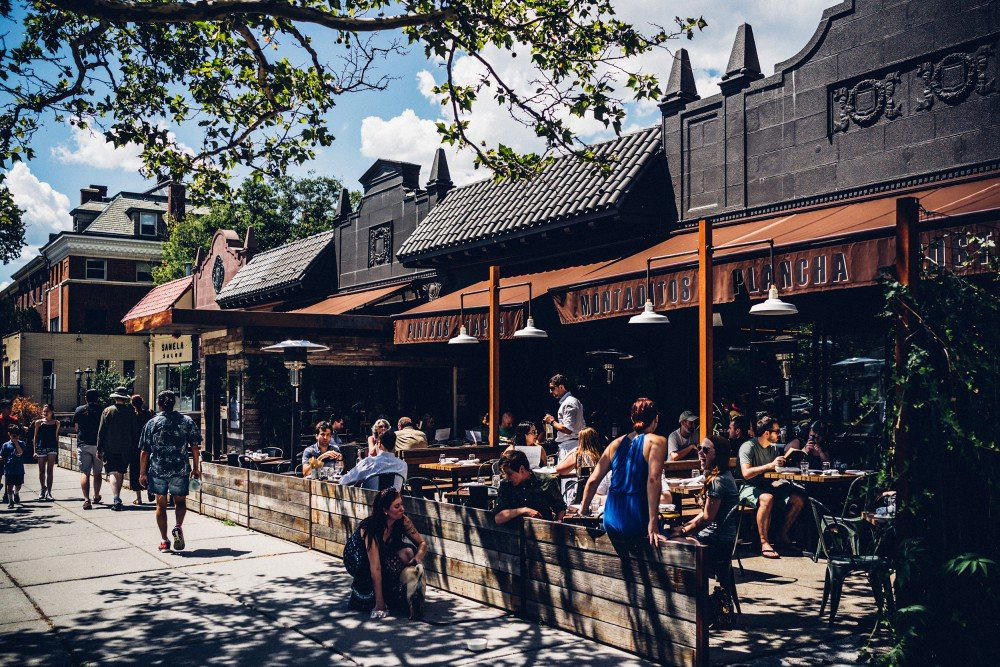
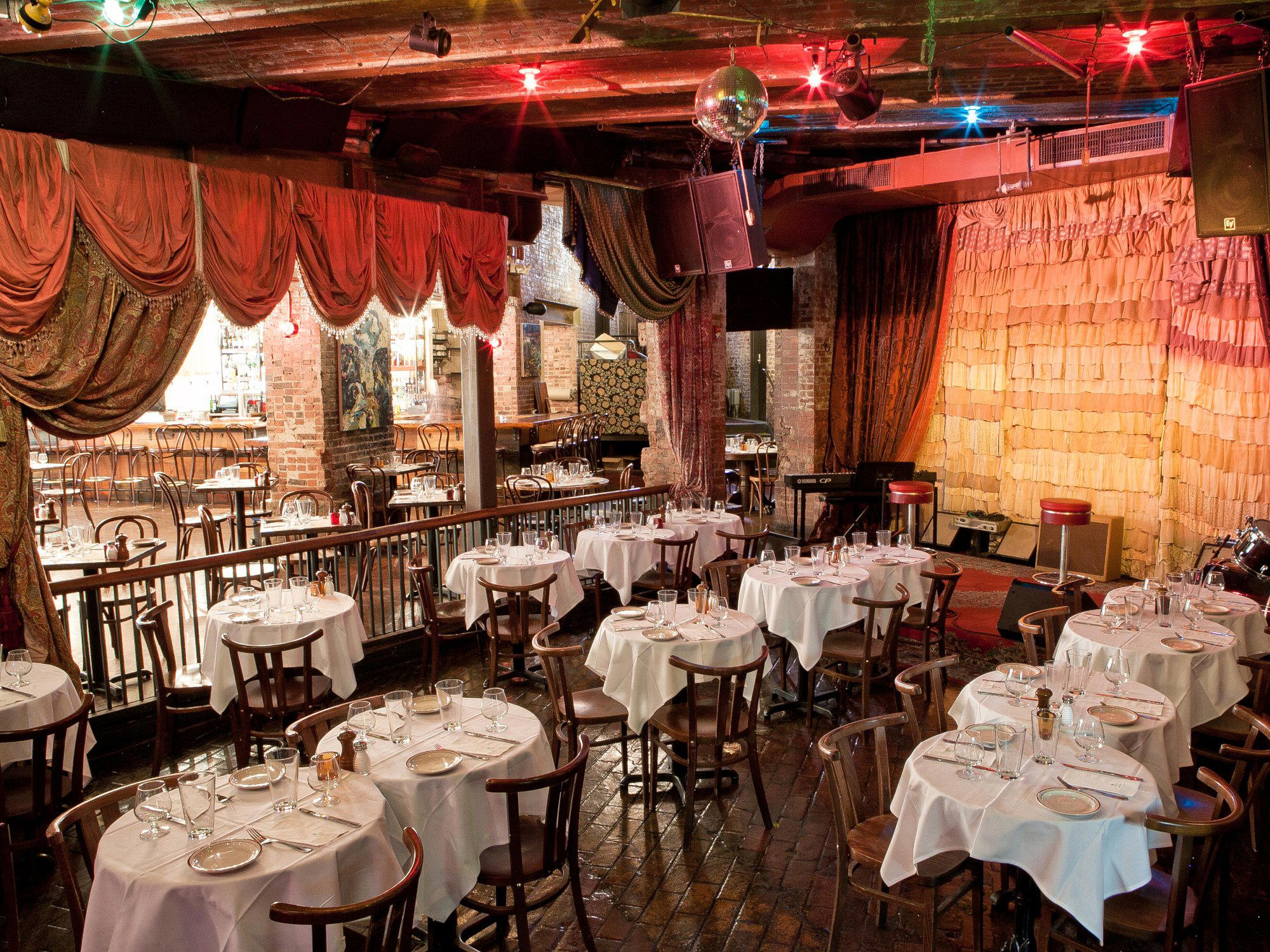
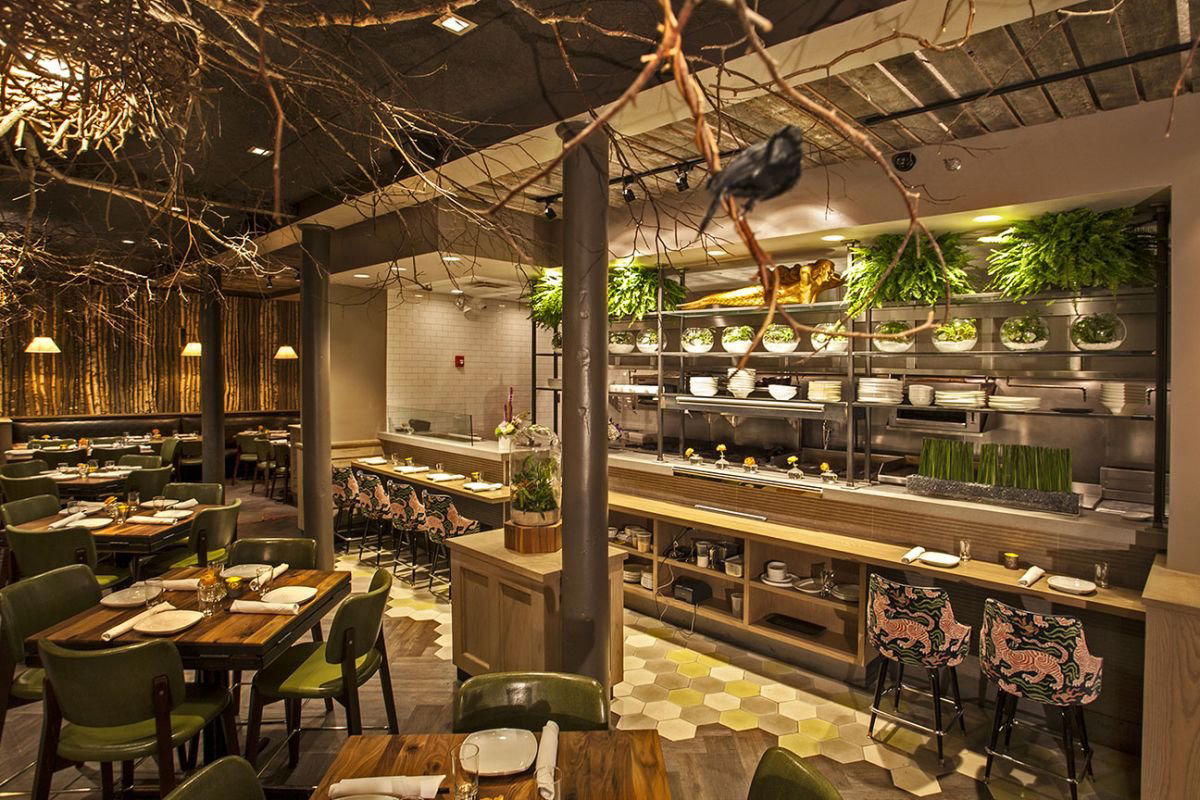
Visually stunning space filled with vibrant sounds, smells, and welcoming Louisiana atmosphere, described as lively and convivial.