
Satyam places suburban Saitama’s Indian dining in a sharper frame: modest scale, family-friendly service, and recognition from Tabelog’s Asian and ethnic cuisine selection. Its appeal sits in the contrast between a residential Midori Ward setting and a menu built around North and South Indian cooking, vegetarian options, thali, curry, and tandoori formats.
Pearl is the En Primeur Club membership app — saves, bookings, and concierge access live there. Same editors, same standards.
- Address
- 月曜祝日の場合は営業し、翌日休み サイドプラザ 1f, 1 Chome-27-10 Saido, Midori Ward, Saitama, 336-0907, Japan
- Phone
- +81 48-762-9971
- Website
- satyam-s.com
- Directions
- Get directions
 Saves & bookings on Pearl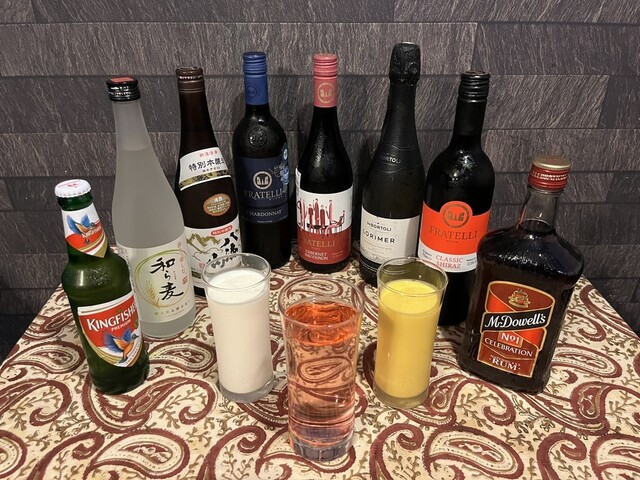
Midori Ward is not the part of Saitama that announces itself through destination dining theatre. The rhythm is residential, car-friendly, and practical: apartment blocks, local errands, families moving between school, shops, and dinner. That setting matters. Indian restaurants in Japanese suburbs often serve several audiences at once: office lunches, family meals, vegetable-led eating, and weekend groups wanting spice without ceremony. Satyam belongs to that suburban category, but has enough critical recognition to read differently from a routine neighbourhood curry stop.
The frame is not luxury, but dependable range. Saitama’s dining scene stretches from patisserie culture around Kita-Urawa, represented by Acacier Kitaurawa honten and Acacier Urawa ten, to casual specialist addresses such as Bagel Shop vivant and everyday ethnic cooking at Aki Foods. Against that spread, Satyam’s Indian and Indian curry focus gives Midori Ward a broad-use format: lunch, take-out, children, vegetarians, and group dining can fit under one roof without forcing a single-occasion identity.
Suburban Indian cooking with Hyakumeiten credibility
Japan’s Indian restaurant culture is often discussed through Tokyo, where counter seats, tasting menus, and chef-led regional specialisation dominate. Saitama offers a different lesson. Outside the capital’s tighter dining districts, stronger restaurants tend to win through consistency, breadth, and accessibility rather than scarcity. Satyam’s inclusion in Tabelog’s Asian cuisine and Ethnic cuisine EAST “Tabelog 100” selection for 2024, with earlier selections in 2023 and 2022, places it inside a recognised regional field without making it a trophy restaurant.
That distinction matters. A Hyakumeiten listing signals peer recognition within a category, not a Michelin-style hierarchy or formal-dining claim. Here it supports what the format suggests: a restaurant built around Indian curry, North and South Indian cooking, thali, tandoori dishes, vegetable-conscious choices, and a drinks list reaching beyond soft drinks into sake, shochu, and wine. The combination is plainly Japanese in its local adaptation, but the menu keeps Indian breadth visible instead of reducing the experience to curry-and-naan.
Within Saitama’s peer range, that puts the restaurant in a different lane from ramen specialists such as Ramen Kanekatsu, low-cost everyday counters such as goden, and higher-spend Chinese or irori formats such as chinese restaurant HAKUBI and Inakaya Irori. The comparison is about use, not rank. Satyam sits in the mid-casual band where a recognised kitchen still works as a neighbourhood dining room, a valuable position in a city where strong meals often depend on repeatable local routines rather than spectacle.
Why Midori Ward changes the meal
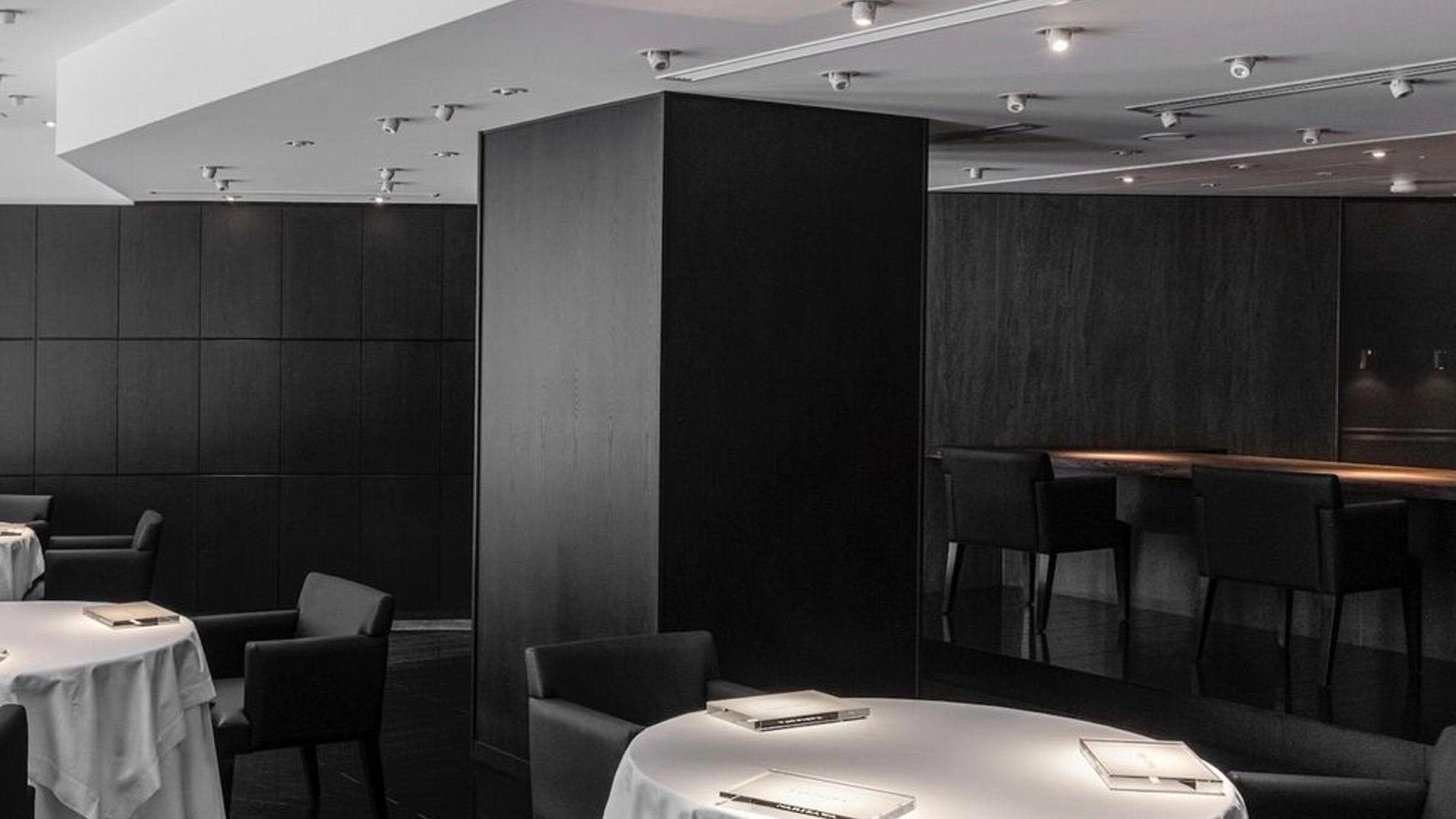
The location shapes expectations before the menu does. A restaurant beside central transport corridors can survive on destination traffic; a place in Saido, Midori Ward, must work for locals. Parking, table seating, children’s support, take-out, and an English multilingual menu are not decorative details here. They explain use. The room is listed with 34 seats, including two-person and four-person tables, pointing to flexible dining rather than chef-counter performance.
That flexibility lets the cooking stay practical without turning anonymous. Vegetarian options and health-conscious menu notes matter in Japan, where meat-free dining can still require scrutiny outside major urban cores. Thali and a broader curry selection also change the decision-making: diners can make it a quick curry lunch, a vegetable-led dinner, or a shared table with tandoori dishes and drinks. In suburban Japan, that breadth is not compromise. It is the operating model.
There is also quiet cultural exchange in the drinks list. Sake and shochu alongside wine at an Indian restaurant is not unusual in Japan, but it shows local adaptation. Indian spice structures meet Japanese drinking habits, making the meal less rigid than a textbook regional restaurant. For travellers, that is often more revealing: not a preserved idea of Indian cuisine, but Indian cooking finding a workable place in Saitama’s daily dining map.
How to place it in a Saitama itinerary
For visitors staying in Tokyo and treating Saitama as a day trip, Satyam is a more intentional stop than a transit snack. It fits a route examining how the prefectural capital eats beyond station malls and chain density. Pairing it with Kita-Urawa or Urawa patisserie addresses gives a clearer picture of the city’s appetite for specialists, from French-influenced pastry to Indian curry. Our full Saitama restaurants guide is the better planning base for that circuit, while Our full Saitama hotels guide, Our full Saitama bars guide, Our full Saitama wineries guide, and Our full Saitama experiences guide help place dinner within a broader stay.
Readers mapping Indian and curry culture across Japan should treat Satyam as part of a wider national pattern, not an isolated address. Compare it with [Curry Senmon Ten] Maruyama Kyoju. in Sapporo for a northern specialist lens, or (Shoku) Vietnam in Kawasaki for Asian cooking embedded in a commuter-city context. The same database of everyday specificity runs through places as different as -Grilled beef Sukiyaki- KAMAKURA TANUKIAN 鎌倉 たぬき庵 in Kamakura. 鮪と炭火焼き うお炭 秋葉原店 in Tokyo.cafe in Osaka.know in Kumamoto, Jōdo Saké Bar in Los Angeles, and Onigiri Time in Pasadena: the point is not uniformity, but how food formats change when they meet local habits.
The editorial case for Satyam is strongest when expectations stay precise. This is not a grand dining room, and should not be judged as one. Its value lies in a suburban Saitama setting, a menu broad enough for mixed groups, vegetarian needs, and take-out, plus repeated Tabelog Hyakumeiten recognition in a category where consistency counts. For a traveller willing to look beyond central Tokyo’s louder Indian dining conversation, that combination teaches something useful about how regional Japanese cities absorb, adapt, and sustain non-Japanese cuisines.
Compact Comparison
Comparable venues by cuisine and price in the same metro.
| Venue | Cuisine | Price |
|---|---|---|
| SatyamThis venue — the venue you are viewing | Not listed | $$ |
| Acacier Kitaurawa honten | Urawa-ku, French-style patisserie & cafe | $$ |
| Mendokoro Harada | Minami Urawa, Japanese Ramen | $$ |
| Patisserie Rotantikku | Minami Urawa, French Patisserie | $$ |
| KARiKA KiTCHEN | Omiya, Indian & Nepalese Curry House | $$ |
| Ramen Jiro Koshigaya ten | Koshigaya, Jiro-style Ramen Shop | $ |
Recognition history
Dated appearances from independent guides and award organizations, with the underlying list record or original source where available.
Tabelog 100 #59 · No. 59
Tabelog · Tabelog 100 - Asian cuisine / Ethnic cuisine - EAST - 2024











At a Glance
- Cozy
- Quiet
- Classic
- Family
- Group Dining
- Casual Hangout
- Solo
- After Work
- Standalone
Current opening hours
- Monday
- Closed
- Tuesday
- 11 AM–2:30 PM, 5–9 PM
- Wednesday
- 11 AM–2:30 PM, 5–9 PM
- Thursday
- 11 AM–2:30 PM, 5–9 PM
- Friday
- 11 AM–2:30 PM, 5–9 PM
- Saturday
- 11 AM–2:30 PM, 5–9 PM
- Sunday
- 11 AM–2:30 PM, 5–9 PM
Hours can change for holidays and private events. Last verified .
A calm, inviting, and cozy neighborhood spot with a relaxed atmosphere, described as a hideaway-style space where guests can slowly enjoy authentic Indian dishes.