
Tabelog 100 #27
Our verdict
Sasuke Shokudo is a small Kanaya diner where Futtsu’s coastal eating culture is treated with unusual seriousness: fish-led cooking, cafeteria ease, and a price band that keeps the meal firmly in local-lunch territory. Its Tabelog 100 Diner selections in 2021, 2024, and 2026 place it among Japan’s closely watched everyday restaurants rather than luxury counters.

Pearl is the En Primeur Club membership app, where members save venues, book tables and use the concierge.
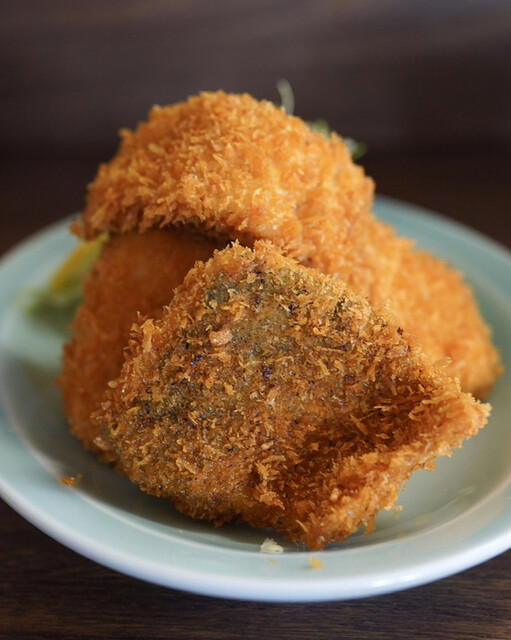
The menu
What to order
- Fried horse mackerel set meal
- Kajime ramen
- Sasuke set meal
Futtsu does not need metropolitan dining theatre to make a meal feel specific. Its tone comes from everyday movement and people arriving for a straightforward meal before the day’s best options disappear from menus. Here, Sasuke Shokudo belongs to a Japanese category serious travellers often underrate: the shokudo, a neighbourhood diner where turnover, repetition, and usefulness matter more than ceremony.
This is Futtsu as a practical food stop, not resort performance: a meal can sit within a wider day without asking to become the whole itinerary. Recognition from Tabelog Hyakumeiten in 2026 points to a broader truth: national attention in Japan does not gather only around sushi counters, kaiseki rooms, and urban tasting menus. It can also find small, casual rooms that execute a clear brief consistently.
Futtsu dining culture, stripped of ceremony
The cooking category is listed as cafeteria, seafood, and ramen, which says more than a polished cuisine label. A shokudo is judged by utility as much as pleasure: what comes from the kitchen, how clearly the meal reads to regulars, and whether the price stays in everyday reach. Sasuke Shokudo sits in that lane, not in aspirational dining.
The useful lens is format rather than performance. Futtsu has casual dining where value can come from clarity, turnover, and a direct relationship between category and expectation. Value lies in clarity, speed, and availability. The appeal is less about a long-service restaurant built around evening traffic than a practical meal with a strong local frame.
The room should be approached as a straightforward local diner rather than a specialist counter with rigid etiquette. The point is not décor or ceremony but a compact, useful format where the food category, price band, and pace do most of the explaining. That is part of why the address works for travellers as well as regulars.
Within Futtsu’s small dining field, price is part of the story. Sasuke Shokudo sits in the JPY 1,000 to JPY 1,999 band, the same general range as Minami Tei Kanaya honten, while Hamabe is another nearby reference point for dining in Futtsu. That context matters for day planners: the choice is less about luxury than whether lunch should be a quick local stop or a longer meal.
The shokudo format rewards early, flexible diners
The planning intelligence is simple but decisive. Treat Sasuke Shokudo as a Futtsu dining room where availability, timing, and daily conditions can matter more than a polished reservation-driven sequence. Its location should be understood simply as Futtsu, making it a useful stop for travellers building a day around food rather than formal dining.
Those details shape the experience more than décor or service language. A casual cafeteria format with a limited everyday price band is best approached as the day’s first anchor, not a fallback after sightseeing. Arrive with flexibility, keep the rest of the itinerary loose, and do not assume that a local room will behave like a city restaurant with long service windows.
The drinks and service frame should be kept modest in expectation. The public category tells the useful story: cafeteria, seafood, and ramen, with lunch budget listed at JPY 1,000 to JPY 1,999. No chef biography is needed; the credentials sit in the format, the Futtsu setting, and the 2026 Tabelog Hyakumeiten recognition.
For a wider Futtsu plan, this meal pairs better with a local route than a formal restaurant crawl. The broader directory context helps: see Our full Futtsu restaurants guide for nearby dining, Our full Futtsu hotels guide for overnight planning, Our full Futtsu bars guide for late-day options, Our full Futtsu wineries guide for wine-focused detours, and Our full Futtsu experiences guide for non-restaurant context.
How to place it among Japan's casual dining serious players
Japan’s casual restaurant culture has a deep bench of small formats that do one thing with discipline: counters, diners, and regional set-meal houses where the brief is narrow and repeatable. Sasuke Shokudo belongs to that family. It is not trying to compete with polished urban counters or formal dining rooms; it competes in the harder-to-fake category of local usefulness, where the meal must justify itself to repeat customers as well as travellers.
That comparison prevents the wrong expectation. A diner recognised by Tabelog Hyakumeiten should not be read as fine-dining choreography. It signals that a casual format has earned attention inside its lane. Closer reference points are places where price, specificity, and repeatable craft define the meal: small local rooms, Futtsu stops, and other dining addresses where the point is a defined format rather than a broad menu promising everything.
For readers mapping Japan and Japanese-influenced dining more widely, the contrast is useful. Urban and regional addresses show how tightly defined formats can travel across cities and price levels without needing luxury cues. Futtsu’s version is quieter and more place-bound: a low-priced shokudo category, seafood in the public listing, and a practical style that reads as local rather than theatrical.
The editorial call is clear. Sasuke Shokudo is strongest for travellers who value local cadence over polish. Go when the day can absorb a wait, a change in availability, or a simple service style. The reward is not spectacle; it is a clear read on how a Futtsu diner, a price band, and a seafood-minded public listing can all point in the same direction.
Frequently asked questions
What's the price range at Sasuke Shokudo?
Pricing at Sasuke Shokudo is listed as JPY 1,000 - JPY 1,999.
What are Sasuke Shokudo's hours?
Current specific hours are not included in the provided public facts. Check the venue's official channels for the latest details before visiting.
Where is Sasuke Shokudo in Futtsu?
Futtsu.
What is Sasuke Shokudo known for?
Sasuke Shokudo is listed as a cafeteria, seafood, and ramen spot in Futtsu. It also carries 2026 Tabelog Hyakumeiten recognition, which gives the place more weight than a standard neighborhood lunch counter.
Can Sasuke Shokudo handle vegetarian requests?
The public record lists the categories as cafeteria, seafood, and ramen, so vegetarian options may be limited. With lunch priced at JPY 1,000–JPY 1,999, it is the kind of shokudo where a simple, direct check before ordering matters. Check the venue's official channels for the latest details.
Is Sasuke Shokudo okay with children?
Specific family or seating details are not included in the provided public facts. Check the venue's official channels for the latest details before visiting with children.
At-a-Glance Comparison
Comparable venues by cuisine and price in the same metro.
| Venue | Cuisine | Price | Awards | Notes |
|---|---|---|---|---|
| Sasuke ShokudoThis venue (the venue you are viewing) | Casual Japanese seafood shokudō | $10–20 | Tabelog 100 #27 | Not listed |
| Minami Tei Kanaya honten | Baumkuchen & sweets café | $1–10 | Tabelog 100 #71 | Kanaya |
| Hamabe | Japanese Seafood Cafeteria | $20–30 | Tabelog 100 #43 | Kanaya |
| Machida Shiruba Shio-Ramen Shinka (町田汁場 しおらーめん進化) | Shio Ramen Specialist | Not listed | Not listed | Machida |
| Ramen Nikkou | Japanese Ramen | $10–20 | Tabelog 100 #46 | Hikone City |
| Tanikawa Beikokuten (谷川米穀店) | Sanuki Udon | $10–20 | Tabelog 100 #73 | まんのう町 |
Recognition history
Dated appearances from independent guides and award organizations, with the underlying list record or original source where available.
Tabelog 100 #27 · No. 27
Tabelog · Tabelog 100 - Diner - 2026
Continue exploring
More in Futtsu
Restaurants in Futtsu
All restaurants in Futtsu →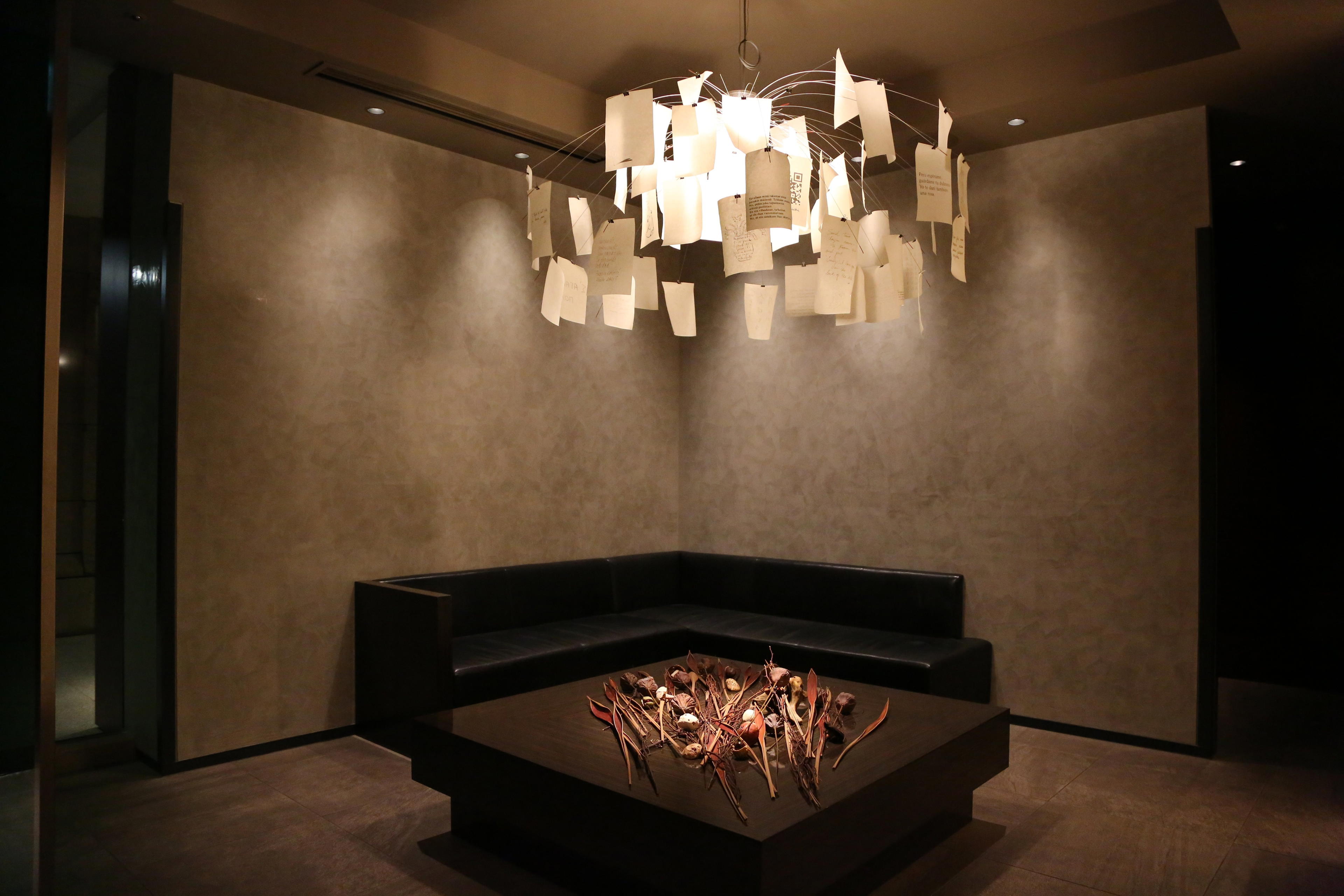
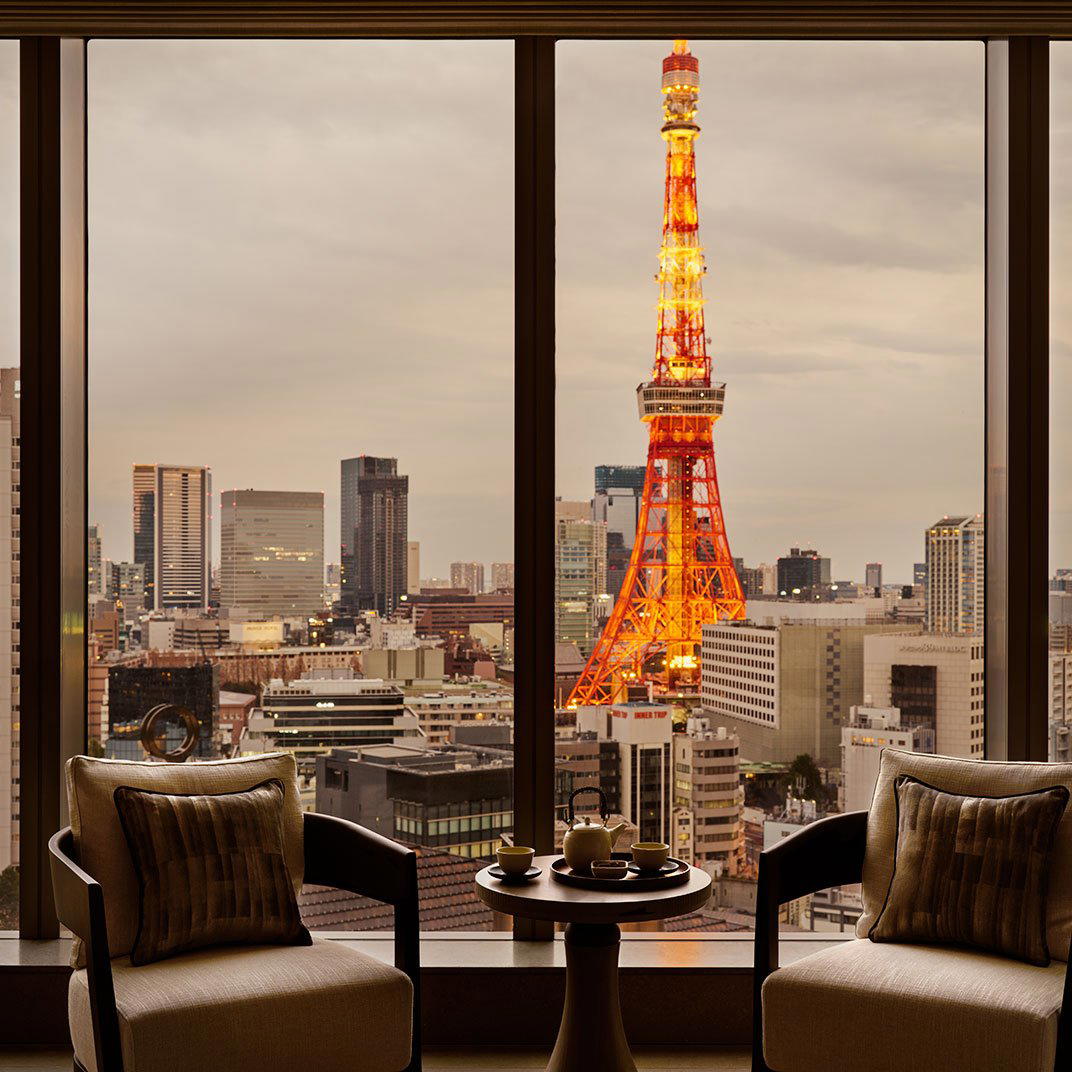
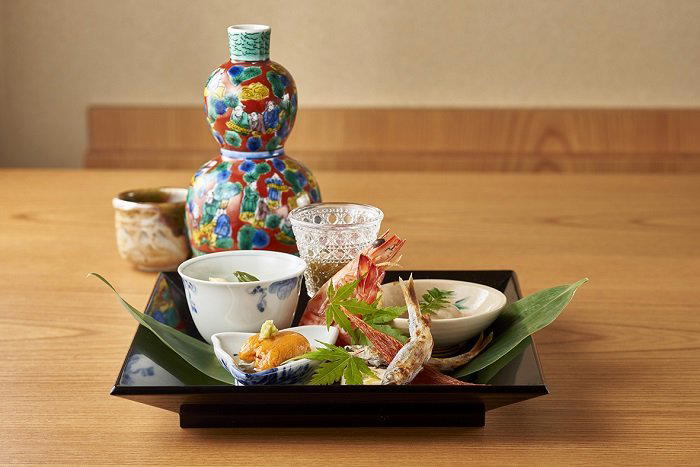

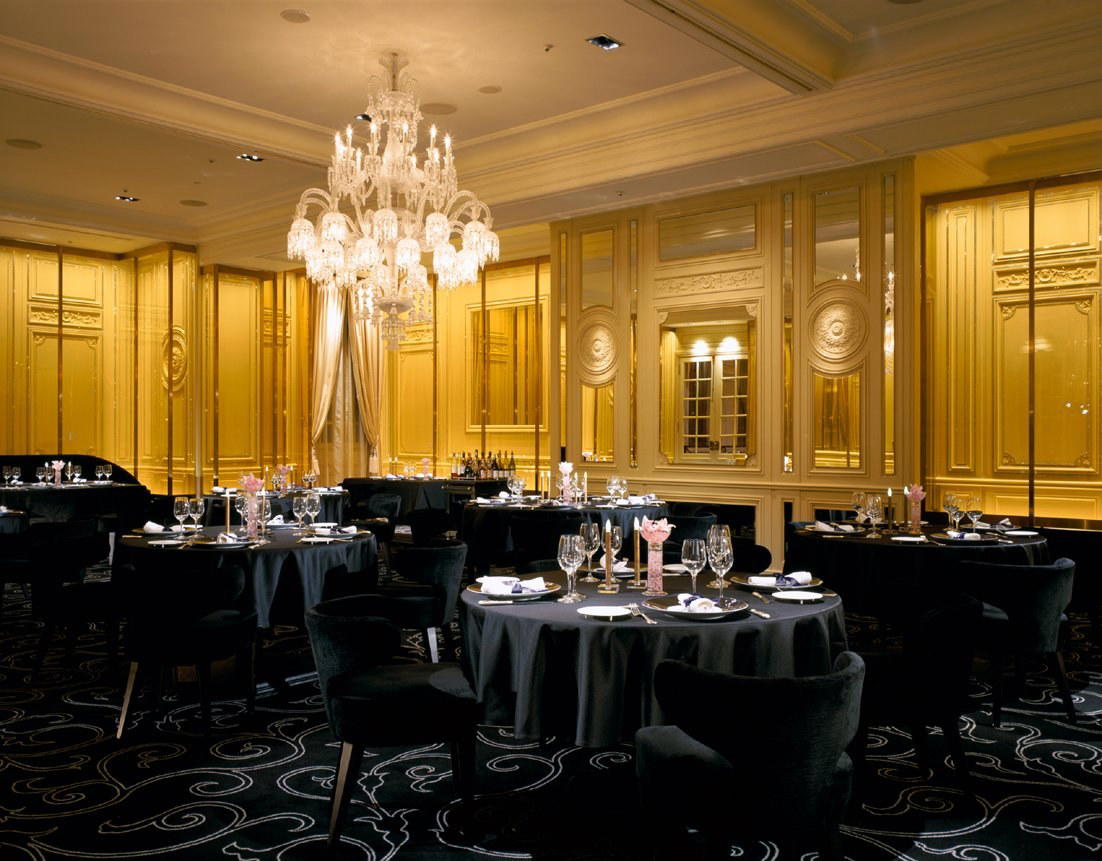
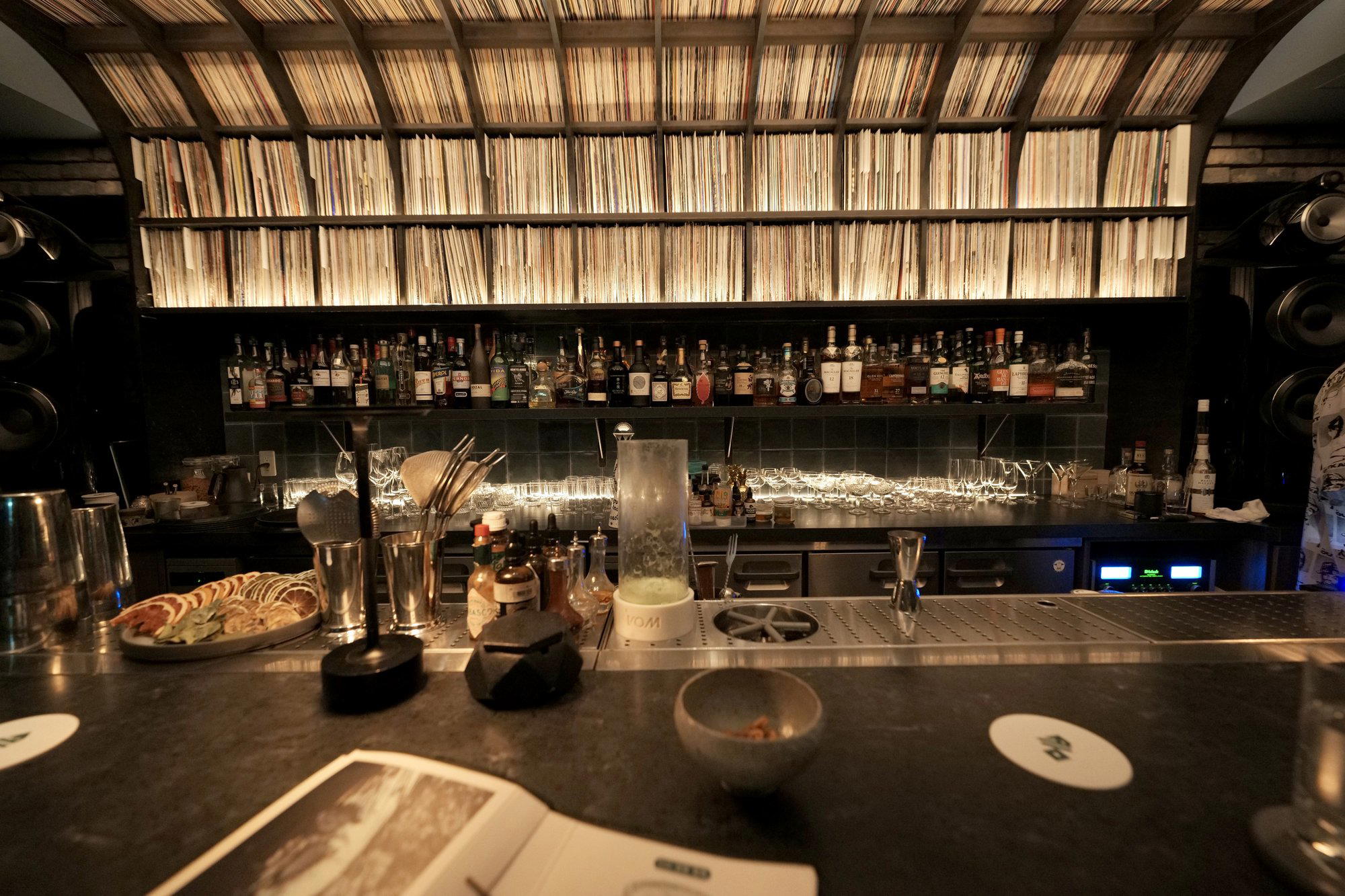
Bars in Futtsu
Browse all →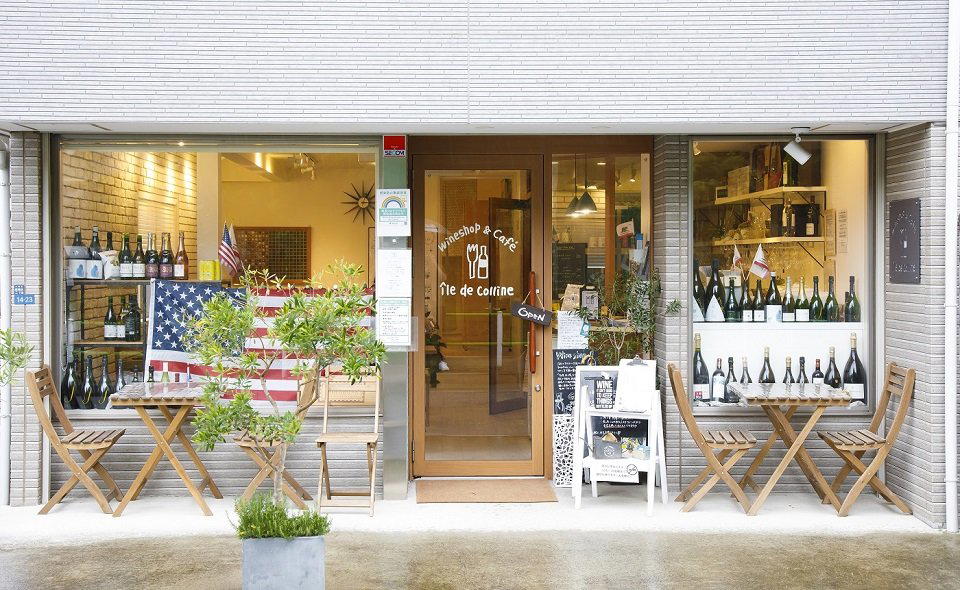

Details
- Lively
- Rustic
- Cozy
- Solo
- Family
- Group Dining
- Casual Hangout
- After Work
- Waterfront
- Standalone
- Local Sourcing
- Sustainable Seafood
- Waterfront
- A La Carte
- Set Menu
- Pescatarian Friendly
Current opening hours
- Monday
- 9:30 AM–2 PM
- Tuesday
- Closed
- Wednesday
- Closed
- Thursday
- Closed
- Friday
- 9:30 AM–2 PM
- Saturday
- 9:30 AM–2 PM
- Sunday
- 9:30 AM–2 PM
Hours can change for holidays and private events. Hours as of .
Casual and bustling like a classic Japanese seaside shokudō, with a compact 20-seat interior, counter and raised tatami-style seating, bright daylight from the harbor area, and a no-frills focus on fresh local seafood rather than decor.