
Tabelog 100 #71
Our verdict
Minami Tei Kanaya honten gives Futtsu’s coastal sweets scene a concrete anchor: baumkuchen and cake made in a tourist-facing setting by the bay, with local eggs and low-temperature pasteurized milk central to the appeal. Its Tabelog 100 Sweets EAST 2023 selection places it among eastern Japan’s recognized dessert addresses rather than a simple roadside stop.

Pearl is the En Primeur Club membership app, where members save venues, book tables and use the concierge.
The menu
What to order
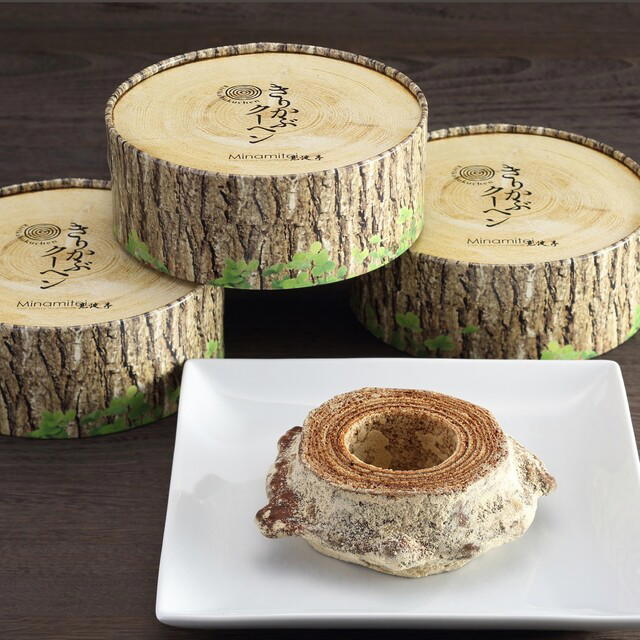
- Nokogiriyama Baumkuchen
- Freshly baked baumkuchen
- Minamitei Fromage baumkuchen
The approach to Futtsu has the practical rhythm of a short regional visit. In that setting, Futtsu dining often splits between savory stops built for visitors and compact specialty shops that turn a focused product into something portable. Minami Tei Kanaya honten belongs to the second camp: a sweets shop where baumkuchen and cake carry the argument that Futtsu is not only about full meals and lunch stops.
That matters because the area’s food identity is easy to flatten. Nearby, Sasuke Shokudo and Hamabe point to the broader Futtsu pattern: casual formats, direct regional appeal, and a strong visitor economy. Sweets here have to work harder for attention, and the Tabelog Hyakumeiten recognition in 2023 gives this shop a credible marker inside a category often associated with larger city pâtisserie and gift-sweet markets.
Baumkuchen as a focused Futtsu sweets story, not a souvenir afterthought
Baumkuchen has a long life in Japan as a gift sweet, but its success depends on discipline rather than ornament. The form is unforgiving: layered batter, controlled baking, and a texture that should read as deliberate rather than merely rich. At Minami Tei Kanaya honten, the category itself is central. The shop is listed for baumkuchen and cake, which is the right kind of focus for Futtsu: clear enough to understand quickly, portable enough for a regional itinerary, and specific enough to separate the visit from generic boxed confectionery.
The draw is not a complicated dining-room narrative but a direct sweets proposition. Tabelog lists Minami Tei Kanaya honten with a 2023 Hyakumeiten source marker, a score of 3.63, and a price range of JPY 1,000 - JPY 1,999. Those details place the shop in a serious regional conversation rather than the category of pleasant tourist purchase. The recognition is especially useful because sweets specialists can be hard to evaluate from the outside: a concise category, a public score, and a defined price band give travelers a practical way to read the stop.
The format also explains the appeal. This is not competing with destination tasting counters; it is competing with the moment between travel, a walk, and lunch. That is where Futtsu’s food culture becomes practical. The product has to travel, suit mixed-age groups, and make sense before or after a savory meal elsewhere in the city. For visitors mapping a fuller day, our full Futtsu restaurants guide gives the broader dining frame, while our full Futtsu experiences guide helps explain why Futtsu works as a stop rather than a single-purpose detour.
The regional sweet shop as part of the Futtsu day-trip circuit
Futtsu does not behave like a dense urban restaurant market. Its rhythm is shaped by short visits and families or groups building a day around multiple stops. In that context, dessert addresses need visibility, flexibility, and a product that can be eaten nearby or carried onward. Minami Tei Kanaya honten fits that pattern because baumkuchen and cake are legible, portable, and easy to place into a broader itinerary.
The broader comparison is useful. In a city center, a dessert specialist might lean on counter theatrics, plated courses, or late-night café culture. In Futtsu, the stronger model is the focused shop: a clear product, an accessible proposition, and a link to the way people actually move through the area. That is a different kind of seriousness. It rewards consistency, packaging, and daytime traffic more than spectacle. Travelers using Futtsu as a base can also pair food planning with our full Futtsu hotels guide, our full Futtsu bars guide, and our full Futtsu wineries guide.
Seen against the wider Japanese casual-dining map, the shop also shows how specific formats can carry local identity without fine-dining machinery. Other dining rooms across Japan may build their clarity around grilled meat, noodles, coffee, or counter service. The same principle is true here, only the medium is cake and baumkuchen rather than a more obvious savory format. That makes the shop useful not just as a snack stop, but as an example of how a single category can anchor a regional visit.
That clarity is the editorial reason to pay attention. Futtsu may be easier to read through full meals than sweets, but the baumkuchen-and-cake angle gives this shop a local logic. It also avoids the trap of treating dessert as a generic add-on. The product category, the city, and the Tabelog recognition all point in the same direction: a regional sweet designed for the day-trip economy, with enough public signal to justify building it into the itinerary.
How to read it in a wider Japan food itinerary
For travelers moving beyond Futtsu, Minami Tei Kanaya honten is a useful counterpoint to urban specialization. Compare it with tighter city formats built around niche menus, compact counters, or highly specific café concepts: those addresses speak to metropolitan dining habits, while Futtsu speaks to a regional stop where place, product, and travel rhythm meet.
The same distinction holds across casual Japanese formats, from meat-focused shops to burger counters and other quick-service specialists. Outside Japan, the comparison becomes even clearer: diaspora Japanese food businesses often translate familiar forms for a different audience, while Futtsu’s baumkuchen shop is grounded in domestic travel habits and a focused sweets category. That is the distinction worth understanding before treating it as just another sweet counter.
Frequently asked questions
Does Minami Tei Kanaya honten work for a family meal?
Minami Tei Kanaya honten is a Futtsu sweets stop listed for baumkuchen and cake. Check the venue's official channels for the latest details before planning around a family visit.
What's the vibe at Minami Tei Kanaya honten?
It reads as a relaxed Futtsu sweets stop rather than a formal dining room, with baumkuchen and cake as the core categories and a listed price range of JPY 1,000 - JPY 1,999.
What's the pricing like at Minami Tei Kanaya honten?
Pricing at Minami Tei Kanaya honten is listed as JPY 1,000 - JPY 1,999.
What is Minami Tei Kanaya honten known for?
Minami Tei Kanaya honten is known in Futtsu for baumkuchen and cake, with Tabelog Hyakumeiten recognition listed for 2023.
Fast Comparison
Comparable venues by cuisine and price in the same metro.
| Venue | Cuisine | Price | Awards | Notes |
|---|---|---|---|---|
| Minami Tei Kanaya hontenThis venue (the venue you are viewing) | Baumkuchen & sweets café | $1–10 | Tabelog 100 #71 | Not listed |
| Hamabe | Japanese Seafood Cafeteria | $20–30 | Tabelog 100 #43 | Kanaya |
| Sasuke Shokudo | Casual Japanese seafood shokudō | $10–20 | Tabelog 100 #27 | Kanaya |
| SIROTAE | Traditional Japanese cake shop & café | Not listed | Tabelog 100 #2 | Minato |
| Yokosuka Gelato Factory | Local milk gelato & soft-serve | Not listed | Not listed | Shinkocho |
| moonbow | Curry bar | $10–20 | Tabelog 100 #96 | Shibuya |
Recognition history
Dated appearances from independent guides and award organizations, with the underlying list record or original source where available.
Tabelog 100 #71 · No. 71
Tabelog · Tabelog 100 - Sweets - EAST - 2023
Continue exploring
More in Futtsu
Restaurants in Futtsu
All restaurants in Futtsu →
Bars in Futtsu
Browse all →

Details
- Scenic
- Cozy
- Trendy
- Well Known
- Casual Hangout
- Family
- Solo
- Group Dining
- After Work
- Waterfront
- Terrace
- Panoramic View
- Standalone
- Local Sourcing
- Waterfront
- Mountain
- A La Carte
- Counter Dining
- Coffee
- Tea
- Soft Drinks
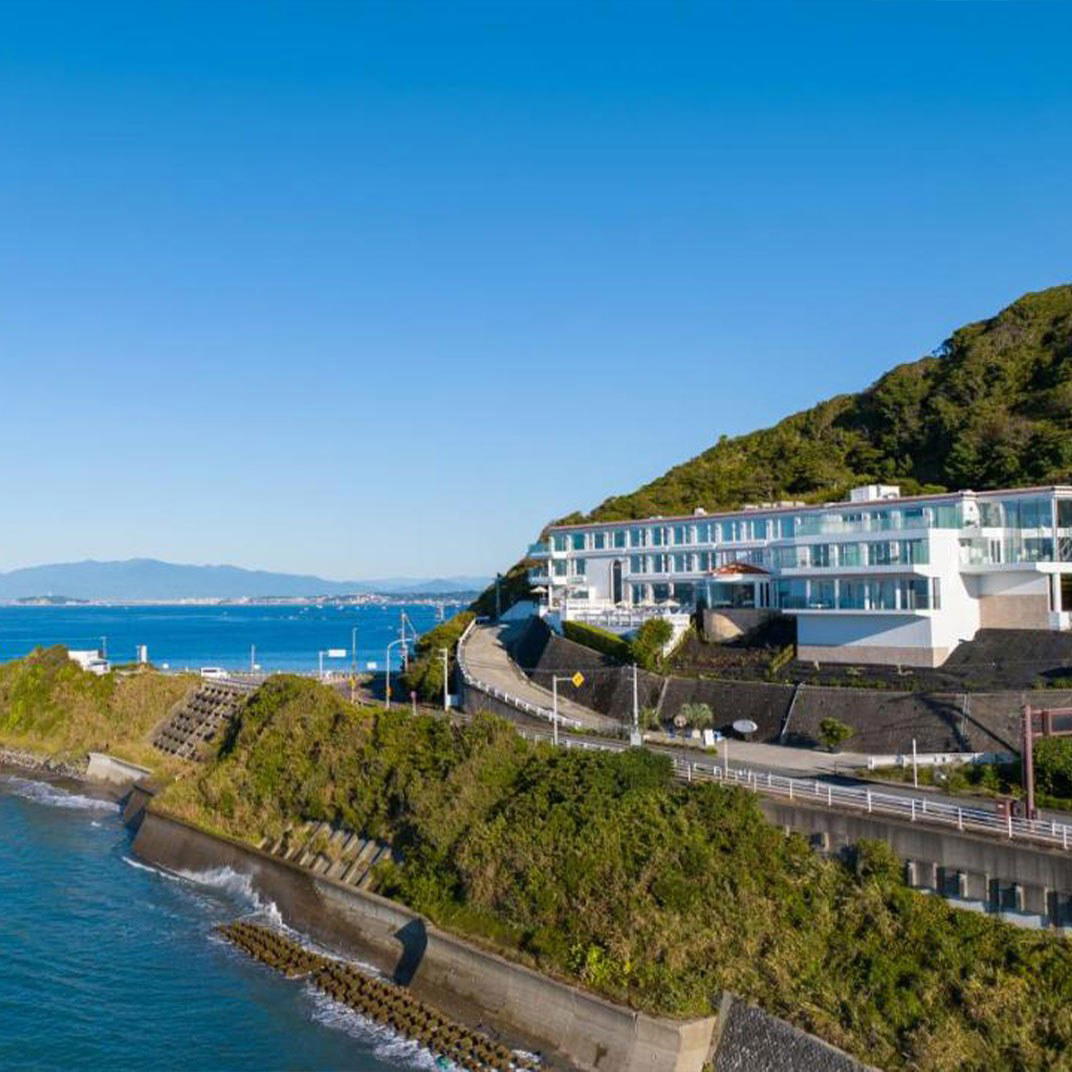
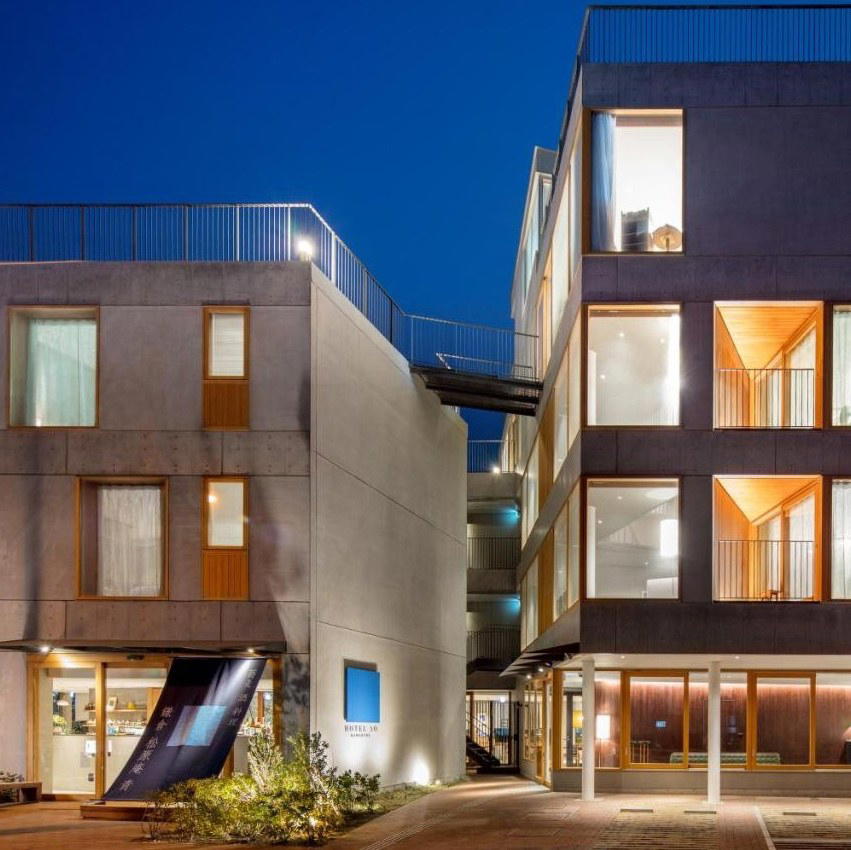
Casual and bright sweets café inside a seaside complex, with a relaxed, family-friendly atmosphere and terrace seating overlooking the sea and surrounding mountains.