BOCTOK occupies a basement space in Nishiazabu, one of Tokyo's most concentrated pockets of after-dark drinking culture. The bar sits below street level on a one-way side street in Minato City, placing it within a neighbourhood known for serious drinking rooms that reward the effort of finding them. Details on the programme remain sparse, which in this part of Tokyo is rarely accidental.
Pearl is the En Primeur Club membership app — saves, bookings, and concierge access live there. Same editors, same standards.
- Address
- 〒106-0031 Tokyo, Minato City, Nishiazabu, 2-chōme−13−15 大山ビル B1F 入り口は一方通行側にあります。 The entrance is on the one-way side
- Phone
- +81 3-6427-2286
- Website
- bar-boctok.com
- Directions
- Get directions
 Saves & bookings on Pearl
Below the One-Way Street: Nishiazabu's Basement Bar Circuit
Tokyo's bar geography has a recurring logic: the addresses that require effort tend to be the ones worth the effort. Nishiazabu, a residential-commercial district tucked between Roppongi's louder energy and Hiroo's quieter money, has accumulated a dense concentration of serious drinking rooms over the past two decades. They occupy basements, upper floors reached by narrow staircases, and converted spaces that give no indication from street level of what happens inside. BOCTOK fits this pattern precisely. The entrance sits on the one-way side of a building on 2-chōme in Minato City, a detail that functions less as an address and more as a filter.
This is not a neighbourhood that produces bars for casual foot traffic. The Nishiazabu drinking scene has historically attracted a crowd that knows what it wants: focused programmes, small capacities, and a level of craft that justifies the navigation. That context matters when thinking about where BOCTOK sits. The basement format alone signals something about the intended experience, lower ceilings, controlled light, a separation from the city above that encourages a different pace of conversation and consumption.
The Collaboration That Runs a Room
In Tokyo's most considered bars, the service dynamic is as much a part of the experience as what's in the glass. The city's bar culture draws heavily from a tradition of role clarity, bartenders who have trained for years in specific disciplines, floor staff who understand pacing and preference, and a collective rhythm that the leading rooms make look effortless. At venues of this type, the interaction between the person behind the bar and the person in front of it is rarely accidental. Questions are answered before they're asked. Glasses are refreshed at the right moment. The tone shifts depending on whether a guest is alone and wants silence or part of a group that wants engagement.
This team-led approach to hospitality is a defining characteristic of Tokyo's upper-tier bar scene, separating it from Western equivalents where the bartender-as-soloist model still dominates. Bars like Bar High Five in Ginza have long demonstrated how a collectively disciplined front-of-house can carry an evening that has nothing to do with spectacle. Bar Benfiddich operates differently, one strong creative voice at the centre, but even there, the supporting cast shapes the room's atmosphere. BOCTOK's basement placement and Nishiazabu address suggest a programme built on similar principles: the room is the product, and the room requires everyone in it to be working.
Reading the Neighbourhood
Nishiazabu operates as one of Tokyo's more instructive neighbourhoods for understanding how the city's nightlife stratifies. It is not a destination in the way that Shinjuku or Shibuya are destinations. Visitors do not drift through Nishiazabu by accident. The area's restaurants and bars are known to specific communities, expats with long Tokyo tenures, local professionals, and the kind of traveller who has already done the obvious circuit and is looking for the next layer down.
That demographic self-selection produces rooms with a different energy than the tourist-facing bars around Roppongi's main drag. Conversations tend to run longer. The pace of drinking is slower. Repeat visits are common, and regulars carry a different weight in how the room functions. This is the context in which BOCTOK's basement address should be understood: it is a neighbourhood that has historically rewarded low visibility and delivered on substance.
For a broader orientation to how Tokyo's bar scene organises itself across neighbourhoods and categories, the EP Club Tokyo guide maps the full circuit. Those planning to spend time in Ginza's more formal drinking rooms should look at Bar Orchard Ginza and Bar Libre as reference points for how that neighbourhood's approach to the craft differs from Nishiazabu's more residential register.
Tokyo in the Context of Japan's Bar Geography
Understanding BOCTOK in isolation is less useful than understanding it as one node in a wider national tradition. Japan's serious bar culture extends well beyond Tokyo. Bar Nayuta in Osaka operates in a city that has its own distinct drinking temperament, looser, more gregarious, but no less technically serious. Bee's Knees in Kyoto sits inside a hospitality culture shaped by centuries of precision and restraint. Lamp Bar in Nara has built a reputation that draws visitors specifically to a city not otherwise known for nightlife. Further afield, Yakoboku in Kumamoto represents the way serious craft has spread across regional Japan, no longer concentrated solely in the major metropolitan centres.
Back in Osaka's urban sprawl, anchovy butter (アンチョビバター) points to how hybrid food-and-drink programmes have gained ground, while Kyoto Tower Sando in Kyoto shows how location within a landmark can coexist with a programme that takes its drinks seriously. Even internationally, the influence of Japanese bar training echoes in places like Bar Leather Apron in Honolulu, where Japanese-influenced technique anchors a room far from Tokyo.
BOCTOK belongs to this wider tradition. Whatever its specific programme, a basement bar in Nishiazabu is operating within among the more demanding bar cultures in the world, one where technique, timing, and the discipline of service have been refined across decades of serious practice.
Planning a Visit
The address places BOCTOK in the B1F level of the Oyama Building on Nishiazabu 2-chōme, Minato City. The entrance is on the one-way side of the street, a detail worth confirming before arrival, particularly at night when signage in this part of Tokyo can be minimal by design. Reservations are recommended. Arriving in person to make a reservation, or going on the recommendation of someone who has been recently, is a reasonable approach.
Peers You’d Cross-Shop
Comparable venues nearby, for context on price, style, and recognition.
| Venue | Cuisine | Price | Notes |
|---|---|---|---|
| BOCTOKThis venue — the venue you are viewing | cocktail_bar | $$ | Not listed |
| Baird Beer Harajuku Taproom | beer_bar | $$ | Shibuya |
| Bonobo | cocktail_bar | $$ | Shibuya |
| 8bit Cafe | lounge | $$ | Shinjuku |
| Ginza Tsuboyaki-imo | Bar | $$ | Chūō |
| Hitachino Brewing Lab Kanda Manseibashi | beer_bar | $$ | Chiyoda |












At a Glance
- Trendy
- Cozy
- Elegant
- Date Night
- Group Outing
- Craft Cocktails
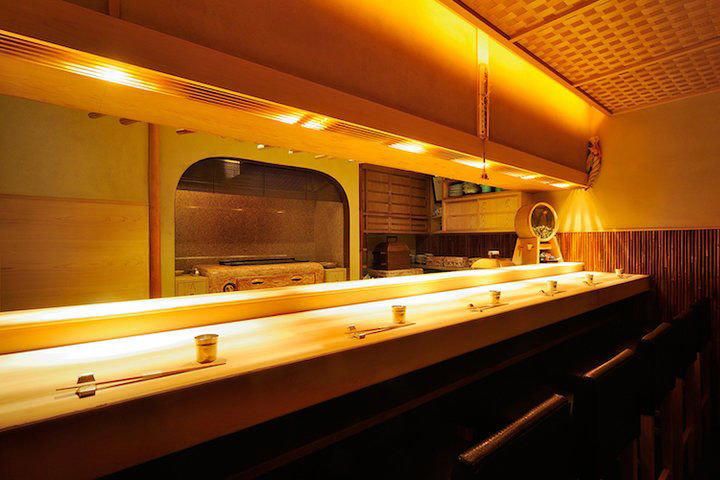
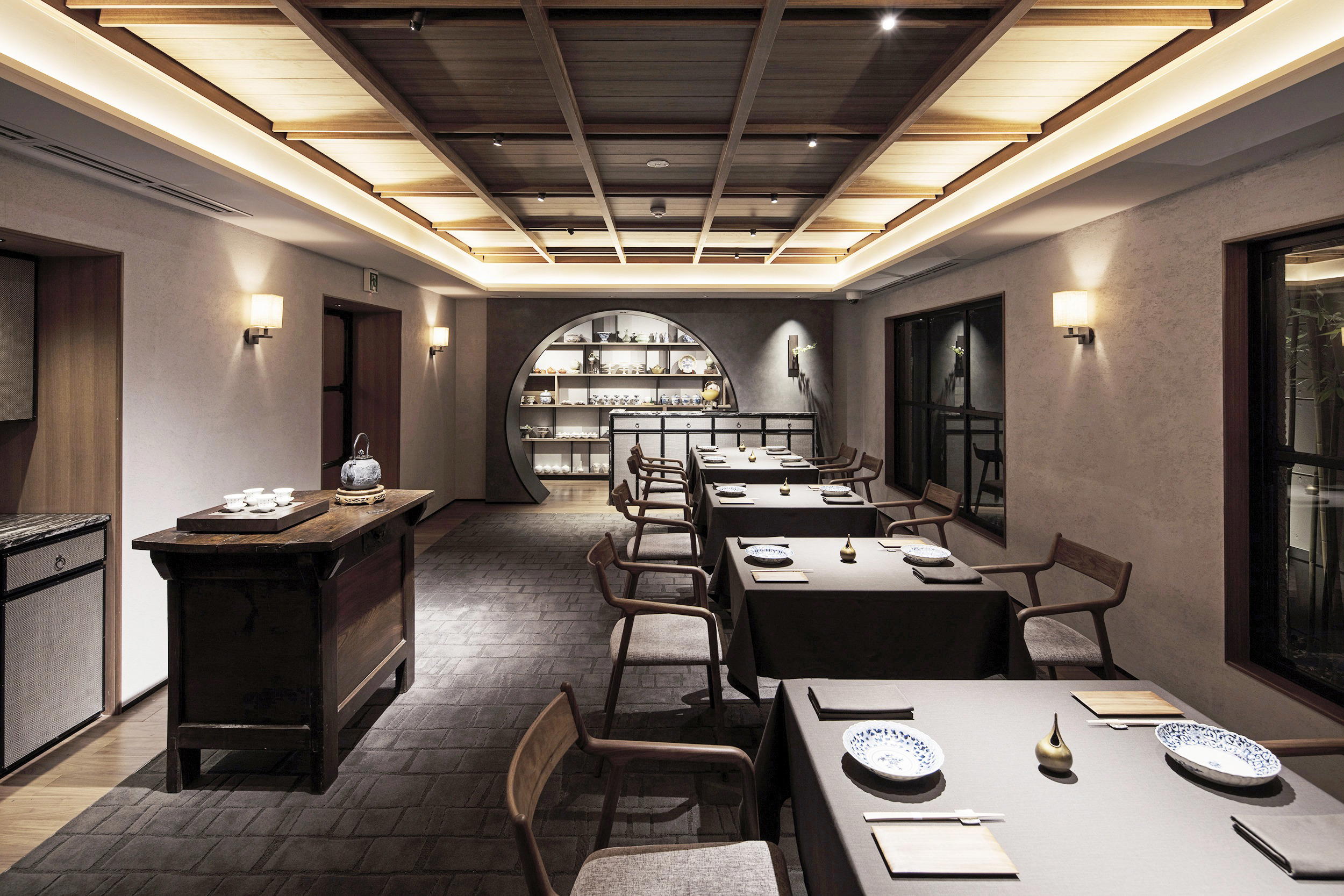
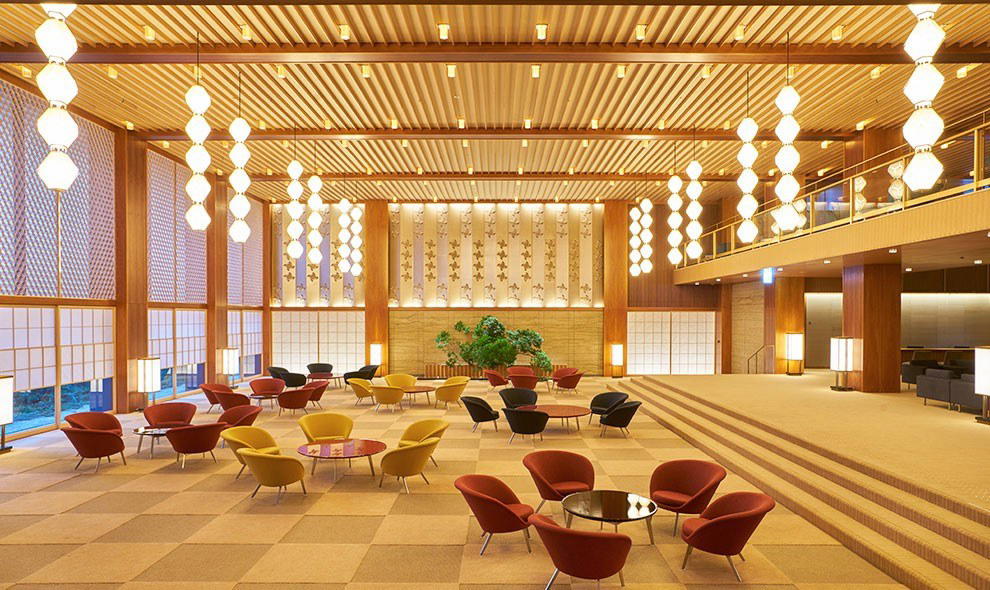
Stylish and relaxing underground hideout with plush sofa seating and comfortable lighting.