
Tabelog 100 #43
Our verdict
Hamabe is a Kanaya, Futtsu seafood shokudo in the Inner Boso orbit, selected for Tabelog 100 Diner in 2024 and 2026. The draw is not luxury coding but a coastal Japanese set-meal culture built around fish, modest pricing, and a room that functions closer to a local dining house than a destination counter.

Pearl is the En Primeur Club membership app, where members save venues, book tables and use the concierge.
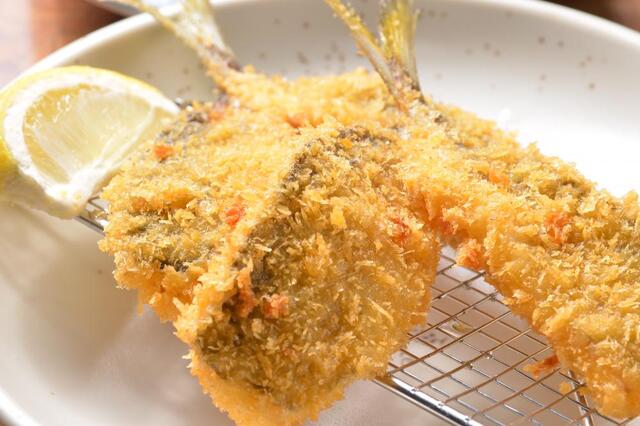
The menu
What to order
- Fresh horse mackerel set meal
- Fried horse mackerel
- Fresh sashimi
Futtsu’s food culture starts with the bay in view and the everyday pull of local dining. Around the city, casual shokudo are not an aesthetic category; they are a familiar restaurant form for local families, day visitors, and travellers moving through the coast. Hamabe belongs to that tradition: a seafood-focused dining room whose appeal sits closer to a regional habit than a staged restaurant experience.
That matters in Futtsu, where coastal Chiba has a different rhythm from Tokyo’s polished seafood rooms. The pleasure is less about formal choreography and more about complete meals, seafood, rice, soup, and the reliable grammar of a shokudo. Hamabe’s Tabelog Hyakumeiten recognition in 2026 places it in a national conversation about everyday Japanese dining rather than fine-dining ceremony. A 3.65 Tabelog score and a budget listed at JPY 2,000 to JPY 2,999 for both lunch and dinner underline the point: recognition here attaches to a humble format, not to luxury signalling.
Futtsu seafood, read through the shokudo format
Japan’s shokudo tradition is often misunderstood by travellers because it rarely announces itself with the cues used by high-end dining. The form is practical: a menu built for meals rather than performance, a room that can handle different kinds of diners, and a kitchen judged by the discipline of a complete set. In coastal towns, that format becomes a direct expression of local appetite. Hamabe’s category listing spans cafeteria, seafood, and Japanese cuisine, which is exactly the overlap that defines this kind of Futtsu meal.
The venue’s appeal is tied to that seafood-and-shokudo identity rather than imported prestige. That gives the meal a useful editorial position: it is not competing with Ginza sushi counters or kaiseki rooms, but with other Futtsu dining rooms where price, convenience, and the expectations of a casual meal shape the decision. Nearby comparisons are instructive. Sasuke Shokudo and Minami Tei Kanaya honten help frame the same local casual-dining landscape, while Hamabe’s listed JPY 2,000 to JPY 2,999 budget keeps it within accessible coastal-meal territory.
The format also explains the appeal. Hamabe is best understood as a flexible local dining room rather than a large-scale destination built around spectacle. The atmosphere is not the point in itself. It is a low-key, functional mode rooted in Futtsu’s slower pace rather than the velocity of urban dining districts.
Why the award matters in a town built on simple meals
Tabelog’s Hyakumeiten lists have become a useful way to read Japan’s non-Michelin dining hierarchy. This kind of recognition is especially revealing because it can acknowledge places where the craft is embedded in routine formats: set-meal counters, cafeterias, local specialists, and restaurants that rarely fit imported fine-dining categories. Hamabe’s inclusion in the 2026 Tabelog Hyakumeiten selection signals visibility inside that democratic tier.
For travellers, the award should be read carefully. It does not mean a formal tasting-menu meal, and it does not require the expectations one might bring to a chef-led counter. It means this modest category has produced a restaurant with enough local identity, user attention, and food credibility to register beyond its immediate area. In Futtsu, that is the right kind of recognition. Coastal Chiba rewards restaurants that preserve the link between place and plate without overexplaining it.
Futtsu also changes the way a meal is scheduled. The area’s dining traffic can track weekends, holidays, sightseeing, and the slower pacing of a coastal day. Hamabe’s listed lunch and dinner budgets are both JPY 2,000 to JPY 2,999, which makes it workable as either a midday stop or a casual evening meal. Those details are not minor in a coastal city; they shape whether the meal feels relaxed or poorly timed.
How to place Hamabe in a Futtsu itinerary
The smart way to think about Hamabe is as a regional seafood anchor rather than a standalone pilgrimage. Pair it with the Futtsu coast or a wider Boso Peninsula day. The meal makes the greatest sense when the surrounding place is part of the plan: sea air, local pacing, and a dining room that does not need urban gloss to justify itself.
Readers mapping a broader Chiba stop can start with our full Futtsu restaurants guide, then layer in our full Futtsu hotels guide, our full Futtsu bars guide, our full Futtsu wineries guide, and our full Futtsu experiences guide. For a wider view of how casual Japanese dining shifts by city and format, compare Hamabe with other dining in Futtsu and with the local peers that define the city’s everyday restaurant scene.
The editorial case is simple: Futtsu’s coastal dining is strongest when it stays close to its working forms. Hamabe earns attention because it channels that form with enough clarity to be recognised nationally while remaining priced and structured like a local shokudo. For travellers who understand Japanese food beyond prestige counters, that is the point.
Frequently asked questions
Is Hamabe suitable for children?
Hamabe’s casual shokudo format suits a relaxed family stop in Futtsu. The listing does not specify a children’s policy, so the practical cue is the everyday dining style rather than formal dining rules.
What should I expect atmosphere-wise at Hamabe?
Expect a casual shokudo rather than a polished dining room. Hamabe is listed in the cafeteria, seafood, and Japanese cuisine categories, pointing to a straightforward Futtsu stop built around simple meals.
What's the pricing like at Hamabe?
Pricing at Hamabe is listed as JPY 2,000 - JPY 2,999 JPY 2,000 - JPY 2,999 View spending breakdown.
Where exactly is Hamabe?
Futtsu.
What's the best way to book Hamabe?
The provided listing does not give a confirmed booking method. With a casual seafood-and-shokudo format and national Tabelog recognition, checking current availability before going is the sensible move.
What makes Hamabe worth seeking out?
Hamabe was selected for Tabelog Hyakumeiten in 2026, which gives it clear editorial weight in Japan’s casual dining scene. Its draw is specific: seafood, Japanese cuisine, and a Futtsu setting.
Budget and Context
Nearby venues at a similar price tier for orientation.
| Venue | Cuisine | Price | Awards | Notes |
|---|---|---|---|---|
| HamabeThis venue (the venue you are viewing) | Japanese Seafood Cafeteria | $20–30 | Tabelog 100 #43 | Not listed |
| Minami Tei Kanaya honten | Baumkuchen & sweets café | $1–10 | Tabelog 100 #71 | Kanaya, Baumkuchen & sweets café |
| Sasuke Shokudo | Casual Japanese seafood shokudō | $10–20 | Tabelog 100 #27 | Kanaya, Casual Japanese seafood shokudō |
| Uogashi Fukuchan 2 gou ten | Standing seafood izakaya (tachinomi) | $30–50 | Tabelog 100 #21 | Shibuya, Standing seafood izakaya (tachinomi) |
| Sato no Yado | Japanese Seafood Cafeteria | $10–20 | Tabelog 100 #51 | Kichijoji, Japanese Seafood Cafeteria |
| カムラナ食堂 | Akakura, Japanese & Thai Fusion | Not listed | Not listed | Not listed |
Recognition history
Dated appearances from independent guides and award organizations, with the underlying list record or original source where available.
Tabelog 100 #43 · No. 43
Tabelog · Tabelog 100 - Diner - 2026
Continue exploring
More in Futtsu
Restaurants in Futtsu
All restaurants in Futtsu →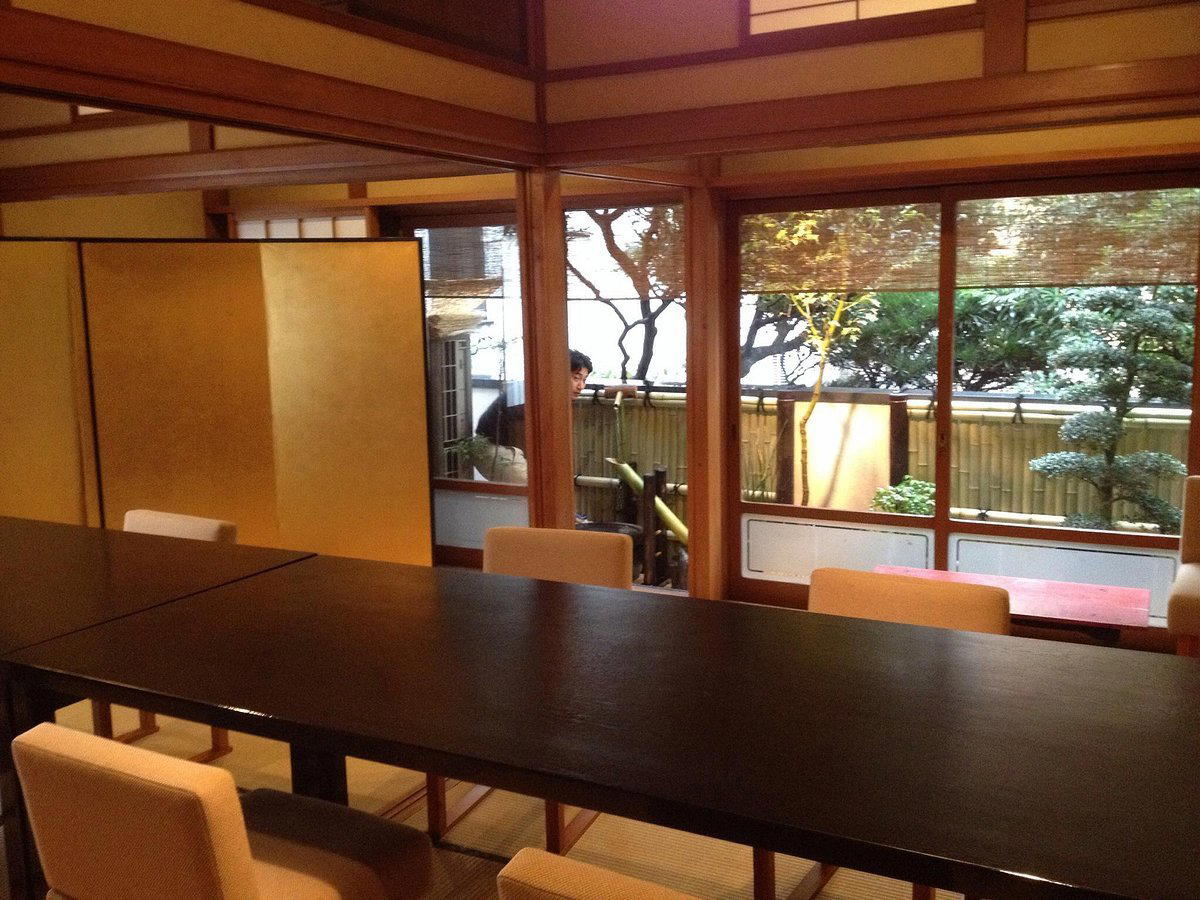
Bars in Futtsu
Browse all →
Details
- Cozy
- Scenic
- Classic
- Solo
- Group Dining
- Casual Hangout
- Waterfront
- Standalone
- Local Sourcing
- Waterfront
- Set Menu
- Pescatarian Friendly
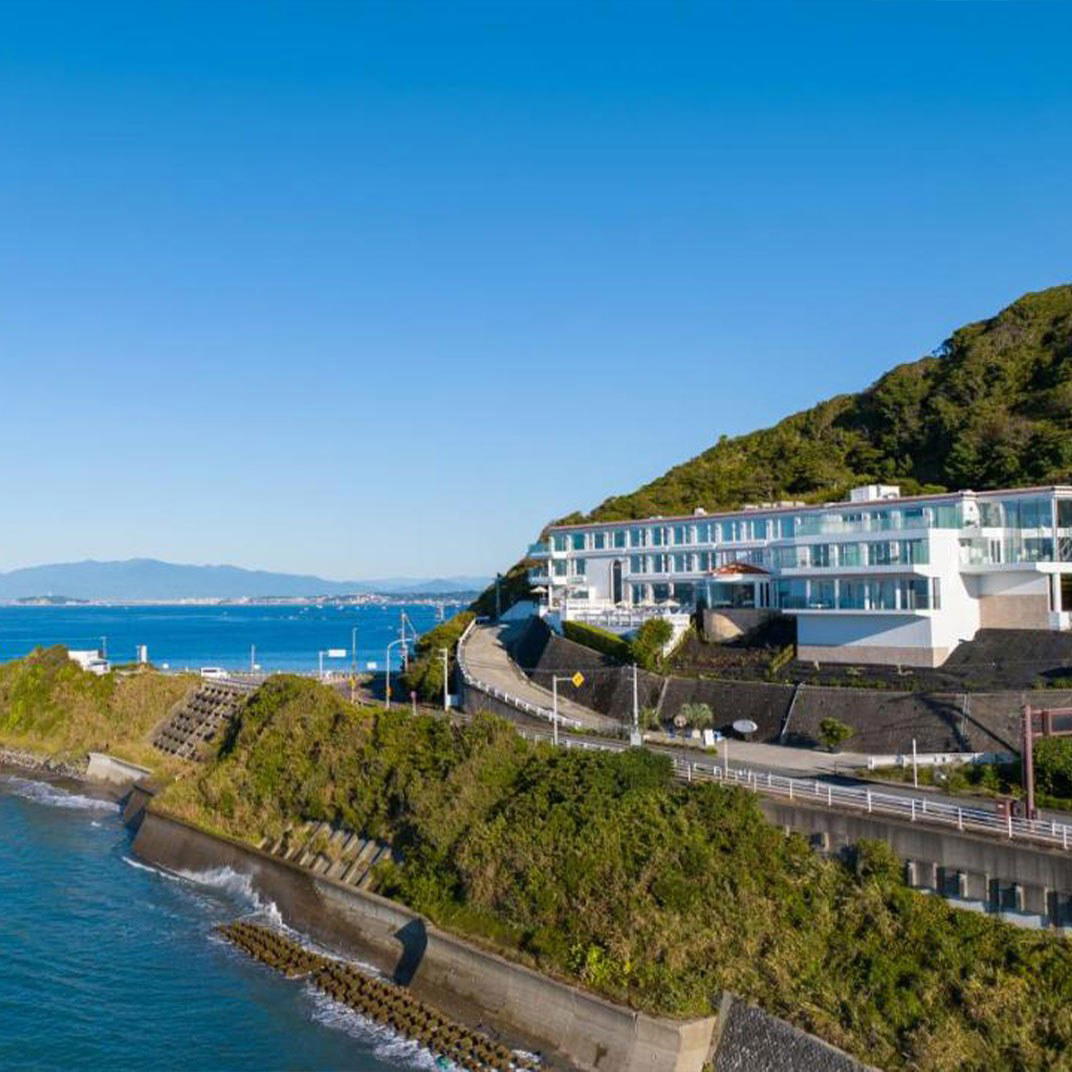
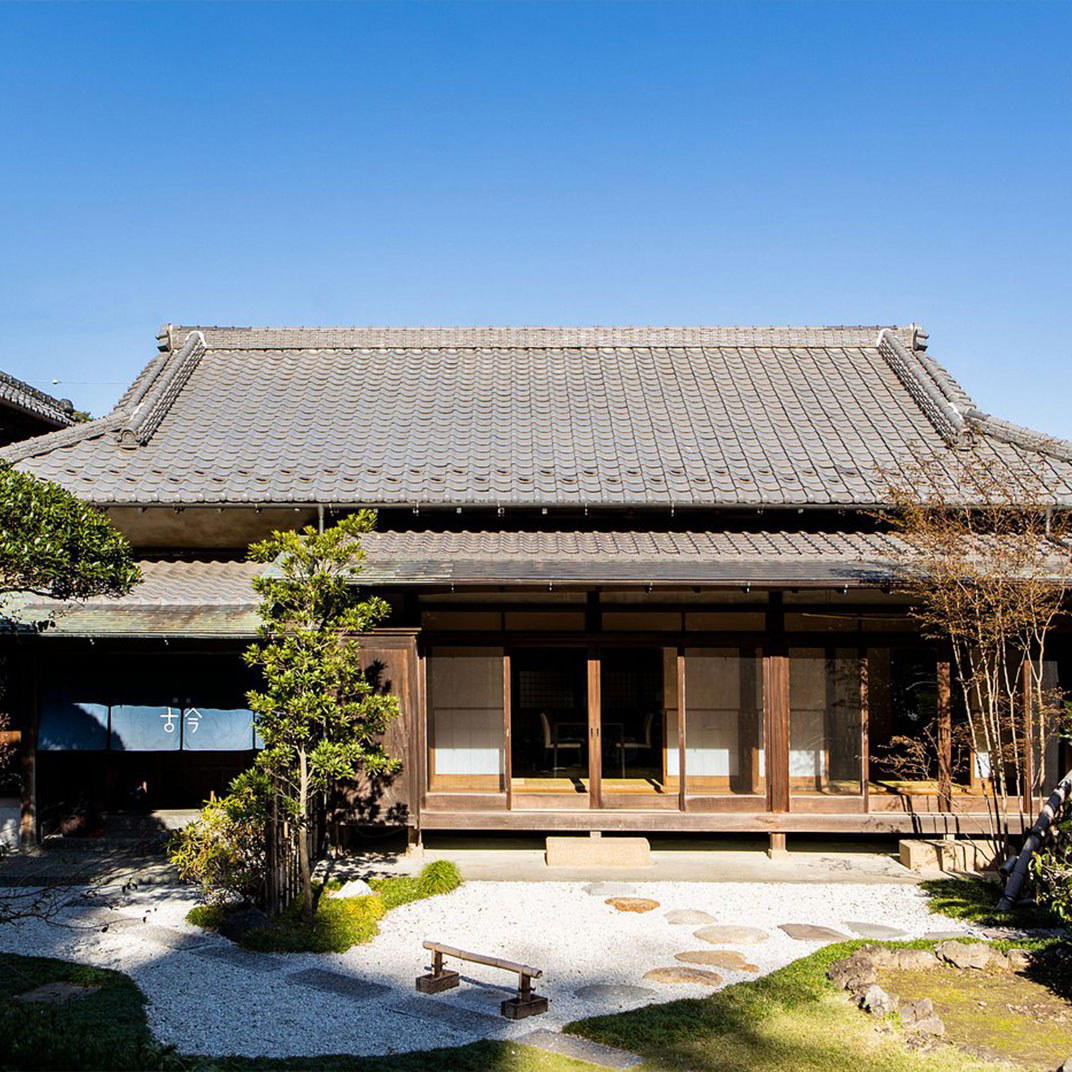
A cozy, converted-house seafood restaurant with a relaxed, homey feel and a scenic location near the water and hiking/sightseeing spots.