
Sari Sari Curry belongs to Yokohama’s low-cost, specialist curry tier, where small rooms and narrow menus can carry more weight than hotel dining rooms. Its Tabelog Curry EAST 100 selection in 2024 gives it a measurable signal in a category where reputation usually travels by station-area habit and repeat custom.
Pearl is the En Primeur Club membership app — saves, bookings, and concierge access live there. Same editors, same standards.
- Address
- Japan, 〒221-0822 Kanagawa, Yokohama, Kanagawa Ward, Nishikanagawa, 3 Chome−9−2
- Phone
- +81 45-294-2136
- Website
- salisali.web.fc2.com
 Saves & bookings on Pearl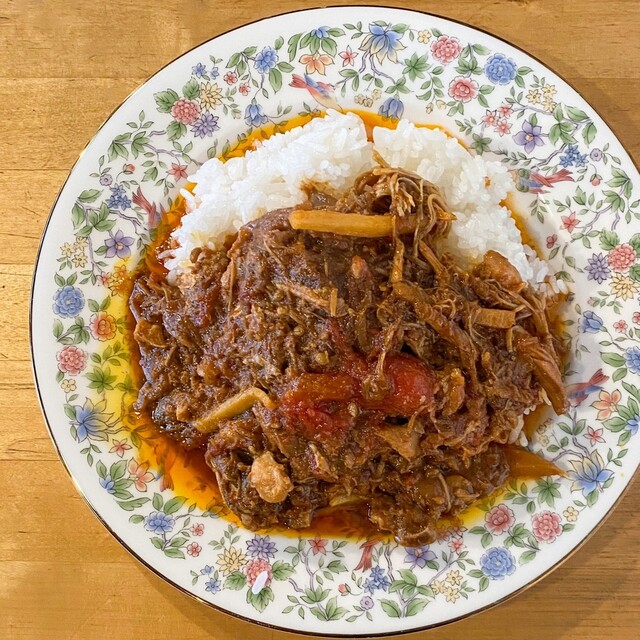
Approaching a small curry shop in Yokohama rarely has the theatre of a tasting counter, and that is the point. The city’s everyday dining culture often reveals itself in compact rooms, station-adjacent streets, and menus built around repetition rather than novelty. Sari Sari Curry sits inside that tradition: a modest-format curry address in Nishikanagawa, close enough to Hakuraku to belong to the rhythm of local errands, student meals, and quick detours rather than destination dining rituals.
Yokohama’s curry scene rewards specialization. Unlike the department-store curry counter or the broad yoshoku menu, the specialist curry room asks a sharper question: how much character can be delivered through a narrow format and a short visit? That question matters because value in Japan is not only about spending less. It is about whether the format is disciplined enough that the meal feels intentional at a low outlay. The Tabelog Curry EAST 100 selection in 2024 places this shop in a regional group of curry specialists, a useful signal in a field where many serious addresses remain small, cash-oriented, and light on international-facing polish.
Yokohama curry value is built on focus, not luxury cues
At this tier, comparison should not be made against Ginza hotel curry or elaborate spice tasting menus. The useful peer group is local, compact, and price-conscious. Torakichi Ya Hikaru and Shinachiku Tei occupy a similar everyday spending band in Yokohama, while Kuri Yama, Hakuraku Bagel, and Pain de U show how the same neighbourhood economy supports focused, low-ticket specialists rather than broad, multi-purpose restaurants. Sari Sari Curry belongs to the part of that ecosystem where the promise is not range, but concentration.
That focus is why curry in Japan remains a serious category rather than a convenience-food afterthought. Japanese curry culture has multiple lanes: home-style roux curry, katsu-curry lunch counters, South Asian regional cooking, spice-curry shops influenced by Osaka and Tokyo, and hybrid rooms that develop their own house grammar over years. Yokohama adds another layer because the city has long absorbed outside foodways through trade, migration, and port-city appetite. The result is not a single curry identity, but a network of small addresses that make sense by neighbourhood and repeat use.
The value proposition here is unusually clear. A small seating count, no private-room framing, and a no-reservations format keep the experience close to the everyday Japanese lunch-and-dinner model. The money goes toward the plate rather than ceremony. For travellers used to judging Japan through sushi counters and kaiseki rooms, this is a corrective: Yokohama’s food intelligence is just as visible in the places that compress craft into a short meal and modest spend.
The room belongs to the station-area rhythm
Hakuraku and Nishikanagawa do not operate like the waterfront postcard version of Yokohama. This is a more lived-in part of the city, connected to trains, buses, small shops, and university-adjacent movement. Curry shops thrive in that setting because they do not require occasion-making. They work between errands, after classes, before an evening transfer, or as the anchor for a food-led walk through Kanagawa Ward.
Sari Sari Curry has the logistical shape of a local specialist: small room, take-out service, no smoking, and payment culture that favours cash over card-led convenience. Those details matter for visitors because they separate the experience from the seamless hospitality expectations of luxury travel. The pleasure is more practical and more revealing. A diner gives up reservation certainty and plushness, and in return gets a tightly defined curry stop with credible local recognition.
There is also a temporal reason to treat this address with attention in 2026. The current Nishikanagawa site is scheduled to close temporarily at the end of May because of building demolition, with a move planned to Shiodacho in Tsurumi Ward and reopening targeted for early August. In a city where small restaurants often carry neighbourhood memory in their exact location, that shift matters. The cooking may travel, but the surrounding pattern of streets, regulars, and pre- or post-meal routes will change.
Where it fits in a Yokohama food itinerary
This is not the Yokohama stop for a long, staged dinner. It makes more sense as part of a day built around smaller, high-specificity addresses: curry here, noodles or yakitori elsewhere, then a bar or waterfront walk later. For a broader restaurant map, Our full Yokohama restaurants guide gives the city context, while Our full Yokohama hotels guide, Our full Yokohama bars guide, Our full Yokohama wineries guide, and Our full Yokohama experiences guide help frame the rest of the trip without forcing every meal into the same premium template.
Yokohama’s strength is range at human scale. A serious itinerary can move from 1000 (Yakitori (Grilled chicken skewers)) to Aichun, from spice-focused cooking at Ajowan or Alpenjiro Honten to everyday comfort at Anzen Shokudo. Nearby-city comparisons sharpen the point: -Grilled beef Sukiyaki- KAMAKURA TANUKIAN 鎌倉 たぬき庵 in Kamakura. 鮪と炭火焼き うお炭 秋葉原店 in Tokyo.cafe in Osaka.know in Kumamoto, (Shoku) Vietnam in Kawasaki, [Curry Senmon Ten] Maruyama Kyoju. in Sapporo, Jōdo Saké Bar in Los Angeles, and Onigiri Time in Pasadena all show how focused formats travel across cities, but the restaurant’s appeal is tied to Yokohama’s low-key, station-area dining intelligence.
The editorial case is simple: this is a small curry specialist with a recognized place in eastern Japan’s curry conversation, priced and formatted for repetition rather than spectacle. That makes it a useful counterweight to the expensive end of Japanese dining. The reader who understands Yokohama through places like this will read the city more accurately than the reader who only chases waterfront views and formal reservations.
Accolades, Compared
Side-by-side context: comparable cuisine and price.
| Venue | Cuisine | Price | Notes |
|---|---|---|---|
| Sari Sari CurryThis venue — the venue you are viewing | Pakistani-style Japanese curry set | $ | Not listed |
| Yokohama Chuka Soba Ishin Shoten Honten | Classic ginger shoyu ramen (chuka soba) | $ | Nishi |
| Kannai Motsu Niku Ten | Japanese Standing Bar / Yakitori & Offal | $ | Naka |
| Shirakawa Teuchi Chuka Soba Kosuga | Traditional Shirakawa-style handmade ramen | $ | Aoba |
| Ramen Moriya. | Ramen shop in Yokohama | $ | Sakae |
| Ramen Kujira Ken Yokohama honten | Traditional Yokohama ramen shop | $ | Tsuzuki |
Recognition history
Dated appearances from independent guides and award organizations, with the underlying list record or original source where available.
Tabelog 100 #20 · No. 20
Tabelog · Tabelog 100 - Curry - EAST - 2024









At a Glance
- Cozy
- Quiet
- Solo
- Casual Hangout
- After Work
- Standalone
Current opening hours
- Monday
- 11:30 AM–3 PM, 5–8 PM
- Tuesday
- 11:30 AM–3 PM, 5–8 PM
- Wednesday
- Closed
- Thursday
- Closed
- Friday
- 11:30 AM–3 PM, 5–8 PM
- Saturday
- 11:30 AM–3 PM, 5–8 PM
- Sunday
- 11:30 AM–3 PM, 5–8 PM
Hours can change for holidays and private events. Last verified .
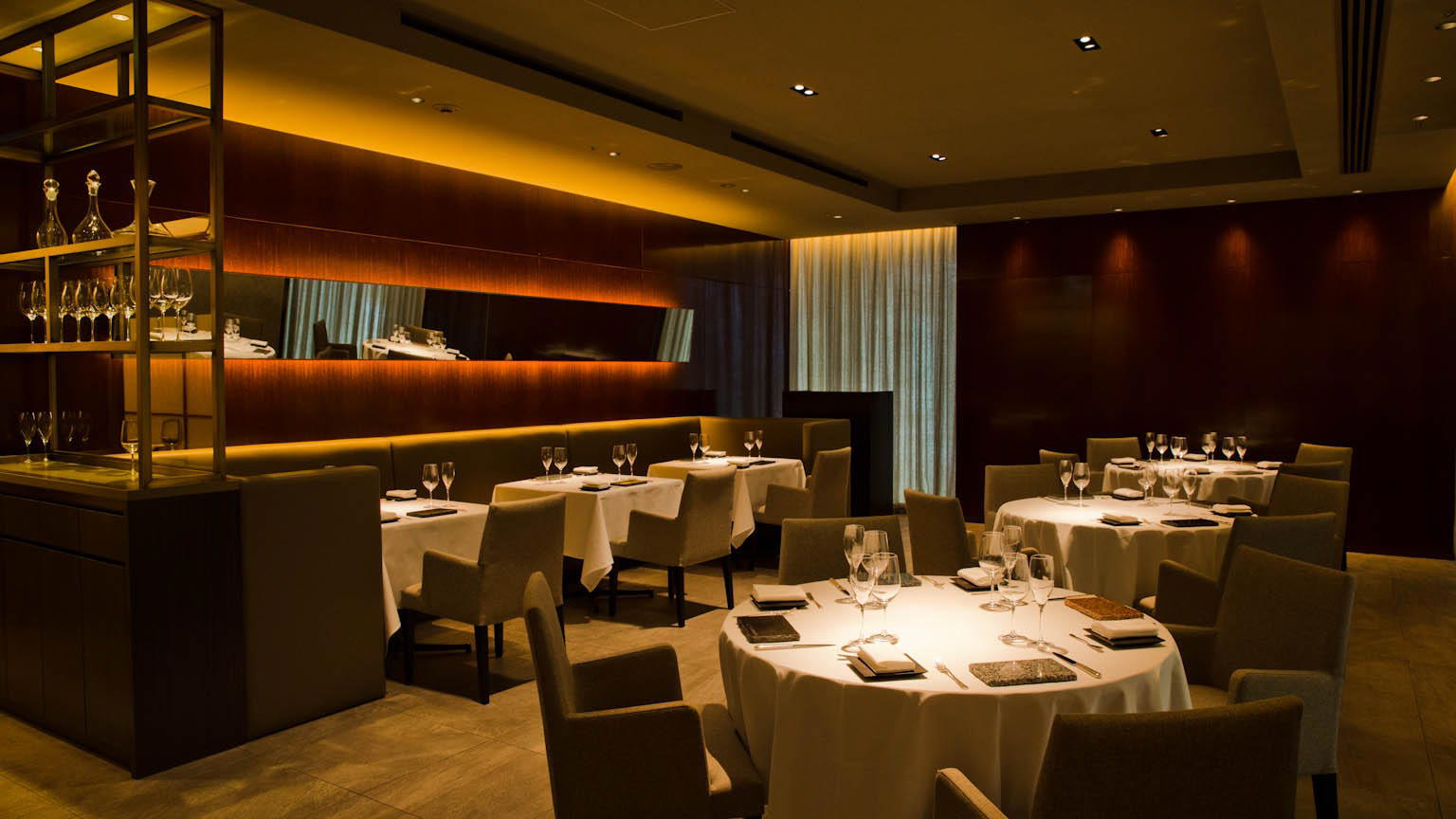
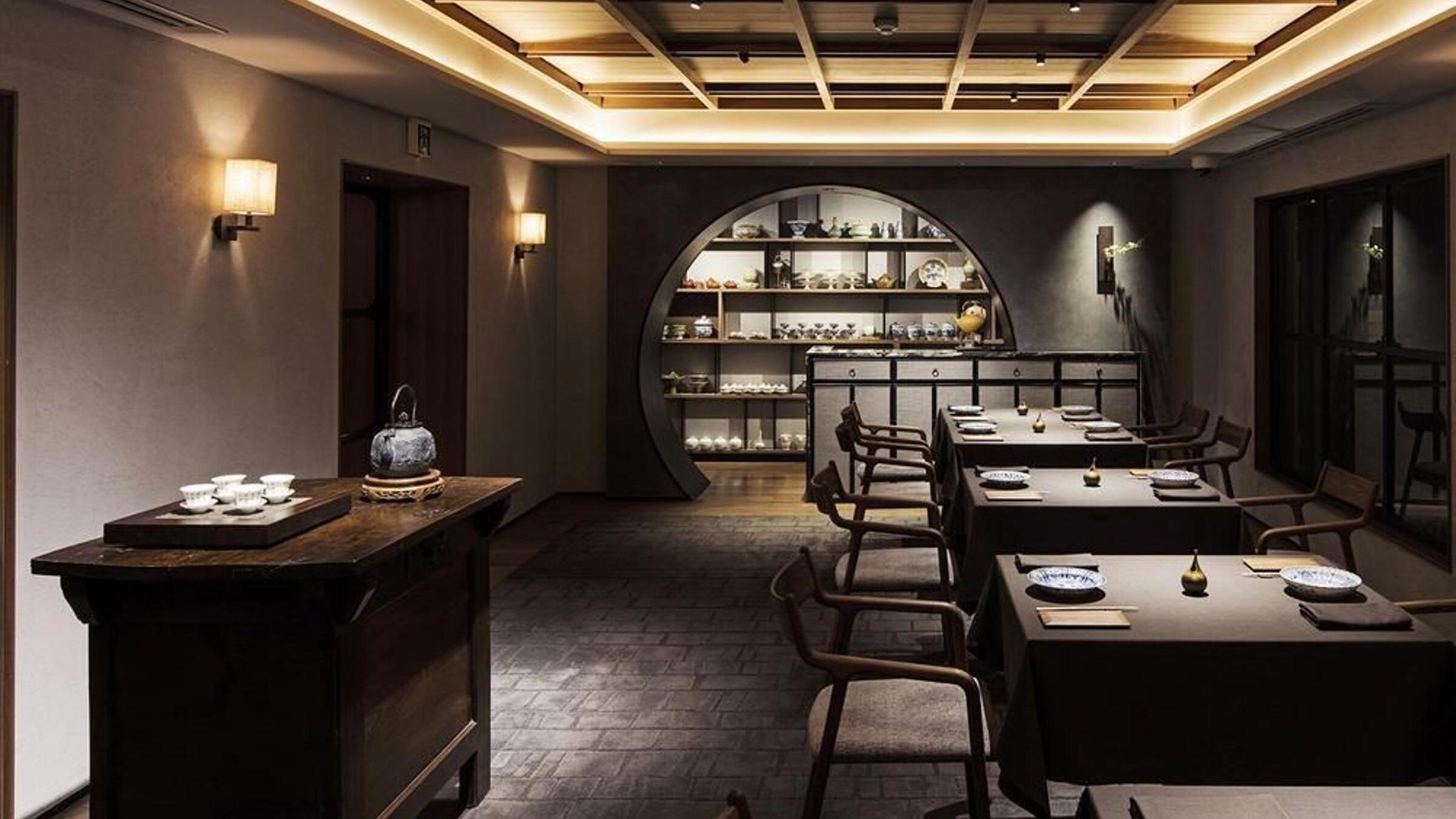
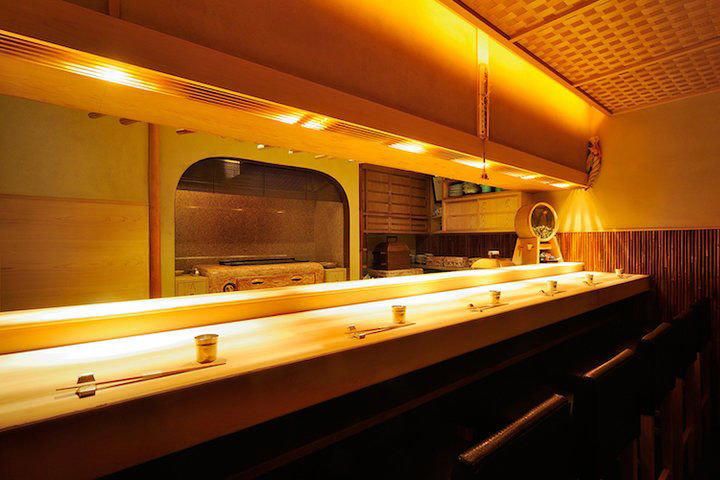
A modest, quietly atmospheric neighborhood curry shop with a distinctive but simple exterior, relaxed pacing, and a calm, almost meditative feel where guests linger over a single, carefully prepared curry set.