
Sapporo Ramen Ezo Men Rock Shinsakae ten puts Sapporo-style ramen into Nagoya’s late-night dining conversation, with a compact counter format and recognition on Tabelog 100 - Ramen - AICHI - 2025. The appeal is not ceremony; it is a focused bowl in Shinsakae, priced in the everyday ramen bracket and suited to solo diners as much as small family meals.
Pearl is the En Primeur Club membership app — saves, bookings, and concierge access live there. Same editors, same standards.
- Address
- 愛知県名古屋市中区新栄1-1-26 オアシスビル B1F
- Phone
- +81522414638
- Website
- tabelog.com
 Saves & bookings on Pearl
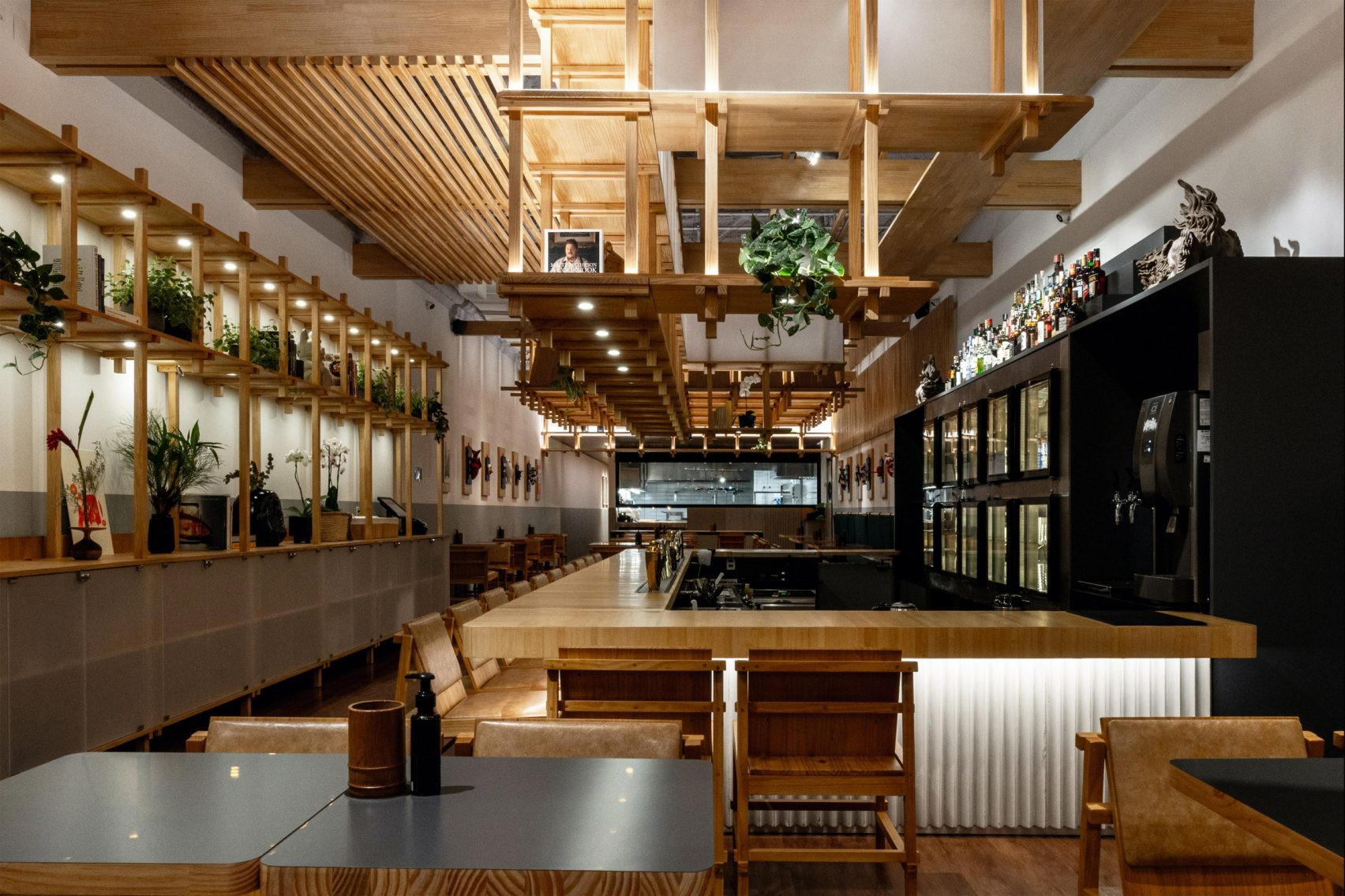
Basement-level and compact, this is a ramen shop built around counter rhythm, not dining-room theatre. In Shinsakae, where Nagoya’s night economy moves between music rooms, casual bars, and after-work bowls, Sapporo Ramen Ezo Men Rock Shinsakae ten sits at the practical end of the city’s food culture. The room is small, the format direct, and the meal judged by speed, heat, and consistency rather than ceremony.
That matters because Nagoya’s dining identity is often reduced to miso katsu, hitsumabushi, and kishimen. Ramen sits differently: less civic branding than neighbourhood habit, from workers eating alone and small groups after drinks to families choosing a low-risk meal and regulars who know which shops merit a detour. For the city’s wider dining range, start with Our full Nagoya restaurants guide, then read ramen as the counterpoint to formal hotel restaurants and higher-spend Japanese rooms.
Shinsakae ramen, Sapporo grammar, Nagoya habits
Sapporo-style ramen brings a northern template into a central Japanese city: heavier broths, miso associations, and appetite rather than delicacy. Nagoya changes the context. This is not a destination tasting-menu conversation, but a compact shop competing on clear execution in a city where price-sensitive meals and specialist counters matter as much as polished dining rooms.
The 2025 Tabelog 100 - Ramen - AICHI selection is a useful trust signal. Tabelog’s ramen lists are not Michelin stars, but in Japan they carry weight by sorting dense local categories where small shops rarely get international press. A 3.58 Tabelog score also places it in the serious local-attention bracket for ramen, where small numerical differences can reflect heavy competition rather than minor popularity.
The comparison helps. Restaurant Loire in Nagoya sits in a far higher French dining price tier, while Yakiniku Taiga works in a grilled-meat bracket closer to occasion dining. Naruto Ya, another Nagoya ramen reference in the lower-price range, shows how fiercely the city’s casual noodle category is fought. Against that spread, Sapporo Ramen Ezo Men Rock Shinsakae ten reads as a specialist counter: low spend, limited seats, and a category-specific award signal.
Readers building a wider Nagoya itinerary should separate ramen from hotel and bar decisions. Our full Nagoya hotels guide is the better tool for where to stay, while Our full Nagoya bars guide helps with the post-dinner circuit. Ramen belongs between those plans, not beneath them: the strongest shops often explain a neighbourhood more plainly than a formal dining room can.
A ten-seat counter changes the meal
A small counter imposes discipline. With ten seats, every bowl turns over in public view, and attention goes to kitchen sequence rather than menu narrative. That is why ramen remains one of Japan’s clearest value propositions: a narrow product, repeated at speed, with little room for soft-focus hospitality language. No private rooms or private use reinforces the point. This is a counter meal, not a room to command.
The shop opened in 2016, giving it operating history beyond the novelty cycle. In ramen, longevity counts: excitement can form quickly around a new shop, but repeated local use is harder to sustain. The 2025 Tabelog 100 recognition points to that second kind of attention, not a launch story but a place that has stayed visible in Aichi’s crowded ramen field.
The wine-list brief is naturally short, which is itself the editorial point. Nagoya has restaurants where cellar depth and sommelier choices shape the meal, including French and hotel dining rooms; ramen works by another measure. Pairing culture here is not about verticals, rare allocations, or glassware. It is about whether the bowl has enough structure to carry the visit. For beverage-minded readers, this is the opposite of cellar-led dining: food first, turnover second, drinks incidental.
That contrast explains how to use the shop. Put formal meals, hotel lounges, and cocktail stops elsewhere; use this as a sharp, low-ceremony ramen decision in Shinsakae. For adjacent planning, Our full Nagoya wineries guide and Our full Nagoya experiences guide cover different parts of the trip, but should not blur the category. The pleasure is the format’s refusal to become a multi-hour production.
How it fits into a Japan-wide casual dining map
Japan’s casual dining strength often sits in focused formats: curry counters, onigiri shops, ramen rooms, izakaya offshoots, and single-category specialists. That is the useful lens here. A traveller comparing Nagoya with Tokyo, Osaka, Sapporo, or Kyushu should not ask whether one city’s ramen culture replaces another, but how each city absorbs a regional style into daily eating.
EP Club’s wider Japan restaurant coverage shows that casual-specialist logic, from [Curry Senmon Ten] Maruyama Kyoju. in Sapporo to .cafe in Osaka, .know in Kumamoto, (Shoku) Vietnam in Kawasaki. 鮪と炭火焼き うお炭 秋葉原店 in Tokyo, and -Grilled beef Sukiyaki- KAMAKURA TANUKIAN 鎌倉 たぬき庵 in Kamakura. Outside Japan, the same category discipline appears differently at Jōdo Saké Bar in Los Angeles and Onigiri Time in Pasadena, where Japanese formats are translated for another dining culture.
Within Nagoya, the internal spread is just as useful. A traveller can move from compact ramen to restaurants such as 1022, 451, Aaron, Alan. and All Day Dining Montmartre without pretending they answer the same need. The point is range: Nagoya can handle a polished meal, a hotel dining room, a bar-led evening, and a ten-seat ramen counter in one itinerary.
The editorial read is clear. Sapporo Ramen Ezo Men Rock Shinsakae ten is not for ceremony, chef biography, or a cellar conversation. It is where Shinsakae’s casual dining logic becomes legible: a small counter, a recognised ramen category, a no-reservations rhythm, and a price band that keeps the meal grounded in everyday Nagoya rather than special-occasion dining.
What It’s Closest To
Comparable venues side-by-side for orientation.
| Venue | Cuisine | Price | Notes |
|---|---|---|---|
| Sapporo Ramen Ezo Men Rock Shinsakae tenThis venue — the venue you are viewing | Sapporo-style Ramen | $ | Not listed |
| Chuka Soba Ueda Seimen Ten | Japanese Ramen | $ | Naka |
| Noko Chuka Soba Sato | Rich tamari shoyu ramen | $ | Naka |
| Minochu Honten | Traditional Nagoya Wagashi (Japanese Confectionery) | $ | Naka |
| Joshin Ya | Classic Nagoya Ramen Shop | $ | Nakamura |
| Kodawari Men Kobo Tago | Ramen & Tantanmen Shop | $ | Nakagawa |
Recognition history
Dated appearances from independent guides and award organizations, with the underlying list record or original source where available.
Tabelog 100 #79 · No. 79
Tabelog · Tabelog 100 - Ramen - AICHI - 2025
Continue exploring
More in Nagoya
Restaurants in Nagoya
Browse all →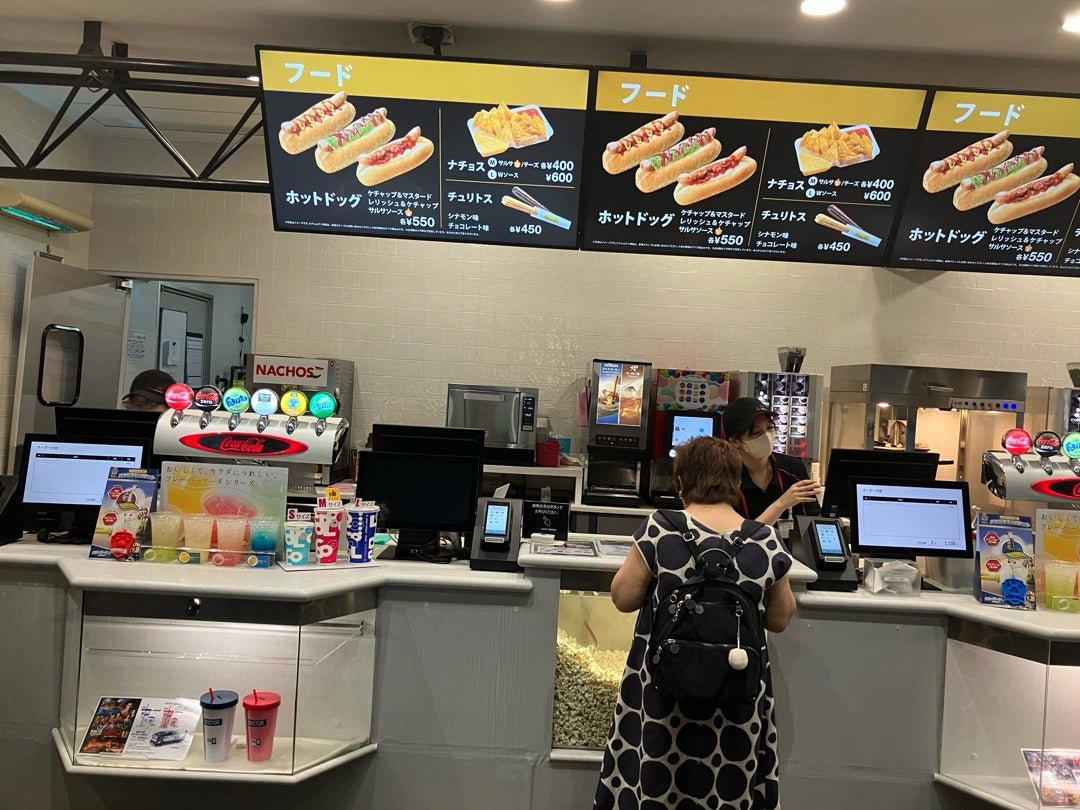
At a Glance
- Cozy
- Industrial
- Lively
- Solo
- Family
- Late Night
- Casual Hangout
- Standalone
- Beer Program
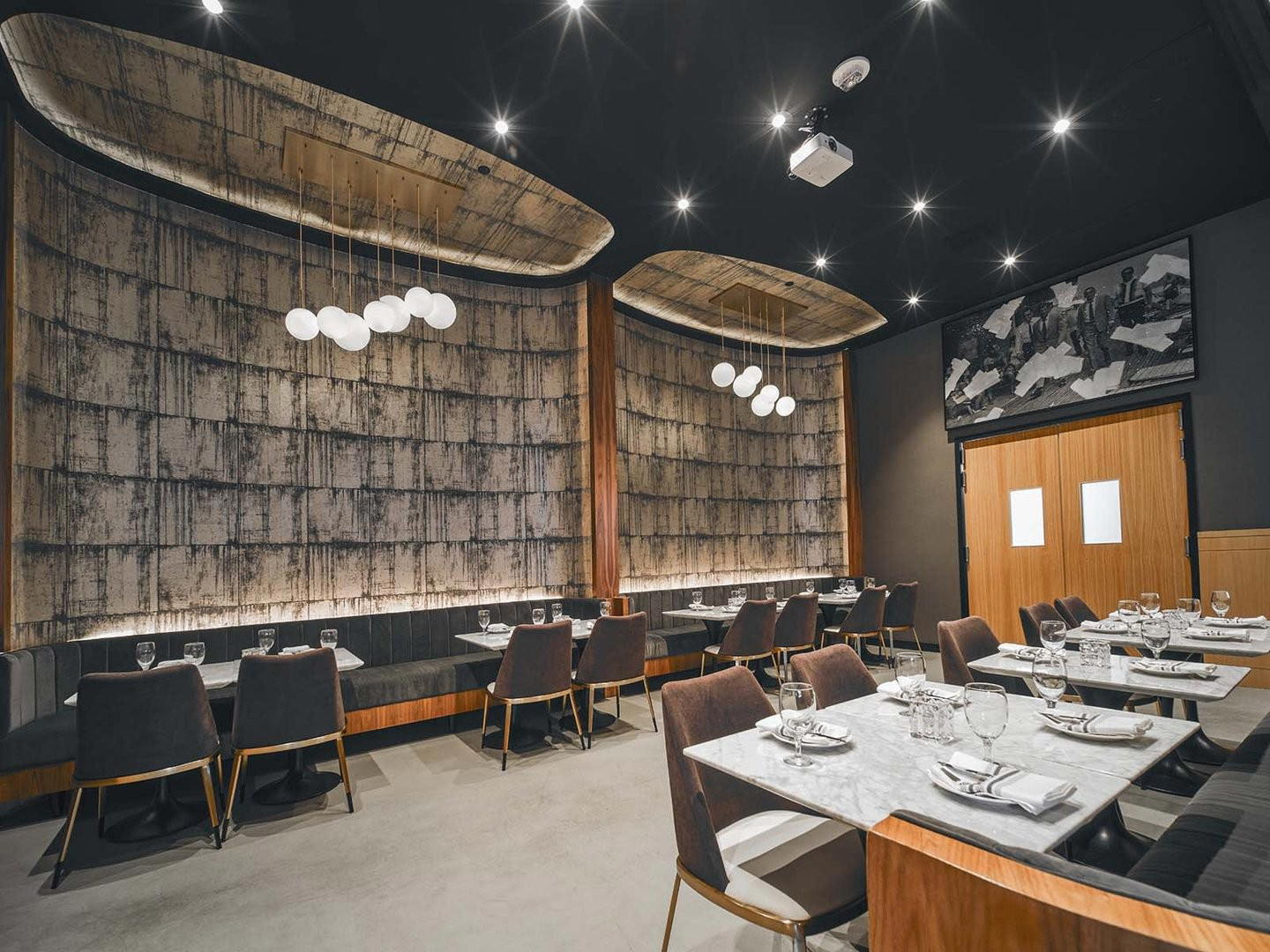
Underground, relaxed, and compact with a counter-seat focus; reviews highlight a distinctive hideout-like atmosphere.