
Joshin Ya belongs to Nagoya’s compact, high-turnover ramen culture: counter seating, ramen and tsukemen, and recognition in Tabelog’s Ramen AICHI 100 for 2025. Its appeal is clearest through the lunch-versus-dinner divide, where the same small format can read as a quick station-area stop by day and a more deliberate noodle counter by night.
Pearl is the En Primeur Club membership app — saves, bookings, and concierge access live there. Same editors, same standards.
- Address
- 5 Chome-31-1 Meieki, Nakamura Ward, Nagoya, Aichi 450-0002, Japan
- Phone
- +81 52-561-5488
- Website
- instagram.com
 Saves & bookings on Pearl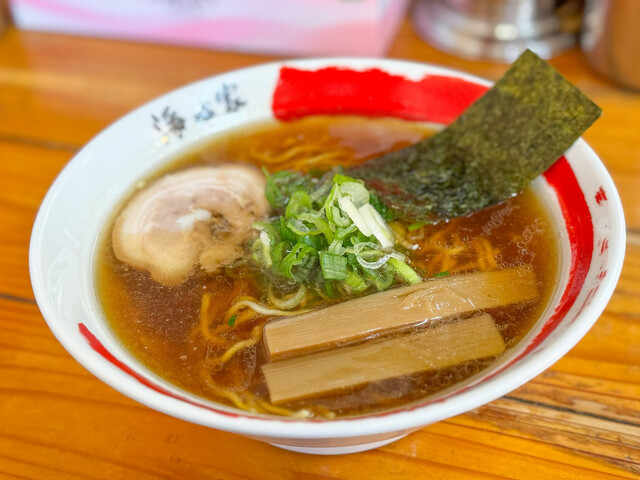
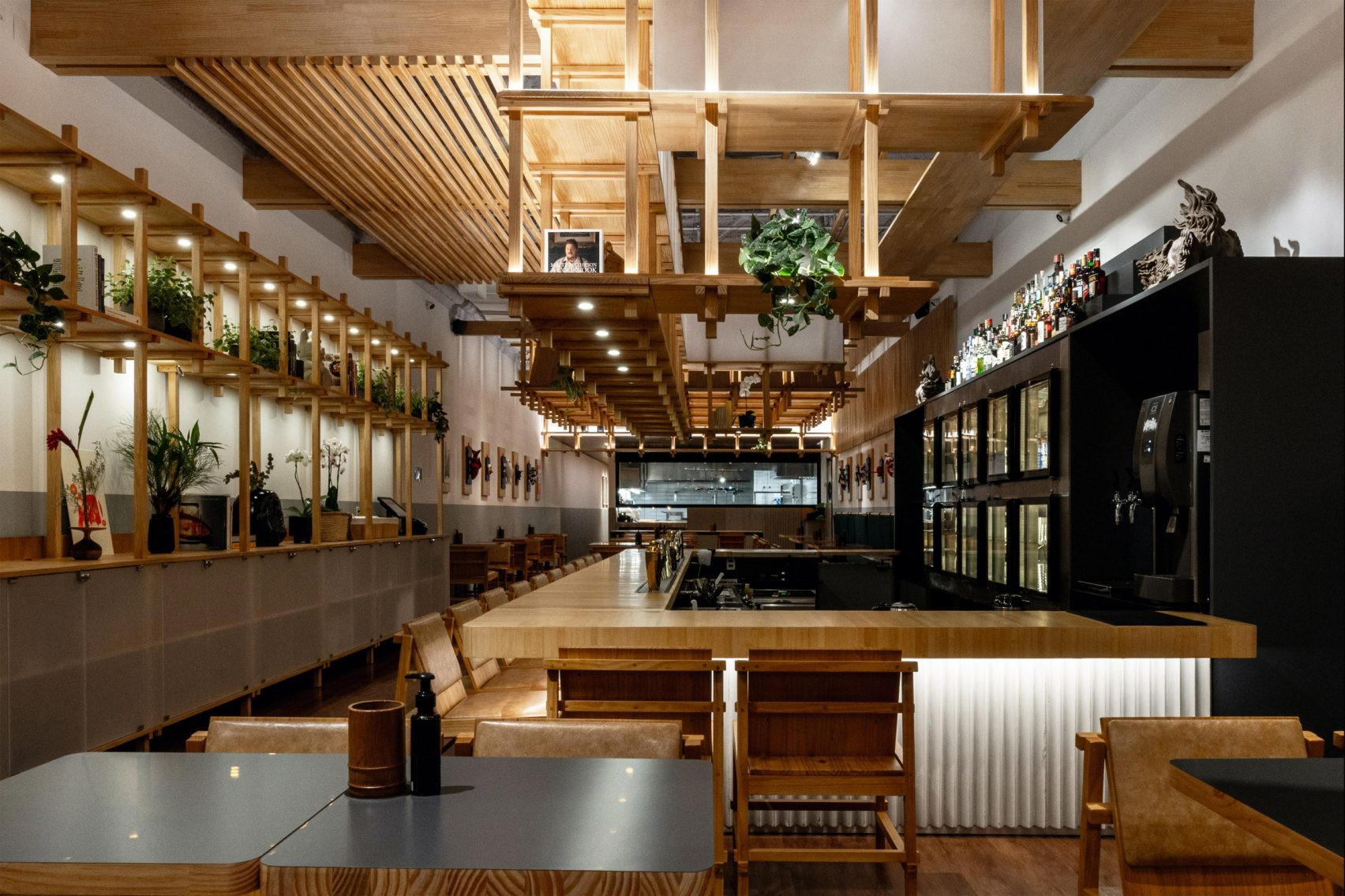
Near Nagoya’s station-side grid, the ramen experience tightens into a small-room rhythm: counter seats, fast decisions, and a room calibrated for solo diners as much as small groups. Joshin Ya sits in that idiom rather than the city’s longer-form dining tier, with ramen and tsukemen as the point of focus and an 11-seat counter format that keeps the exchange close to the kitchen.
Nagoya rewards this kind of specialization. The city’s dining identity often gets reduced to miso katsu, hitsumabushi, and kishimen, but its ramen culture has a separate logic: compact shops, loyal repeat traffic, and a serious local ranking ecosystem. Selection for Tabelog’s Ramen AICHI 100 in 2025 places Joshin Ya inside that competitive Aichi ramen conversation, where recognition is less about ceremony than consistency across a narrow format.
Lunch moves quickly; dinner gives the counter more weight
The useful way to read this room is by service mood. Lunch around Meieki and Kokusai Center is transactional in the better sense: office workers, station traffic, and solo diners looking for a bowl rather than a production. In that setting, a compact ramen counter has an advantage over broader restaurants because the format is built for turnover without feeling compromised.
Dinner changes the calculation. In Nagoya, evening meals often split between spendier sushi, grilled meat, French-leaning rooms, and izakaya drinking circuits. A ramen-and-tsukemen counter undercuts that entire spread in time and cost, while keeping enough specificity to feel intentional. Against comparison venues in the city, the gap is clear: KAKO Yanagibashi ten occupies a similarly low-price casual bracket, while Tachigui Sushi Kiwami Meieki 4 chome ten, Salamanger de Casino, and Kiwami move into higher dinner budgets. Ichibiki sits in a different Nagoya comfort-food lane. Joshin Ya is not competing with those rooms on breadth; it competes on focus.
That focus matters for travelers. A late, elaborate dinner can be wasted after a long rail day, especially in a city where Nagoya Station pulls together business hotels, department stores, and shinkansen arrivals. Ramen makes better editorial sense when the meal needs to be decisive: one category, quick pacing, no long menu negotiation. Tsukemen adds a second route for diners who prefer dipping noodles, but the broader draw is the narrowness itself.
Aichi ramen recognition without the ceremony of fine dining
Tabelog’s 2025 Ramen AICHI 100 selection is the main public credential here, and it should be read in the right register. This is not a Michelin-style luxury signal; it is a local-category marker for ramen in Aichi, useful because ramen shops are often judged by repeat credibility rather than expensive dining architecture. The listed Tabelog score of 3.60 reinforces that this belongs to the serious neighborhood-and-station ramen tier, not the destination tasting-menu economy.
The absence of a named chef narrative is not a weakness in this category. Ramen culture in Japan often privileges shop identity, broth-and-noodle specialization, and operational consistency over personality-led dining. That makes the counter format part of the editorial story. Eleven seats changes how a meal behaves: diners enter the cadence of the room quickly, linger less, and judge the shop by execution rather than service theater.
This also explains why the venue is particularly legible for solo dining. Counter seating in Japan removes much of the friction that solo travelers encounter elsewhere; the seat is the format, not a compromise. For families and friends, the same compactness means expectations should stay aligned with ramen-shop pacing. This is a place to eat with purpose, not to stretch a conversation across courses.
How to place it within a Nagoya eating day
The restaurant works especially well as the ramen component in a broader Nagoya itinerary. It can sit before a bar-led evening, after a hotel check-in, or between station-area errands without demanding the planning depth of a tasting counter. For readers mapping the city by category, start with Our full Nagoya restaurants guide, then branch into Our full Nagoya hotels guide, Our full Nagoya bars guide, Our full Nagoya wineries guide, and Our full Nagoya experiences guide to build the rest of the day around it.
Within Nagoya’s restaurant spread, nearby editorial contrasts sharpen the choice. 1022, 451, Aaron, Alan., and All Day Dining Montmartre point to the city’s wider range, where all-day hotel dining, contemporary rooms, and specialist counters answer different travel needs. The point is not to rank them against ramen, but to recognize when a tight noodle counter is the sharper decision.
Travelers extending the Japan food map can also compare how casual specialization changes by city: -Grilled beef Sukiyaki- KAMAKURA TANUKIAN 鎌倉 たぬき庵 in Kamakura. 鮪と炭火焼き うお炭 秋葉原店 in Tokyo.cafe in Osaka.know in Kumamoto, (Shoku) Vietnam in Kawasaki, and [Curry Senmon Ten] Maruyama Kyoju. in Sapporo each show a different version of focused casual eating. Outside Japan, Jōdo Saké Bar in Los Angeles and Onigiri Time in Pasadena show how Japanese formats translate when they leave their original operating culture.
The critical read is simple: choose the restaurant when the day calls for a compact ramen or tsukemen meal with local recognition and minimal ceremony. Lunch favors speed and value; dinner gives the same format a more deliberate role, especially when a heavier reservation-led meal would overcomplicate the evening.
A Credentials Check
Comparable venues by cuisine and category.
| Venue | Cuisine | Price | Notes |
|---|---|---|---|
| Joshin YaThis venue — the venue you are viewing | Classic Nagoya Ramen Shop | $ | Not listed |
| Shin Suzume Honten | Traditional Japanese sweets (mitarashi dango) | $ | Naka |
| Ramen Kanade | Ramen shop specializing in shio and shoyu | $ | Shōwa |
| Takumi Mitsukoshi ten | Japanese Curry Counter by Nagoya Takumi | $ | Naka |
| coffee house KAKO Hanaguruma honten | Traditional Nagoya kissaten & coffeehouse | $ | Nakamura |
| Tsubame Sanjo | Niigata-style Tsubame-Sanjo ramen | $ | Naka |
Recognition history
Dated appearances from independent guides and award organizations, with the underlying list record or original source where available.
Tabelog 100 #24 · No. 24
Tabelog · Tabelog 100 - Ramen - AICHI - 2025
Continue exploring
More in Nagoya
Restaurants in Nagoya
Browse all →

At a Glance
- Solo
- Casual Hangout
- Late Night
- Standalone
Current opening hours
- Monday
- 11 AM–2 PM, 6–9 PM
- Tuesday
- 11 AM–2 PM, 6–9 PM
- Wednesday
- 11 AM–2 PM, 6–9 PM
- Thursday
- 11 AM–2 PM, 6–9 PM
- Friday
- 11 AM–2 PM, 6–9 PM
- Saturday
- 11 AM–2 PM
- Sunday
- Closed
Hours can change for holidays and private events. Last verified .
A no-frills, old-school ramen-ya with counter seating and a compact interior focused on quick meals rather than atmosphere.