
A 16-seat Marunouchi ramen counter with Tabelog 100 - Ramen - AICHI - 2025 recognition, Noko Chuka Soba Sato sits in Nagoya’s value-driven noodle tier rather than the city’s occasion-dining bracket. The appeal is the compact format: counter seating, low pricing, no reservations, and a location close to Marunouchi Station that rewards precise timing over ceremony.
Pearl is the En Primeur Club membership app — saves, bookings, and concierge access live there. Same editors, same standards.
- Address
- Japan, 〒460-0002 Aichi, Nagoya, Naka Ward, Marunouchi, 2 Chome−8−25 1F
- Phone
- +81 52-222-0191
- Website
- sinatiku22.wixsite.com
 Saves & bookings on Pearl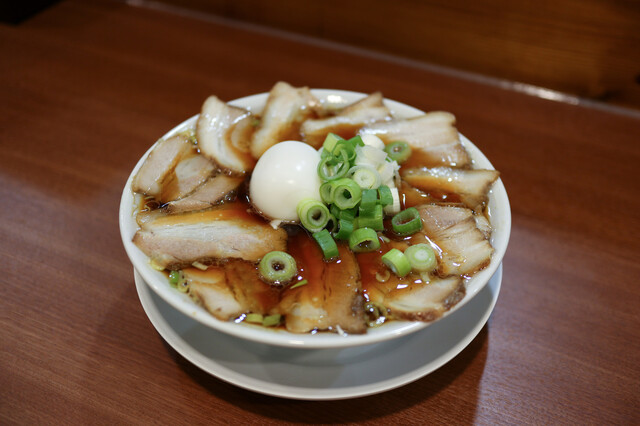
Marunouchi’s ramen rooms announce themselves less through spectacle than through compression: a narrow frontage, a short wait, steam at the counter, and the quick choreography of solo diners who know exactly what they came for. In that register, Noko Chuka Soba Sato belongs to a Nagoya category that has become increasingly persuasive for serious eaters: small-format noodle shops where the spend stays modest, the room turns quickly, and quality is judged by repeatability rather than luxury cues.
The value proposition is unusually clear. This is not the part of Nagoya dining built around reservations, private rooms, long-form tasting menus, or chef biography. It is the part where a sub-JPY 1,000 price band can still overlap with external recognition, including selection for Tabelog 100 - Ramen - AICHI - 2025 and a Tabelog score of 3.65. For travellers used to equating acclaim with premium pricing, ramen in Aichi offers a useful correction: high demand and low spend can occupy the same address.
Marunouchi ramen, judged by efficiency rather than ceremony
Nagoya’s central districts contain several different dining economies at once. Around Marunouchi and nearby business corridors, lunch has to work for office schedules; dinner has to serve regulars without turning into a production. Ramen fits that rhythm because the meal is compact by design. The decision is less about lingering and more about whether a shop can deliver consistency across repeated services.
Noko Chuka Soba Sato’s 16-seat layout, with 10 counter seats and 6 table seats, places it firmly in that practical ramen tradition. Counter seating matters here because it narrows the distance between kitchen pace and customer pace. A small room also changes the way value is perceived: there is little theatre to subsidise, little room for passive service, and fewer distractions from the bowl itself. The appeal is not austerity for its own sake; it is focus.
Within Nagoya’s comparable casual tier, the shop’s pricing aligns with Tori Soba Susuru Marunouchi honten, another sub-JPY 999 local ramen reference point, while sitting below broader casual options such as Nepal STATION, listed in the JPY 1,000 to JPY 1,999 range. That comparison is useful because it shows where the decision sits. This is not a question of choosing Nagoya’s grandest meal; it is a question of identifying a low-cost slot that carries enough recognition to justify planning around it.
Aichi recognition gives the low price more weight
Tabelog’s Hyakumeiten lists are especially relevant for ramen because the category is crowded, local, and heavily repeat-driven. A place selected for Tabelog 100 - Ramen - AICHI - 2025 has cleared a different kind of bar from a restaurant built for destination tasting menus. The signal is not luxury. It is local competitiveness inside a field where diners compare broth, noodles, pacing, and consistency across many small shops.
That distinction matters for visitors. Japan’s ramen culture often rewards the traveller who treats a bowl as a scheduled meal rather than a snack fitted around monuments. In Nagoya, the premium move is not always to spend more; sometimes it is to use one lunch or early dinner slot on a recognised specialist and save the larger budget for sushi, kappo, or beef later in the trip. Noko Chuka Soba Sato makes sense in that itinerary because it occupies a price bracket that leaves the rest of the day flexible.
The format also suits solo diners and small parties. Ramen counters in Japan are designed for individual pace, and this room’s configuration supports that pattern without requiring a full evening commitment. Families with school-age children are also within the stated use case, which gives it more range than many tightly managed counter restaurants. The constraint is capacity: a 16-seat shop can feel accessible on paper and still require patience at meal times.
How to place it inside a Nagoya food day
The strongest way to use this address is as a calibrated value stop in a wider Nagoya itinerary. Marunouchi is central enough to pair with museums, shopping districts, or a later reservation elsewhere, but the meal itself should not be treated as a flexible afterthought. Small ramen shops can sell through demand quickly, and a compact service window rewards diners who arrive with intent.
There is also a payment culture point that international travellers should not ignore. Cash remains part of the operating logic at many specialist ramen shops in Japan, and this address is listed without card, electronic money, or QR payment acceptance. That detail does not make the experience difficult, but it does separate prepared diners from those who assume every central-city meal works like a hotel restaurant.
For a broader read on the city’s dining range, see Our full Nagoya restaurants guide, plus companion guides to Nagoya hotels, Nagoya bars, Nagoya wineries, and Nagoya experiences. Nearby and Japan-wide restaurant notes worth cross-reading include 1022, 451, Aaron, Alan., All Day Dining Montmartre, -Grilled beef Sukiyaki- KAMAKURA TANUKIAN 鎌倉 たぬき庵 in Kamakura. 鮪と炭火焼き うお炭 秋葉原店 in Tokyo.cafe in Osaka.know in Kumamoto, (Shoku) Vietnam in Kawasaki, [Curry Senmon Ten] Maruyama Kyoju. in Sapporo, Jōdo Saké Bar in Los Angeles, and Onigiri Time in Pasadena.
The editorial case is simple: this is a recognised Aichi ramen shop operating at a price level that makes the risk unusually low and the planning upside high. In a city where visitors often chase hitsumabushi, miso katsu, and elaborate reservation meals, a disciplined ramen counter in Marunouchi offers a different reading of Nagoya value: compact, central, inexpensive, and credible enough to deserve a fixed slot.
A Credentials Check
Comparable venues for orientation by cuisine and category.
| Venue | Cuisine | Price | Notes |
|---|---|---|---|
| Noko Chuka Soba SatoThis venue — the venue you are viewing | Rich tamari shoyu ramen | $ | Not listed |
| Atsuta Miso Ramen Buriyu | Japanese Ramen | $ | Atsuta |
| Tori Soba Susuru Marunouchi honten | Modern chicken paitan ramen | $ | Naka |
| Ramen Dai Nagoya ten | Jiro-style Ramen Shop | $ | Naka |
| Tsubame Sanjo | Niigata-style Tsubame-Sanjo ramen | $ | Naka |
| Minochu Honten | Traditional Nagoya Wagashi (Japanese Confectionery) | $ | Naka |
Recognition history
Dated appearances from independent guides and award organizations, with the underlying list record or original source where available.
Tabelog 100 #19 · No. 19
Tabelog · Tabelog 100 - Ramen - AICHI - 2025
Continue exploring
More in Nagoya
Restaurants in Nagoya
Browse all →
At a Glance
- Cozy
- Solo
- After Work
- Casual Hangout
- Standalone
- Local Sourcing
Current opening hours
- Monday
- 11 AM–2 PM, 5:30–8:30 PM
- Tuesday
- 11 AM–2 PM, 5:30–8:30 PM
- Wednesday
- 11 AM–2 PM, 5:30–8:30 PM
- Thursday
- 11 AM–2 PM, 5:30–8:30 PM
- Friday
- 11 AM–2 PM, 5:30–8:30 PM
- Saturday
- 11 AM–2 PM
- Sunday
- Closed
Hours can change for holidays and private events. Last verified .
Casual, compact ramen-ya atmosphere with a simple, no-frills interior where guests focus on a rich, umami-heavy bowl rather than design or decor.