Santa Maria occupies a quiet stretch of Calle 59a Bis in Bogotá's Chapinero district, a neighbourhood that has quietly become one of the city's most interesting corridors for considered dining. The address places it in a comparable set of restaurants rethinking what Colombian cooking can be, at a moment when Bogotá's dining identity is still being written.
Pearl is the En Primeur Club membership app — saves, bookings, and concierge access live there. Same editors, same standards.
- Address
- Cl. 59a Bis #5-10, Bogotá, Colombia
- Phone
- +573122120155
- Website
- restaurantesantamaria.com.co
- Directions
- Get directions
 Saves & bookings on Pearl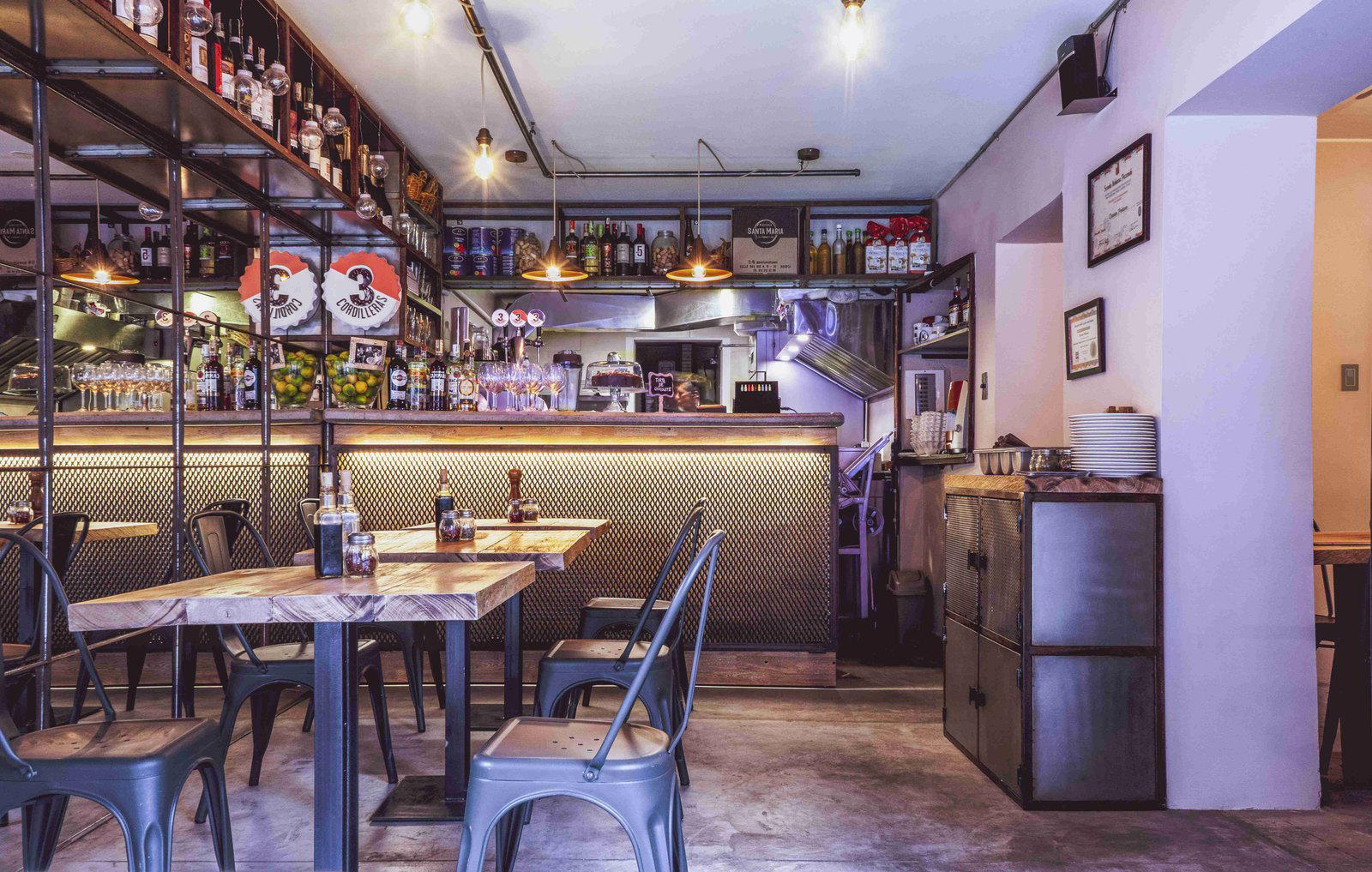
A Neighbourhood in Motion
Bogotá's dining identity has never been static. Over the past decade, the city has moved through a recognisable sequence: international imports gave way to localism, localism sharpened into technique, and technique is now being tested against questions of identity and sustainability. That arc is most visible in Chapinero and its adjacent streets, where restaurants tend to be smaller, more considered, and more willing to take a position than their counterparts in Zona Rosa or Usaquén. Santa Maria, a Neapolitan Pizza restaurant in Bogotá, sits inside that pattern. The address alone situates it in a dining corridor that rewards walking and comparison rather than destination-only visits.
The broader Colombian dining moment matters here. Cities like Bogotá, Medellín, and Cartagena have each developed distinct dining identities over the past ten years. Bogotá's version has been defined less by a single cuisine type and more by a willingness to question received ideas about what a restaurant in this city should be doing. Venues like El Chato (Modern Colombian) and Leo (Modern Colombian) have anchored a conversation about Colombian ingredients and technique at a high level. Santa Maria enters that conversation at a neighbourhood scale, where the stakes are different but the questions are similar.
Evolution Over Position
One instructive way to read a restaurant like Santa Maria is through the lens of what Bogotá's dining scene has become, rather than what it was. Five years ago, a Chapinero address signalled a certain informality, good food at accessible prices, identity still forming. That reading has shifted. The neighbourhood now contains restaurants at multiple price points and levels of ambition, and a Calle 59 address carries less automatic meaning than it once did. What distinguishes a restaurant in this context is not location but direction: where has it come from, and where is it heading?
What the address and neighbourhood context suggest is a venue operating in a competitive micro-environment where comparison is unavoidable. Debora Restaurante and Afluente both occupy nearby ground in Bogotá's considered-dining tier, and Abasto Quinta Camacho represents the kind of market-led approach that has become a reference point for locally sourced cooking in the city. In that company, a restaurant either develops a clear point of view or risks blurring into the background.
What Bogotá's Dining Shift Means in Practice
The evolution of Bogotá's restaurant culture over the past decade has practical consequences for how a venue like Santa Maria is experienced. Diners in this city are more informed than they were. They arrive having read about Colombian biodiversity corridors, páramo ecosystems, and the country's extraordinary range of microclimates. They ask questions about sourcing. They compare what's on the plate to what they've read, and to what they ate last week at a different address on a similar street. This is the competitive environment that shapes every restaurant operating at the serious end of Bogotá dining in 2024.
That pressure has pushed the better restaurants in this comparable set toward specificity. Generalism, the restaurant that does a bit of everything without committing to a direction, has become harder to sustain in a market where diners are making active choices. The restaurants that have built reputations here have done so by committing to something: a technique, a region, a sourcing philosophy, a service format. For anyone planning a visit to the restaurant, that broader pattern is the right frame. The question worth asking is not simply what the menu offers, but what position the restaurant is taking in a city that has become genuinely competitive.
Colombia's dining conversation is not confined to Bogotá. The country's restaurant culture spans cities with different characters: 37 Park in Medellín operates in a context shaped by Medellín's design-forward urban identity, while the coast produces places like BK - BURUKUKA Restaurante Bar / Sunset Spot in Santa Marta that respond to a completely different set of environmental and cultural inputs. Bogotá's version of that conversation is urban, altitude-inflected, and increasingly self-aware. The restaurant is part of that version.
Planning a Visit
The address at Calle 59a Bis #5-10 places the restaurant in a walkable section of Chapinero, accessible from the main Carrera 7 corridor and reasonably connected to the city's TransMilenio network. For visitors staying in Zona Rosa or the international hotel belt, a taxi or ride-share to this part of Chapinero is a direct ten-to-fifteen-minute journey depending on traffic, which in Bogotá is a variable worth accounting for, particularly on weekday evenings when the city's congestion is most pronounced. Booking ahead is advisable for any restaurant operating at this level in this neighbourhood; the Chapinero dining corridor draws a consistent local crowd, and smaller-format restaurants in particular fill early.
The Wider Reference Set
Visitors building a trip around Colombia's restaurant culture will find that the country rewards comparison across cities and formats. Andrés Carne de Res in Chia represents one end of the Colombian dining spectrum, high-volume, theatrical, culturally embedded, while the more focused formats emerging in Bogotá's mid-neighbourhoods represent the other. Along the coast, addresses like LA BRIOCHE Bocagrande in Cartagena and Crepes & Waffles Centro in Cartagena serve as markers of how differently dining culture has developed in coastal versus highland contexts. Further afield, Cardinal Comida Peruana de Autor in Pereira points to the influence of Peruvian technique as a reference point across the region, and Le Brunch Express in Envigado illustrates how Medellín's suburbs have developed their own distinct dining identities. For context on how Latin American restaurants at the highest level have entered global conversations, Le Bernardin in New York City and Atomix in New York City offer useful reference points for what technical ambition at the summit of a dining market looks like in practice, and, by comparison, what makes the Bogotá scene's current moment distinctive for its scale and pace of development. La B Hamburgers in Sincelejo and Bulgatta restaurante in Retiro round out the picture of how Colombian dining culture operates at a regional level, well beyond the capital's concentrated restaurant scene. Los Tacos Del Gordo in Carthagene Des Indes adds another coastal data point for comparison.
Where the Accolades Land
Comparable venues nearby, for context on price, style, and recognition.
| Venue | Cuisine | Price | Notes |
|---|---|---|---|
| Santa MariaThis venue — the venue you are viewing | Neapolitan Pizza | $$ | Not listed |
| YORI Korean food & Grill Bogotá | Korean BBQ Grill | $$ | Rincon Del Chico |
| Mini Mal | Modern Colombian Farm-to-Table | $$ | Bosque Calderon |
| Piazza by Storia D'Amore Calle 93 Bogotá | Authentic Italian Fine Dining | $$$$ | Chico Norte |
| Cacio & Pepe | Authentic Italian Taverna | $$$ | El Chico |
| Donut Factory | Donut Shop | $ | Mirandela |
At a Glance
- Cozy
- Classic
- Family
- Casual Hangout
- Beer Program
Current opening hours
- Monday
- 12–4 PM, 6–10 PM
- Tuesday
- 12–4 PM, 6–10 PM
- Wednesday
- 12–4 PM, 6–10 PM
- Thursday
- 12–4 PM, 6–10 PM
- Friday
- 12–10:30 PM
- Saturday
- 12–10:30 PM
- Sunday
- 12–9 PM
Hours can change for holidays and private events. Last verified .
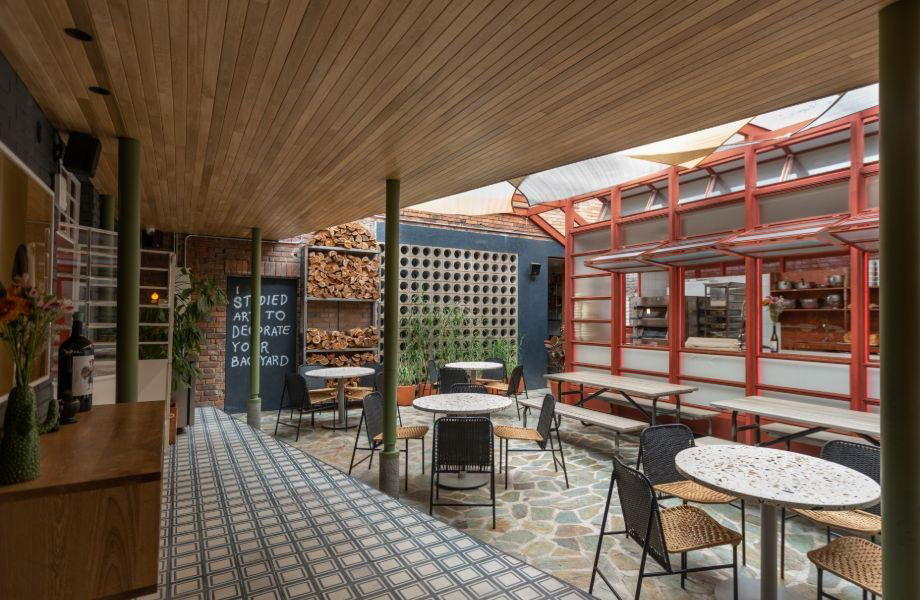
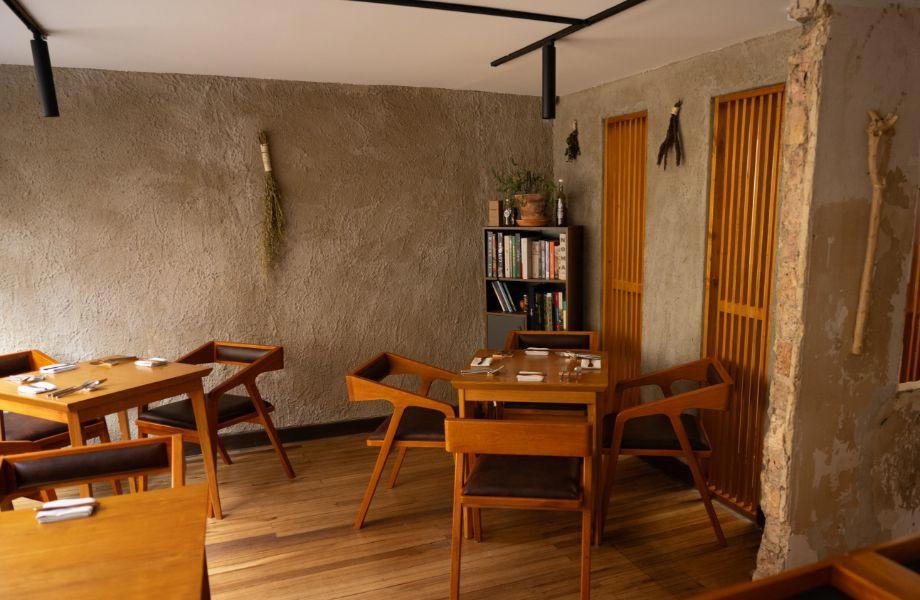
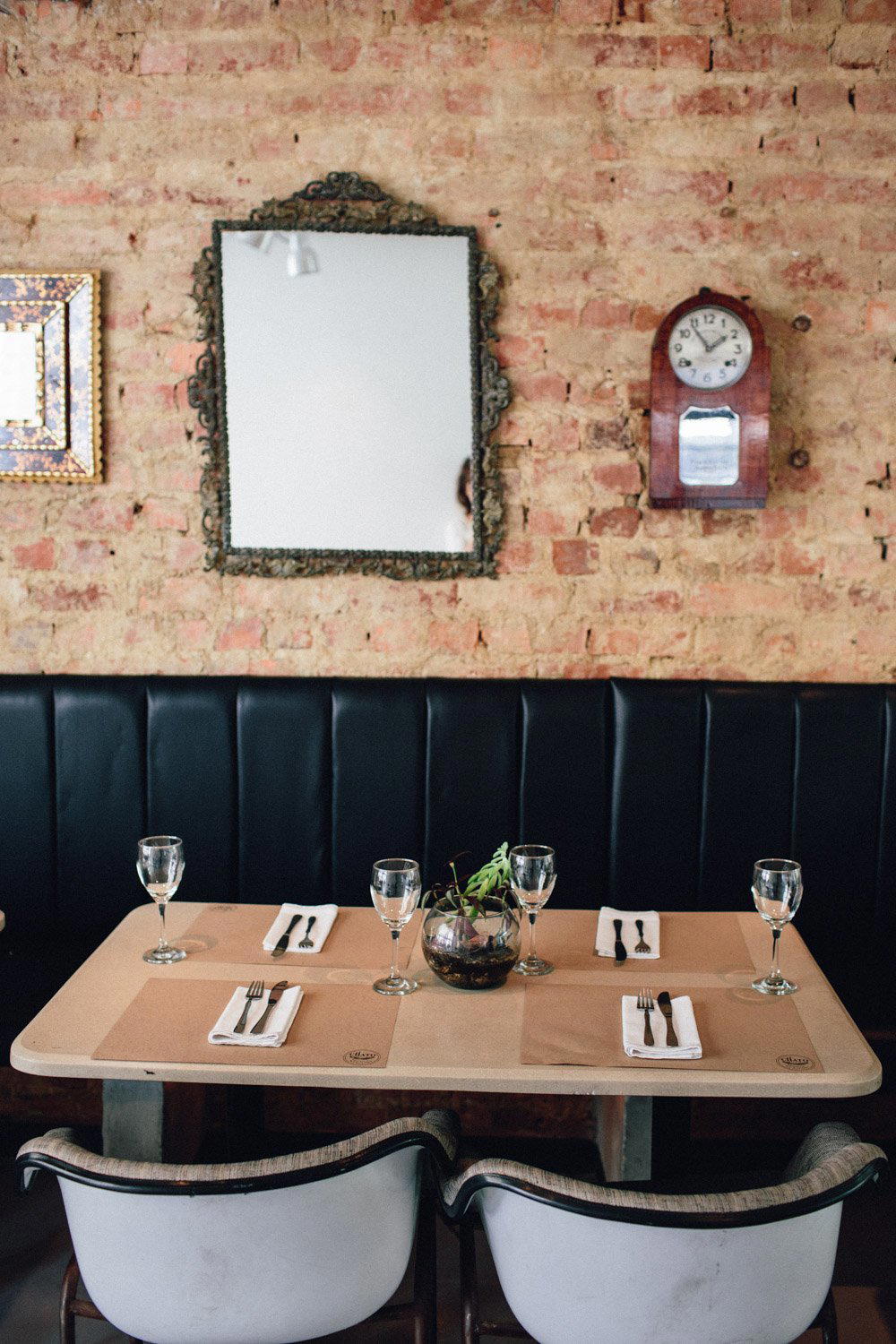
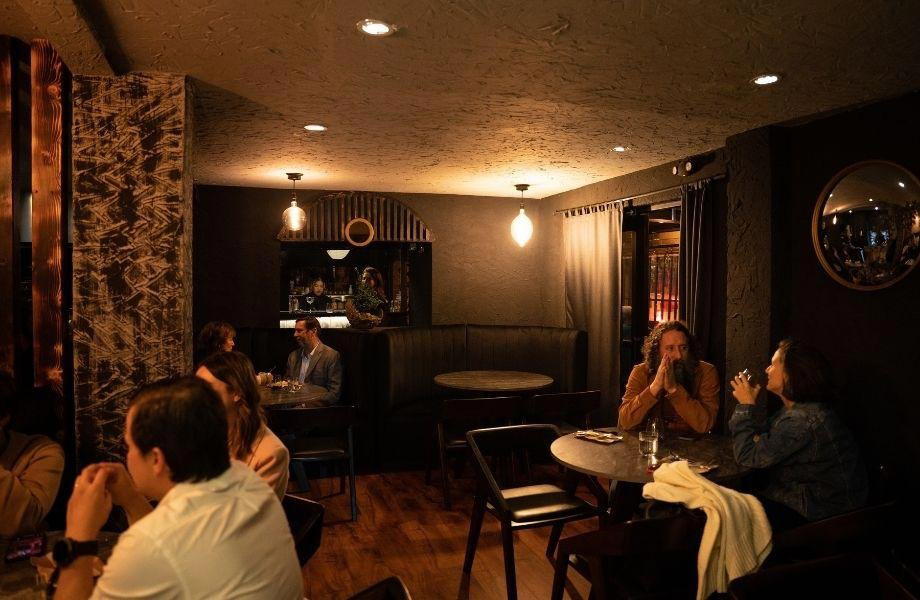
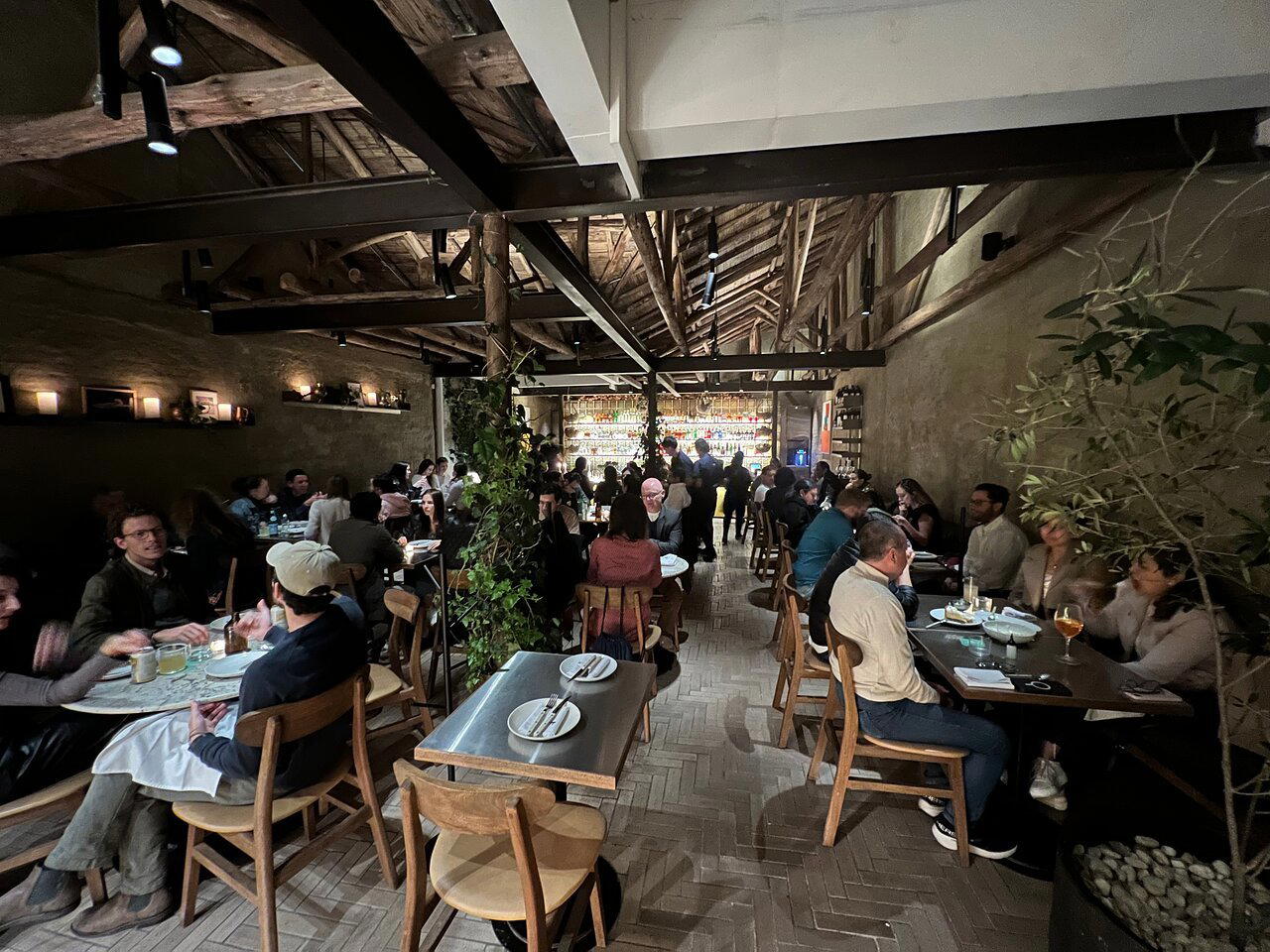
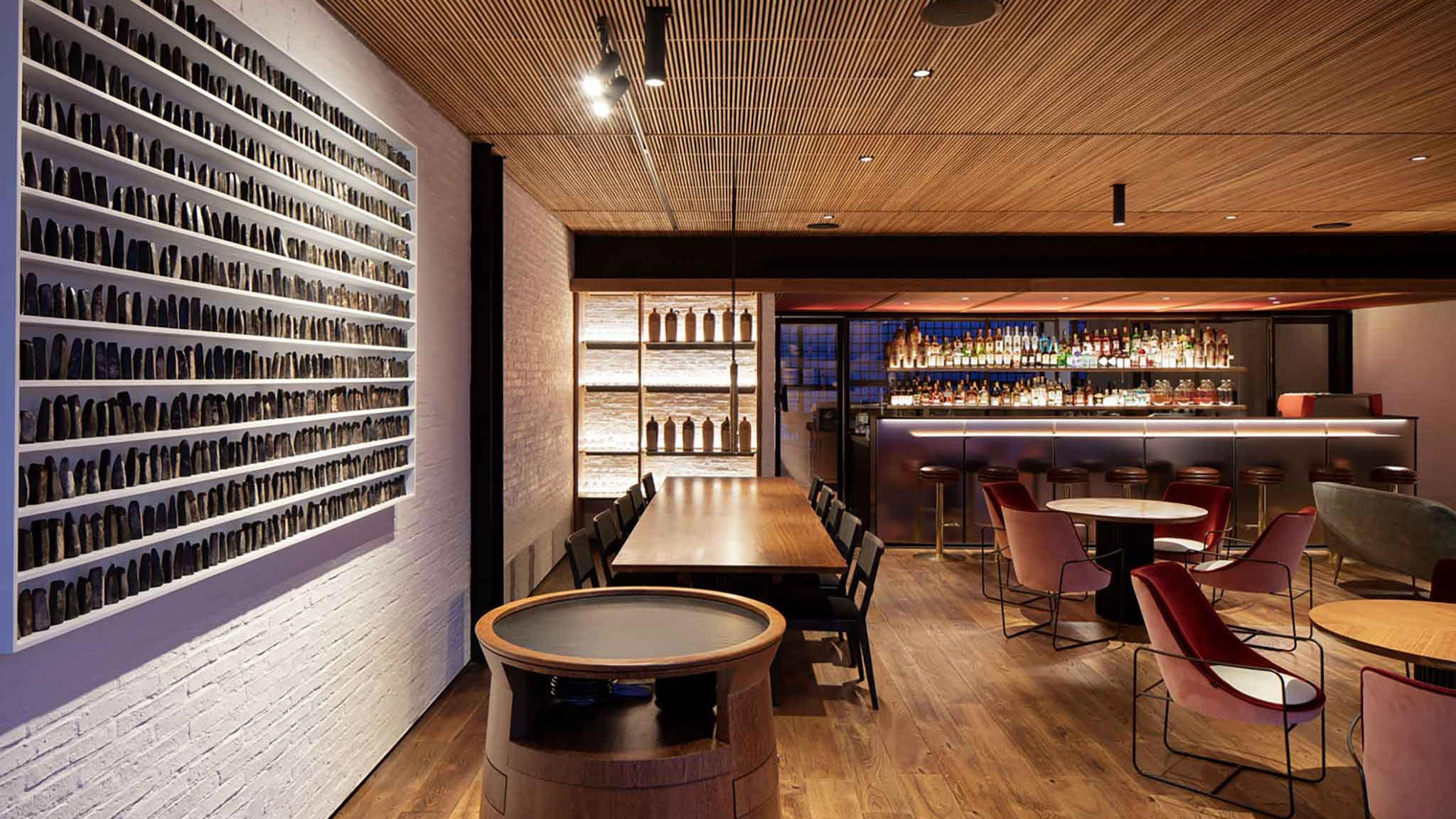
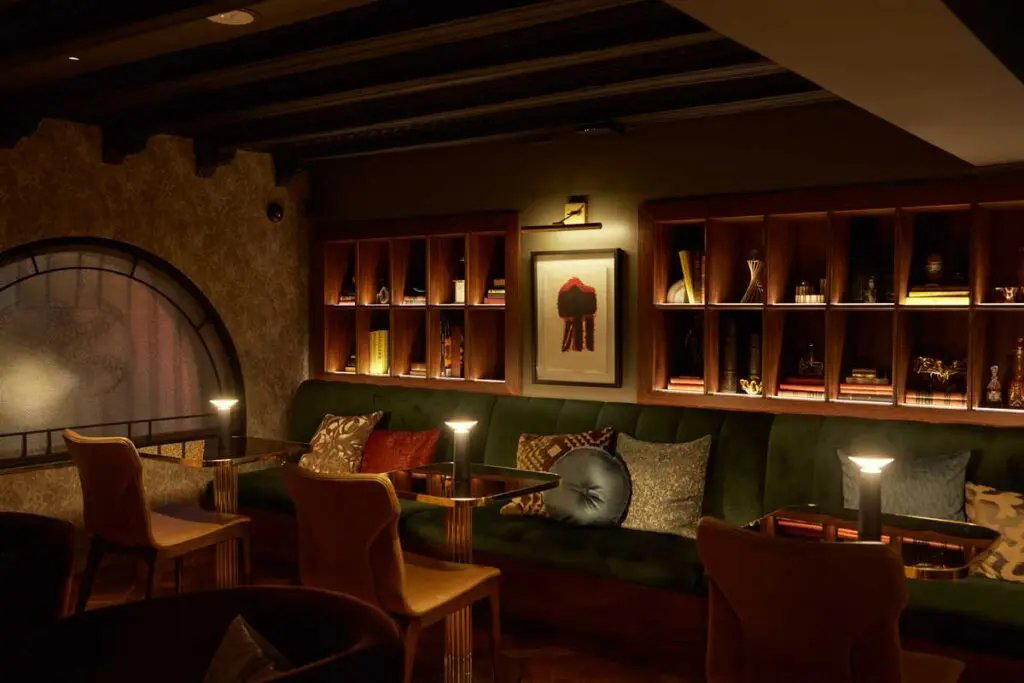
Warm and inviting atmosphere well-suited for family dinners and casual outings.