Korean barbecue has found a credible foothold in Bogotá's Chapinero district, and YORI Korean Food & Grill is among the addresses making that case. Situated on Calle 100, the restaurant brings table-side grilling and the communal structure of a Korean meal to a city whose dining scene has spent recent years expanding well beyond its own borders. For Bogotá, it represents a category that remains genuinely underrepresented.
Pearl is the En Primeur Club membership app — saves, bookings, and concierge access live there. Same editors, same standards.
- Address
- Ac 100 #13-55, Chapinero, Bogotá, Cundinamarca, Colombia
- Phone
- +573025440068
- Website
- yori.com.co
- Directions
- Get directions
 Saves & bookings on Pearl
Korean Barbecue in Bogotá: A Category Finding Its Footing
Bogotá's restaurant scene has matured considerably over the past decade. The city that once defined itself almost exclusively through its own regional traditions, ajiaco, bandeja paisa, changua, now hosts a range of international cuisines that would not look out of place in São Paulo or Mexico City. Korean food, however, remains a smaller and less developed corner of that picture. Where Japanese, Italian, and Peruvian cuisines have each established multi-venue critical mass in the capital, Korean cooking operates in relative scarcity. YORI Korean Food & Grill, a Korean BBQ Grill restaurant in Bogotá, on Avenida Calle 100 in Chapinero, occupies that gap directly.
The address itself matters. Chapinero is one of Bogotá's most restaurant-dense corridors, running from the denser commercial stretch near Calle 72 up through the quieter, more residential pockets around Calle 100. The upper section of this zone sits closer in character to Usaquén than to the busier Zona Rosa blocks further south, attracting a dining public that tends to be curious, well-travelled, and less bound to familiar formats. For a Korean grill concept entering a market where the cuisine is still being introduced to many diners, that neighbourhood profile offers the right kind of audience.
What Korean Barbecue Actually Is, and Why the Format Travels
Korean barbecue's international spread over the past fifteen years has not happened by accident. The format, proteins grilled at or near the table, accompanied by a rotating arrangement of banchan (small side dishes), eaten communally and at a pace set by the diners, transfers across cultures more naturally than most. It is participatory in a way that resonates whether you are in Seoul, Los Angeles, or Bogotá. The meal is an event in itself: there is fire, there is shared decision-making over what gets cooked next, and the table accumulates small bowls of kimchi, pickled vegetables, seasoned spinach, and fermented pastes that shift the flavour register between bites.
This structure has proven remarkably durable across markets. In New York, venues like Atomix have taken Korean culinary traditions into fine-dining territory with considerable critical recognition, while the broader Korean restaurant category in that city covers everything from casual barbecue joints to prix-fixe tasting counters. The format's flexibility is the point: it scales from neighbourhood casual to destination dining without losing its essential logic. Bogotá is earlier in that arc, which means venues operating in the category now are effectively defining what Korean food means to a substantial portion of the city's dining public for the first time.
The Chapinero Setting
The physical experience of Korean dining depends more than most cuisines on the infrastructure of the room. Table-side grilling requires ventilation, appropriate grill setups, and a layout that gives each table enough space for the spread of banchan alongside the main proteins. These are not trivial considerations, and restaurants that get the room right tend to hold their audience more reliably than those that focus exclusively on the food. The Calle 100 address places YORI within easy reach of a significant residential and professional population in northern Bogotá, and the Chapinero district's transport links make it accessible from most of the city without requiring significant planning.
For comparison, the broader Bogotá dining scene in this part of the city skews toward Colombian and Latin American formats. Addresses like Debora Restaurante, El Chato, and Leo represent the high end of modern Colombian cooking, and Afluente and Abasto Quinta Camacho address more casual registers. A Korean grill sits in a different category from any of these, it is neither competing with nor directly adjacent to what those venues do. That distinction is part of what gives YORI a clear reason to exist in the neighbourhood: it answers a dining intention that nothing else in the immediate area addresses.
Korean Cuisine's Cultural Logic
Korean food carries a cultural weight that goes beyond flavour. The tradition of fermentation, most visibly in kimchi, of which there are hundreds of regional variants, reflects a history of preservation, seasonality, and labour-intensive preparation that defines the cuisine's character as much as any individual dish. Doenjang (fermented soybean paste) and gochujang (fermented chilli paste) underpin sauces and marinades that appear throughout the meal, giving Korean food a depth that comes from time rather than from technique alone. These are not shortcuts or approximations: they are the foundations.
Barbecue within that tradition is only one expression of a much larger culinary system. In South Korea, the category of gui (grilled dishes) exists alongside jjigae (stews), jeon (savoury pancakes), and bibimbap (mixed rice bowls) as part of a meal structure that emphasises variety over single focal-point dishes. A restaurant operating this format in Bogotá is not simply grilling meat, it is translating an entire logic of how a meal is composed and shared. For diners encountering Korean food for the first time, that education happens at the table whether they know it or not.
The growing international recognition of Korean cuisine, accelerated by cultural exports and by the critical attention Korean-American restaurants in cities like New York and Los Angeles have attracted, means that Bogotá diners arriving at a Korean grill are increasingly likely to have some frame of reference, even if their direct experience is limited. That shift in baseline familiarity makes this a more favourable moment to be operating in the category than it would have been five years ago.
Planning Your Visit
YORI Korean Food & Grill sits at Avenida Calle 100 #13-55 in Chapinero, in the northern section of the district. The area is well served by TransMilenio and accessible by taxi or rideshare from most of Bogotá's northern neighbourhoods. As with most Korean barbecue formats, arriving hungry and planning for a longer, unhurried meal, rather than treating it as a quick dinner, will return one from the experience. Korean barbecue is a communal format; solo dining is possible but the meal works considerably better for two or more, since the spread of banchan and grilled proteins across a table is calibrated for sharing.
Korean cuisine at the level YORI is attempting remains, for now, largely a Bogotá proposition.
Comparable Venues
Comparable venues nearby, for context on price, style, and recognition.
| Venue | Cuisine | Price | Notes |
|---|---|---|---|
| YORI Korean food & Grill BogotáThis venue — the venue you are viewing | Korean BBQ Grill | $$ | Not listed |
| Restaurante La Herencia | Authentic Colombian | $$ | Quinta Camacho |
| Pajares Salinas | Traditional Spanish | $$$ | Chico Norte Ii Sector |
| Restaurante Peruano - El Indio de Machu Picchu | Authentic Peruvian | $$ | Porciuncula |
| Koi by Watakushi | Japanese Sushi and Asian Fusion | $$$ | Santa Barbara Oriental |
| Takuma Cocina Show | Japanese Teppanyaki & Sushi | $$$ | Quinta Camacho |


At a Glance
- Casual Hangout
- Group Dining
- Open Kitchen
- Craft Cocktails
Current opening hours
- Monday
- 12–10 PM
- Tuesday
- 12–10 PM
- Wednesday
- 12–10 PM
- Thursday
- 12–10 PM
- Friday
- 12–11:30 PM
- Saturday
- 12–11:30 PM
- Sunday
- 12–9 PM
Hours can change for holidays and private events. Last verified .
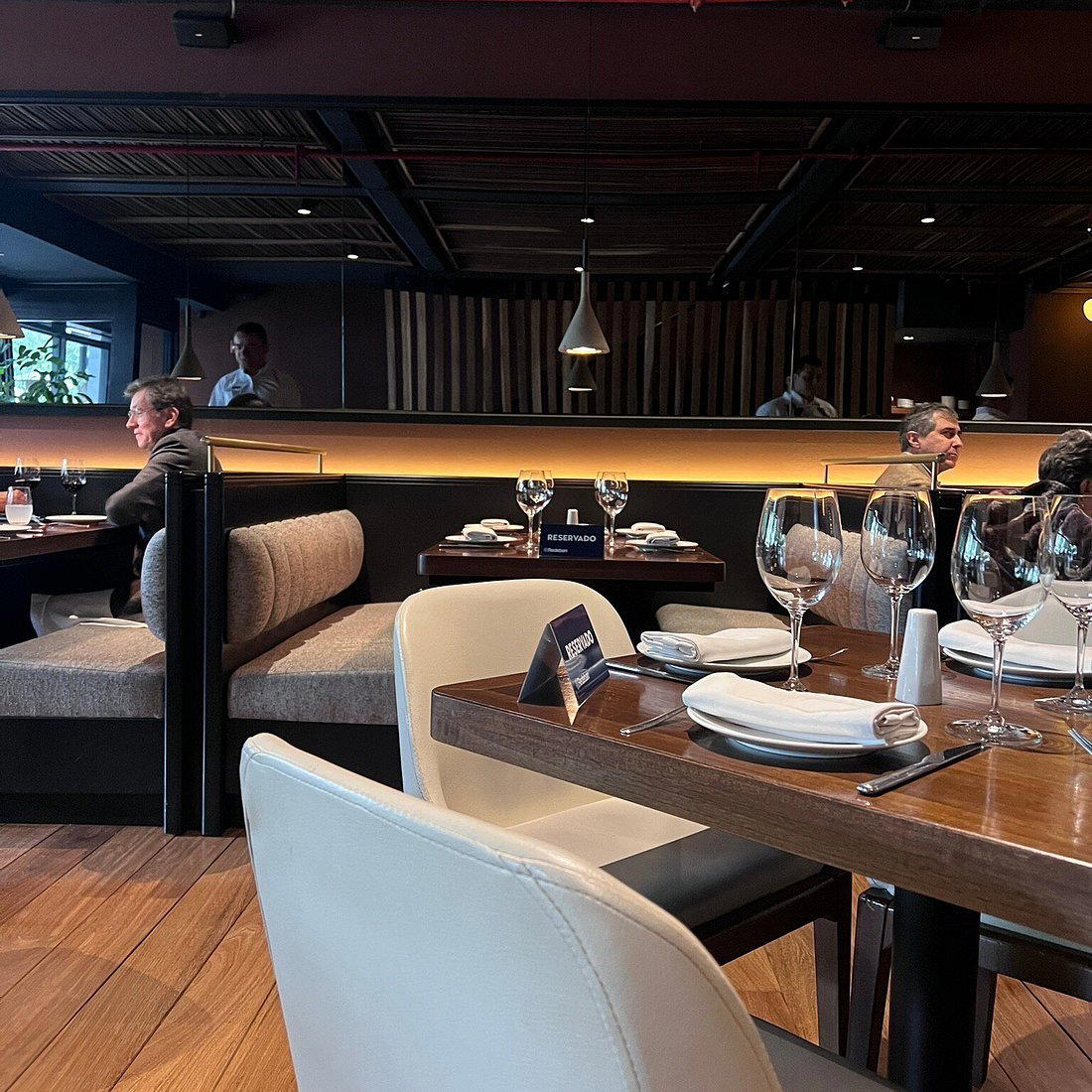
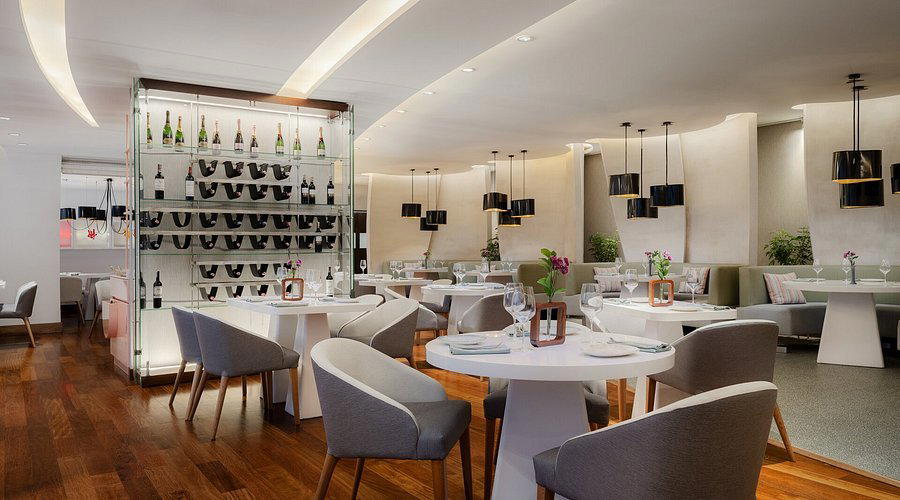
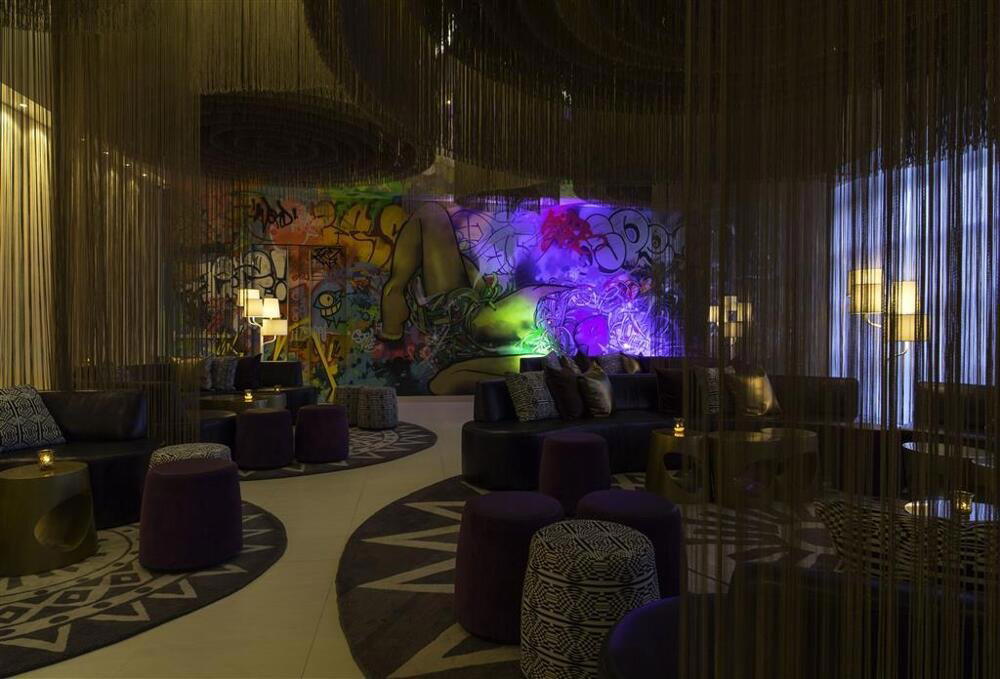
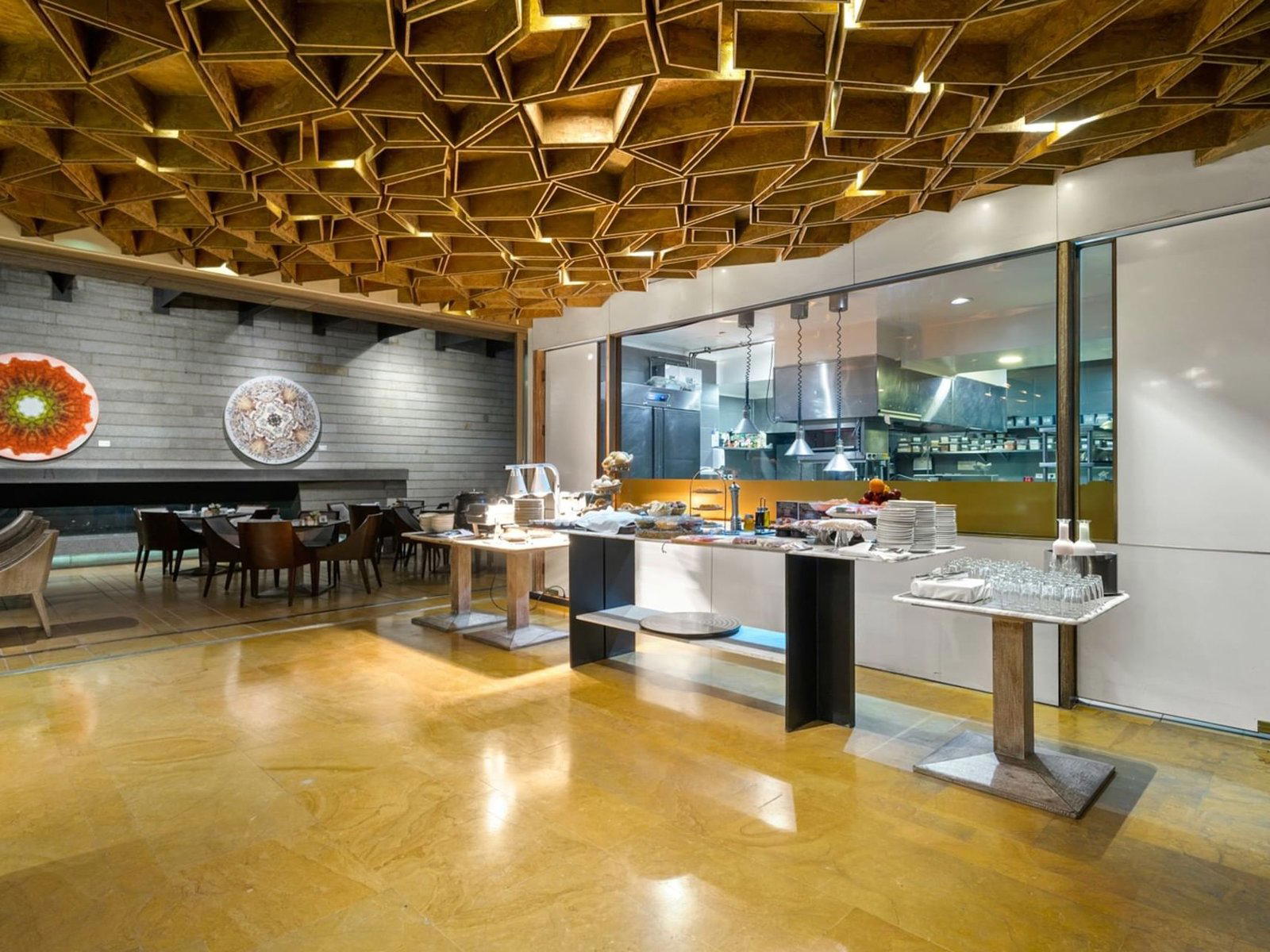
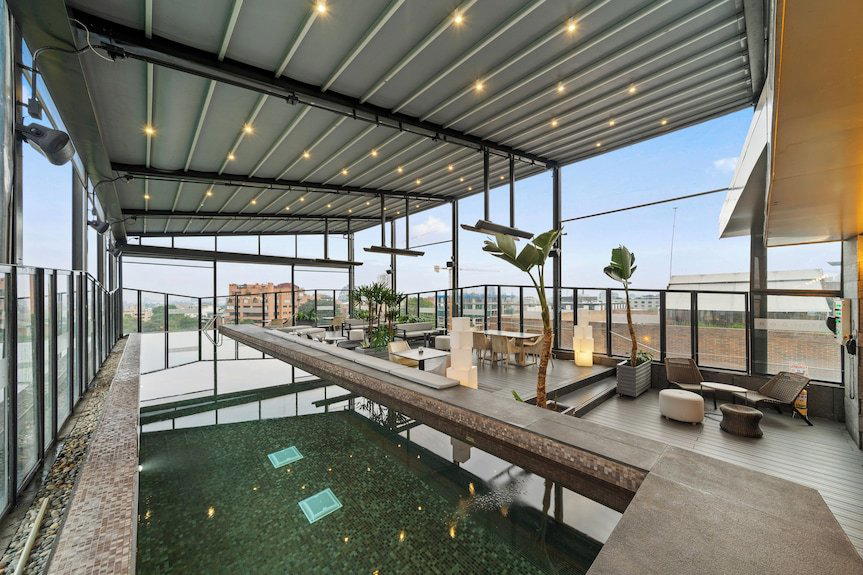
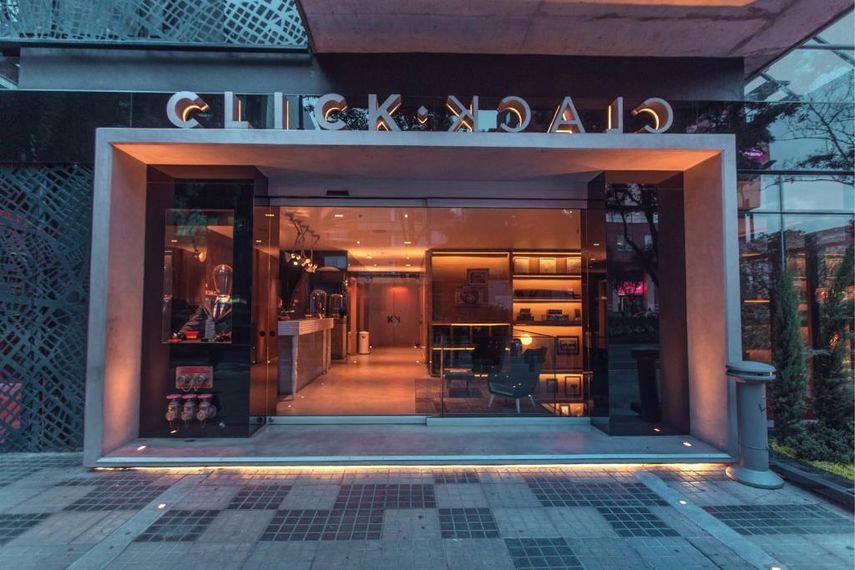
Modern grill atmosphere in a hotel setting with focus on Korean barbecue preparation.