
Tabelog 100 #67
Our verdict
Sapporo’s ramen culture is usually framed through miso, butter, corn and winter weight, which makes this station-side tantanmen counter a sharper proposition. 175°DENO Tantanmen Sapporo kitaguchi ten brings Sichuan peppercorn, sesame choice and Hokkaido wheat into a quick, low-price format recognised by Tabelog’s Ramen HOKKAIDO 100 selection in 2024 and 2025.

Pearl is the En Primeur Club membership app, where members save venues, book tables and use the concierge.
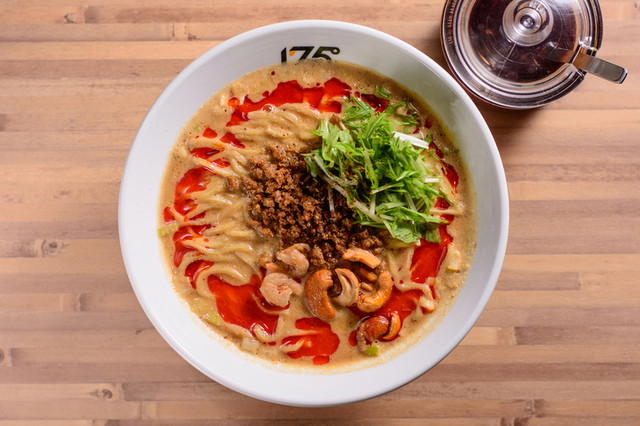
The menu
What to order
- White Sesame Tantanmen
- Black Sesame Tantanmen
The approach is pure Sapporo station eating: office workers, solo diners and families moving in and out of a compact noodle room, with counter seats doing as much work as tables. The appeal is not ceremony. It is speed, heat, sesame, and the particular comfort of a bowl built for a city where ramen is both everyday fuel and a point of local pride.
Sapporo’s noodle identity is often reduced to miso ramen, especially by visitors who arrive in Hokkaido expecting corn, butter and winter density. Tantanmen changes the conversation. It brings the Sichuan-derived logic of peppercorn, chilli oil and sesame into a Japanese ramen frame, then asks a different question: not how heavy the broth can be, but how precisely heat, numbness and grain can be adjusted without losing pace.
Sichuan peppercorn meets Hokkaido wheat in a station-side format
175°DENO Tantanmen Sapporo kitaguchi ten sits inside that smaller but increasingly visible Sapporo category: ramen-adjacent shops that use Hokkaido’s grain strength while looking beyond the city’s familiar miso vocabulary. The menu’s core distinction is structural. Diners choose soup or dry noodles, white sesame or black sesame, then set the Sichuan peppercorn level across non-spicy, spicy and a hotter setting. Chilli oil at the table pushes the bowl further, which makes the format flexible without turning it into a build-your-own gimmick.
The sourcing angle matters because Hokkaido wheat has a different role here from a standard ramen support act. Yumechikara wheat is associated with chew and elasticity, the traits that help noodles carry oil, sesame and peppercorn rather than disappear beneath them. Directly sourced Sichuan peppercorn anchors the other side of the bowl, giving the shop’s tantanmen its defining aromatic line. In Sapporo, where cold-weather ramen can lean on fat and volume, this combination puts texture and spice calibration in the foreground.
The category listing tells the story cleanly: tantan-men, ramen and curry. That last word is not incidental in Sapporo, a city where soup curry and spice shops sit comfortably beside ramen counters. Nearby comparisons such as [Curry Senmon Ten] Maruyama Kyoju., Ajanta Indo Curry Ten and Ajanta Sohonke point to the same broader appetite for spice-led casual dining. Tantanmen belongs in that conversation as much as it belongs in ramen taxonomy.
A Hyakumeiten ramen pick that behaves like an everyday lunch counter
Tabelog selected 175°DENO Tantanmen Sapporo kitaguchi ten for its Ramen HOKKAIDO 100 list in 2024 and 2025, and the score attached to the listing is 3.59. That recognition places it among Hokkaido ramen addresses being watched beyond neighbourhood habit, but the experience remains firmly practical rather than rarefied. The listed budget sits under JPY 999 for lunch and dinner, a price band closer to daily rotation than destination dining.
That gap between recognition and accessibility is useful for travellers. Some award-backed ramen shops become itinerary events, with queues, limited hours and narrow timing windows. Here, the rhythm is broader: open daily from late morning into late evening, no reservations, take-out available, non-smoking, and a 26-seat room split across a large shared table, counters and box seating. The restaurant is also marked as solo-dining friendly and family friendly, with children welcome and a kids menu listed. Those are not decorative details; they explain why the room can work for a quick bowl between trains as easily as for a casual meal with children.
The location reinforces that role. The address is by Sapporo Station’s north side, a part of the city where convenience shapes dining decisions more than lingering ambience. Station restaurants often get dismissed as compromise choices, but Sapporo complicates that assumption. Serious casual food clusters around transit because the city’s weather, commuting patterns and tourism flows reward places that deliver quickly and consistently. For another Hokkaido noodle reference point, Aji no Daiou Souhonten shows how regional ramen identities can travel through specific styles rather than luxury signals.
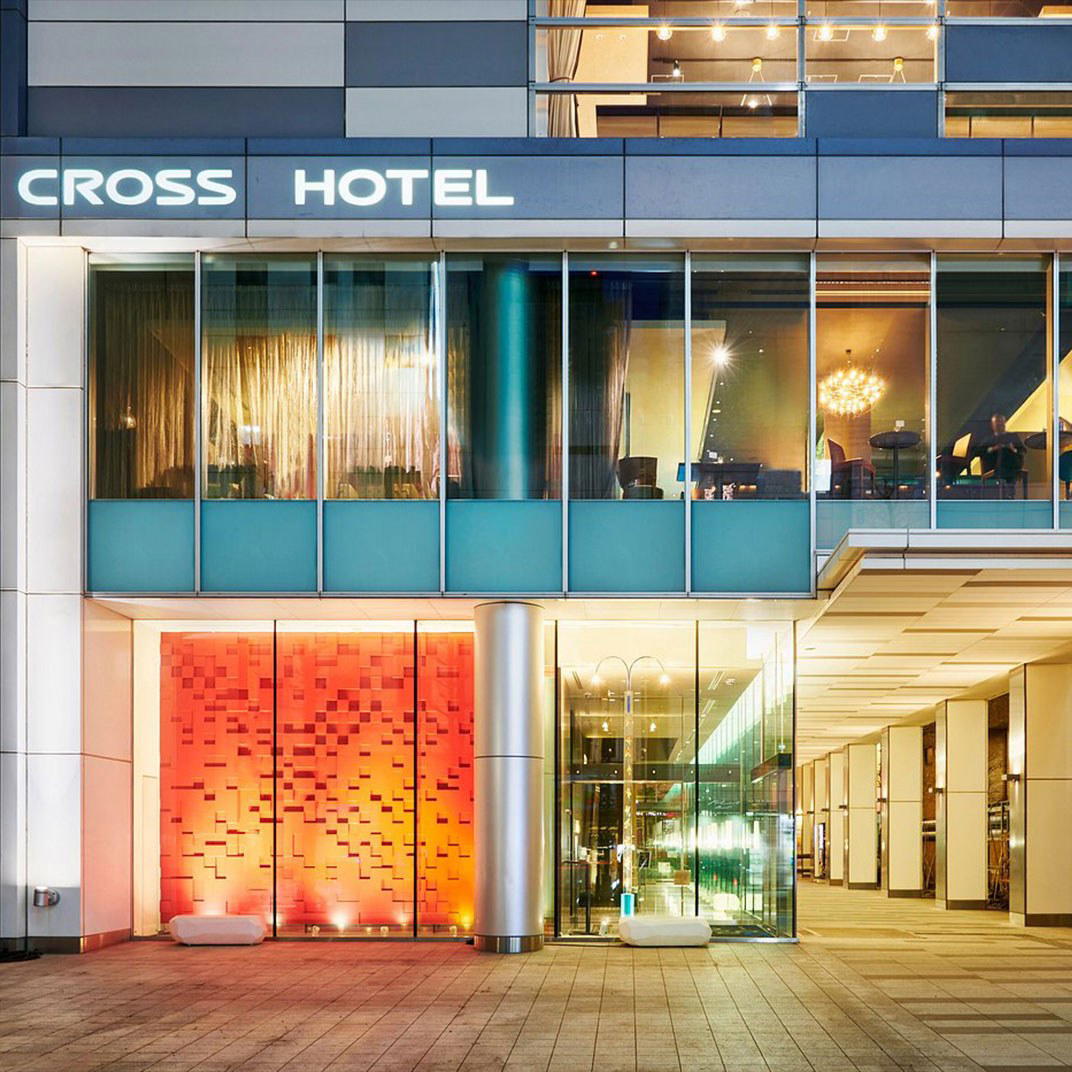
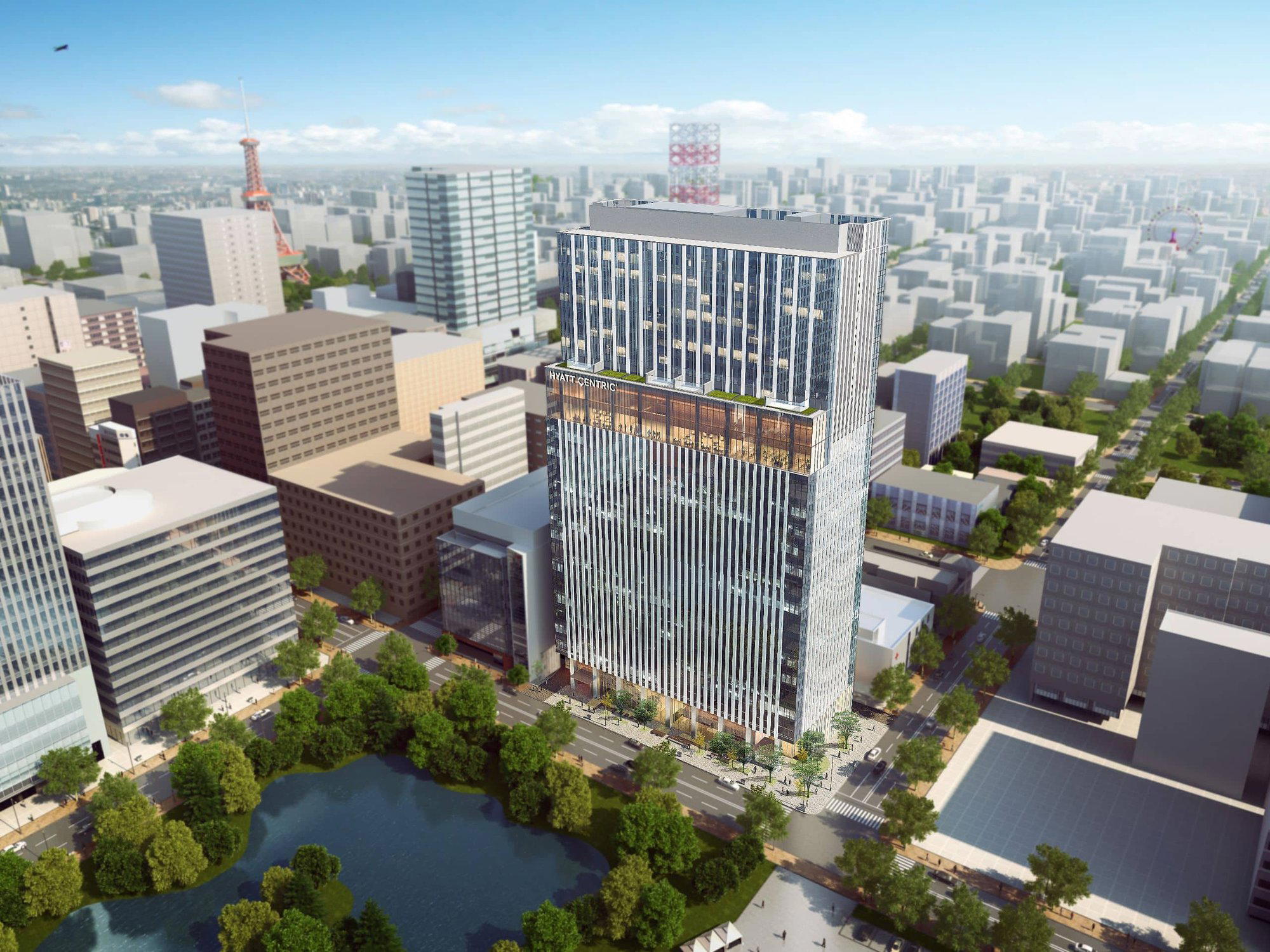
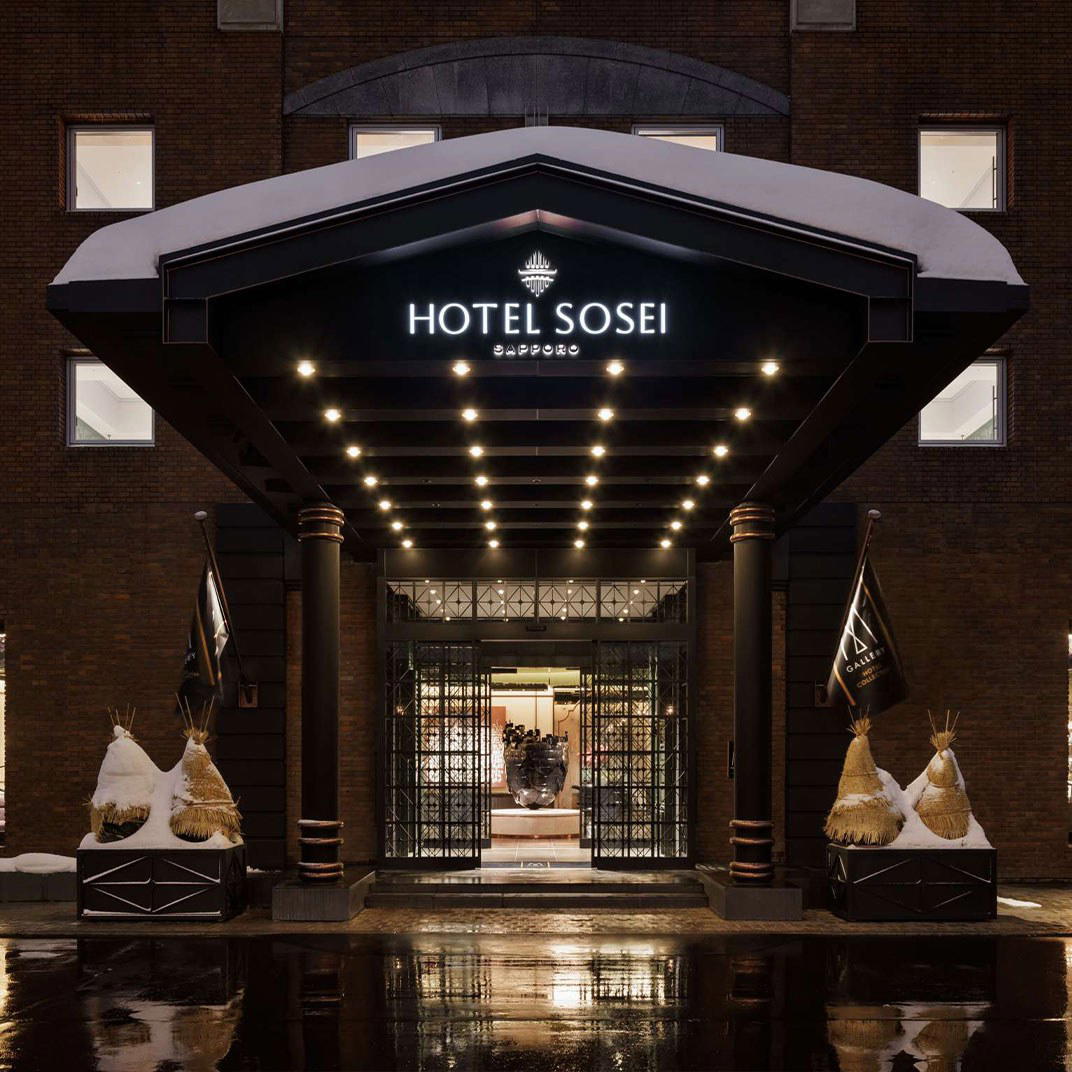
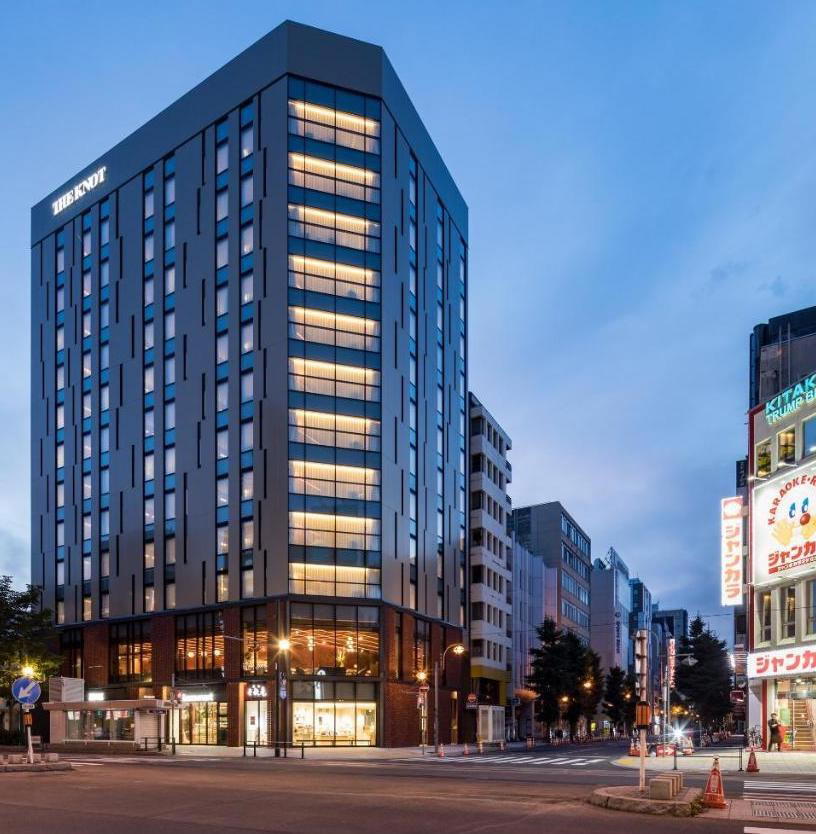
Compared with Sapporo hotel dining rooms such as ミクニ サッポロ, Restaurant & Bar “SKY J” and SKY RESTAURANT “TANCHO”, this is a different decision entirely: less about view, service arc or wine, more about whether a focused noodle bowl fits the hour. Against Curry SAVoY, the comparison is more relevant because both speak to Sapporo’s affection for spice in casual formats, though one moves through curry and the other through sesame, peppercorn and noodles. Pan Kichi sits in another everyday lane, reminding visitors that Sapporo’s dining strength is not confined to formal restaurants.
Where it fits in a Sapporo food itinerary
The stronger way to use 175°DENO Tantanmen Sapporo kitaguchi ten is not as a grand dinner anchor. It is the sharp, efficient meal that prevents a Sapporo itinerary from becoming only seafood, miso ramen and hotel dining. The counter format suits one person with a suitcase; the table and box seating make it workable for a group that needs something casual; the spice controls help mixed palates land on the same address without forcing the same bowl.
There is also a useful editorial distinction between recognition and luxury here. Tabelog’s Hyakumeiten selection signals category credibility, but the price and format keep the experience grounded. That is the point. Sapporo’s food culture has room for polished rooms, specialist curry houses, bakeries and ramen counters, and the city is easier to understand when those tiers are read together rather than ranked by formality.
For further Sapporo planning, use Our full Sapporo restaurants guide alongside Our full Sapporo hotels guide, Our full Sapporo bars guide, Our full Sapporo wineries guide and Our full Sapporo experiences guide. Travellers building a wider Japan food map can also cross-reference Aigues Vives, -Grilled beef Sukiyaki- KAMAKURA TANUKIAN 鎌倉 たぬき庵 in Kamakura. 鮪と炭火焼き うお炭 秋葉原店 in Tokyo.cafe in Osaka.know in Kumamoto, (Shoku) Vietnam in Kawasaki, [ki:] in Kyoto, Jōdo Saké Bar in Los Angeles and Onigiri Time in Pasadena.
Frequently asked questions
Is 175°DENO Tantanmen Sapporo kitaguchi ten better for a quiet night or a lively one?
It suits a lively meal more than a quiet one: the 26-seat room sits by JR Sapporo Station, and the listing notes daily queues. The format is efficient, with take-out available and reservations unavailable, which points to a fast-moving ramen stop rather than a long, hushed dinner.
When can I go to 175°DENO Tantanmen Sapporo kitaguchi ten?
Hours at 175°DENO Tantanmen Sapporo kitaguchi ten: Mon: 10:30 AM–10:30 PM; Tue: 10:30 AM–10:30 PM; Wed: 10:30 AM–10:30 PM; Thu: 10:30 AM–10:30 PM; Fri: 10:30 AM–10:30 PM; Sat: 10:30 AM–10:30 PM; Sun: 10:30 AM–10:30 PM.
Is 175°DENO Tantanmen Sapporo kitaguchi ten more mid-range or high-end?
Pricing at 175°DENO Tantanmen Sapporo kitaguchi ten is listed as - JPY 999 - JPY 999.
What is 175°DENO Tantanmen Sapporo kitaguchi ten known for?
175°DENO Tantanmen Sapporo kitaguchi ten is primarily known for its core concept and execution in Sapporo.
Comparison Snapshot
Nearby venues at a similar price tier for orientation.
| Venue | Cuisine | Price | Awards | Notes |
|---|---|---|---|---|
| 175°DENO Tantanmen Sapporo kitaguchi tenThis venue (the venue you are viewing) | Japanese Tantanmen Ramen | $10–20 | Tabelog 100 #67 | Not listed |
| Umi Hachikyo Honten | Hokkaido seafood izakaya | $30–50 | Tabelog 100 #76 | Chūō |
| Sapporo Soup Curry Senmon Ten Esper Ito Hachiken souhonten | Sapporo soup curry | $10–20 | Tabelog 100 #17 | Nishi |
| Clock | Japanese Curry | Not listed | Tabelog 100 #77 | Chūō |
| Keyaki (けやき) | Sapporo miso ramen shop | $10–20 | Tabelog 100 #85 | Susukino |
| Fujiya NOODLE | Modern Sapporo miso ramen counter | $10–20 | Tabelog 100 #13 | Chūō |
Recognition history
Dated appearances from independent guides and award organizations, with the underlying list record or original source where available.
Tabelog 100 #67 · No. 67
Tabelog · Tabelog 100 - Ramen - HOKKAIDO - 2025
Continue exploring
More in Sapporo
Restaurants in Sapporo
All restaurants in Sapporo →
Bars in Sapporo
All bars in Sapporo →
Details
- Modern
- Elegant
- Cozy
- Solo
- Family
- Casual Hangout
- A La Carte
- Counter Dining
Current opening hours
- Monday
- 10:30 AM–10:30 PM
- Tuesday
- 10:30 AM–10:30 PM
- Wednesday
- 10:30 AM–10:30 PM
- Thursday
- 10:30 AM–10:30 PM
- Friday
- 10:30 AM–10:30 PM
- Saturday
- 10:30 AM–10:30 PM
- Sunday
- 10:30 AM–10:30 PM
Hours can change for holidays and private events. Hours as of .
Stylish and relaxing space with counter, large table, and box seating in a non-smoking environment.