
Alpenrose gives Kamikochi’s mountain dining a yoshoku lens rather than a resort-café script. Its Tabelog 100 Yoshoku EAST 2025 selection, repeat Hyakumeiten appearances, and omurice category place it in a useful niche: Japanese Western cooking interpreted for hikers, hotel guests, and Matsumoto-bound travellers who care about regional context as much as comfort.
Pearl is the En Primeur Club membership app — saves, bookings, and concierge access live there. Same editors, same standards.
- Address
- Japan, 〒390-1516 Nagano, Matsumoto, Azumi, 上高地 帝国ホテル
- Phone
- +81 263-95-2001
- Website
- imperialhotel.co.jp
- Directions
- Get directions
 Saves & bookings on Pearl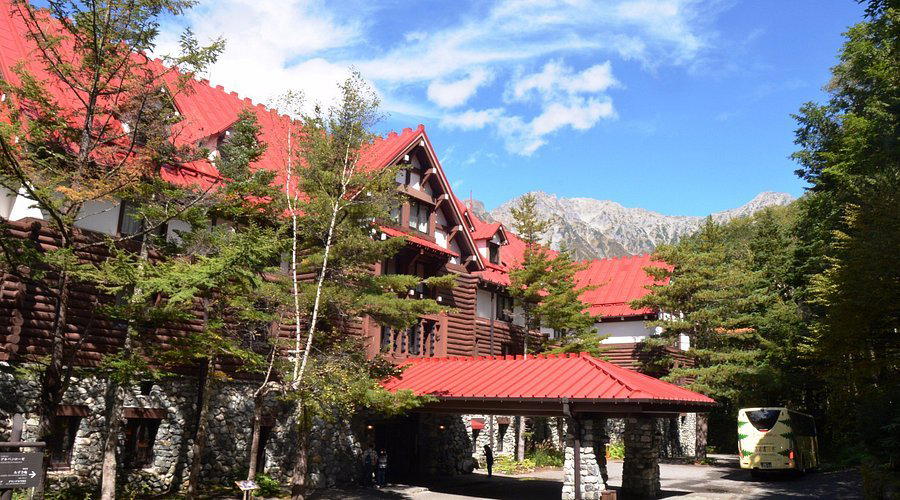
Approaching Kamikochi changes the appetite. The valley narrows, the air cools, and city restaurant-hopping becomes a practical question: what cooking makes sense after alpine walking, bus transfers, and weather-shaped days? Here, yoshoku is not nostalgia. It is Japan’s answer to Western comfort food, adapted over generations into rice plates, sauces, omelettes, cutlets, gratins, and hotel dining rooms built to satisfy leisure travellers and serious walkers.
Alpenrose sits in that tradition with unusual geographic clarity. Matsumoto’s restaurant culture is often read through soba, mountain vegetables, Shinshu beef, miso, and ryokan cooking, but Kamikochi adds controlled access, seasonal tourism, and hotel restaurants as mountain infrastructure. Its selection for Tabelog 100 Yoshoku EAST 2025, alongside earlier Yoshoku Hyakumeiten selections in 2022 and 2023, matters because yoshoku can look deceptively simple. The better examples are judged less by novelty than by sauce discipline, rice texture, egg handling, and how fully Western forms have been naturalised into Japanese dining.
Mountain yoshoku works because comfort has to travel well
Yoshoku began as adaptation, not imitation. Western-style dishes were absorbed into Japanese kitchens and reshaped around rice, demi-glace, curry, omelette rice, fried cutlets, and café-hotel service. That history suits Kamikochi, where diners may arrive in trekking clothes rather than city evening wear, and appetite is direct rather than ceremonial. A kaiseki room explains seasonality through many small courses; a yoshoku room does it through warmth, portion logic, sauce, and familiar forms that hold up after a long walk.
In Nagano, ingredients are not only about luxury sourcing. They are about altitude, season, and how mountain regions preserve place through produce, dairy, beef, mushrooms, river fish, and fermented staples. Alpenrose is listed for yoshoku and omurice, and that positioning matters: omelette rice tests the balance between softness and structure, while yoshoku sauces reveal whether a kitchen is operating at hotel-banquet level or with sharper restaurant intent. A wine emphasis also separates the room from functional mountain cafés, placing it closer to hotel dining than a trailhead refuelling stop.
Within the local price spectrum, that middle ground matters. Matsumoto ranges from sub-JPY 1,000 ramen and dairy stops such as Kita Alps Bokujou and Ramen Mugi Hitotsubu to destination counters such as Sushi Inukai at JPY 20,000 to JPY 29,999, with Shogetsu higher again at JPY 15,000 to JPY 19,999. Alpenrose occupies another lane: not a high-formality splurge, not a quick bowl, but a mountain-hotel yoshoku meal recognised enough to plan around when Kamikochi is already on the route.
Why the setting changes the way to read the meal
Kamikochi is not a neighbourhood in the usual urban sense. Private-car restrictions, hotel rhythms, and bus-based access make meals part of the day plan, not spontaneous detours between bars. That sharpens the distinction: central Matsumoto restaurants compete on variety and repeat local use; Kamikochi restaurants compete on timing, weather resilience, and whether they feel appropriate to the mountains rather than pasted onto them.
Alpenrose has a clearer role than many hotel restaurants. Tabelog recognition in a yoshoku category signals specialist relevance, not mere convenience. The useful comparison is not sushi omakase or full kaiseki, but the Japanese hotel tradition in which Western cooking became part of domestic travel culture. In resort areas, yoshoku bridges local terrain and broad accessibility: structured enough for a proper lunch, familiar enough for families and mixed groups, and crafted enough for diners who notice the difference between a generic omelette plate and a kitchen working inside a recognised category.
For a Matsumoto itinerary, the choice is about sequencing rather than replacing the city’s restaurants. Central addresses such as Coffee Marumo, French Natural Restaurant SAI, Furin Kazan, Hikariya Higashi, and Hikariya-Nishi (Japanese Kaiseki) speak more directly to castle-town dining, historic buildings, and evening city meals. Kamikochi needs its own lens. The mountain day is less forgiving, and the better meal understands pace, weather, and appetite.
A practical choice for travellers who want the valley, not just the table
The stronger case for Alpenrose is logistical as much as culinary. Kamikochi rewards travellers who treat food as part of the valley’s structure: sort transport, allow for mountain weather, and do not assume city-style flexibility. Lunch is the natural frame for non-staying visitors because the setting belongs to daylight. Dinner belongs more to hotel rhythm, changing the audience and mood.
Families and mixed groups should read the format generously. Yoshoku is one of Japan’s more accessible restaurant languages because it avoids multi-course Japanese formality while retaining craft where it counts. For travellers comparing options across the city, Our full Matsumoto restaurants guide gives the broader dining map, while Our full Matsumoto hotels guide, Our full Matsumoto bars guide, Our full Matsumoto wineries guide, and Our full Matsumoto experiences guide help separate the mountain excursion from the city stay.
Japan’s comfort-food categories vary widely by place, and that wider map helps judge Alpenrose without overinflating it. A sukiyaki specialist such as -Grilled beef Sukiyaki- KAMAKURA TANUKIAN 鎌倉 たぬき庵 in Kamakura, a Tokyo grill like. 鮪と炭火焼き うお炭 秋葉原店 in Tokyo, a casual Osaka stop such as.cafe in Osaka.know in Kumamoto, (Shoku) Vietnam in Kawasaki, [Curry Senmon Ten] Maruyama Kyoju. in Sapporo, Jōdo Saké Bar in Los Angeles, and Onigiri Time in Pasadena all show how portable Japanese comfort forms become when separated from their original regions. Kamikochi’s version is quieter and more situational: yoshoku through mountain travel, hotel service, and altitude-driven appetite.
The verdict is concise: choose Alpenrose when Kamikochi is central to the day and the meal must carry more than convenience. Its Tabelog 100 Yoshoku EAST 2025 recognition gives category credibility; its setting gives purpose. In Matsumoto, that combination is narrower than a city dining room and more useful than a generic resort restaurant.
Quick Comparison
Comparable venues by cuisine and price in the same metro.
| Venue | Cuisine | Price | Notes |
|---|---|---|---|
| Alpenrose | Casual yoshoku in a mountain-lodge hotel restaurant | $$$ | Kamikochi |
| Sushi Inukai | Edomae Omakase Sushi | $$$ | / Shimauchi |
| Kiku Zou | Seasonal Japanese & regional cuisine with horse sashimi and hot‑pot courses | $$$ | near Matsumoto Castle / Higashikouji |
| thai inter terrace | Authentic Thai & Vietnamese | $$ | Ote |
| 信州ダイニング tobira | 信州日本料理 | $$$ | Iruyama-be |
| Hikariya-Nishi | Nature French Gastronomy | $$$ | Ote |
Recognition history
Dated appearances from independent guides and award organizations, with the underlying list record or original source where available.
Tabelog 100 #82 · No. 82
Tabelog · Tabelog 100 - Yoshoku - EAST - 2025
Continue exploring
More in Matsumoto
Restaurants in Matsumoto
Browse all →
Bars in Matsumoto
Browse all →
At a Glance
- Cozy
- Rustic
- Scenic
- Classic
- Well Known
- Casual Hangout
- Family
- Group Dining
- Solo
- Historic Building
- Hotel Restaurant
- Panoramic View
- Local Sourcing
- Mountain
- Garden
Current opening hours
- Monday
- 11 AM–2:30 PM, 5:30–8 PM
- Tuesday
- 11 AM–2:30 PM, 5:30–8 PM
- Wednesday
- 11 AM–2:30 PM, 5:30–8 PM
- Thursday
- 11 AM–2:30 PM, 5:30–8 PM
- Friday
- 11 AM–2:30 PM, 5:30–8 PM
- Saturday
- 11 AM–2:30 PM, 5:30–8 PM
- Sunday
- 11 AM–2:30 PM, 5:30–8 PM
Hours can change for holidays and private events. Last verified .
Warm and casual mountain-lodge feel on the lobby floor of Kamikochi Imperial Hotel, with relaxed hotel-restaurant service and a scenic alpine setting that attracts walkers stopping in during their Kamikochi strolls.