
Tabelog Silver #34
Our verdict
Hato belongs to Tokyo’s high-stakes sushi counter tier, where the meal is judged by pacing as much as product. Its eight-seat counter format, Tabelog Award 2026 Silver recognition, and repeated selection for Tabelog Sushi Tokyo 100 place it in the city’s serious Edomae conversation rather than the casual omakase bracket.

Pearl is the En Primeur Club membership app, where members save venues, book tables and use the concierge.
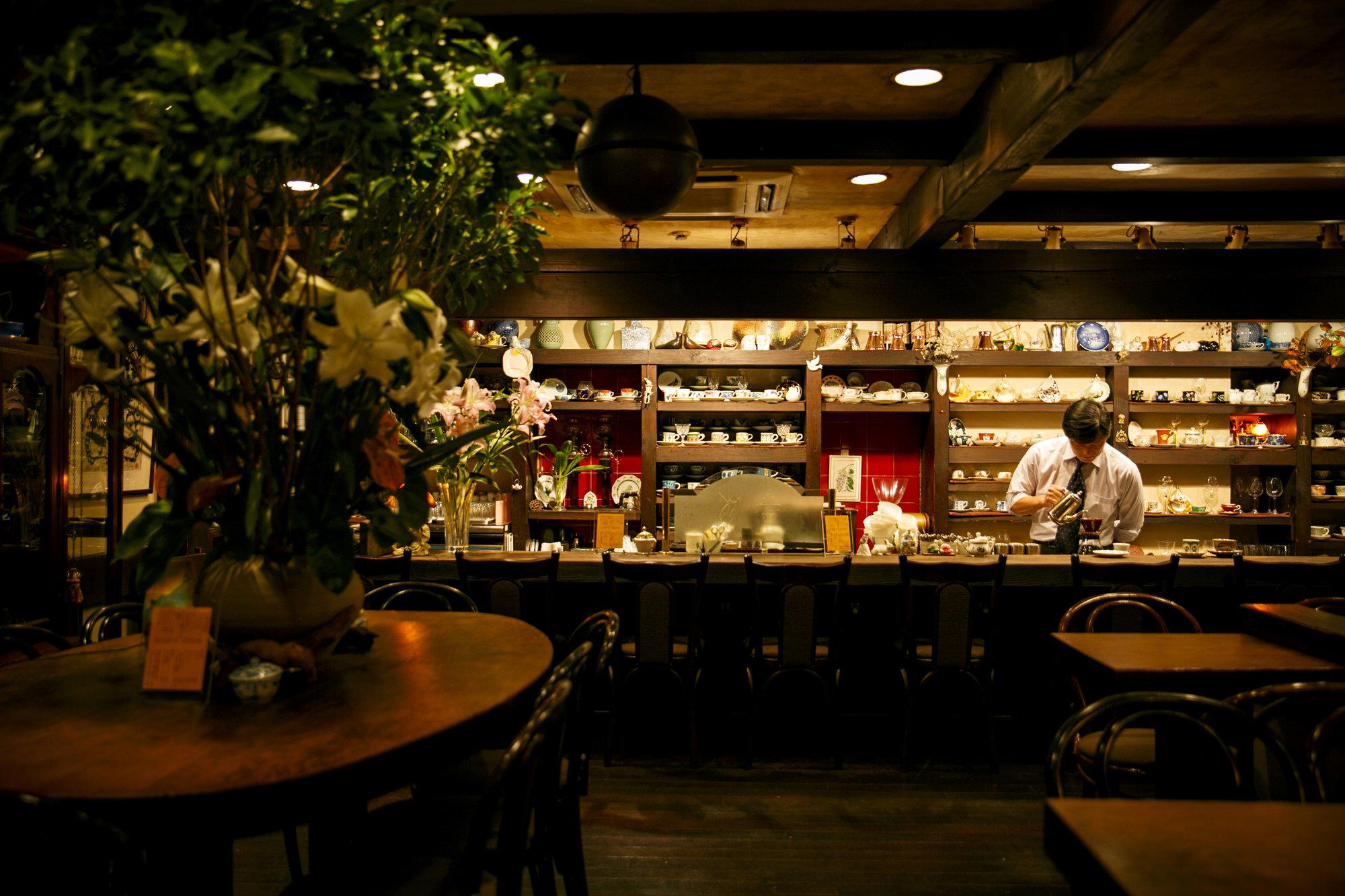
The room reads as a serious Tokyo reservation before it reads as a simple meal: close attention, little room for drift, and the quiet pressure that defines dining at this level. In a city where ambitious restaurants range from accessible neighborhood rooms to rarefied destinations, Hato sits in the part of the market where sequence, temperature, and tempo matter as much as broad appeal. The pleasure is not spectacle, but watching the meal tighten course by course, each moment required to justify its place.
That progression matters because Tokyo’s serious dining culture is increasingly stratified. An intimate restaurant is not automatically important; many rooms trade on scarcity alone. Hato has stronger signals. Tabelog named it a Silver winner in 2026, with a 4.42 score and a listed award-group rank of 34. Those markers do not describe taste, but they place the restaurant in a competitive Tokyo field where recognition is harder than initial attention.
A room judged by pacing, not ornament
The defining question for a high-end Tokyo meal is not simply whether the ingredients are expensive. It is whether the arc has discipline. Restaurants at this level depend on intervention: preparation, timing, temperature, seasoning, and balance so a single bite feels finished rather than assembled. At this tier, the meal becomes a sequencing device. Lighter impressions open space; richer moments arrive when the palate can read them; texture and temperature become structure, not background.
Hato’s appeal sits in that framework. The format asks diners to follow progression rather than browse casually. A structured meal can fail as a parade of premium ingredients. The stronger version builds rhythm: prepared items, controlled waves, and a closing stretch that feels resolved rather than merely long. Hato’s recognition suggests a restaurant judged by that harder standard, among diners who know the difference between luxury product and coherent timing.
Tokyo offers precision in many forms, from intimate rooms to broader luxury dining, but the most focused venues can carry a full evening through sequence alone. Other Tokyo dining rooms show the city’s range; Hato shows its appetite for concentration.
Recognition places it in Tokyo's serious tier
Tabelog scores can be blunt instruments, but in Japan they carry weight because the audience is deeply local and comparison-heavy. A 4.42 score for a Tokyo restaurant is not casual praise. It indicates sustained approval in a market with little patience for inflated reputations. The 2026 Silver award also moves Hato beyond the long list of admired rooms into a narrower circle discussed against established peers.
The useful comparison is not every expensive Tokyo restaurant, but other focused, reservation-driven rooms where the night turns on control of sequence. Compared with broader luxury dining rooms, a compact format has fewer places to hide. Service, pacing, and technique are exposed. There is no room for a weak middle act, and no decorative room to compensate for flat progression. That pressure is the point.
Within Tokyo’s broader restaurant scene, Hato also occupies its own lane among serious destination restaurants. Comparison venues such as Regalo, Los Reyes Magos, Bon.nu, Matsusaka Ushi Yoshida, and レガーロ belong to other dining languages. Hato’s case is less about choice than submission to order, which is why the sequence must convince from the first prepared moment through the final stretch.
For readers mapping the city beyond dinner, the fuller Tokyo ecosystem matters. Hato sits within a capital where food, hotels, bars, wine programs, and cultural itineraries increasingly overlap for travelers planning around reservations. EP Club’s wider city guides cover Tokyo restaurants, Tokyo hotels, Tokyo bars, Tokyo wineries, and Tokyo experiences.
Who should prioritize the booking
Hato is for diners who value concentration over range. The restaurant rewards people who want to follow the internal logic of a tightly paced meal, not those seeking a flexible, casual evening. It also suits travelers who understand high-end Tokyo dining is not simply a luxury purchase, but compact theater built from repetition, restraint, and small calibrations.
The practical read is clear: this is a serious commitment, not a casual add-on between sightseeing blocks. The listed budget is JPY 50,000 - JPY 59,999 for dinner and JPY 50,000 - JPY 59,999 for lunch, placing Hato in an upper bracket for Tokyo. Beyond that, the safest planning assumption is to treat the meal as a focused reservation around which the rest of the day should be arranged.
Travelers building a Japan-wide dining itinerary can use Hato as a Tokyo anchor, then contrast it with other regional formats and other dining in Tokyo or beyond. For a focused city plan, the more useful move is to compare Hato with other serious Tokyo rooms generically rather than treating it as one stop on a checklist of famous names.
The editorial case is strongest for diners who judge a meal by momentum. Hato is not being carried by novelty or biography; it is measured in Tokyo’s harder currency: Tabelog Silver recognition, a 4.42 score, and the ability to make a sequence feel deliberate from start to finish.
Frequently asked questions
Where do I go for Hato?
Tokyo.
What makes Hato worth seeking out?
Hato’s case rests on hard credentials: a 2026 Tabelog Award Silver, a 4.42 score, and an award-group rank of 34. That combination points to a tightly regarded Tokyo restaurant rather than a broad, all-purpose dining room.
What if I have allergies at Hato?
Any allergy needs should be raised before the meal is confirmed.
Is Hato a family-friendly restaurant?
Families should confirm suitability directly before booking, especially because the restaurant is positioned as a focused Tokyo dining experience.
Similar Picks
Comparable venues by price and recognition.
| Venue | Cuisine | Price | Awards | Notes |
|---|---|---|---|---|
| HatoThis venue (the venue you are viewing) | Modern Kaiseki-Style Sushi Omakase | $200–300 | Tabelog Silver #34 | Not listed |
| Los Reyes Magos | Authentic Catalan Spanish | $50–100 | Michelin Bib Gourmand · Tabelog 100 #98 | Spanish |
| Bon.nu | Modern French Minimalist Tasting Menu | $300–500 | Tabelog Silver #11 | Not listed |
| Regalo | Farm-based gelato & ice cream shop | $1–10 | Tabelog 100 #23 | Italian |
| Matsusaka Ushi Yoshida | Matsusaka beef teppanyaki, sukiyaki & shabu-shabu fine dining | $150–200 | Tabelog 100 #84 | JPY 20,000 - JPY 29,999 JPY 1,000 - JPY 1,999 |
Recognition history
Dated appearances from independent guides and award organizations, with the underlying list record or original source where available.
Tabelog Silver #34
Tabelog
Full recognition history (2 entries)
Tabelog 100 #48 · No. 48
Tabelog · Tabelog 100 - Sushi - TOKYO - 2025
Continue exploring
More in Tokyo
Restaurants in Tokyo
All restaurants in Tokyo →




Bars in Tokyo
All bars in Tokyo →





Details
- Intimate
- Elegant
- Cozy
- Modern
- Date Night
- Special Occasion
- Chefs Counter
- Sake Program
- Omakase
- Counter Dining
Current opening hours
- Monday
- 6–10:30 PM
- Tuesday
- 6–10:30 PM
- Wednesday
- 6–10:30 PM
- Thursday
- 6–10:30 PM
- Friday
- 6–10:30 PM
- Saturday
- 12–3 PM, 6–9 PM
- Sunday
- 12–3 PM, 6–9 PM
Hours can change for holidays and private events. Hours as of .
Serene interior inspired by Japanese aesthetics, offering a cozy and elegant atmosphere with polished service.