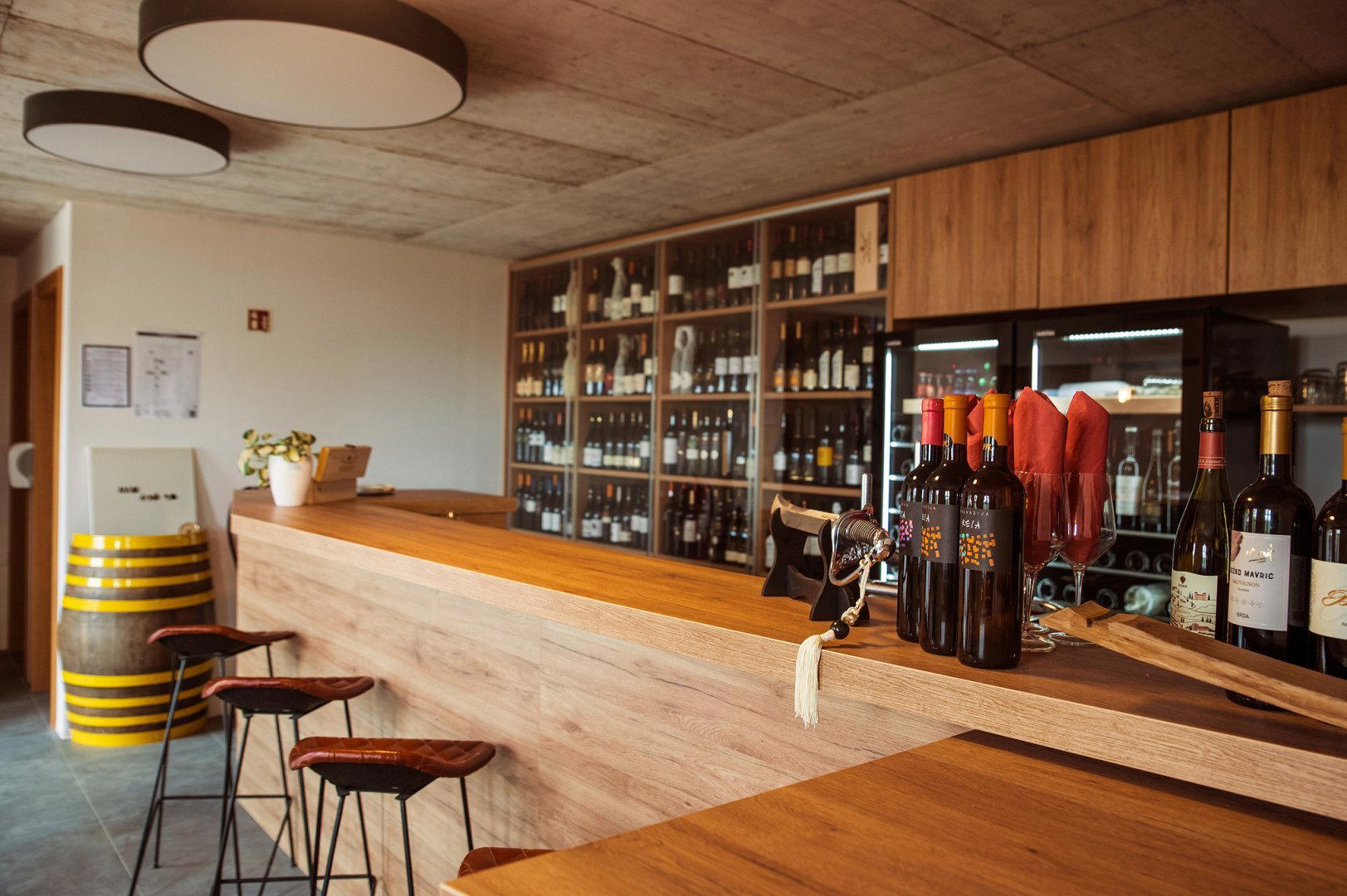
Salvagente sits on Via dei Burlo in central Trieste, a city whose wine culture runs deeper than most Italian ports care to admit. The address places it within reach of the waterfront and the old Habsburg grid, making it a natural stop for anyone moving through the city's dining scene with a serious interest in what's in the glass as much as what's on the plate.
Pearl is the En Primeur Club membership app — saves, bookings, and concierge access live there. Same editors, same standards.
- Address
- Via dei Burlo, 1c, 34123 Trieste TS, Italy
- Phone
- +39402606699
- Website
- m.facebook.com
- Directions
- Get directions
 Saves & bookings on Pearl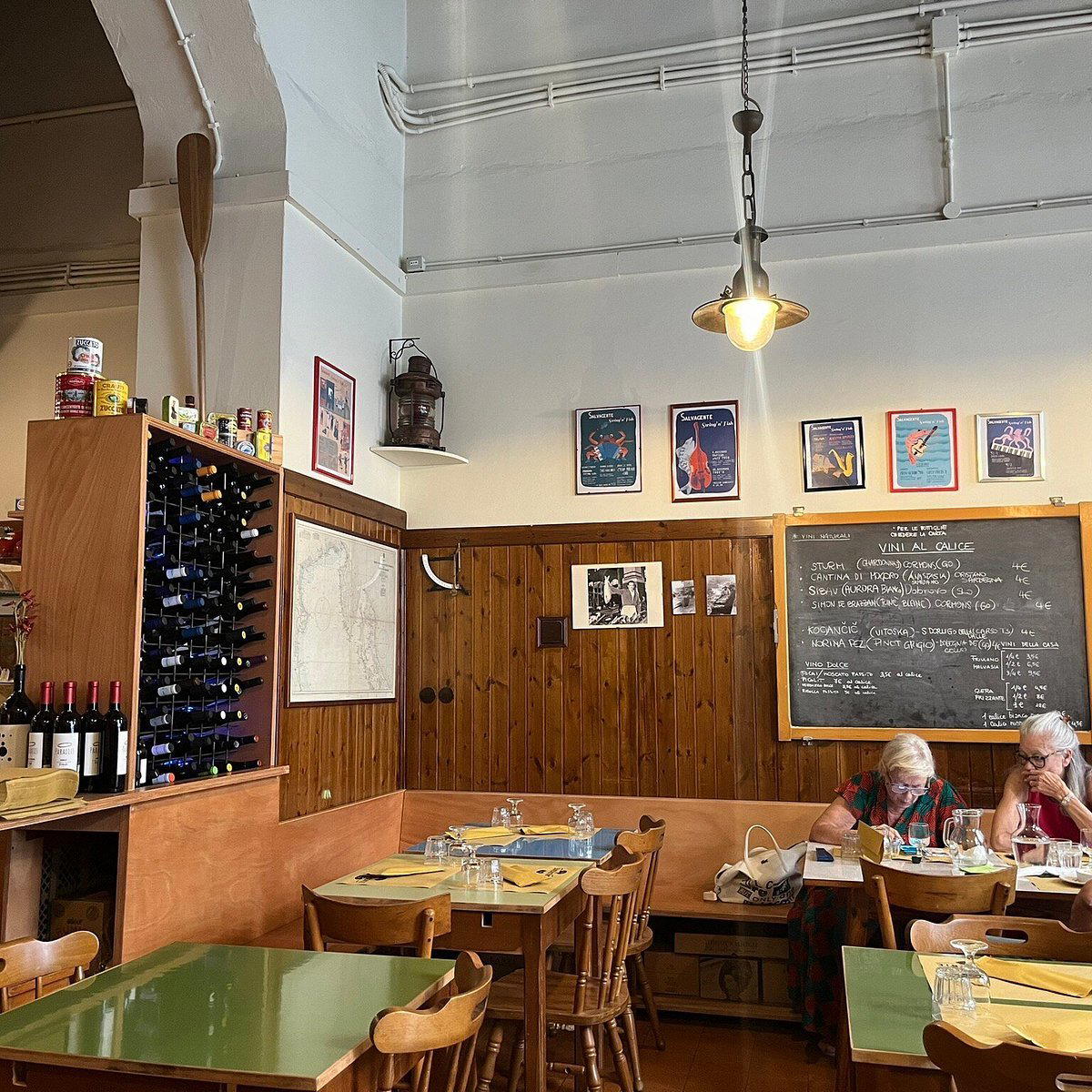
Trieste and the Wine Question
Trieste occupies an unusual position in Italian dining. It is neither a direct Mediterranean port nor a northern Italian food capital, but something between the two: a city shaped by centuries of Austro-Hungarian administration, a long relationship with the sea, and a wine culture that draws on the Carso plateau immediately to its east, the Collio hills to the north, and the Slovenian and Friulian producers who have been quietly building some of Italy's most technically precise whites for decades. Restaurants here that take wine seriously are not working from the same cellar logic as their counterparts in Florence or Milan. The reference points are different, the producers are less familiar to international visitors, and the selections tend to reward a reader who arrives with some curiosity rather than a fixed wishlist.
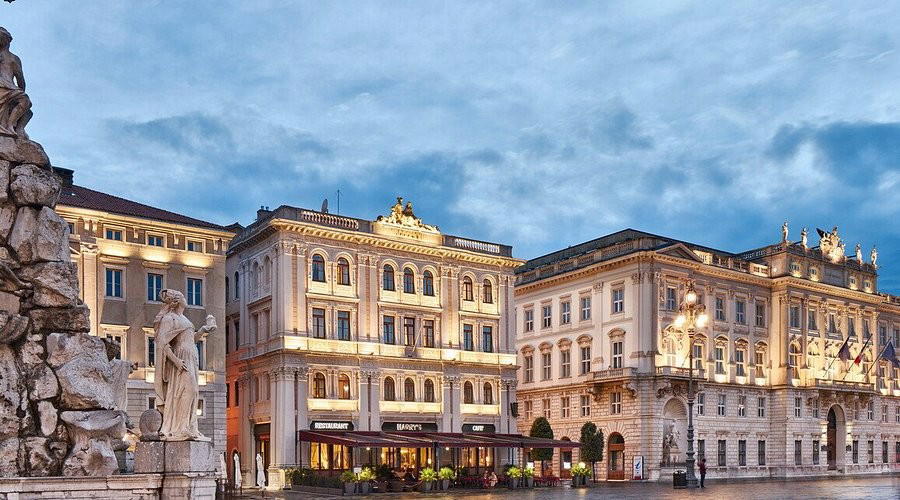
Salvagente, addressed at Via dei Burlo 1c in the 34123 postal district, sits inside that context. The street itself runs through the older residential fabric of central Trieste, close enough to the waterfront institutions and grand café culture to feel urban and grounded, but without the tourist-facing pressure of the Piazza Unità d'Italia strip. Arriving on foot from the city centre takes a matter of minutes; the address is the kind you find on a specific recommendation rather than a walking tour.
The Cellar as Editorial Statement
In Italian dining, wine list philosophy tends to split along a few recognizable lines. The first is the national canon: a deep inventory of Barolo, Brunello, and Super Tuscans, calibrated for visitors who want to drink Italy's prestige names. The second, more interesting in practice, is the regional specialist approach, where a cellar reads as a deliberate argument for a particular geography or style. Friuli-Venezia Giulia and the Carso, Salvagente's home territory, have been producing that second kind of argument for years through producers like Josko Gravner, Radikon, and Movia, whose extended-maceration whites and low-intervention reds sit outside the mainstream of Italian wine exports but command serious attention from buyers at Enoteca Pinchiorri in Florence and Le Calandre in Rubano alike.
A wine program anchored in this region has an inherent credibility problem to solve: the bottles are unfamiliar to most international diners, the styles (amber wines, skin-contact whites, minimal sulphur reds) require some navigation, and the pricing often reflects small-production scarcity rather than brand recognition. When it works, the result is a cellar that functions as a genuine curatorial stance rather than a reference list. The sommelier's role shifts accordingly, from order-taker to interpreter, and the conversation at the table tends to run longer and produce better matches.
Placing Salvagente in Trieste's Dining Set
Trieste's restaurant scene in the upper tiers is compact. Harry's Piccolo occupies the Modern Italian fine dining bracket at the €€€€ tier, with a kitchen that processes local seafood and regional ingredients through a contemporary Italian lens. Al Bagatto positions itself in the seafood-specialist €€€ range, leaning into the port city's proximity to Adriatic catch. Elsewhere, Ai 3 Magnoni, Ai Fiori, and Al Civicosei cover different registers of the local dining conversation.
Within this set, a venue whose identity is organized around the wine list rather than a high-profile kitchen occupies a specific niche. It attracts a different kind of regular: the local who returns because the cellar keeps moving, the visitor who has come to Trieste specifically to drink Carso Vitovska or Collio Tocai in their home city rather than on an export shelf. That narrowing of the audience is not a weakness; in wine-led restaurants across Europe, it is often the source of particularly consistent experiences.
For a broader sense of what Trieste's dining scene covers across price points and formats, the EP Club Trieste restaurants guide maps the full picture.
Italy's Wine-Restaurant Tradition, and Where Trieste Fits
The Italian tradition of the enoteca con cucina, the wine shop that grows a kitchen rather than the other way around, produced some of the country's most interesting dining addresses over the past three decades. Enoteca Pinchiorri in Florence is the obvious endpoint of that trajectory, a cellar that grew into a three-Michelin-star institution. But the model works at smaller scale too, and in cities like Trieste, where the wine culture is genuinely local and the producers are close enough to visit, it can function with more authenticity than in cities where the cellar is simply a purchasing exercise.
The northeast Italian dining corridor, running from Atelier Moessmer Norbert Niederkofler in Brunico through Friuli to the coast, has seen consistent critical attention in recent years. Uliassi in Senigallia and Dal Pescatore in Runate anchor Italy's wine-serious dining at the highest end. Piazza Duomo in Alba, Osteria Francescana in Modena, Reale in Castel di Sangro, Quattro Passi in Marina del Cantone, and Enrico Bartolini in Milan represent the national range of that serious wine-and-kitchen conversation. Against that backdrop, Trieste has historically been an afterthought for international wine travelers, which is part of what makes its specialist addresses more interesting now, not less.
Planning a Visit
Via dei Burlo is reachable on foot from the main train station in under fifteen minutes, and from the waterfront in roughly five. Trieste's compact centre makes the address accessible without a car. For wine-led venues in this tier across Europe, reservations made a week or more in advance are standard practice, and arriving with some openness to the sommelier's suggestions tends to produce a more considered experience than arriving with a fixed bottle in mind.
Travelers with broader Italy itineraries who are also considering Le Bernardin in New York City or Atomix in New York City for the international leg of a longer trip will find Trieste's specialist addresses occupy a different register: quieter, more locally rooted, and priced to reflect regional rather than global positioning.
Quick Comparison
Comparable venues nearby, for context on price, style, and recognition.
| Venue | Cuisine | Price | Notes |
|---|---|---|---|
| SalvagenteThis venue — the venue you are viewing | Seafood Osteria | $$ | Not listed |
| Al Porton | Traditional Italian Seafood Trattoria | $$ | Trieste center |
| La Lampara | Classic Italian Seafood Trattoria | $$ | Santa Croce |
| Osteria Marise | Authentic Triestino Italian | $$ | Trieste city center |
| Pier The Roof | Contemporary Italian Seafood | $$$ | Marina San Giusto |
| Caffè San Marco | Italian Café & Pastry | $$ | Centro Storico |
Continue exploring
More in Trieste
Restaurants in Trieste
Browse all →
Bars in Trieste
Browse all →
Hotels in Trieste
Browse all →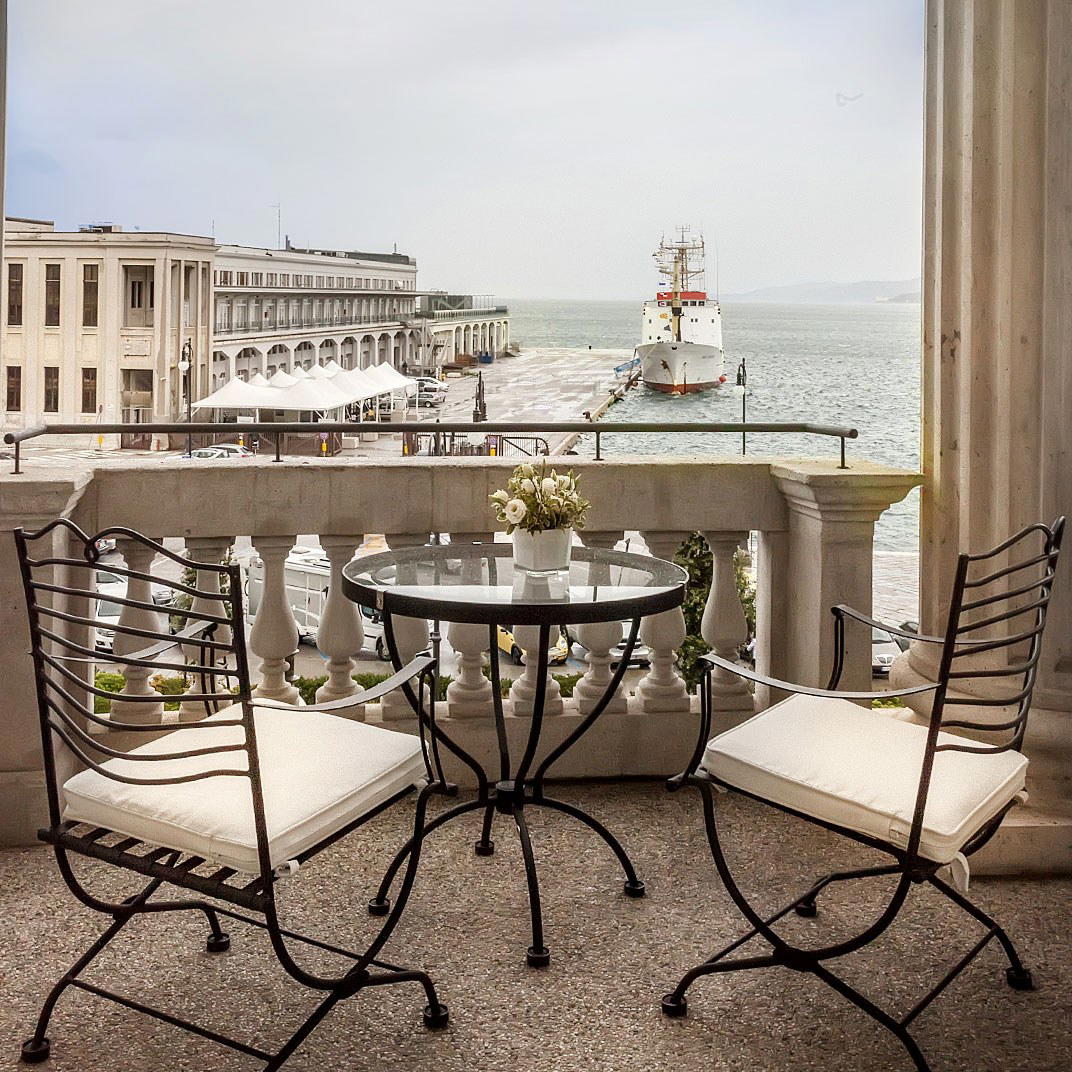
At a Glance
- Cozy
- Intimate
- Date Night
- Special Occasion
- Waterfront
- Local Sourcing
- Waterfront
- Street Scene
Current opening hours
- Monday
- Closed
- Tuesday
- Closed
- Wednesday
- 12–2:30 PM, 7–10 PM
- Thursday
- 12–2:30 PM, 7–10 PM
- Friday
- 12–2:30 PM, 7–10 PM
- Saturday
- 12–2:30 PM, 7–10 PM
- Sunday
- 12–2:30 PM, 7–10 PM
Hours can change for holidays and private events. Last verified .
Cozy and inviting atmosphere in a renovated historic setting with nautical charm and warm hospitality.