Salamat occupies a Mitte address at Gartenstraße 1, placing it in one of Berlin's most internationally minded dining corridors. Where much of Berlin's fine-dining attention clusters around Nordic-influenced tasting menus, Salamat represents a different register, a space where cultural roots and culinary context do the talking. It sits in a city increasingly serious about cuisine beyond Europe's traditional prestige hierarchies.
Pearl is the En Primeur Club membership app — saves, bookings, and concierge access live there. Same editors, same standards.
- Address
- Gartenstraße 1, 10115 Berlin, Germany
- Phone
- +493028884994
- Website
- salamat-berlin.de
- Directions
- Get directions
 Saves & bookings on Pearl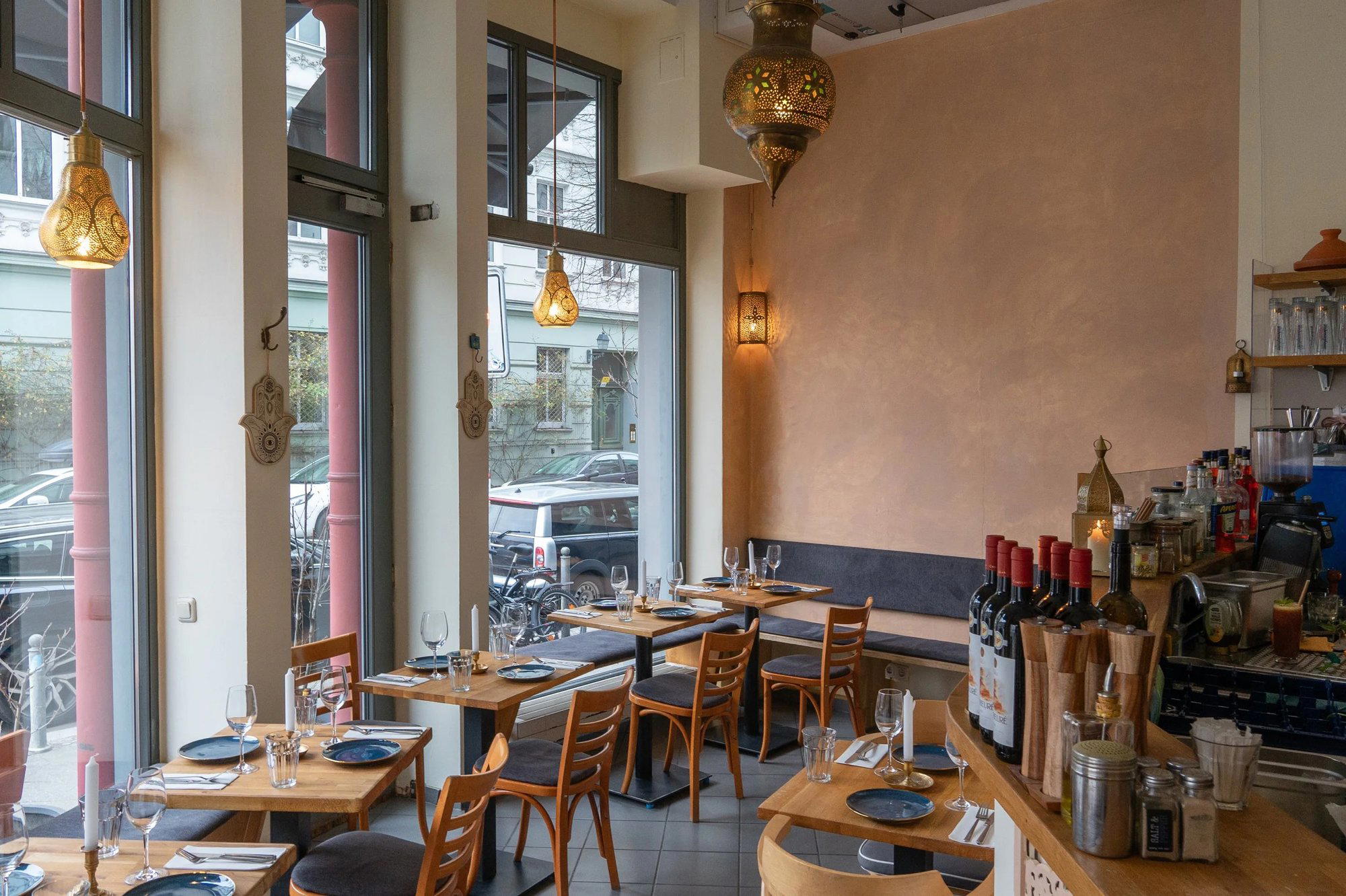
Berlin's Appetite for the Non-European Table
Berlin has spent the better part of two decades building a fine-dining identity around precision-led European cooking. The restaurants that draw the longest international attention, Rutz, Nobelhart & Schmutzig, FACIL, CODA Dessert Dining, operate within a broadly northern European framework: local sourcing, structural restraint, tasting formats. But Berlin's population has always been more plural than its Michelin map suggests, and a countermovement has taken shape in neighborhoods where the city's cultural hybridity is most legible. Mitte sits at the intersection of those forces: historically central, increasingly cosmopolitan, and home to a growing number of addresses that frame non-European culinary traditions not as casual ethnic dining but as serious, considered cooking.
Salamat is a Northern Iraqi restaurant at Gartenstraße 1 in Berlin's Mitte district. The address alone signals intention: Gartenstraße cuts through a part of the district that has shed its post-reunification rawness for something more settled and internationally attentive. To arrive here is to arrive in a Berlin that has made a decision about what kind of city it wants to be.
What Gartenstraße Tells You Before You Walk In
There is a particular quality to Mitte's dining streets that distinguishes them from the more studied cool of Neukölln or the self-conscious creative density of Prenzlauer Berg. Mitte is where Berlin performs for itself and for visitors simultaneously, and restaurants here carry a certain representational weight. A name like Salamat, drawn from the Arabic and Filipino term for gratitude and well-being, sits in that space with specific cultural gravity. It signals an orientation toward the Global South, toward cuisines that carry deep hospitality codes, toward food cultures where the act of feeding someone is inseparable from the act of acknowledging them.
This is not a minor curatorial choice. Across European capitals, the question of how non-Western culinary traditions get represented in serious dining rooms has become one of the defining tensions of the current decade. In London, a wave of South Asian and West African-rooted restaurants has moved decisively into the upper tiers of critical recognition. In Paris, similar conversations are reshaping which cuisines get treated as technically demanding rather than merely comforting. Berlin, with its large Turkish, Arab, and Southeast Asian communities, has been slower to translate that demographic richness into high-attention fine dining, but the conditions for change are present, and addresses like Salamat's sit at the leading edge of that shift.
The Cultural Weight of a Name
Salamat as a word spans multiple languages and traditions. In Arabic, it carries connotations of health and safety, the kind of phrase exchanged when someone sneezes or recovers from illness. In Filipino and Tagalog, it is simply thank you. In both cases, the hospitality coding is embedded in the etymology: this is a word about care extended between people. For a Berlin restaurant to carry that name is to make a statement about what the dining experience is meant to communicate, and to whom.
This matters because it positions Salamat in a different competitive conversation than the tasting-menu circuit occupied by places like Restaurant Tim Raue, which applies European fine-dining architecture to Asian flavor systems, or the destination restaurants elsewhere in Germany, Aqua in Wolfsburg, JAN in Munich, Schwarzwaldstube in Baiersbronn, Vendôme in Bergisch Gladbach, ES:SENZ in Grassau, Victor's Fine Dining by Christian Bau in Perl, Waldhotel Sonnora in Dreis, that stake their identity on classical European technique applied with German precision. Salamat, by contrast, appears to be operating from a different set of cultural references entirely.
Berlin Against Germany's Fine-Dining Mainstream
It is worth noting how Berlin's restaurant culture has historically diverged from the broader German fine-dining circuit. The restaurants that have consistently attracted Germany's highest awards tend to cluster outside the capital: in the Black Forest, in the Moselle valley, in converted estate properties in the countryside. Restaurant Haerlin in Hamburg, Schanz in Piesport, Bagatelle in Trier, these are addresses in the traditional prestige geography of German cooking. Berlin has always operated slightly apart from that geography, prizing cultural density and experimentation over the classical fine-dining codes that define those rural and provincial addresses.
That distance from the mainstream is precisely what allows a restaurant like Salamat to exist in Berlin in a way it could not easily exist elsewhere in Germany. The city's tolerance for formats that do not conform to established luxury codes is genuine, and its dining public has shown, across neighborhoods and across price points, an appetite for cuisines that bring their own internal logic rather than adapting to European fine-dining convention.
For readers who follow Germany's broader restaurant circuit, the contrast is instructive. The country's most decorated rooms ask: how well can we apply classical European technique? Berlin's most interesting rooms increasingly ask: what does this cuisine tell us about how people eat, gather, and express care? Those are different questions, and they produce different kinds of restaurants. Our full Berlin restaurants guide maps those distinctions across the city's neighborhoods and price tiers in more depth.
How Salamat Sits Against Global Comparators
To understand what Salamat represents in a wider frame, it is useful to look at how similar cultural-roots restaurants have positioned themselves in cities with more developed critical infrastructure for non-European cuisine. Atomix in New York City offers one model: Korean culinary tradition rendered at a level of technical and conceptual precision that places it in direct conversation with the city's highest-regarded tasting-menu rooms. Le Bernardin in New York City demonstrates something different, how a non-Anglo culinary tradition (French seafood cooking) becomes the standard against which others are measured over decades. Berlin is earlier in that process, and Salamat sits in a moment where the critical and cultural frameworks for evaluating non-European cooking seriously are still forming.
Planning Your Visit
Salamat is located at Gartenstraße 1, 10115 Berlin, in the Mitte district, within walking distance of Rosenthaler Platz and the surrounding gallery and design quarter.
The Minimal Set
Comparable venues nearby, for context on price, style, and recognition.
| Venue | Cuisine | Price | Notes |
|---|---|---|---|
| SalamatThis venue — the venue you are viewing | Mitte, Northern Iraqi | $ | Not listed |
| forn simsim | Prenzlauer Berg, Levantine Manakish | $$ | Not listed |
| Hisar fresh food | Kreuzberg, Turkish Döner Kebab | $ | Not listed |
| Goldadelux | Kreuzberg, Israeli Street Food - Sabich | $$ | Not listed |
| Byblos Restaurant Berlin | Wilmersdorf, Authentic Lebanese | $$$ | Not listed |
| NENI Berlin | Not listed | $$ | Tiergarten, Middle Eastern Fusion with Mediterranean & Austrian Influences |
At a Glance
- Cozy
- Casual Hangout
- Family
- Organic
Current opening hours
- Monday
- 12–11 PM
- Tuesday
- 12–11 PM
- Wednesday
- 12–11 PM
- Thursday
- 12–11 PM
- Friday
- 12 PM–12 AM
- Saturday
- 12 PM–12 AM
- Sunday
- 12–10 PM
Hours can change for holidays and private events. Last verified .
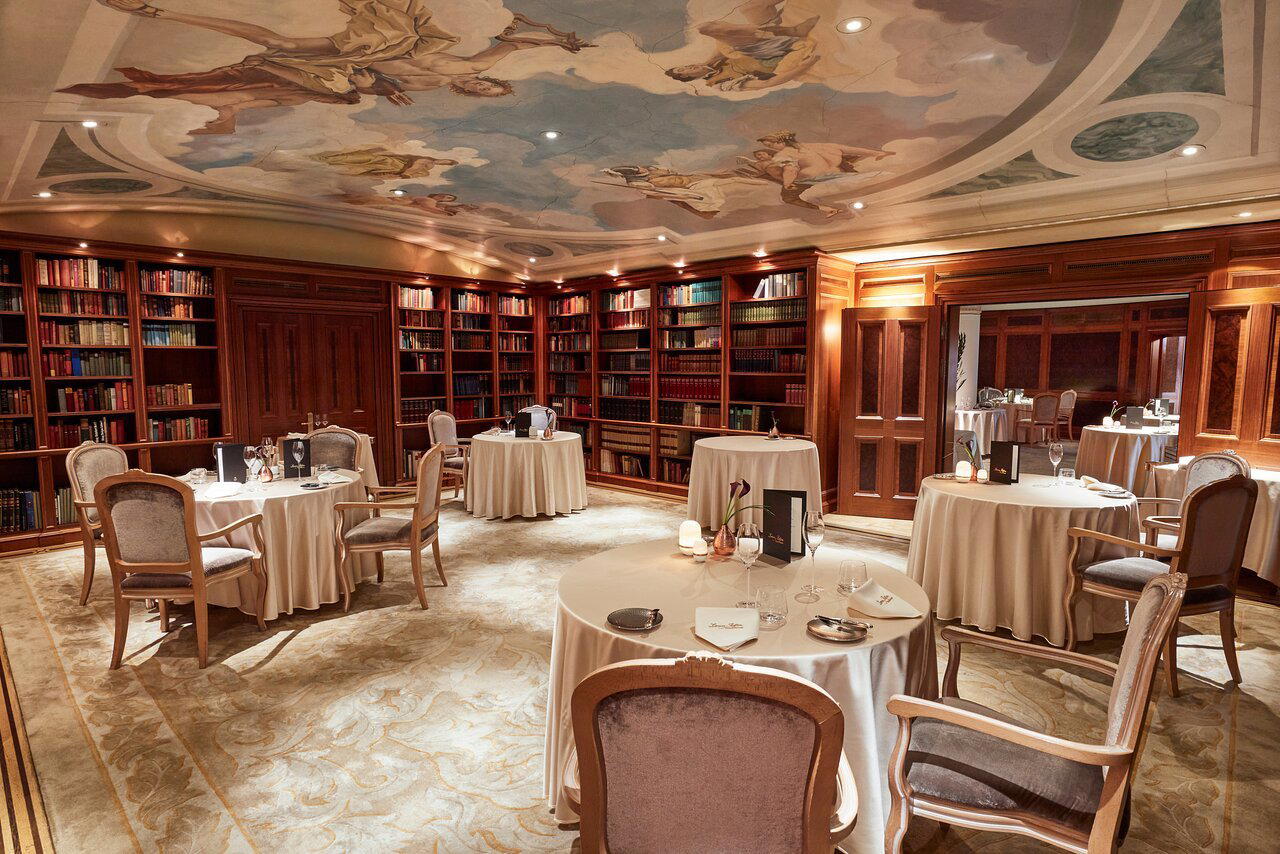
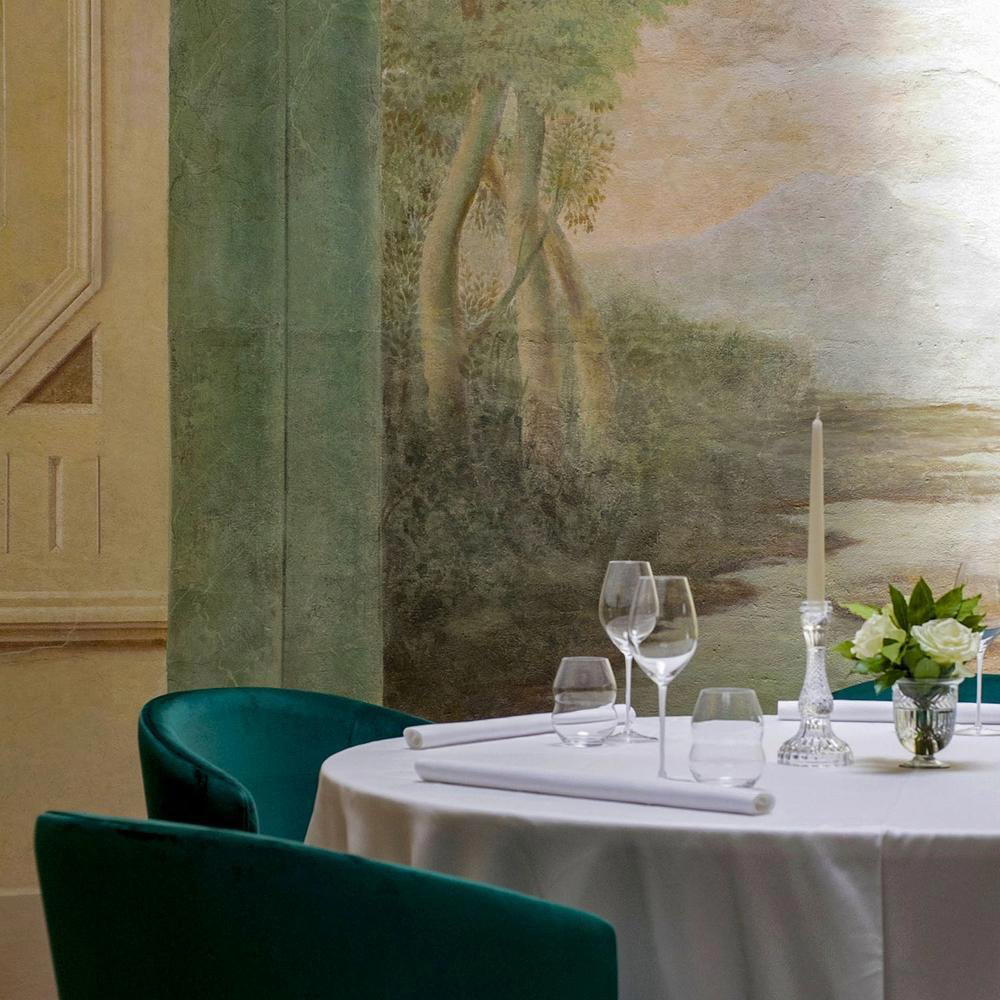
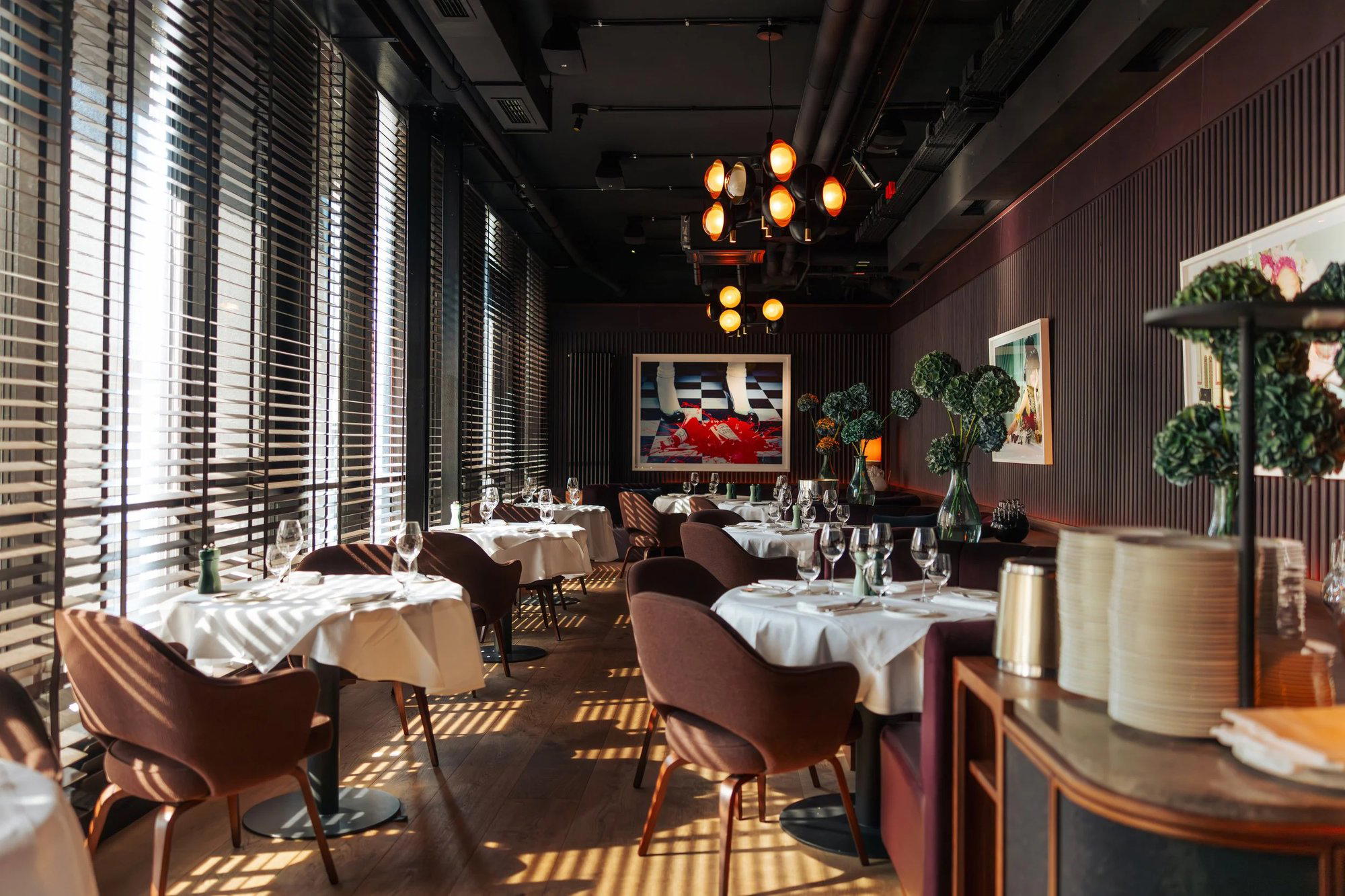
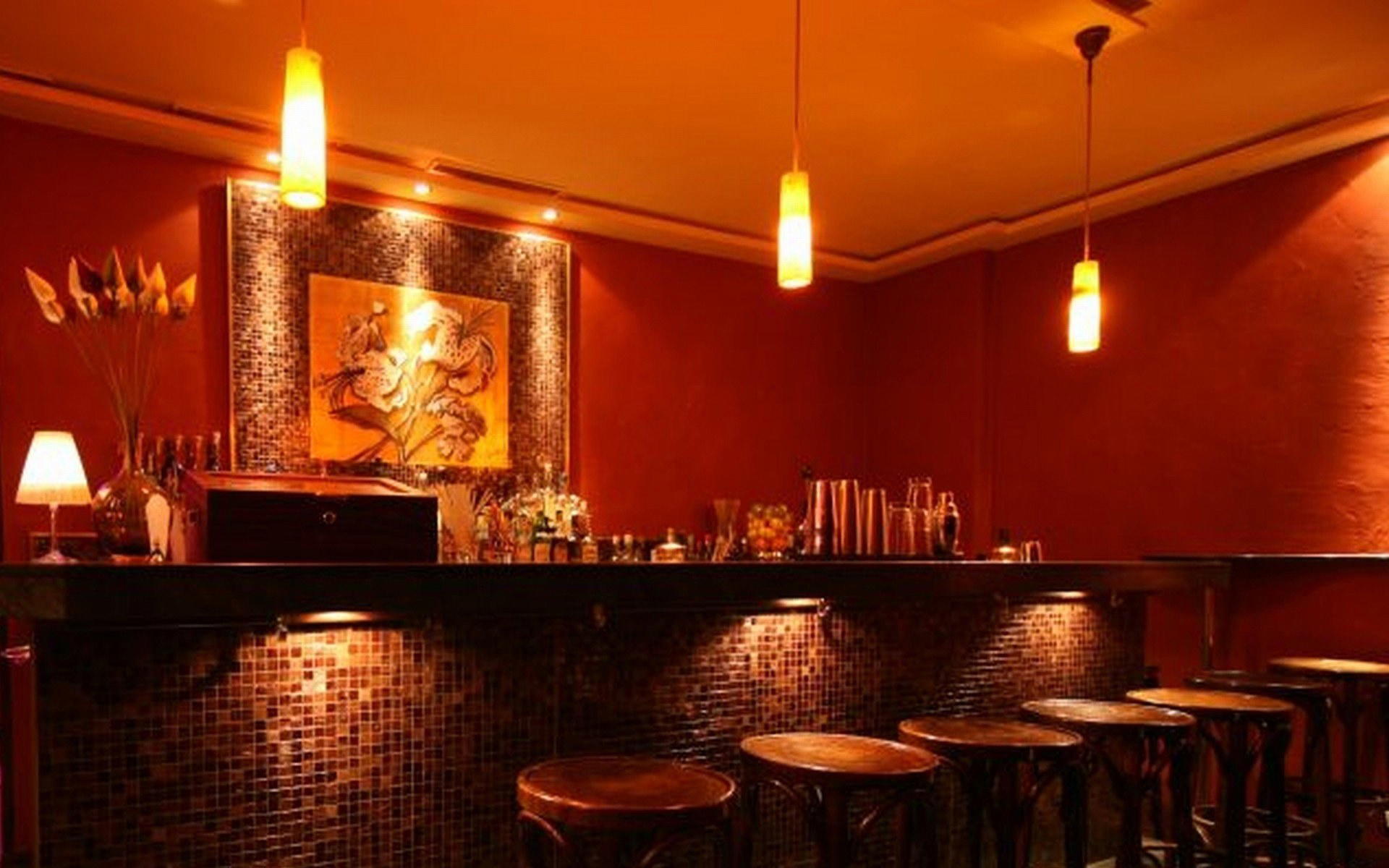
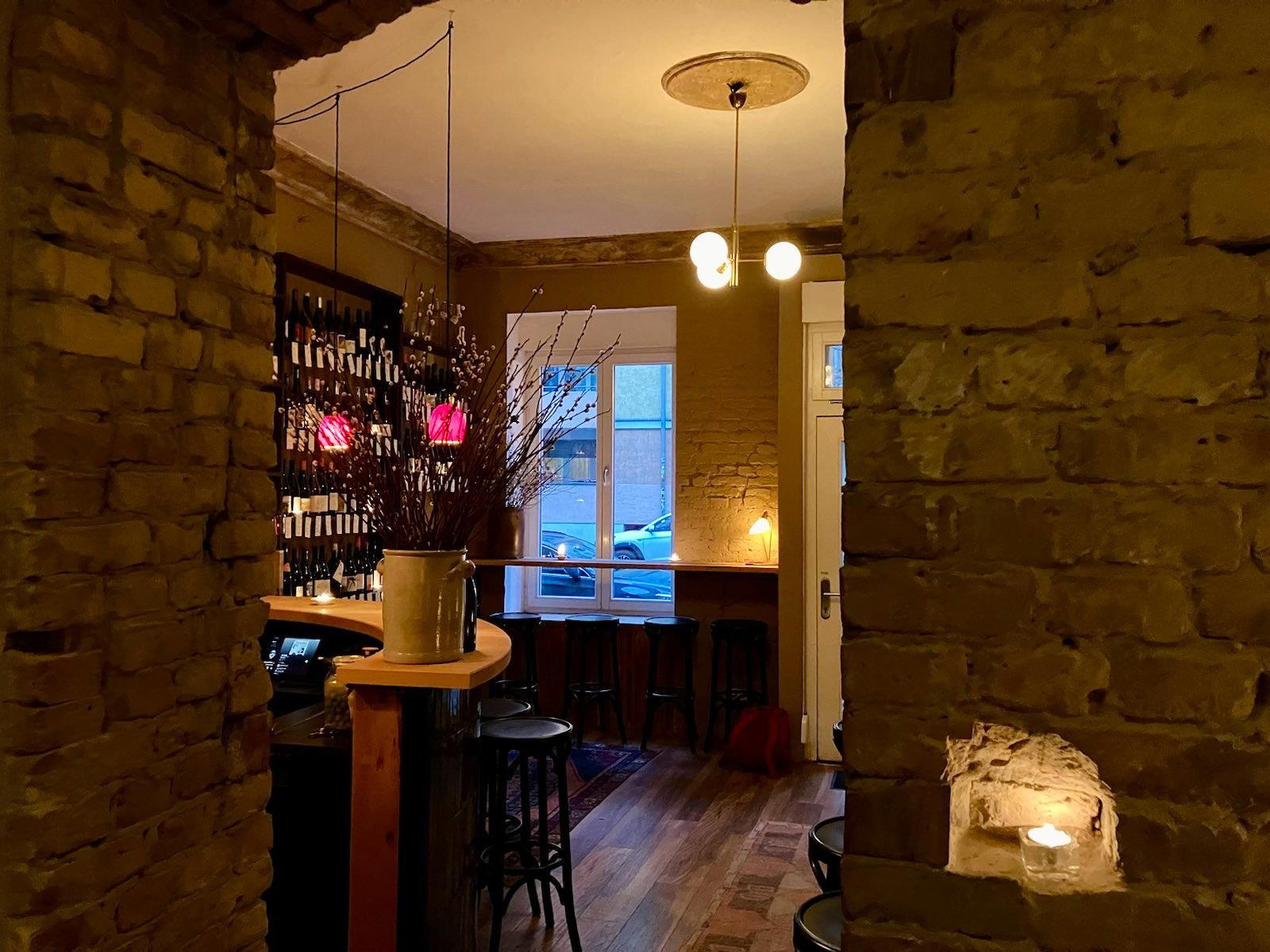
Cozy and calm atmosphere with warm hospitality and inviting decor.