Sake No Hana

Sake No Hana at 145 Bowery brings a refined Japanese dining format to one of Lower Manhattan's most contested restaurant corridors. The address places it at the intersection of the Bowery's rough-edged past and its current identity as a strip of serious hospitality. Practical details including hours, pricing, and booking methods are best confirmed directly with the venue before visiting.
Pearl is the En Primeur Club membership app — saves, bookings, and concierge access live there. Same editors, same standards.
- Address
- 145 Bowery, New York, NY 10002
- Phone
- +12122490315
- Website
- taogroup.com
- Directions
- Get directions
 Saves & bookings on Pearl
Japanese Fine Dining on the Bowery: A Format in Motion
Sake No Hana is a Modern Japanese Izakaya at 145 Bowery, New York, NY 10002. What was once a corridor associated with flophouses and lighting supply shops has, over the past fifteen years, absorbed a wave of hotels, galleries, and restaurants that pulled the address into a different competitive tier. Sake No Hana at 145 Bowery sits inside that longer arc, occupying a stretch of Lower Manhattan where the tension between neighborhood history and premium hospitality ambitions plays out on every block.
Japanese fine dining in New York has undergone a parallel transformation. The city once mapped neatly onto a familiar hierarchy: high-end omakase counters in Midtown, neighborhood sushi in the outer boroughs, izakaya formats scattered across the East Village and beyond. That map has been redrawn. Downtown addresses now hold serious Japanese programs, and the omakase tier has expanded well beyond its Midtown base. Masa, which operates at the upper end of the sushi counter format on Columbus Circle, set a price and format standard that the broader market has spent years responding to. The response has taken several forms, including more flexible formats, larger room sizes, and downtown locations that trade Midtown foot traffic for a different kind of dining clientele.
The Bowery Address as Editorial Statement
Location choices in New York dining carry meaning. A Japanese restaurant on the Bowery in 2024 reads differently than the same concept would have read in 2010, when the neighborhood was still mid-transition. The address now sits near the New Museum, within walking distance of the lower end of SoHo, and in a zone that draws a younger, design-aware crowd that does not route through Midtown by default.
This positions Sake No Hana in a competitive set that includes both the serious Japanese programs further uptown and the looser, more casual Japanese formats that have multiplied across the East Village and Lower East Side over the same period. The dining room format, pricing structure, and booking approach determine exactly where in that spread a venue lands.
Across the broader New York premium dining tier, the comparable reference points include venues like Atomix and Jungsik New York, which have made the case for Korean fine dining downtown and in Koreatown respectively, and Le Bernardin, which has held its position as the city's reference point for serious seafood-led tasting menus across multiple decades. Japanese fine dining at this level competes with all of them for the same dinner reservation budget, even when the cuisine categories differ.
Evolution Over Time: The Sake No Hana Format
The name the restaurant has prior history. The original the restaurant operated in London's Mayfair, where it positioned itself as a high-end Japanese restaurant within among the more expensive dining neighborhoods in Europe. That version of the concept generated a clear reputation for refined Japanese cooking in a Western luxury context, a format that several contemporaries including 8½ Otto e Mezzo Bombana in Hong Kong have explored in different registers across global markets.
The New York iteration represents a reinvention and relocation of that premise. Moving a Japanese fine dining format from Mayfair to the Bowery is not a lateral transfer. The clientele expectations, the neighborhood energy, and the competitive reference points all shift. What the format carries forward, and what it adapts to the downtown New York context, defines the current version of the restaurant. That kind of pivot, from established international address to downtown American relocation, tracks with a broader pattern in premium dining. Concepts that proved themselves in London or Hong Kong have increasingly tested American outposts, with results that vary based on how well the format translates to local dining culture rather than simply on the strength of the original reputation. For context, see how other transplanted fine dining programs have fared in cities like Chicago and Napa, where destination dining culture shapes expectations differently than in New York.
Reading the comparable set
For a New York diner trying to place the restaurant within the current Japanese and broader premium dining market, the relevant comparisons are direct. At the highest price point in the city's Japanese tier, Masa sets the ceiling. Below that, a cluster of serious omakase operations and full-service Japanese restaurants occupy the upper-middle band. The restaurant's positioning within that band depends on format, price, and the specific dining experience it delivers in its current incarnation on the Bowery.
Internationally, the restaurant name connects to a tradition of Japanese fine dining operating within Western luxury contexts, a format also visible at Alain Ducasse at Louis XV in Monte Carlo, which has similarly navigated the challenge of maintaining a specific culinary identity inside a high-expectation hospitality environment. The comparison is useful less as a direct parallel and more as a map of the category pressures involved.
Closer to home in the American premium dining circuit, Per Se remains the clearest example of how a tasting-menu format can sustain a premium position over time while absorbing significant critical reassessment. That history is instructive: format durability in New York fine dining requires both consistency and periodic recalibration to stay relevant to a demanding, well-traveled dining public. Other programs outside the city, from Blue Hill at Stone Barns in Tarrytown to Providence in Los Angeles, have managed that balance through strong editorial identity. The question for the restaurant's New York chapter is whether the downtown location and the evolved format produce a similarly durable identity.
Know Before You Go
- Address: 145 Bowery, New York, NY 10002
- Neighborhood: Bowery / Lower East Side
- Hours: Mon: Closed; Tue: 6–11 PM; Wed: 6–11 PM; Thu: 6–11 PM; Fri: 6 PM–12 AM; Sat: 6 PM–12 AM; Sun: 6–11 PM
- Reservations: Recommended
- Pricing: About $90 per person
- Dress code: Smart casual
Cost and Credentials
Comparable venues nearby, for context on price, style, and recognition.
| Venue | Cuisine | Price | Notes |
|---|---|---|---|
| Sake No HanaThis venue — the venue you are viewing | Not listed | $$$$ | Not listed |
| Sushi Sho | Midtown East, Edomae Omakase Sushi | $$$$ | Not listed |
| Rei Restaurant | Not listed | $$$$ | Greenwich Village, Modern Japanese Kaiseki |
| Gari Columbus | Not listed | $$$$ | Upper West Side (Central), Modern Japanese Sushi Omakase |
| Unnamed flagship Japanese fine-dining at One Bryant Park | Not listed | $$$$ | midtown manhattan, Japanese Fine-Dining Tasting Menu |
| Double Knot | Not listed | $$$ | Midtown, Japanese Sushi & Robatayaki Izakaya |
Recognition history
Dated appearances from independent guides and award organizations, with the underlying list record or original source where available.
Wine Spectator Award of Excellence
Wine Spectator
Continue exploring
More in New York City
Restaurants in New York City
Browse all →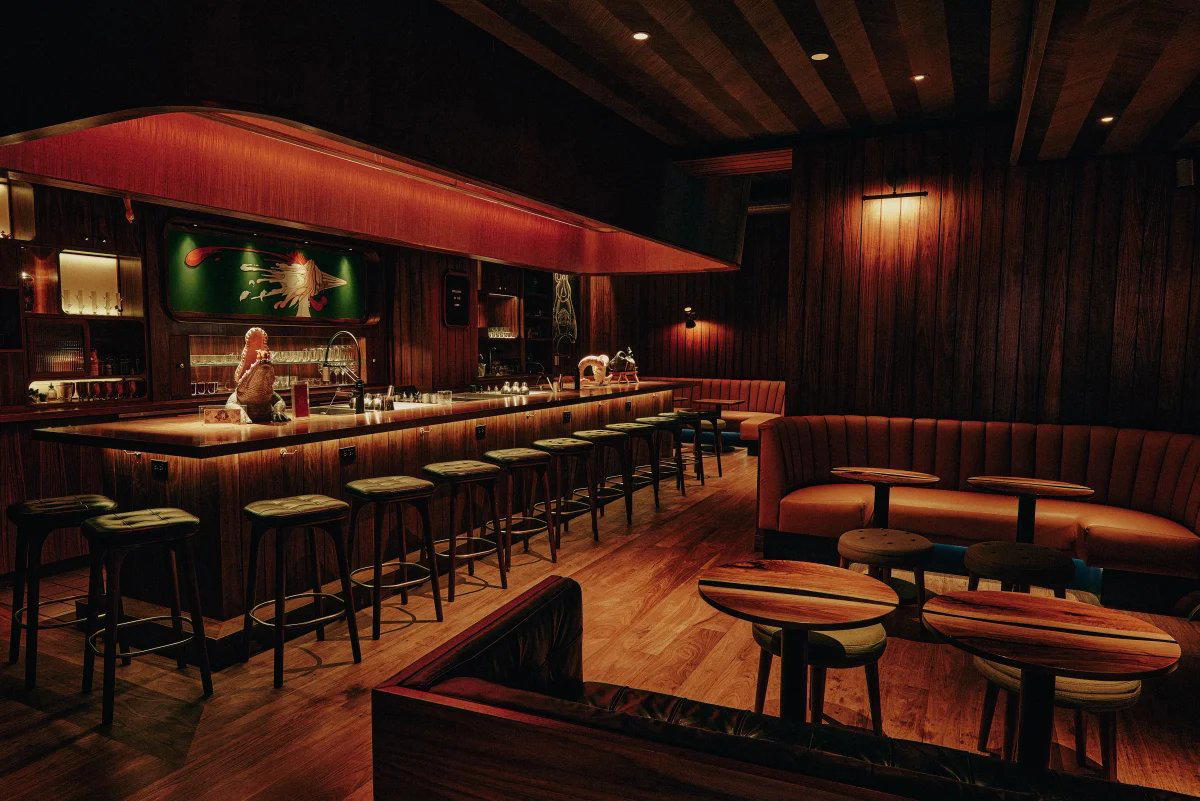
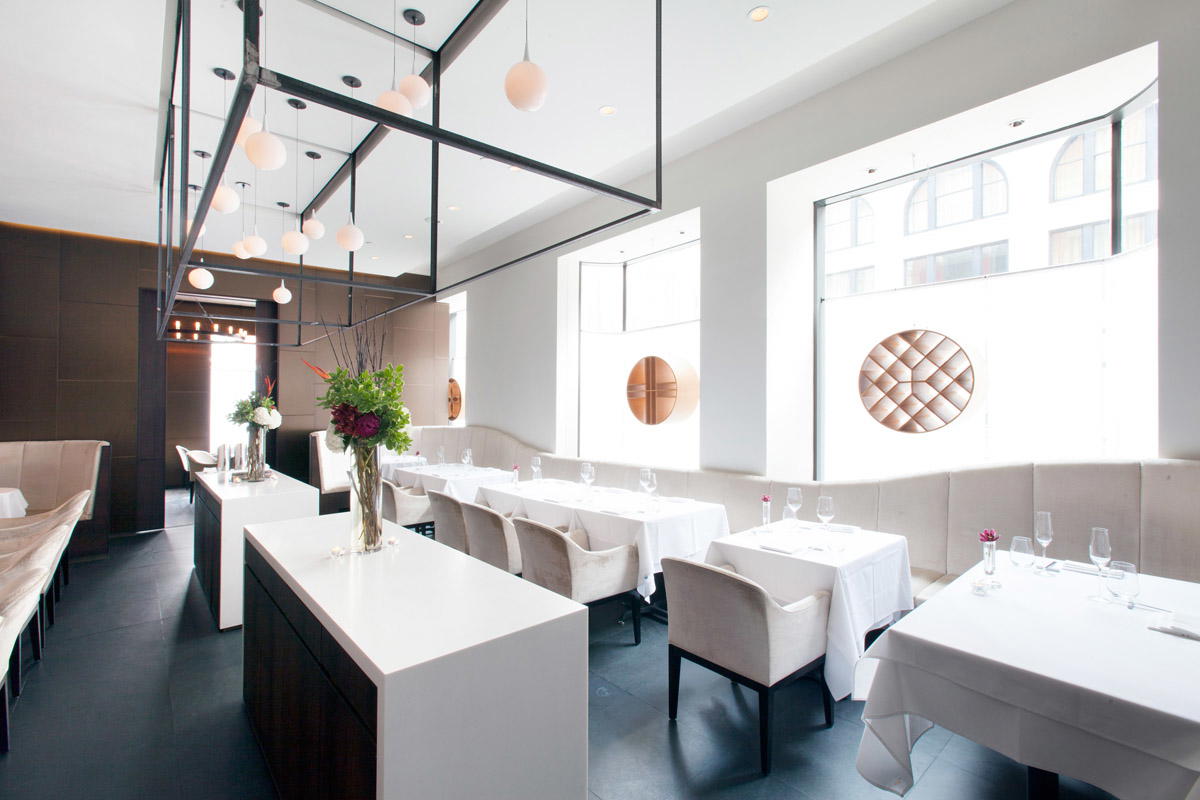
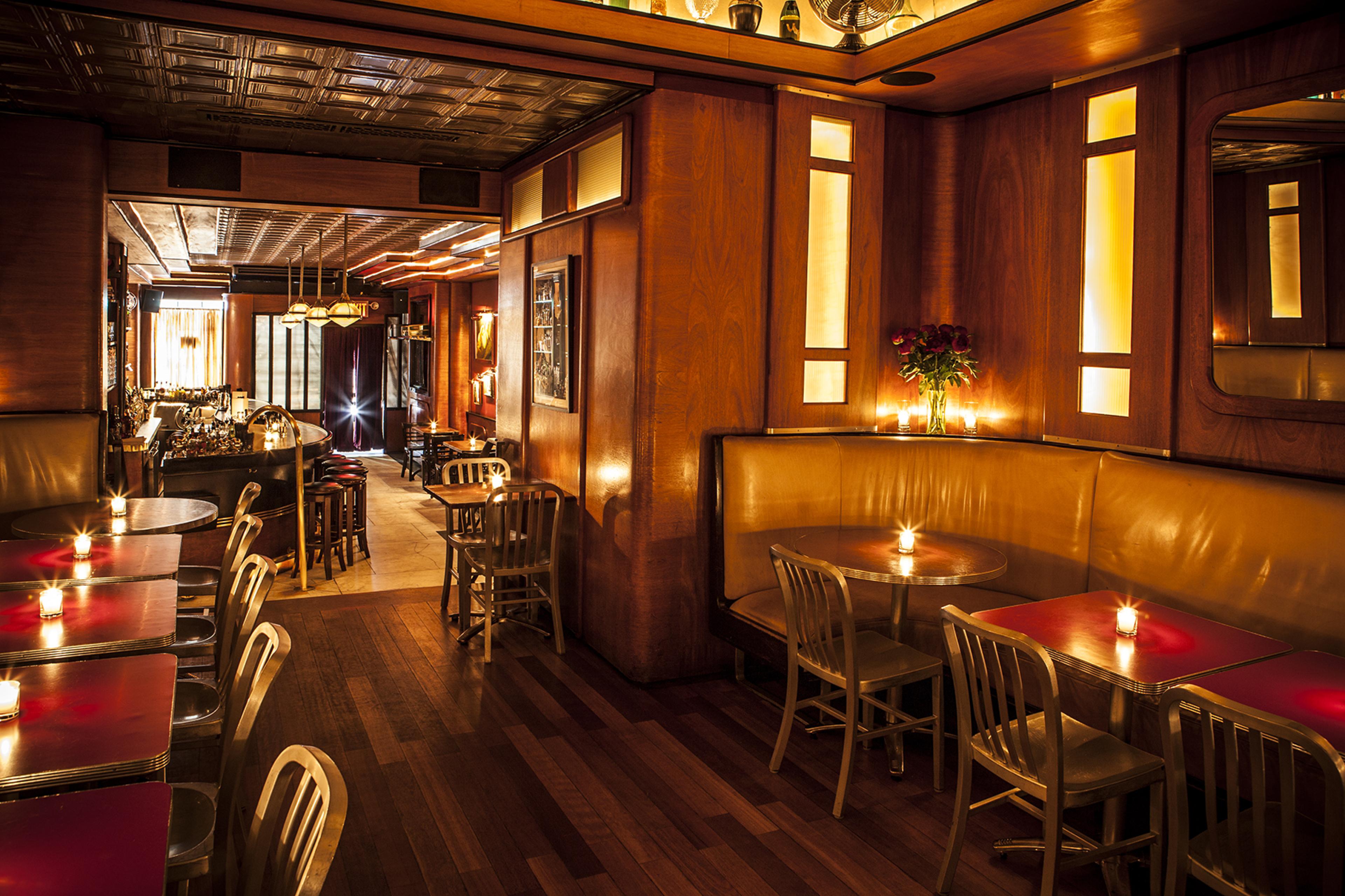
Bars in New York City
Browse all →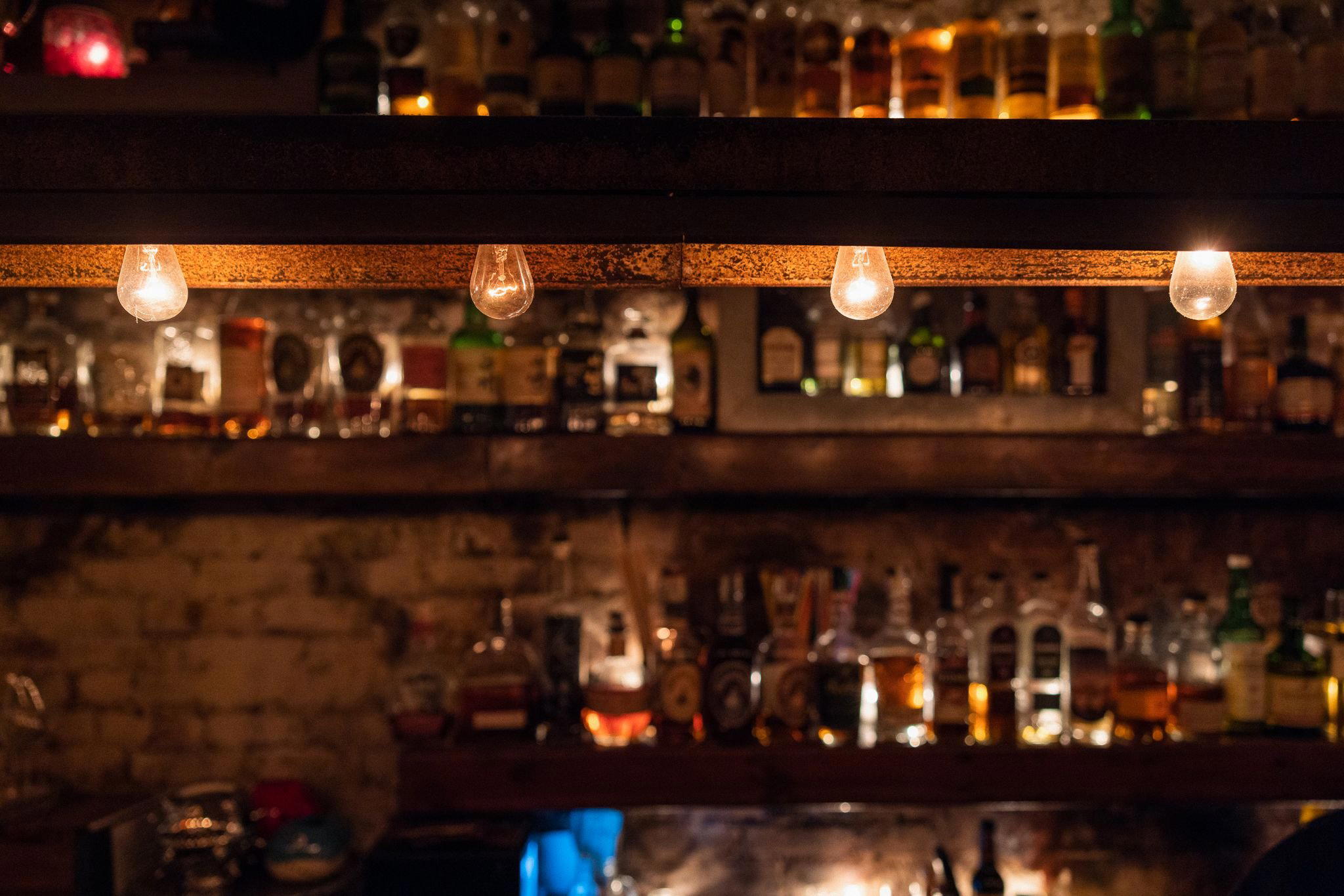
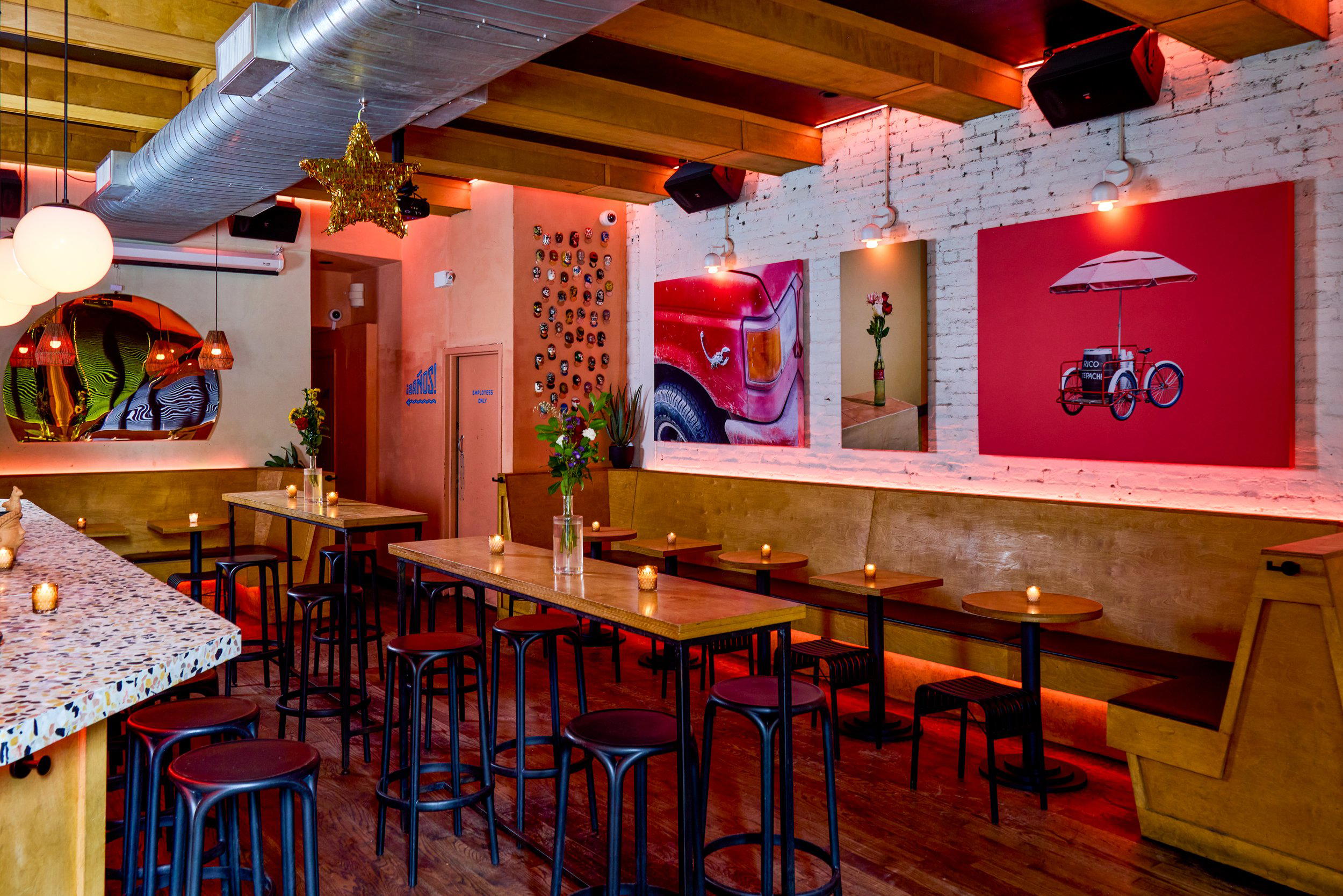
Hotels in New York City
Browse all →





At a Glance
- Lively
- Modern
- Elegant
- Trendy
- Energetic
- Sophisticated
- Group Dining
- Celebration
- Date Night
- Special Occasion
- Hotel Restaurant
- Open Kitchen
- Sake Program
- Craft Cocktails
Current opening hours
- Monday
- Closed
- Tuesday
- 6–11 PM
- Wednesday
- 6–11 PM
- Thursday
- 6–11 PM
- Friday
- 6 PM–12 AM
- Saturday
- 6 PM–12 AM
- Sunday
- 6–11 PM
Hours can change for holidays and private events. Last verified .
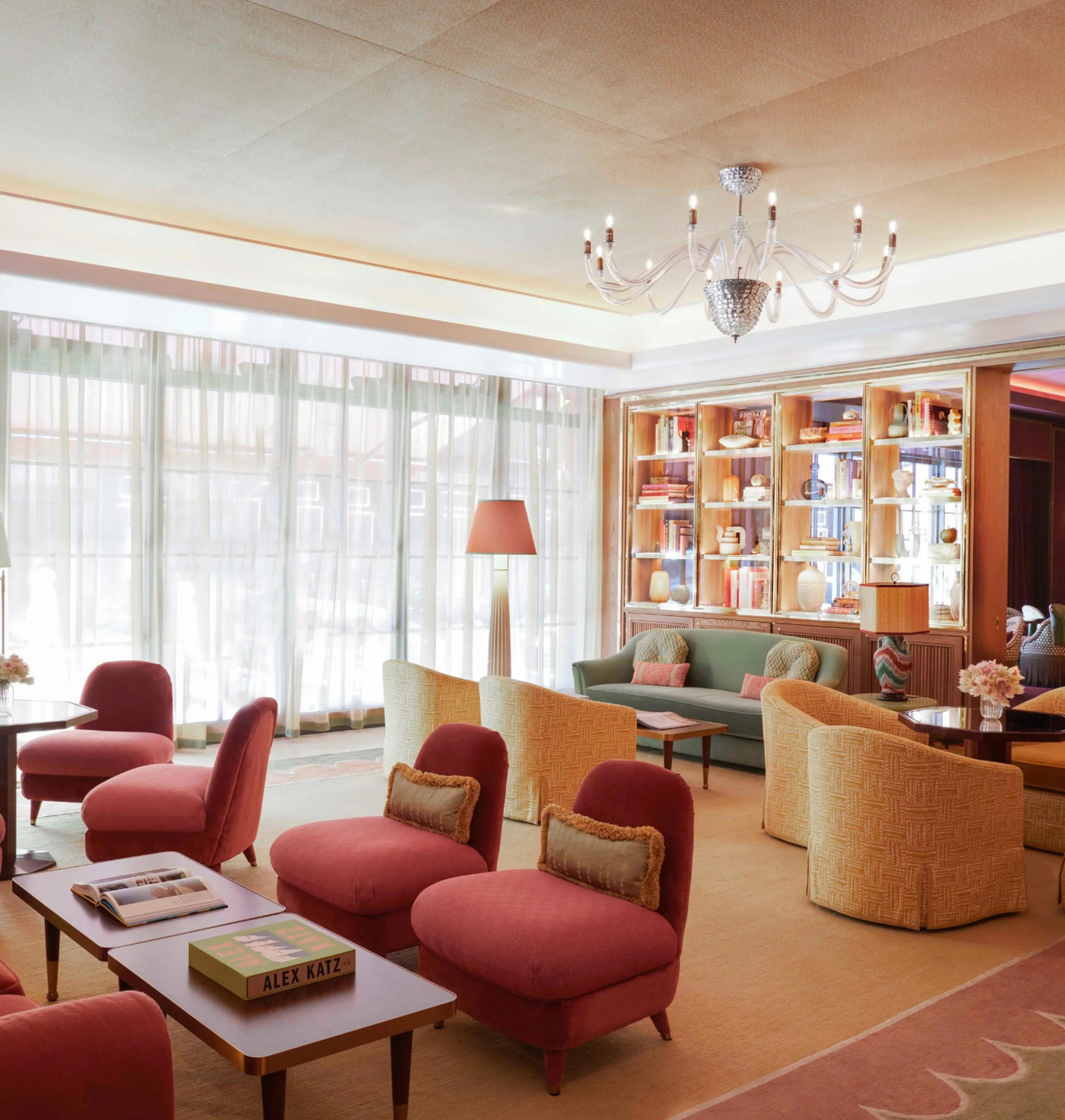
Stylish and lively with leather, metal, glass elements, kimono-like tapestries, and mirrored ceilings featuring Japanese pottery-inspired lighting fixtures, busy with alluring energy.