Rei Restaurant
Rei Restaurant serves Modern Japanese Kaiseki at 142 Sullivan St, with a chefs counter, open kitchen, and a leisurely dinner pace that suits a formal, quiet evening.
Pearl is the En Primeur Club membership app — saves, bookings, and concierge access live there. Same editors, same standards.
- Address
- 142 Sullivan St, New York, NY 10012
- Phone
- +16463572563
- Website
- reirestaurants.com
- Directions
- Get directions
 Saves & bookings on Pearl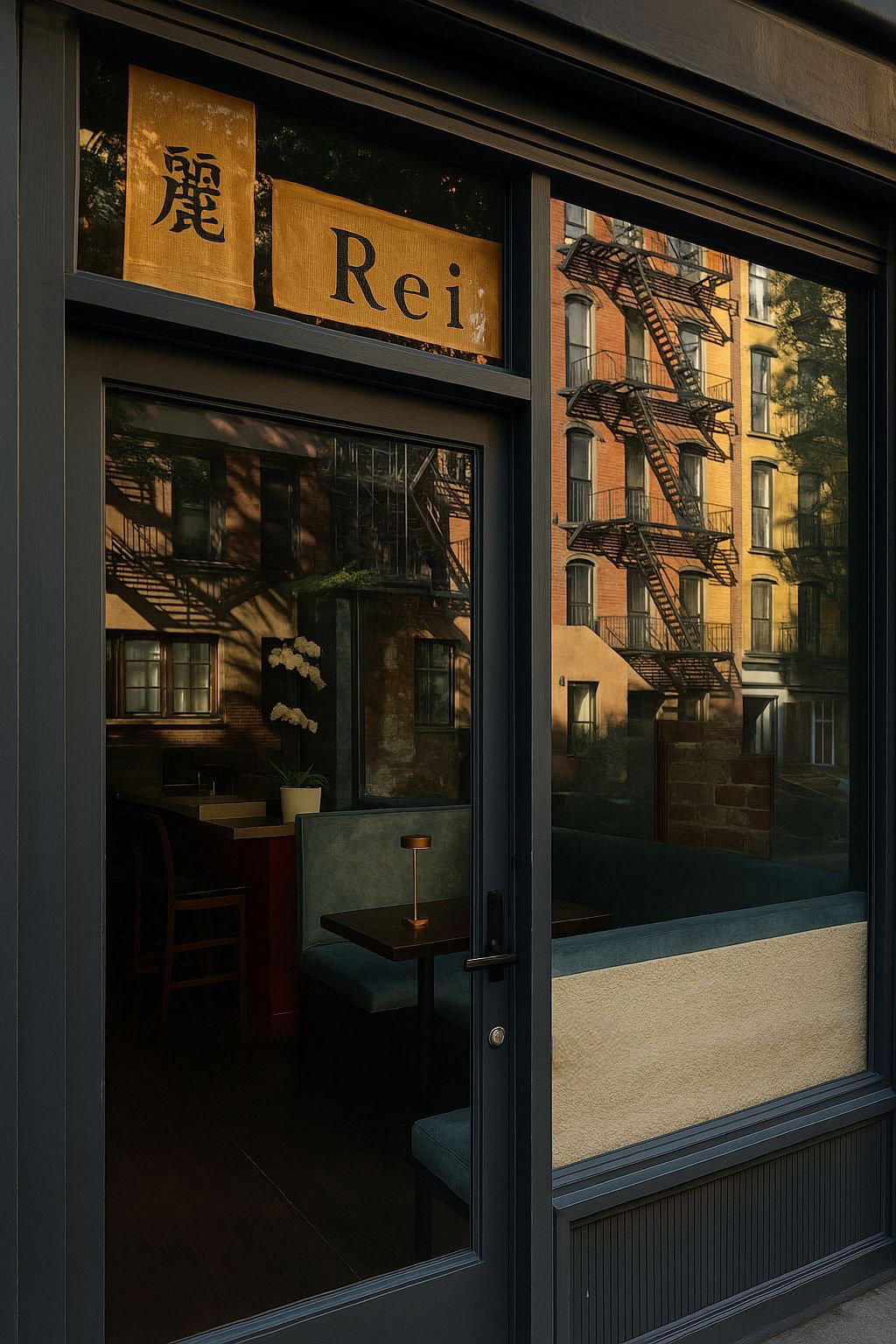
SoHo's Shifting Fine-Dining Address
Sullivan Street in SoHo has not always been a destination for serious dining. For most of the late twentieth century, the blocks between Spring and Prince ran on boutique retail and neighbourhood cafés, the kind of street that New Yorkers crossed rather than sought out. That has changed. As rents pushed ambitious operators out of the West Village and Tribeca toward adjacent corridors, SoHo's side streets absorbed a new tier of restaurants: smaller in footprint, deliberate in format, and often operating below the radar of the major guide circuits that track Midtown and the far West Side. Rei Restaurant is a Modern Japanese Kaiseki restaurant at 142 Sullivan St, New York, NY 10012, with a smart casual dress code and reservations essential. It sits inside this pattern. Its address tells part of the story before you walk through the door.
The broader SoHo dining shift matters as context. Counters and compact dining rooms on streets like Sullivan, Thompson, and MacDougal now compete for the same educated diner who might otherwise choose a table at Atomix in NoMad or book the counter at Masa in the Time Warner Center. The neighbourhood's appeal is partly geographic, walkable from the West Village, close to Nolita, and partly atmospheric. Rooms here tend toward intimacy over statement, which suits a certain kind of dining proposition that rewards repeat visits over spectacle.
The Evolution of the Format
New York's fine-dining scene has cycled through several distinct phases in the past two decades. The early 2000s belonged to the grand tasting-menu institution: Per Se on the fourth floor of the Time Warner Center, Le Bernardin on West 51st, rooms that announced their seriousness through scale, service ratios, and price. The mid-2010s introduced a counter-culture correction, with chef-driven tasting formats in smaller rooms emphasising cook-to-diner proximity. By the early 2020s, the defining tension was between restaurants that had survived pandemic closures by retrenching into a more focused format and those that had used the disruption as an opportunity to reinvent their proposition entirely.
The venue's presence on Sullivan Street in the post-pandemic SoHo dining scene places it among establishments that have arrived or pivoted into a city still recalibrating its restaurant identity. Across the country, similar evolutions are visible at Lazy Bear in San Francisco and Alinea in Chicago, both of which have used format reinvention as a way to maintain relevance as the dining culture around them shifted. In New York, the reinvention impulse has been particularly sharp, given how completely the city's restaurant population turned over between 2020 and 2023.
Progressive Korean cooking has been one of the more coherent through-lines in New York's fine-dining evolution during this period. Jungsik New York established a foothold for the format in the early 2010s; Atomix refined and refined the peer conversation a decade later. Its SoHo positioning places it in a neighbourhood where cross-cultural fine-dining formats have found a receptive audience.
What the Address Signals
At the level of neighbourhood intelligence, a 142 Sullivan Street address puts Rei on the western edge of SoHo, a short walk from the Hudson Street dining corridor and the concentrated gallery blocks of West SoHo. This part of lower Manhattan draws a different crowd than the Midtown corridors where Per Se and Le Bernardin have historically anchored fine dining. The SoHo diner tends to be younger, more likely to have discovered a room through word-of-mouth or social circulation than through a Michelin listing, and more tolerant of a room that hasn't yet accumulated institutional recognition.
That tolerance has historically been where interesting things happen in New York dining. Many of the city's most consequential restaurants spent their early years invisible to the major award circuits before breaking through. Comparable early-period dynamics played out at restaurants across the country, from Blue Hill at Stone Barns outside the city to Single Thread Farm in Healdsburg, both of which built serious reputations in periods before full institutional recognition caught up with their ambitions. For a venue like Rei, operating in a dense and competitive city, the SoHo positioning provides a degree of insulation from direct comparison to the Midtown establishment tier while leaving the door open for the kind of critical attention that neighbourhood discovery generates.
Placing Rei in the National Context
New York's fine-dining tier is among the more heavily benchmarked in the country, with direct competitive reference points extending beyond the city to rooms like The French Laundry in Napa, Providence in Los Angeles, Addison in San Diego, The Inn at Little Washington, Bacchanalia in Atlanta, and Emeril's in New Orleans. Internationally, the fine-dining reference points that New York critics most frequently invoke include 8½ Otto e Mezzo Bombana in Hong Kong and Alain Ducasse at Louis XV in Monte Carlo, rooms that represent the kind of institutional authority that New York's leading have historically measured themselves against.
Rei has not yet accumulated the award signals that would place it inside those comparison tiers. No Michelin recognition, James Beard nomination, or 50 Best placement appears in the record. For some rooms in SoHo, that absence is a temporary condition of newness; for others, it reflects a deliberate positioning outside the award-circuit conversation.
Planning Your Visit
Prospective diners should treat this as a venue in discovery mode. Reservations are essential. Dress: smart casual. Budget: expect about $150 per person. Timing: Neighbourhood foot traffic on Sullivan Street peaks on weekend evenings; a weekday visit typically offers a quieter approach to the block.
Recognition Snapshot
Comparable venues nearby, for context on price, style, and recognition.
| Venue | Cuisine | Price | Notes |
|---|---|---|---|
| Rei RestaurantThis venue — the venue you are viewing | Modern Japanese Kaiseki | $$$$ | Not listed |
| Kumiko Room | Modern Japanese Cocktail Bar & Omakase | $$$$ | West Loop |
| Sake No Hana | Modern Japanese Izakaya | $$$$ | SoHo-Little Italy-Hudson Square |
| Azabu New York | Traditional Edo-Mae Omakase | $$$$ | Tribeca-Civic Center |
| Juku | Japanese Omakase and Izakaya | $$$$ | Chinatown-Two Bridges |
| Sushi Kaito | Traditional Japanese Omakase | $$$$ | Upper West Side-Lincoln Square |
Continue exploring
More in New York City
Restaurants in New York City
Browse all →
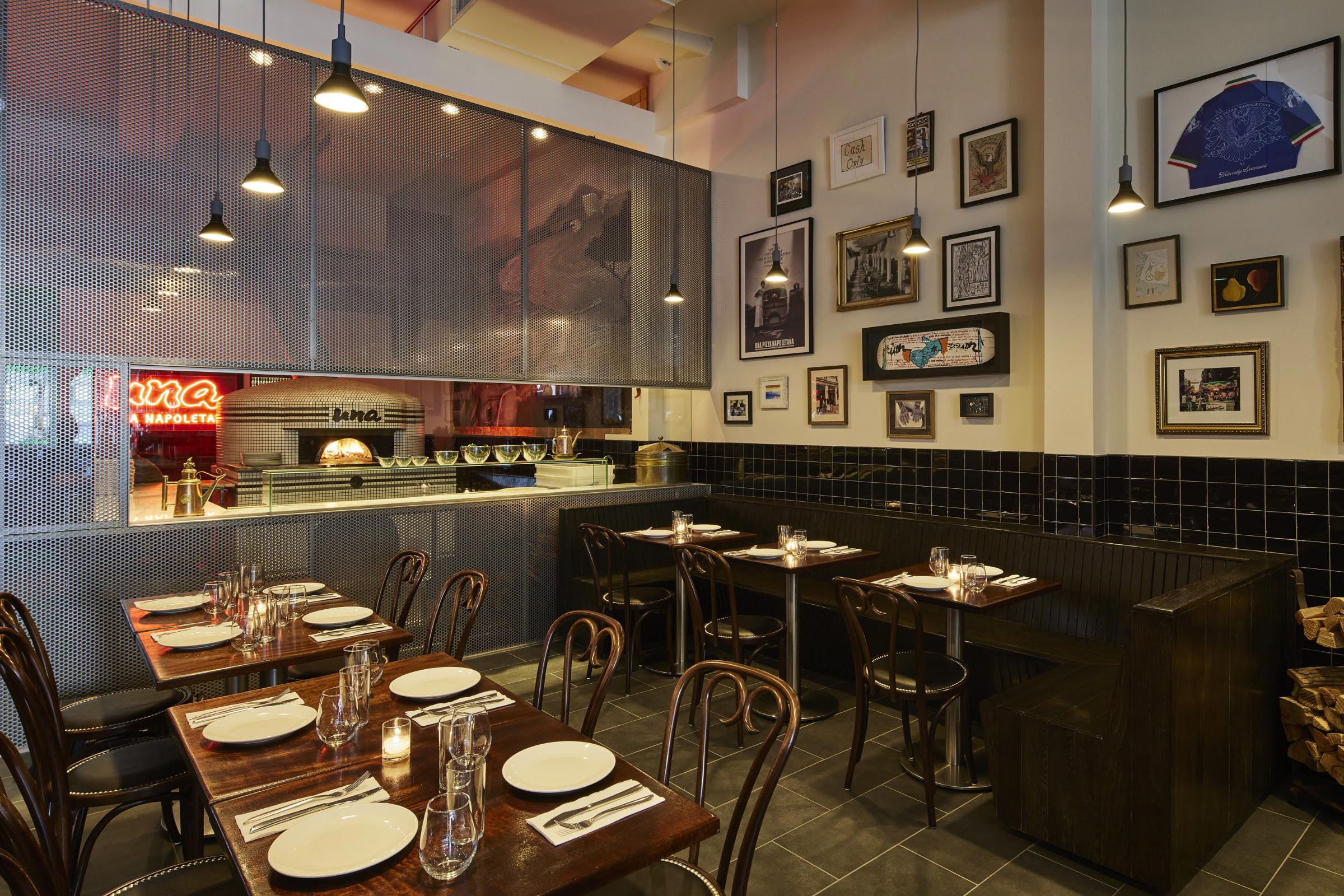
Bars in New York City
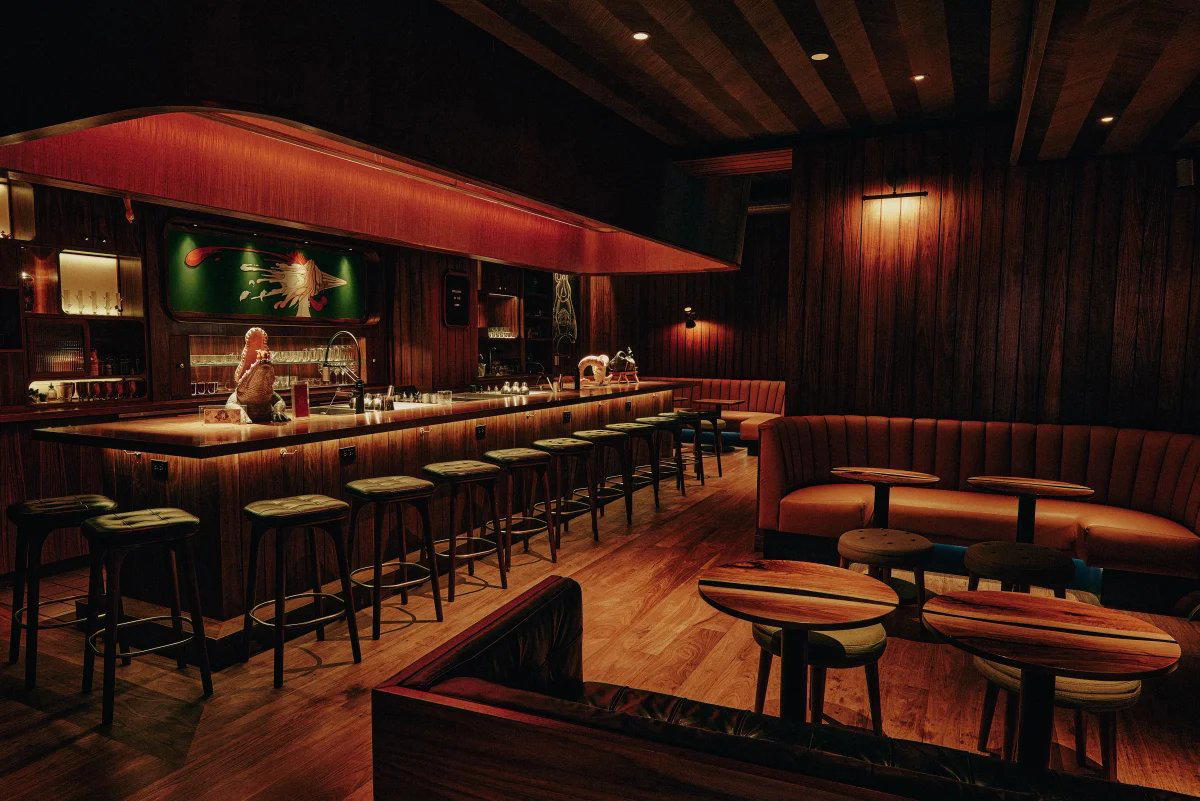
Browse all →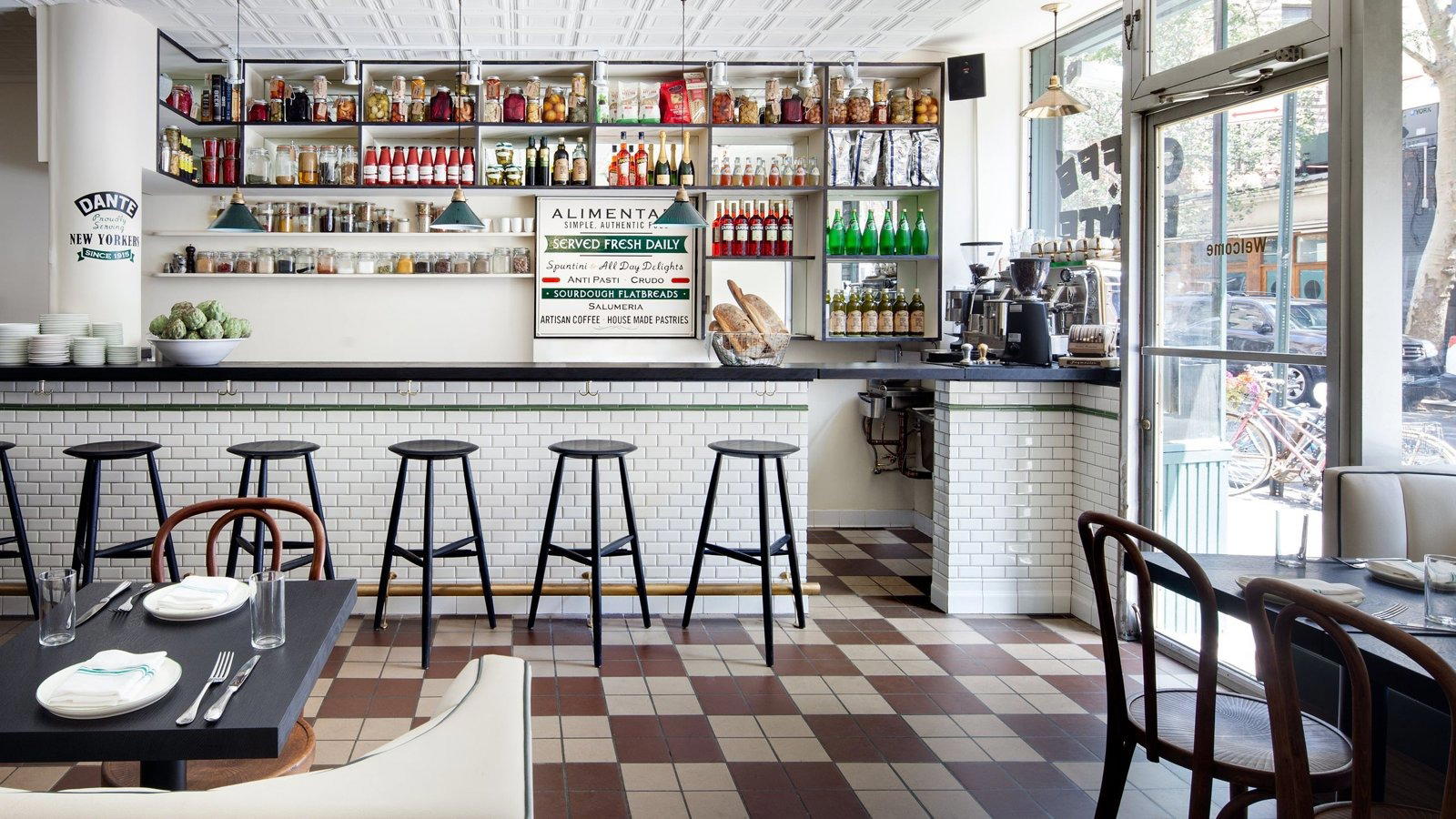
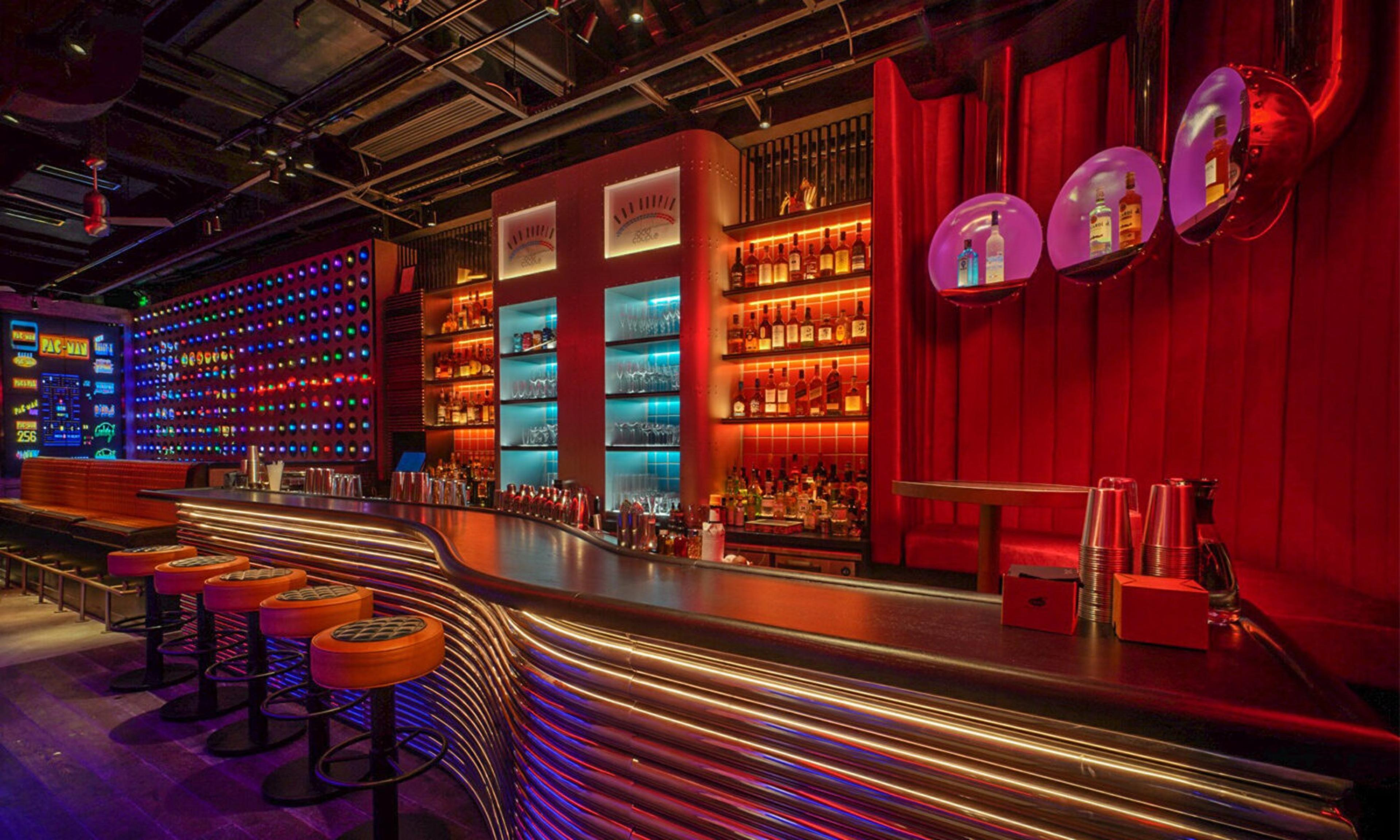
Hotels in New York City
Browse all →





At a Glance
- Elegant
- Modern
- Intimate
- Sophisticated
- Special Occasion
- Date Night
- Open Kitchen
- Chefs Counter
Current opening hours
- Monday
- 5–11 PM
- Tuesday
- Closed
- Wednesday
- 5–11 PM
- Thursday
- 5–11 PM
- Friday
- 5–11 PM
- Saturday
- 5–11 PM
- Sunday
- 5–11 PM
Hours can change for holidays and private events. Last verified .
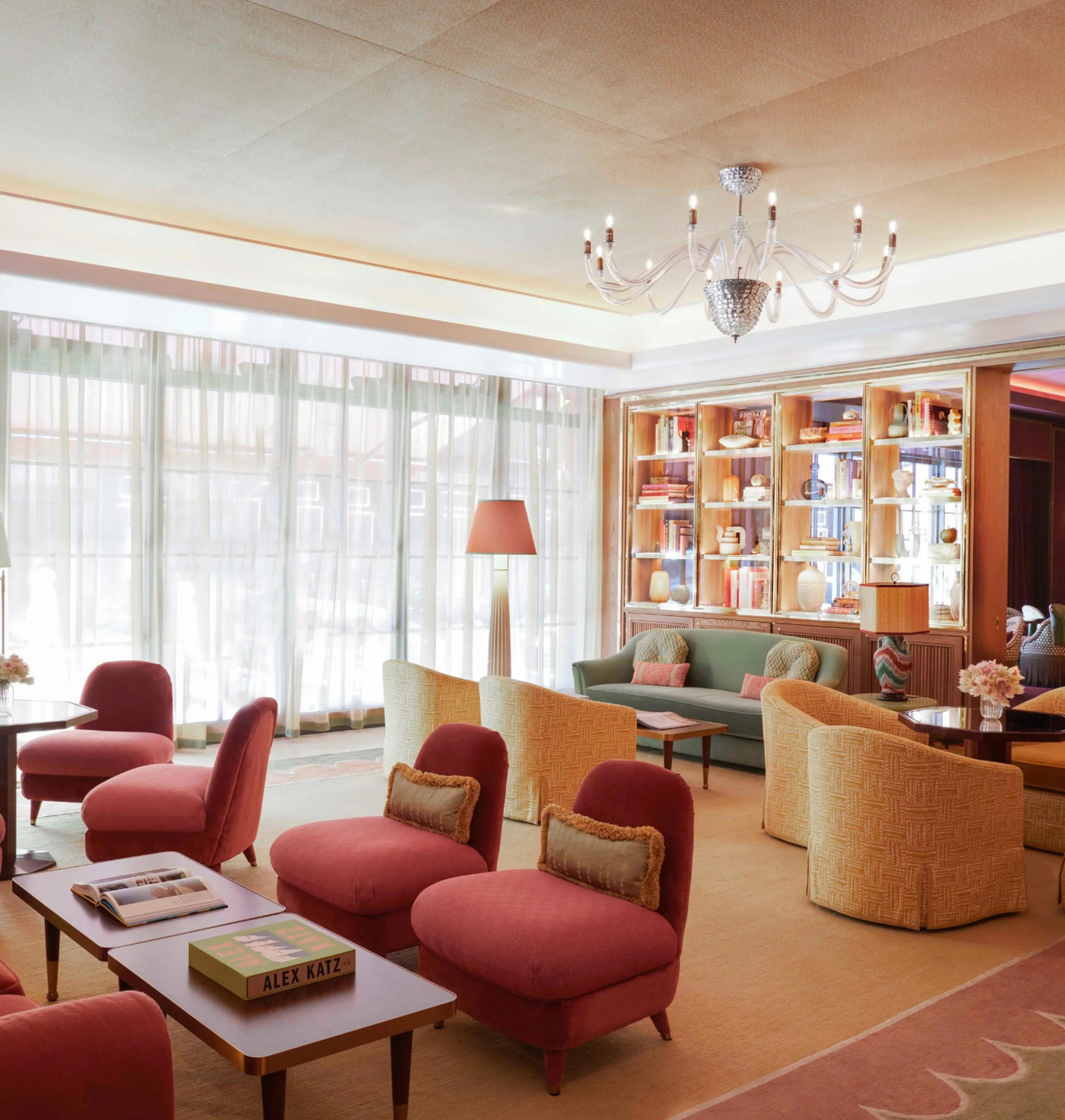
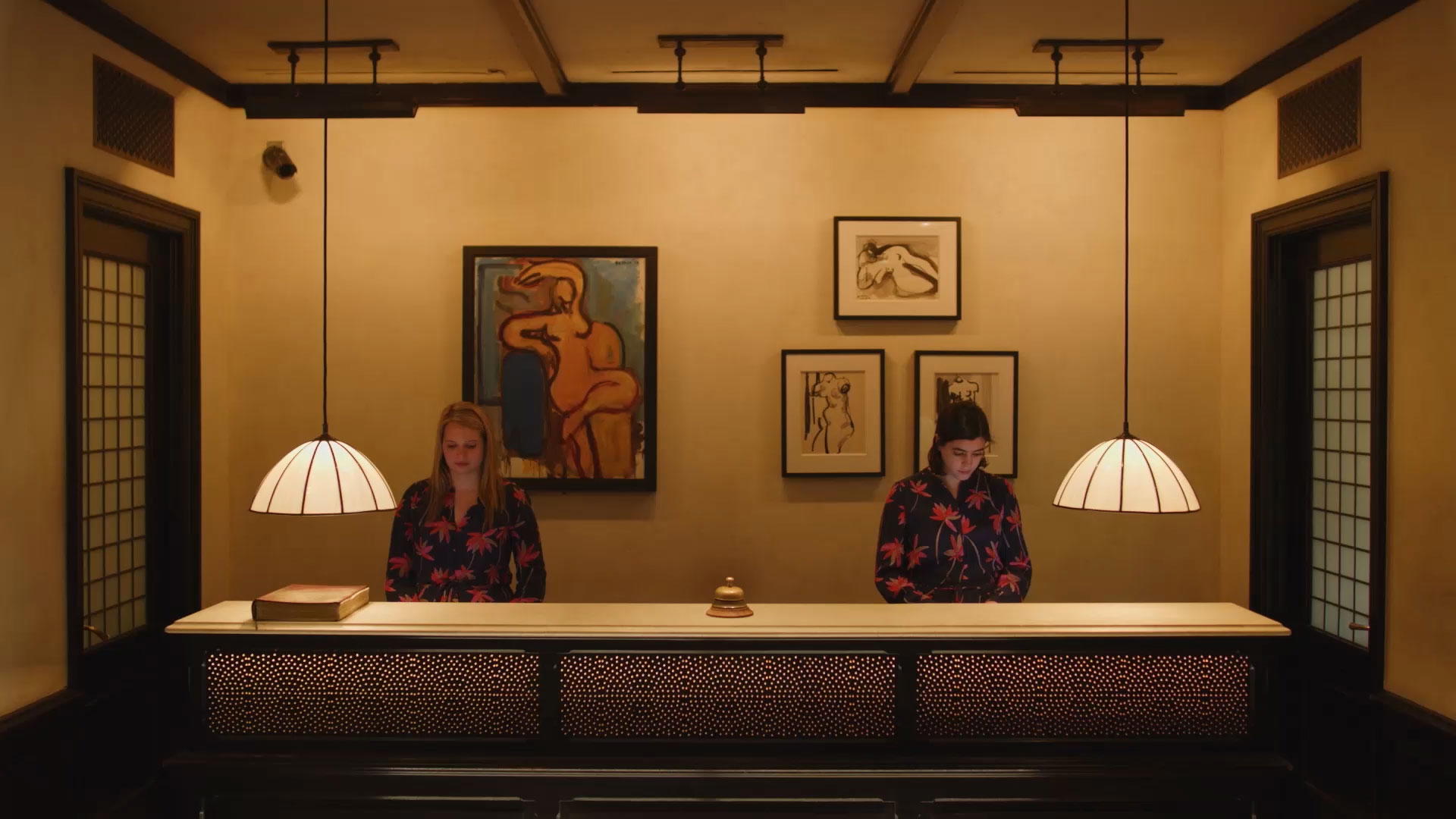
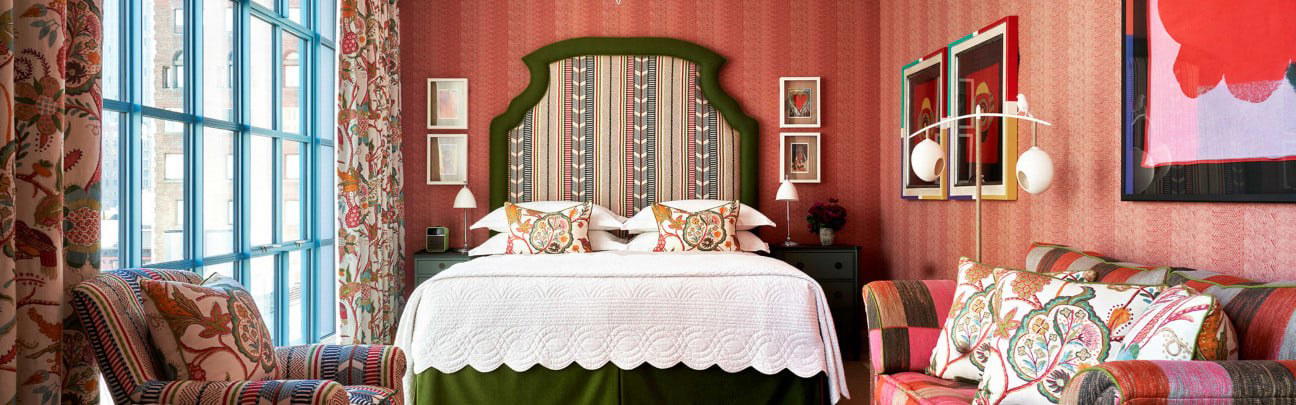
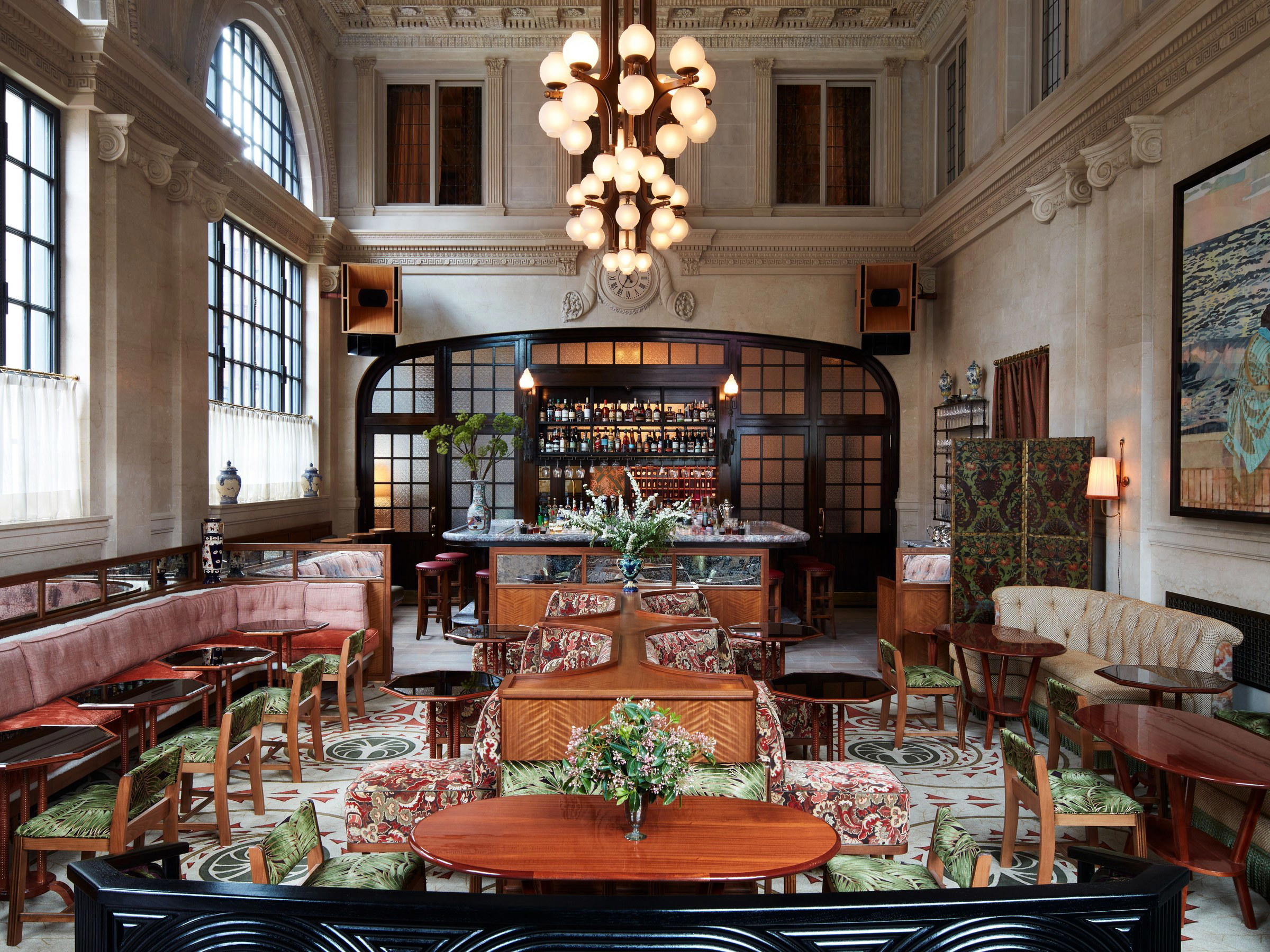
Lush couches in a beautifully curated, elegant space with thoughtful, luxurious atmosphere without pretension.