Unnamed flagship Japanese fine-dining at One Bryant Park
At One Bryant Park, Tadaaki Ishizaki's flagship Japanese fine-dining room applies French technique to Kansai-rooted tradition, placing it in the same conversation as New York's most demanding omakase and tasting-menu counters. The address alone positions the restaurant inside Midtown's tight cluster of destination dining, where the competition includes Masa and Per Se. Advance planning is required.
- Address
- New York City, United States
Midtown at Its Most Considered
One Bryant Park is not a building that asks for subtlety. The tower's glass curtain wall dominates the west side of Sixth Avenue at 42nd Street, and the ground-level retail and dining activity around it reflects the density of expectation that comes with a Midtown address of that calibre. Fine dining here does not exist in isolation: it competes for attention against particularly scrutinised restaurant tables in the United States. That is the environment in which the Japanese fine-dining restaurant at One Bryant Park operates.
New York's upper-tier Japanese fine dining has consolidated into a recognisable tier over the past decade. Masa in the Time Warner Center represents the omakase ceiling, where the price per head has historically exceeded any comparable counter in the country. The Chef's Table at Brooklyn Fare occupies the intersection of Japanese and French technique with three Michelin stars. What Ishizaki's program at One Bryant Park introduces is a perspective grounded not in Tokyo's Kanto orthodoxy but in the older, more ingredient-obsessed traditions of Kansai.
Kansai vs. Kanto: Why the Regional Distinction Matters
The divide between Kansai and Kanto cooking is one of the more consequential regional arguments in Japanese cuisine, and it shapes how a restaurant like this one should be read. Kanto cooking, centred on Tokyo, historically used darker, saltier soy-based broths and developed the high-precision, product-driven aesthetic that now defines global perceptions of Japanese fine dining. Kansai cooking, centred on Osaka and Kyoto, operates from a different premise: lighter dashi, more visible sweetness in seasoning, and a philosophy that treats the ingredient as the statement rather than the technique.
Kaiseki, the multi-course format that emerged from Kyoto's tea ceremony tradition, is the clearest expression of Kansai sensibility at the fine-dining level. Its architecture is seasonal to a degree that few Western tasting menus match: the menu is not merely adjusted for the season but is, in principle, impossible to replicate outside its seasonal moment. A spring menu in Kyoto-trained kaiseki relies on bamboo shoot, cherry blossom, and the specific bitterness of early-season mountain vegetables in ways that have no summer equivalent. That commitment to seasonality carries through to any serious program in this lineage, which means the experience at One Bryant Park in October looks structurally different from the same room in April.
The French technique layer adds a separate dimension. The intersection of Japanese precision and French classical training has produced particularly discussed restaurants of the past two decades globally, from Kei in Paris to the work of chefs who carried Robuchon or Ducasse methods back to Japan. The relevant comparison in New York is not just Masa's pure Japanese format but also the Franco-Japanese logic of the Chef's Table at Brooklyn Fare and, at a different angle, the technical rigour of Le Bernardin's seafood handling. Ishizaki's program sits at a specific point on that spectrum: Kansai seasonal instincts applied through French culinary structure.
Where This Fits in New York's Fine-Dining Architecture
New York's fine-dining tier is more compressed than it appears from outside. The restaurants that compete for the same reservation window, the same corporate and private entertainment budgets, and the same critical attention include Per Se in Columbus Circle, Le Bernardin on West 51st, and Masa a short distance to the west. Each of those occupies a distinct format lane. Per Se is the American grand tasting menu in the French Laundry lineage (the Yountville original is covered in our French Laundry feature). Le Bernardin is a seafood-first classical French room. Masa is a pure omakase experience at the upper limit of price and restraint.
What Ishizaki's room offers is a format that does not map cleanly onto any of those. The kaiseki structure provides more courses and more narrative arc than a standard tasting menu. The French-technique component means the cooking is not exclusively Japanese in execution, which places it closer to the Chef's Table at Brooklyn Fare than to Masa in terms of conceptual territory. That positioning is not a weakness. It is precisely the kind of specificity that allows a serious diner to make an informed choice rather than defaulting to whichever address has particularly Michelin stars.
The Seasonal Argument for Timing Your Visit
If the kaiseki framework is operating as intended, the significant variable in planning a visit is the calendar. The transition months, late March through April and October through November, represent the periods when kaiseki cooking is under greater pressure to perform: spring's first vegetables and autumn's mushroom and root harvest are the benchmarks against which a Kansai-trained kitchen is traditionally judged. A meal in February or August is not a lesser experience, but it is a different one, and the gap between a kitchen executing comfortably and a kitchen working at the edge of its seasonal ambition is often most visible at those transition points.
Same-City Peers
Comparable venues nearby, for context on price, style, and recognition.
| Venue | Cuisine | Price | Notes |
|---|---|---|---|
| Unnamed flagship Japanese fine-dining at One Bryant ParkThis venue — the venue you are viewing | Japanese Fine-Dining Tasting Menu | $$$$ | Not listed |
| Aman New York | Modern Japanese Omakase & Italian Harvest Cuisine | $$$$ | Midtown-Times Square |
| Fushimi Times Square | Modern Japanese Fusion Sushi | $$$$ | Hell's Kitchen |
| Kappo Sono | Japanese Kaiseki | $$$$ | Greenwich Village |
| Sugiyama | Traditional Japanese Kaiseki | $$$$ | Midtown West |
| Coral Omakase at Point Seven | Modern Japanese Omakase | $$$$ | Midtown-Times Square |
Continue exploring
More in New York City
Restaurants in New York City
Browse all →
Bars in New York City
Browse all →


At a Glance
- Elegant
- Sophisticated
- Intimate
- Modern
- Special Occasion
- Date Night
- Business Dinner
- Sake Program
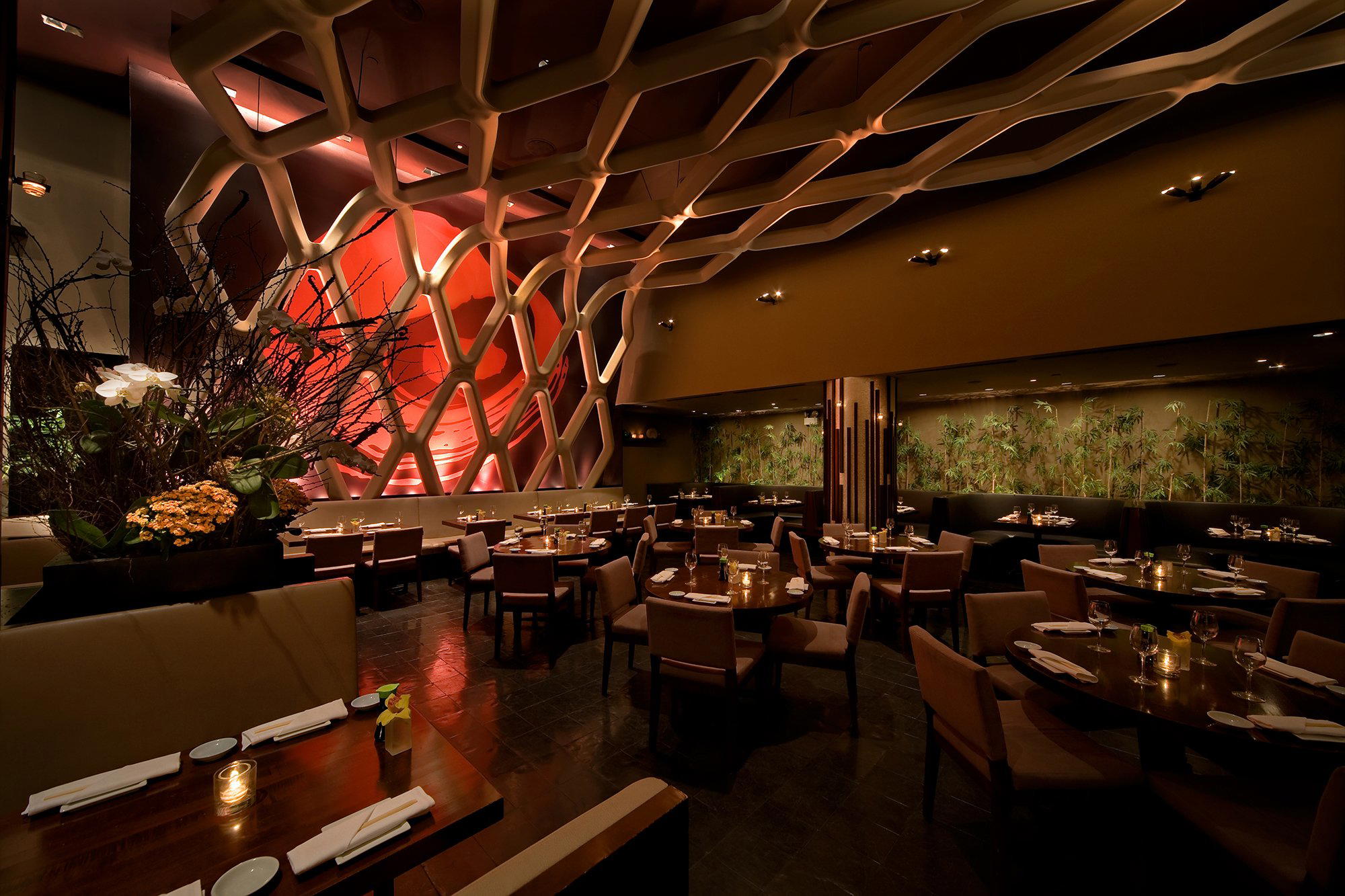
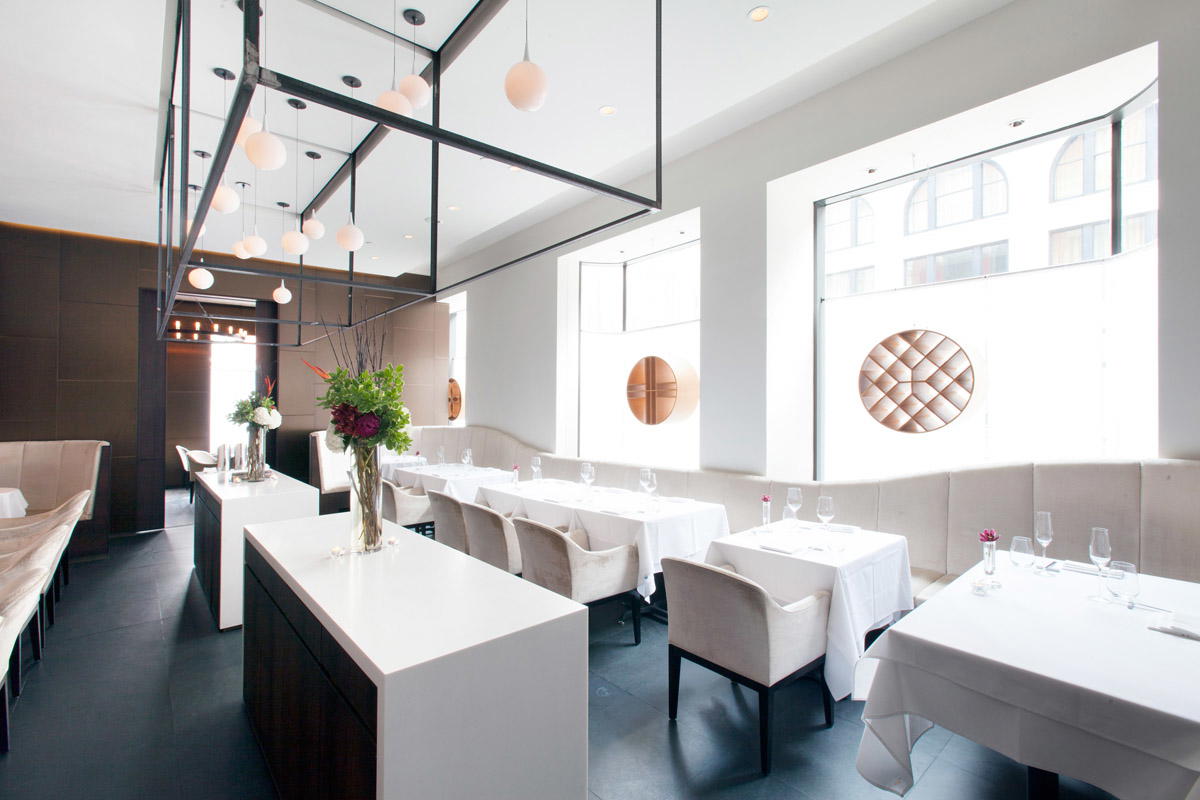
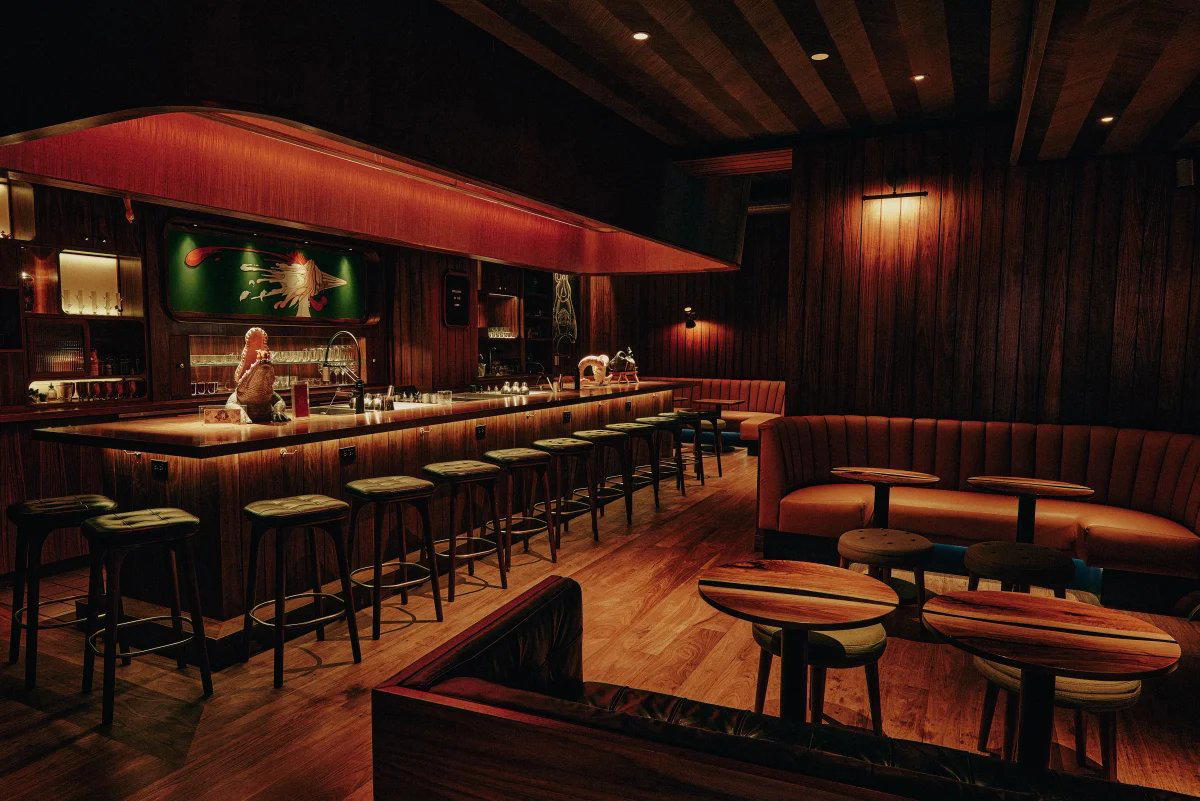
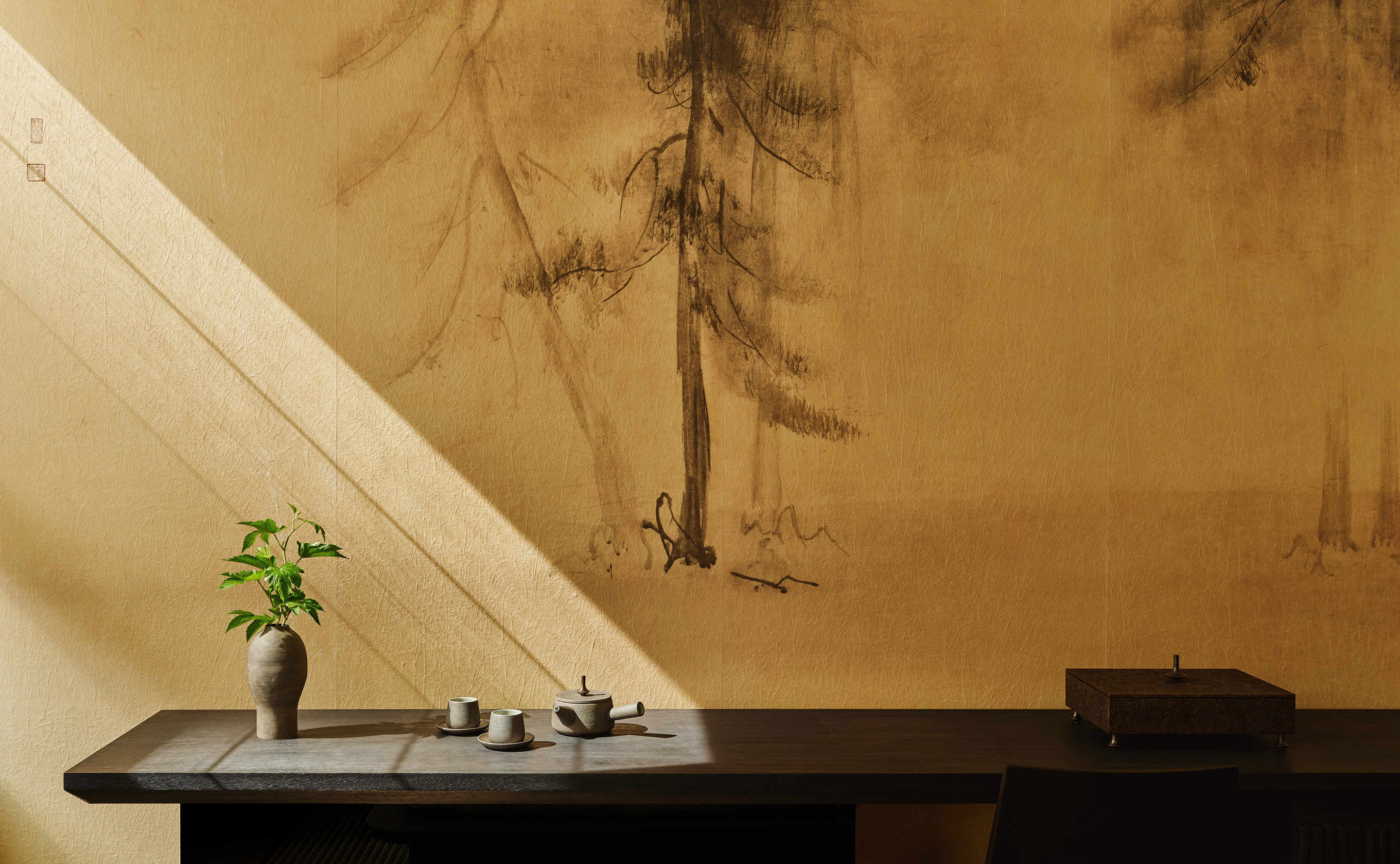
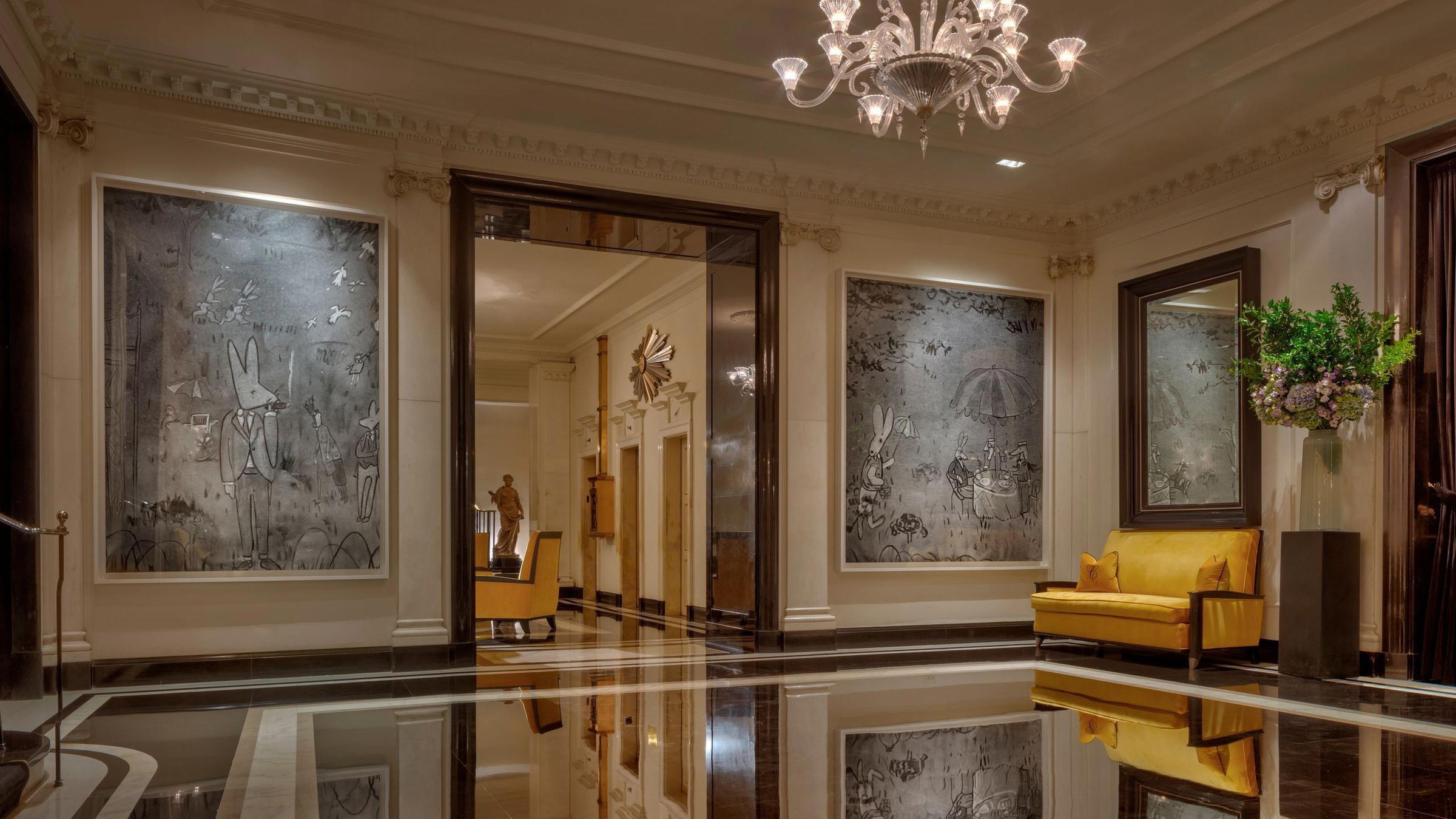
Elegant fine-dining atmosphere emphasizing quiet precision, seasonal harmony, and poetic Japanese artistry.