Gari Columbus
Gari Columbus on the Upper West Side belongs to the tradition of chef-driven sushi counters that changed how New York eats Japanese food. The kitchen built its reputation on a house style of composed nigiri that layers cooked and raw toppings over seasoned rice, a format that sits outside standard omakase conventions and continues to draw a loyal neighbourhood following decades after opening.
Pearl is the En Primeur Club membership app — saves, bookings, and concierge access live there. Same editors, same standards.
- Address
- 370 Columbus Ave, New York, NY 10024
- Phone
- +12123624816
- Website
- sushiofgari.com
- Directions
- Get directions
 Saves & bookings on Pearl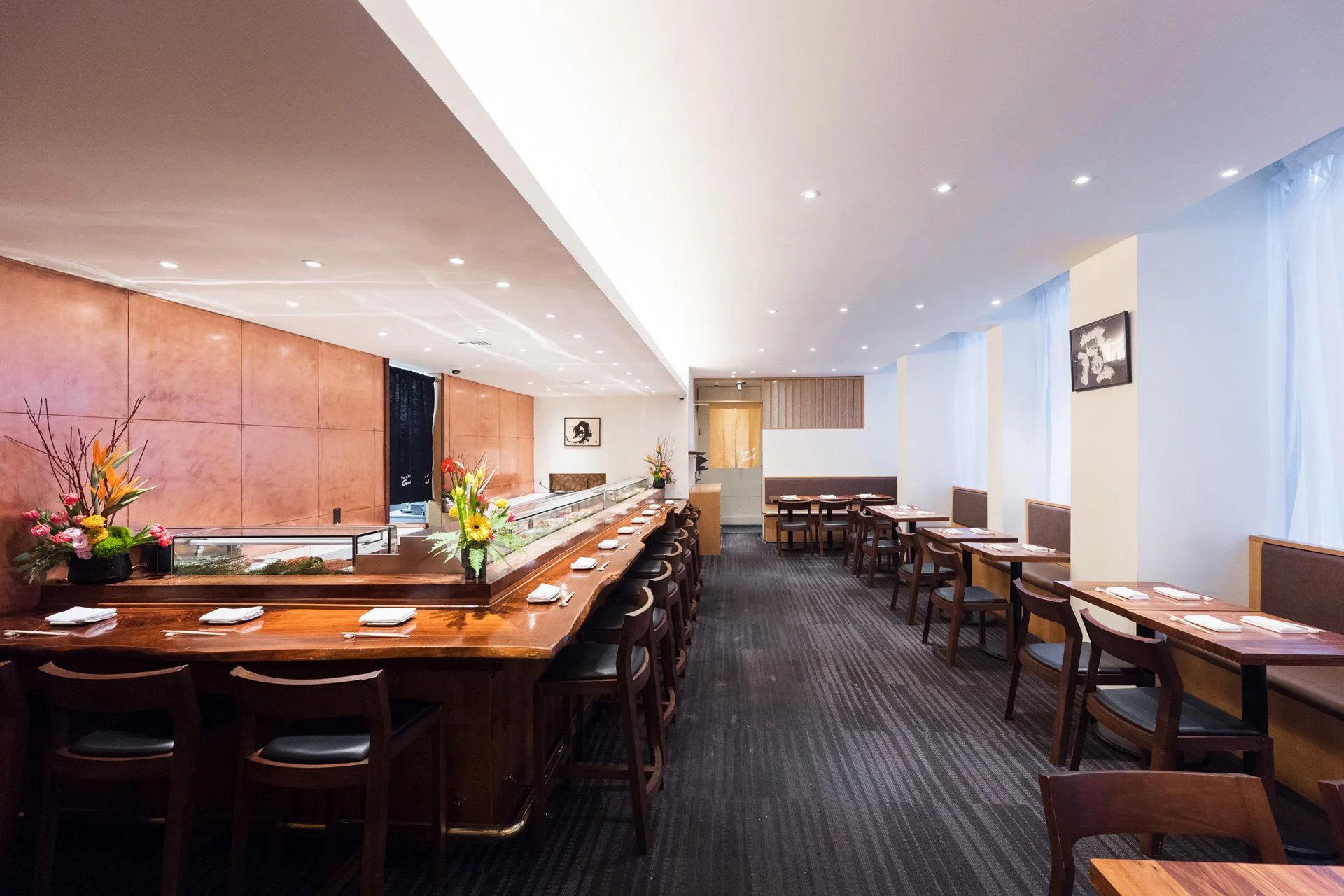
The Ritual at the Counter
Gari Columbus is a Modern Japanese Sushi Omakase restaurant at 370 Columbus Ave in New York City. One track runs through the formal omakase room, where the sequence is fixed, the pacing is deliberate, and the diner surrenders nearly all decision-making to the chef. The other track runs through the neighbourhood sushi bar, where regulars occupy the same seats for years, where the a-la-carte list rewards the informed repeat visitor, and where the dining ritual is collaborative rather than ceremonial. Gari Columbus, at 370 Columbus Avenue on the Upper West Side, sits firmly on the second track, even though the cooking at its counter is anything but casual.
The distinction matters because it shapes how a meal here unfolds. Unlike the high-ceremony omakase format associated with Midtown counters such as Masa, the Gari experience does not place the diner inside a tightly scripted sequence. Pacing is more responsive to the table. That flexibility is not a concession to the neighbourhood setting; it reflects a particular philosophy about how composed sushi should reach the guest, piece by piece, in a rhythm that allows the diner to pause, to revisit a flavour, to order a second round of something that worked.
A House Style That Reshaped Upper West Side Sushi
The Gari name carries weight on the Upper West Side precisely because the restaurant established a house style before that phrase became common marketing language in New York's Japanese dining conversation. The kitchen is associated with a format of topped nigiri in which cooked preparations, sauces, and structured garnishes sit above the rice rather than alongside it. This places Gari in a specific sub-tradition within American sushi that diverges sharply from the purist rice-forward model championed by the Tokyo-trained counters that dominate critical attention.
That divergence is not compromise. It reflects the way Japanese-American sushi evolved in cities where chef creativity, rather than fidelity to a single regional tradition, became the differentiating factor. The Upper West Side, with its educated, repeat-dining population, proved a natural environment for a sushi bar willing to iterate on familiar forms. Gari Columbus is one of the addresses that helped train that neighbourhood palate over the years, in the same way that institutional restaurants elsewhere in the city, from Le Bernardin on West 51st to Eleven Madison Park in the Flatiron, helped define what serious dining looks like in their respective districts.
How the Meal Moves
The dining ritual at the restaurant rewards a particular kind of attentiveness. Ordering here is not passive. Because the format is not strictly omakase, the diner participates in shaping the arc of the meal, which means arriving with at least a working sense of what the kitchen does well. The composed nigiri pieces that represent the house signature require no accompaniment beyond attention to what arrives on the plate: the balance of temperature, the contrast between the seasoned rice and whatever has been placed above it, the way a cooked element interacts with the vinegar in the rice base.
This is a counter where sitting at the bar rather than at a table changes the experience in material ways. Counter seating at any sushi bar gives the diner visual access to the preparation, which at Gari means watching the construction of those composed pieces in real time. In New York's broader premium sushi scene, where counter seats at venues like Masa command significant premiums and require months of forward planning, the restaurant occupies a different tier: accessible to the regular visitor, not gated by an omakase price point that exceeds most dinner budgets in the city.
Position in New York's Sushi Conversation
New York's sushi scene now spans a wider price and format range than at any previous point. At the leading, a small group of counters price their omakase menus at levels comparable to the highest tasting-menu formats in the city, including Per Se and Atomix. Below that tier, a second group of serious chef-driven rooms, of which Gari is a clear example, offer composed, technically considered sushi without the ceremony or the price architecture of the top tier. These mid-to-upper neighbourhood sushi bars are where most of New York's sustained sushi culture actually lives, and the restaurant has been part of that layer long enough to have shaped it rather than simply joined it.
For comparison across other American cities and formats, the dining culture at venues like Lazy Bear in San Francisco, Providence in Los Angeles, and Smyth in Chicago illustrates how chef-driven rooms outside New York have developed their own local rituals and repeat-visitor cultures. Further afield, the farm-to-table discipline at Single Thread Farm in Healdsburg and the agricultural sourcing model at Blue Hill at Stone Barns in Tarrytown represent the same broader instinct toward intentional, place-specific cooking that serious neighbourhood restaurants like Gari have long embodied in their own register. American dining of this calibre is not confined to a handful of cities: The French Laundry in Napa, Addison in San Diego, Frasca Food and Wine in Boulder, Emeril's in New Orleans, and The Inn at Little Washington in Washington all represent local dining cultures built on similar long-haul commitments to a defined cooking identity. For European reference points that parallel this kind of sustained regional commitment, Atelier Moessmer Norbert Niederkofler in Brunico and Dal Pescatore in Runate offer instructive comparisons.
Planning Your Visit
The restaurant is located at 370 Columbus Avenue in the Upper West Side, within walking distance of Central Park West and the 72nd Street and 81st Street subway stations on the B and C lines. The address places it in a dense residential and cultural corridor, accessible without a significant detour for visitors staying in Midtown or the Upper West Side itself. Booking ahead is advisable; neighbourhood sushi bars with a loyal repeat clientele fill their better seats early, particularly on Thursday through Saturday evenings. The counter is the preferred seat for anyone who wants to engage with the preparation rather than observe it from a distance.
Cuisine and Credentials
Comparable venues nearby, for context on price, style, and recognition.
| Venue | Cuisine | Price | Notes |
|---|---|---|---|
| Gari ColumbusThis venue — the venue you are viewing | Modern Japanese Sushi Omakase | $$$$ | Not listed |
| Omakase Shihou - Midtown | Modern Japanese Omakase | $$$$ | East Midtown-Turtle Bay |
| Sake No Hana | Modern Japanese Izakaya | $$$$ | SoHo-Little Italy-Hudson Square |
| Yamada | Seasonal Kaiseki | $$$$ | SoHo-Little Italy-Hudson Square |
| Nippon | Traditional Edo-mae Japanese | $$$$ | East Midtown-Turtle Bay |
| hakubai | Contemporary Japanese Kaiseki | $$$$ | Midtown-Times Square |
Continue exploring
More in New York City
Restaurants in New York City
Browse all →
Bars in New York City
Browse all →
Hotels in New York City
Browse all →





At a Glance
- Elegant
- Sophisticated
- Intimate
- Date Night
- Special Occasion
- Sake Program
Current opening hours
- Monday
- 12–2:15 PM, 5–9:45 PM
- Tuesday
- 12–2:15 PM, 5–9:45 PM
- Wednesday
- 12–2:15 PM, 5–9:45 PM
- Thursday
- 12–2:15 PM, 5–9:45 PM
- Friday
- 12–2:15 PM, 5–9:45 PM
- Saturday
- 12–9:45 PM
- Sunday
- 12–9:45 PM
Hours can change for holidays and private events. Last verified .
Elegant décor featuring brick walls and soothing dark-wood environment.