Sakai
Sakai occupies a distinctive position in Mexico City's Santa Fe dining corridor, where Japanese culinary discipline meets the expectations of a neighbourhood that runs on occasion dining. Located within the Cruz Manca complex at Av. Santa Fe 428, the restaurant draws a clientele for whom the meal itself is the event, anniversaries, deals closed, milestones marked over counter or table.
Pearl is the En Primeur Club membership app — saves, bookings, and concierge access live there. Same editors, same standards.
- Address
- Cruz Manca, Av. Santa Fe 428, Lomas de Santa Fe, Contadero, Álvaro Obregón, 01219 Ciudad de México, CDMX, Mexico
- Phone
- +525552065977
- Website
- opentable.com
- Directions
- Get directions
 Saves & bookings on Pearl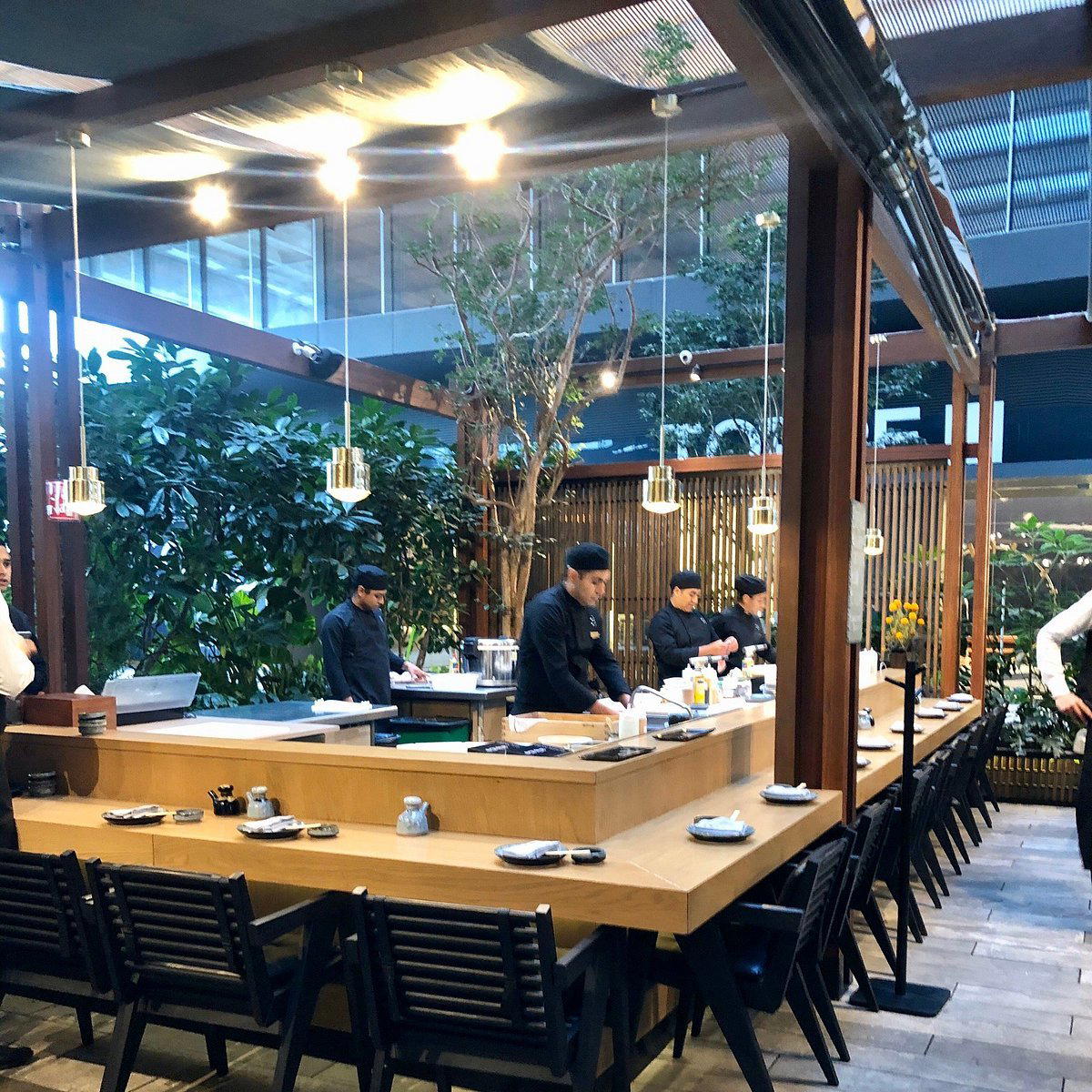
Where Santa Fe Goes to Mark the Moment
The western edge of Mexico City has its own dining logic. Santa Fe is not a neighbourhood that produces casual drop-ins: the commute is deliberate, the corporate towers and residential compounds create a captive audience that eats with purpose, and the restaurants that endure here tend to be ones that justify the trip. Sakai sits within the Cruz Manca development at Av. Santa Fe 428, in Lomas de Santa Fe, a location that places it squarely inside a dining tier built around occasion, not convenience.
That geography matters. Occasion dining in Mexico City is distributed differently from most Latin American capitals. The historic centre and Roma-Condesa axis hold the critical darlings: Pujol and Quintonil draw the international food press, while Rosetta anchors the creative Italian end of Colonia Roma. Santa Fe answers a different demand: local executives and families who want the formality and the intent of a milestone meal without crossing the city. Sakai fits that pattern.
The Case for Japanese Precision in a Mexican Context
Japanese cuisine has a long foothold in Mexico City, longer than most visitors appreciate. The city's Nikkei population, established through early-twentieth-century immigration waves, created an indigenous Japanese-Mexican culinary tradition that predates the global sushi boom by decades. That history gives the city's better Japanese restaurants a credibility that sits apart from the franchise omakase counters proliferating across Polanco and Lomas de Chapultepec.
In this context, Sakai operates in a segment where the expectations are specific. Diners arriving for a significant occasion at a Japanese restaurant in this city have likely eaten at the comparison tier, they know what disciplined knife work looks like, they understand the difference between soy-forward and dashi-forward broths, and they come expecting the kind of precision that justifies a formal booking over a spontaneous reservation. The restaurant's Santa Fe address reinforces this: the neighbourhood's dining culture runs on planned evenings, not impulse.
Across Mexico more broadly, this kind of specialist Japanese positioning has produced some of the country's most compelling dining. Le Chique in Puerto Morelos operates a different but analogous model, a technically demanding tasting format set apart from the coastal mainstream. HA' in Playa del Carmen has built a similar case for refined occasion dining in a resort context. Sakai makes that argument in the capital's western business district.
Occasion Dining and What Santa Fe Expects
Mexico City's occasion dining tier has moved in a clear direction over the past decade. The reference points have shifted: where a milestone meal once defaulted to French formal or traditional Mexican, the city's diners now hold Japanese dining to the same standard they apply to the tasting menus at Em or the creative end of Sud 777. Seasonal discipline, sourcing transparency, and format coherence have become the baseline expectation, not the selling point.
What this means in practice is that diners booking for a celebration or a significant dinner are arriving with comparative frames already in place. They are not evaluating the meal in isolation; they are positioning it against other serious evenings in the city. Sakai's location in Santa Fe gives it a distinct comparable set from the Roma-Condesa concentration, but the comparison still happens. The restaurant's role within Cruz Manca's dining offer suggests it is positioned to serve that demand, a meal with weight and intention, set in a location that serves the western neighbourhoods without asking the diner to cross town.
Mexico's Wider Table: Where Sakai Sits Nationally
The evolution of occasion dining is not exclusive to the capital. Across Mexico, a generation of serious restaurants has built cases for destination-level meals outside the traditional fine-dining circuits. Alcalde in Guadalajara runs a format where technique and local sourcing carry the weight of ceremony. KOLI Cocina de Origen in Monterrey operates with a similar premise in the north. Levadura de Olla in Oaxaca and Huniik in Merida anchor their respective regions as the address for a meal that matters. Wine-country dining adds another register: Animalón in Valle de Guadalupe, Lunario in El Porvenir, Olivea Farm to Table in Ensenada, and Pangea in San Pedro Garza Garcia each represent the regional conviction that occasion dining does not require a capital city address.
Sakai participates in this national shift. A Japanese restaurant in the Santa Fe corridor, holding its position in a demanding local market, is making the same argument as those regional addresses: the occasion justifies the format, and the format justifies the occasion.
Internationally, the parallel exists too. The precision-driven counter format that defines serious Japanese dining, whether at Le Bernardin in New York City or Atomix, where Korean tasting formats have redefined what occasion dining expects from the service side, has established a global grammar that diners in Mexico City increasingly speak.
- Tartare Ikigai
- Maki Ribeye
- Nigiri
- Maki
- Temaki
- Sashimi
Accolades, Compared
Comparable venues nearby, for context on price, style, and recognition.
| Venue | Cuisine | Price | Notes |
|---|---|---|---|
| SakaiThis venue — the venue you are viewing | Modern Japanese Sushi | $$$$ | Not listed |
| Masa House Sushi | Modern Japanese Sushi | $$$$ | Lomas Virreyes |
| Tatsugoro | Edomae Omakase | $$$$ | Nva Anzures |
| Narú | Mexican-Japanese Fusion | $$$ | Bosques de Las Lomas |
| El Japonez Santa Fe | Modern Japanese Fusion | $$$ | Centro Comercial Santa Fe |
| Wagyu San | Asian Steak Room (Japanese Wagyu) | $$$$ | Cuauhtemoc |
Continue exploring
More in Mexico City
Restaurants in Mexico City
Browse all →
Bars in Mexico City
Browse all →
At a Glance
- Elegant
- Modern
- Sophisticated
- Date Night
- Business Dinner
- Special Occasion
- Standalone
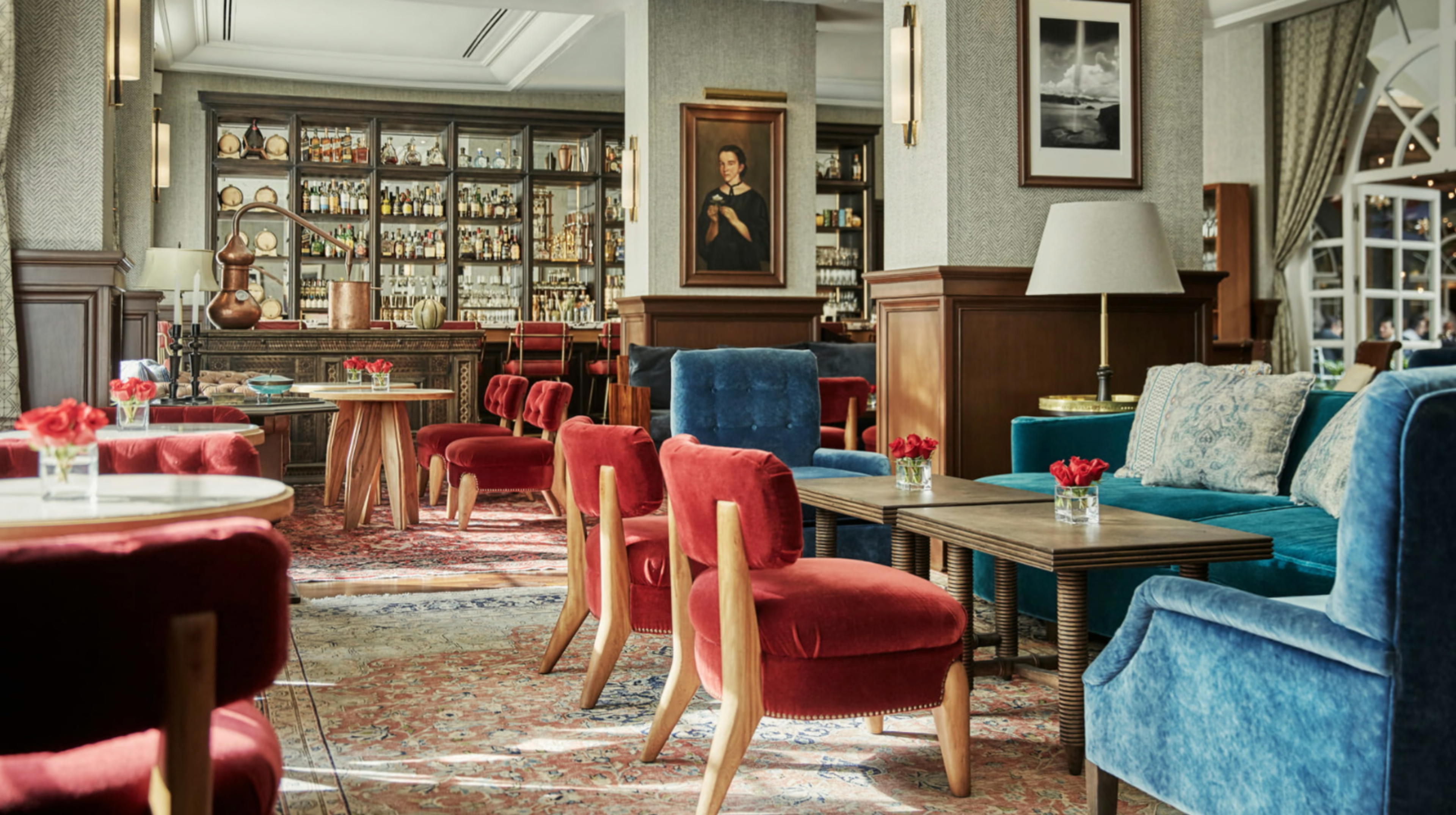
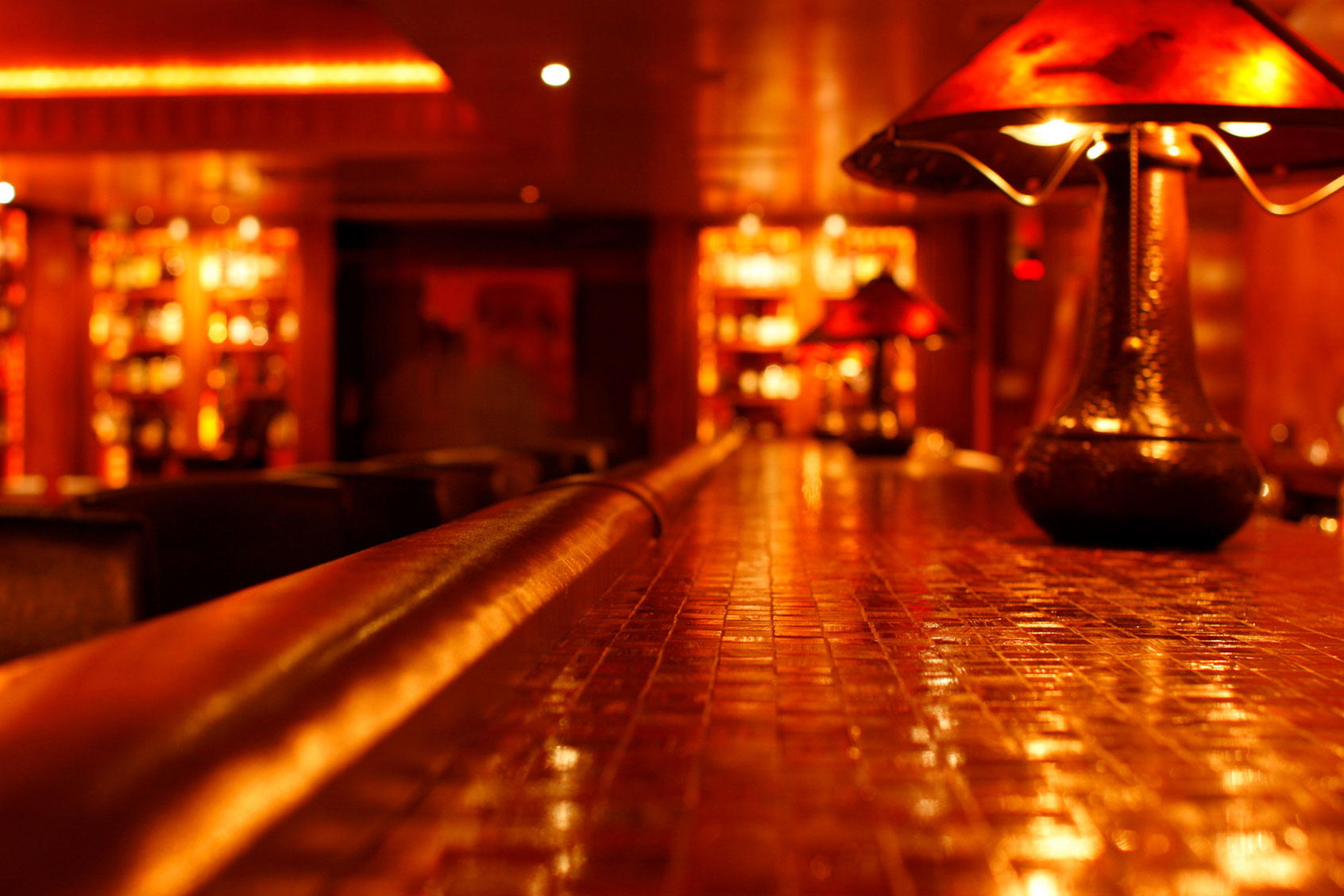
Relaxing and refined atmosphere with a lively setting that emphasizes polished service and authentic Japanese culinary experience.