Wagyu San
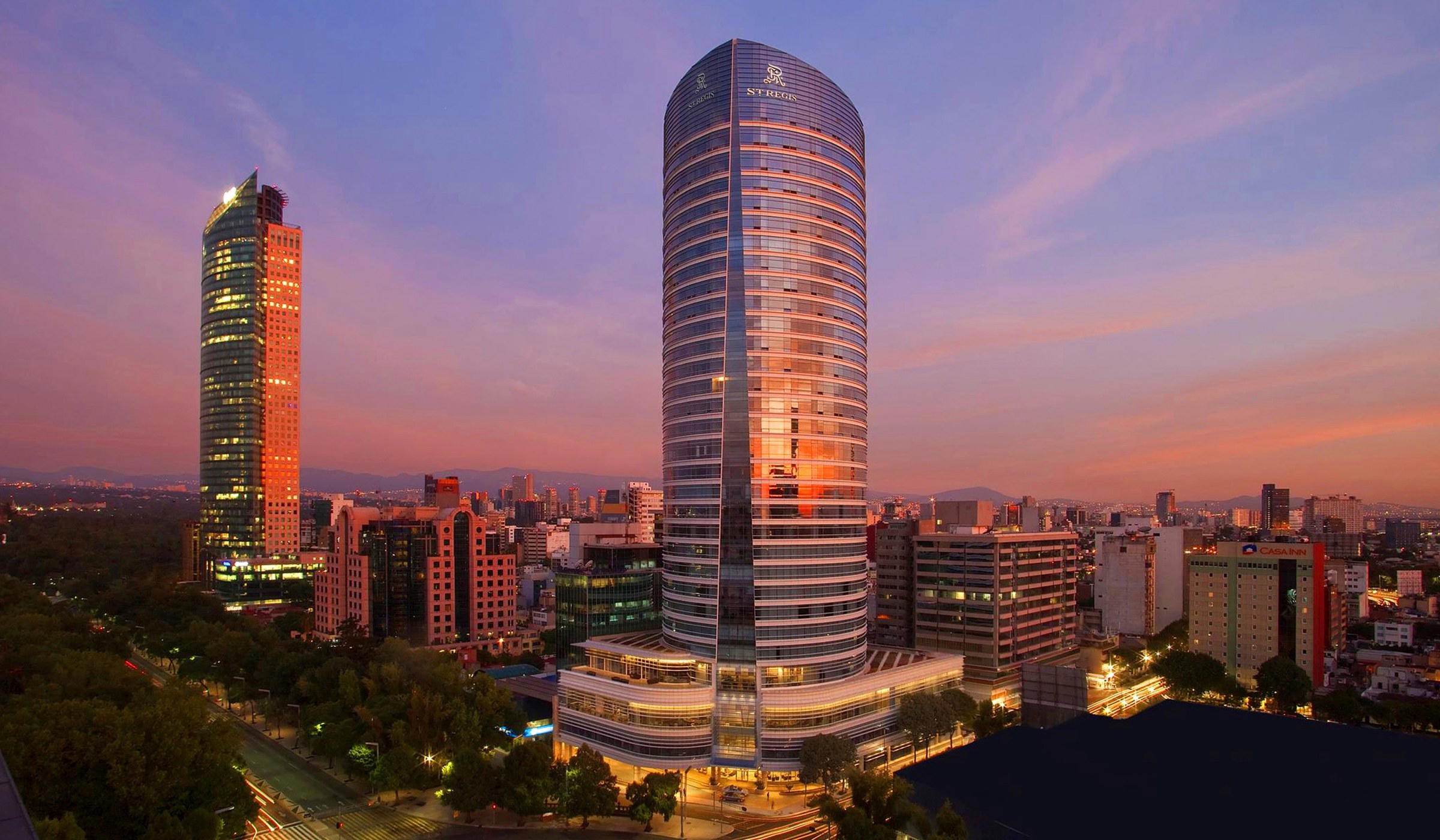
On Paseo de la Reforma, Wagyu San occupies a corner of Mexico City's dining scene where Japanese beef culture meets a capital that has grown increasingly comfortable with premium single-ingredient concepts. The address places it inside the Cuauhtémoc corridor, close to the financial and cultural pulse of the city, where the appetite for precision dining has expanded well beyond traditional Mexican formats.
Pearl is the En Primeur Club membership app — saves, bookings, and concierge access live there. Same editors, same standards.
- Address
- Av. P.º de la Reforma 333, Cuauhtémoc, 06500 Ciudad de México, CDMX, Mexico
- Phone
- +525590121564
- Website
- wagyusan.com.mx
- Directions
- Get directions
 Saves & bookings on Pearl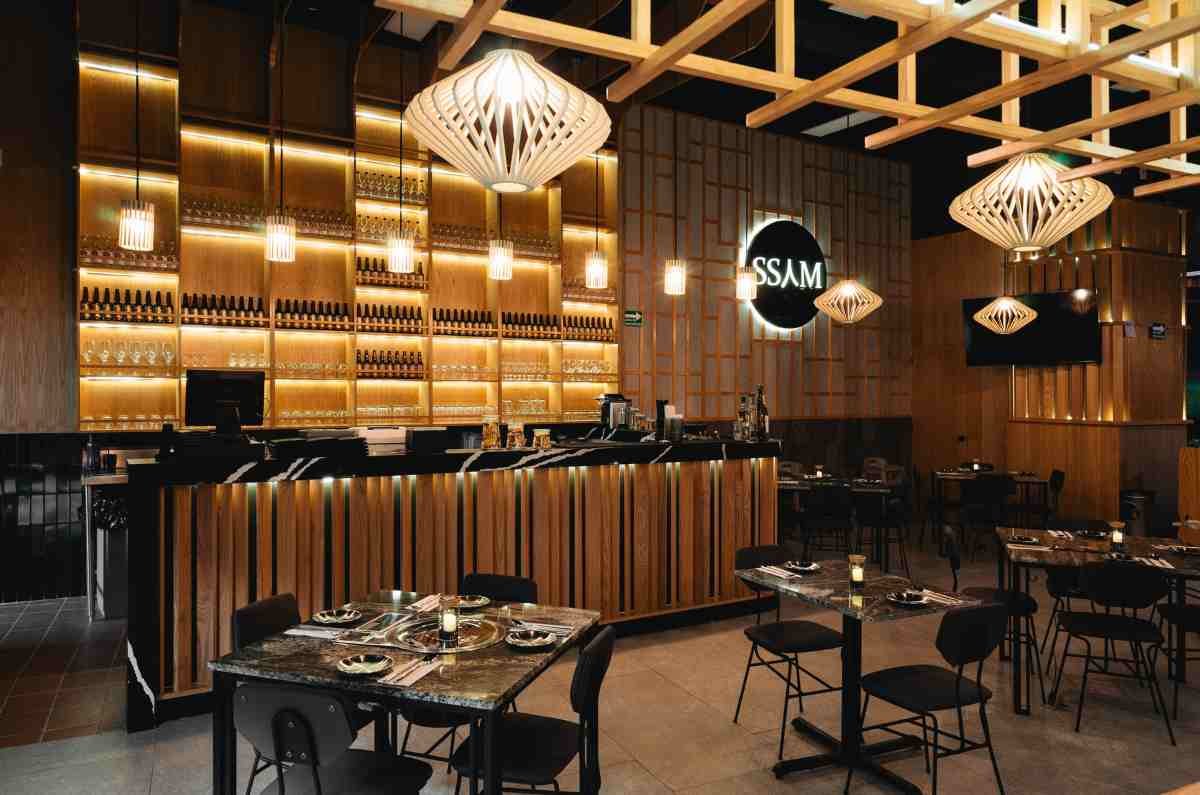
Paseo de la Reforma has always functioned as Mexico City's axis of ambition. The boulevard concentrates embassies, corporate towers, luxury hotels, and the restaurants that serve the people who move through them. It is not a neighbourhood that rewards obscurity: venues here operate at a particular pitch of expectation, and the dining formats that survive on this strip tend to be ones that can hold their own against a well-travelled clientele who benchmarks against Tokyo, New York, and São Paulo in the same breath. Wagyu San, at Reforma 333 in Cuauhtémoc, positions itself inside that environment with a concept built around wagyu beef — a product that, in the decade since Japan lifted its export restrictions in 2012, has moved from genuine rarity to a defined premium tier operating across major dining capitals.
How the Premium Beef Concept Has Shifted in Mexico City
The wagyu story in Mexico City tracks the broader evolution of the city's fine-dining appetite. Through the 2000s and early 2010s, the capital's prestige dining was almost entirely framed through either haute Mexican cuisine (the tradition that Pujol and Quintonil have defined internationally) or European formats with Italian and French headers. Protein-led concepts built around a single imported ingredient were thin on the ground. That changed as the city's upper dining tier diversified in the late 2010s, absorbing influences from the same global movement that brought omakase counters and single-origin tasting menus to cities across Latin America. The logic: if a well-heeled diner in Mexico City was already travelling to Tokyo or booking tables at Le Bernardin and Atomix in New York, there was a case for bringing the reference point home.
Wagyu as a category also matured. Early premium beef concepts in Mexico leaned heavily on spectacle — marble scores displayed tableside, comparison platters, the theatre of provenance. The more recent positioning in this space tends to be quieter, more technically disciplined, drawing on Japanese service culture to frame the product as something to be read rather than performed.
The Reforma 333 Address and What It Signals
The Cuauhtémoc postcode on Reforma is not the same as Polanco, though the two neighbourhoods are a short distance apart and share a demographic of internationally mobile diners. Reforma 333 positions Wagyu San closer to the corporate lunch circuit and the high-traffic hotel belt than to the residential fine-dining clusters of Colonia Polanco or Roma Norte, where Rosetta and Em have built their reputations. That address choice shapes the probable format and pacing of service: venues on this stretch of Reforma typically need to work efficiently across both a corporate midday rush and a destination dinner crowd in the evening, which pushes kitchens toward a discipline that tasting-room-style restaurants in quieter neighbourhoods do not always require.
The Reforma corridor also sits in ongoing conversation with a broader national dining evolution. Mexico's most interesting culinary energy in recent years has spread geographically: Animalón in Valle de Guadalupe, Alcalde in Guadalajara, KOLI Cocina de Origen in Monterrey, Levadura de Olla in Oaxaca, Huniik in Merida, and HA' in Playa del Carmen all represent parts of a dining scene that is no longer centred exclusively on the capital. Within Mexico City itself, concepts like Sud 777 have shown that serious cooking can operate outside the central prestige corridor. Wagyu San's Reforma address is therefore a deliberate counter-argument: a bet that the boulevard's density of high-expectation, internationally experienced diners still justifies a premium, ingredient-specific concept at its centre.
What a Wagyu-Focused Format Means for the Diner
Restaurants built around wagyu as the primary concept carry an inherent structural logic. The product is expensive at source, which determines price positioning before any other decision is made. The fat content and marbling that define high-grade wagyu require specific handling, lower cooking temperatures, shorter cooking windows, smaller portion weights than commodity beef. A kitchen that understands this builds its menu architecture around those constraints: the portions are deliberate, the accompaniments tend to be restrained rather than competitive, and the pacing is calibrated to let the fat express itself before it cools. In Japan, where the format has the most established tradition, this results in counters where a modest number of courses is considered complete, not abbreviated.
The distinction matters: it places the venue in conversation with tightly scoped, ingredient-driven concepts in the region, venues like Lunario in El Porvenir, Pangea in San Pedro Garza Garcia, or Le Chique in Puerto Morelos and Olivea Farm to Table in Ensenada, rather than with the broader tier of upscale steakhouses that operate across the city. For the diner, the practical implication is that arrival without some prior knowledge of the format is a missed opportunity: understanding the grade hierarchy of wagyu, the difference between Japanese domestic and Australian-raised stock, and the logic of ordered cuts significantly improves the experience of eating it. See our full Mexico City restaurants guide for context on where this category sits within the capital's wider dining structure.
Know Before You Go
- Address: Av. P.º de la Reforma 333, Cuauhtémoc, 06500 Ciudad de México, CDMX, Mexico
- Getting there: The Reforma 333 address is within walking distance of the Insurgentes and Sevilla metro stations on Line 1, and sits along the main Metrobús corridor. Rideshare from Polanco or Roma Norte takes approximately 10-15 minutes outside peak traffic.
- Booking: No direct booking link or phone number is confirmed in current data.
- Timing: The Reforma corridor is at its quietest for dinner on weeknights; weekend evenings attract higher volumes from both hotel guests and destination diners. Midday service, where available, typically offers a more compressed menu format.
- Price tier: Wagyu-specific concepts in Mexico City's premium tier operate at price points that reflect import costs on Japanese-grade beef. Budget accordingly relative to a $$$$-tier dinner in the Polanco or Reforma belt.
How Wagyu San Mexico City compares with similar nearby venues.
| Venue | Cuisine | Price |
|---|---|---|
| Bajel | Contemporary | $$$ |
Continue exploring
More in Mexico City
Restaurants in Mexico City
Browse all →
Bars in Mexico City
Browse all →
At a Glance
- Elegant
- Sophisticated
- Modern
- Intimate
- Date Night
- Special Occasion
- Open Kitchen
- Sake Program
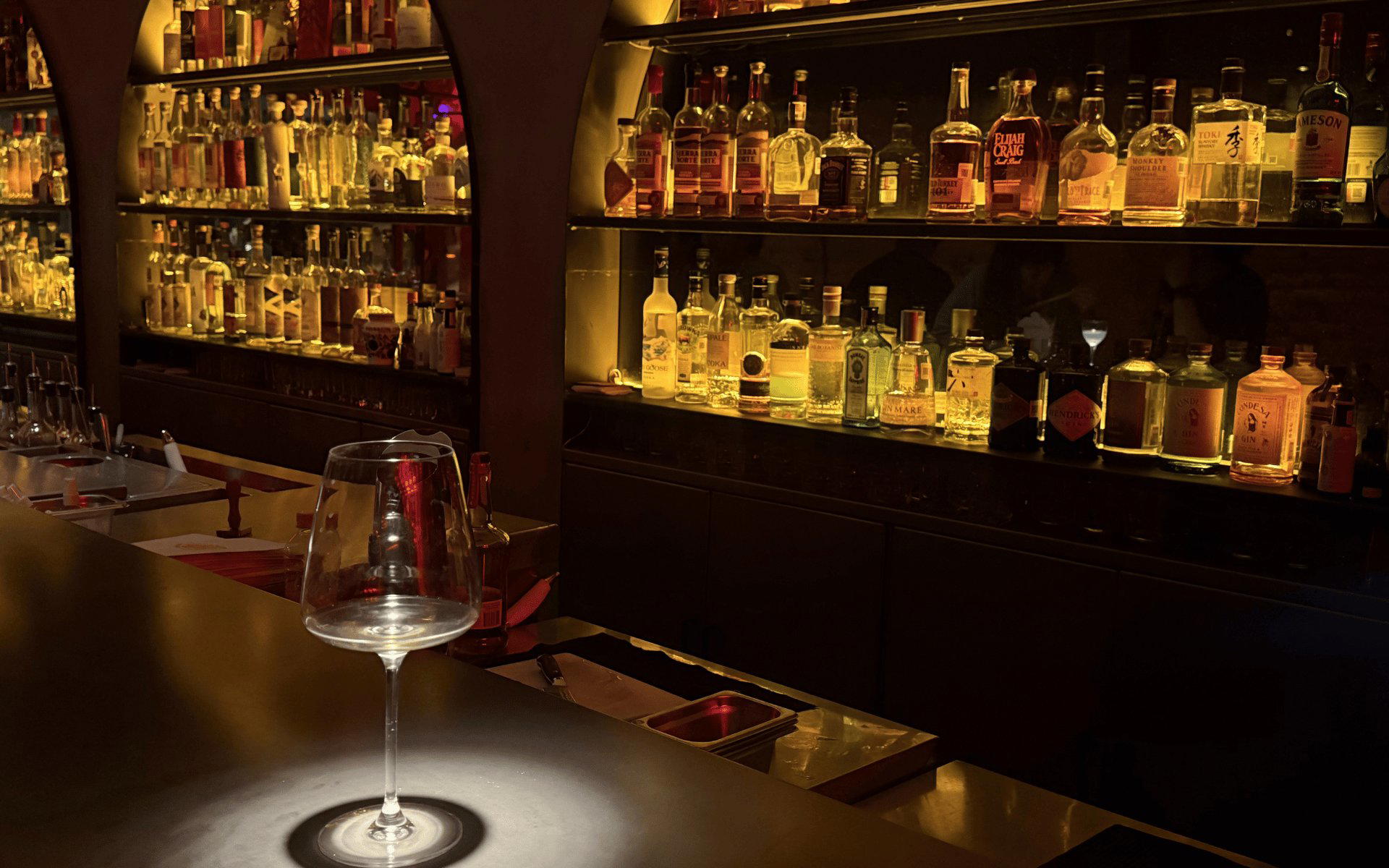
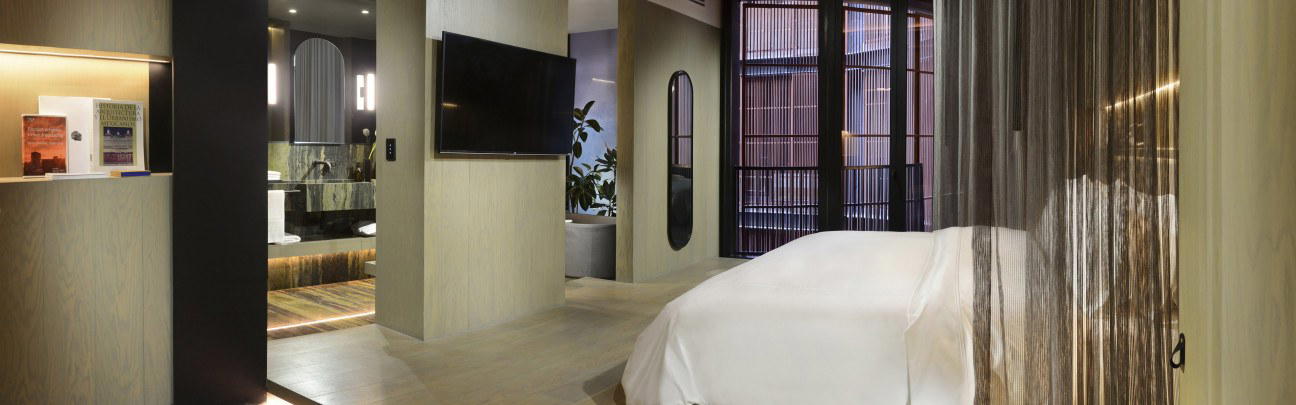
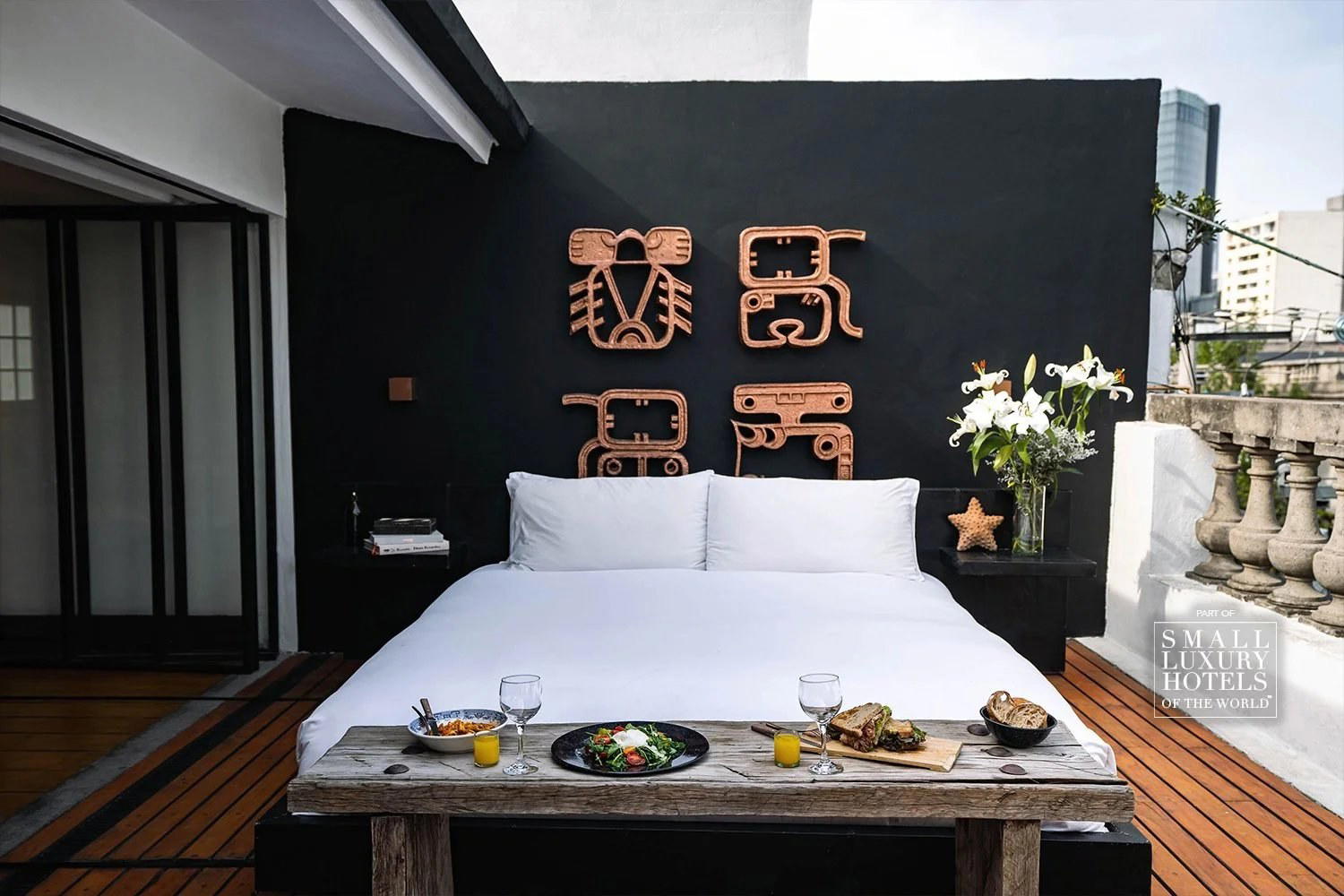
Sophisticated, nocturnal, and cosmopolitan atmosphere with oriental elegance and simplicity.
Know Before You Go
- Getting there
- Av. P.º de la Reforma 333, Cuauhtémoc, 06500 Ciudad de México, CDMX, Mexico