Tatsugoro
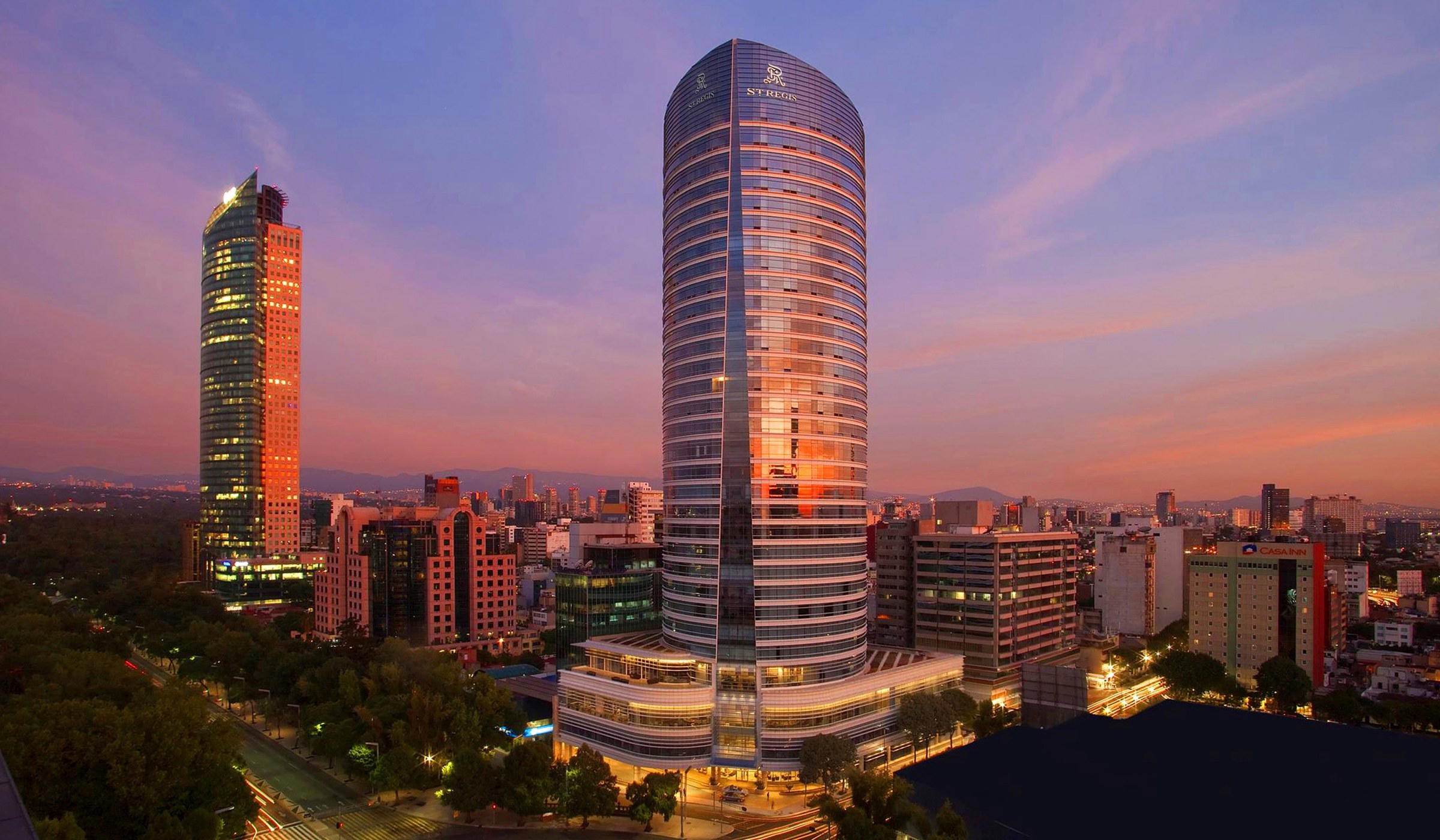
Tatsugoro occupies a first-floor address on Paseo de la Reforma in Cuauhtémoc, placing it inside one of Mexico City's most competitive dining corridors. The venue sits at a point where Japanese influence and Mexican culinary traditions have been in sustained conversation for decades, a pairing that defines a specific niche within the capital's restaurant scene. Visitors planning a Reforma-area evening should consider how it fits against the broader tier of destination restaurants along this stretch.
Pearl is the En Primeur Club membership app — saves, bookings, and concierge access live there. Same editors, same standards.
- Address
- Av. P.º de la Reforma 439-1 piso, Cuauhtémoc, 06500 Ciudad de México, CDMX, Mexico
- Phone
- +525596277844
- Website
- edokobayashi.com
- Directions
- Get directions
 Saves & bookings on Pearl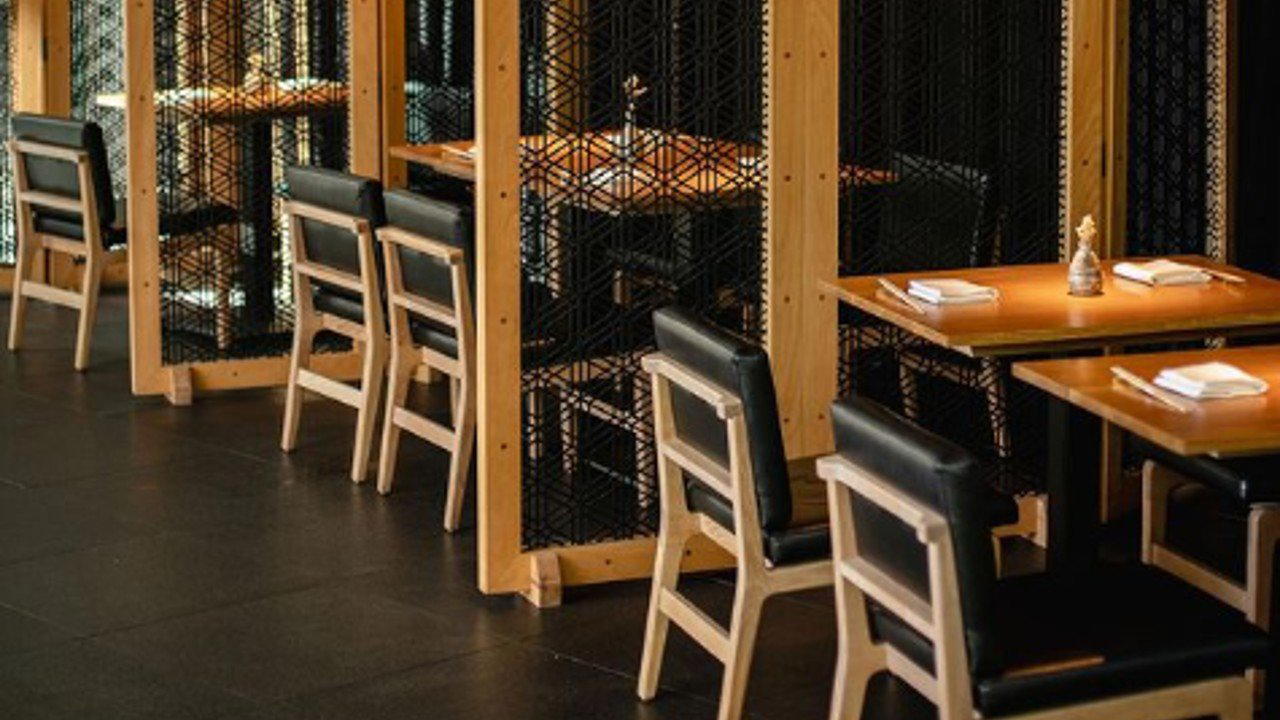
Reforma's Dining Corridor and Where Japanese-Mexican Fusion Lands
Paseo de la Reforma has functioned as Mexico City's most legible fine-dining address for the better part of two decades. The boulevard concentrates corporate headquarters, luxury hotels, and a cluster of restaurants that price and position themselves accordingly. Within that corridor, the intersection of Japanese technique and Mexican ingredient has moved from novelty to an established sub-genre, one that now occupies a recognisable competitive tier alongside names like Pujol and Quintonil at the upper end of the capital's restaurant hierarchy. Tatsugoro, at Av. P.º de la Reforma 439-1 piso, Cuauhtémoc, 06500 Ciudad de México, CDMX, Mexico, operates within that niche.
The first floor placement matters more than it might appear. Street-level on Reforma is high-visibility retail and café territory; the floor above signals a degree of deliberate removal from foot traffic, the kind of address that requires a guest to seek it out rather than stumble upon it. That dynamic is consistent with how the Japanese-Mexican crossover category has typically positioned itself in Mexico City: not as a casual proposition, but as a considered dining decision.
The Wine Program as a Lens on the Room
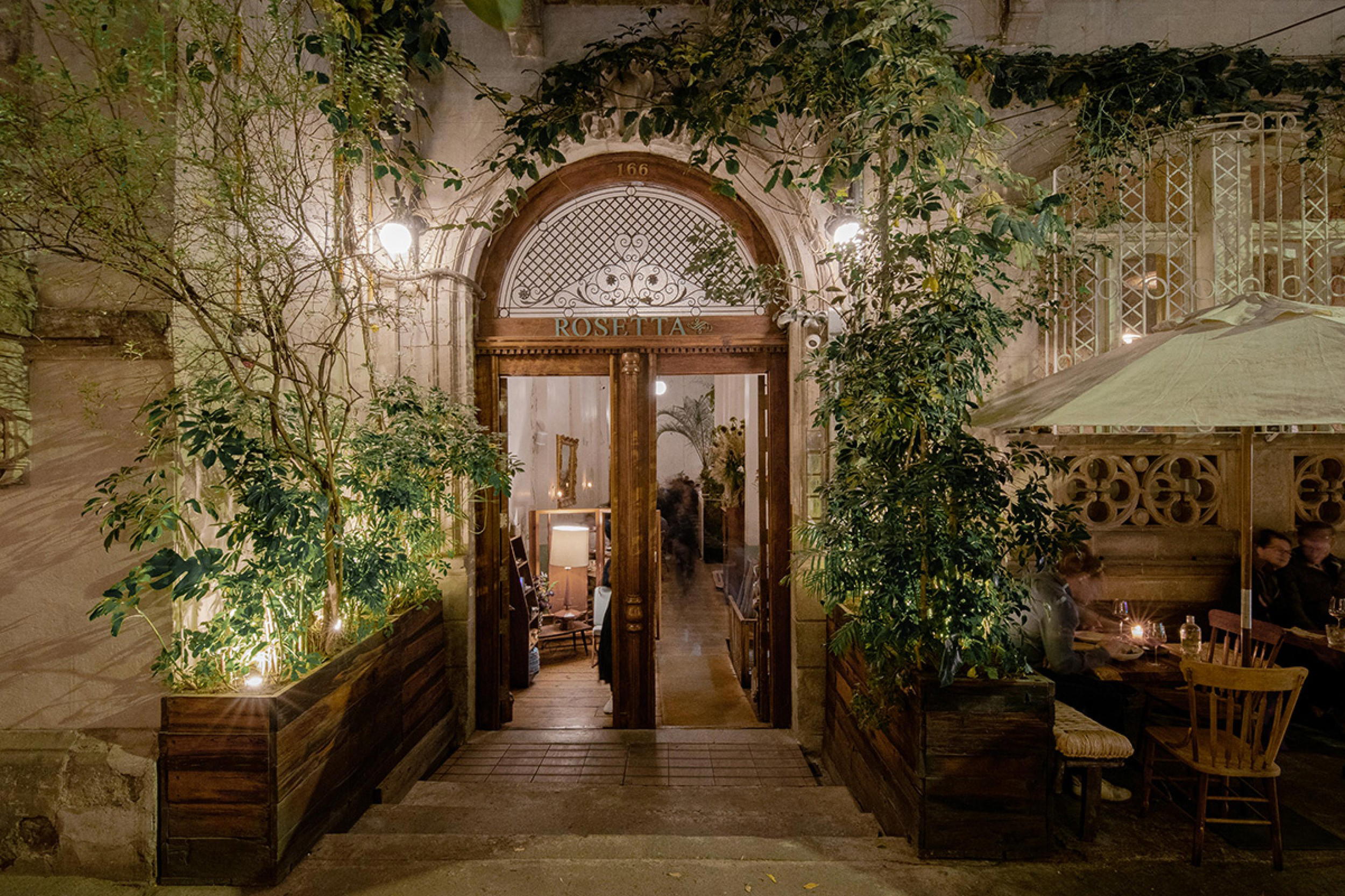
In a city where the sommelier culture has matured considerably over the last ten years, the wine list at a Reforma-corridor restaurant functions as a positioning signal as much as a practical resource. Mexico City's upper-tier restaurants have moved away from lists that defaulted to French and Spanish imports padded with Californian Cabernet, toward programs that integrate Mexican producers, particularly from Baja California's Valle de Guadalupe, alongside European references. Restaurants like Rosetta and Sud 777 have both made cellar curation a visible part of their editorial identity, and that expectation has filtered upward and outward across the city's dining scene.
For a venue drawing on Japanese sensibility, the wine question becomes structurally interesting. Japanese cuisine's classical pairing tradition skews toward sake, shochu, and lower-alcohol formats, while the Mexican dining context brings expectations of mezcal, tequila, and an expanding domestic wine culture. A wine program at a restaurant occupying this intersection has to make a choice about where it anchors: in the Old World formats that have historically signalled fine-dining ambition in Mexico City, in domestic producers from regions covered in depth through venues like Animalón in Valle de Guadalupe and Lunario in El Porvenir, or in a genuinely hybrid approach that reflects the kitchen's dual reference points. The leading lists in this sub-category tend to treat the tension as an asset rather than a problem to resolve.
Across Mexico's wider fine-dining scene, regional wine programs have become a point of differentiation for destination restaurants. Olivea Farm to Table in Ensenada and Le Chique in Puerto Morelos both demonstrate how pairing philosophies can be calibrated to local terroir and ingredient sourcing. The same logic applies in Mexico City, where a restaurant's cellar choices communicate how seriously it takes the full dining experience beyond the plate.
Japan and Mexico in Mexico City: A Longer History
The Japanese-Mexican synthesis at play in venues like Tatsugoro is not a recent import. Japan has maintained a significant diaspora presence in Mexico since the Meiji-era immigration waves of the late nineteenth and early twentieth centuries, and that history has left a culinary trace that runs deeper than the global nikkei trend that gained international visibility through Lima and São Paulo. Mexico City's version of this conversation is, in some respects, more embedded in local food culture than its counterparts elsewhere in Latin America, because it has had longer to integrate.
That context matters when assessing where a restaurant on Reforma sits relative to its peers. The capital's approach to Japanese-inflected cuisine is distinct from what you find at Atomix in New York City or the European-Japanese hybrids that have proliferated in London and Paris. It draws on a different base of local ingredients, a different set of cultural references, and a dining public that has its own accumulated familiarity with the format. For the traveller arriving from outside Mexico, that specificity is part of what makes the Reforma corridor worth engaging with at this level, rather than defaulting to the more internationally legible names.
Placing Tatsugoro in the Capital's Broader Tier
Mexico City's destination restaurant scene has expanded its reference points substantially. Em and the broader contemporary Mexican movement have reinforced the idea that the capital can sustain multiple serious fine-dining sub-genres simultaneously. Against that backdrop, the Japanese-Mexican category occupies a position that is neither niche nor mainstream but sits in a well-defined middle register: restaurants that attract an international dining public while remaining genuinely rooted in a local culinary logic.
Visitors comparing options along the Reforma corridor or the wider Cuauhtémoc area will find that the price and format signals at this tier of restaurant are broadly consistent. The question of where Tatsugoro lands within that band, relative to the $$$ operators like Em or the $$$$ tier occupied by Pujol and Quintonil, is one the practical details section below addresses directly. For context on how the city's restaurant scene maps across neighbourhoods, our full Mexico City restaurants guide covers the key areas and their character in detail.
Mexico's wider fine-dining geography extends well beyond the capital. Alcalde in Guadalajara, KOLI Cocina de Origen in Monterrey, Pangea in San Pedro Garza Garcia, Levadura de Olla Restaurante in Oaxaca, Huniik in Merida, and HA' in Playa del Carmen each represent regional variants on the ambition that Mexico City's leading corridor demonstrates. For a traveller building an itinerary around the country's serious restaurant tier, understanding how the capital's Reforma cluster compares with those regional anchors is a useful calibration exercise.
Planning Your Visit
The venue's Reforma address places it within walking distance of the major hotel properties along the boulevard, which makes it logistically direct for visitors based in the Cuauhtémoc or Polanco areas. Address: Av. P.º de la Reforma 439, first floor, Cuauhtémoc, 06500, Mexico City. Timing: Reforma restaurants typically run dinner service from early evening, with the room reaching capacity by 9pm on weekends; midweek bookings at this address are generally easier to secure.
Booking and Cost Snapshot
Comparable venues nearby, for context on price, style, and recognition.
| Venue | Cuisine | Price | Notes |
|---|---|---|---|
| TatsugoroThis venue — the venue you are viewing | Nva Anzures, Edomae Omakase | $$$$ | Not listed |
| Nobu | Not listed | $$$$ | Cooperativa Palo Alto, Japanese-Peruvian Fusion |
| Umai | Juarez, Modern Japanese | $$$$ | Not listed |
| Hotaru Arcos | Not listed | $$$$ | Cooperativa Palo Alto, Contemporary Japanese Omakase |
| Sakai | Tlaxala, Modern Japanese Sushi | $$$$ | Not listed |
| Ichikani Arcos | Not listed | $$$ | Cooperativa Palo Alto, Modern Japanese with Hand Rolls |
Continue exploring
More in Mexico City
Restaurants in Mexico City
Browse all →
Bars in Mexico City
Browse all →

At a Glance
- Elegant
- Intimate
- Modern
- Sophisticated
- Date Night
- Special Occasion
- Business Dinner
- Chefs Counter
- Open Kitchen
- Sake Program
- Sustainable Seafood
Current opening hours
- Monday
- 1–10:30 PM
- Tuesday
- 1–10:30 PM
- Wednesday
- 1–10:30 PM
- Thursday
- 1–10:30 PM
- Friday
- 1–10:30 PM
- Saturday
- 1–10:30 PM
- Sunday
- 1–7:30 PM
Hours can change for holidays and private events. Last verified .
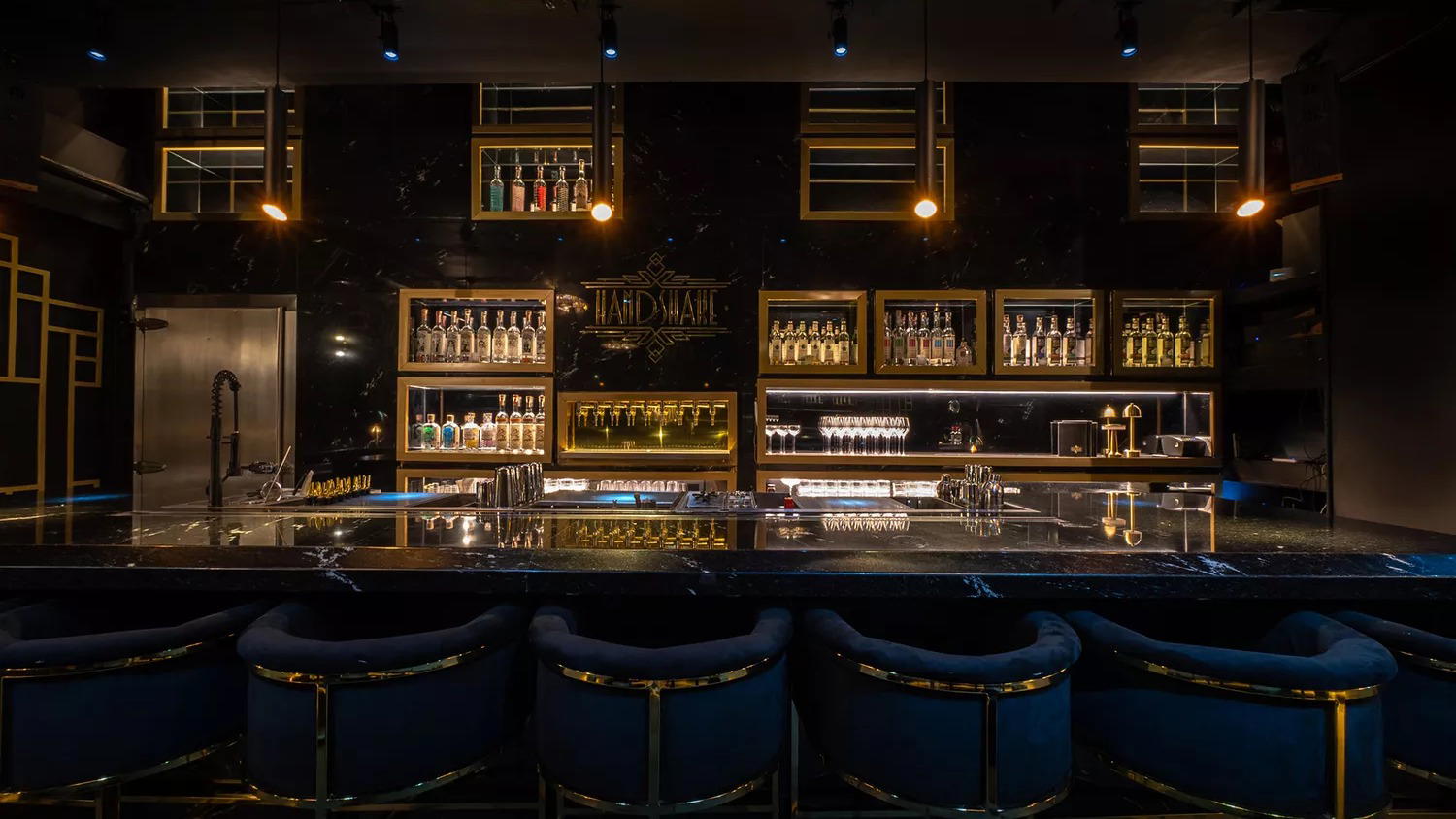
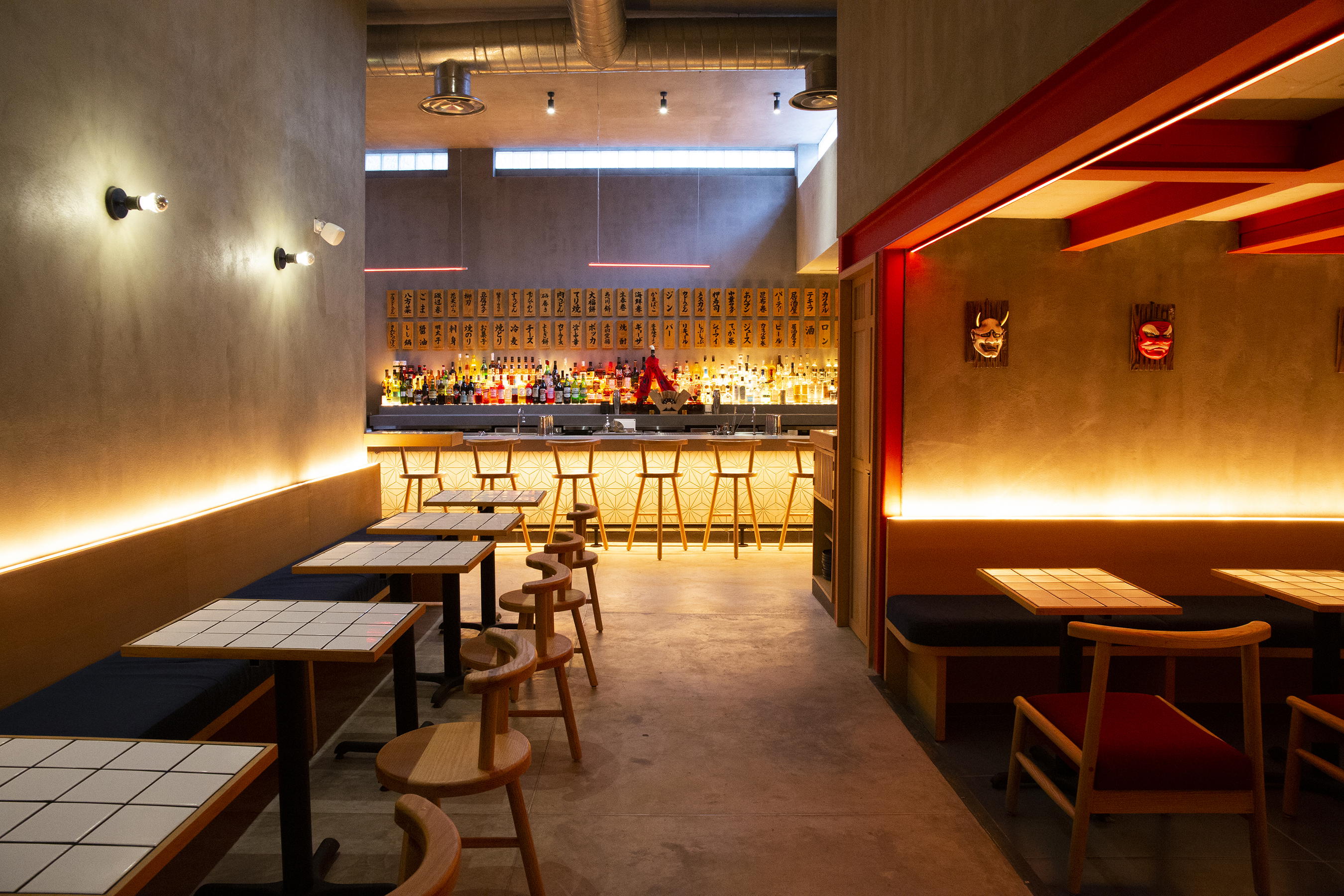
Modern and stylish with an intimate counter-focused setting that emphasizes the chef-diner relationship central to omakase tradition.