Narú
Our verdict
Narú sits in Bosque de las Lomas, one of Mexico City's quieter residential enclaves, positioning itself within a growing tier of ingredient-focused restaurants that treat sourcing as the primary editorial statement. The address places it at some distance from the Roma-Condesa axis where much of the city's dining conversation concentrates, making it a deliberate choice rather than a default one for visitors mapping the city's serious tables.

Pearl is the En Primeur Club membership app, where members save venues, book tables and use the concierge.

Where Bosque de las Lomas Fits in Mexico City's Dining Geography
Mexico City's restaurant conversation tends to compress around a handful of postcodes: the Roma Norte terraces, the Polanco flagships, the Condesa corner tables. Bosque de las Lomas sits outside that circuit, a residential district of wide, tree-lined streets in the western hills above the city that has historically served its neighbourhood rather than drawn diners from across the capital. That geography shapes what kind of restaurant survives there. High-volume theatrics don't travel well to quieter streets; what does travel is a specific, considered offer that earns the detour on its own terms. Narú, at Bosque de Duraznos 39, is positioned precisely in that context.
The address alone signals something about the intended experience. This isn't a restaurant competing on footfall or visibility. It occupies a different logic, the kind of table that rewards the reader who has already done the work of research and arrives knowing why they came. For a city whose most-discussed restaurants Pujol, Quintonil, Em, operate under sustained international scrutiny, there is genuine value in a room that has not yet been fully processed by the global food-media machine.
The Ingredient Question: How Mexico City's Serious Tables Source
Across Mexico's most interesting restaurants, the question of ingredient origin has moved from background detail to explicit framework. At Animalón in Valle de Guadalupe, fire and terroir function as a single argument. At Levadura de Olla in Oaxaca, the sourcing geography is almost inseparable from the dish identities themselves. In Monterrey, KOLI Cocina de Origen makes provenance the structural premise of its menu. This shift reflects something broader in Mexican fine dining: a move away from technique-as-headline toward a model where the supply chain is the first editorial statement and execution serves to make that chain legible on the plate.
Narú operates within that shift. The name itself carries etymological resonance with the concept of origin, and the restaurant's position in Bosque de las Lomas, away from the city's most competitive dining corridors, suggests a program more interested in what it serves than in where it stands in any given ranking. Mexico's most compelling ingredient-led projects often locate themselves at a slight remove from the noise: Olivea Farm to Table in Ensenada and Lunario in El Porvenir both demonstrate that the sourcing argument is easier to sustain when the room isn't calibrated for spectacle.
Within Mexico City, the ingredient-forward conversation has evolved from novelty into expectation. Sud 777 helped establish the grammar early, building a kitchen-garden model that made the sourcing question concrete and local. Alcalde in Guadalajara and Pangea in San Pedro Garza García demonstrate that this conversation extends well beyond the capital. On the coast, HA' in Playa del Carmen, Le Chique in Puerto Morelos, and Huniik in Mérida each make a version of the sourcing argument specific to their regional ecology.
What Mexico City offers that no other Mexican city matches is density: the concentration of serious tables across different price tiers, formats, and culinary lineages within a navigable urban area. A diner spending a week in the capital can move from a Polanco tasting-menu counter to a Roma neighbourhood room to a Lomas residential dining room and encounter genuinely distinct arguments about what Mexican cooking is and should be. Narú's address places it in the latter category, a table whose offer is shaped by its neighbourhood context as much as by any broader competitive ambition. For a full picture of where it sits relative to the city's other serious options, our full Mexico City restaurants guide maps the current field across formats and price points.
The international reference point worth holding in mind is not a Mexican peer but the broader model of urban restaurants that earn their position through sourcing specificity rather than scale or spectacle. Le Bernardin in New York and Atomix represent the upper tier of that model in a different city context, where the ingredient argument is sustained across a full tasting architecture. The question Narú poses is whether a neighbourhood-scale room in a residential Mexico City district can make a comparable case with a different kind of ambition and at a different pitch of visibility.
Planning Your Visit
Narú is located at local b1, Bosque de Duraznos 39-b2, Bosque de las Lomas, 11700 Ciudad de México. Getting there: The address is most easily reached by car or app-based transport; public transit connections to Bosque de las Lomas are limited compared to the city's central dining districts. Booking: Timing: As with most ingredient-led rooms in the capital, midweek lunch tends to offer the most attentive service relative to weekend dinner pressure. Dress: No formal dress code is confirmed, but the residential neighbourhood context and the format suggest smart-casual is the appropriate register.
Frequently asked questions
Where exactly is Narú?
Narú is located at local b1, Bosque de Duraznos 39-b2, Bosque de las Lomas, 11700 Ciudad de México, CDMX, Mexico, Mexico City.
Is Narú a good choice for dinner in western Mexico City away from the Polanco and Roma crowds?
Narú's address at Bosque de Duraznos 39-b2 in Bosque de las Lomas places it in the residential western districts that sit outside the densest part of CDMX's dining conversation. That geography alone separates it from the Polanco flagship circuit and the Roma Norte terrace scene.
What do people recommend at Narú?
Its address in Bosque de las Lomas, away from the Roma and Polanco circuits, suggests a format that rewards repeat visits rather than one built around a single signature item. The clearest recommendation from those who seek it out is the room itself: a lower-volume, neighbourhood-scale setting that differs from the high-turnover formats dominating CDMX's most-discussed postcodes.
What's the best way to book Narú?
The restaurant's position in Bosque de las Lomas, a residential district rather than a high-footfall dining corridor, means walk-in availability may differ from what you'd expect at comparably positioned tables in Polanco or Condesa.
What's Narú best at?
Narú's clearest argument, based on its location in Bosque de las Lomas at Bosque de Duraznos 39-b2, is its format as a neighbourhood-scale restaurant operating outside Mexico City's most-trafficked dining postcodes. For diners who have worked through the Roma Norte terraces and Polanco flagships and want a meal in a quieter residential register, that positioning is the point.
The Short List
Comparable venues nearby, for context on price, style, and recognition.
| Venue | Cuisine | Price | Notes |
|---|---|---|---|
| NarúThis venue (the venue you are viewing) | Mexican-Japanese Fusion | $30–50 | Not listed |
| Onomura Nigiri Room | Modern Japanese Nigiri Sushi | $50–100 | La Puntada, Modern Japanese Nigiri Sushi |
| Onomura Prado Norte | Premium Nigiri Sushi | $50–100 | Del Bosque, Premium Nigiri Sushi |
| Ginza Cráter | Japanese Sushi Bar | $50–100 | Pedregal de San Jeronimo, Japanese Sushi Bar |
| Tori Tori Polanco | Modern Japanese Sushi | $50–100 | Polanco Chapultepec, Modern Japanese Sushi |
| Suntory Del Valle | Traditional Japanese Teppanyaki | $30–50 | Del Valle Norte, Traditional Japanese Teppanyaki |
Continue exploring
More in Mexico City
Restaurants in Mexico City
All restaurants in Mexico City →
Bars in Mexico City
All bars in Mexico City →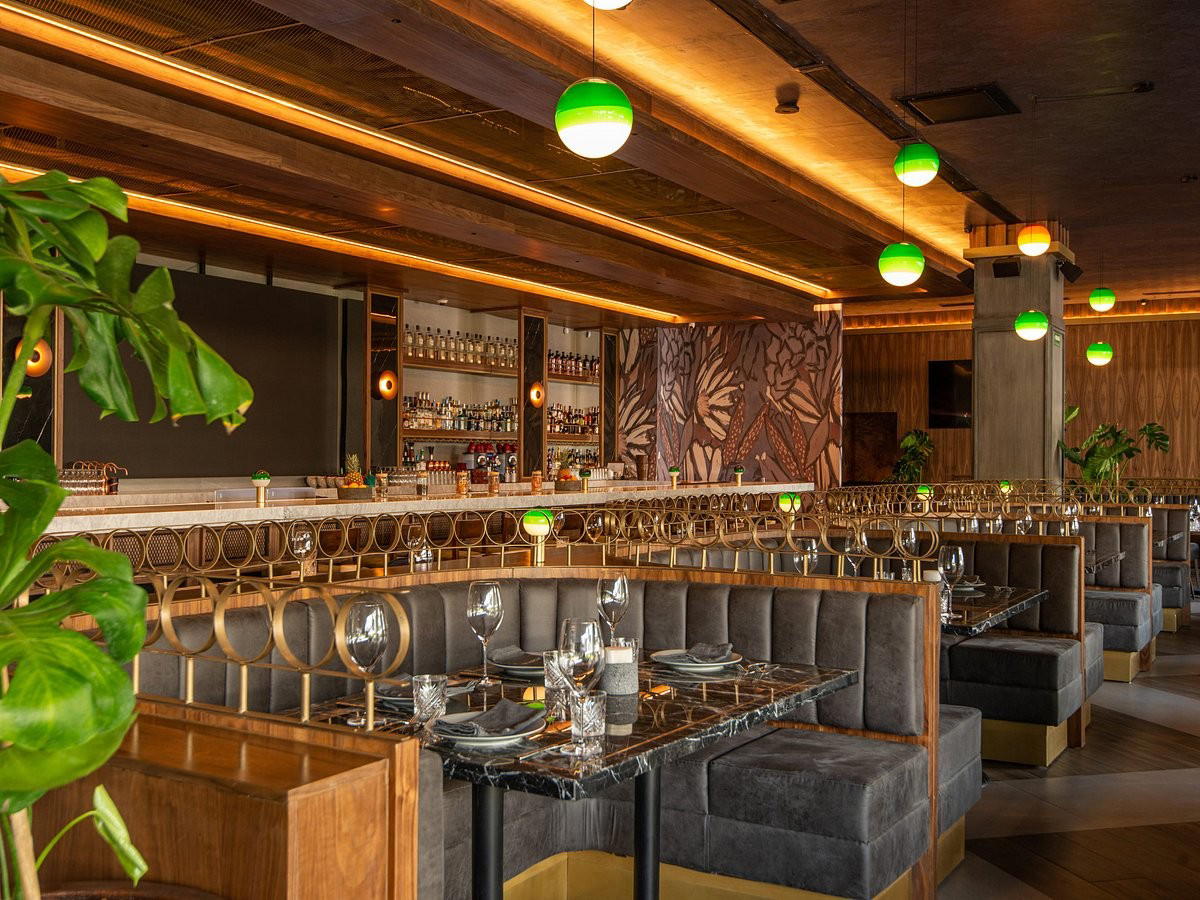
Details
- Cozy
- Trendy
- Modern
- Date Night
- Casual Hangout
- Open Kitchen
- Craft Cocktails
- A La Carte
- Small Plates
Current opening hours
- Monday
- 1–10 PM
- Tuesday
- 1–10 PM
- Wednesday
- 1–10 PM
- Thursday
- 1–11 PM
- Friday
- 1–11 PM
- Saturday
- 1–11 PM
- Sunday
- 12–8 PM
Hours can change for holidays and private events. Hours as of .
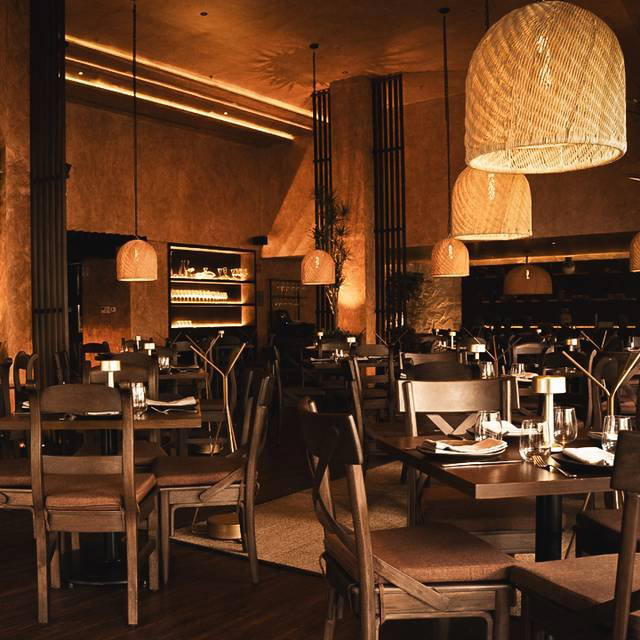
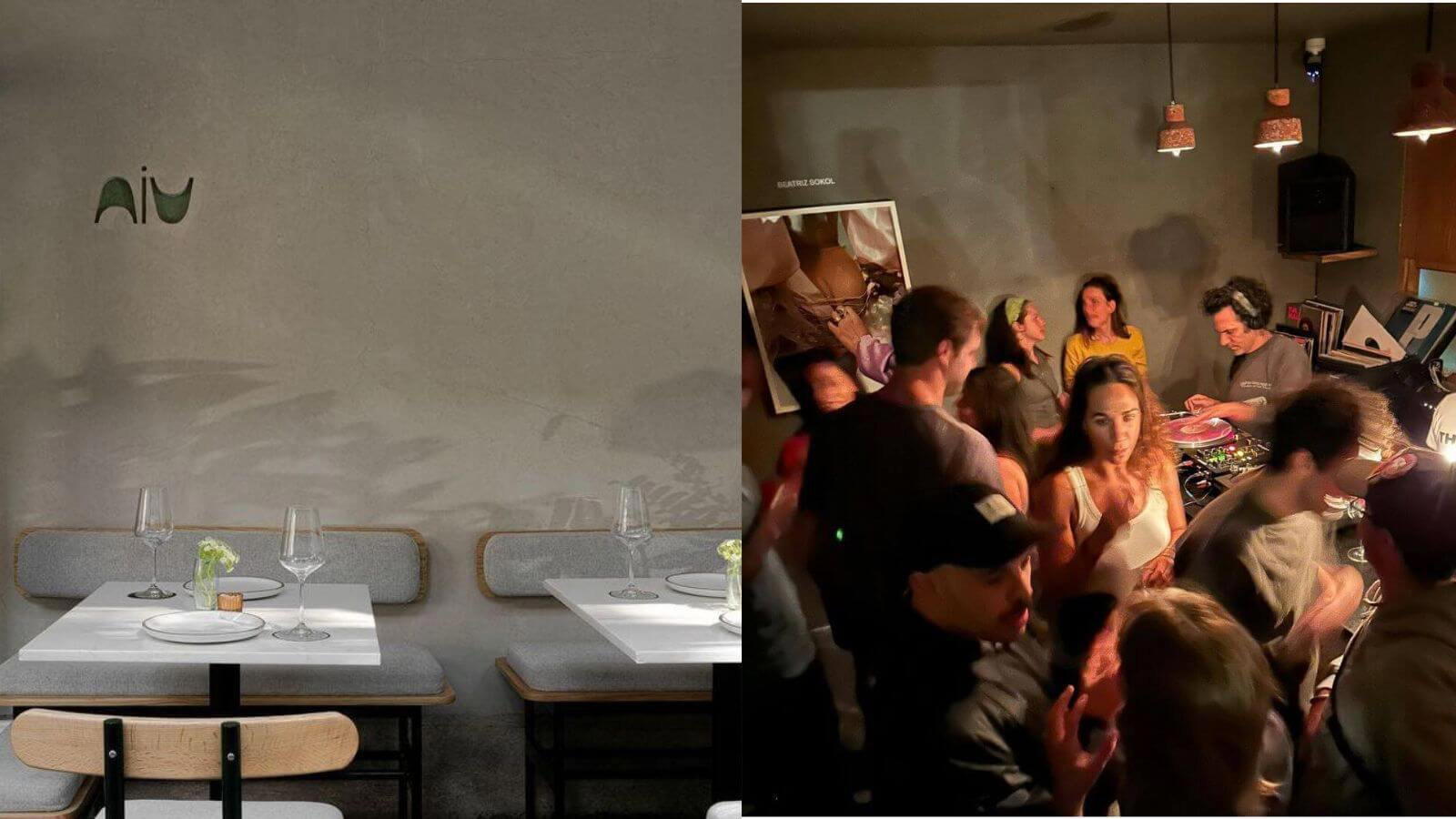
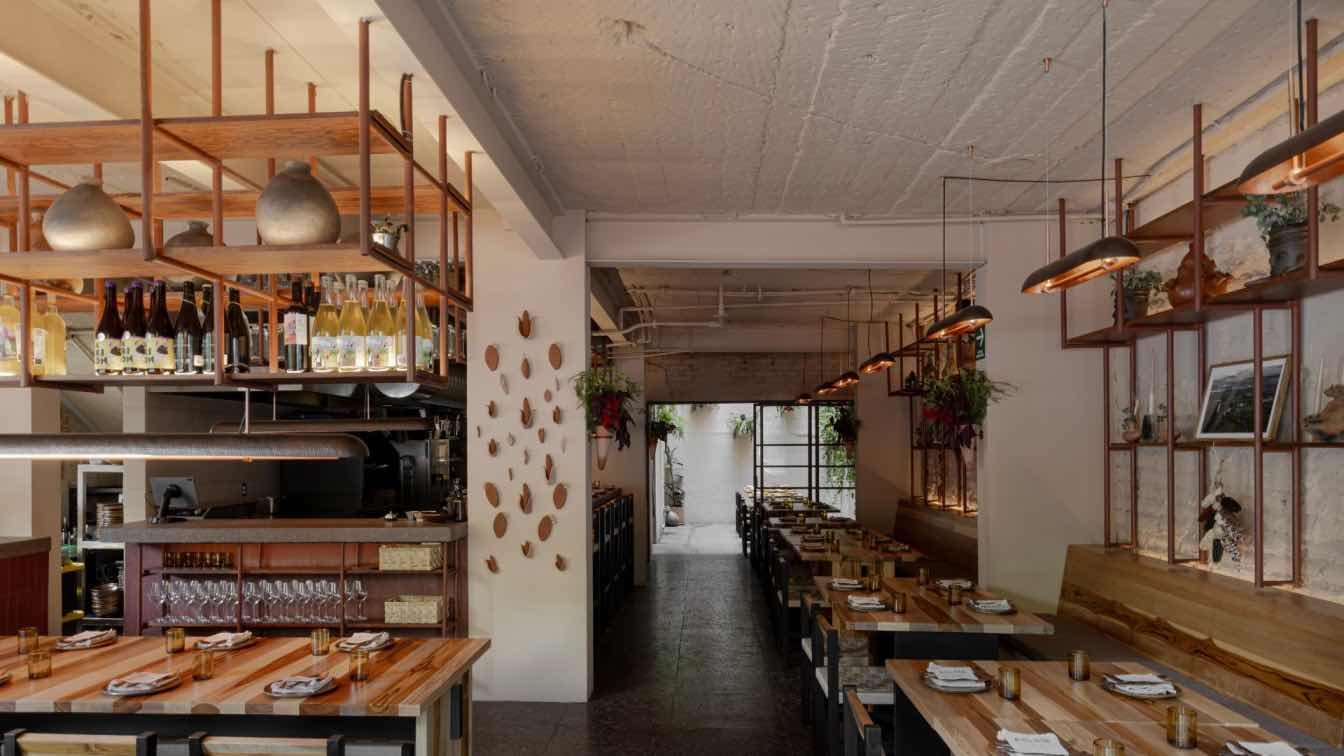
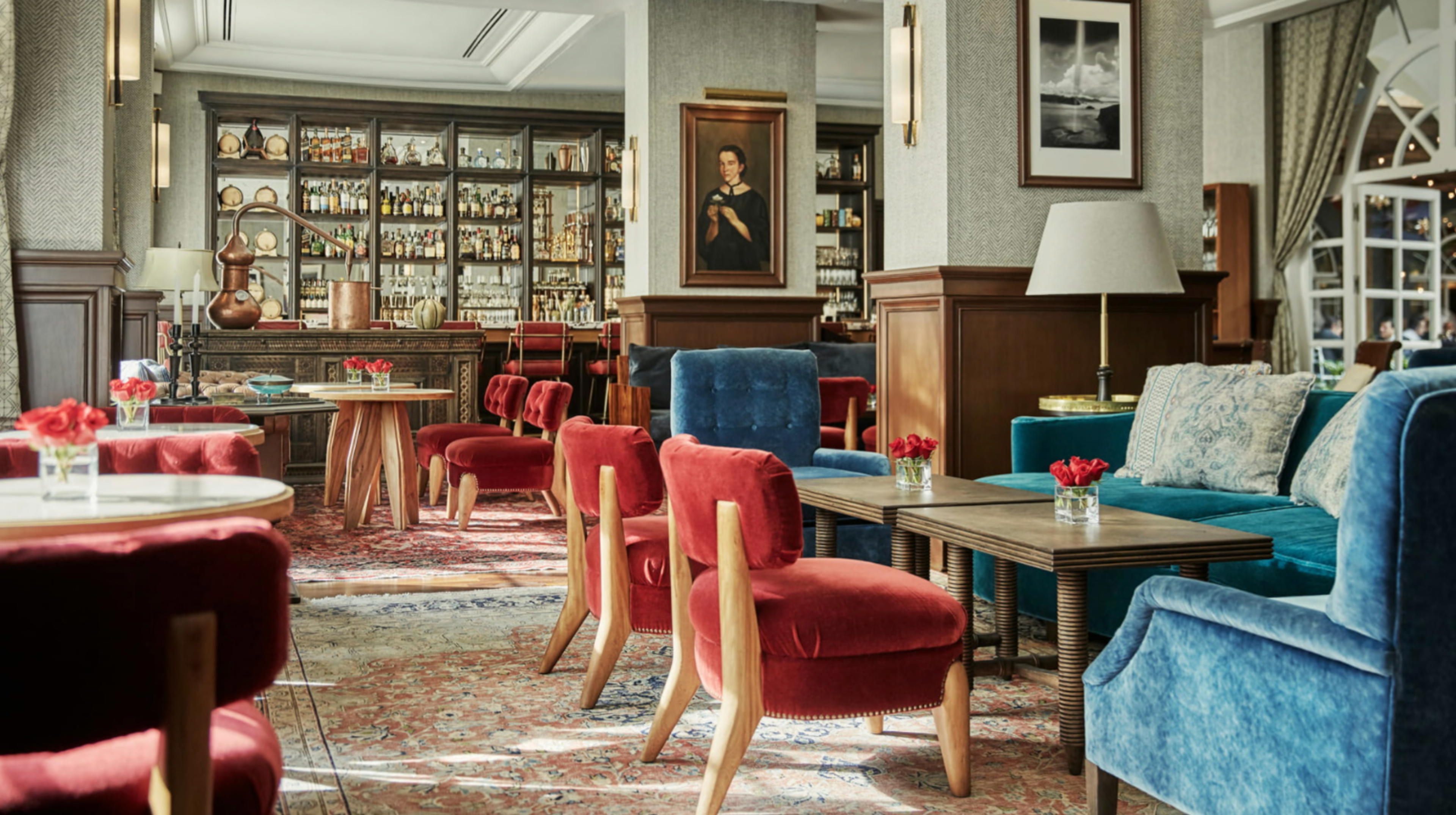
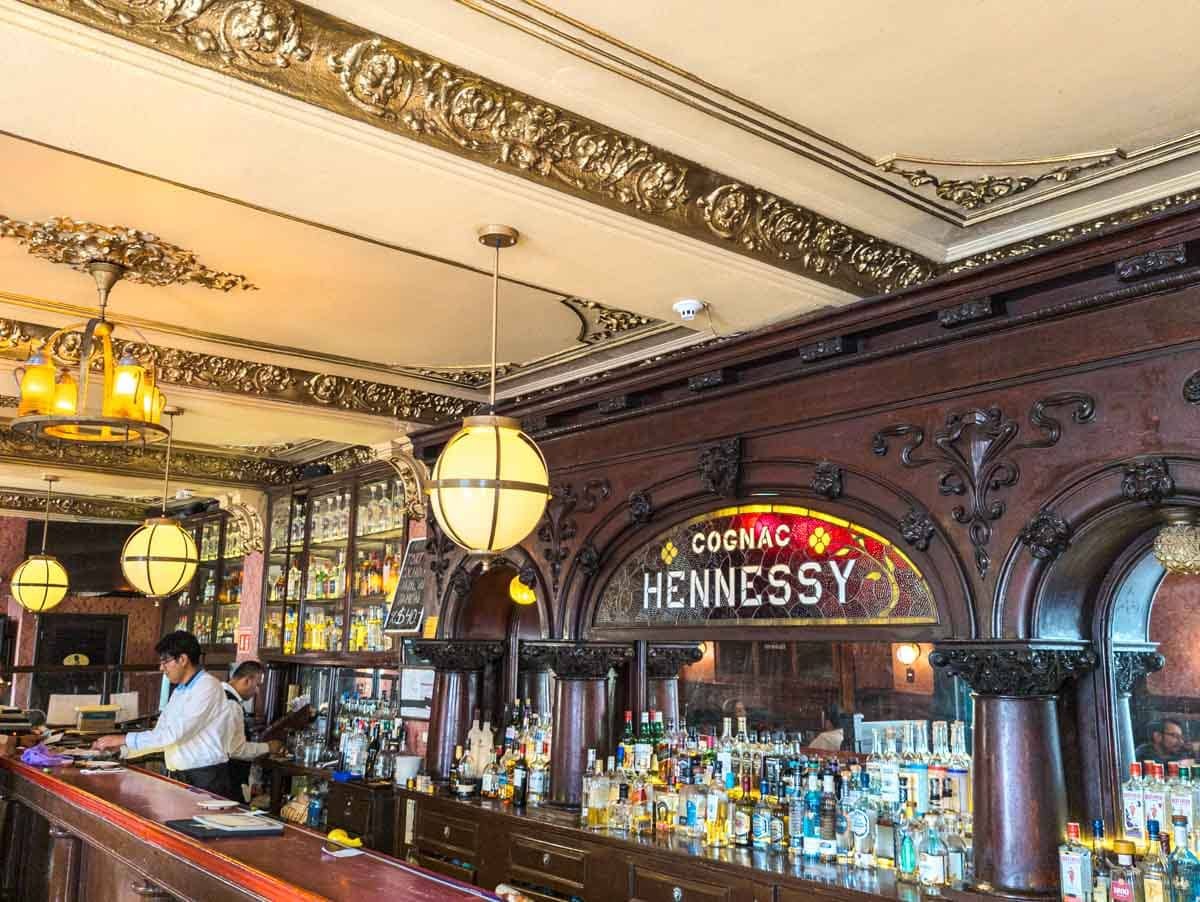
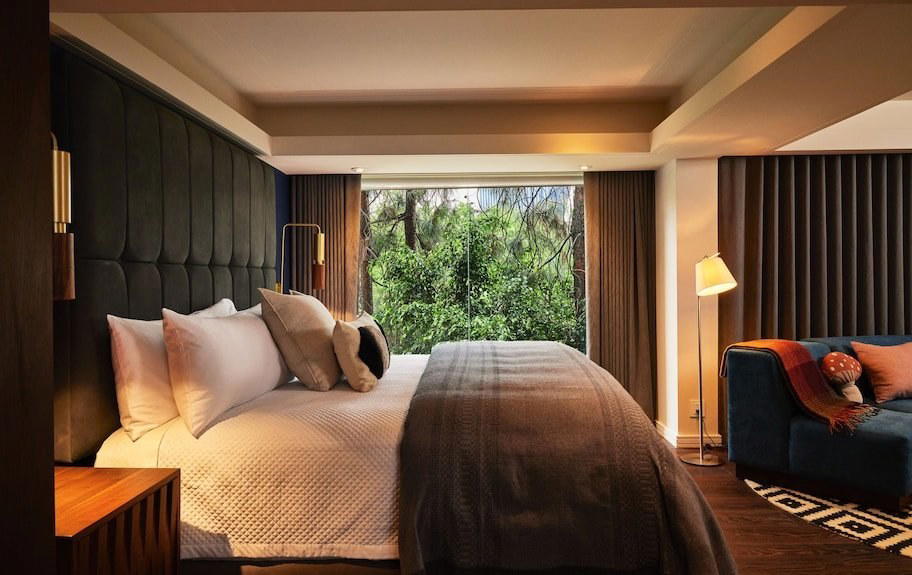
Serene yet trendy with a cozy, casual atmosphere, moderate noise, and nice lighting for relaxed dinners.