OCTAVIA CASA



1 Michelin Key · Vogue 2026 Vogue Best Hotels in Mexico City · Mr & Mrs Smith Seal of Approval
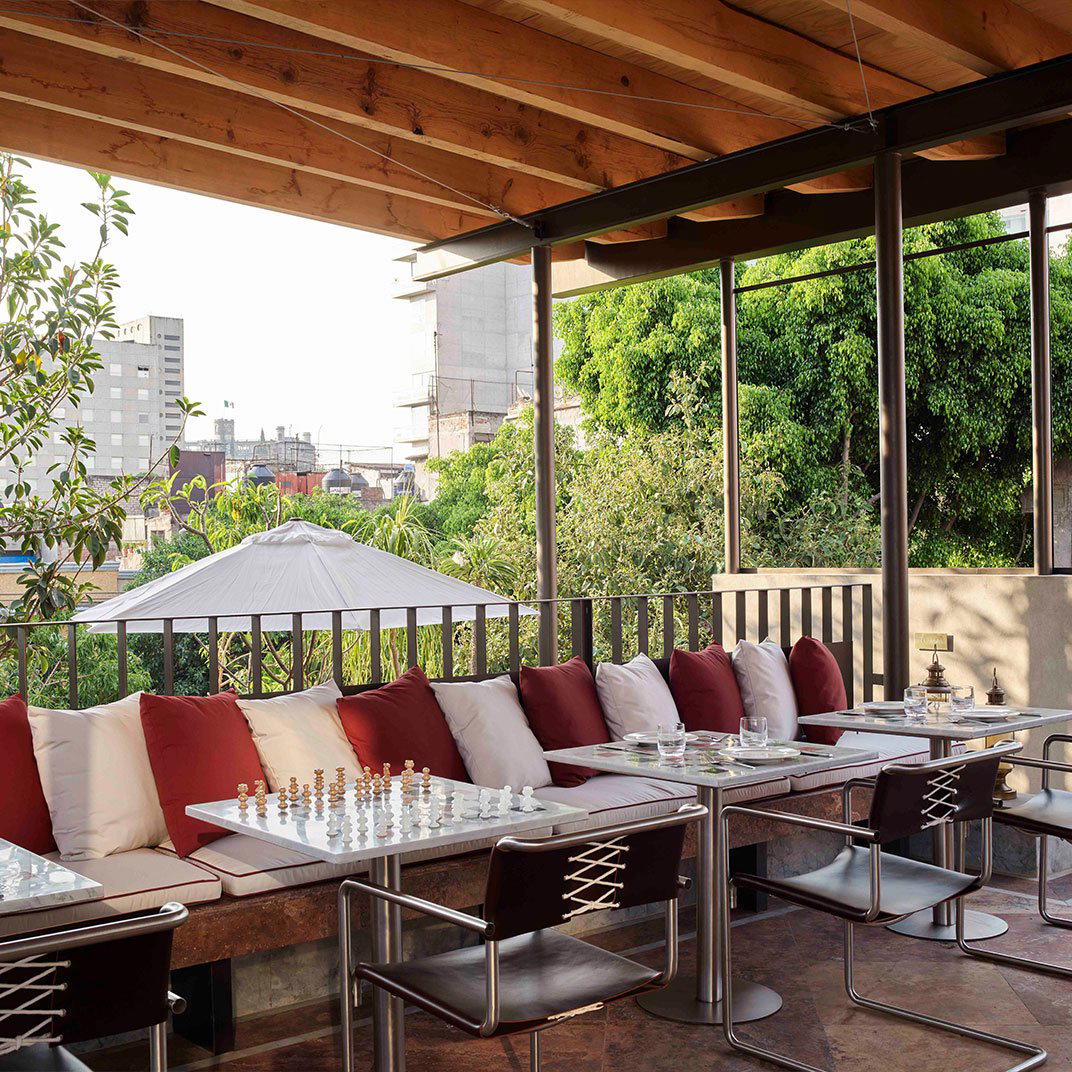
In Condesa, one of Mexico City's most design-conscious neighbourhoods, Octavia Casa occupies a quiet residential address that reads as counterpoint to the city's relentless energy. Six suites draw on natural materials and Mexican craft, while a guest-only rooftop and courtyard breakfast beneath a guava tree make the case for staying small and local. This is boutique hospitality with a clear point of view.

Pearl is the En Primeur Club membership app — saves, bookings, and concierge access live there. Same editors, same standards.
- Address
- Av. Amatlan 126, Hipódromo Condesa, Cuauhtémoc, 06170 Ciudad de México, CDMX
- Phone
- +52 55 3262 2290
- Website
- octaviacasa.mx
- Directions
- Get directions
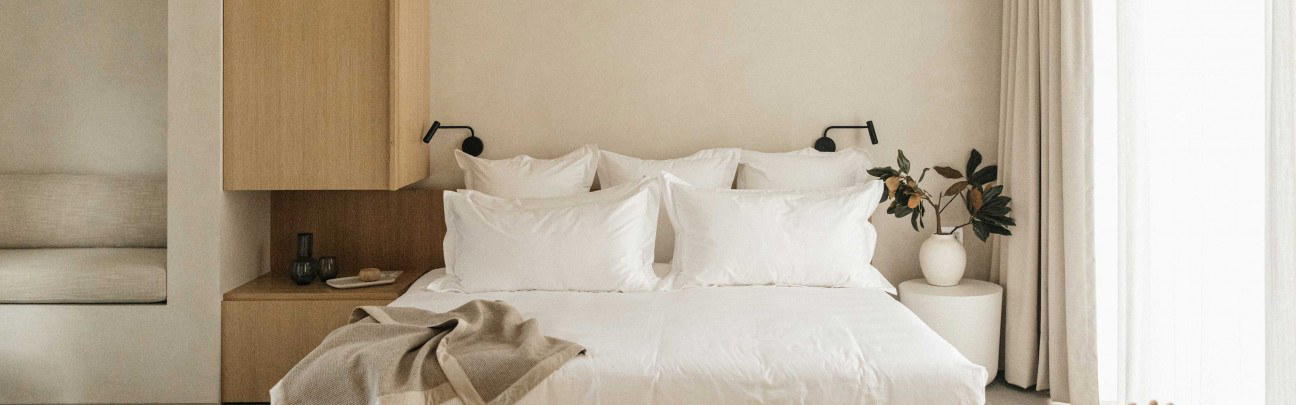
Where Condesa's Design Sensibility Finds a Quiet Room
Mexico City's boutique hotel scene has fractured into two distinct tiers over the past decade. On one side sit large-footprint international chains, the Four Seasons, Ritz-Carlton, St. Regis, and JW Marriott properties clustered around Polanco and Reforma, offering scaled luxury and the predictability that comes with it. On the other, a smaller cohort of design-led casa hotels has taken root in the residential colonia neighbourhoods, particularly Roma and Condesa, built around local materials, local craft, and a more considered relationship with their surroundings. Octavia Casa sits firmly in this second category, and represents one of its more coherent expressions.
The address, Avenida Amatlán 126 in Hipódromo Condesa, places the property in one of the city's most architecturally layered streets. Condesa developed its Art Deco character through the 1930s and 1940s, and the neighbourhood has retained a residential density, tree-lined streets, and a ground-floor ecosystem of independent cafés, wine bars, and restaurants that larger hotel districts simply cannot replicate. For the traveller who regards a hotel as base rather than destination, that neighbourhood fabric matters more than a full-service spa or a lobby bar.
Material Honesty as a Design Philosophy
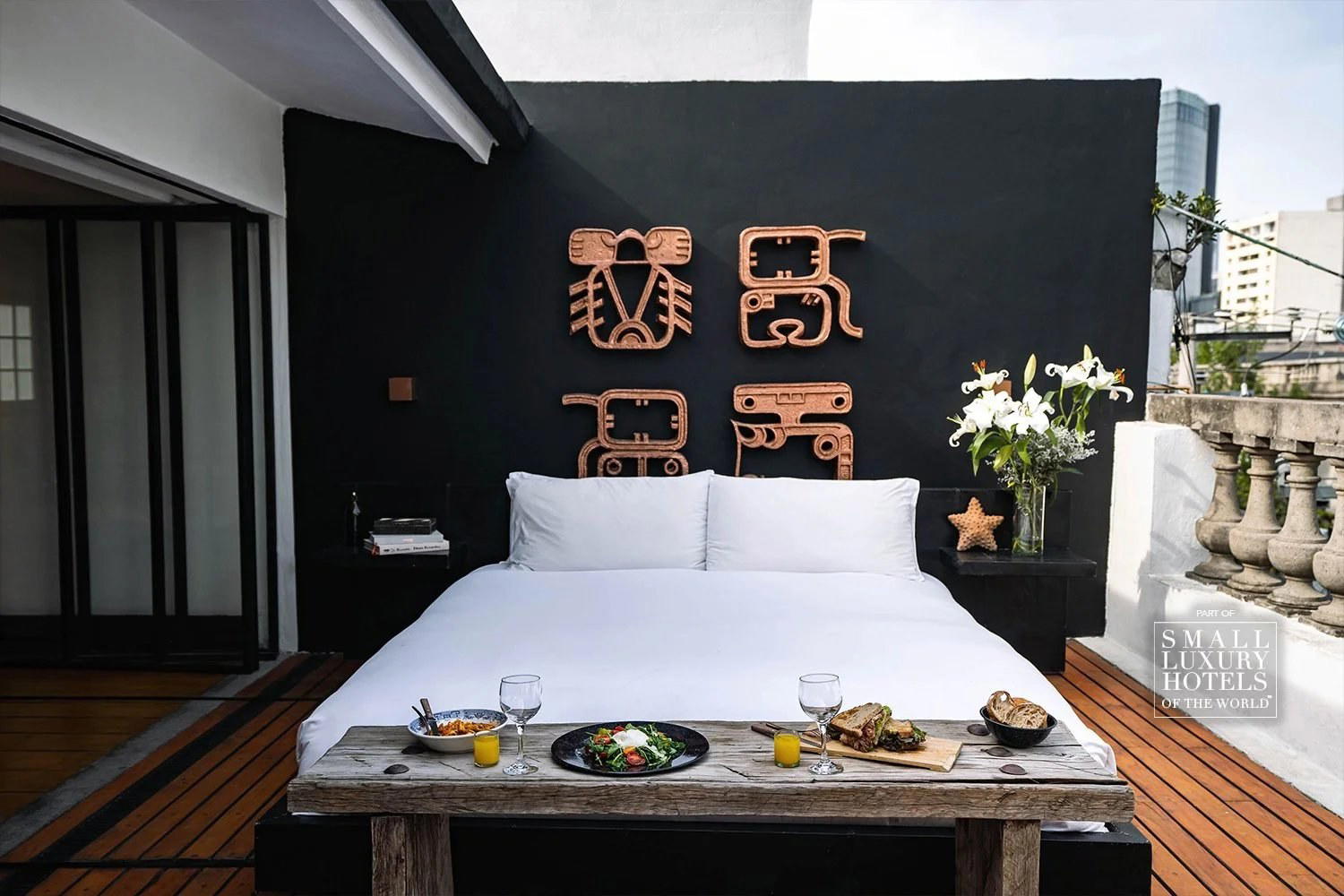
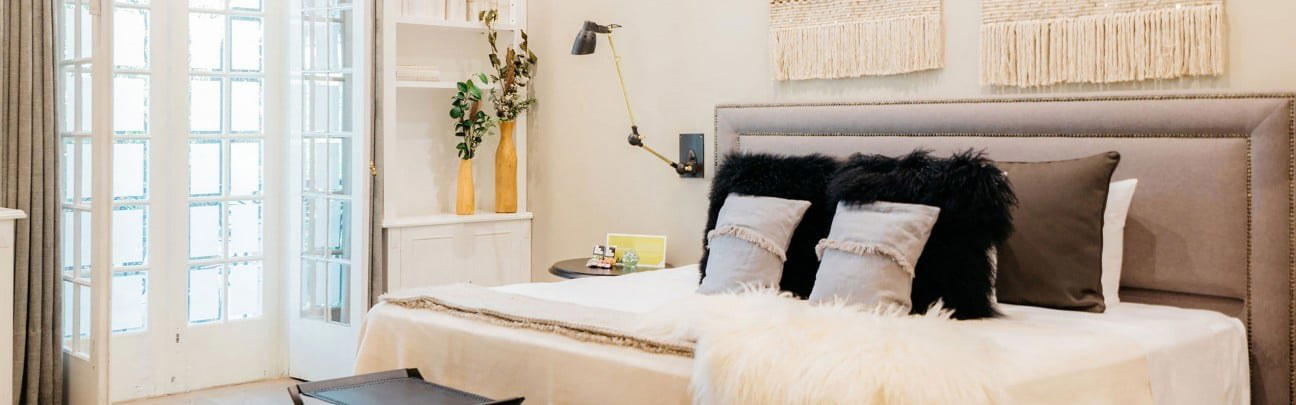
The hotel was conceived as an extension of designer Roberta Maceda's broader creative practice, with architect Pablo Pérez Palacios responsible for the spatial translation. The result is a property that reads more like a carefully curated residence than a hospitality product. Whitewashed walls, carved wooden furniture, linen sofas, raffia rugs, and king-sized beds dressed in cotton linens and down duvets from Maceda's homewares line form a consistent material language across the six suites. The palette is deliberately restrained, but individual pieces by Mexican designers, handmade ceramic coffee cups, blown-glass water carafes, ceramic planters with living greenery, introduce specificity without disruption.
This approach places Octavia Casa within a broader movement in Mexican design hospitality that treats restraint as its own form of luxury. Properties like CASA TEO and Casapani operate in a similar register, as do Casona Roma Norte and Casa Nuevo León Hotel. What distinguishes Octavia is the coherence between the fashion and interiors practice behind it: the material choices are not aesthetic decisions assembled for the market, they follow from an existing creative logic. That continuity shows in the rooms.
The suites draw thematic inspiration from natural elements, a structural conceit that could easily become heavy-handed but is handled with enough lightness here to feel more like a curatorial framework than a theatrical concept. Light fills the interiors through considered openings, and the overall effect leans toward the contemplative. In a city that rarely allows silence, that registers as a meaningful offering.
Sustainability Through Scale and Source
The editorial angle on Octavia Casa's environmental position is less about stated policy than about structural choices. Small-scale properties carry an inherent sustainability advantage over large hotel operations: a six-room casa hotel consumes a fraction of the resources of a 200-key tower, and its integration into a walkable, dense residential neighbourhood reduces the car-dependency that resort-format hotels often generate. Guests at Octavia walk to the Parque México, to the markets on Avenida Ámsterdam, to independent restaurants and wine bars within a few blocks, a travel pattern that keeps spending local and minimises transport emissions without requiring any formal commitment from the property.
Material choices reinforce this reading. Natural fibres, local craft objects, and Mexican-produced linens represent a sourcing logic that prioritises domestic supply chains over internationally imported finishes. The use of Mexican natural wines from Baja California Norte on the guest-only rooftop extends that sourcing sensibility into the hospitality offering. Baja California Norte has become Mexico's most credible fine wine region over the past two decades, with producers working in Valle de Guadalupe and adjacent valleys under conditions that suit Mediterranean varieties. Offering these wines exclusively to guests rather than running an open bar is a calibrated choice: it keeps the rooftop as a retreat rather than a revenue centre, and it frames local production as something worth attention rather than novelty.
For travellers who extend their stay into Mexico's broader hospitality circuit, the country offers a range of properties where responsible sourcing and environmental design are central rather than incidental. Chablé Yucatán in Merida operates on a large hacienda footprint with strong ecological programming, while Xinalani in Quimixto and Hotel Esencia in Tulum represent different approaches to the relationship between accommodation and natural environment. One&Only; Mandarina in Riviera Nayarit and Casa Silencio in San Pablo Villa de Mitla each take distinct positions on how architecture can respond to its setting. Octavia's contribution is urban: demonstrating that low-impact hospitality does not require a jungle or a coast.
Morning Ritual and Neighbourhood Proximity
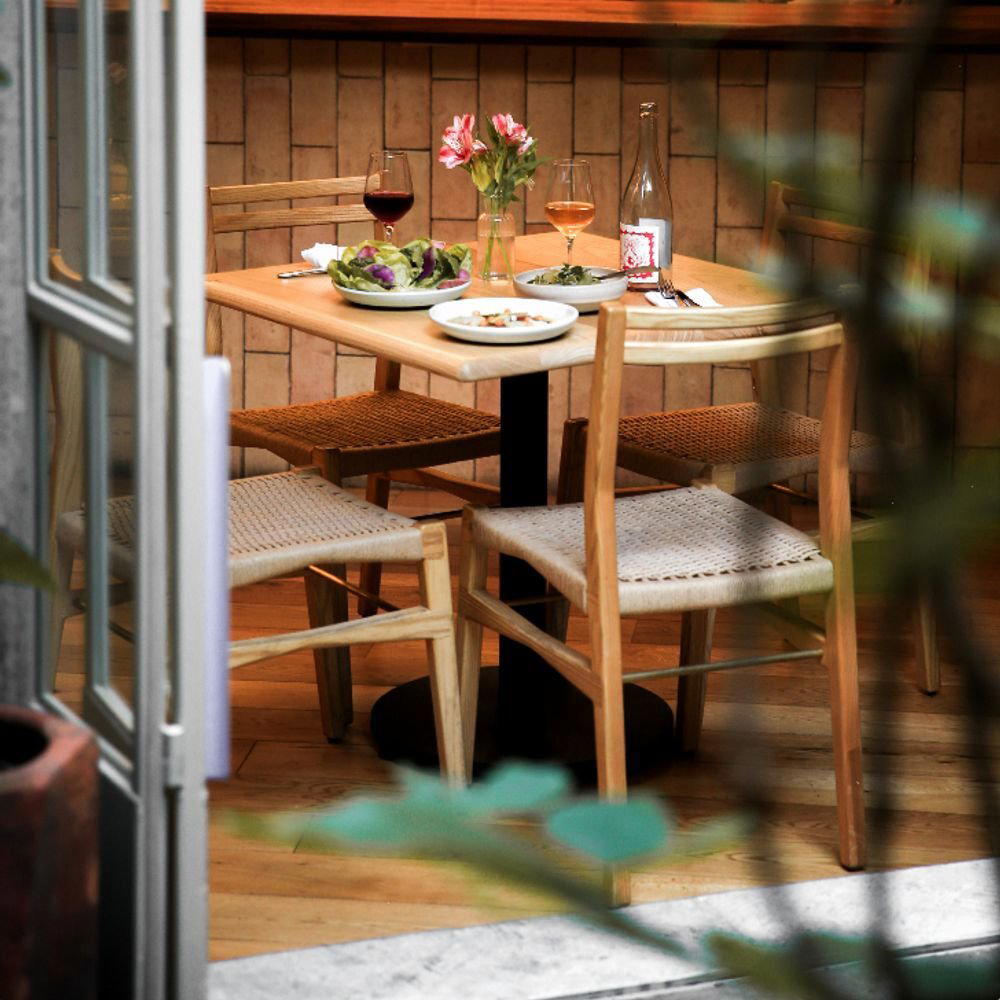
Breakfast at Octavia Casa is served in the courtyard beneath a guava tree, a detail that captures the property's approach more efficiently than any amount of design description. A Mexican-style continental format in an open-air patio, shaded by a fruit tree, positions the meal as something domestic rather than transactional. There is no restaurant beyond this, which is consistent with both the property's scale and its neighbourhood context. Condesa and Hipódromo Condesa contain a density of independent restaurants, cafés, and natural wine bars that render an in-house dining operation redundant. Guests are, in effect, given access to the neighbourhood's full culinary range rather than being channelled toward a proprietary offering.
For a broader reading of where Mexico City dining and hospitality sits in 2024, our full Mexico City restaurants guide maps the scene across colonias and price tiers. Properties in adjacent registers, including Casa Polanco, Alexander, Brick Hotel, and Campos Polanco, each take different positions on neighbourhood, format, and scale. Octavia's Condesa address gives it a specific neighbourhood advantage for travellers oriented toward independent dining and walkable exploration over curated hotel programming.
Planning Your Stay
Octavia Casa operates six rooms across its suites, a scale that means availability tightens quickly during high-demand periods, particularly the spring festival season in March and April, the November-December cultural calendar, and long weekends around national holidays. Direct inquiries through the property's Avenida Amatlán address are advisable well in advance for these windows. The location in Hipódromo Condesa is walkable to the Parque México and the Avenida Ámsterdam circuit, and sits within reasonable distance of the Metrobús network on Insurgentes for access to Roma Norte and the historic centre.
Comparable casa hotel experiences elsewhere in Mexico's travel circuit, from Las Ventanas al Paraíso in San José del Cabo to Maroma in Riviera Maya and Etéreo, Auberge Resorts Collection in Punta Maroma, operate at resort scale with corresponding price points and programming. Octavia sits at the opposite end of that spectrum: a property where the city is the amenity and the hotel's role is to get out of the way gracefully. For travellers who have already worked through the larger-format Mexican luxury circuit, that restraint reads as a genuine differentiator.
The Short List
Comparable venues nearby, for context on price, style, and recognition.
| Venue | Price | Awards | Notes |
|---|---|---|---|
| OCTAVIA CASAThis venue — the venue you are viewing | Not listed | 1 Michelin Key · Vogue 2026 Vogue Best Hotels in Mexico City | Not listed |
| Nima Local House hotel | Not listed | 1 Michelin Key · Mr & Mrs Smith Seal of Approval | Roma Norte, Restored historic mansion blending old-world elegance with modern thoughtful design |
| Hotel Las Mañanitas | $300–500 | Relais Chateaux Award | Cuernavaca Central, Colonial luxury hotel with lush tropical gardens |
| Casa Goliana | $300–500 | Michelin Selected | Hipodromo, Restored 20th-century mansion turned intimate boutique residence |
| Andaz Mexico City Condesa - A Concept by Hyatt | Not listed | Michelin Selected | Hipodromo, Luxury boutique hotel blending Art Deco heritage with modern Mexican design. |
| Ignacia Guest House | Not listed | 1 Michelin Key · Vogue 2026 Vogue Best Hotels in Mexico City | Centro Urbano Benito Juarez, Restored mansion turned luxury bed & breakfast |
Recognition history
Dated appearances from independent guides and award organizations, with the underlying list record or original source where available.
Michelin 1 Key
Michelin
Mr & Mrs Smith Seal of Approval
Mr & Mrs Smith
Vogue 2026 Vogue Best Hotels in Mexico City
Vogue
Full recognition history (4 entries)
Michelin 1 Key
Michelin
Continue exploring
More in Mexico City
Hotels in Mexico City
Browse all →
Bars in Mexico City
Browse all →
Details
- Modern
- Elegant
- Minimalist
- Intimate
- Sophisticated
- Romantic Getaway
- Anniversary
- Weekend Escape
- Rooftop Pool
- Terrace
- Design Destination
- Wi Fi
- Spa
- Concierge
- Room Service
- Valet Parking
- Street Scene
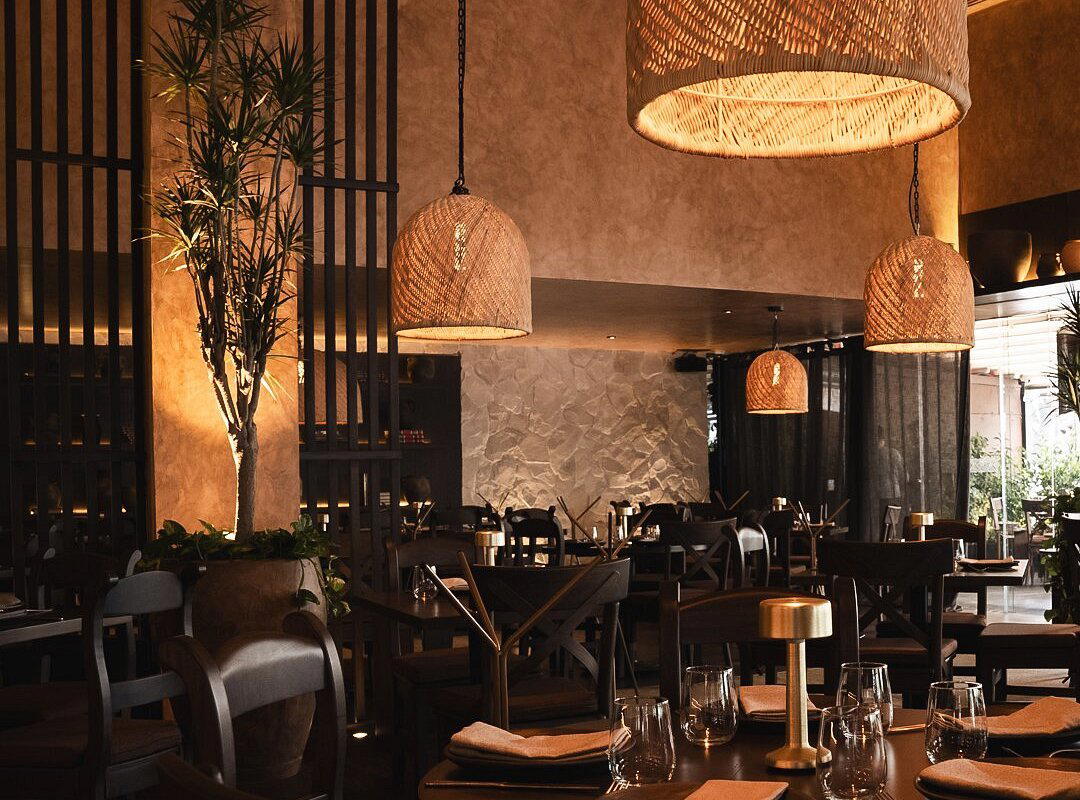
Light-filled minimalist interiors with clean lines, natural materials, soft lighting, and a calm, ethereal atmosphere praised for its quiet oasis-like feel in trendy Condesa.