La Once Mil

La Once Mil operates in Lomas de Chapultepec, a residential neighbourhood in Miguel Hildalgo where taco specialists compete on ingredient quality and technique. The kitchen works from a sourcing-first model, building menus around daily market deliveries rather than signature dishes. The format sits closer to contemporary Mexican taco bars than street-cart tradition, with pricing and setting aligned to the area's mid-to-upper casual dining tier.
Pearl is the En Primeur Club membership app — saves, bookings, and concierge access live there. Same editors, same standards.
- Address
- Monte Everest 780, Lomas de Chapultepec, Miguel Hildalgo, Ciudad de México, 11000, MEX
- Website
- guide.michelin.com
- Directions
- Get directions
 Saves & bookings on Pearl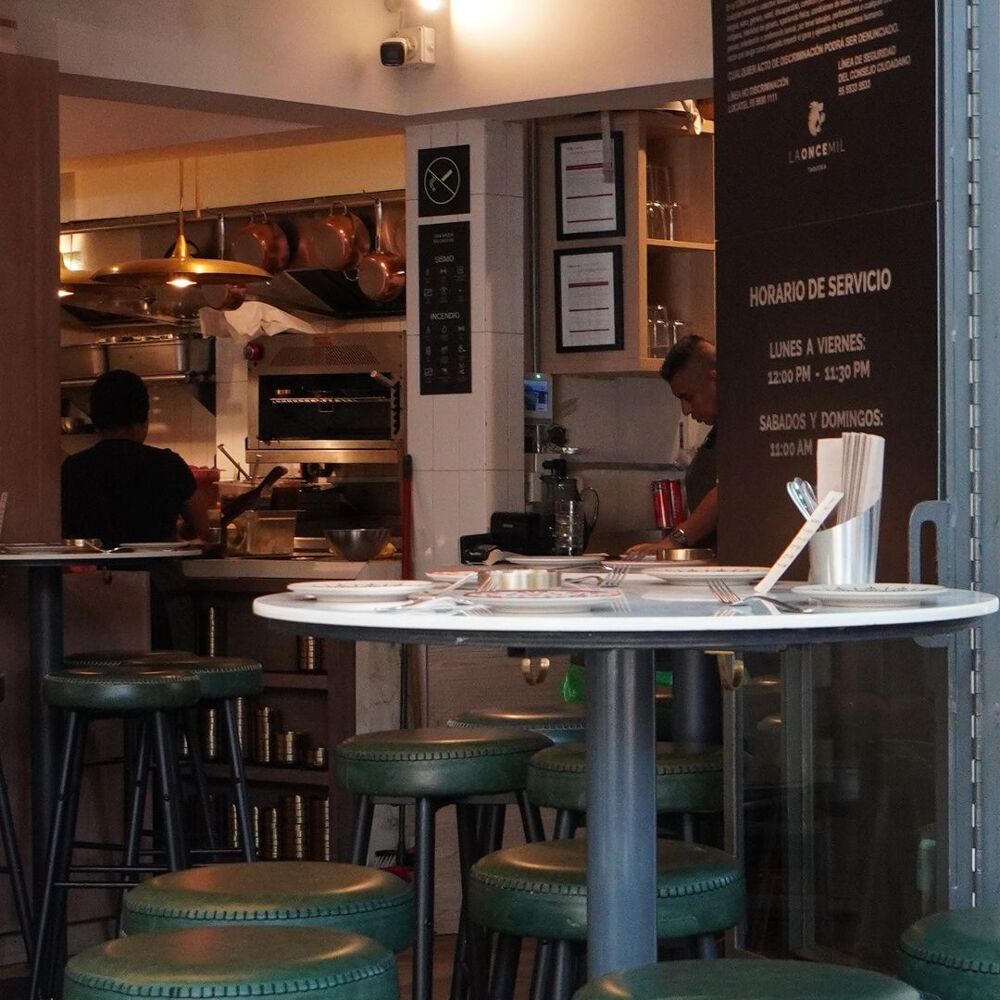
Mexico City's taco landscape divides cleanly between high-volume street operations and ingredient-driven counter formats where provenance and preparation technique carry more weight than speed. La Once Mil sits in the latter category, operating from Monte Everest 780 in Lomas de Chapultepec, a neighbourhood where residential density and office proximity generate steady weekday lunch traffic and neighbourhood repeat visits. The room runs small-scale service, with walk-in availability determined by weekday rhythm rather than reservation windows.
Miguel Hildalgo supports a mid-tier taco scene that bridges street-cart economics and full-service restaurant pricing. Venues in this bracket use quality proteins, dry-age beef, and line-caught seafood, but stop short of the tasting-menu structure and wine-pairing formats that define high-end contemporary Mexican dining. La Once Mil operates within that bracket, positioning itself as a neighbourhood option where ingredient selection and tortilla technique matter more than theatrical plating or chef-driven narrative. The kitchen emphasizes daily sourcing, building the taco menu around what arrives from suppliers each morning rather than maintaining a fixed signature list. That model requires flexibility in both prep and customer expectation, regulars order based on what the staff recommends rather than memorizing a static menu.
How the Kitchen Works
The taco program leans on tortilla quality and protein treatment. Tortillas arrive from a local molinero who grinds heirloom corn varieties, typically Oaxacan maíz criollo, and presses them to order. The kitchen heats each tortilla on a comal moments before service, ensuring the corn aroma carries through to the table. Proteins rotate based on market availability: beef cuts might include short rib or skirt steak, dry-aged for tenderness and seared to order; fish tacos shift between dorado, snapper, and seasonal white fish depending on coastal deliveries. Pork appears as slow-roasted shoulder or carnitas, cooked in lard and finished with citrus. Vegetable options follow the same sourcing logic, using squash blossoms, wild mushrooms, or market greens depending on season and supplier stock.
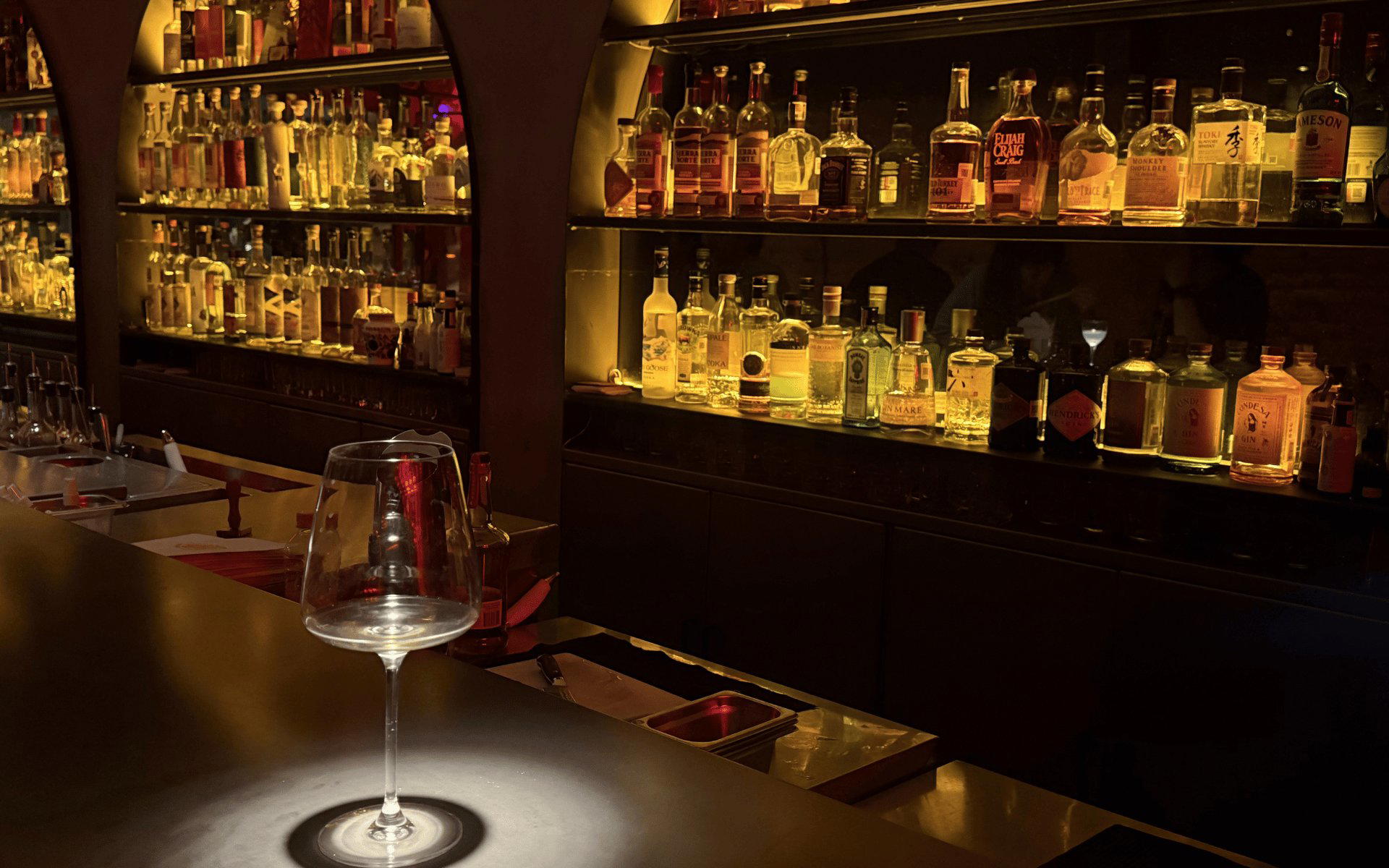
The assembly process stays minimal. Tacos arrive with one or two salsas, usually a roasted tomatillo verde and a dried-chili roja, plus lime, radish, and cilantro. The kitchen avoids heavy garnishes or fusion layering, keeping the focus on tortilla quality and protein execution. Portion sizes run moderate, with most visitors ordering three to five tacos per person to reach satiation. Drinks include fresh agua frescas, Mexican Coke in glass bottles, and a short list of domestic beers. The beverage program does not extend to cocktails or wine, keeping the service model aligned with neighbourhood taco-bar expectations rather than full-service dining.
Location and Service Context
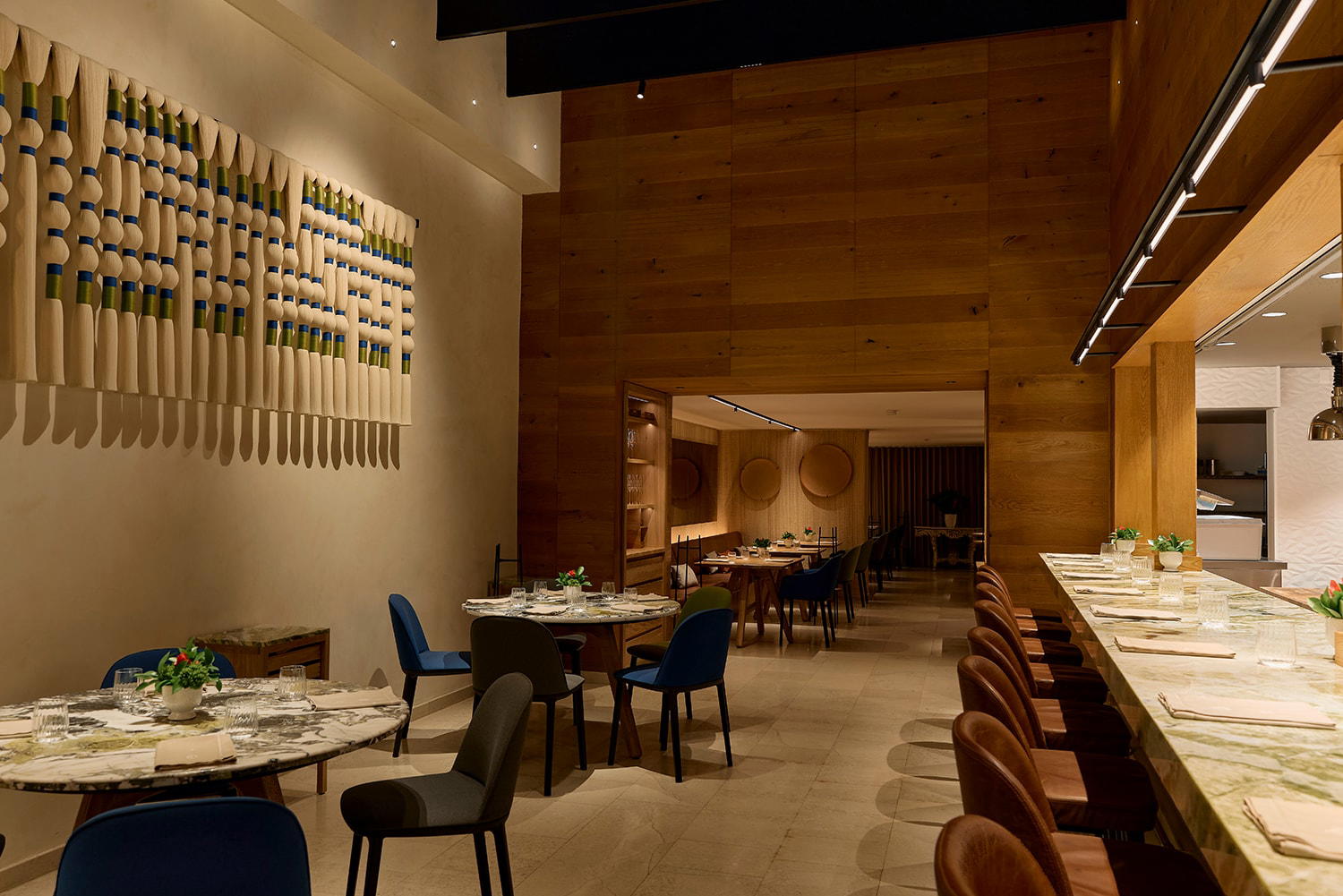
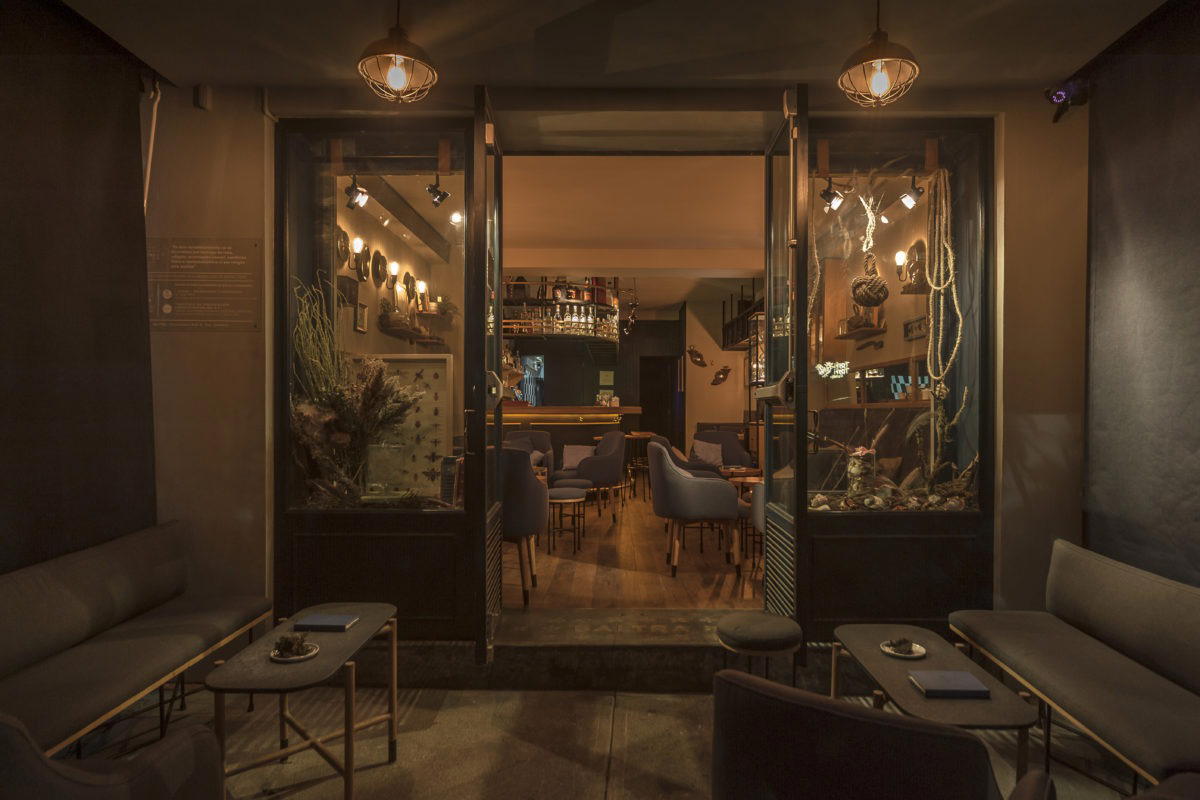
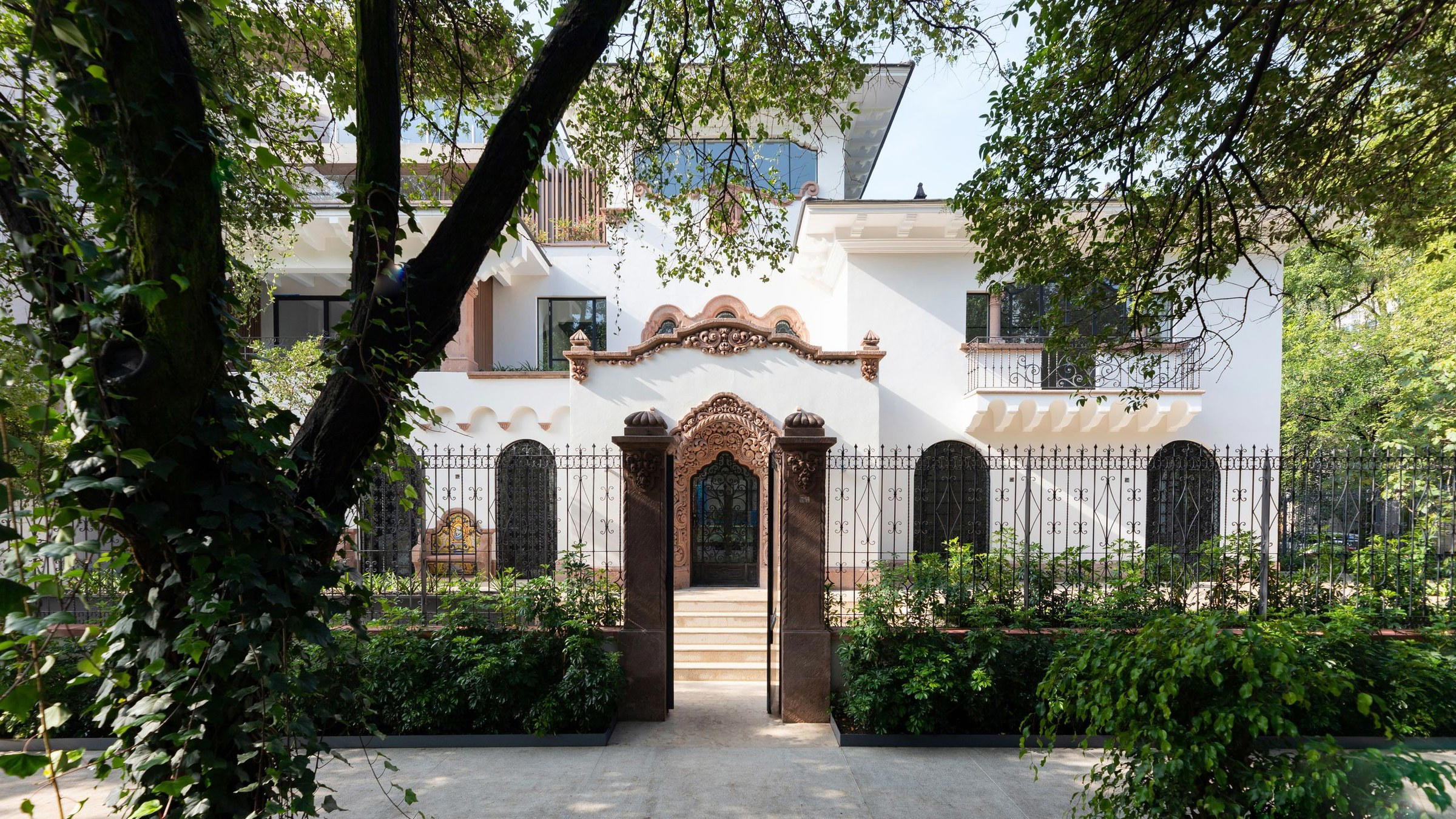
Lomas de Chapultepec sits west of Chapultepec Park, mixing residential high-rises with office blocks and neighbourhood retail. The area lacks the tourist density of Roma, Condesa, or Polanco, drawing instead from local office workers, families, and repeat clientele who live within walking distance. La Once Mil occupies a street-level storefront with limited signage, a setup common to neighbourhood taquerías that rely on word-of-mouth rather than foot traffic from passersby. The interior runs compact, with counter seating and a handful of tables. Service moves quickly during lunch hours, with turnover driven by order speed rather than table management. Dinner service remains more relaxed, though the kitchen closes earlier than full-service restaurants in adjacent neighbourhoods.
The location sits roughly ten minutes by car from Polanco and fifteen from Condesa, depending on traffic. Public transit options include nearby Metro stations and frequent bus routes along Paseo de la Reforma, though most visitors arrive by car or ride-share. Street parking in Lomas de Chapultepec can be limited during weekday lunch, with metered spots filling quickly between noon and 2 p.m. The neighbourhood supports a range of taco specialists, birria joints, and torta shops, creating a competitive mid-tier casual dining scene where repeat business depends on ingredient consistency and value perception rather than novelty or chef profile.
For visitors exploring Our full Miguel Hildalgo restaurants guide, the restaurant represents the ingredient-sourcing model that defines contemporary taco culture in residential Mexico City neighbourhoods, less street-cart spontaneity, more deliberate sourcing and technique. The format aligns with other mid-tier specialists across the city, where tortilla quality and daily-market flexibility set the standard. Those looking for broader neighbourhood context can reference Our full Miguel Hildalgo bars guide, Our full Miguel Hildalgo hotels guide, Our full Miguel Hildalgo wineries guide, and Our full Miguel Hildalgo experiences guide for adjacent programming. Visitors comparing taco formats across Mexico might also review Adamá in Oaxaca for Oaxacan regional technique, 4 Fuegos in Riviera Maya for coastal open-fire formats, or Acre in San José del Cabo for farm-to-table taco service in a resort setting. For broader Mexico City options, see 4 Mori Santa Fe in Mexico City and 4 Mori Interlomas in Jesus Del Monte for Japanese-inflected casual dining, or 750 Pizzeria in Cancún for wood-fired coastal formats. Coastal seafood comparisons extend to 7 Seas Seafood Grille in Los Cabos and 10 Experiences Tour in Cozumel, while those interested in heritage-driven Mexican cooking can explore 1890 in Todos Santos. For sake and Japanese rice-focused formats outside Mexico, Jōdo Saké Bar in Los Angeles and Onigiri Time in Pasadena provide ingredient-sourcing parallels in a different culinary tradition.
The restaurant works for repeat neighbourhood visits rather than destination dining. The sourcing model requires flexibility, visitors ordering with daily-market recommendations in mind will have a smoother experience than those expecting a fixed signature menu. The format suits weekday lunch, early dinner, or casual weekend meals where taco quality and tortilla technique matter more than service theatrics or cocktail programs. The kitchen's reliance on daily suppliers means menu consistency varies week to week, a trade-off inherent to ingredient-first operations in competitive mid-tier markets.
In Context: Similar Options
Comparable venues by cuisine and price in the same metro.
| Venue | Cuisine | Price |
|---|---|---|
| La Once Mil | In a city teeming with every kind of taco imaginable, it’s a Herculean task to... | This venue |
Recognition history
Dated appearances from independent guides and award organizations, with the underlying list record or original source where available.
Michelin 1 Star
Michelin
Continue exploring
More in Miguel Hildalgo
Restaurants in Miguel Hildalgo
Browse all →
Bars in Miguel Hildalgo
Browse all →


At a Glance
- Modern
- Sophisticated
- Intimate
- Casual Hangout
- Date Night
- Solo
- Standalone
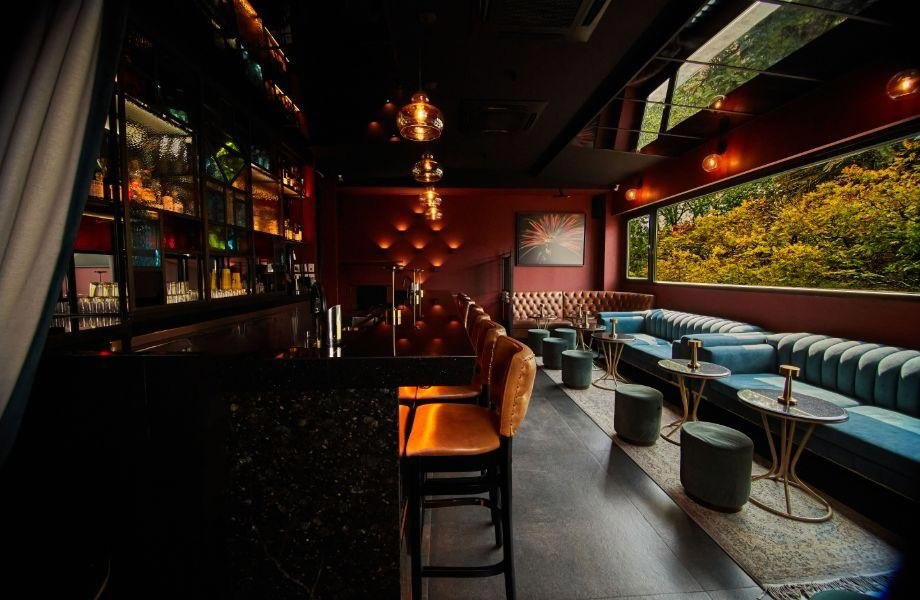
Refined but relaxed, with a polished neighborhood-restaurant feel that supports a focused, intimate taco experience.