Masa House Sushi
Masa House Sushi occupies a quiet address in Lomas de Chapultepec, one of Mexico City's most established residential enclaves, where Japanese counter dining has found a growing audience among the capital's food-literate crowd. The venue sits within a city increasingly confident about its place on the international dining circuit, alongside destinations like Pujol and Quintonil. Booking strategy and planning ahead are the key variables for a visit that pays off.
- Address
- Monte Everest 730, Lomas de Chapultepec, Miguel Hidalgo, 11000 Ciudad de México, CDMX, Mexico
- Phone
- +525574769052
- Website
- opentable.com
- Directions
- Get directions
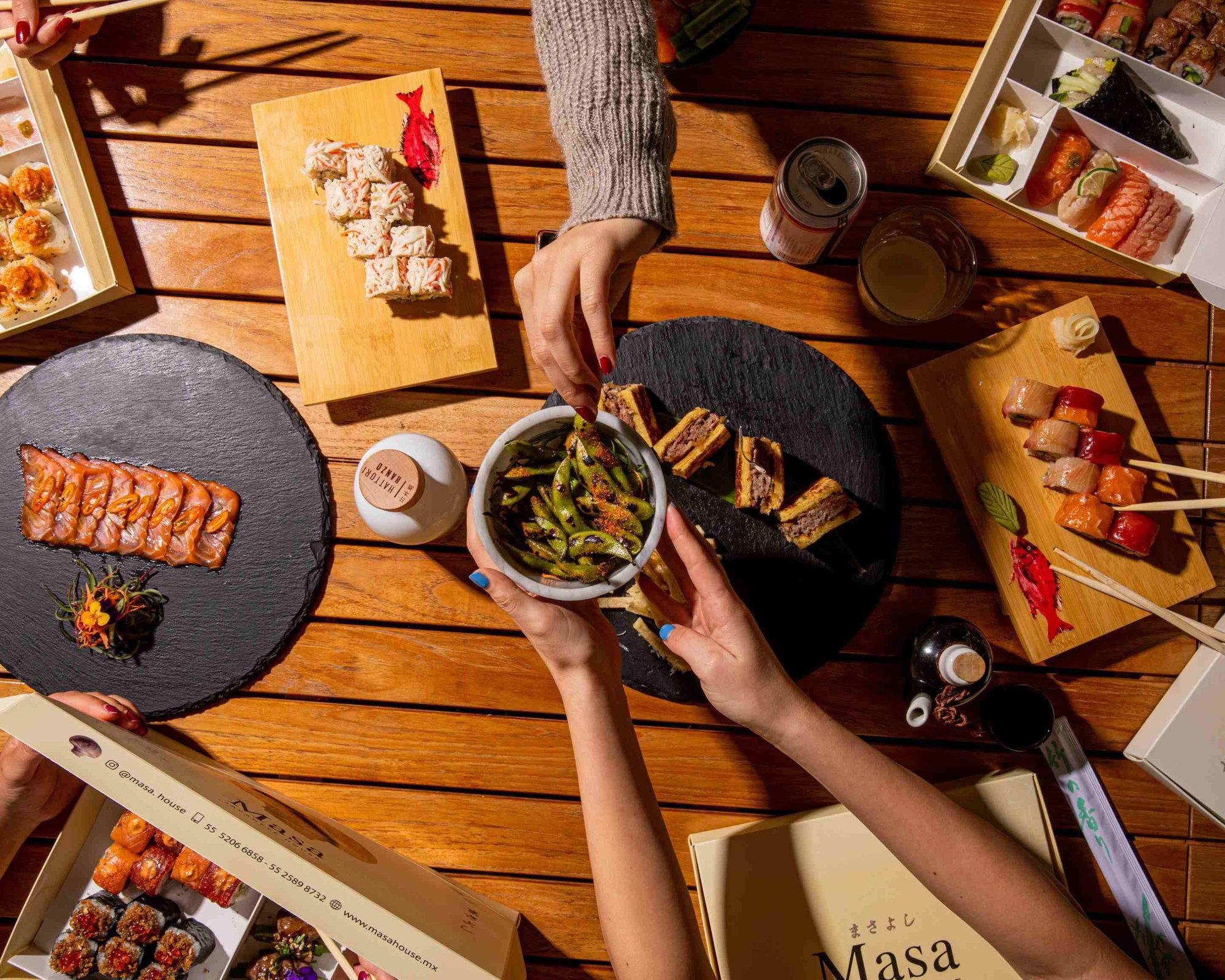
Arriving in Lomas: What the Address Tells You
Monte Everest 730 is not a restaurant-row address. Lomas de Chapultepec, the Miguel Hidalgo borough neighbourhood where Masa House Sushi sits, is one of Mexico City's older monied residential zones: wide, tree-lined streets, low foot traffic from tourists, and a dining culture built largely on reputation passed between residents rather than on algorithmic discovery. In a city where the most-discussed tables tend to cluster in Roma Norte, Polanco, or Juárez, a sushi counter in Lomas is operating by a different set of rules. It signals to its clientele directly, which means arriving without a plan is a reliable way to find the door closed.
That dynamic is worth understanding before you book, because Mexico City's Japanese dining scene has matured considerably in the last decade. The capital now sustains omakase-format counters, neighbourhood sushi bars, and hybrid Japanese-Mexican kitchens at multiple price tiers. What was once a niche category has acquired enough depth that addresses outside the obvious corridors can support serious operations. Lomas, specifically, has the residential density and discretionary spending to do exactly that.
The Booking Calculus in Mexico City's Japanese Dining Scene
Planning a meal at a counter-format Japanese restaurant in Mexico City requires more lead time than most visitors expect. The city's dining culture has shifted markedly since the early 2020s: operations that might once have absorbed walk-ins now fill seats through direct messaging, reservation platforms, and repeat clientele who know the rhythm. For venues operating in quieter neighbourhoods like Lomas, that dynamic is sharper still, because there is no passing foot traffic to absorb last-minute capacity.
In the absence of a published booking platform or confirmed website, reaching out through available social media channels or local concierge networks is the practical route. Mexico City's better hotel concierge desks — particularly those serving guests in Polanco and Lomas — have established relationships with neighbourhood restaurants that don't maintain high-visibility digital presences. That social infrastructure is part of how the city's dining ecosystem actually functions, and it rewards preparation.
Timing matters too. Mexico City's peak dining periods cluster around Friday and Saturday evenings, when competition for seats at any well-regarded counter is at its highest. Midweek visits, particularly Tuesday through Thursday, generally offer more flexibility and a more settled pace in the dining room. For a neighbourhood like Lomas, where the clientele skews local rather than tourist, that weekday-weekend split can be more pronounced than in higher-traffic areas.
Where Masa House Sushi Sits in a City of Serious Restaurants
Mexico City in 2024 and 2025 operates one of the most contested fine-dining scenes in the Americas. Pujol and Quintonil anchor the international conversation, both consistently appearing on global lists and carrying the price structures to match. Em represents a more intimate Mexican format at the mid-to-upper tier, while Rosetta and Sud 777 show the range of European-influenced creative cooking that the city now sustains. That context matters for placing Masa House Sushi: a Japanese counter in Lomas is not competing with Pujol for the same occasion. It occupies a different register, serving guests for whom Japanese technique is the specific draw rather than an expression of Mexican culinary identity.
That niche is meaningful. Across Latin America's major cities, high-quality sushi has moved from a status import to a locally grounded practice, with Mexican chefs and Japanese-trained cooks building operations that reflect both traditions. Mexico City's Japanese dining tier now has enough internal competition that a venue in Lomas needs to operate with precision to hold its audience. The address, the format, and the level of intentionality required just to get there all filter the clientele toward guests who have made a deliberate choice. That self-selection tends to produce a particular kind of room.
What to Ask Before You Arrive
With limited publicly confirmed data available for Masa House Sushi, several logistical questions are worth resolving directly with the venue. Dietary restrictions and omission requests are standard concerns at any sushi counter, and the answer typically depends on the format. Counter-style Japanese operations that run set menus have variable flexibility: some will adjust for allergies with advance notice, others work within a fixed sequence that doesn't accommodate substitutions. Confirming this before arrival, rather than at the table, is always the better move.
The question of dress code similarly warrants a direct check. Lomas de Chapultepec restaurants tend toward a smart-casual expectation rather than formal dress, but individual venues differ. The neighbourhood's general character, residential, established, understated, suggests that comfort with a degree of presentation is the baseline assumption.
For those building a broader Mexico City itinerary around serious eating, the full Mexico City restaurants guide provides context across the city's main dining neighbourhoods and price tiers.
Mexico's Wider Fine-Dining Reach
The sophistication now concentrated in Mexico City reflects a broader national pattern. Across Mexico, regional fine-dining operations have developed distinct identities rooted in local ingredients and technique. Animalón in Valle de Guadalupe operates within Baja's wine-country dining culture. HA' in Playa del Carmen brings Yucatecan ingredients into a formal setting. KOLI Cocina de Origen in Monterrey and Pangea in San Pedro Garza García anchor the northern cities' serious dining offer. Levadura de Olla in Oaxaca works within one of Mexico's most discussed ingredient traditions. Lunario in El Porvenir, Le Chique in Puerto Morelos, Olivea Farm to Table in Ensenada, Alcalde in Guadalajara, and Huniik in Merida round out a national picture that is considerably more varied and ambitious than it was ten years ago.
In that context, a Japanese counter in Lomas de Chapultepec is one specific node in a large, competitive ecosystem. For guests whose travel is organised around eating deliberately, the comparison set extends beyond Mexico: counters like Le Bernardin in New York and Atomix in New York show what rigorous format discipline looks like at the upper end of the international market. Masa House Sushi operates within that broader conversation about what counter dining can be outside Japan.
Know Before You Go
- Address: Monte Everest 730, Lomas de Chapultepec, Miguel Hidalgo, 11000 Ciudad de México, CDMX
- Neighbourhood: Lomas de Chapultepec, residential, low foot traffic; not a walk-in destination
- Booking: No confirmed online booking platform available; contact directly or via hotel concierge
- Leading timing: Midweek reservations typically offer more flexibility than weekend evenings
- Dietary needs: Confirm omission requests with the venue before arrival; format may limit substitutions
- Dress code: Unconfirmed; Lomas neighbourhood baseline is smart-casual
- Price range: Not publicly confirmed; cross-reference with similar counter-format operations in the city's mid-to-upper tier
Booking and Cost Snapshot
| Venue | Cuisine | Price | Awards |
|---|---|---|---|
| Masa House SushiThis venue — the venue you are viewing | Not listed | This venue | Not listed |
| Pujol | Mexican | $$$$ | Michelin 2 Star |
| Quintonil | Modern Mexican, Contemporary | $$$$ | Michelin 2 Star |
| Rosetta | Italian, Creative | $$ | Michelin 1 Star |
| Em | Mexican | $$$ | Michelin 1 Star |
| Comedor Jacinta | Not listed | $$ | Mexico, Mexican, $$ |
Continue exploring
More in Mexico City
Restaurants in Mexico City
Browse all →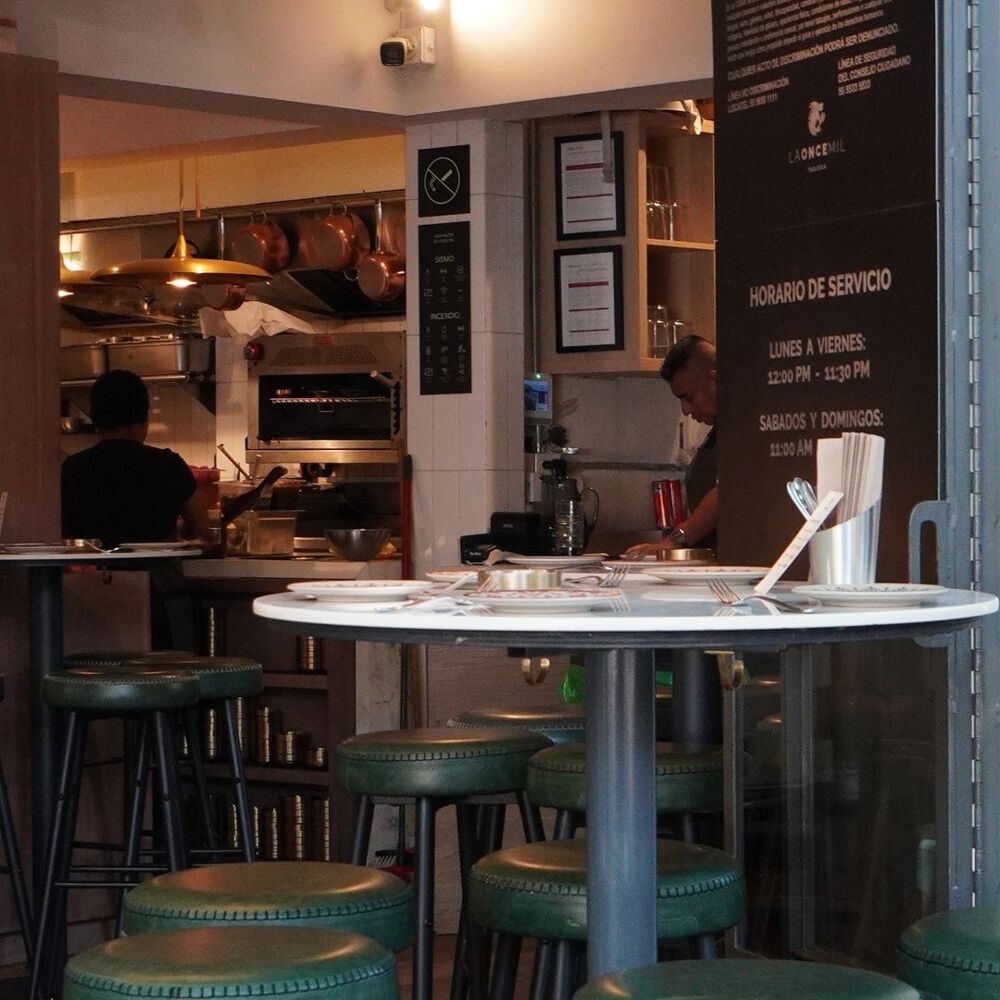
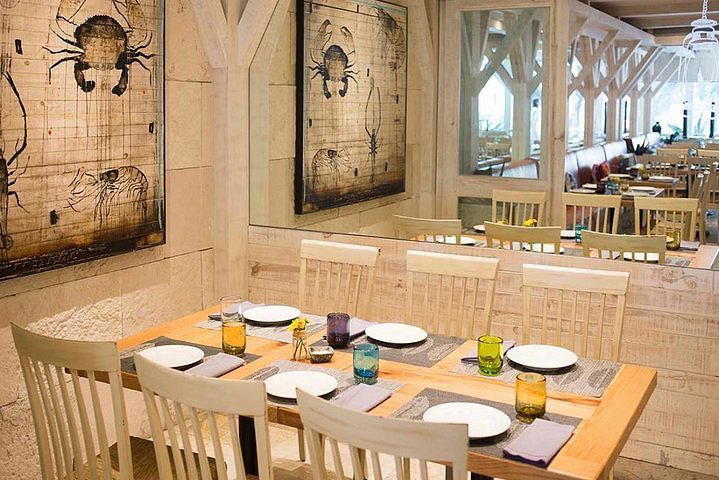
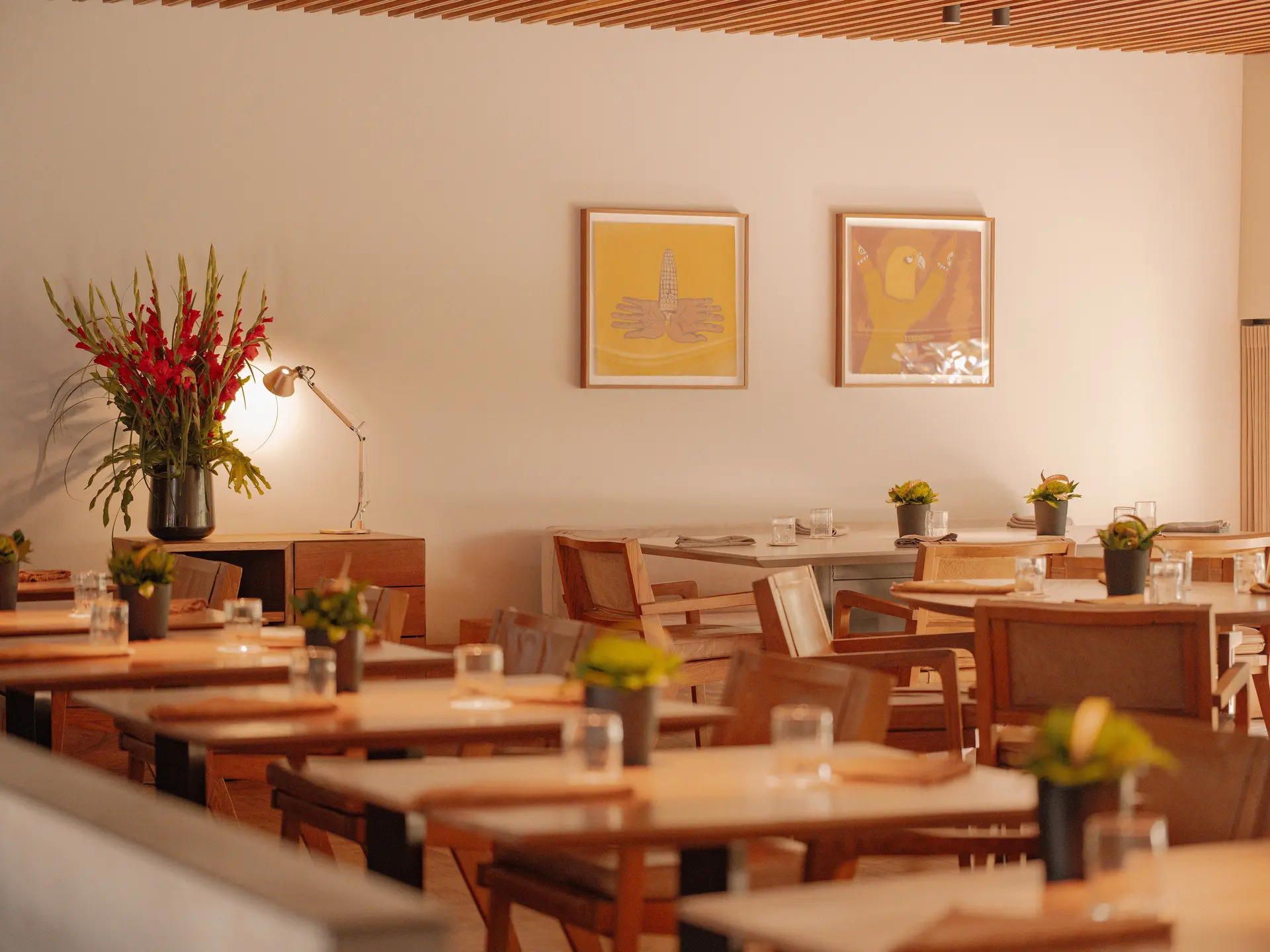
Bars in Mexico City
Browse all →
At a Glance
- Modern
- Sophisticated
- Elegant
- Industrial
- Minimalist
- Date Night
- Special Occasion
- Design Destination
- Open Kitchen
- Sake Program
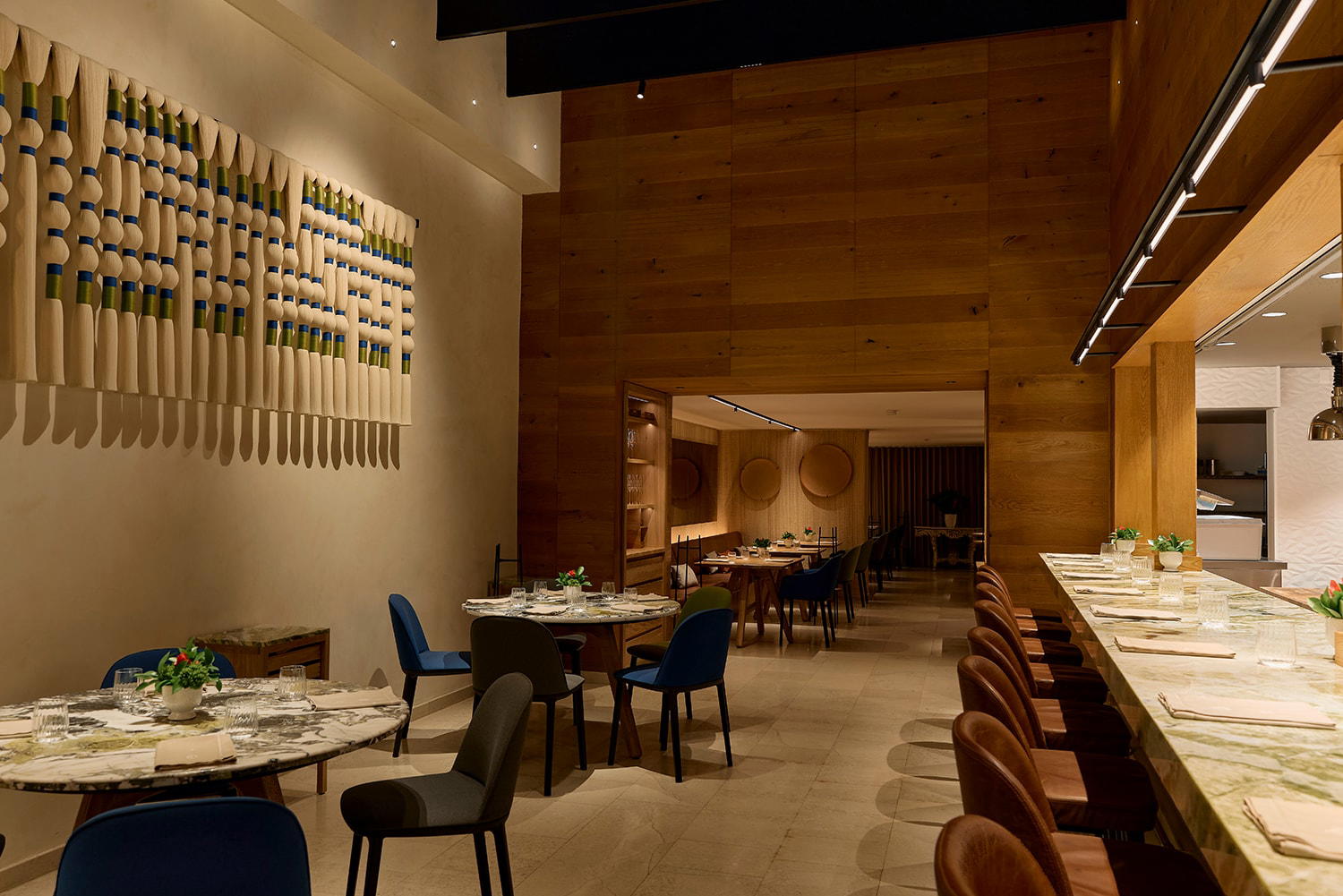
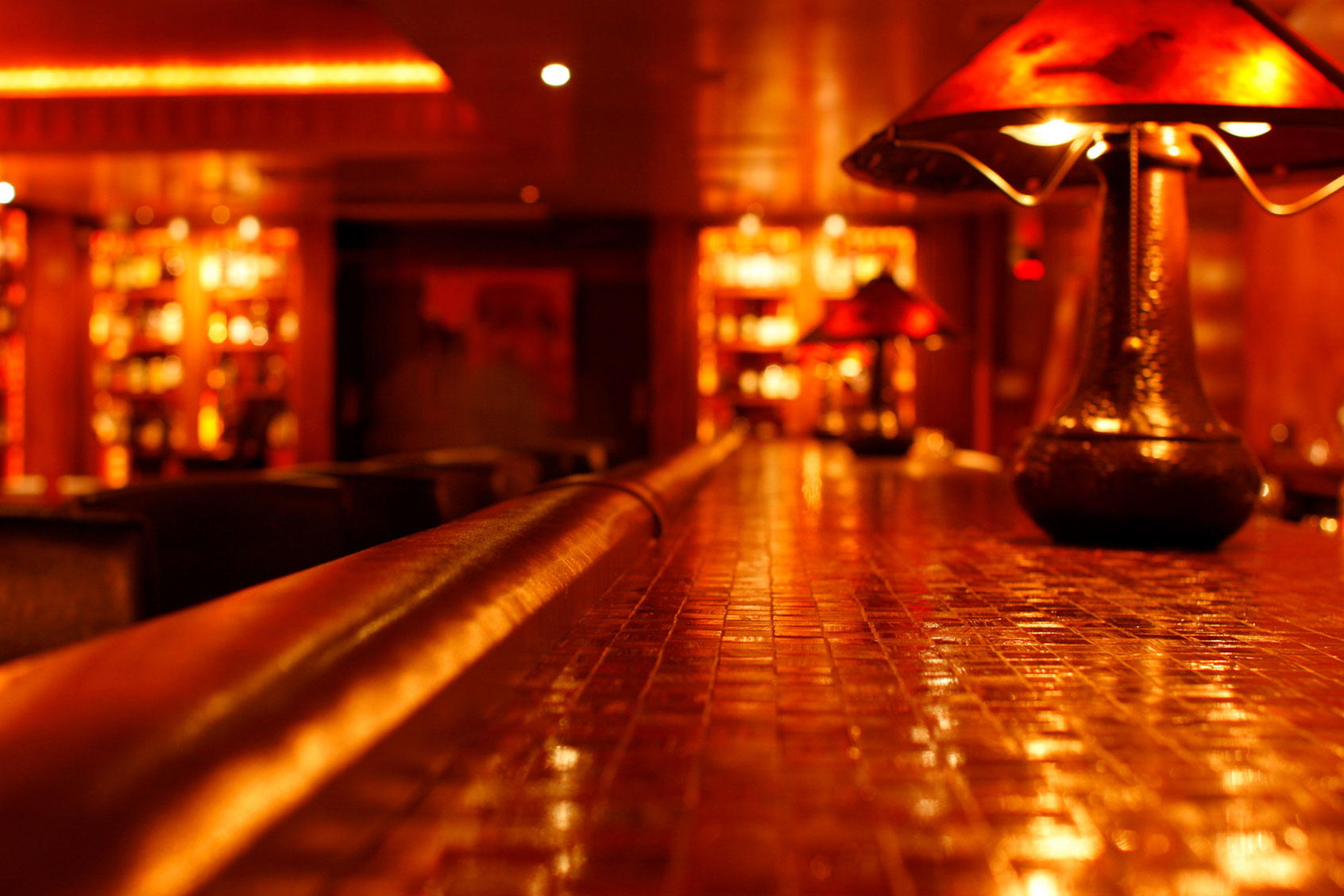
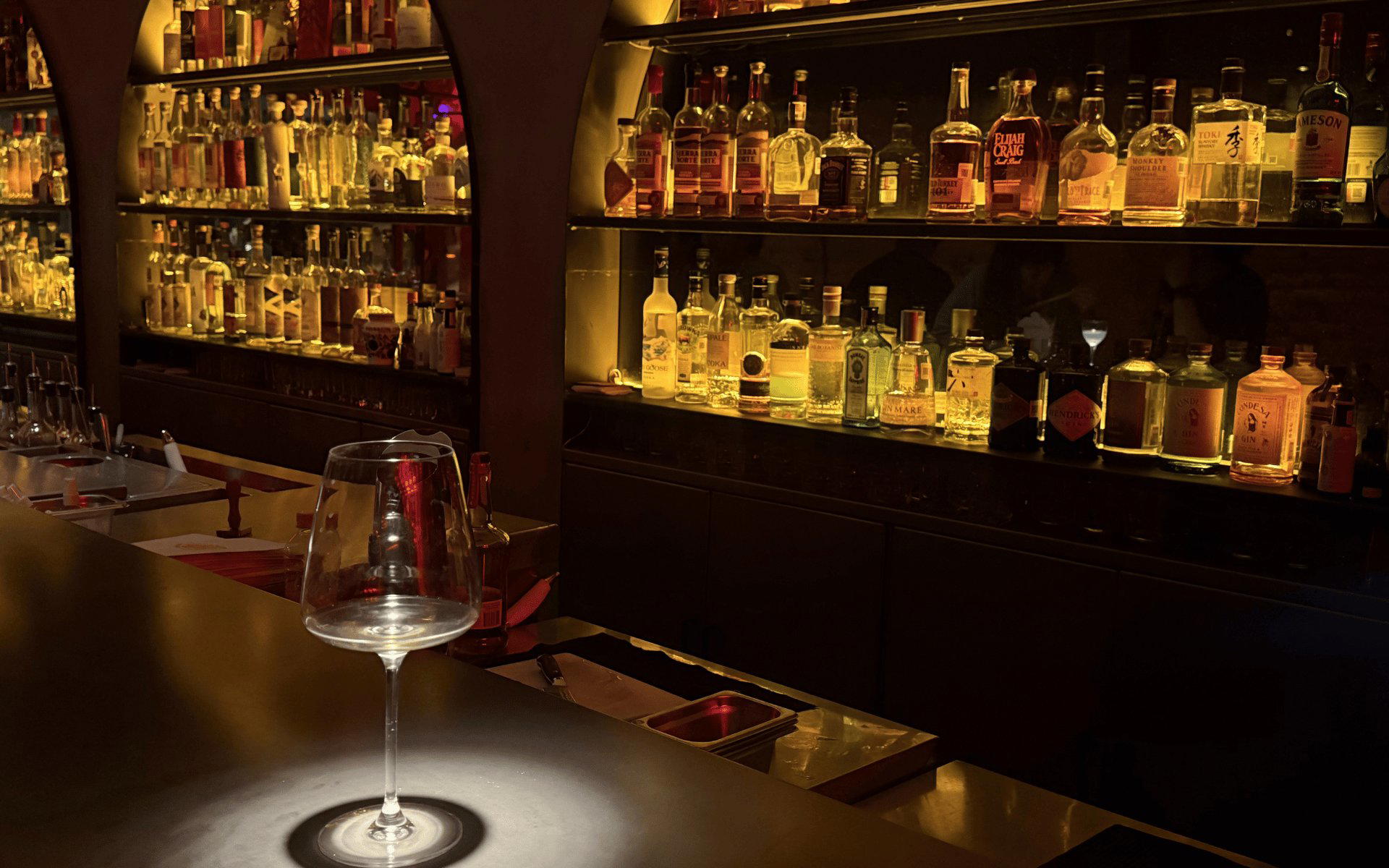
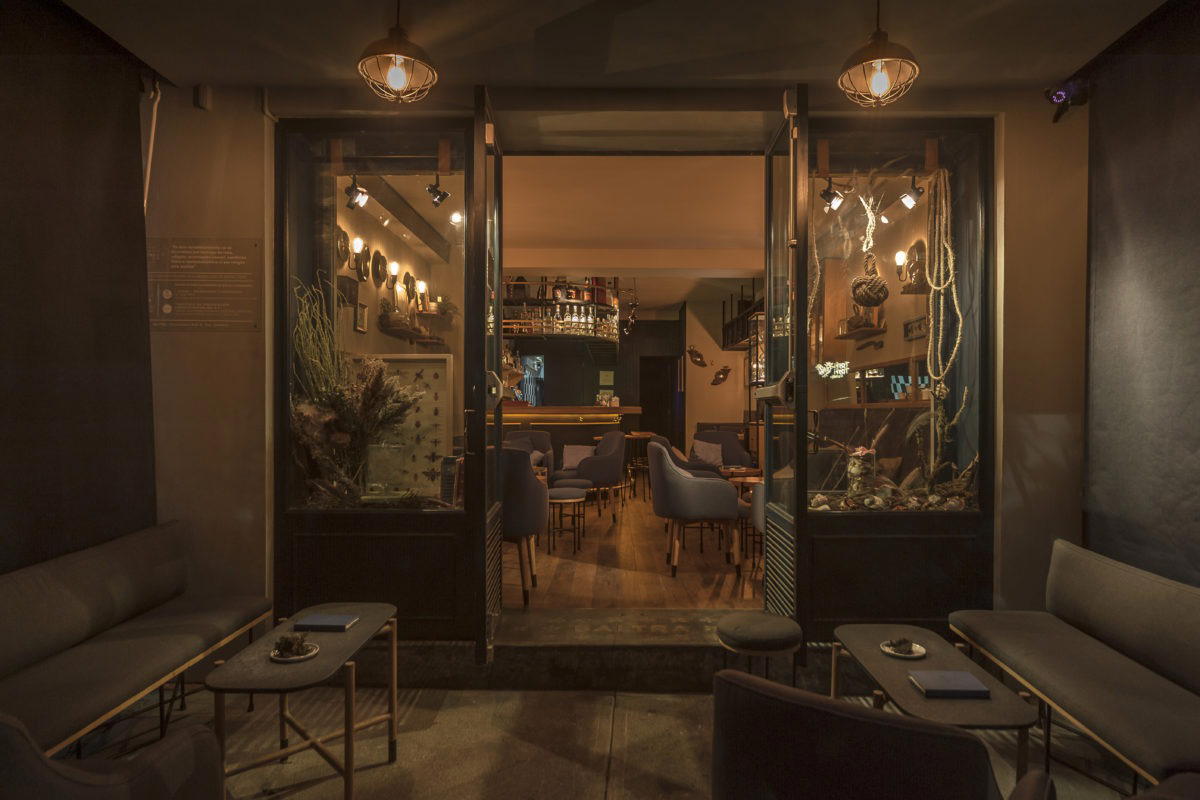
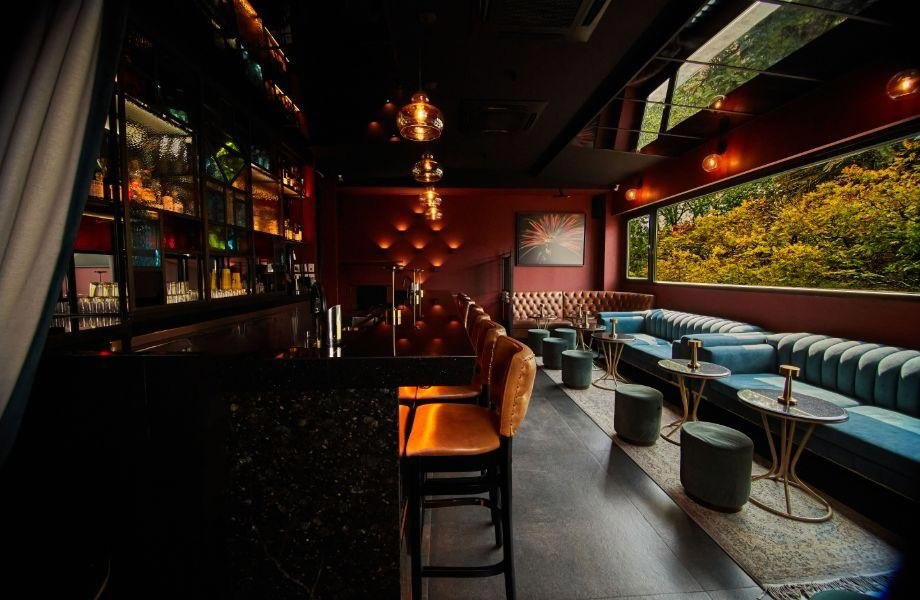
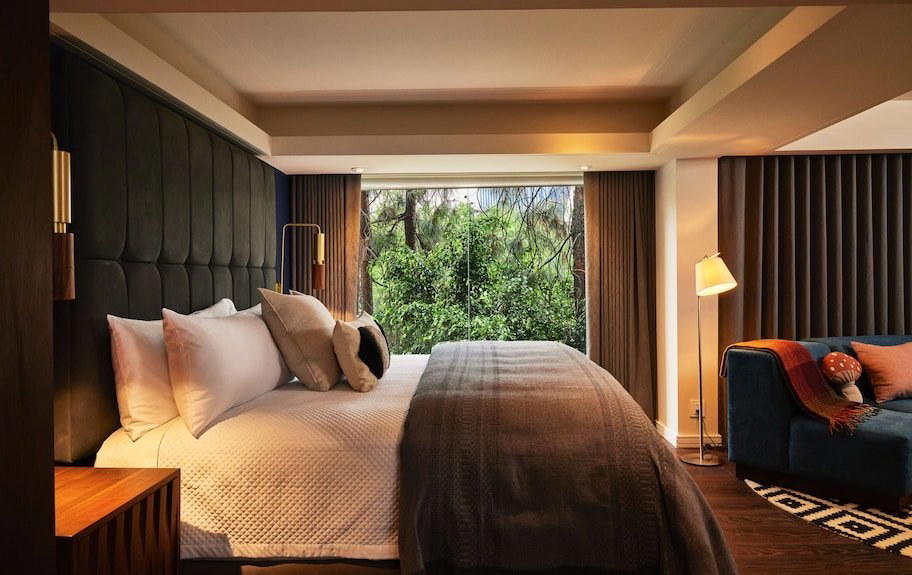
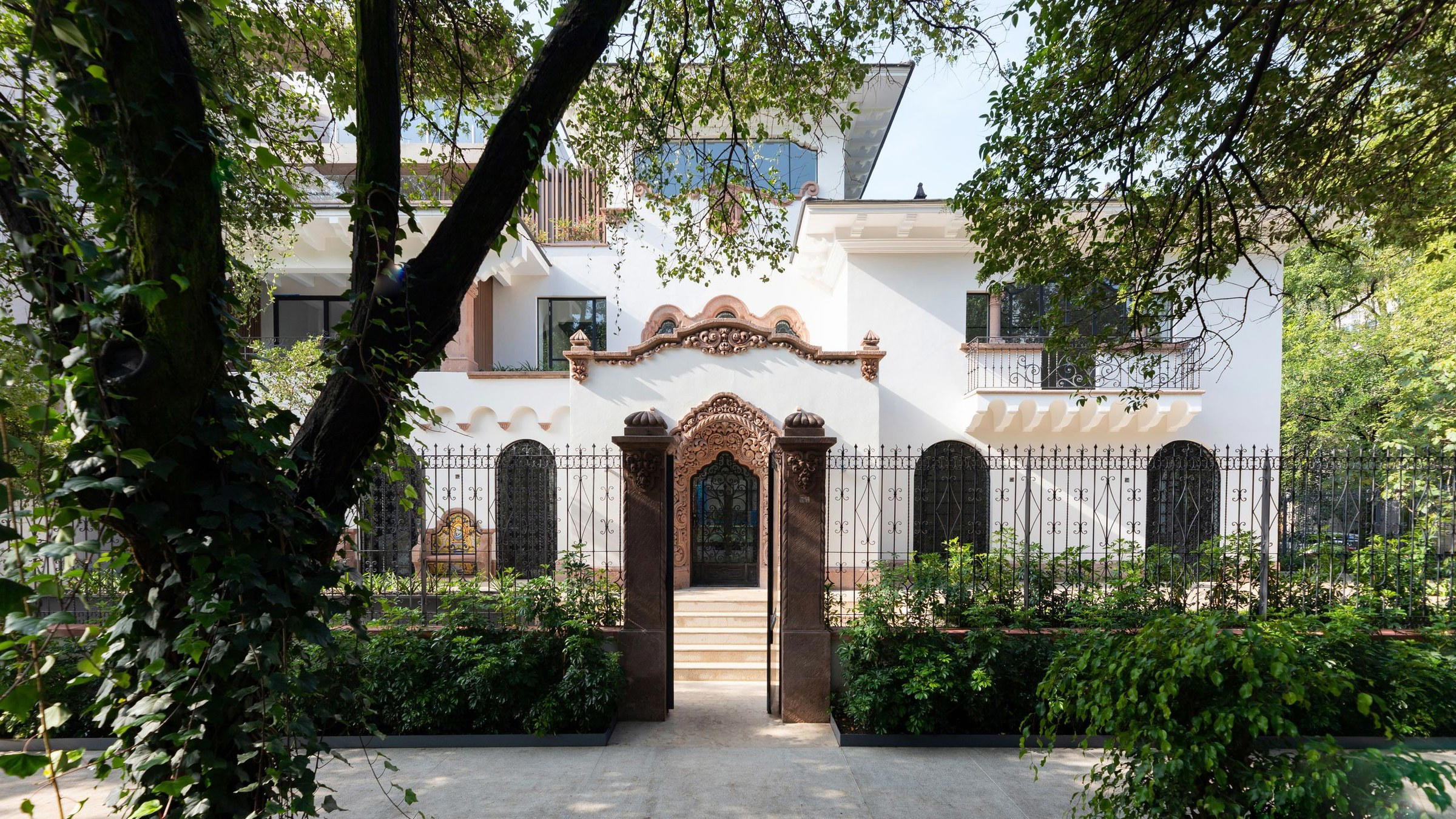
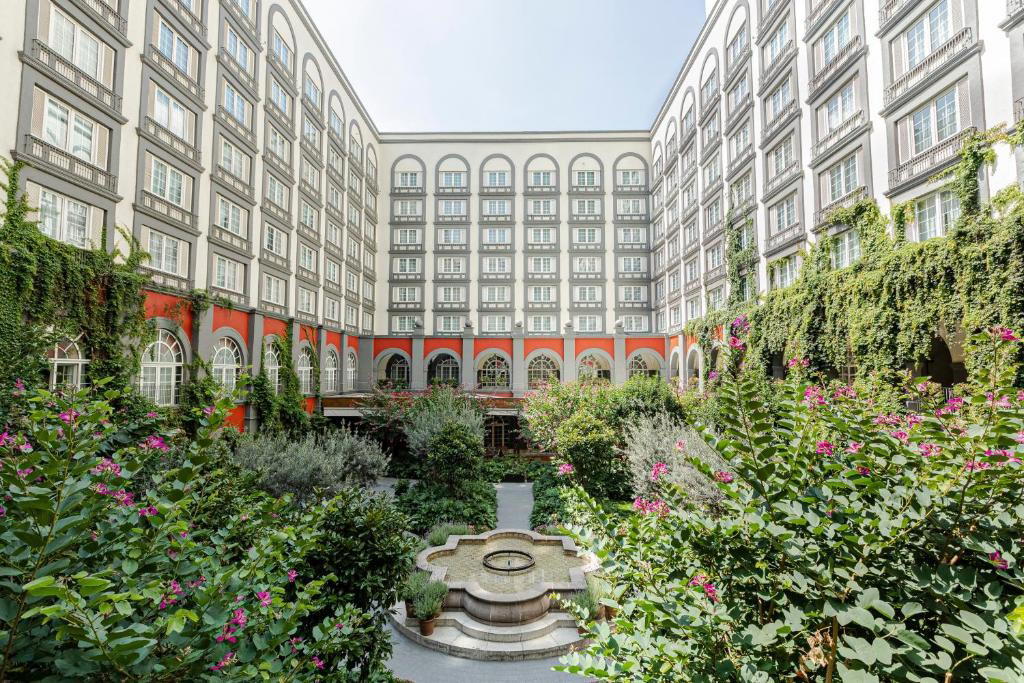
Modern design featuring steel frameworks, natural wood accents, black glass walls, and dynamic natural/artificial lighting that shifts from lively daytime to intimate evenings.
Know Before You Go
- Getting there
- Monte Everest 730, Lomas de Chapultepec, Miguel Hidalgo, 11000 Ciudad de México, CDMX, Mexico