Rye Bunny
Our verdict
Rye Bunny occupies a distinct position in Washington DC's seasonal dining scene, building its menu around produce-heavy Mid-Atlantic ingredients handled with technique that reaches well beyond the region. The kitchen treats local farms as its raw material and global culinary methods as its toolkit, a combination that places it firmly within DC's most considered tier of ingredient-led restaurants.

Pearl is the En Primeur Club membership app — saves, bookings, and concierge access live there. Same editors, same standards.
- Address
- 1827 Adams Mill Rd NW Retail A, Washington, DC 20009
- Hours
- Mon ClosedTue–Thu 5:30–9 PMFri–Sat 5–9 PMSun Closed
- Website
- ryebunny.com
- Directions
- Get directions
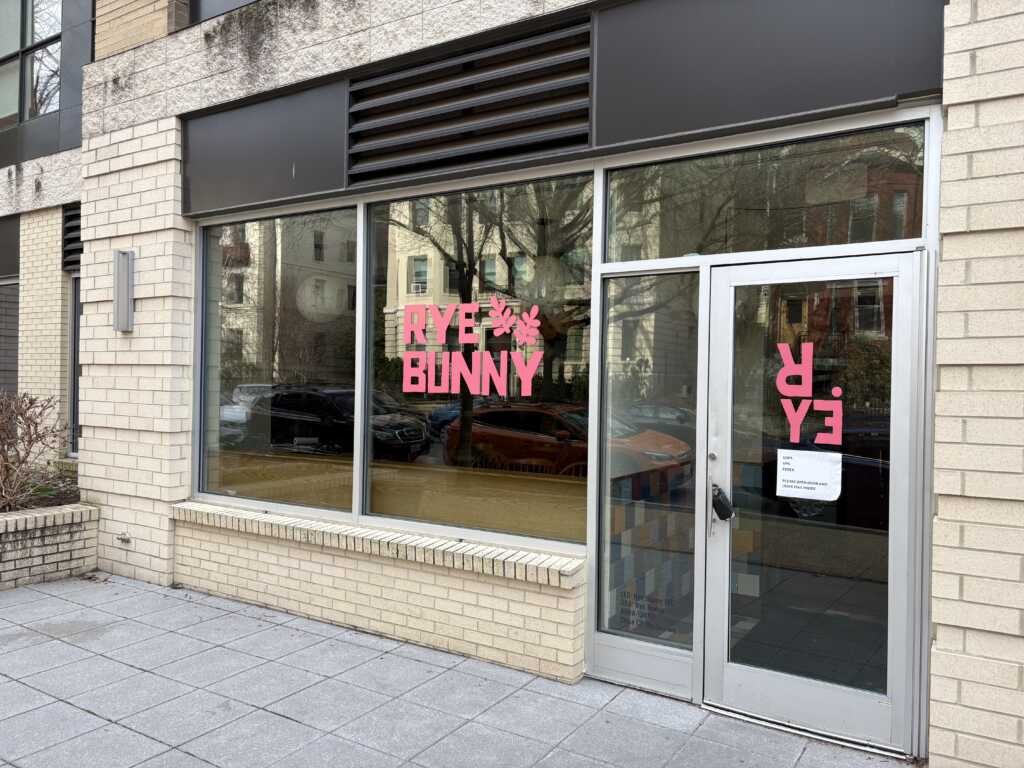
Where the Mid-Atlantic Table Meets Imported Technique
Washington DC's dining scene has spent the past decade sorting itself into two broad camps: the institutionally grand (think the gravity of The Inn at Little Washington, where New American formality has defined the upper register for decades) and the produce-obsessed, technique-forward rooms that have emerged from a younger generation of kitchens. Rye Bunny belongs to the second group. Its approach, built around seasonal Mid-Atlantic produce handled with a skill set that draws on methods well outside the regional tradition, represents a strand of cooking that has become increasingly central to how serious DC restaurants position themselves.
The name alone signals a kitchen with a particular sensibility: spare, slightly oblique, more interested in what arrives on the plate than in explaining itself. That register, where restraint in branding mirrors restraint in cooking, has become a recognizable marker for a certain tier of American seasonal restaurant. You see it at Lazy Bear in San Francisco and, at a more maximalist extreme, at Alinea in Chicago. Rye Bunny operates at neither of those registers; its interest is in the Mid-Atlantic's own larder, treated with the kind of technical seriousness that usually requires a resume built far from the Chesapeake watershed.
The Case for Mid-Atlantic Produce
The Mid-Atlantic is not a region that announces itself loudly on the national food conversation, but its agricultural output is genuinely interesting. The Chesapeake Bay and its tributaries produce shellfish and finfish that have sustained coastal cooking for centuries. The piedmont and valley farms of Virginia, Maryland, and Pennsylvania generate a growing season that runs from ramp season in early spring through late-fall storage crops and winter brassicas. What the region has historically lacked is not ingredients but a culinary framework capable of making those ingredients feel as considered as, say, a Californian farm-to-table counter or a Nordic-inflected tasting menu.
Kitchens working in the produce-heavy seasonal format, whether that is Single Thread Farm in Healdsburg or the studied precision of The French Laundry in Napa, have demonstrated that the method travels. The question for any DC kitchen operating in this mode is whether it can bring the same level of technical rigour to the Shenandoah Valley sweet corn or the Eastern Shore blue crab that those California rooms bring to their own sourcing. Rye Bunny's positioning, anchored in seasonal Mid-Atlantic cuisine with a produce-heavy emphasis, puts it squarely inside that ambition.
Technique as the Second Ingredient
The editorial angle that defines Rye Bunny is the intersection of local sourcing and imported method. This is a pattern that has shaped some of the most interesting cooking in the United States over the past two decades. At its more technically aggressive end, you find it in restaurants like Le Bernardin in New York City, where classical French technique is brought to bear on seafood with the kind of discipline that reframes what the ingredient can do. At the other extreme, places like Emeril's in New Orleans have long demonstrated how a specific regional pantry can be amplified by technique without being overwhelmed by it.
Rye Bunny sits somewhere in that continuum. Its cuisine designation, produce-heavy and seasonal, suggests a kitchen that is not chasing theatrical spectacle but is instead focused on the quality and timing of its raw materials, then using technique as a means of expression rather than a performance in its own right. That is a harder discipline to execute than it sounds. The temptation in seasonal cooking is to let the ingredient speak entirely for itself, which can read as underworked. The opposite failure, where technique dominates and the seasonal specificity gets buried, is equally common. Restaurants that hold the line between the two, where you can taste both the terroir and the craft, represent the most interesting tier of contemporary American dining.
For context on how Washington DC's broader restaurant scene is developing across cuisines and formats, the EP Club Washington restaurants guide maps the full range. Elsewhere in the city, kitchens like Alfie's and its permanent Georgetown location demonstrate how imported culinary traditions (in that case, fine-tuned Thai cooking alongside natural wines) can take root in the DC context. Canton Disco represents another strand of that same impulse, bringing modern Chinese and Chinese barbecue technique to a city that has historically defined itself through its European-influenced fine dining. Bazaar Meat by José Andrés anchors the Spanish-influenced end of the spectrum, where global technique and domestic product meet at the table.
Planning a Visit
For a kitchen operating in the seasonal, produce-heavy format, timing matters considerably: the Mid-Atlantic growing season accelerates sharply in late spring, peaks across summer with stone fruit, tomatoes, and corn, and transitions through a genuinely interesting fall root and storage season before contracting in winter. Visiting across two seasons gives a materially different read on what the kitchen is doing, and spring visits, when ramps, morels, and early alliums define the opening weeks of the menu, tend to reveal the most about a seasonal kitchen's sourcing relationships.
Washington DC's hospitality infrastructure around a meal at Rye Bunny is well-developed. The EP Club Washington hotels guide covers the city's accommodation options across price tiers, while the Washington bars guide and experiences guide cover what to do before and after. For those planning a broader regional itinerary, the Washington wineries guide maps the state's wine production, which has developed considerably in recent years and pairs logically with the kind of Mid-Atlantic produce focus that defines kitchens like Rye Bunny. For reference points at the more technically ambitious end of the global spectrum, 8½ Otto e Mezzo Bombana in Hong Kong and Alain Ducasse at Louis XV in Monte Carlo illustrate how the imported-method, premium-ingredient model operates at its most formal international register.
Frequently asked questions
How does Rye Bunny fit into Washington DC's broader seasonal dining scene?
Washington DC sits at the centre of one of the most agriculturally varied corridors on the East Coast, with Virginia, Maryland, and Pennsylvania farms supplying serious produce from late spring through autumn. Rye Bunny's produce-heavy, seasonal Mid-Atlantic format puts it in direct conversation with a small group of DC kitchens that treat the region's ingredients as a genuine point of difference rather than a background note. For diners specifically seeking menus that change with the growing calendar, that focus is the defining reason to book.
What's the must-try dish at Rye Bunny?
Rye Bunny's menu is built around seasonal Mid-Atlantic produce, which means the strongest plates shift with what the region's farms are delivering at any given moment. EP Club does not have confirmed dish-level details on record, so checking the current menu directly before visiting will give you the most accurate picture of what's leading the kitchen.
What do critics highlight about Rye Bunny?
The editorial throughline across coverage of Rye Bunny centres on the intersection of Mid-Atlantic seasonal sourcing and technique that draws from beyond the region. In Washington DC's increasingly competitive dining scene, that positioning places it alongside kitchens that treat local agricultural output as a serious creative constraint rather than a marketing note. EP Club does not currently hold confirmed award or review citations for Rye Bunny.
Comparable Venues
Comparable venues nearby, for context on price, style, and recognition.
| Venue | Cuisine | Price | Notes |
|---|---|---|---|
| Rye BunnyThis venue — the venue you are viewing | other | Not listed | Not listed |
| Seatable | Luxury Yacht Fine Dining | Not listed | Washington Channel |
| Ambar - Shaw | Modern Balkan Small Plates | $50–100 | Shaw |
| Omakase Room by Tadayoshi | Japanese Omakase | $200–300 | East End |
| Cosmos Club | Refined American Fine Dining | $50–100 | Embassy Row |
| Two Nine | Kaiseki-Inspired Japanese Omakase | $200–300 | East Village Georgetown |
Continue exploring
More in Washington DC
Restaurants in Washington DC
Browse all →
Bars in Washington DC
Browse all →
Hotels in Washington DC
Browse all →


Details
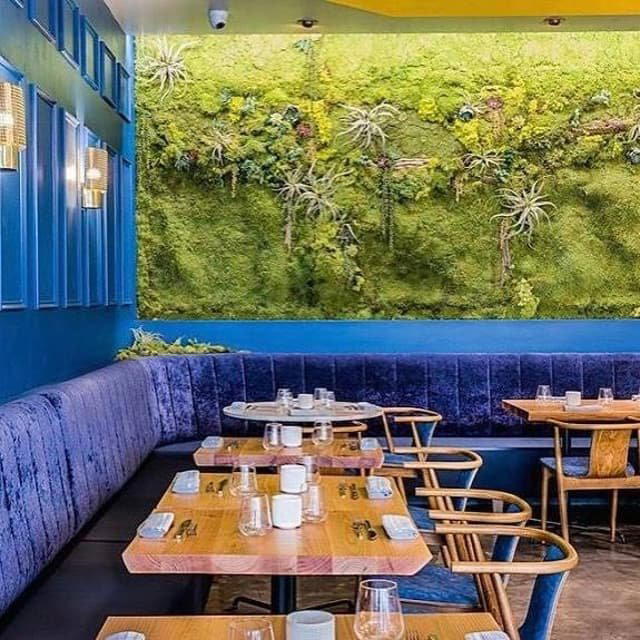
- Modern
- Elegant
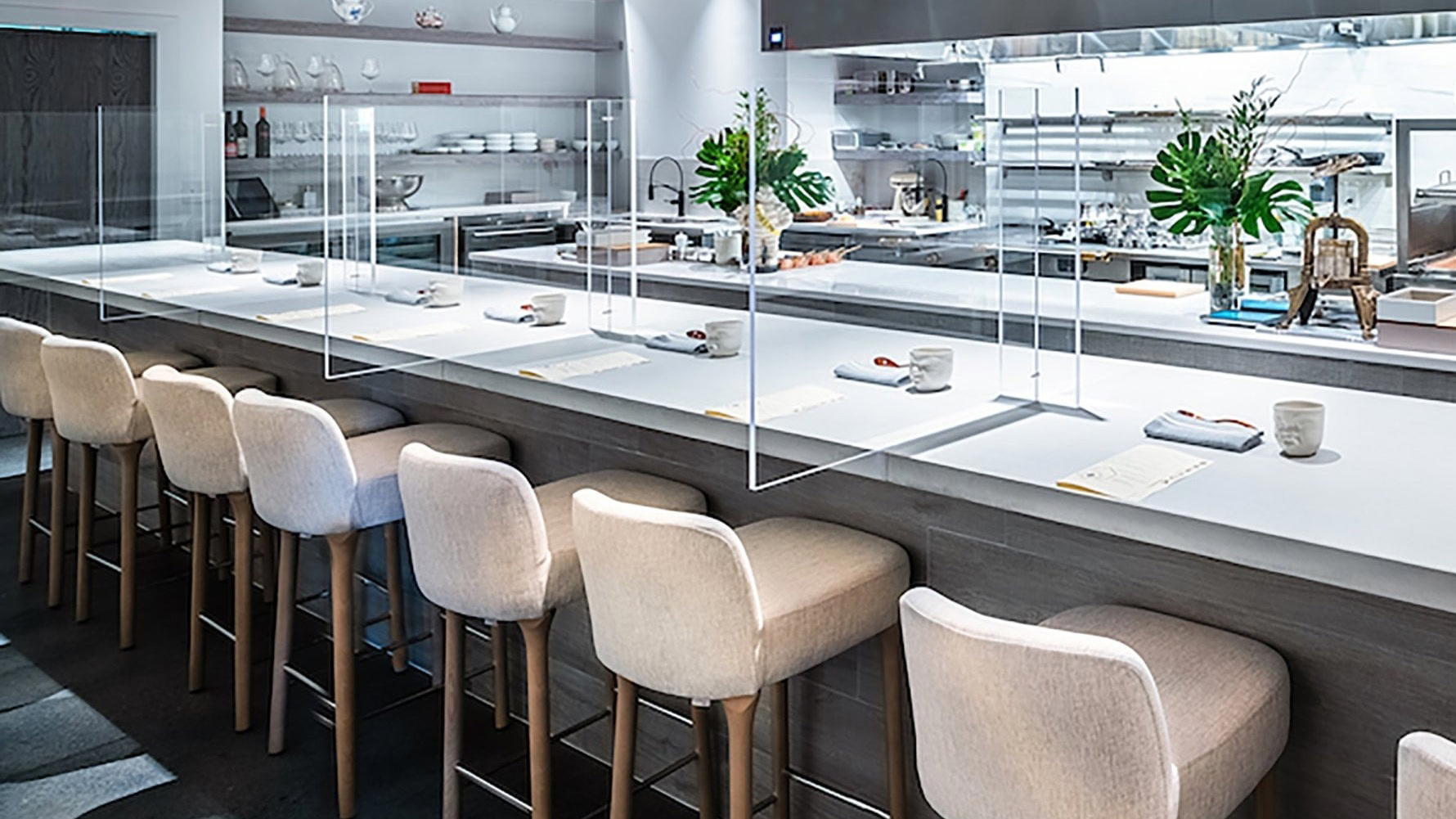
- Open Kitchen
Current opening hours
- Monday
- Closed
- Tuesday
- 5:30–9 PM
- Wednesday
- 5:30–9 PM
- Thursday
- 5:30–9 PM
- Friday
- 5–9 PM
- Saturday
- 5–9 PM
- Sunday
- Closed
Hours can change for holidays and private events. Last verified .
Pale wood and uncluttered with summer garden option.