Ambar - Shaw
Ambar Shaw brings the Balkan unlimited dining format to Washington D.C.'s Shaw neighbourhood, pairing small-plate abundance with a convivial atmosphere rooted in southeastern European tradition. The 7th Street NW address places it at the intersection of one of the capital's most active dining corridors, where the format, order freely, eat broadly, sets it apart from the tasting-menu orthodoxy that dominates D.C.'s fine-dining tier.
Pearl is the En Primeur Club membership app — saves, bookings, and concierge access live there. Same editors, same standards.
- Address
- 1547 7th St NW, Washington, DC 20001
- Phone
- +12024782280
- Website
- ambarrestaurant.com
- Directions
- Get directions
 Saves & bookings on Pearl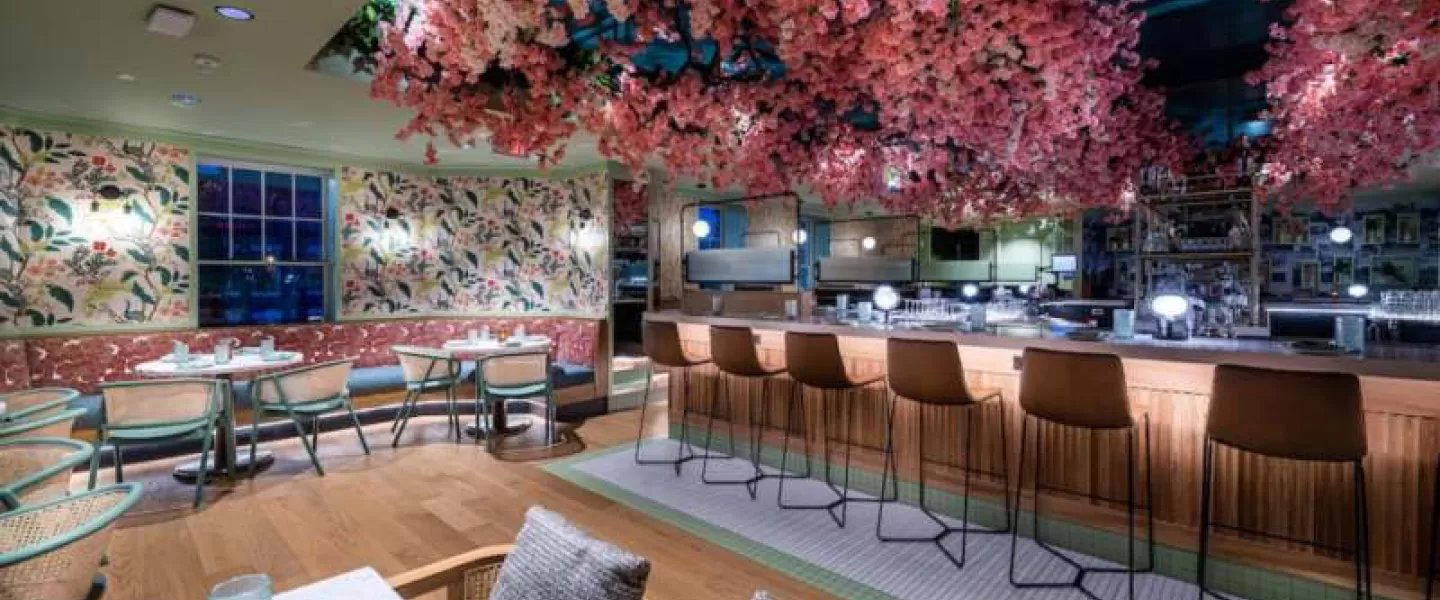
Where Shaw's Energy Meets Balkan Abundance
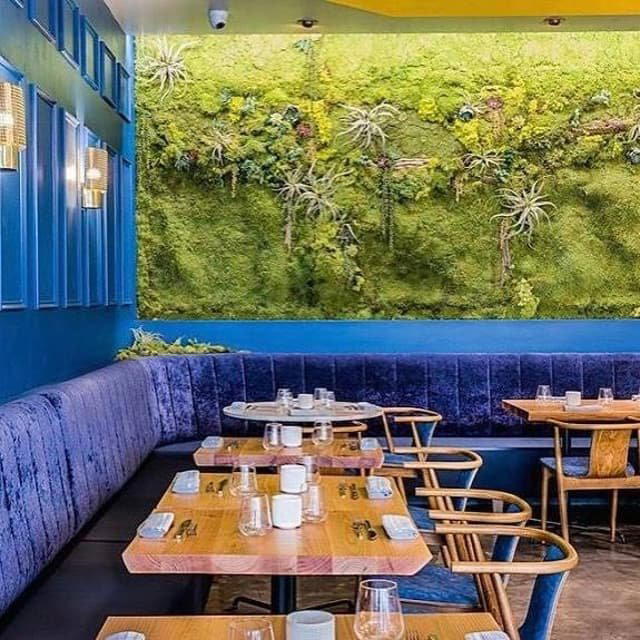
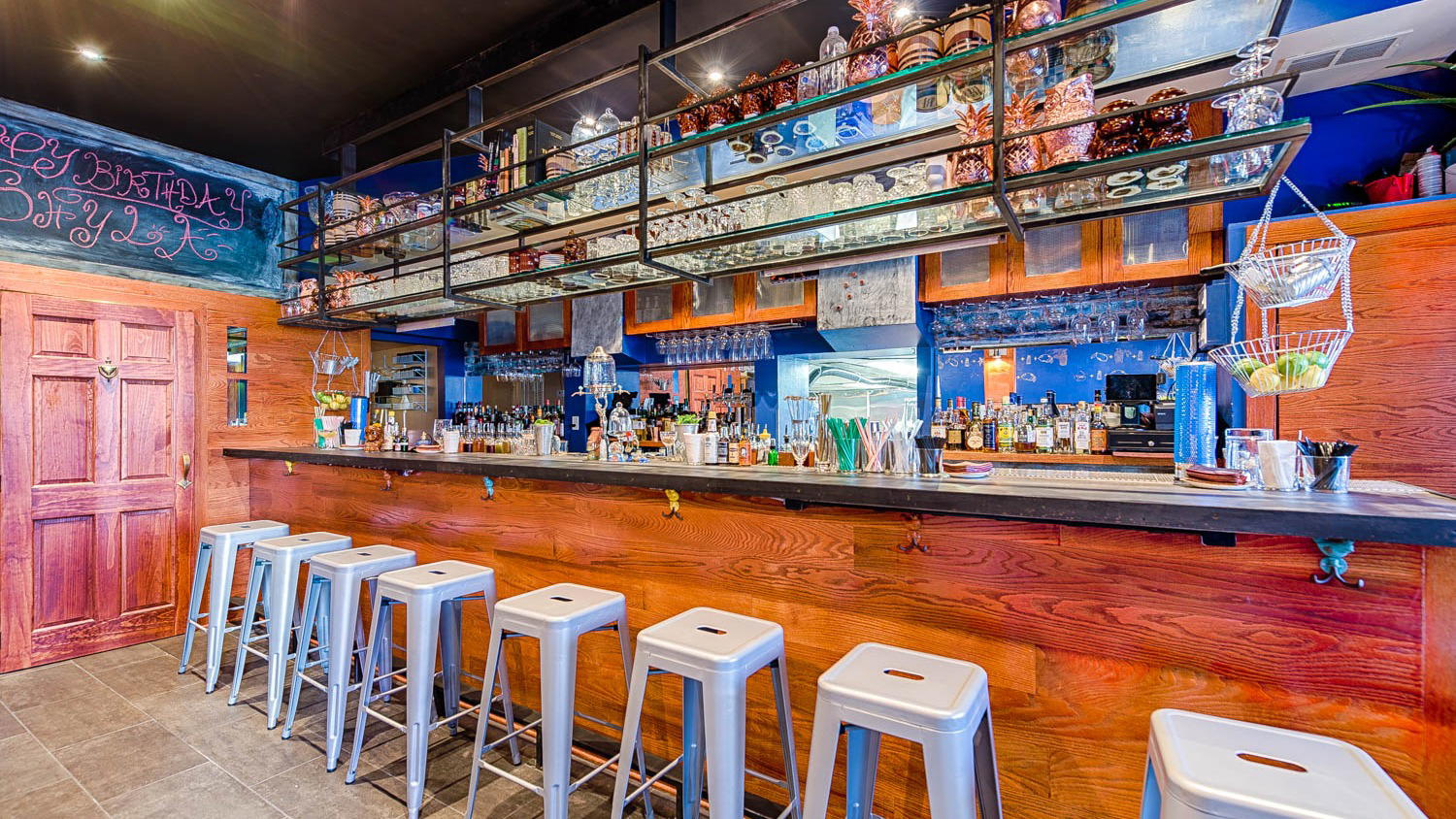
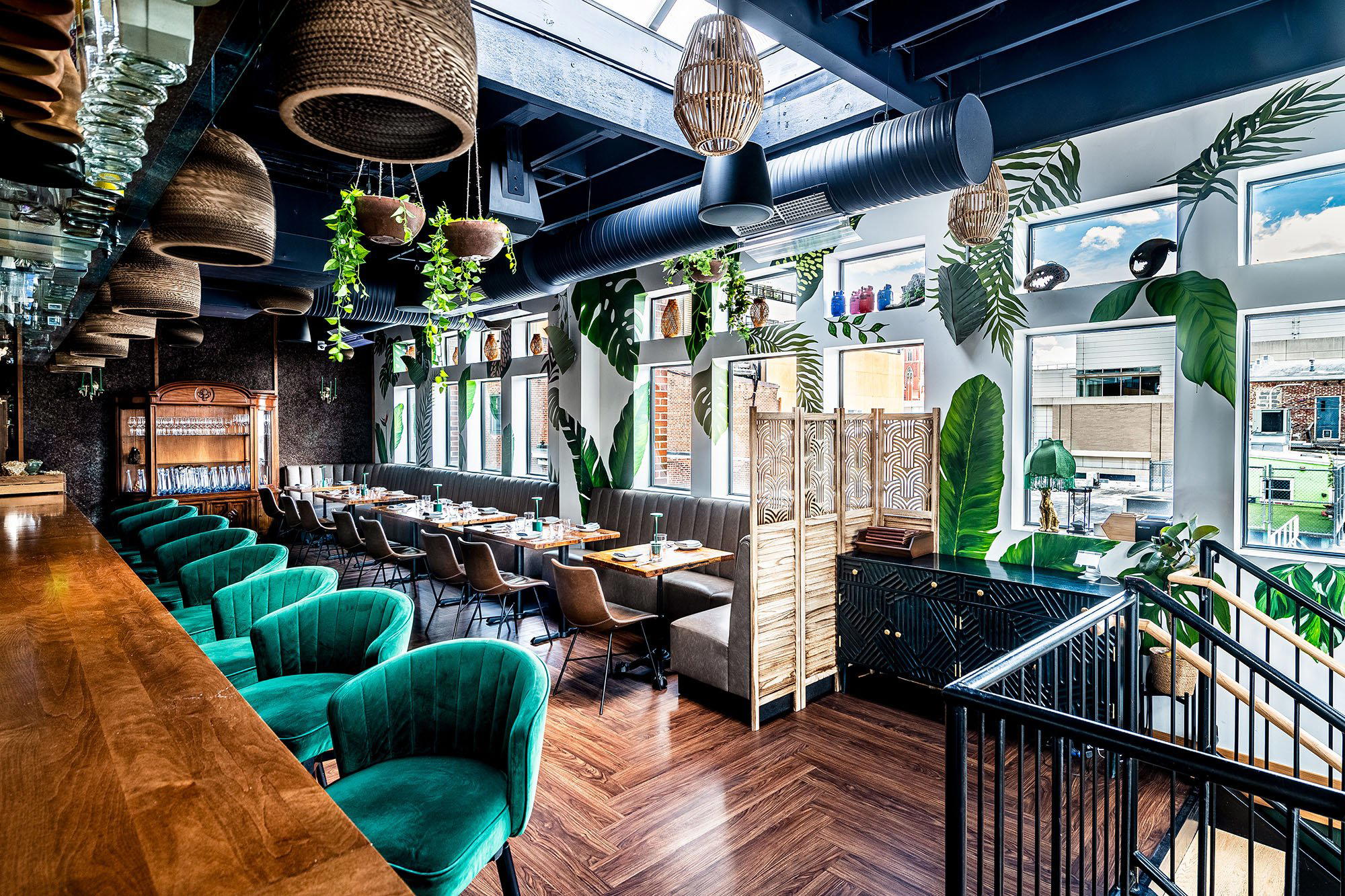
Shaw has become one of Washington, D.C.'s most consequential dining neighbourhoods, a corridor where the city's appetite for format experimentation has produced a notably varied competitive set. Along 7th Street NW and its surrounding blocks, you'll find everything from chef-driven tasting rooms to neighbourhood anchors built around communal eating, and Ambar Shaw, at 1547 7th St NW, sits firmly in the latter tradition. The room is designed for extended stays, for tables that linger, for the kind of eating that moves at its own pace.
That rhythm is structural, not incidental. The Balkan unlimited dining format is a deliberate counterpoint to the fixed-price, progression-controlled tasting menu that defines so much of D.C.'s upper tier. Where venues like Jônt and minibar give the kitchen complete authority over pacing and selection, Ambar inverts that relationship: the diner chooses, repeats, and moves through the menu on their own terms. It's a format with deep roots in southeastern European hospitality, where meze culture treats the table as a commons rather than a stage.
The Format as the Experience
Understanding the format is especially important preparation before arriving. The unlimited small-plates model means the menu reads less like a progression and more like a map, you're expected to range across it, revisit dishes that worked, and let the meal build laterally rather than in a straight line. This is not a format that rewards passive ordering. Regulars tend to anchor around the house-prepared Balkan staples: the kind of dishes rooted in fermented dairy, charcoal cooking, and the layered spice traditions of the Balkans that translate well to the small-plate format because their flavour intensity holds across multiple rounds.
The wine program runs parallel to that ethos. Balkan wine regions remain underrepresented in American restaurant lists, which makes the selection here a point of differentiation within D.C.'s dining scene. Serbian and Slovenian producers that rarely appear by the glass elsewhere form the backbone of the list, a positioning that separates Ambar from the Adriatic-coastal-wine adjacency that most American restaurants default to when gesturing at southeastern Europe.
Shaw's Competitive Set and Where Ambar Sits
D.C.'s dining scene has been expanding its range of price points and formats with unusual speed over the past several years. Stronger examples from the market is occupied by venues that price and pace against national fine-dining benchmarks, the same conversation that includes The Inn at Little Washington or, in peer cities, Le Bernardin in New York City and The French Laundry in Napa. Below that, the middle tier has seen the interesting format diversification. Oyster Oyster works the sustainable-New American space at the $$$ level. Albi and Causa occupy the $$$$ bracket with cuisines, Middle Eastern and Peruvian respectively, that have found a firm footing in D.C.'s expanding restaurant identity.
Ambar Shaw operates in its own category within that competitive set. The unlimited-format model means the per-person spend is fixed and transparent upfront, which produces a different dynamic than à la carte pricing or tasting-menu tickets. For a group that wants to eat broadly and experimentally without managing a bill that scales unpredictably with each additional dish, this format offers a structural advantage that few D.C. restaurants replicate.
The format-first approach also echoes what venues like Lazy Bear in San Francisco have done with the communal-supper-club model, or what Smyth in Chicago achieves through a different kind of format discipline. In each case, the restaurant's identity is inseparable from how you experience it, not just what you eat. At Ambar, the how, order freely, eat at your own pace, come back to what you liked, is the experience.
Planning Your Visit: What to Know Before You Go
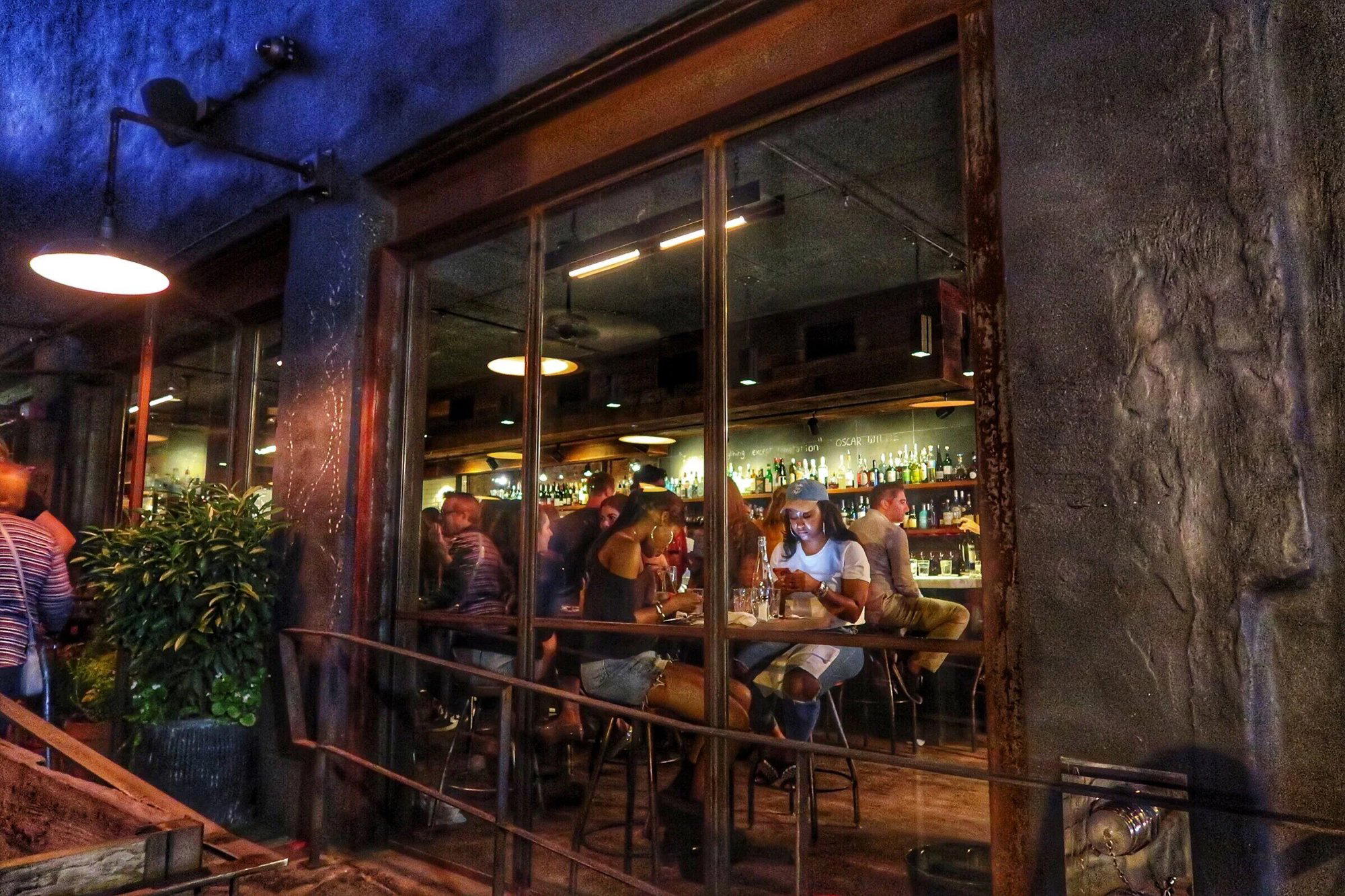
Shaw's 7th Street NW corridor draws consistently high foot traffic, particularly on weekends, and Ambar benefits from that energy while also competing with it. The practical implication: walk-in availability at prime evening hours is unreliable. The format's appeal to larger groups and long-table celebrations makes it a popular choice for parties of four or more, which further compresses the availability window for smaller tables on Thursday through Saturday evenings.
Reservations are recommended, and lead time depends on when you're planning to visit. For weekend prime-time slots, two to three weeks ahead is a reasonable buffer; for weekday dinner, the window is considerably shorter. Lunch service, where available, typically offers better same-week access than any evening slot, and the format works well at midday, particularly for the kind of extended professional lunch that D.C.'s dining culture has historically supported.
The Shaw location is accessible by Metro via the Shaw-Howard University station on the Green and Yellow lines. That accessibility matters for a format that actively encourages drinking through the Balkan wine list, you're better off arriving and leaving by transit or on foot.
For visitors planning a wider D.C. itinerary, the neighbourhood context is worth noting. Shaw sits adjacent to the U Street Corridor and within reasonable reach of Logan Circle, which means an Ambar dinner fits naturally into an evening that starts or ends with a drink elsewhere in the neighbourhood. The capital's broader dining scene, covered in depth in our full Washington D.C. restaurants guide, gives useful orientation for mapping Ambar against the full range of what the city currently offers.
Groups planning a first visit should arrive knowing the format works well when you commit to it. Ordering conservatively defeats the purpose; the dishes are calibrated for the kind of exploratory eating the model invites. Come with a group of three or four, cover significant ground across the menu, and revisit the two or three things that landed hardest. That's the visit the format is built for.
Reputation Context
Comparable venues nearby, for context on price, style, and recognition.
| Venue | Cuisine | Price | Notes |
|---|---|---|---|
| Ambar - ShawThis venue — the venue you are viewing | Modern Balkan Small Plates | $$ | Not listed |
| Tiki On 18th | Filipino-Inspired Tiki Bar | $$ | Reed-Cooke |
| Thip Khao & Padaek | Laotian (Lao) & Thai | $$ | Columbia Heights |
| Baan Mae | Modern Southeast Asian | $$$ | Shaw |
| SUNdeVICH | Global Sandwich Shop | $ | Shaw |
| 600 Maryland Ave SW # 3000 | Dining | Not listed | Southwest Federal Center |
Continue exploring
More in Washington DC
Restaurants in Washington DC
Browse all →
Bars in Washington DC
Browse all →
Hotels in Washington DC
Browse all →
At a Glance
- Modern
- Lively
- Trendy
- Elegant
- Group Dining
- Brunch
- Celebration
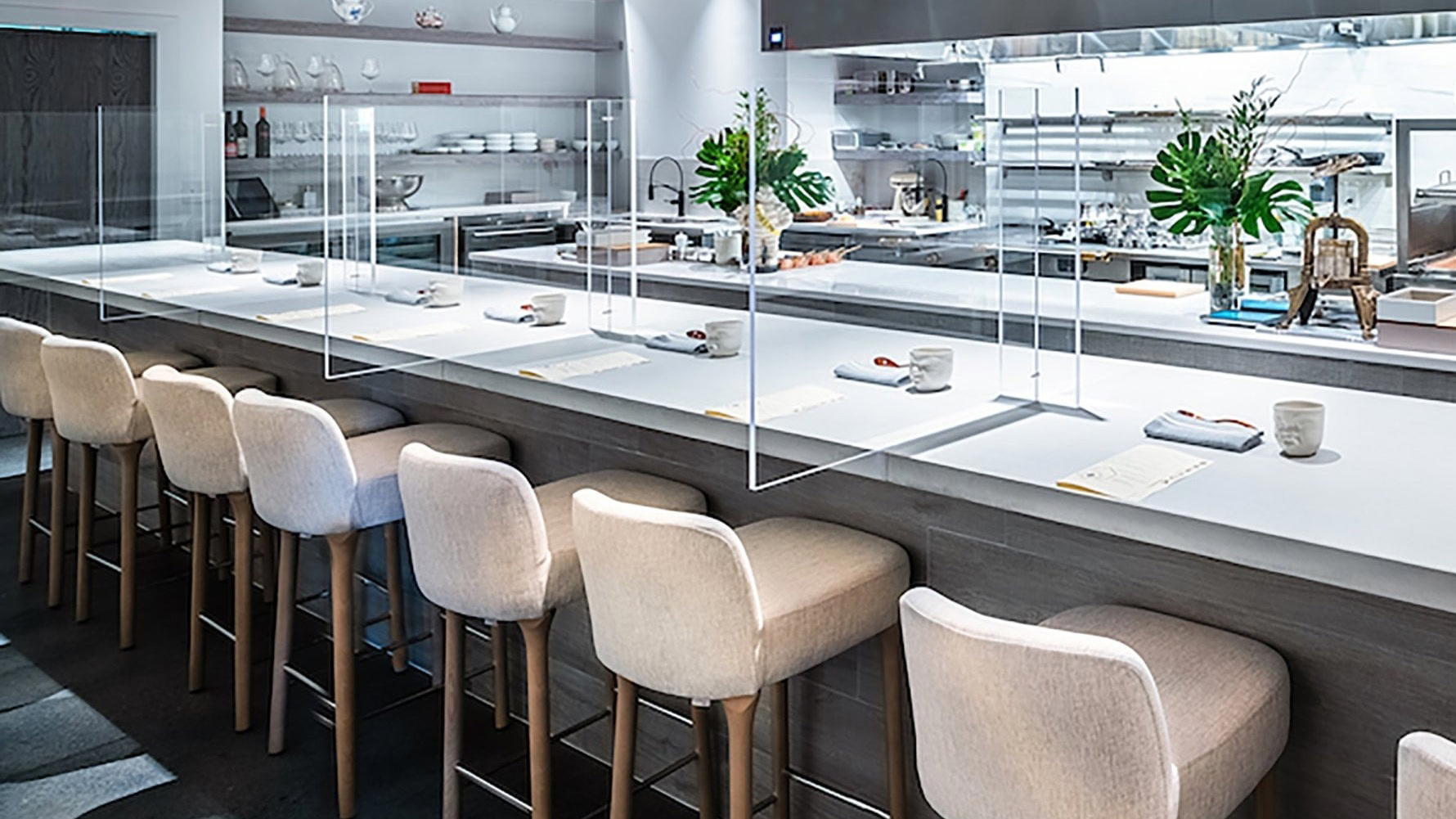
- Open Kitchen
- Craft Cocktails
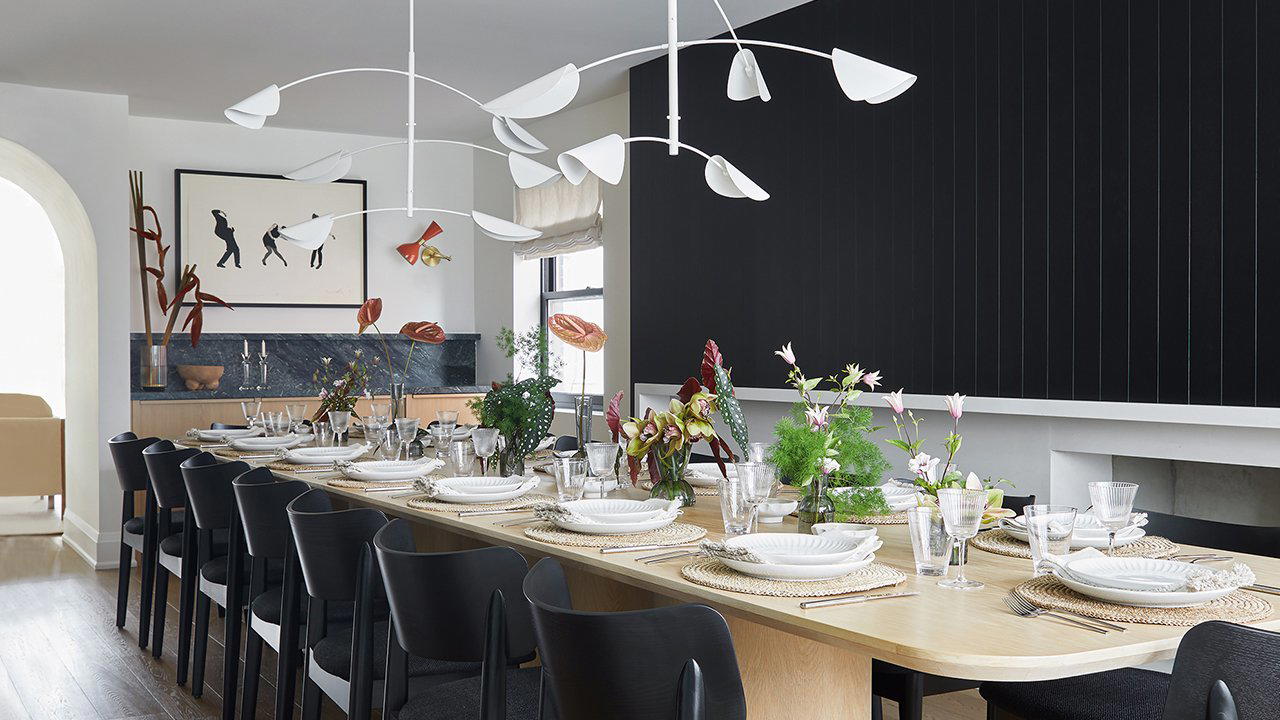
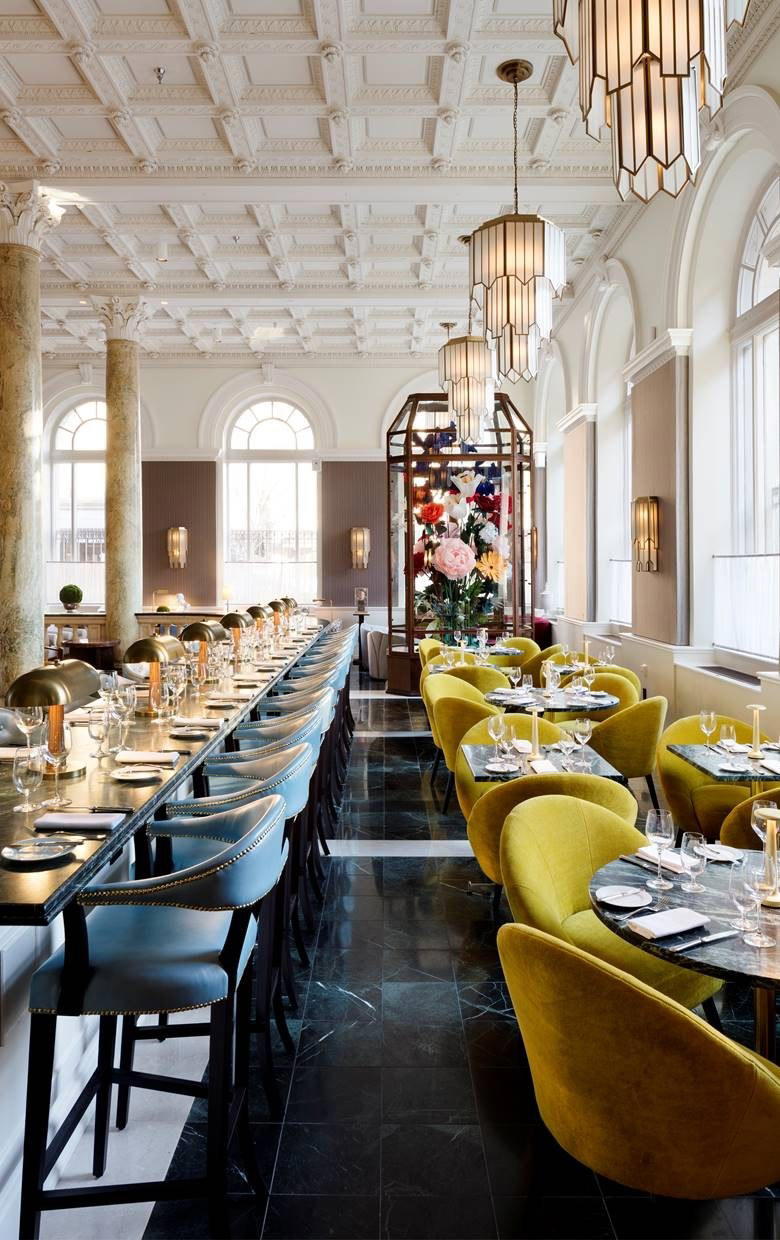
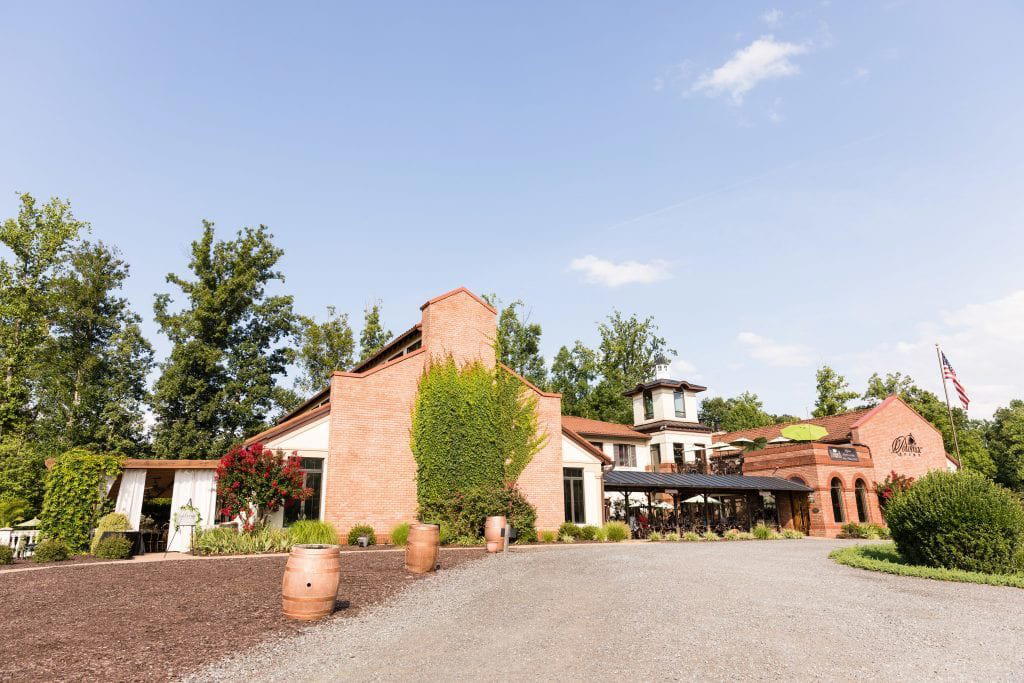
Bright color palette with pink flowers creating a spring-like, energetic atmosphere blending comfort, high style, warmth, and modern design.