Canton Disco

Star Wine List
Our verdict
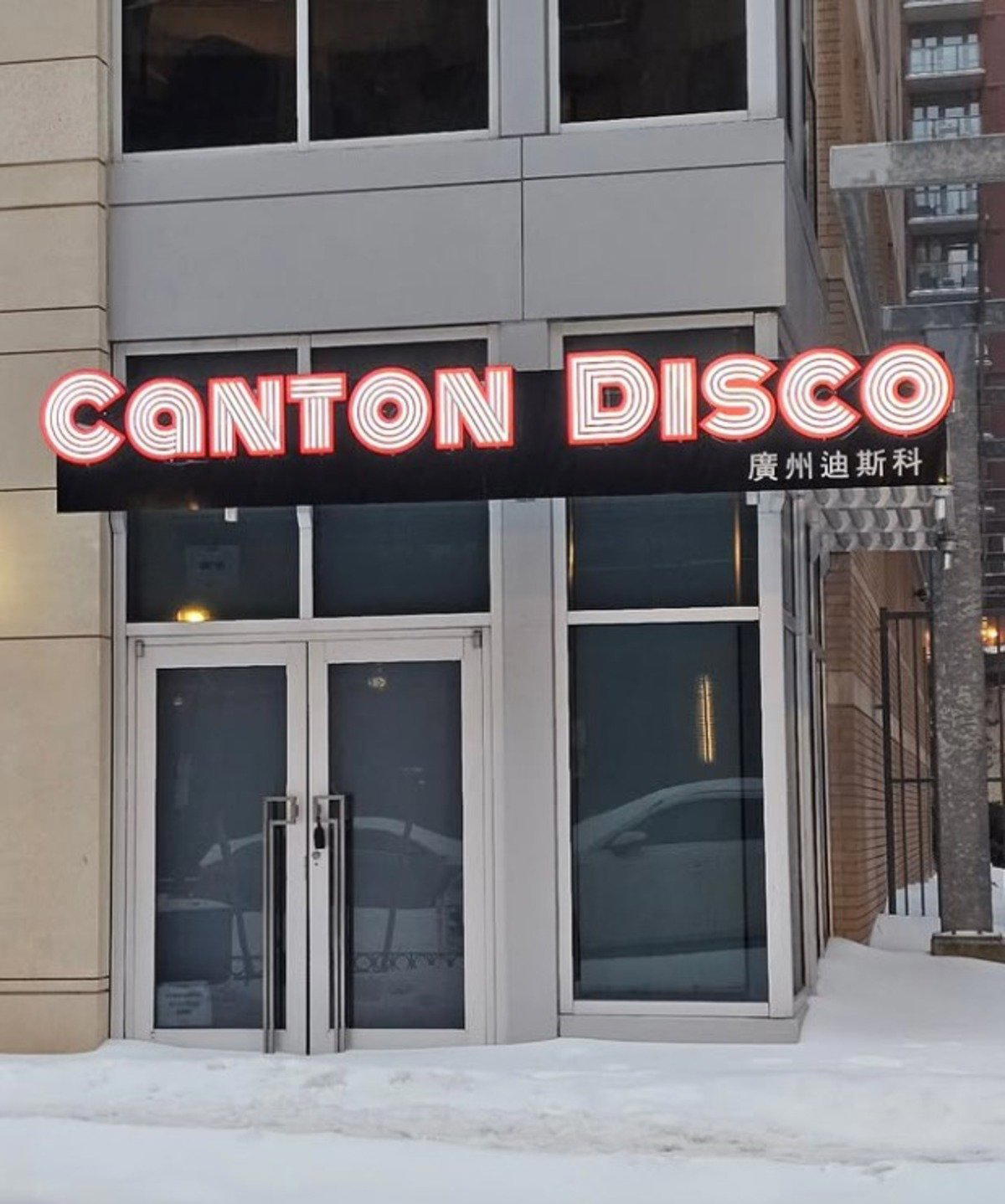
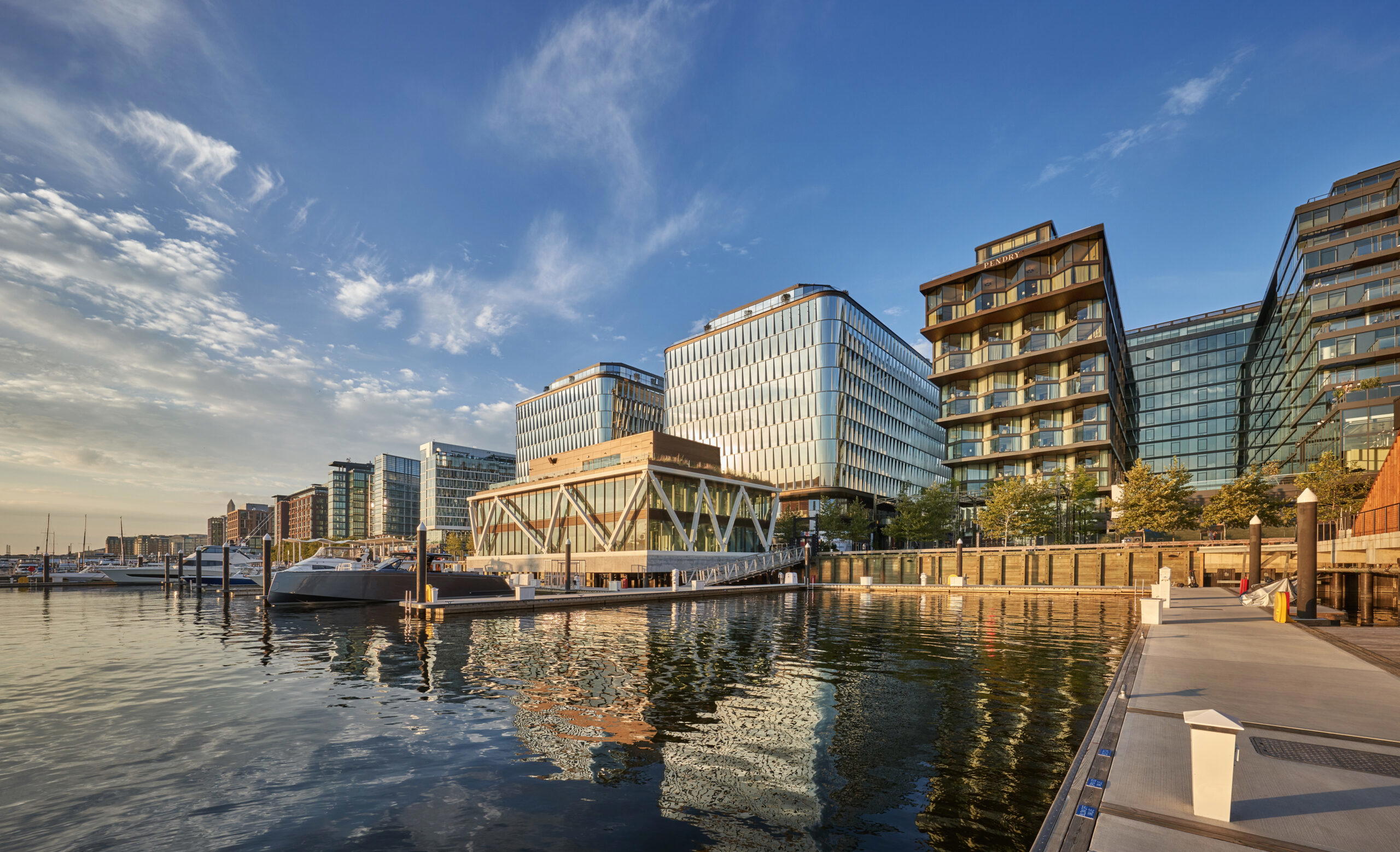
Canton Disco brings modern Chinese barbecue to Washington DC's Navy Yard neighbourhood, working the space between Cantonese roasting tradition and American smoke culture. Located at 1025 1st St SE, the restaurant sits within a dining corridor that has grown sharply in ambition over the past decade. The kitchen's focus on Chinese barbecue technique makes it a distinct reference point in a city still developing its Chinese dining tier.

Pearl is the En Primeur Club membership app, where members save venues, book tables and use the concierge.
The menu
What to order
- Canton duck set
- Chili wontons
- Typhoon shelter shrimp
Smoke, Char, and the Chinese Barbecue Tradition in Washington DC
American barbecue culture tends to dominate the conversation about wood-fired cooking in this country, but Chinese barbecue carries its own centuries-deep logic: roasting whole animals over controlled heat, glazing skin to a lacquered finish, reading colour and rendering fat as primary quality signals. The two traditions use fire differently, and restaurants that operate at the intersection of both occupy an interesting and underserved position in most American cities. Washington DC is no exception. The capital's Chinese restaurant tier has historically skewed toward Sichuan and Cantonese delivery formats, with dedicated Chinese barbecue, the kind that treats the roasting pit as the main event, remaining relatively sparse at the higher end of the market.
Canton Disco, at 1025 1st St SE in the Navy Yard district, addresses that gap with a modern Chinese barbecue format. The address places it within one of DC's more consequential dining corridors of the past decade, a stretch that has added serious restaurant ambition alongside the neighbourhood's broader residential and commercial development. For context on the wider DC dining scene, our full Washington restaurants guide maps the city's current range from neighbourhood standbys to destination-tier tables.
The Fuel Question: What Wood and Heat Do to Chinese Barbecue
In American barbecue, the choice of wood is a near-theological debate. Hickory carries a dense, assertive smoke that works well with pork shoulder. Cherry adds a mild, slightly sweet profile often used with poultry. Mesquite burns hot and fast, good for beef but punishing if used too long. Oak sits in the middle ground: consistent, slow-burning, and flexible enough to work across multiple proteins without overwhelming glazed or spiced surfaces.
Chinese barbecue, particularly the Cantonese style that underpins most of the tradition's Western diaspora outposts, has historically worked with different priorities. The roasting of char siu (barbecued pork), siu yuk (roast pork belly), and whole ducks involves high, direct heat designed to drive rapid Maillard reactions on glazed surfaces while keeping interior flesh moist. The smoke is often secondary to the heat source's intensity and consistency. When American wood-fire sensibility meets that Cantonese structure, the interesting questions are about balance: does the wood's flavour character complement or compete with the five-spice, hoisin, and fermented bean curd glazes that define the tradition?
Modern Chinese barbecue restaurants in cities like New York, Los Angeles, and San Francisco have begun exploring that question more deliberately, treating fuel selection as a variable rather than a background condition. Canton Disco's positioning as a modern Chinese barbecue venue in DC suggests a similar engagement with those questions, placing it within a cohort of restaurants rethinking Chinese roasting for a dining public that now has a developed vocabulary for smoke.
Navy Yard and the Neighbourhood Context
DC's Navy Yard has shifted from a post-industrial gap in the city's dining map to a functional restaurant neighbourhood over roughly ten years. The development around Nationals Park anchored foot traffic, and a wave of openings followed that has ranged from casual fast-casual formats to more considered sit-down operations. The neighbourhood's restaurant density now makes it a viable dining destination rather than a convenience stop for stadium crowds.
Canton Disco's position within that corridor puts it alongside a city where the dining reference points span a wide range. The Inn at Little Washington remains the region's most decorated table, operating at a different scale and price tier entirely. Bazaar Meat by José Andrés approaches the fire-and-protein format from a Spanish-influenced steakhouse angle. Alfie's and its permanent Georgetown location represent the kind of tight, ingredient-focused cooking that DC has developed as a distinct strength. Cordelia Fishbar operates in yet another register. The city's dining breadth is real, and Chinese barbecue at a serious level fills a category gap rather than competing directly with any of those venues.
Nationally, the restaurants that have most successfully fused Asian roasting traditions with American fire culture tend to share certain characteristics: a kitchen that treats the roasting apparatus as the centrepiece rather than a supporting tool, a menu structured around the whole-animal or whole-bird logic that Chinese barbecue requires, and a floor experience calibrated for the casual directness that this food format tends to invite. For a sense of how fire-driven restaurants have been received at the highest critical levels across the country, Lazy Bear in San Francisco and Alinea in Chicago both demonstrate what sustained investment in a cooking philosophy can produce over time, albeit in very different formats from Chinese barbecue.
Modern Chinese Cooking as a Category in the United States
The broader shift in how American cities receive and value Chinese cooking has been considerable. A decade ago, the dominant frame was still regional Chinese (Sichuan, Shanghainese, Cantonese) executed in relatively direct formats, with fine-dining Chinese remaining the exception. That has changed: restaurants in New York, Los Angeles, and the Bay Area have demonstrated that Chinese cooking formats can carry prix fixe pricing, wine programs, and the critical attention usually reserved for European or Japanese tasting-menu formats. The James Beard Foundation's increased recognition of Chinese-American chefs tracks with that shift, as does the growing presence of Chinese restaurants in Michelin guides across American cities.
Washington DC has been slightly slower to develop that tier, but the conditions for it are present: a large, internationally mobile dining public, diplomatic and policy communities with broad global food exposure, and a city that has invested significantly in its restaurant culture over the past fifteen years. Canton Disco's modern Chinese barbecue format enters that context with a clear positioning: it is not a traditional Chinatown roast-duck window, nor is it a tasting-menu interpretation of Chinese technique. It occupies the space between, where the food can be both technically serious and accessible in the way that good barbecue, of any tradition, tends to be.
For readers building a broader DC itinerary, our Washington hotels guide, bars guide, and experiences guide cover the wider picture. Those planning to extend their exploration of fire-driven cooking at a higher price point might also look at The French Laundry in Napa or Single Thread Farm in Healdsburg for reference points on how the United States' most ambitious kitchens approach ingredient and heat discipline. For internationally-minded diners curious how Cantonese fine dining operates at its most formal, 8½ Otto e Mezzo Bombana in Hong Kong provides a useful comparison point, though the format is entirely different from what Canton Disco is doing.
Planning Your Visit
Canton Disco is located at 1025 1st St SE, Washington DC 20003, in the Navy Yard neighbourhood. The area is accessible via the Navy Yard-Ballpark Metro station on the Green Line, making it direct to reach from most central DC locations without a car. Given the Navy Yard's increased dining density, the corridor supports both pre-theatre-style early dining and later sittings on weekends. For a full picture of what else is worth your time in the capital, our Washington wineries guide covers the Virginia and Maryland wine country accessible from DC, where producers have made genuine progress with Cabernet Franc and Viognier in particular.
Frequently asked questions
How does Canton Disco fit into Washington DC's broader modern Chinese dining scene?
Canton Disco occupies a specific lane within Washington DC's expanding modern Chinese category: Chinese barbecue interpreted through a contemporary American restaurant format rather than a traditional roast-meat shop model. Its Navy Yard address at 1025 1st St SE puts it in a neighbourhood that has absorbed serious restaurant investment since the mid-2010s, giving it a different context than the city's established Chinatown corridor.
What do regulars order at Canton Disco?
Canton Disco's focus on modern Chinese barbecue means the wood-fired and charred preparations are the reason most people return. The cuisine type, Chinese barbecue with a modern lens, points toward roasted and smoke-finished proteins as the core of any visit.
How hard is it to get a table at Canton Disco?
Canton Disco sits in DC's Navy Yard neighbourhood, which has developed into a competitive dining corridor over roughly a decade, meaning demand at strong operators tends to run ahead of walk-in availability. Reservations made in advance are the safer approach, particularly for weekend sittings near Nationals Park.
What's the signature at Canton Disco?
The venue operates squarely in the modern Chinese barbecue category, which centres on the interplay of wood, heat, and char that defines traditions like Cantonese siu mei. That technique, rather than any single dish, is the throughline at Canton Disco's Navy Yard address. Without confirmed menu documentation, the smoke-and-char approach is the most reliable frame for what the kitchen is doing.
Does Canton Disco justify its prices?
No price range is formally documented for Canton Disco at this time. In the context of Navy Yard's current restaurant tier, modern Chinese barbecue commands pricing broadly in line with other mid-to-upper casual operators in the neighbourhood. The practical gauge is whether the wood-fired execution, the defining commitment of this cuisine type, reads as the kitchen's primary investment, which available context suggests it is.
Budget and Context
Comparable venues nearby, for context on price, style, and recognition.
| Venue | Cuisine | Price | Awards | Notes |
|---|---|---|---|---|
| Canton DiscoThis venue (the venue you are viewing) | Modern Cantonese | $50–100 | Star Wine List | Not listed |
| Tiger Fork | Modern Cantonese Dim Sum | $50–100 | Michelin Plate | Shaw, Modern Cantonese Dim Sum |
| Lucky Danger Chinatown | East End, Modern American Chinese | Not listed | Not listed | Not listed |
| Butterworth's | French Bistro | $50–100 | Not listed | Eastern Market, French Bistro |
| Lima Twist | South American Fusion | $30–50 | Not listed | East End, South American Fusion |
| Jardenea | Modern American Farm-to-Table | $30–50 | Not listed | West End, Modern American Farm-to-Table |
Recognition history
Dated appearances from independent guides and award organizations, with the underlying list record or original source where available.
Star Wine List
Star Wine List
Continue exploring
More in Washington DC
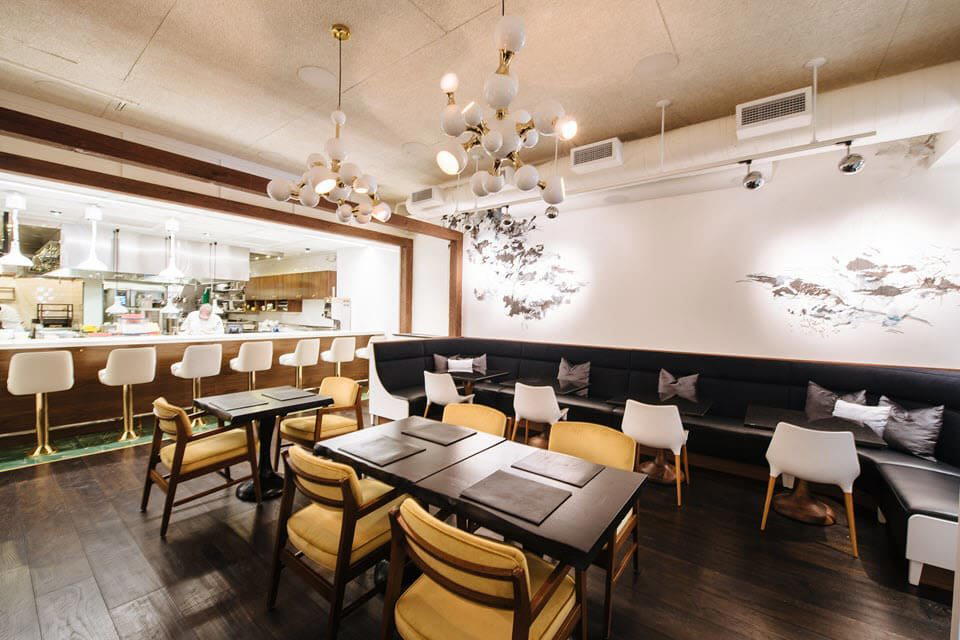
Restaurants in Washington DC
All restaurants in Washington DC →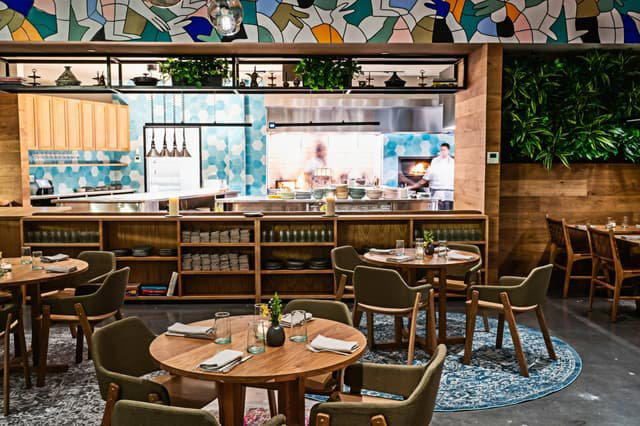
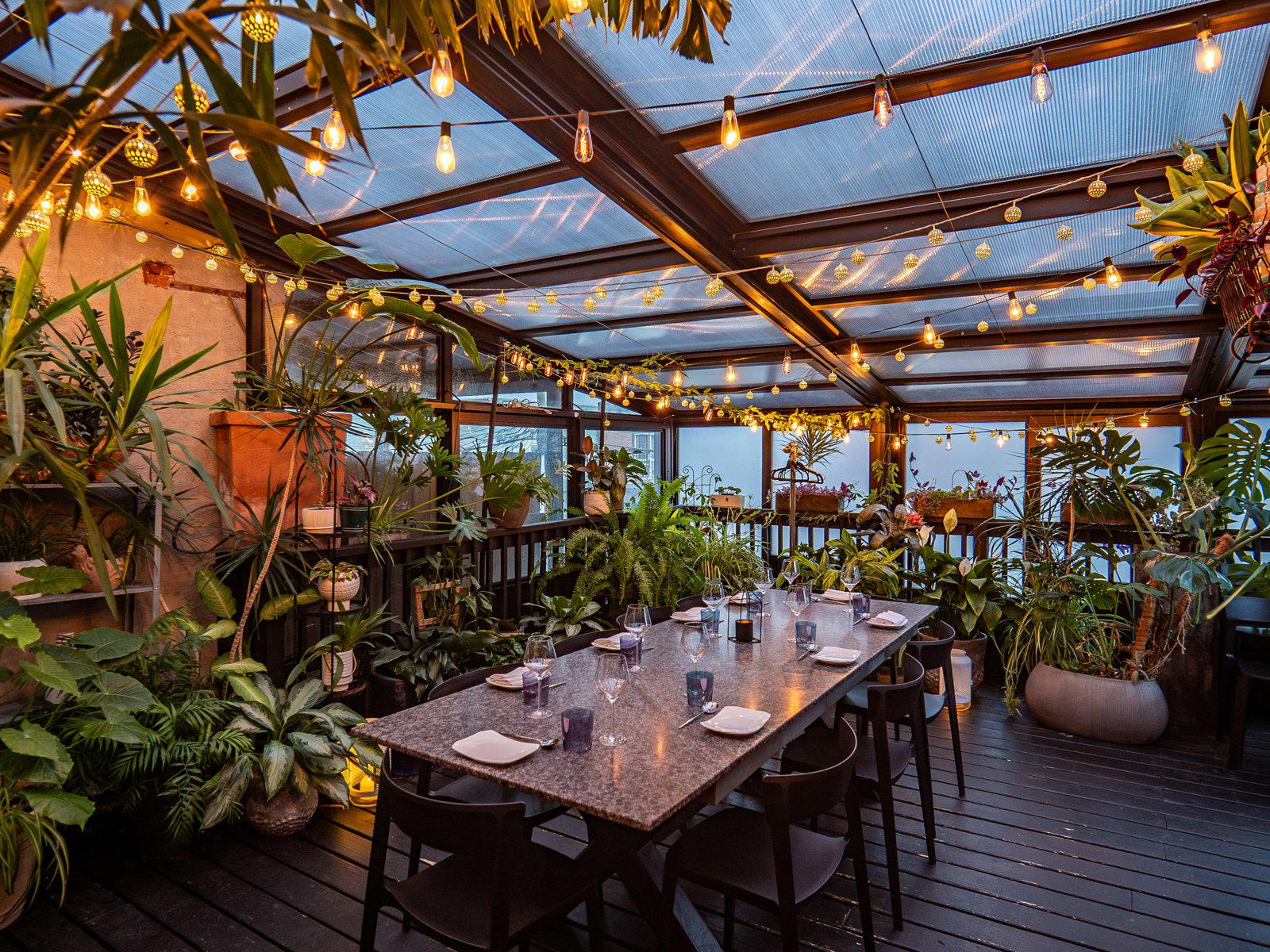
Bars in Washington DC
All bars in Washington DC →

Details
- Lively
- Trendy
- Energetic
- Date Night
- Group Dining
- Late Night
- Casual Hangout
- Open Kitchen
- Craft Cocktails
- A La Carte
- Small Plates
- Wine
- Cocktails
Current opening hours
- Monday
- Closed
- Tuesday
- 5 PM–12 AM
- Wednesday
- 5 PM–1 AM
- Thursday
- 5 PM–1 AM
- Friday
- 5 PM–1 AM
- Saturday
- 5 PM–1 AM
- Sunday
- 5–10 PM
Hours can change for holidays and private events. Hours as of .
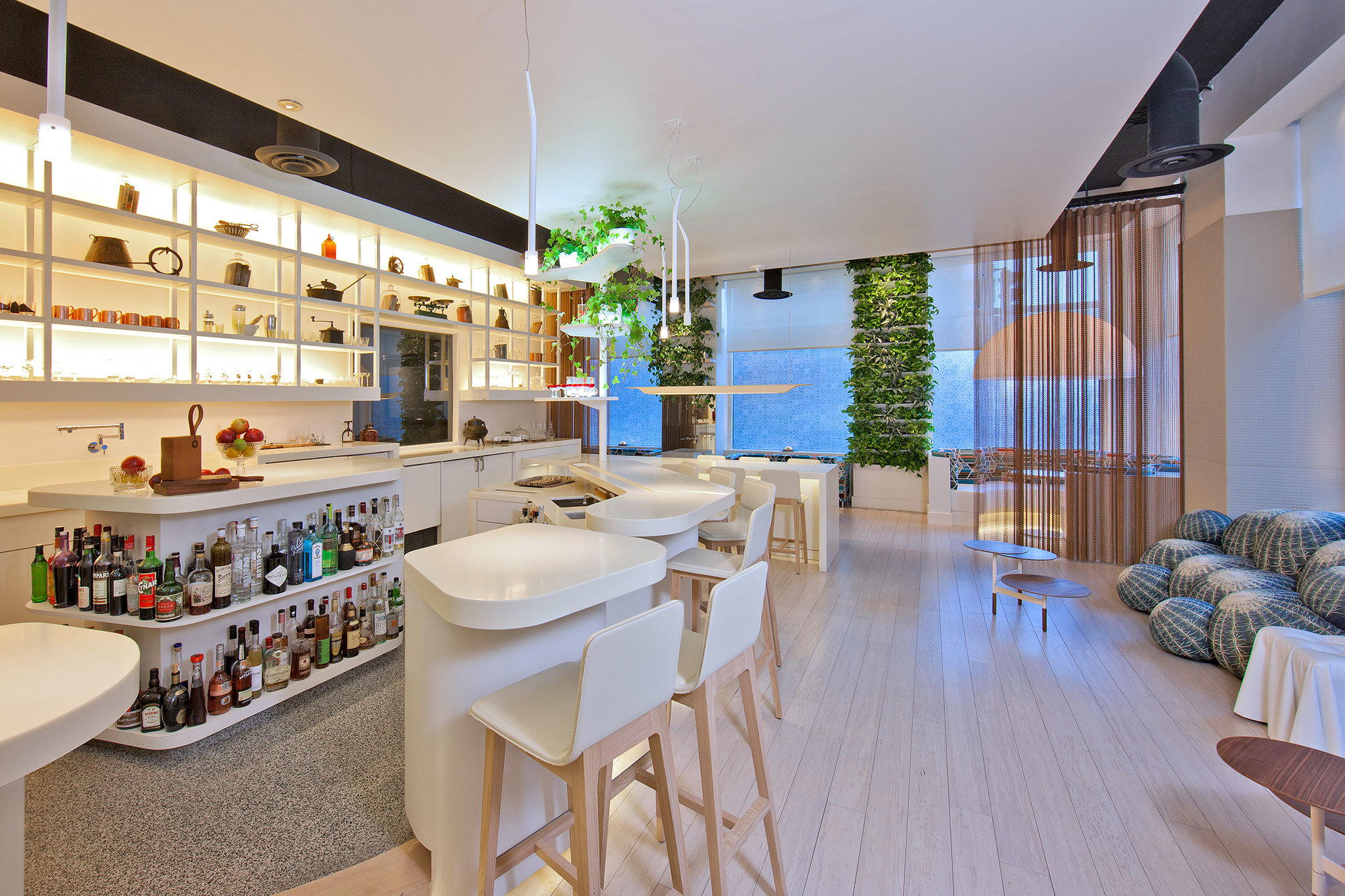
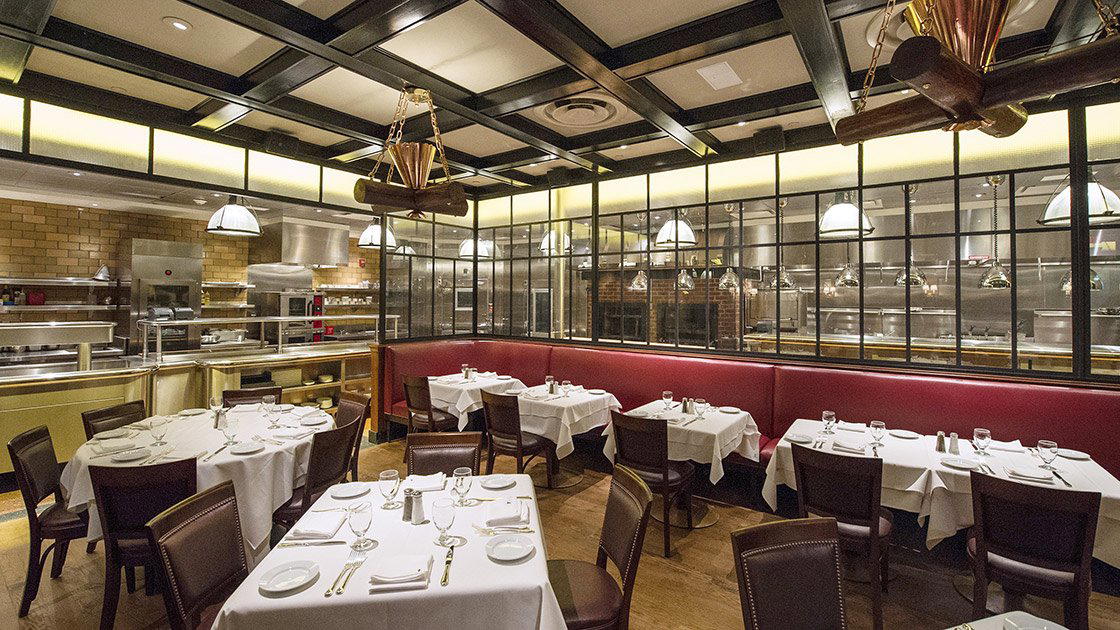
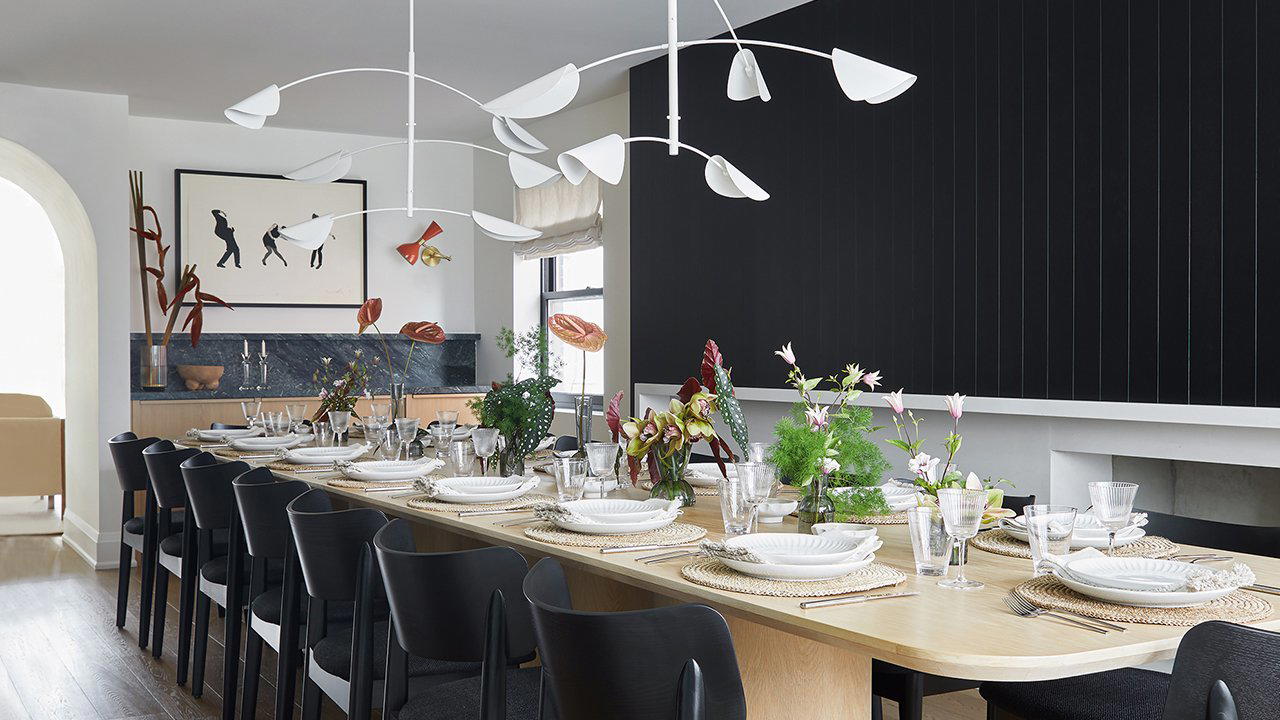
Lively and fun with neon lights activated in the evening, transforming into a lively Chinese disco lounge.