Rum CLUB
On Utrecht's Oudegracht canal wharf, Rum CLUB occupies a position that separates it from the city's creative-French and modern-European dining tier. Where venues like Maeve and Karel 5 anchor the upper end of the Utrecht restaurant scene, Rum CLUB trades in a different register, one built around rum as a serious category rather than a cocktail afterthought. The address alone, at canal level on one of the Netherlands' most photogenic waterways, sets the physical context before you've ordered a thing.
Pearl is the En Primeur Club membership app — saves, bookings, and concierge access live there. Same editors, same standards.
- Address
- Oudegracht aan de Werf 111, 3511 AL Utrecht, Netherlands
- Phone
- +31303045243
- Website
- rum-club.nl
- Directions
- Get directions
 Saves & bookings on Pearl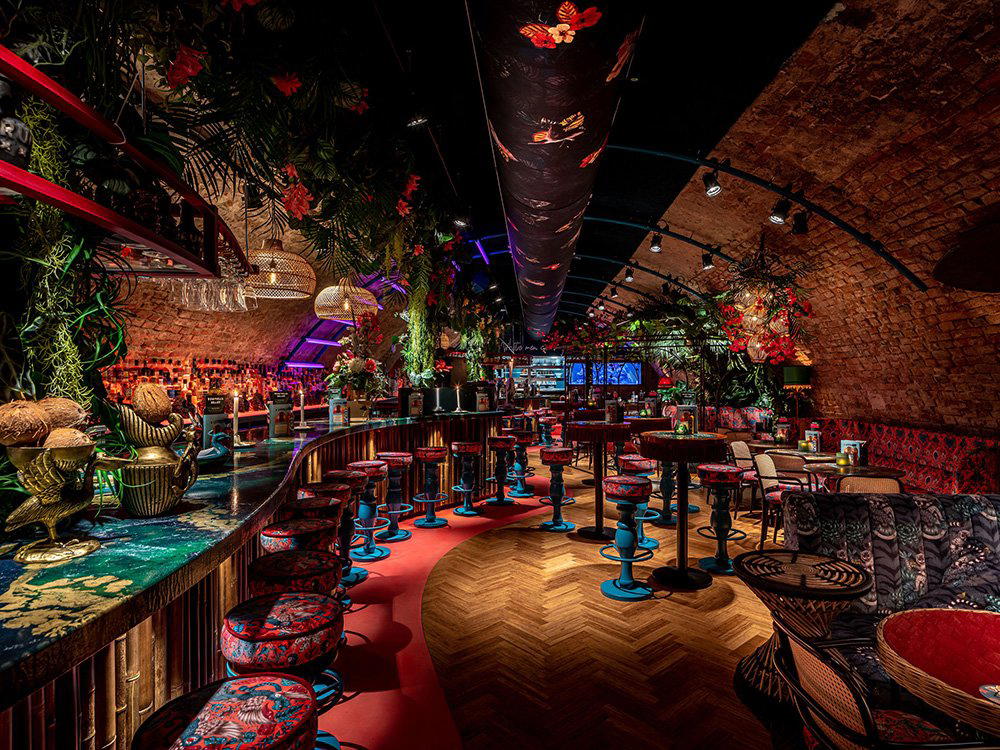
Canal Level, Spirit Forward: What Rum CLUB Represents in Utrecht's Drinking Scene
Utrecht's Oudegracht is one of the few canal systems in the Netherlands where the wharves sit low enough to walk alongside the water rather than above it. The city's wharf-level addresses, a distinct architectural tier below street grade, create a particular atmosphere: stone arches, reflected light off the water, and an enclosure that keeps the canal-side energy contained. Rum CLUB at Oudegracht aan de Werf 111 operates inside that physical context, and the setting does a significant amount of editorial work before the drinks programme even begins.
Utrecht's bar and restaurant scene has developed a clear structural split over the past decade. The upper tier runs through creative European kitchens like Karel 5 (€€€€ · Creative) and Maeve (€€€ · Creative French), both of which anchor serious dining ambitions to the city's historic centre. A middle tier covers bistro formats and neighbourhood-facing concepts such as Badhuis and Bakkerswinkel Utrecht. Then there are specialist venues, places where a single category (a spirit, a fermentation tradition, a production philosophy) organises the entire offer. Rum CLUB belongs to that third category, and in a Dutch city that leans heavily toward wine-forward and craft beer programming, a rum-specialist address is a notable structural outlier.
How Spirit Specialisation Shapes a Menu
One instructive thing about a venue organised around a single spirit category is how it forces the menu to do real editorial work. A generalist cocktail bar can paper over gaps in depth with range; a rum specialist has nowhere to hide. The breadth of what gets poured, agricole versus molasses-based, aged versus unaged, Caribbean versus South American versus South-East Asian expressions, either reveals genuine programme depth or exposes a concept that goes no further than the name on the door.
Rum as a category is among the more structurally complex in spirits. The absence of a single global production standard (unlike Cognac's appellation controls or Scotch whisky's legal definitions) means rum encompasses styles that share almost nothing in production terms: column-distilled light rums from Puerto Rico, pot-still heavy rums from Jamaica, rhum agricole made from fresh cane juice in Martinique, and aged expressions from Barbados, Guatemala, and beyond. A bar that takes this seriously builds a list that maps those distinctions rather than collapsing them into a generic tropical shorthand.
This is the editorial question that restaurant's menu architecture poses most directly: does the selection treat rum as a category with internal geography, or as a single flavour register? Venues elsewhere that have answered this question convincingly, like bar programmes in London and Amsterdam that have built reputations around aged agricole and single-cask expressions, tend to organise their lists by production method and region rather than by cocktail style. That structuring choice signals to the guest that the spirit itself, not the garnish or the glassware, is the primary subject.
For context on what a drinks-led format can achieve at the highest level, the comparison runs internationally. Programmes like those at Le Bernardin in New York City (which has treated beverage pairing as a serious editorial tier for decades) or the controlled precision of Atomix in New York City demonstrate how a specialist focus, applied with rigour, can reframe the entire experience around depth rather than spectacle. The same principle applies at the bar level: conviction in a narrow category, executed with discipline, tends to outperform breadth without architecture.
Rum CLUB in the Broader Dutch Spirits Context
The Netherlands has a longer history with rum than most European countries acknowledge. Dutch trading routes through the Caribbean from the seventeenth century onward meant that Dutch ports were among the earliest points of rum distribution in Europe. That history gives a Dutch rum specialist a degree of cultural grounding that might feel arbitrary in a landlocked Central European city. Utrecht, an hour from Amsterdam by train and connected to the regional rail network that also reaches Michelin-recognised kitchens like De Librije in Zwolle and Aan de Poel in Amstelveen, sits within a regional dining and drinking circuit that has genuine ambition at its upper end.
That wider circuit matters because it sets the expectation bar. When guests who have eaten at Ciel Bleu in Amsterdam or dined through a tasting menu at 't Nonnetje in Harderwijk arrive at a specialist bar, they carry calibrated expectations. A rum programme in that context needs to demonstrate the same kind of considered structure that a wine list at a two-star kitchen does: internal logic, appropriate depth across categories, and staff who can move through the selection without reverting to default recommendations.
The Oudegracht Address and What It Signals
Oudegracht aan de Werf addresses carry a specific social weight in Utrecht. The wharf-level position puts a venue in direct relationship with the canal rather than looking down at it from a terrace, and that physical proximity changes the rhythm of an evening. Comparable bar concepts in cities with similar canal-side infrastructure, Ghent, Amsterdam's Jordaan, parts of Hamburg, tend to find that the waterside setting extends dwell time and shifts the pace of consumption toward longer, slower rounds. For a rum specialist, that is a favourable dynamic: aged spirits reward patient attention, and guests who settle in are more likely to move through a tasting flight or ask for a second pour of something they wouldn't have ordered standing at a high-leading.
Utrecht's bar scene has evolved alongside venues like Bar Bet, which represents a different format emphasis, and the canal-side position of the restaurant differentiates it geographically as well as conceptually within the city's broader offer.
For those building a longer Dutch itinerary that extends beyond Utrecht, the regional context includes destinations as varied as Brut172 in Reijmerstok, De Bokkedoorns in Overveen, De Groene Lantaarn in Staphorst, De Lindehof in Nuenen, De Lindenhof in Giethoorn, and De Nieuwe Winkel in Nijmegen, each representing a distinct regional dining position.
The Quick Read
Comparable venues nearby, for context on price, style, and recognition.
| Venue | Cuisine | Price | Notes |
|---|---|---|---|
| Rum CLUBThis venue — the venue you are viewing | Not listed | $$ | Not listed |
| Goesting | Noordoost, French-Belgian Brasserie | $$ | Not listed |
| Popocatepetl The Mexican | Nobelstraat, Authentic Mexican | $$ | Not listed |
| Juuls Hummus | Not listed | $$ | Outside city centre, Mediterranean Middle Eastern Hummus Bowls |
| Restaurant Gys Utrecht | Not listed | $$ | city center, Organic Vegan-Friendly Bistro |
| Farina | Italian Comfort Food | $$ | Not listed |
Continue exploring
More in Utrecht
Restaurants in Utrecht
Browse all →
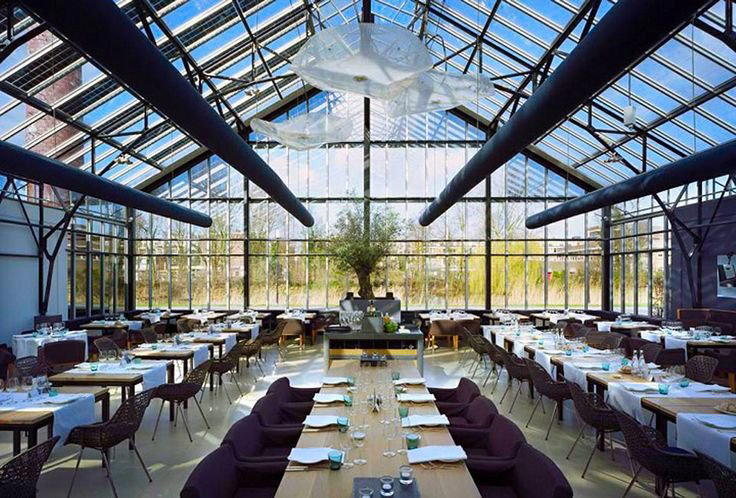
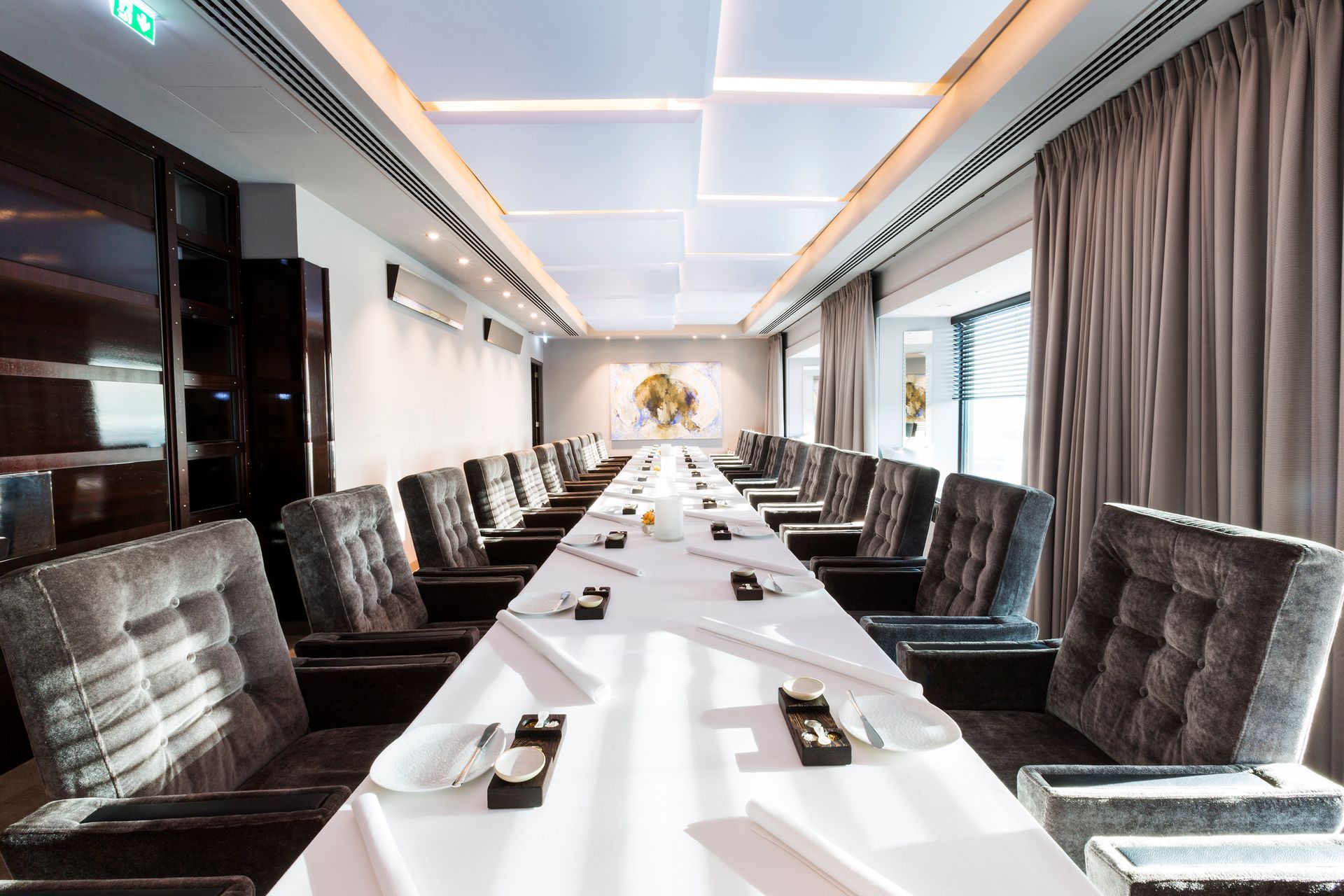
Bars in Utrecht
Browse all →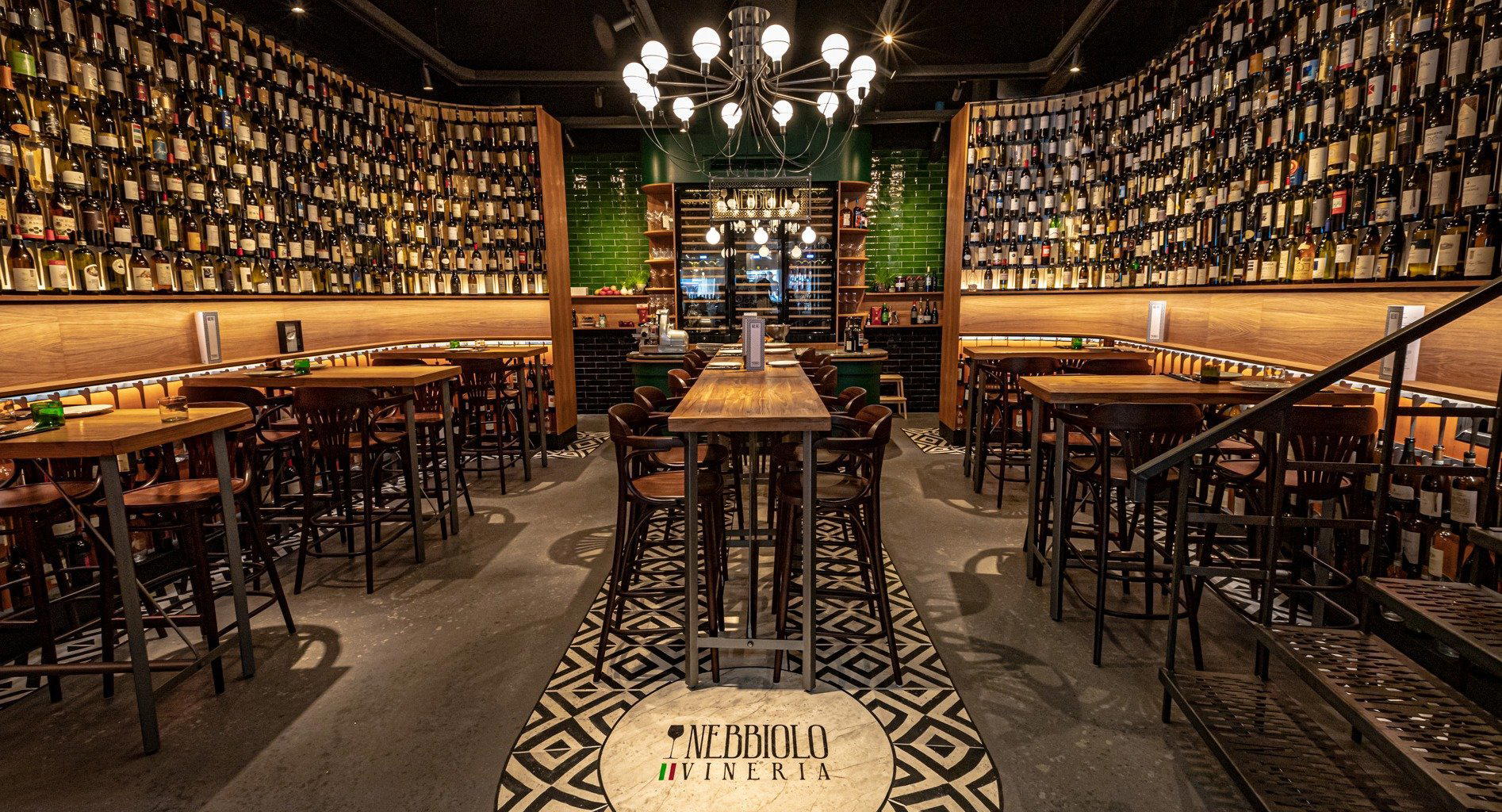
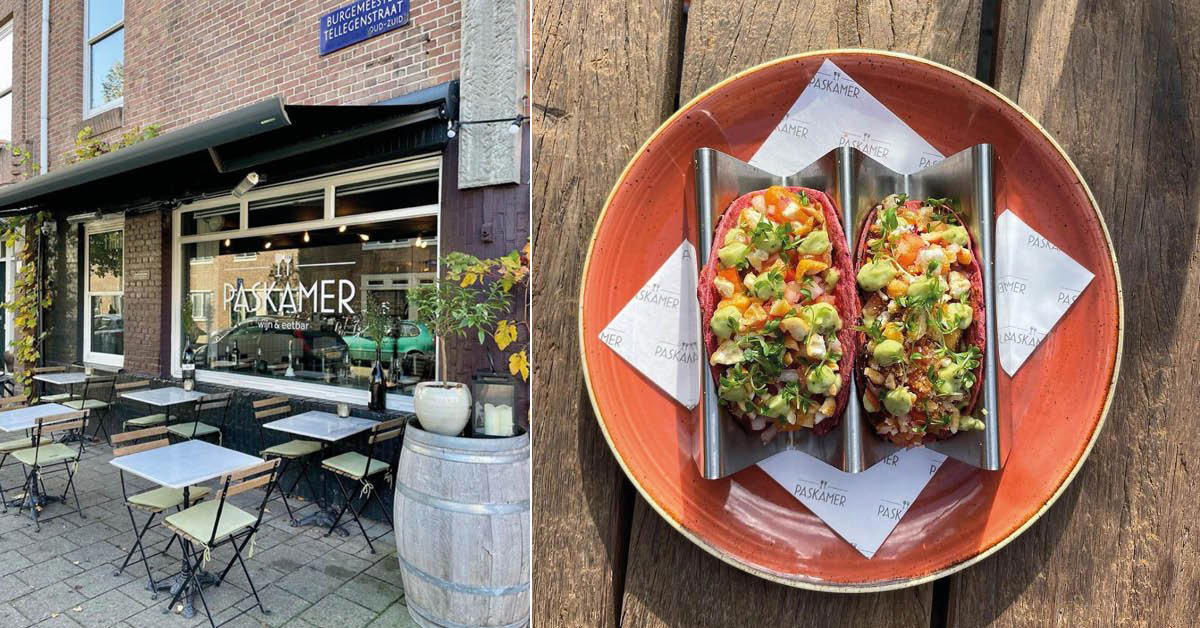
Hotels in Utrecht
Browse all →
Wineries in Utrecht
Browse all →
At a Glance
- Lively
- Trendy
- Cozy
- Casual Hangout
- Late Night
- Brunch
- Terrace
- Craft Cocktails
- Waterfront
- Street Scene
Current opening hours
- Monday
- 12–11 PM
- Tuesday
- 12–11 PM
- Wednesday
- 12–11 PM
- Thursday
- 12 PM–12 AM
- Friday
- 12 PM–1 AM
- Saturday
- 12 PM–1 AM
- Sunday
- 12–11 PM
Hours can change for holidays and private events. Last verified .
Dim lights, colorful tropical decor, lively and energetic island vibes with ass shakin' music.