Popocatepetl The Mexican
On Nobelstraat in Utrecht's Lombok-adjacent west, Popocatepetl The Mexican occupies a stretch where the city's appetite for non-European cooking has quietly deepened over the past decade. The kitchen works within a tradition that carries genuine regional complexity, placing it in a different register from the Tex-Mex shorthand that still defines much of Dutch Mexican dining. For Utrecht residents looking beyond the canal-centre circuit, it functions as a reliable neighbourhood address with cultural specificity behind it.
Pearl is the En Primeur Club membership app — saves, bookings, and concierge access live there. Same editors, same standards.
- Address
- Nobelstraat 163, 3512 EM Utrecht, Netherlands
- Phone
- +31302315719
- Website
- popo-utrecht.nl
- Directions
- Get directions
 Saves & bookings on Pearl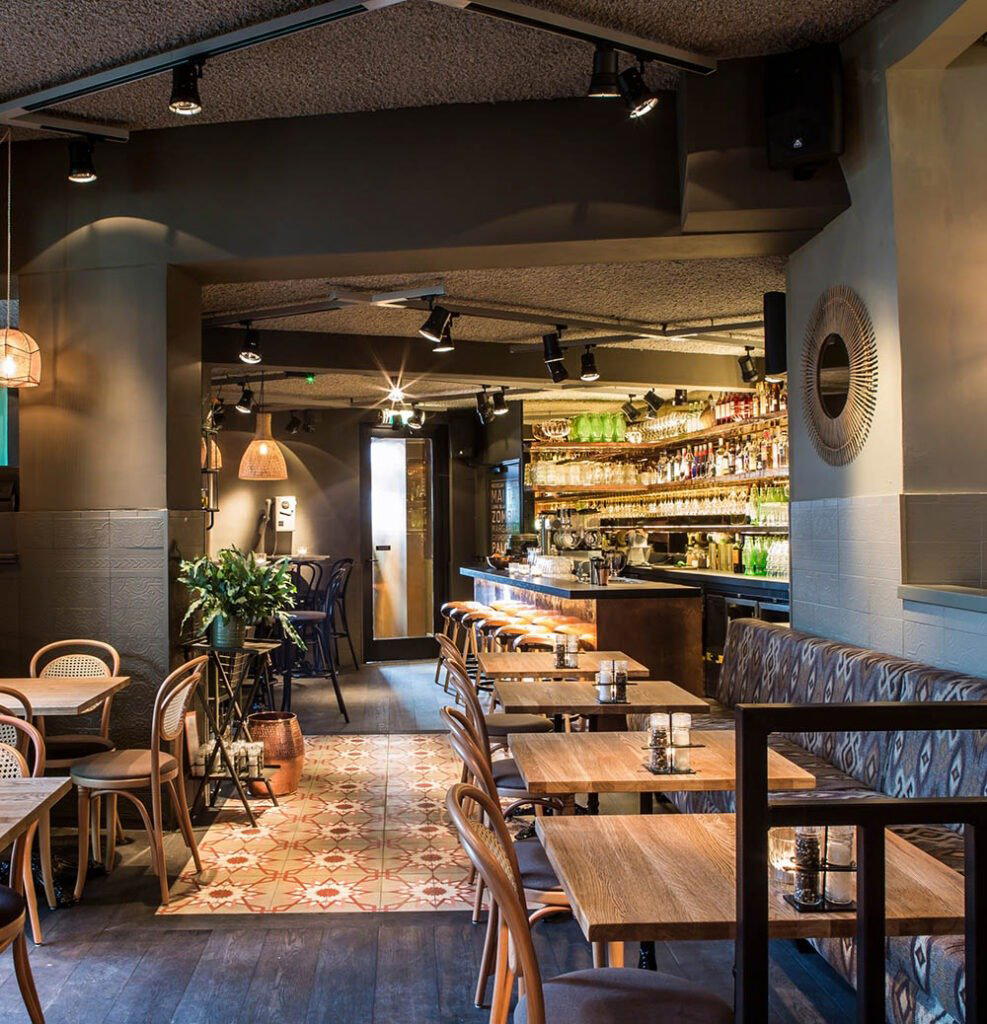
Mexican Cooking in a Dutch City That Has Learned to Take It Seriously
Nobelstraat runs through a part of Utrecht that has accumulated a genuinely diverse eating strip over the years, the kind of street where a serious Mexican kitchen does not read as a novelty. The neighbourhood sits west of the old centre, close to Lombok, and the accumulated density of non-European cooking along this corridor means that diners arriving at Popocatepetl The Mexican at number 163 are unlikely to be first-timers to the broader cuisine. That context matters: restaurants in streets like this tend to be held to a more exacting local standard than tourist-facing equivalents near the Dom Tower.
Utrecht's restaurant scene has expanded meaningfully in the direction of technical ambition over the past several years. At the higher end, Karel 5 (€€€€ · Creative) and Maeve (€€€ · Creative French) represent the city's push into refined European formats. But the wider picture also includes strong neighbourhood addresses — Badhuis and Bar Bet among them — that serve the working daily culture of a university city with little appetite for pretension. Popocatepetl sits in that second register: a local address with a specific culinary identity, not a destination-dining proposition.
What Mexican Cooking Actually Means at This Address
The broader framing matters here. Dutch Mexican dining has historically defaulted to a simplified register: flour tortillas, overloaded burritos, sour cream applied without restraint. The actual tradition that the name Popocatepetl invokes, the active volcano that dominates the Valley of Mexico, carries far more specificity than that shorthand suggests. Central Mexican cooking, Oaxacan mole logic, Yucatecan citrus-driven marinades, and the chile-forward sauce structures of Puebla all represent distinct regional identities that rarely survive translation into European casual formats intact.
The editorial angle worth examining is whether kitchens operating under this kind of name, in a city like Utrecht, make any attempt to work within that complexity, or whether the reference is decorative. Across European cities, the small tier of Mexican restaurants that have built reputations worth noting tend to share a common characteristic: they treat the chile as an ingredient with the same seriousness that a French kitchen treats reduction, and they source corn products with some attention to provenance rather than reaching for the nearest supermarket tortilla. That discipline is what separates the category from its commodity version. For the full breadth of where Utrecht dining sits in the Dutch context, the EP Club Utrecht restaurants guide maps the range.
Local Ingredients, Imported Logic
Intersection of imported culinary method and locally available product is where European Mexican kitchens either earn their credibility or lose it. The Netherlands is, counterintuitively, a reasonable environment for certain aspects of this challenge: Dutch greenhouse agriculture produces chiles, tomatillos, and herbs that would have been impossible to source here twenty years ago, and the country's logistics infrastructure means imported dried chiles, anchos, mulatos, chipotles, pasillas, arrive in reasonable condition. The harder constraint is corn: genuine masa from nixtamalised maize remains rare in the Netherlands, and the difference between a tortilla pressed from fresh masa and one made from commercial masa harina is not subtle.
Kitchens that take that distinction seriously tend to signal it in other ways too: fermentation timings, fat selection (lard versus neutral oil has real consequences for tamale and refried bean texture), and the sourcing logic behind proteins. These are not details that appear on most menus, but they are legible in the food itself. The European addresses that have drawn serious attention to the cuisine, not at the starred-restaurant tier but at the level of credible neighbourhood cooking, are the ones where those decisions have been made consciously rather than by default.
For comparison, the Dutch fine-dining context that surrounds this category includes addresses like De Librije in Zwolle and Aan de Poel in Amstelveen, where local product and imported technique interact at the Michelin level. The same question, what does rigorous sourcing actually produce on the plate, applies across the register, even when the format shifts from tasting menu to taco.
The Utrecht Neighbourhood Case for Non-European Kitchens
Utrecht's west side has developed a density of non-European restaurants that functions differently from the more self-conscious diversity of Amsterdam's De Pijp or Rotterdam's Witte de Withstraat. The eating along Nobelstraat and its surrounding streets tends to be more utilitarian in presentation and more dependent on repeat neighbourhood custom than on destination traffic. That creates a different kind of accountability: a restaurant drawing primarily from local regulars has to perform consistently across the week, not just on Friday evenings when reviewers might pass through.
That dynamic shapes what a kitchen like Popocatepetl's needs to do well. Consistency, value clarity, and a menu that rewards return visits, through either rotating specials or enough range to build habits around, matter more in this context than theatrical presentation. Addresses like Bakkerswinkel Utrecht have built durable local reputations on exactly that basis, in a different cuisine category but with the same underlying logic.
For readers interested in the broader Dutch fine-dining reference frame, addresses like Ciel Bleu in Amsterdam, De Bokkedoorns in Overveen, Brut172 in Reijmerstok, De Groene Lantaarn in Staphorst, De Lindehof in Nuenen, De Lindenhof in Giethoorn, De Nieuwe Winkel in Nijmegen, and 't Nonnetje in Harderwijk provide the national context that Dutch serious dining operates within. Internationally, the way kitchens at addresses like Le Bernardin in New York City or Atomix in New York City handle the imported-technique-local-product question at the highest tier illustrates the same tension at a different scale.
Planning a Visit
Popocatepetl The Mexican is at Nobelstraat 163, 3512 EM Utrecht. The address sits in the western residential district, accessible on foot from Utrecht Centraal in roughly fifteen to twenty minutes or by tram to the Lombok corridor stops. As with most independent neighbourhood restaurants in this part of Utrecht, confirming current hours directly before visiting is advisable, the venue's website and phone details are not publicly listed in available records, and trading patterns for smaller independents in the Netherlands have shifted considerably in the post-pandemic period. Walking the street itself is part of the experience: Nobelstraat's concentration of independent food businesses gives the visit a context that a standalone destination restaurant cannot replicate.
How Popocatepetl The Mexican Utrecht compares with similar nearby venues.
| Venue | Cuisine | Price |
|---|---|---|
| Rosie | Modern French | €€ |
Continue exploring
More in Utrecht
Restaurants in Utrecht
Browse all →

Bars in Utrecht
Browse all →
Hotels in Utrecht
Browse all →

Wineries in Utrecht
Browse all →
At a Glance
- Lively
- Cozy
- Rustic
- Group Dining
- Casual Hangout
- Date Night
- Open Kitchen
- Craft Cocktails
Current opening hours
- Monday
- 5–10 PM
- Tuesday
- 5–10 PM
- Wednesday
- 5–10 PM
- Thursday
- 5–10 PM
- Friday
- 5–10 PM
- Saturday
- 5–10 PM
- Sunday
- 5–10 PM
Hours can change for holidays and private events. Last verified .
Multicoloured ambience with paintings, fake cacti, religious depictions, and Mexican knick-knacks creating a lively and festive atmosphere.