Badhuis
Occupying a converted bathhouse on Willem van Noortplein in Utrecht's Wittevrouwen district, Badhuis channels the unhurried ritual of the Dutch neighbourhood table into a setting where the architecture does as much work as the kitchen. The former public bathing hall gives the space a civic weight that most modern restaurants can't manufacture. It belongs to a tier of Utrecht dining that prioritises atmosphere and cadence over tasting-menu formalism.
Pearl is the En Primeur Club membership app — saves, bookings, and concierge access live there. Same editors, same standards.
- Address
- Willem van Noortplein 19, 3514 GK Utrecht, Netherlands
- Phone
- +31307437207
- Website
- restaurantbadhuis.nl
- Directions
- Get directions
 Saves & bookings on Pearl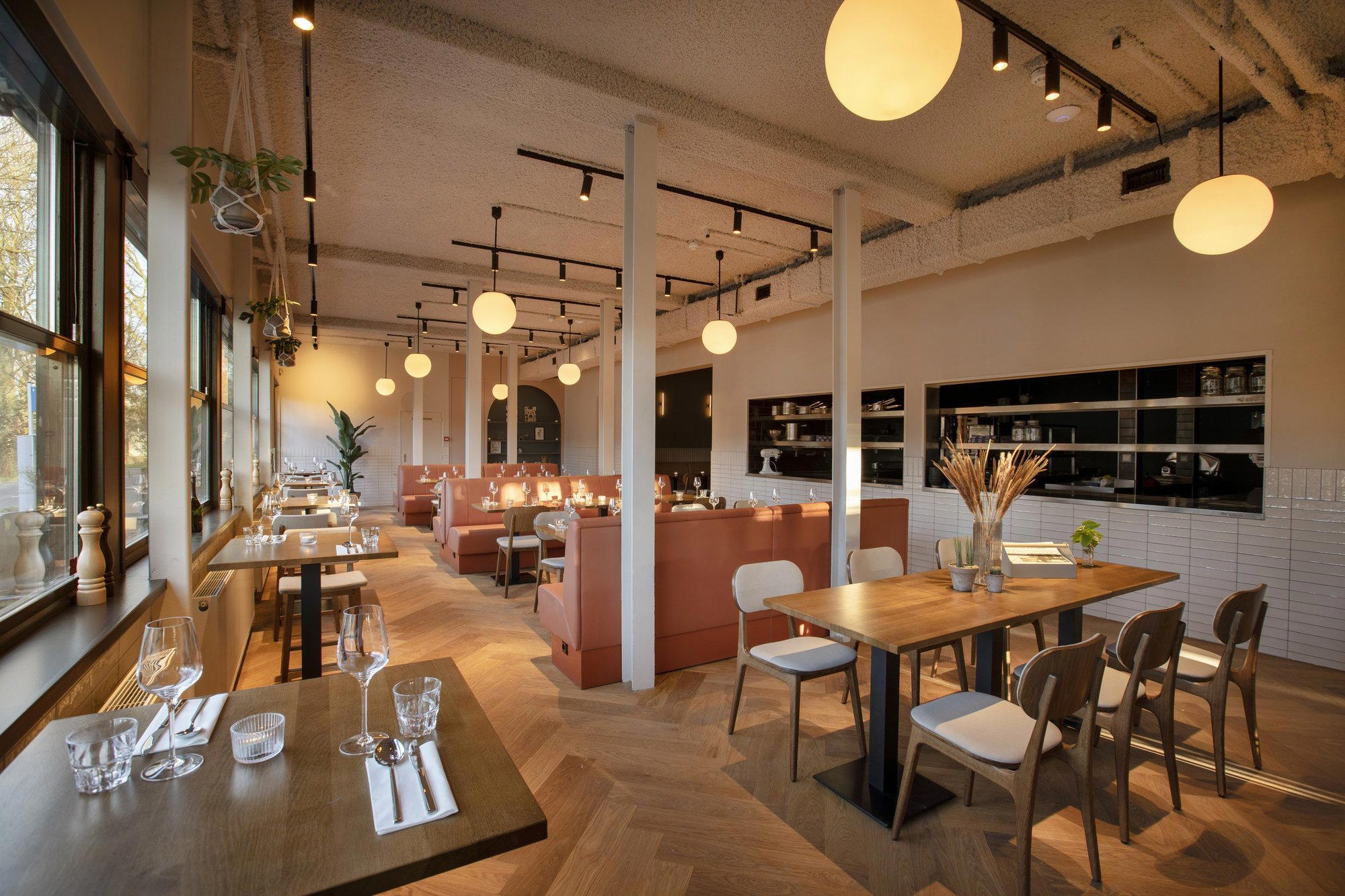
Where the Building Sets the Tempo
There is a particular kind of Dutch dining room that resists the logic of the modern restaurant group: no loyalty programme, no branded social presence, just a building with civic memory and a kitchen that understands the terms of its own setting. Badhuis, housed in a former public bathhouse on Willem van Noortplein in Utrecht's Wittevrouwen quarter, belongs to that category. The address alone carries a kind of editorial weight. Bathhouses in the Netherlands were once the infrastructure of urban working life, and the ones that survive as restaurants tend to inherit a spatial generosity that new construction rarely achieves: high ceilings, tiled surfaces, a geometry shaped by function rather than hospitality theatre.
Utrecht has developed a dining scene confident enough to hold several distinct registers simultaneously. At the higher end, Karel 5 (€€€€ · Creative) occupies the former chapter house of a medieval monastery and presses into the premium creative tier. At the middle range, Maeve (€€€ · Creative French) has built a following on precise French technique applied to Dutch produce. Badhuis operates in a register shaped less by menu ambition and more by the physical setting and the pace it naturally imposes on an evening. Seasonal European small plates suit that setting. That is not a lesser proposition; it is a different one.
The Ritual of the Dutch Neighbourhood Table
Dutch dining has never been primarily about ceremony in the French sense. The traditions that define the Netherlands at the table tend toward conviviality rather than formalism: generous pours, unhurried courses, an expectation that the table is yours for the evening rather than yours for ninety minutes. Badhuis sits within that tradition, and the building reinforces it. A former bathhouse is a slow space. Its proportions suggest lingering. The acoustics of tiled rooms carry conversation differently from a carpeted hotel dining room, and that physical fact shapes how guests inhabit an evening there.
This framing matters when comparing Badhuis to the more technically driven end of Utrecht's restaurant offer. The ritual here is about arrival, settling, and allowing the architecture to structure the pace, rather than a tasting menu's numbered progression doing that work. It is a format that Dutch cities have historically done well, and that Amsterdam's more tourism-pressured dining rooms have increasingly sacrificed in favour of efficiency. Utrecht, with its compact historic centre and a local population large enough to sustain neighbourhood restaurants without tourist dependency, preserves that cadence more reliably.
For context at the national level, the Dutch restaurant scene includes formally ambitious operators like De Librije in Zwolle, Inter Scaldes in Kruiningen, and De Nieuwe Winkel in Nijmegen. Those operations compete on a different axis: Michelin recognition, technique-forward menus, destination dining logic. Badhuis sits at a remove from that competitive set, oriented instead toward the Utrecht local who wants an evening shaped by setting and ease rather than a structured tasting sequence.
The Wittevrouwen District as Context
Willem van Noortplein places Badhuis in Wittevrouwen, one of Utrecht's older residential neighbourhoods, east of the Dom tower and the canal-lined Oudegracht. The area has the character of a district where the local population has stayed local: independent bakeries, brown cafés, a rhythm that doesn't reset every six months for a new hospitality concept. Bakkerswinkel Utrecht represents the kind of neighbourhood anchor that gives Wittevrouwen its dining character at the daytime end. Badhuis occupies a comparable role for evenings, anchoring the square with a venue that reads as permanent rather than provisional.
This neighbourhood specificity is worth noting for the visitor who approaches Utrecht's dining through the lens of the centre alone. The Oudegracht terraces and the area around the train station represent one version of the city's hospitality offer. Wittevrouwen represents another, and reaching it on foot from the Dom takes under fifteen minutes. The walk itself is useful: it transitions from tourist Utrecht into residential Utrecht in a way that reframes what you are looking for in an evening.
Placing Badhuis in the Utrecht Spectrum
Utrecht's current dining offer spans from casual bar formats like Bar Bet and Beers & Barrels Downtown through the mid-range neighbourhood table and up into the premium creative tier. Badhuis occupies a position in that spectrum defined more by its setting and pace than by price-point signals alone. Badhuis is a seasonal European small-plates restaurant with a price tier around $25 per person. What the address and building type do confirm is a venue oriented toward the evening-as-ritual rather than the meal-as-transaction.
Internationally, the community-hall-converted-restaurant format has produced particularly interesting dining propositions of the past decade. Lazy Bear in San Francisco built an entire identity around the communal dining structure that an unconventional space permits. Le Bernardin in New York City shows the opposite pole: a room engineered entirely around service formality. Badhuis, as a former bathhouse, falls somewhere between those registers, offering a physical environment that has its own authority without imposing a scripted service sequence.
For visitors building a longer Dutch itinerary, the broader national picture includes destination operators like De Lindehof in Nuenen, De Bokkedoorns in Overveen, Tribeca in Heeze, Brut172 in Reijmerstok, De Treeswijkhoeve in Waalre, De Groene Lantaarn in Staphorst, and De Lindenhof in Giethoorn. These are the formal anchors of the Dutch scene. Badhuis is not competing with them. It is doing something architecturally and socially distinct: making a nineteenth-century public building into a reason to spend an evening in a residential neighbourhood in Utrecht.
Planning an Evening Here
Badhuis is located at Willem van Noortplein 19, 3514 GK Utrecht, within walking distance of both Utrecht Centraal and the historic centre. The square functions as a neighbourhood hub, and the building is identifiable by its original bathhouse facade. Badhuis is recommended for reservations and is open Monday 3 PM to midnight; Tuesday through Sunday 11 AM to midnight. The venue's neighbourhood positioning suggests it rewards mid-week visits when the square is quieter and the building's spatial qualities are easier to absorb without a full dining room.
Cuisine and Recognition
Comparable venues nearby, for context on price, style, and recognition.
| Venue | Cuisine | Price | Notes |
|---|---|---|---|
| BadhuisThis venue — the venue you are viewing | Seasonal European Small Plates | $$ | Not listed |
| Rum CLUB | Caribbean Tropical Street Food | $$ | Binnenstad |
| Restaurant Gys Utrecht | Organic Vegan-Friendly Bistro | $$ | city center |
| De Zwarte Vosch | Authentic Spanish Tapas & Pintxos | $$ | Oudegracht |
| Sumventure | Cocktail Bar & Spirits Tasting | $$ | Griftpark |
| The Streetfood Club | Asian-Peruvian Street Food | $$ | Binnenstad |
Continue exploring
More in Utrecht
Restaurants in Utrecht
Browse all →
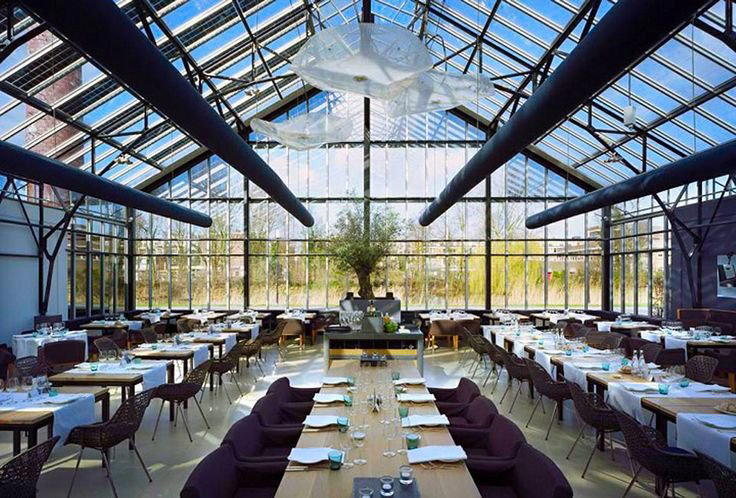
Bars in Utrecht
Browse all →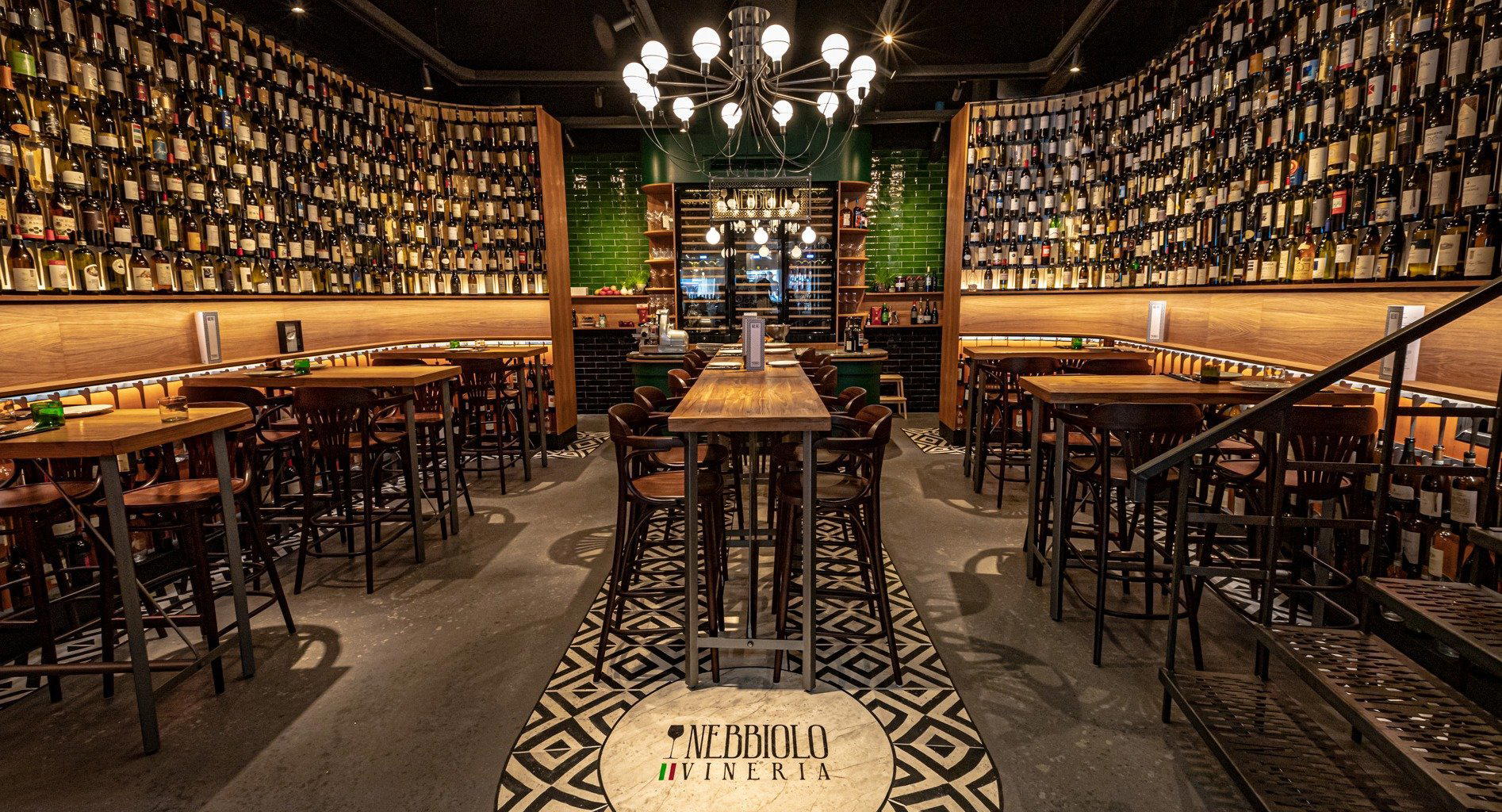
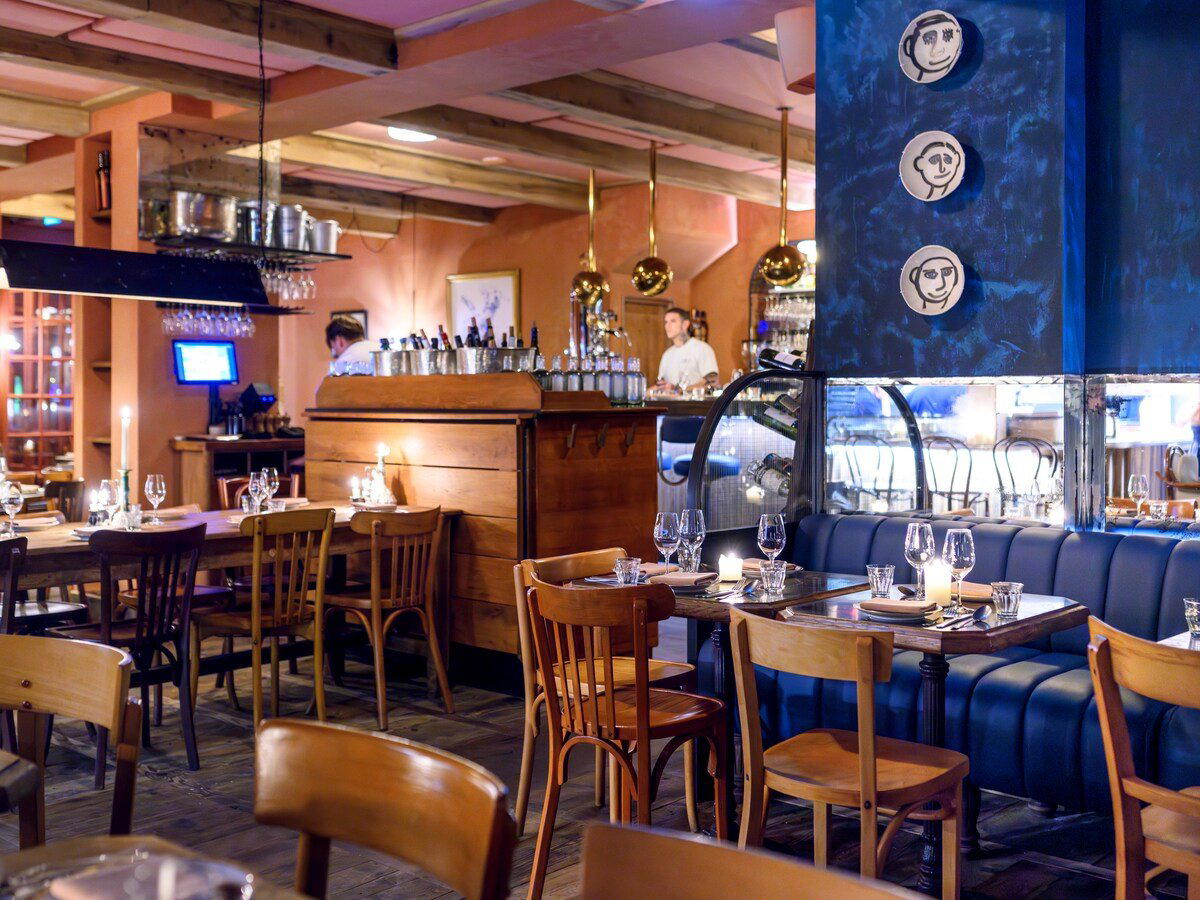
Hotels in Utrecht
Browse all →
Wineries in Utrecht
Browse all →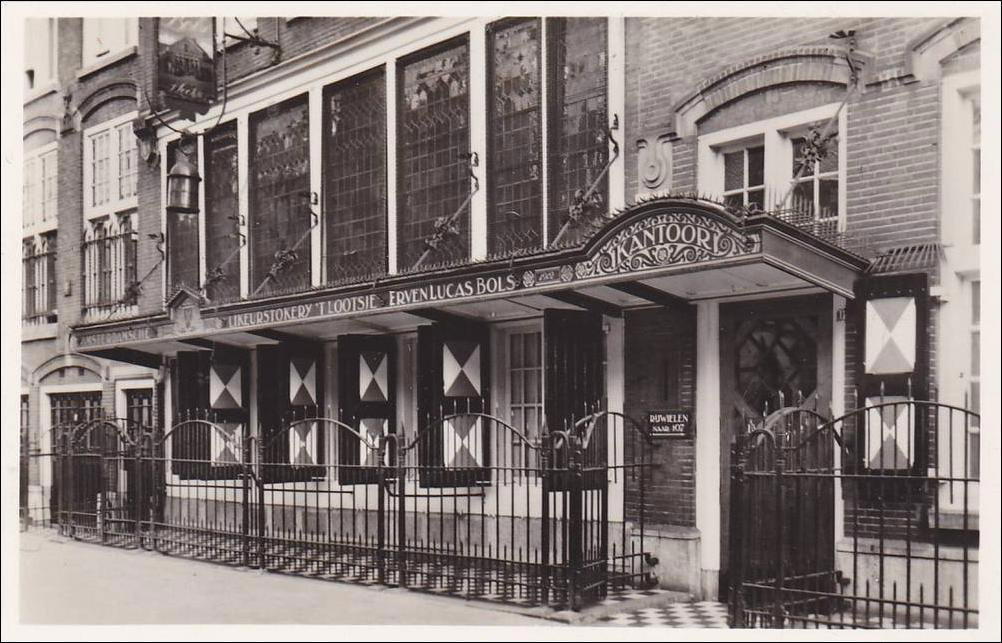
At a Glance
- Cozy
- Modern
- Trendy
- Date Night
- Group Dining
- Brunch
- Terrace
- Historic Building
- Craft Cocktails
Current opening hours
- Monday
- 3 PM–12 AM
- Tuesday
- 11 AM–12 AM
- Wednesday
- 11 AM–12 AM
- Thursday
- 11 AM–12 AM
- Friday
- 11 AM–12 AM
- Saturday
- 11 AM–12 AM
- Sunday
- 11 AM–12 AM
Hours can change for holidays and private events. Last verified .
Cozy atmosphere with fashionable, eye-catching interior and relaxed terrace seating.