Scandic Stuttgart Europaviertel belongs to Stuttgart’s newer urban-hotel tier, shaped less by resort fantasy than by station-area convenience, contemporary design, and the city’s business rhythm. With no published the guide record for star rating, price, awards, dining format, or room inventory, the sensible reading is contextual: assess it against other central Stuttgart hotels by location, transport access, and design clarity rather than legacy grandeur.
Pearl is the En Primeur Club membership app — saves, bookings, and concierge access live there. Same editors, same standards.
- Address
- Heilbronner Str. 88, 70191 Stuttgart, Germany
- Website
- scandichotels.com
 Saves & bookings on Pearl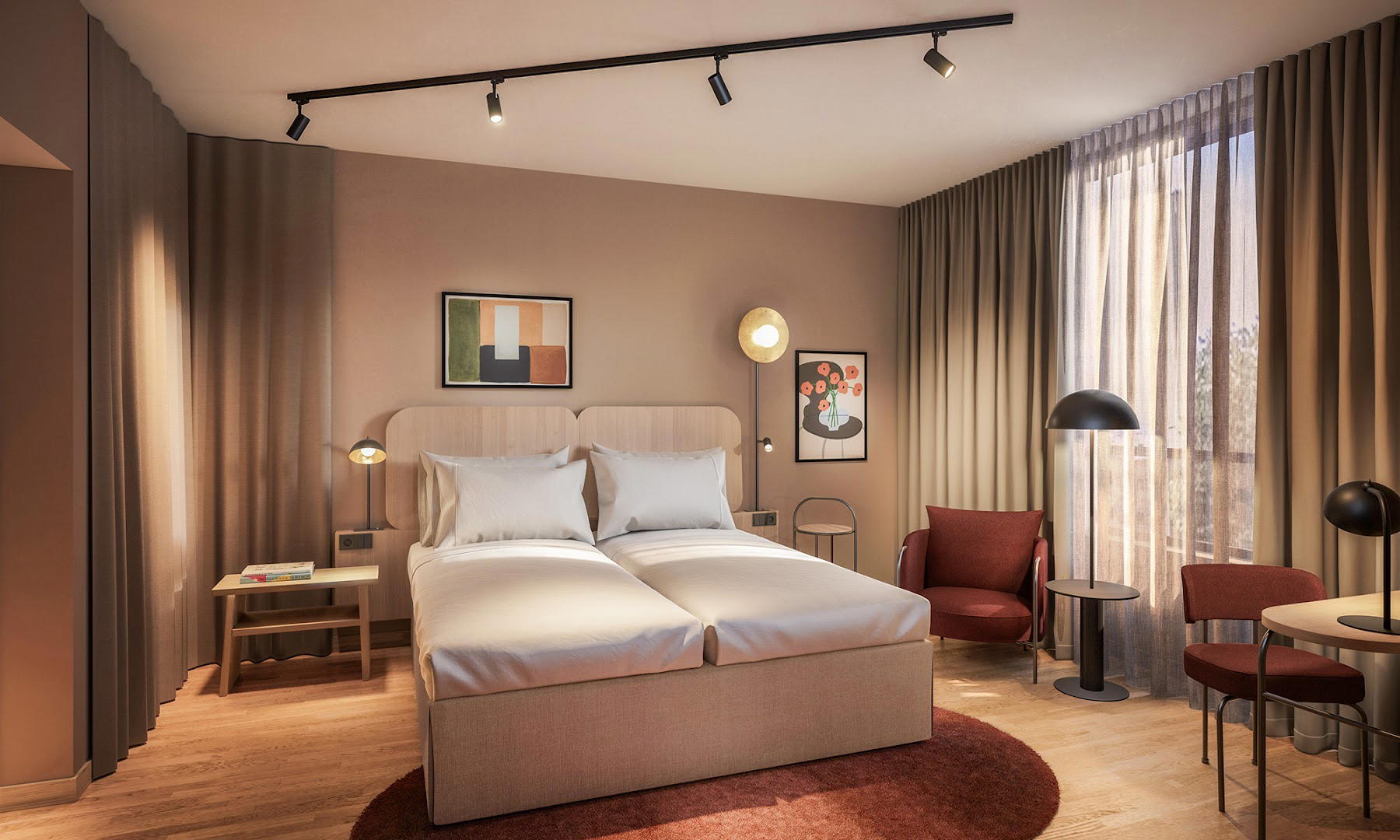
Europaviertel and the new grammar of Stuttgart hotels
Approaching Stuttgart’s Europaviertel, the city changes tone. The older Stuttgart of mineral baths, hillside villas, grand department stores, and postwar civic buildings gives way to a newer district of glass, engineered façades, transport logic, retail volume, and office-week tempo. This is not the postcard version of Baden-Württemberg’s capital. It is the Stuttgart of rail connections, conference diaries, automotive suppliers, project teams, and travellers who want the city to work efficiently before it performs charm. In that setting, Scandic Stuttgart Europaviertel belongs to a category now common across European business cities: the contemporary urban hotel whose value depends on design discipline, transit usefulness, and the ability to absorb weekday demand without pretending to be a palace hotel.
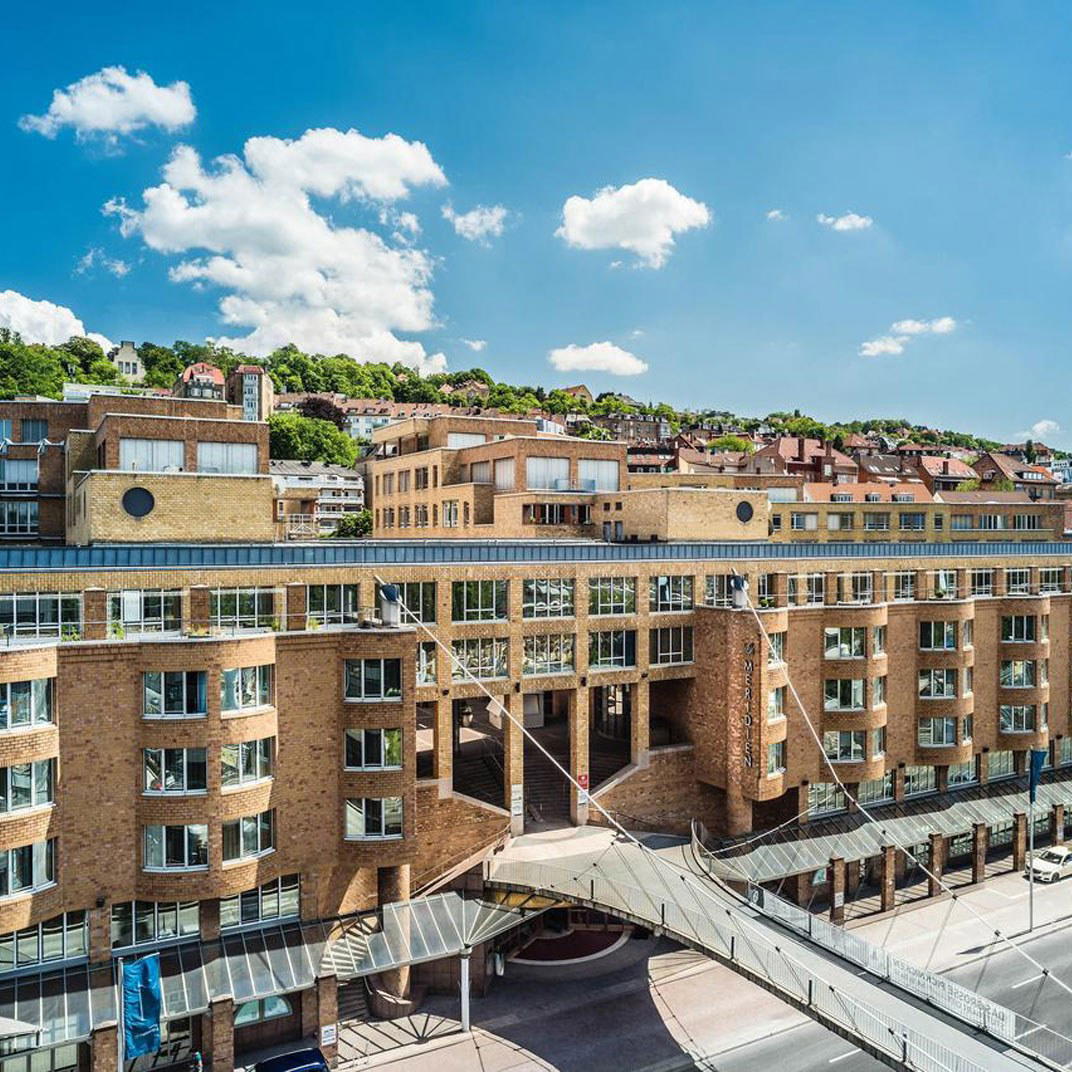
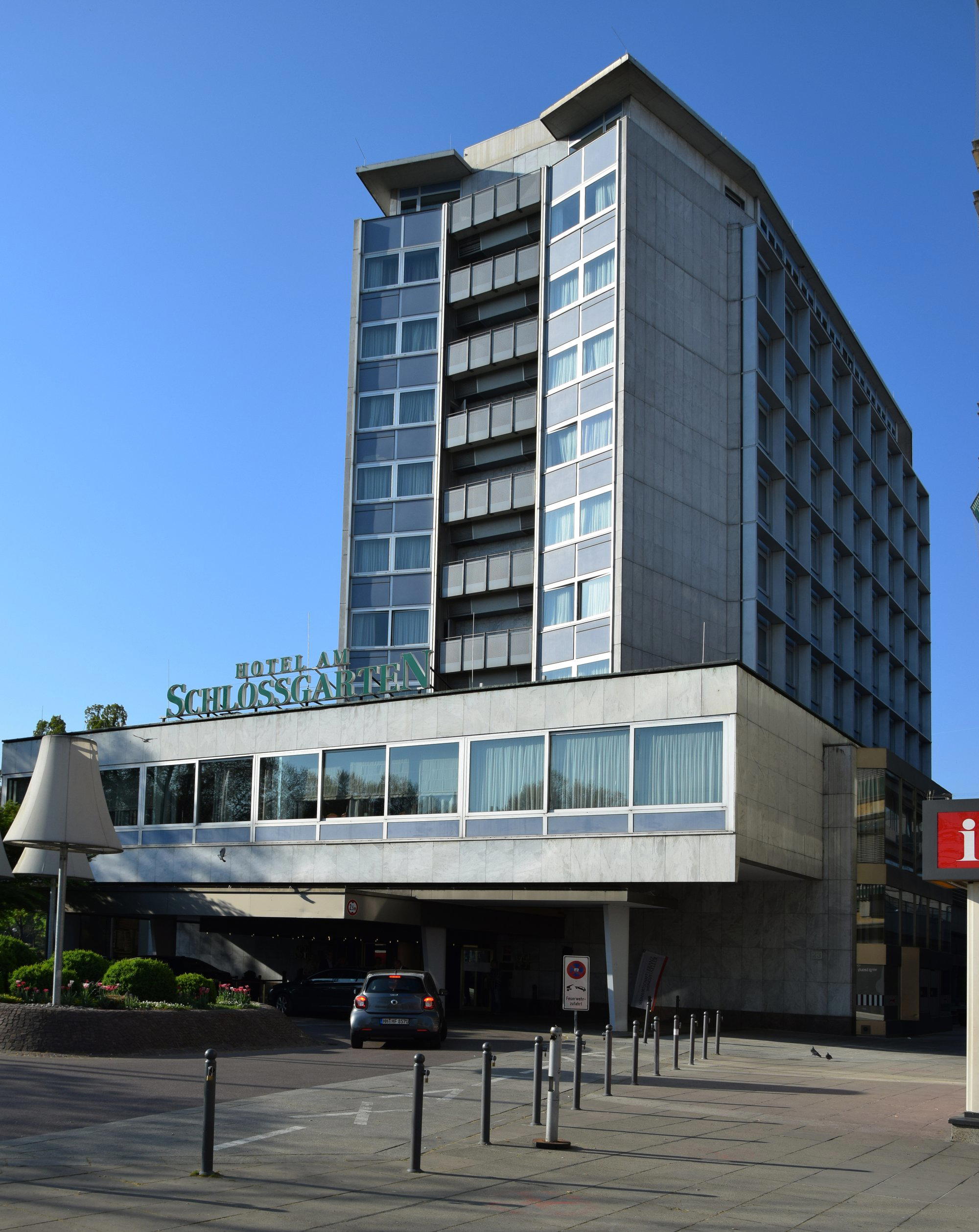
That distinction matters in Stuttgart because the city’s hotel scene divides into several clear comparable venues. There are established central addresses with a more traditional sense of occasion, represented in the Stuttgart coverage by Althoff Hotel am Schlossgarten. There are larger international properties with classic city-hotel infrastructure, such as Le Méridien Stuttgart. There are lifestyle-led hotels built around music, social spaces, and a younger design vocabulary, including Jaz in the City Stuttgart. Scandic Stuttgart Europaviertel sits closer to the functional-design side of that map: its name alone places it in the city’s newer development zone rather than in the historic-luxury lane.
Scandic Stuttgart Europaviertel is a 4-star hotel in Stuttgart’s Europaviertel with 174 rooms and a nightly rate from about $75, suited to rail links, work trips, and short stays. That absence should shape expectations rather than invite invention. The editorial case for the property rests on location type and hotel category, not on claimed Michelin-level dining, heritage interiors, or trophy service credentials. Stuttgart rewards that honesty. A hotel in this part of the city is usually chosen because the day is structured around meetings, trains, shopping, cultural stops, or quick transfers across the centre, and because the guest wants contemporary rooms without paying for ceremony that will barely be used.
Design here is about use, not theatre
Architecture-led hotel writing often overstates visual drama. In Europaviertel, design is more interesting when read as urban behaviour. Newer central districts in Germany tend to privilege legibility: broad pavements, office blocks, mixed-use buildings, retail anchors, and transport links designed for commuters as much as visitors. A hotel in this environment has to answer different questions from a lakeside resort or a grand hotel facing an opera house. How quickly can the lobby orient a guest arriving with luggage? Does the public space feel useful at 8 a.m. on a Tuesday as well as at 9 p.m. on a Saturday? Does the room function for work, sleep, and short stays without decorative clutter?
Scandinavian hotel brands generally bring a recognisable design language to those questions: light woods, restrained palettes, practical circulation, accessible public spaces, and an emphasis on everyday comfort over theatrical excess. The useful point is comparative. Stuttgart has hotels that trade on heritage, hotels that trade on international-luxury familiarity, and hotels that trade on social energy. A Scandic flag in Europaviertel signals a different proposition: contemporary urban utility with a Northern European design reference, positioned for guests who value clarity and location over ceremony.
That makes the property a useful counterpoint within Our full Stuttgart hotels guide. Stuttgart is not Berlin, where hotel design often competes for cultural attitude, nor Munich, where heritage luxury and convention demand dominate the conversation. The city is more pragmatic. Its premium travel patterns are tied to engineering, culture, corporate calendars, the rail network, and access to the surrounding wine country. In that environment, architectural restraint can be a strength: a hotel that does not ask the guest to decode a concept may suit the city better than a louder design statement.
How the setting changes the stay
Europaviertel’s appeal is not romance in the old European sense. It is proximity, efficiency, and a certain clean-edged urban order. For travellers arriving by rail or moving between central Stuttgart appointments, that matters. Still, the district name gives a meaningful planning cue: this is central Stuttgart’s redevelopment zone, not a vineyard suburb, spa enclave, or Black Forest retreat. Guests should expect a city-hotel rhythm, with mornings shaped by commuters and evenings by a mix of business travellers, shoppers, and residents using the surrounding commercial quarter.
That rhythm also affects dining strategy. Stuttgart, however, gives visitors enough range to make the surrounding city part of the plan. The restaurant scene moves between Swabian tradition, international dining, wine-led addresses, and high-spec destination rooms beyond the centre. For a broader reading of where to eat, Our full Stuttgart restaurants guide is the more reliable tool than assuming the hotel restaurant defines the trip. The same logic applies to drinks: Stuttgart has hotel bars, wine bars, and neighbourhood drinking rooms worth separating from the accommodation decision, mapped in Our full Stuttgart bars guide.
The city’s wine identity also deserves more attention than it usually receives from visitors passing through for work. Stuttgart is one of Germany’s rare major cities with vineyards woven close to the urban fabric, and Württemberg’s red-wine culture sits apart from the Riesling shorthand often attached to German wine abroad. A centrally located hotel can work as a base for that broader wine conversation, but only if the guest plans beyond the lobby. Our full Stuttgart wineries guide helps place the city in its regional wine context, while Our full Stuttgart experiences guide is better suited to culture, design, and neighbourhood-led planning.
The comparable set: where this hotel fits
Scandic Stuttgart Europaviertel should be assessed against central, design-conscious, transport-friendly hotels rather than against Germany’s grand destination properties. That is a tighter and fairer comparison. A guest choosing between Stuttgart addresses is making a practical decision about district, daily schedule, and hotel personality. A guest choosing between German luxury resorts is making a different decision entirely, often around gastronomy, spa depth, landscape, and multi-night retreat value.
Germany’s upper hospitality tier shows the contrast clearly. Fairmont Hotel Vier Jahreszeiten in Hamburg belongs to the classic grand-hotel tradition, with a waterfront city identity and a heritage register that Stuttgart’s newer development hotels do not attempt to mimic. Hotel Traube Tonbach in Baiersbronn sits in the Black Forest resort-and-gastronomy category, where the hotel itself can become the main reason for travel. Schloss Elmau Luxury Spa Retreat & Cultural Hideaway in Elmau operates in a cultural-retreat register, while Weissenhaus Private Nature Luxury Resort in Weissenhaus is defined by estate scale and Baltic seclusion.
Those comparisons are useful because they prevent category confusion. A Stuttgart Europaviertel hotel is not trying to compete with Söl'ring Hof in Sylt, BUDERSAND Hotel in Hörnum, or Villa Contessa in Bad Saarow on resort atmosphere. It is not in the same leisure-spa conversation as Luisenhöhe in Horben, Seezeitlodge Hotel & Spa in Gonnesweiler, or Gut Steinbach Hotel Chalets Spa in Reit im Winkl. Its natural competition is within the city: central hotels where room efficiency, public-space design, and access shape the value equation.
For travellers mapping Germany through hotels, that contrast can be useful. A Stuttgart stop might handle the urban, business, or design-forward portion of an itinerary, while later nights move into the resort, spa, or grand-hotel register. Breidenbacher Hof Düsseldorf in Düsseldorf, Sofitel Frankfurt Opera in Frankfurt on the Main, and Esplanade Saarbrücken in Saarbrücken each show different versions of German city hospitality. Stuttgart’s Europaviertel adds the redevelopment-district version: newer, more functional, and less nostalgic.
What to expect from the experience
The strongest reason to consider this hotel is the fit between setting and purpose. Stuttgart can be awkward if accommodation and itinerary pull in opposite directions. A guest with meetings, train travel, shopping, or a short cultural stay usually benefits from a central base with contemporary systems. A guest seeking old-world atmosphere may prefer a different address. A guest planning a slow regional retreat should look beyond Stuttgart entirely. The value of Scandic Stuttgart Europaviertel lies in matching the city’s practical side with a design-led, modern hotel category.
Price can shift sharply with trade fairs, automotive events, cultural programming, and weekday corporate demand. Stuttgart is not a city where every premium stay is driven by leisure weekends; midweek compression can matter. Planning earlier is sensible when the trip is tied to fixed dates, especially around major business periods or when rail arrival makes the Europaviertel location particularly useful.
Room selection should follow itinerary rather than status language. If the trip involves laptop work, prioritise workspace, daylight, and quiet placement where available. If the stay is short and transport-driven, room size may matter less than check-in efficiency and lift access. If two guests are using the room as a base for several nights, storage and seating become more relevant than a decorative upgrade. The better approach is to match the room to the actual Stuttgart schedule.
Planning notes for a Stuttgart stay
For a city-hotel stay in Europaviertel, logistics should be handled before arrival rather than solved at the desk. Confirm current rates, cancellation terms, breakfast arrangements, parking options if arriving by car, and any event-period restrictions through the hotel’s official channels or the booking platform used for the reservation.
Dining should be planned separately if food is central to the trip. Swabian cooking, urban wine culture, and contemporary German restaurants all reward a little planning. Visitors building a larger German itinerary can also compare how city hotels function against destination properties: Althoff Seehotel Überfahrt in Rottach-Egern for lakeside resort structure, The Fifth Avenue Hotel in New York City for a different urban-design register, Hôtel de Paris Monte-Carlo in Monte Carlo for European grand-hotel theatre, and Badrutt's Palace Hotel in St. Moritz for alpine resort ceremony. Those are not direct competitors, but they clarify what Stuttgart’s Europaviertel is and what it is not.
Reputation & Price
Comparable venues nearby, for context on price, style, and recognition.
| Venue | Price | Awards | Notes |
|---|---|---|---|
| Scandic Stuttgart EuropaviertelThis venue — the venue you are viewing | $$ | 4-Star | Not listed |
| Jaz in the City Stuttgart | $$$ | 4-Star | Berg, Casual lifestyle hotel reflecting the dynamic rhythm of the city with music and art. |
| Althoff Hotel am Schlossgarten | $$$$ | 5-Star | Gablenberg, Cosmopolitan eight-story hotel of unusual angular design dating to the 1960s. |
| Le Méridien Stuttgart | $$$$ | 5-Star | Gaisburg, Modern luxury hotel with art and culture integration |
| The Hearts Hotel | $$ | 4-Star | Braunlage, Boutique event resort with heart and enthusiasm in Harz mountains |
| PLAZA Premium Parkhotel Neu-Ulm | $$ | 4-Star | Neu-Ulm, First-class urban riverside hotel combining business facilities with leisure-friendly comforts. |
Continue exploring
More in Stuttgart
Hotels in Stuttgart
Browse all →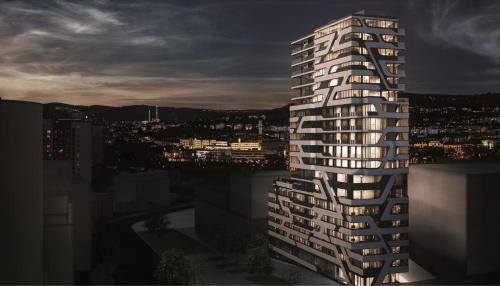
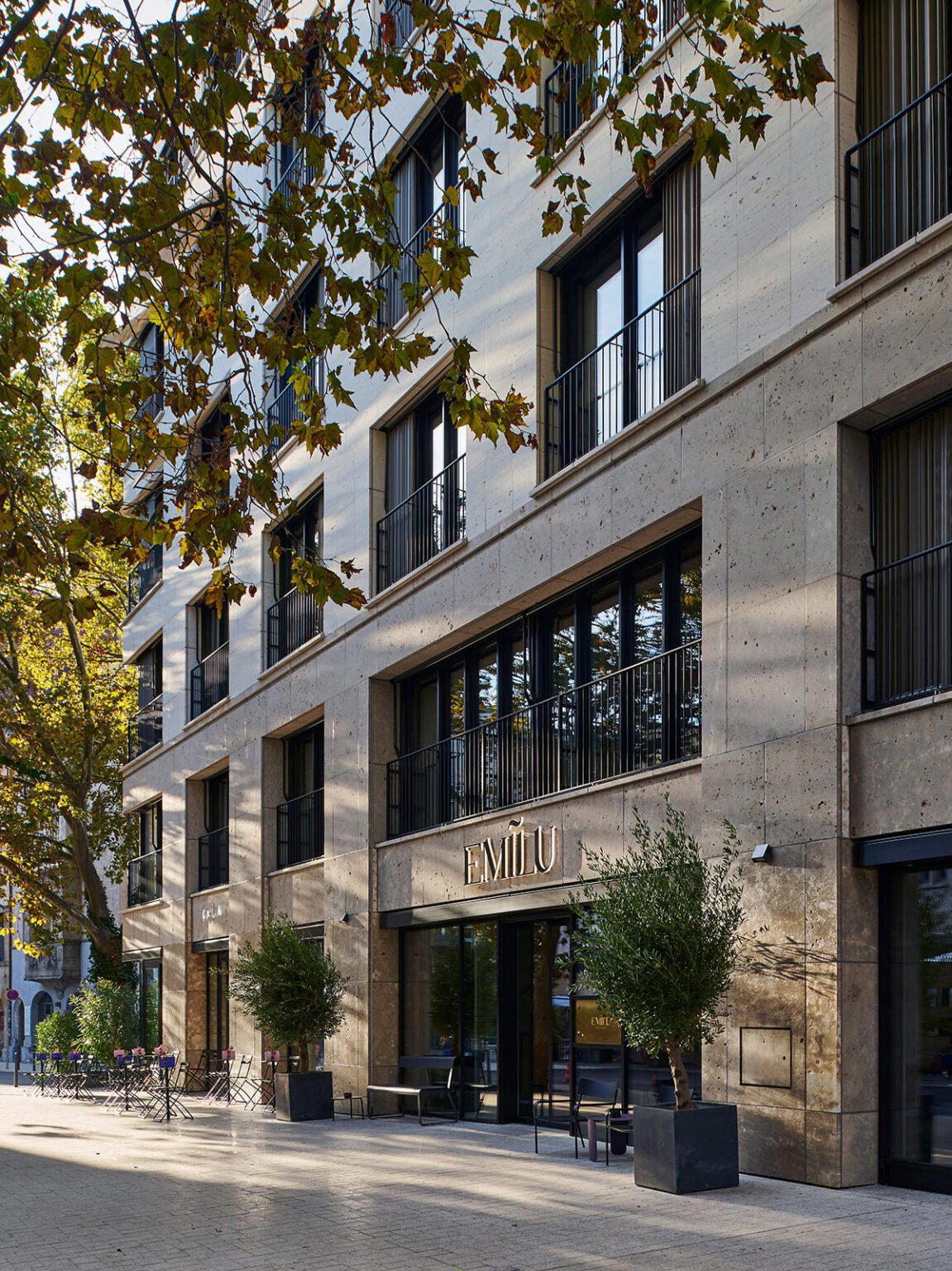

Restaurants in Stuttgart
Browse all →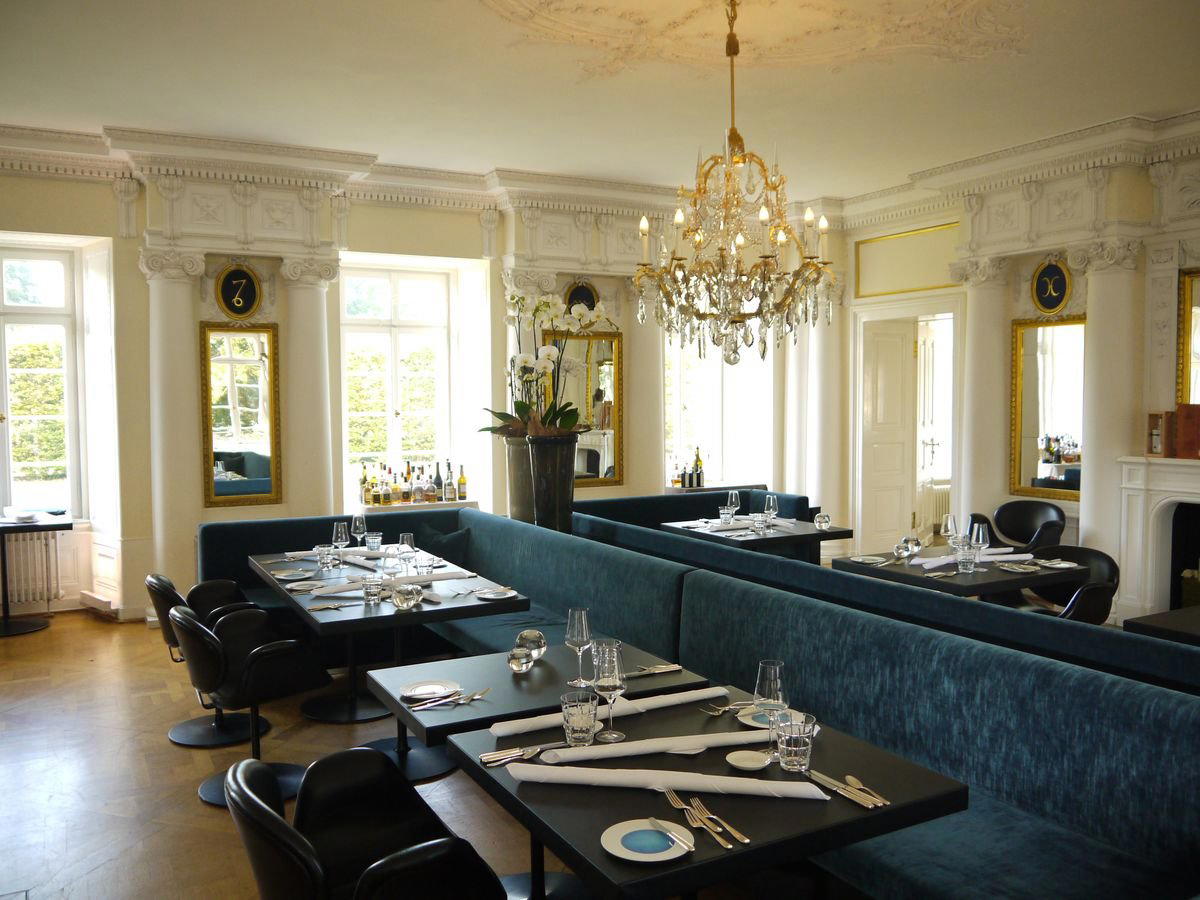
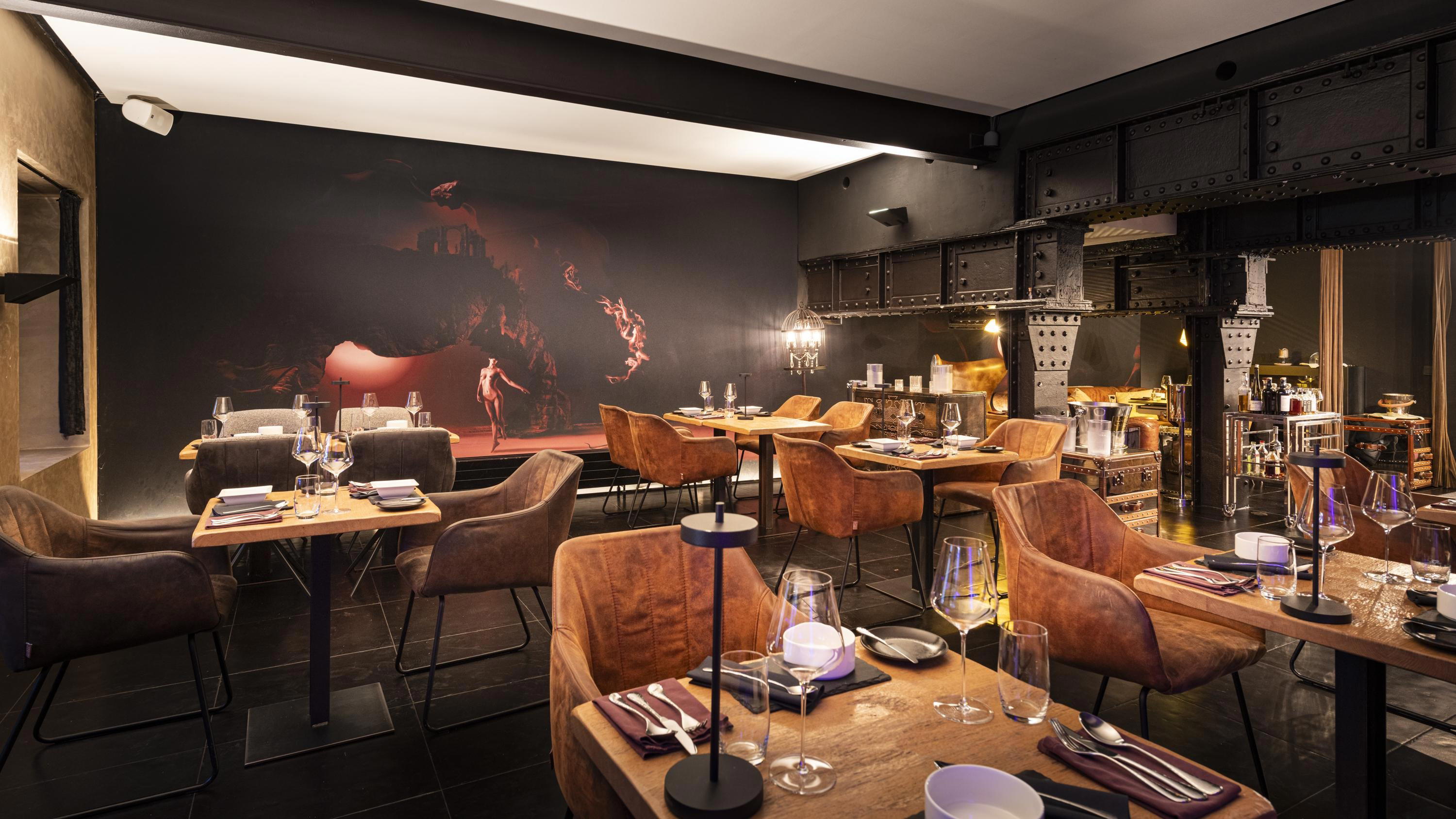
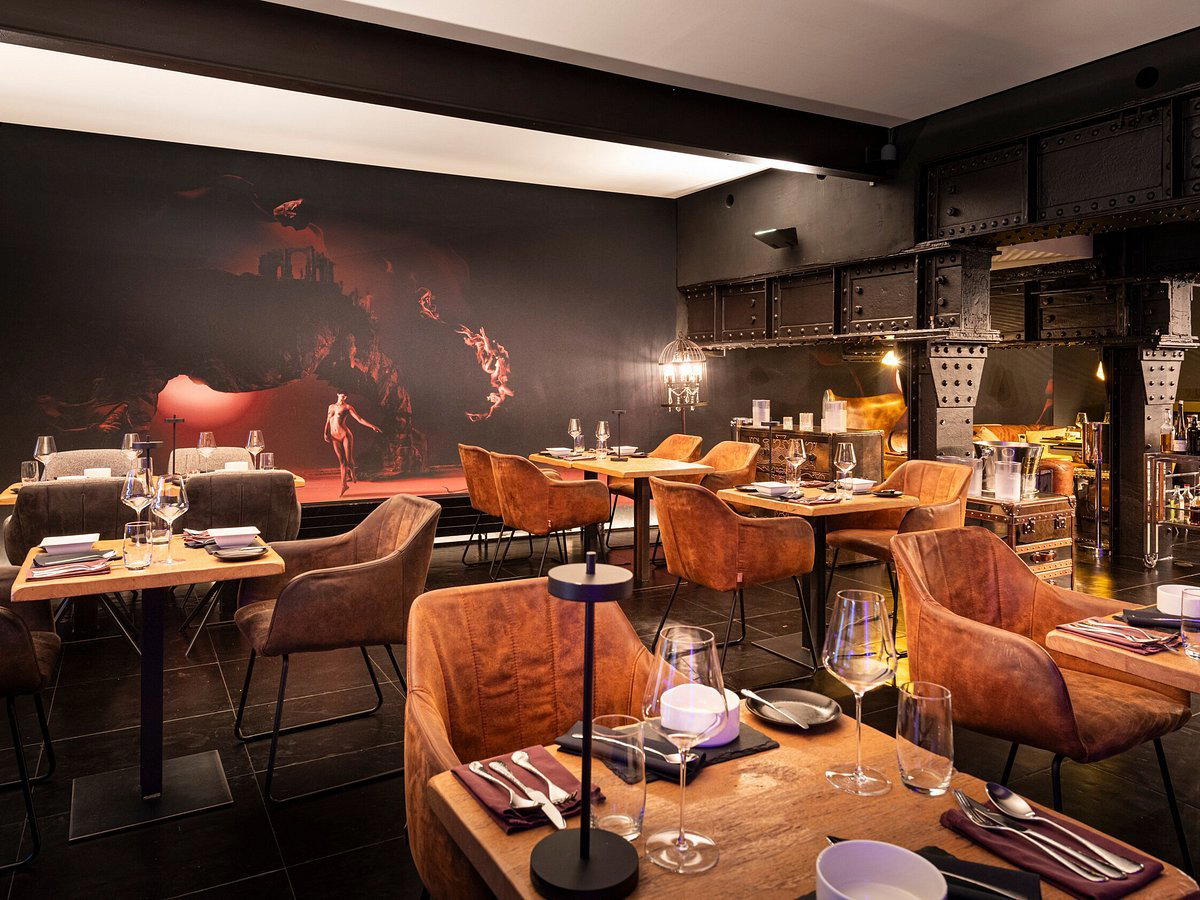
At a Glance
- Modern
- Cozy
- Lively
- Trendy
- Minimalist
- Business Trip
- Weekend Escape
- Family Vacation
- Group Retreat
- Terrace
- Design Destination
- Wi Fi
- Fitness Center
- Restaurant
- Bar
- Business Center
- Street Scene
- Wi Fi
- Fitness Center
- Restaurant
- Bar
- Business Center
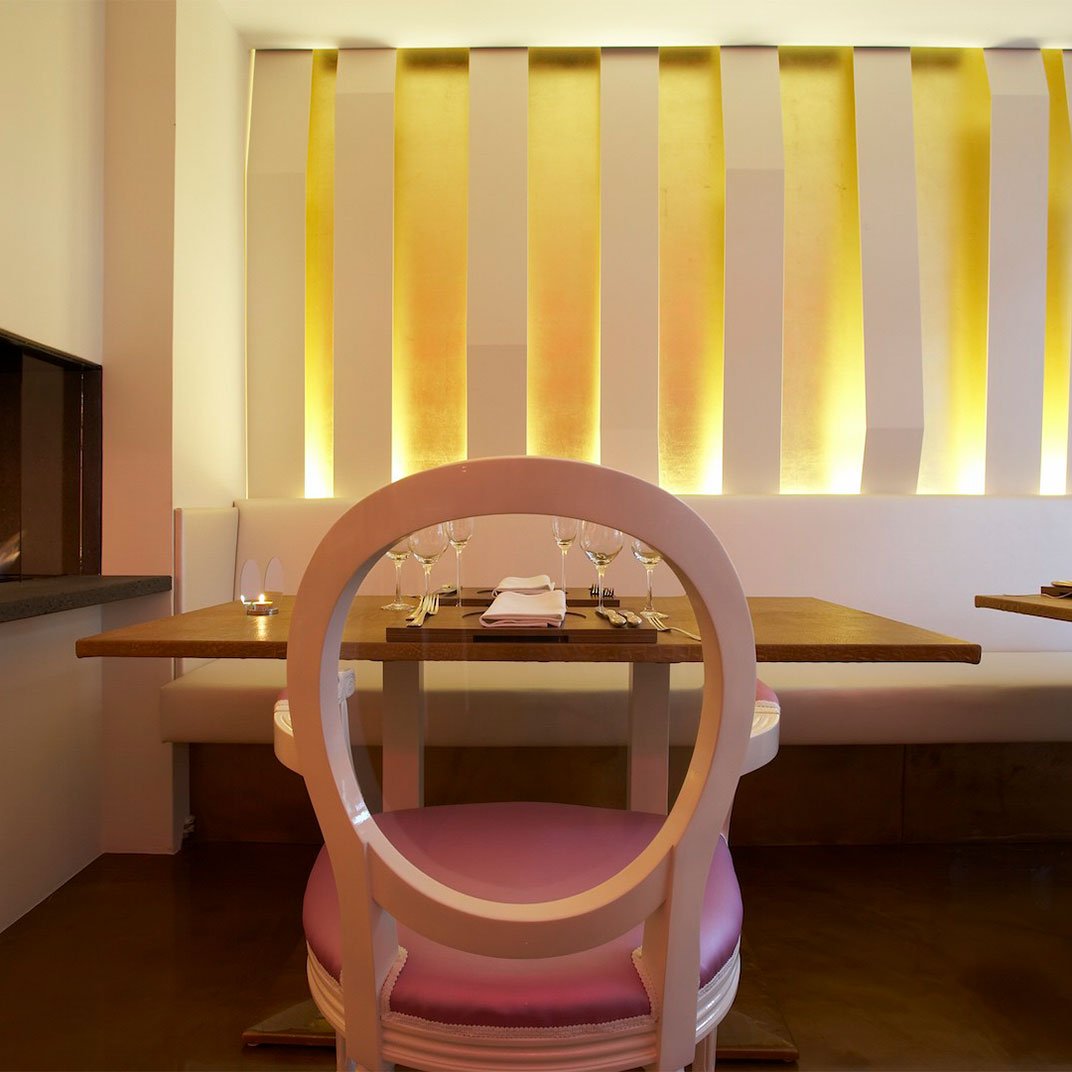
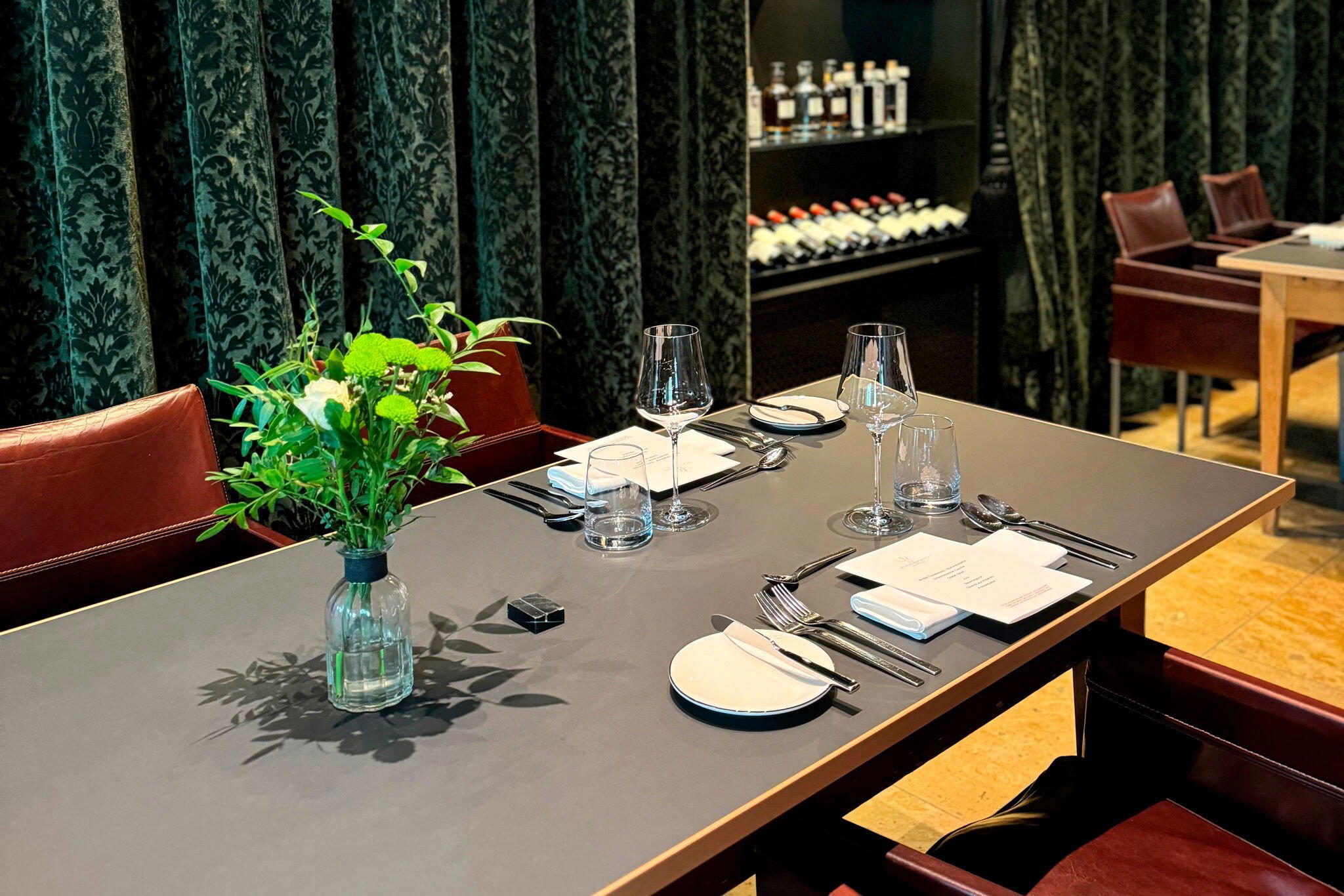
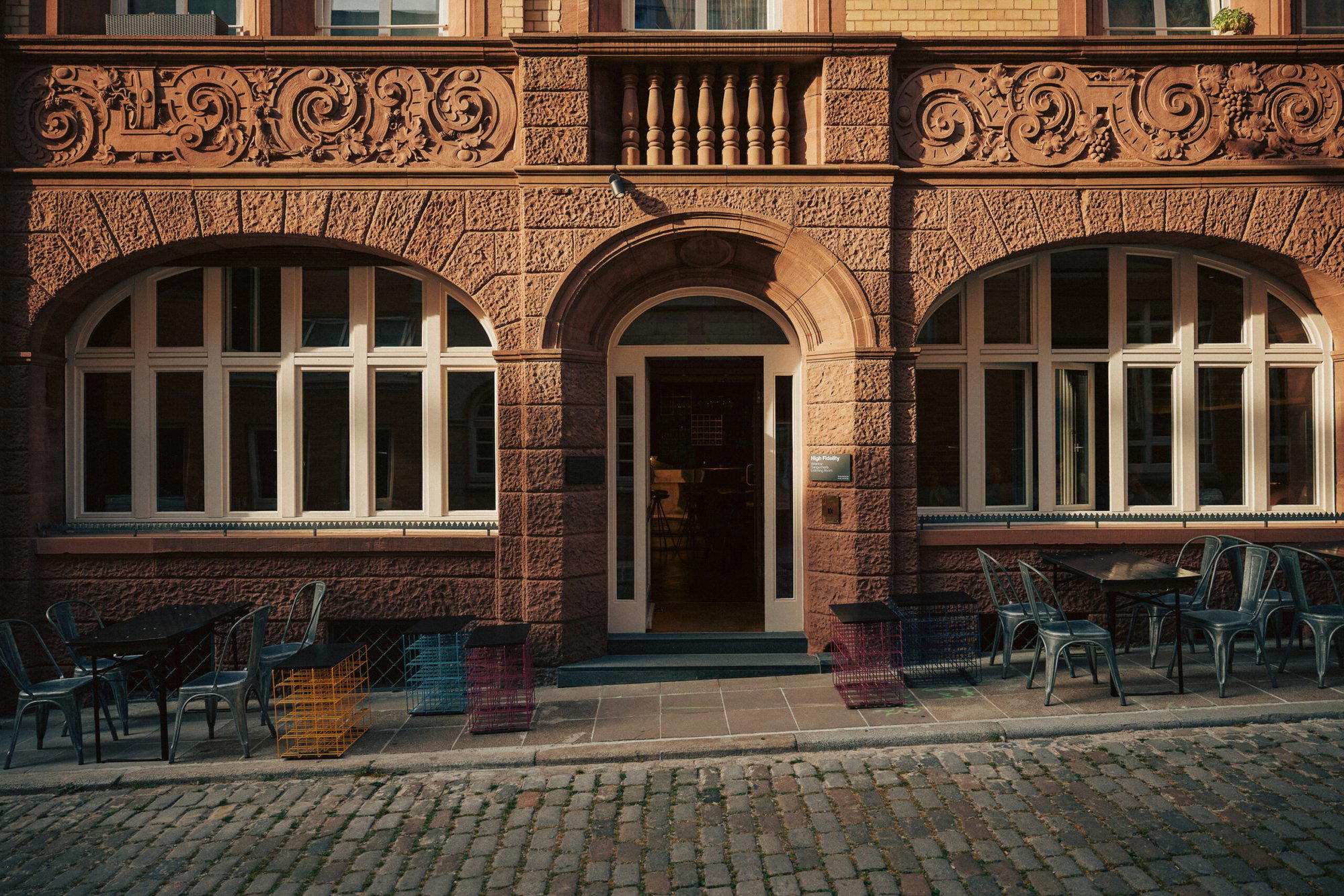
The atmosphere blends clear, warm Nordic design with the brand’s signature hygge flair: modern, bright interiors, cozy social spaces, and a relaxed but energetic lobby, restaurant, and bar environment suitable for both business and leisure stays.