
Tabelog Bronze #271
Our verdict
Osaka’s high-end sushi counter culture rewards small rooms, disciplined sourcing, and serious regulars. mikami limited50 sits in that rarefied bracket with eight counter seats, Tabelog Award Bronze recognition in 2025 and 2026, and selection for Tabelog Sushi WEST 100 in 2025. The draw is not spectacle; it is a tightly controlled sushi format built around fish, sake, shochu, and wine.

Pearl is the En Primeur Club membership app, where members save venues, book tables and use the concierge.
The menu
What to order
- Squid with 300+ knife cuts
- Uni squid
- Akashi sea bream
- Toro taku
Osaka’s small sushi counters work by compression: a narrow room, a short sightline to the cutting board, and a meal whose authority depends on fish quality rather than performance. In that setting, silence can be part of the service language. The counter is not trying to reproduce Tokyo’s Ginza formality, nor Osaka’s louder appetite for street-level abundance. It belongs to a smaller local tier where sourcing, pacing, and access define the experience before a single piece of sushi reaches the guest.
That is the useful frame for mikami limited50. The restaurant’s public signals are unusually clear for a room of this scale: Tabelog Award Bronze in 2025 and 2026, a 4.11 score in the 2026 award listing, and selection for Tabelog Sushi WEST 100 in 2025. Those markers place it inside Kansai’s serious sushi conversation rather than the general luxury-dining circuit. The format is equally telling: eight counter seats, no private rooms, non-smoking, and a drink program that names sake, shochu, and wine rather than treating alcohol as decoration.
Osaka sushi judged through fish, not theatre
Osaka’s sushi identity has several strands. The city has its own pressed-sushi history, a merchant appetite for directness, and a modern counter culture that increasingly competes with destination sushi rooms across Japan. At the upper end, the decisive question is not whether a restaurant feels lavish. It is whether the fish program has enough focus to justify the formality of the counter.
Here, the stated emphasis on fish matters. In contemporary sushi, sourcing is not a vague virtue; it determines texture, cut, temperature discipline, and the rhythm of the meal. A counter with only eight seats gives the kitchen little cover. Every piece is read at close range, and every change in seasoning or knife work lands immediately. That intimacy can expose weakness, but it also rewards restaurants built around procurement rather than volume.
The name’s “limited50” framing also says something about the current direction of premium dining in Japan. High-end counters increasingly operate as small communities rather than open-market restaurants. That can frustrate travelers, but it reflects a broader reality: the highest-pressure sushi rooms are constrained by seat count, supply chains, and repeat-guest expectations. In Osaka, where casual eating is often the city’s international calling card, this kind of sushi represents the opposite pole: controlled, expensive, and built for people who already understand the grammar of the counter.
A counter format with Kansai discipline
The room’s eight-seat counter places the meal closer to a workshop than a dining room. That distinction matters. At larger restaurants, atmosphere can soften inconsistency; at a sushi counter, proximity becomes the audit. The guest watches sequence, tempo, and handwork, while the kitchen reads the room in return. This is why capacity is not a decorative fact in sushi. It shapes the entire contract between diner and chef.
Compared with Osaka peers in other premium categories, the format is deliberately narrow. Shintaro occupies the tempura lane, where batter, oil, and timing carry the experience. LE PONT DE CIEL speaks the language of French dining, with a different relationship to sauce, table service, and wine structure. El Poniente and Goichi Nishitenma ten sit in lower quoted spend bands, which makes them useful reminders that Osaka’s serious dining range is broad rather than monolithic. mikami limited50 belongs to the end of that range where the counter itself is the luxury, and where fish selection carries more weight than décor.
The drink positioning is also revealing. Sake is the expected partner, but shochu and wine widen the pairing field without changing the restaurant’s identity. That is increasingly common at Japanese counters serving well-traveled regulars: the meal remains rooted in sushi, while the beverage list acknowledges that guests may want acidity, grain, or fruit structure depending on the sequence. The restaurant does not need a long public menu to signal seriousness; the combination of fish focus, counter seating, and recognized ranking already does that work.
How it fits into an Osaka itinerary
For travelers, the sharper question is whether this is the right Osaka meal. The city rewards range. A visit built only around rarefied counters misses the pleasure of bakeries, coffee, pork buns, bars, and casual specialist cooking. Use Our full Osaka restaurants guide to place this kind of sushi against broader city eating, then contrast it with smaller-format stops such as .cafe, 52CHO-ME BAKERY, 551 Horai (551蓬莱), 99 Pizza Napoletana Gourmet, and a canto (Italian). The city reads better when its high-cost counters are balanced against everyday precision.
Planning should also account for the rest of the trip rather than treating dinner as an isolated trophy. Our full Osaka hotels guide, Our full Osaka bars guide, Our full Osaka wineries guide, and Our full Osaka experiences guide help set the surrounding frame. Beyond Osaka, the same editorial lens applies to specialists across Japan and abroad, from -Grilled beef Sukiyaki- KAMAKURA TANUKIAN 鎌倉 たぬき庵 in Kamakura and. 鮪と炭火焼き うお炭 秋葉原店 in Tokyo to.know in Kumamoto, (Shoku) Vietnam in Kawasaki, [Curry Senmon Ten] Maruyama Kyoju. in Sapporo, [ki:] in Kyoto, Jōdo Saké Bar in Los Angeles, and Onigiri Time in Pasadena.
The editorial verdict is simple: this is a specialist sushi counter for diners who value procurement, restraint, and a small-room format over breadth. Its awards and seat count point to a narrow, serious proposition. Osaka has cheaper, louder, easier meals; this one belongs to the city’s controlled end, where fish quality and counter discipline decide the evening.
Frequently asked questions
Is mikami limited50 okay with children?
The listing does not specify a children policy. It does note an 8-seat counter in Osaka, member-only reservations, and a maximum party size of 8, so the room is set up for a tight, adult-oriented service.
Is mikami limited50 better for a quiet night or a lively one?
It reads as a quiet-night reservation: 8 counter seats, non-smoking service, and a reservation-only format. The Tabelog Award 2026 Bronze and Tabelog 100 Sushi WEST 2025 selection point to a place where focus matters more than volume.
Where do I go for mikami limited50?
mikami limited50 is located in Osaka.
What is mikami limited50 known for?
mikami limited50 is primarily known for its core concept and execution in Osaka.
How It Stacks Up
Side-by-side context: comparable cuisine and price.
| Venue | Cuisine | Price | Awards | Notes |
|---|---|---|---|---|
| mikami limited50This venue (the venue you are viewing) | Exclusive Members-Only Omakase Sushi | $300–500 | Tabelog Bronze #271 | Not listed |
| Kizuna | Edo-style Omakase Sushi | $150–200 | Tabelog Bronze #188 | Chūō |
| Jinsei | Edomae Omakase Sushi | $300–500 | Tabelog Bronze #148 | Chūō |
| Takahashi Kentaro | Edomae Sushi Omakase | $200–300 | Tabelog Bronze #445 | Kita |
| Arata | Modern Nose Kaiseki | $150–200 | Tabelog Bronze #25 | Kita |
| Rokkakutei | Michelin-Starred Japanese Kushikatsu Omakase | $50–100 | Not listed | Chūō |
Recognition history
Dated appearances from independent guides and award organizations, with the underlying list record or original source where available.
Tabelog Bronze #271
Tabelog
Full recognition history (3 entries)
Tabelog 100 #99 · No. 99
Tabelog · Tabelog 100 - Sushi - WEST - 2025
Tabelog Bronze
Tabelog
Continue exploring
More in Osaka
Restaurants in Osaka
All restaurants in Osaka →


Bars in Osaka
All bars in Osaka →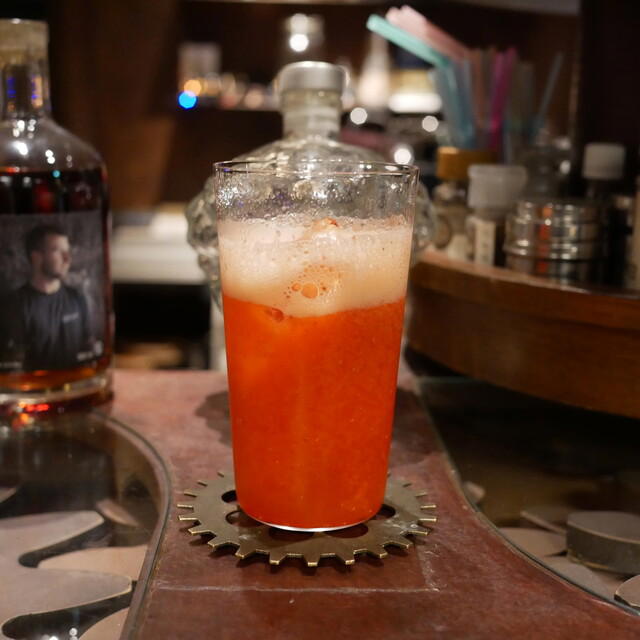




Hotels in Osaka
All hotels in Osaka →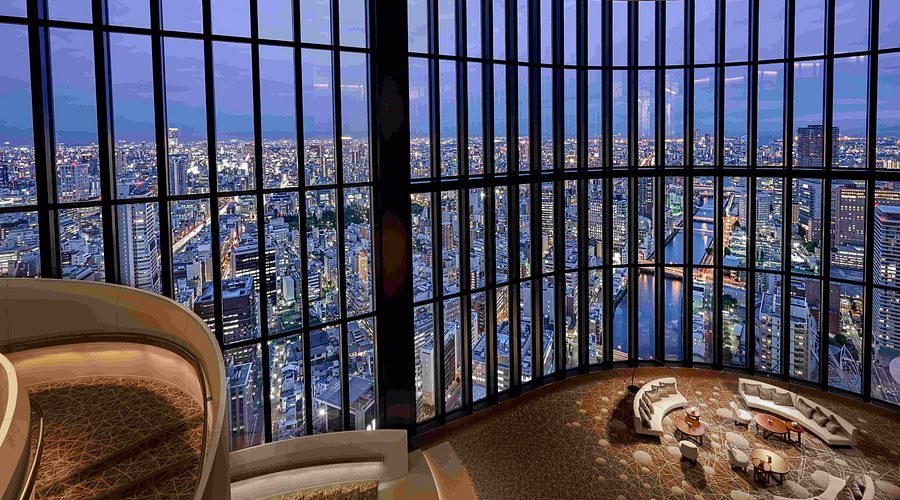

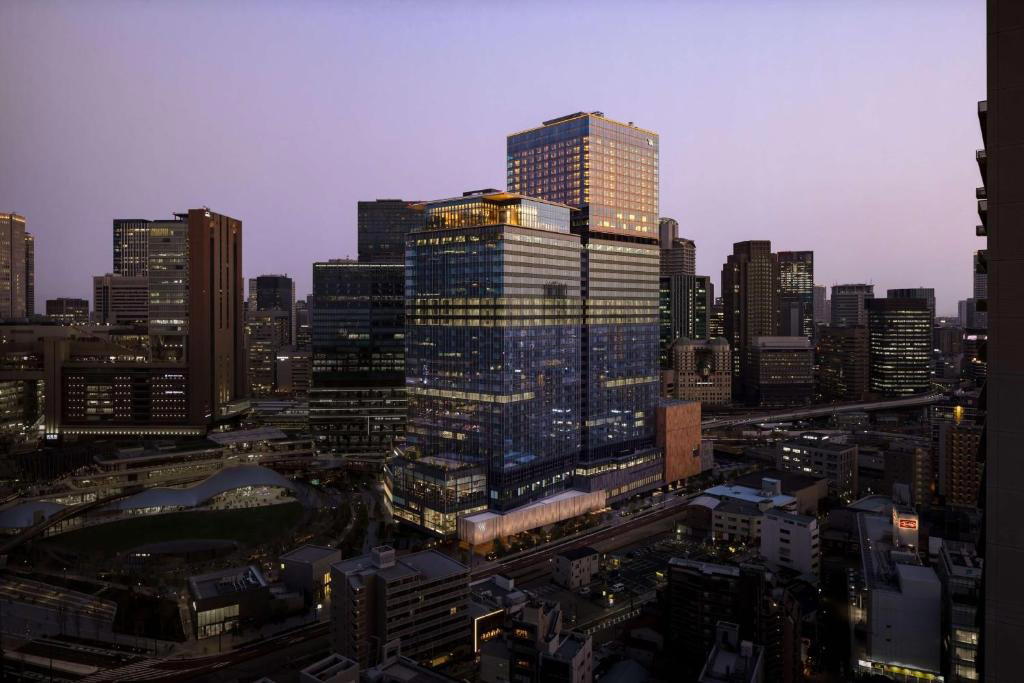


Wineries in Osaka
Browse all →
Details
- Elegant
- Intimate
- Sophisticated
- Special Occasion
- Chefs Counter
- Sake Program
- Local Sourcing
- Omakase
- Counter Dining
- Sake
- Shochu
- Wine
Dimly lit black interior with stylish chic BGM, wood-burning stove, and calm relaxing counter seating atmosphere.