Ca' Matilde


A Michelin-starred country restaurant in the Emilian hills outside Reggio Emilia, Ca' Matilde builds its five surprise tasting menus around a biodynamic kitchen garden and a strict seasonal logic. Chef Andrea Incerti Vezzani reinterprets the cooking traditions of the Po Valley through produce harvested metres from the table, with Lambrusco pairings that anchor the experience firmly to its region.
Pearl is the En Primeur Club membership app — saves, bookings, and concierge access live there. Same editors, same standards.
- Address
- Via della Polita, 14, 42020 Quattro Castella RE, Italy
- Phone
- +39 0522 889560
- Website
- camatilde.it
- Directions
- Get directions
 Saves & bookings on Pearl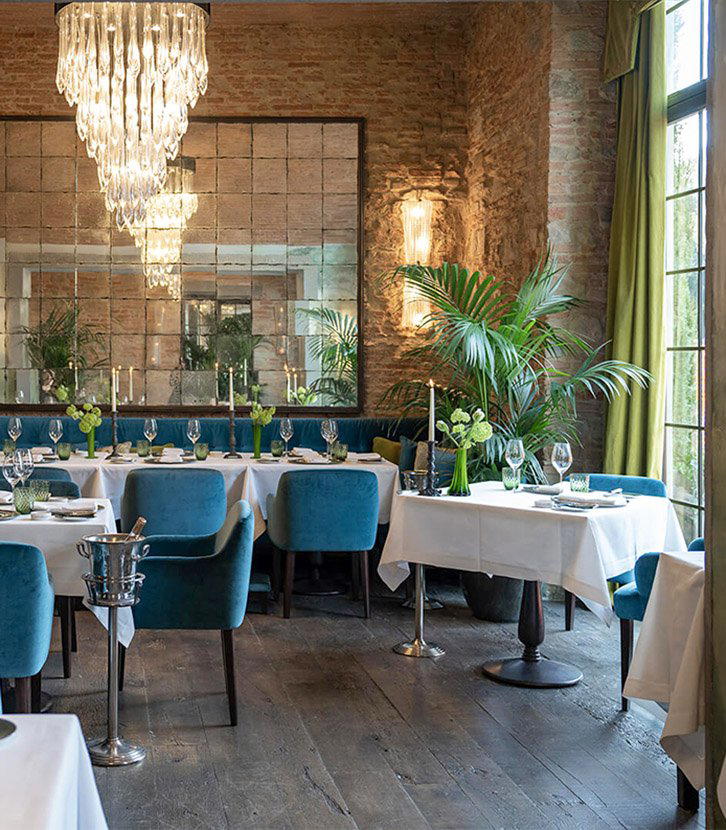
Where the Emilian Hills Meet the Table
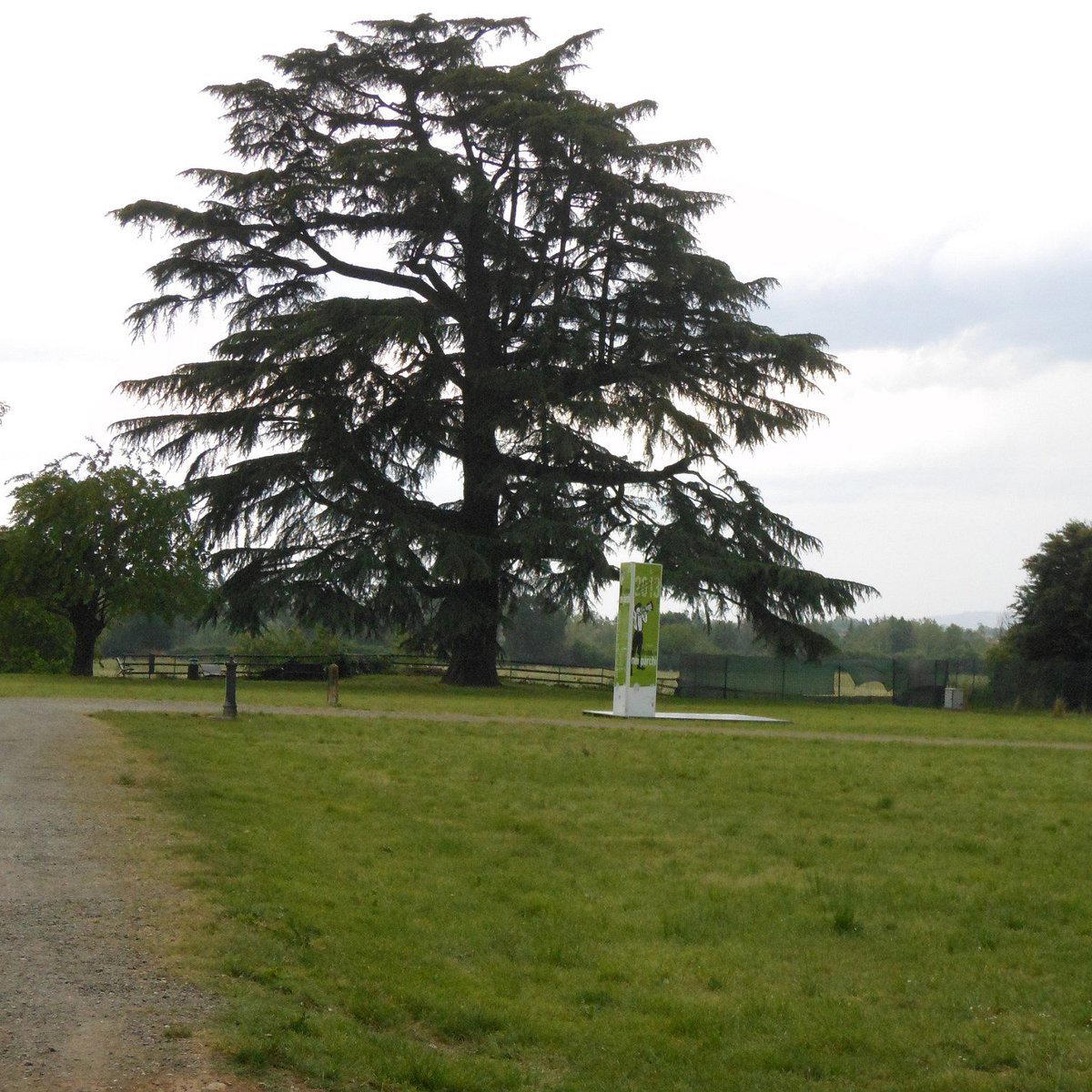
The road into Quattro Castella winds through a part of Emilia-Romagna that most travellers skip in their rush between Modena and Parma. That is precisely the point. The countryside around Rubbianino belongs to an older agricultural rhythm, and Ca' Matilde is built around it rather than despite it. Approaching the restaurant, the first thing you notice is not a sign or a car park but the kitchen garden itself: rows of vegetables organised with the same care that a serious winery applies to its vineyard blocks. The dining room beyond it uses wrought iron and wood without ornament, a space that keeps the eye on the plate rather than the décor.
This part of Reggio Emilia sits within one of Italy's most self-assured food cultures. The Emilian tradition has always prized ingredient provenance over technical display, tortellini made from a specific cut, Parmigiano-Reggiano aged to a specific month, Lambrusco served at the local trattoria rather than exported. What contemporary chefs in the region have done is take that material seriousness and apply modern composition to it, producing a cuisine that reads as new without discarding what made the ingredients worth cooking in the first place. Ca' Matilde, holding a Michelin star since 2024, sits inside that movement and represents one of its cleaner expressions outside the more prominent cluster around Modena.
Five Menus, One Garden
The tasting menu format here is more structured than it first appears. Five named menus give the kitchen a framework: Gli Intramontabili anchors the meal in regional tradition, frequently pairing dishes with local Lambrusco in a deliberate argument for the wine's compatibility with contemporary cooking. Terramadre stays closest to the surrounding territory. Hortus presents a fully vegetarian progression. Oltremare turns toward the sea, a less obvious direction for a landlocked province but one that appears across northern Italian fine dining when chefs want to extend their range. Cielo moves between land and sea within a single menu.
The critical structural decision is that diners choose a menu and a number of courses but not the dishes themselves. The kitchen determines what arrives based on what the biodynamic garden and the market have produced. Intolerances and dislikes can be communicated in advance, but selection ends there. This is not an unusual format at the higher end of Italian contemporary cooking, Osteria Francescana in Modena operates on comparable terms, as does Reale in Castel di Sangro, but it is a meaningful commitment at the €€€€ price tier, and guests who arrive expecting to order à la carte will be disappointed.
Logic is agricultural rather than theatrical. A kitchen garden that drives the menu cannot plan six weeks ahead; it can only plan for what is at peak condition that week. The format removes the friction between what the garden offers and what the kitchen serves.
The Regional Identity Argument
Emilia-Romagna's culinary identity is among the more internally coherent in Italy, which also makes it among the more demanding for a contemporary restaurant to work within. The region's signature ingredients, Parmigiano-Reggiano, prosciutto di Parma, Lambrusco, handmade egg pasta, carry weight that Tuscan olive oil or Neapolitan tomatoes do not carry in the same way. They are protected designations with centuries of production history, and a chef who touches them is immediately in conversation with that history.
Ca' Matilde's response, as documented in the Gli Intramontabili menu, is to treat Lambrusco as a serious pairing wine rather than a casual local beverage. This is a meaningful editorial position. Lambrusco spent decades being misrepresented by mass-market exports, and its rehabilitation as a food wine inside Emilia-Romagna has been driven partly by restaurants that take it seriously alongside their cooking. Placing it at the centre of the restaurant's flagship menu is a statement about regional loyalty that goes beyond sourcing.
This places Ca' Matilde in a comparable set that includes other regionally committed Italian contemporary restaurants operating at the Michelin one-star level, such as Dal Pescatore in Runate and Casa Perbellini 12 Apostoli in Verona, rather than the more internationally-oriented creative kitchens like Enrico Bartolini in Milan or Enoteca Pinchiorri in Florence. The comparison with Piazza Duomo in Alba is also instructive: both kitchens work within powerful regional ingredient cultures, but Piazza Duomo operates at a higher star count and with considerably more international visibility. The restaurant remains deliberately local in its orientation.
Summer in the Garden, Winter in the Room
The seasonal variation in experience here is more pronounced than at most restaurants of this calibre. During summer months, tables move outside among the vegetable rows, aperitivo among green beans and tomatoes is a reasonable description of what the setting becomes. The connection between plate and source is literal rather than metaphorical. In the cooler months, the minimalist dining room does that work instead, with the wrought iron and wood interior creating a frame that is functional without being austere.
The restaurant operates Thursday through Sunday evenings, with lunch service on Saturday and Sunday. Monday and Tuesday are closed. The Thursday and Friday evening service runs 7:45 PM to 10 PM; Saturday adds a 12:30 PM to 2 PM lunch alongside the evening. Sunday lunch extends slightly to 2:30 PM, with the evening service beginning at 7:30 PM rather than 7:45 PM. At the €€€€ price point, this is a destination meal that rewards planning. The restaurant sits in the Quattro Castella municipality, roughly accessible from Reggio Emilia, and is not walkable from any town centre, so transport arrangements need to be settled before arrival.
For those building an Emilian itinerary that includes multiple starred restaurants, the corridor between Reggio Emilia and Modena contains considerable density. Osteria Francescana anchors the higher tier in Modena, but the restaurant offers a counterpoint: less internationally visible, more rooted in the agricultural character of the province. Both meals are worth making on the same trip for the contrast they provide.
How It Compares
Within the broader category of Italian contemporary dining at the Michelin one-star level, the restaurant occupies a specific niche: country-set, garden-led, and committed to a regional ingredient argument. It does not share the coastal orientation of Uliassi in Senigallia or the alpine produce focus of Atelier Moessmer Norbert Niederkofler in Brunico. It is also a different proposition from the Amalfi-adjacent luxury of Quattro Passi in Marina del Cantone or L'Olivo in Anacapri. The common thread across all of them is the Michelin framework for contemporary Italian cooking, but the restaurant's particular version of that framework is emphatically northern, emphatically Emilian, and emphatically rooted in a piece of land rather than a kitchen philosophy.
At the price tier and format this restaurant operates, a score that high and that stable across a large review count reflects genuine repeat confidence rather than novelty visits.
Those planning a broader tour of northern Italian contemporary cooking might also consider Agli Amici Rovinj or Le Calandre in Rubano as part of the same itinerary.
Comparison Snapshot
Comparable venues nearby, for context on price, style, and recognition.
| Venue | Cuisine | Price | Awards | Notes |
|---|---|---|---|---|
| Ca' MatildeThis venue — the venue you are viewing | Contemporary Italian Fine Dining | $$$$ | Michelin 1 Star | Not listed |
| Oseleta | Modern Italian Fine Dining | $$$$ | Michelin 1 Star | Cavaion Veronese |
| Impronta d'Acqua | Modern Italian Contemporary | $$$$ | Michelin 1 Star | Cavi di Lavagna |
| Linfa | Modern Tuscan Fine Dining | $$$$ | Michelin 1 Star | Historic Center |
| Butterfly | Modern Italian Fine Dining | $$$$ | Michelin 1 Star | Marlia |
| Stube Hermitage | Modern Italian Fine Dining | $$$$ | Michelin 1 Star | Madonna di Campiglio |
Recognition history
Dated appearances from independent guides and award organizations, with the underlying list record or original source where available.
Michelin 1 Star
Michelin
Michelin 1 Star
Michelin
We're Smart World 5 Radishes
We're Smart World
We're Smart World Top 100 #77
We're Smart World
Michelin 1 Star
Michelin
Continue exploring
More in Rubbianino
Restaurants in Rubbianino
Browse all →
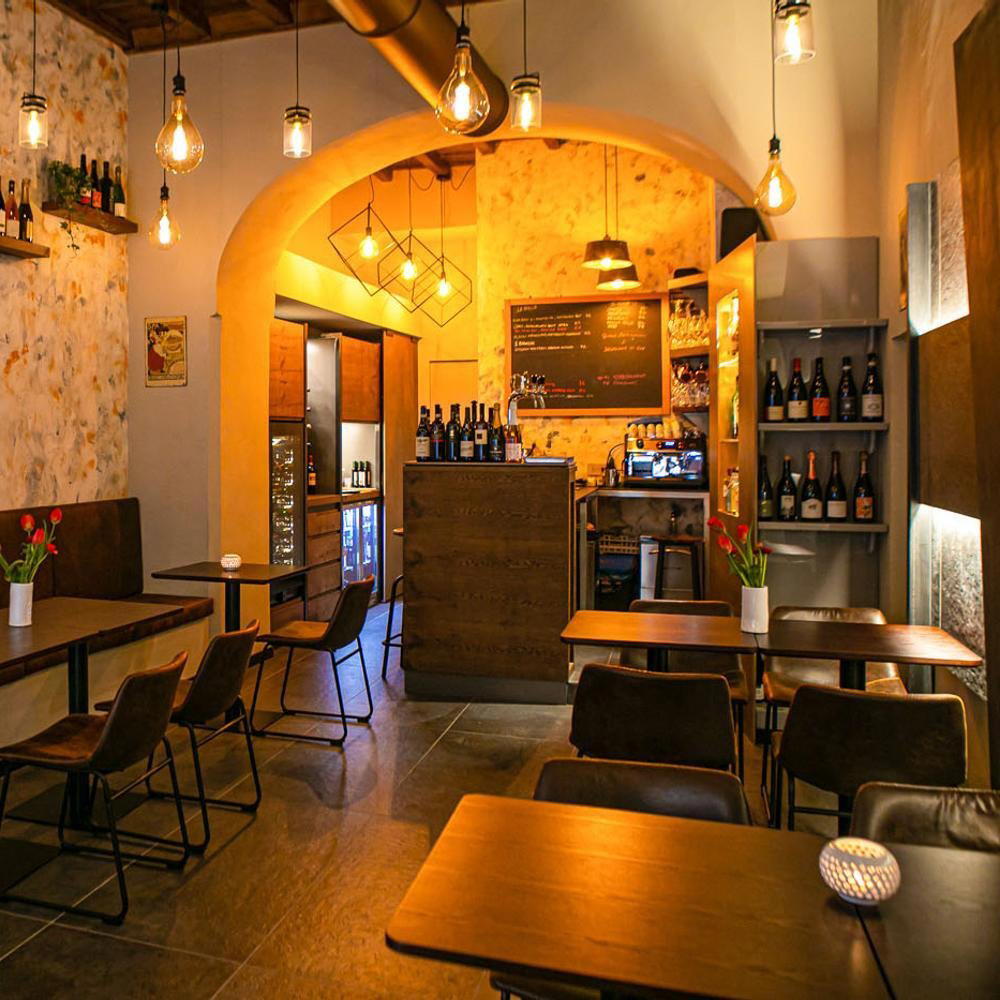
Bars in Rubbianino
Browse all →
Hotels in Rubbianino
Browse all →


At a Glance
- Rustic
- Elegant
- Minimalist
- Cozy
- Date Night
- Special Occasion
- Garden
- Extensive Wine List
- Farm To Table
- Biodynamic
- Local Sourcing
- Garden
- Mountain
Current opening hours
- Monday
- Closed
- Tuesday
- Closed
- Wednesday
- 7:45–10 PM
- Thursday
- 7:45–10 PM
- Friday
- 7:45–10 PM
- Saturday
- 12:30–2 PM, 7:45–10 PM
- Sunday
- 12:30–2:30 PM, 7:30–10 PM
Hours can change for holidays and private events. Last verified .
Minimalist functional style with simple materials like wrought iron and wood, surrounded by verdant landscapes.