







Three Michelin stars since 2002, a 99-point La Liste ranking in 2026, and a permanent position in the World's 50 Best since 2006: Le Calandre in Rubano operates at the upper tier of Italian fine dining. Chef Massimiliano Alajmo runs three tasting menus from a minimalist dining room where tables are carved from a single 300-year-old ash tree, forty minutes from Venice.
 Discover on Pearl
Pearl is the En Primeur Club membership app — saves, bookings, and concierge access live there. Same editors, same standards.
- Address
- Via Liguria, 1, 35030 Sarmeola PD, Italy
- Phone
- +39 049 630303
- Website
- alajmo.it
A Dining Room That Does the Talking First
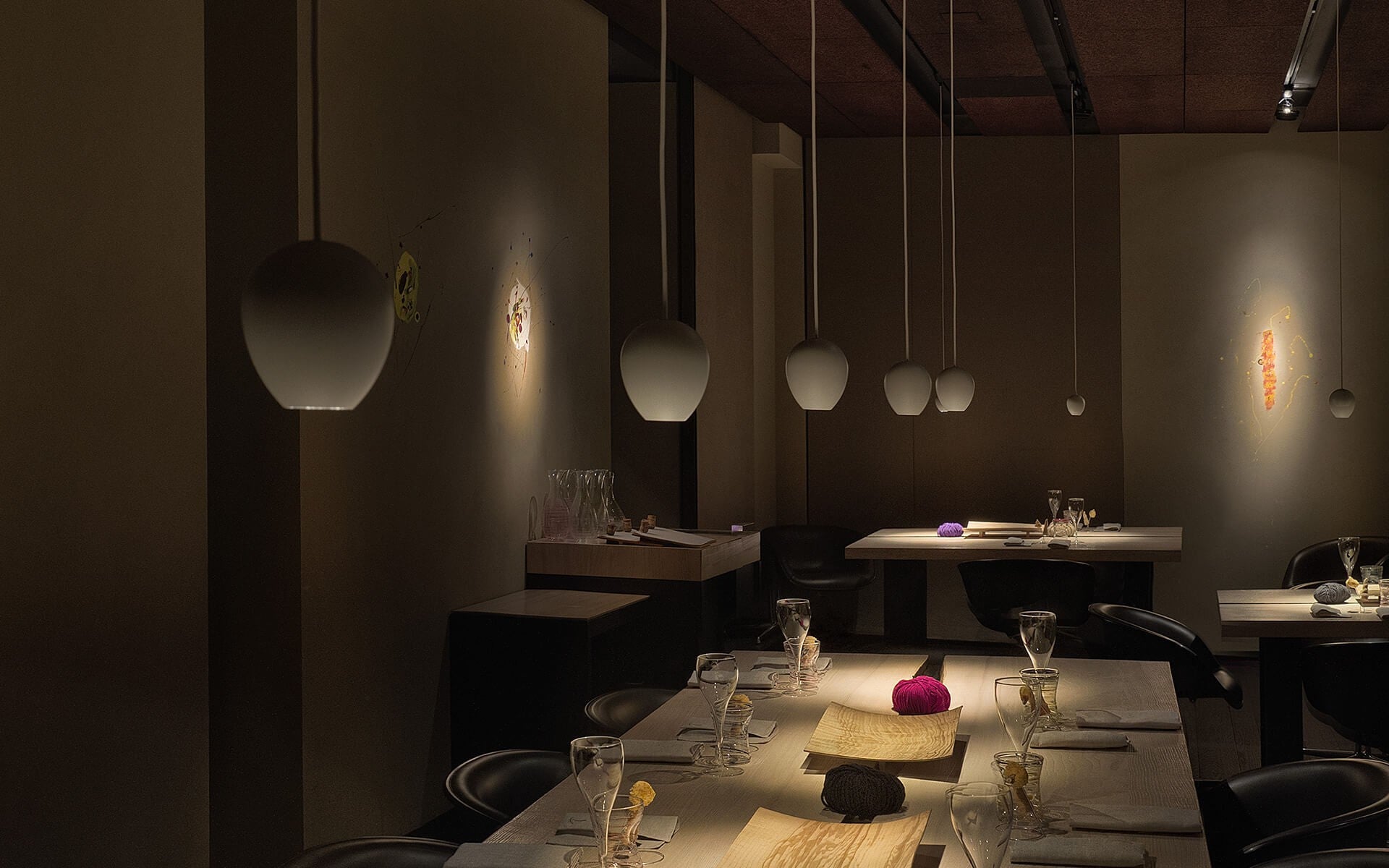
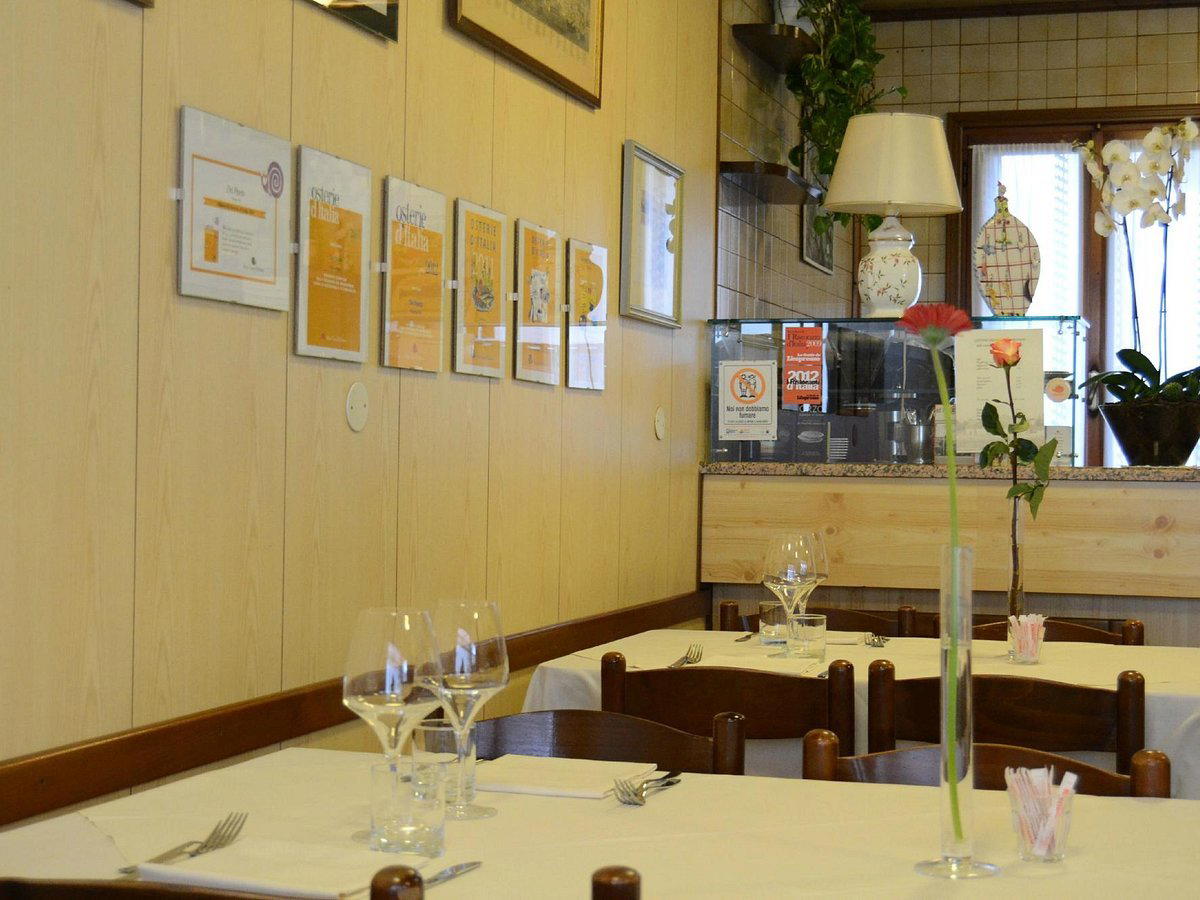
There are no tablecloths at Le Calandre. What you find instead, at Via Liguria 1 in Sarmeola di Rubano, is the surface of a 300-year-old ash tree, its grain exposed, its presence deliberate. Sculptural lamps by designer Davide Groppi throw focused light onto each table. The hand-blown water glasses are marked with the chef's own fingerprint. Even before a dish arrives, the room has made a statement about what this kitchen believes: that materials, in their most concentrated form, carry more meaning than decoration. This is the Italian principle of simplicity applied to architecture, tableware, and eventually, to food.
The setting sits away from the main road and the commercial centre of Rubano, which places it, spatially and philosophically, at a remove from the louder frequencies of Italian gastronomy. The soft lighting holds through lunch service, as if the kitchen is asking you to slow down before the first course begins.
Where Le Calandre Sits in Italian Fine Dining
Italy's three-Michelin-star tier is small and geographically scattered. Osteria Francescana in Modena, Enoteca Pinchiorri in Florence, Dal Pescatore in Runate, Atelier Moessmer Norbert Niederkofler in Brunico, and Piazza Duomo in Alba occupy the same rarefied band. Le Calandre has held three stars continuously and has appeared in the World's 50 Best Restaurants every year since 2006, reaching as high as number 10 in 2022. Its 2026 La Liste score of 99 points places it among the restaurants that include Le Bernardin in New York City and other long-tenured institutions.
Within Italy's progressive-creative subset, the kitchens that treat the canon as a starting point rather than a ceiling, Le Calandre operates differently from peers like Enrico Bartolini in Milan or Reale in Castel di Sangro. Those kitchens tend toward maximalist architecture on the plate. Le Calandre's approach is the inverse: reduction, recognition, and the discipline to make a single ingredient, a saffron-laced grain of rice, a piece of cuttlefish, carry the full weight of the course.
The Philosophy of the Plate
The editorial angle that most accurately describes Le Calandre's cooking is not innovation for its own sake, but the Italian instinct for restraint: fewer elements, higher fidelity to each. Where other kitchens at this level build courses around twelve components, Le Calandre tends toward the essential few, expecting each to carry its own weight. This is not minimalism in the Scandinavian sense, the flavours are warm, anchored in Venetian and northern Italian tradition, but it shares minimalism's demand that nothing on the plate be decorative without also being necessary.
The Cuttlefish Cappuccino, first developed in the late 1990s, illustrates the point. In its current form, Cappuccino Murrina, the dish is built from potato and chive cream, cuttlefish, and sea urchin, finished with beetroot and spirulina. The visual reference to Venice's glass-blowing heritage is precise. The ingredient count is modest. The flavour architecture, sweet, mineral, and brackish, is achieved through composition rather than technique-stacking. Similarly, the Risotto Passi d'Oro 2.0, finished with saffron and black liquorice, references Roberto Barni's sculpture at the Uffizi in Florence through contrast of colour and texture rather than through literal representation. Both dishes are examples of what this kitchen has practised for thirty years: the Italian conviction that a great dish earns its complexity through the quality of its materials, not the volume of its interventions.
Three tasting menus structure the meal: Classico, Max, and Raf. The format allows a degree of flexibility, with guests able to reduce course counts and draw from different menus in a near-à-la-carte configuration. The menus shift with seasonal produce and the kitchen's current lines of inquiry, the dishes described above are documented signatures, but the surrounding courses move. Les Grandes Tables du Monde membership, awarded in 2025, and the White Star recognition from Star Wine List further confirm the kitchen's reputation across both food and wine programming.
The Alajmo Context
Massimiliano Alajmo received his third Michelin star at 28, making him the youngest chef in recorded history to achieve that recognition. That credential is worth noting not because of its biographical drama, but because of what it signals about the kitchen's trajectory: Le Calandre has been operating at this level for over two decades, long enough that its three-star status is a condition of its identity rather than an aspiration. The restaurant was taken over by the Alajmo brothers, with Massimiliano in the kitchen and Raffaele in the dining room, from their parents in 1994. That family continuity has produced a sensibility that is both innovative and deeply anchored, which partly explains why the cooking does not chase the forms that newer progressive kitchens tend to adopt.
The Alajmo Group now includes Il Calandrino in Rubano, where the family's cooking philosophy can be experienced at a lower price point.Il Calandrino, also in Rubano, where the family's cooking philosophy can be experienced at a lower price point. Le Calandre functions, by the family's own description, as the group's creative laboratory, where the ideas are developed before they filter into other formats.
How Le Calandre Compares Within Its Region
The Veneto region does not position itself as Italy's primary fine-dining destination in the way that Emilia-Romagna or Piedmont do, but Le Calandre has long operated above that regional framing. Casa Perbellini 12 Apostoli in Verona and Lido 84 in Fasano del Garda as part of a progressive-Italian circuit, though it operates at a different scale of recognition from both. Those building a broader Italian itinerary might pair it with Uliassi in Senigallia or Quattro Passi in Marina del Cantone as coastal counterpoints to Le Calandre's more interior, produce-driven focus.
Planning Your Visit
Le Calandre operates Tuesday through Saturday, with dinner from 8 to 10 pm and lunch from noon to 2 pm on Wednesday through Saturday. The kitchen is closed on Sundays and Mondays. The price range sits at €€€€, consistent with its three-Michelin-star status. Google reviews average 4.7 across 898 ratings, and reservations are essential. The restaurant also operates an on-site delicatessen.
Price Lens
Comparable venues nearby, for context on price, style, and recognition.
| Venue | Cuisine | Price | Awards | Notes |
|---|---|---|---|---|
| Le CalandreThis venue — the venue you are viewing | Rubano, Modern Italian Fine Dining | $$$$ | Michelin 3 Star | |
| Il Calandrino | Rubano, Modern Italian Bistro | $$$ | Michelin Plate | |
| Osteria Francescana | $$$$ | Michelin 3 Star | Circoscrizione 1, Avant-Garde Italian Contemporary | |
| Piazza Duomo | $$$$ | Michelin 3 Star | Piazza Risorgimento, Modern Piedmontese Fine Dining | |
| Dal Pescatore | Runate, Classic Italian Fine Dining | $$$$ | Michelin 3 Star | |
| Atelier Moessmer Norbert Niederkofler | Brunico, Modern Alpine Fine Dining | $$$$ | Michelin 3 Star |
At a Glance
- Elegant
- Sophisticated
- Minimalist
- Intimate
- Special Occasion
- Date Night
- Celebration
- Standalone
- Extensive Wine List
- Sommelier Led
- Local Sourcing
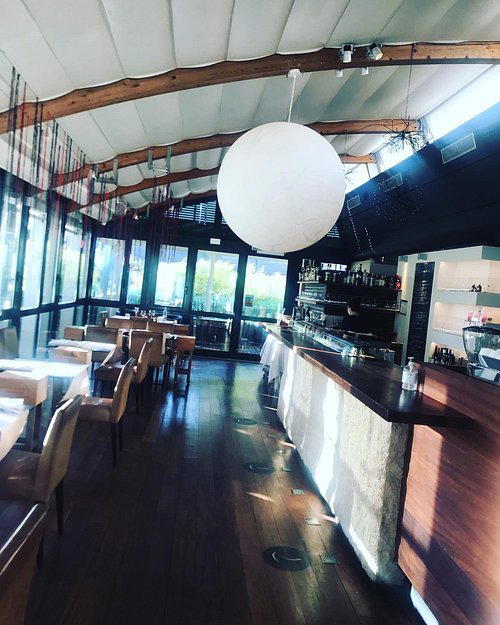
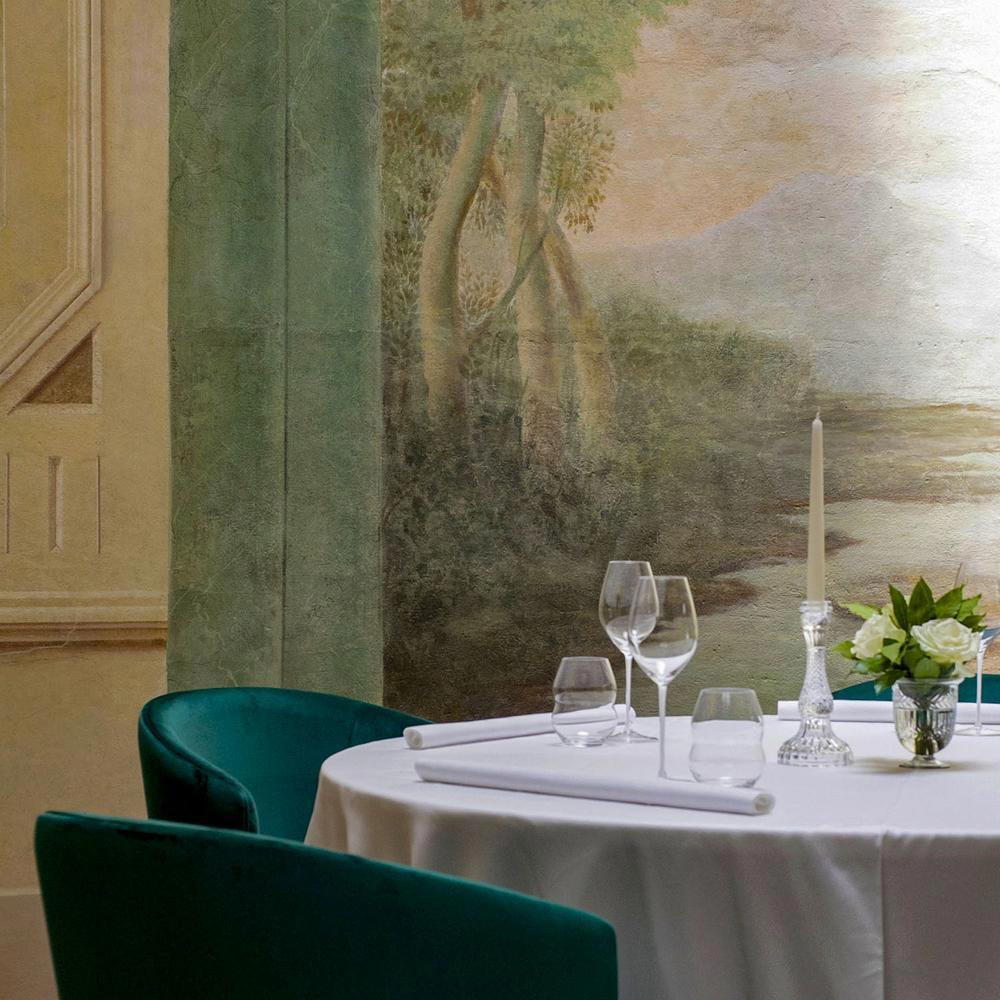
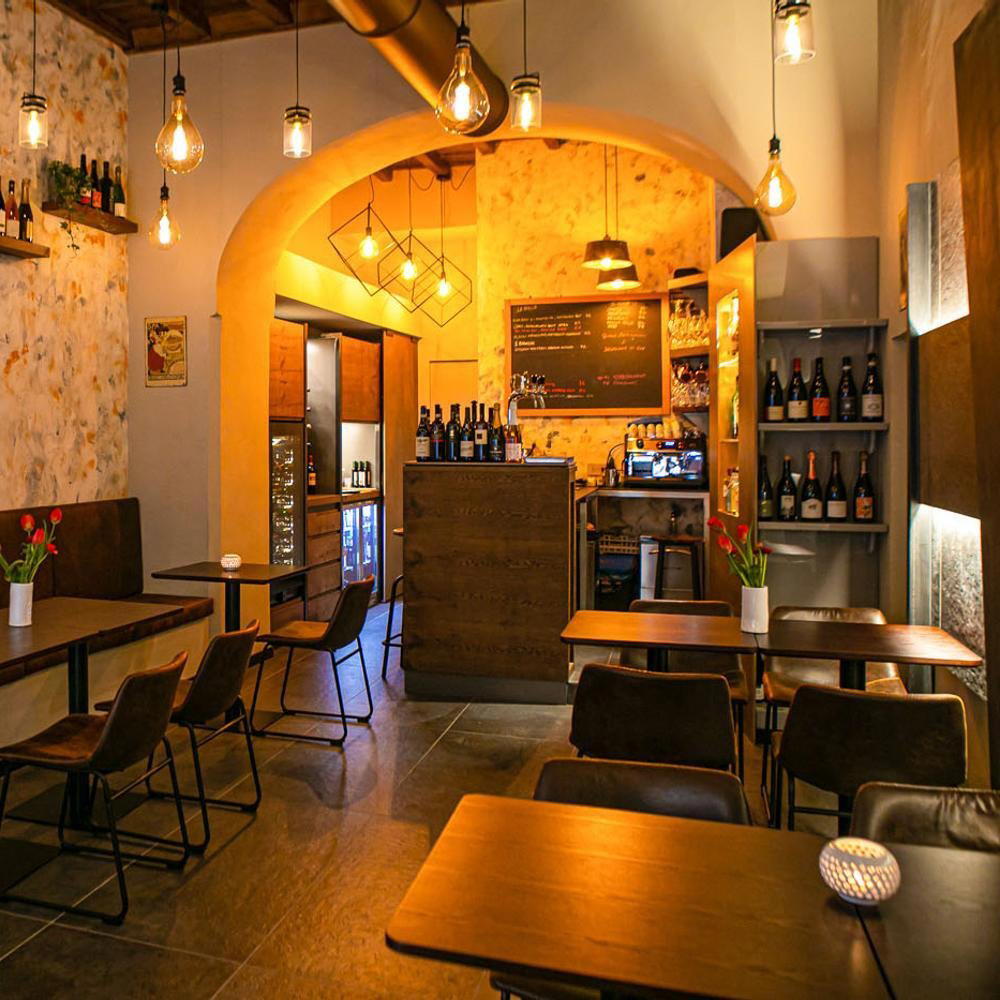
Soft lighting complements the minimalist-style dining room, creating an elegant and sophisticated atmosphere.