


Gambero Rosso 2 Bottiglie · Tabelog 100 #29
Our verdict
A Minamiazabu Italian that has climbed steadily through Opinionated About Dining's Japan rankings, from Recommended in 2023 to #417 in 2024 and #464 in 2025, Incanto represents the quieter, neighbourhood-rooted tier of Tokyo's Italian scene. Chef Noriyuki Koike runs an evening-only operation in one of Tokyo's most residential and diplomatically-tinged districts, Tuesday through Saturday, closing by midnight.

Pearl is the En Primeur Club membership app, where members save venues, book tables and use the concierge.
The menu
What to order
- Lamb Cacciatora
- Millefeuille of Eggplant and Burrata
- Chuppin
Minamiazabu After Dark: Tokyo's Neighbourhood Italian Tier
The walk to 4-chome in Minamiazabu is deliberately unhurried. This corner of Minato-ku sits a remove from the louder stretches of Roppongi, and the streets carry the particular quiet of embassies and old-money apartment blocks rather than foot-traffic dining. The restaurants that survive here do so on repeat custom and word-of-mouth rather than tourist throughput. That context matters for reading what Incanto is and what it is not.
Tokyo's Italian scene divides into at least three recognisable tiers. At the leading end, places like Aroma Fresca and Gucci Osteria da Massimo Bottura Tokyo operate with Michelin recognition and the pricing structures that come with it, pulling in an international clientele alongside Tokyo's own fine-dining circuit. Below that, a more dispersed tier of neighbourhood restaurants exists where the credential is consistency rather than spectacle. Incanto, under chef Noriyuki Koike, occupies this second register and has been building a record that OAD's rankings now reflect explicitly.
A Trajectory Worth Reading Carefully
Opinionated About Dining's Japan list is compiled from diner surveys weighted toward high-frequency, experienced eaters rather than casual visitors or first-timers. An entry on that list means sustained quality over repeated covers, not a single exceptional meal. Incanto's movement from a Recommended entry in 2023 to a ranked position of #417 in 2024 and #464 in 2025 is a data point that rewards some interpretation: OAD rankings are not strictly sequential in quality terms, and a shift from unranked to ranked within two years signals an expanding diner base voting on the restaurant's behalf.
This places Incanto in an interesting competitive position relative to Italian peers in the city. Principio, AlCeppo, and PRISMA each represent different points in Tokyo's Italian spectrum, from traditional Roman approaches to more contemporary frameworks. Incanto is indexed by OAD within a Japan-wide field that includes kaiseki, French, and contemporary Japanese alongside Italian, meaning its ranking reflects cross-category competition rather than a protected Italian subcategory.
Chef Noriyuki Koike and the Tradition He Works Within
The editorial angle here is not biographical; it is structural. Japanese chefs who cook Italian cuisine in Tokyo are operating within a tradition that has deep roots in the city. Japan's absorption of Italian cooking goes back decades and includes an established set of formal pathways: training in Italy, work at senior-level Italian kitchens in Japan, and a gradual development toward independent operation. The OAD recognition attached to Incanto suggests Koike has moved through that trajectory with enough discipline to build a following capable of driving consistent survey responses.
What that tradition tends to produce in its better examples is rigour around ingredient sourcing, an understanding of Italian technique that is neither imitative nor diluted, and a restraint around the menu format that resists the sprawl that characterises less focused Italian operations. Whether Incanto fits that description precisely requires verified direct experience, but the awards record provides a reasonable signal about where it sits in the peer field.
For Italian cooking in Japan more broadly, the comparison with cenci in Kyoto is instructive. That restaurant represents the softer-edged, seasonally Japanese-inflected approach to Italian cooking that has become a recognised sub-genre. Incanto's Tokyo address and OAD ranking suggest a different register, more embedded in the city's professional dining circuit and less oriented toward seasonal kaiseki-Italian hybrids, though specific menu detail is not available here to confirm that reading.
The Evening-Only Format and What It Signals
Incanto operates Monday through Friday from 5:30 pm to midnight, Saturday from 5:30 to 11 pm, and closes on Sunday. The extended late-night window Monday through Friday, running to midnight, is characteristic of restaurants that serve a dual clientele: early-evening diners booking ahead and late-night covers from neighbouring industry workers or regulars who treat the space as a long-evening destination. In Minamiazabu, the latter group often includes embassy staff, finance and legal professionals from the Roppongi Hills corridor, and the kind of Tokyo diner who keeps irregular hours. The Saturday cutoff at 11 pm and Sunday closure indicate a kitchen that is not built for maximum covers or weekend tourist throughput.
Tokyo's Italian Scene in 2025: Where Incanto Fits
Tokyo's Italian restaurants in 2025 are competing in a moment where the Michelin and OAD rankings have diverged enough to make both lists worth consulting independently. Michelin Japan's Italian entries skew toward the high-investment, service-formality end. OAD's Italy-trained-chef entries in Japan skew toward places where the cooking is the primary credential and the room is secondary. Incanto's OAD positioning without visible Michelin recognition places it firmly in the latter camp: valued by eaters, quieter in public profile.
That positioning is not a deficiency. Some of the more interesting dining in Tokyo operates below the Michelin visibility line, precisely because the restaurant's incentive structure remains oriented toward the repeat diner rather than the one-time visitor chasing stars. The restaurants that sustain OAD relevance across multiple survey cycles have, almost by definition, built an audience of invested regulars.
For a broader reading of where Incanto sits within Japan's premium dining map, comparisons beyond Tokyo are worth drawing. HAJIME in Osaka represents the formalist, three-Michelin-star end of the spectrum. Gion Sasaki in Kyoto operates in a different register entirely, rooted in kaiseki rather than European cuisine. akordu in Nara represents the Spain-to-Japan trajectory that parallels the Italy-to-Japan one. Goh in Fukuoka and 1000 in Yokohama extend the picture to cities where the restaurant scene operates with less international visibility but comparable quality depth. 6 in Okinawa sits at a geographic extreme that sharpens the contrast. For Italian specifically in the broader Asia region, 8 1/2 Otto e Mezzo Bombana in Hong Kong shows where the category sits when Michelin three-star credentials and a large-room format converge.
Incanto is none of those things. It is a neighbourhood-scale Italian restaurant in residential Tokyo that has built a consistent enough record to earn OAD recognition across three consecutive years. In the city's dining arithmetic, that is a specific and credible position.
Planning Your Visit
Location: 4 Chome-12-2 Minamiazabu, Minato City, Tokyo 106-0047. The closest major transit is Hiroo Station on the Hibiya Line. Hours: Monday to Friday 5:30 pm to midnight; Saturday 5:30 to 11 pm; Sunday closed. Reservations: Budget: Dress: No stated dress code, but the district and format suggest smart-casual as appropriate baseline.
For further context on dining, drinking, and staying in the city, see our full Tokyo restaurants guide, our full Tokyo hotels guide, our full Tokyo bars guide, our full Tokyo wineries guide, and our full Tokyo experiences guide.
Frequently asked questions
What's the must-try dish at Incanto?
What the OAD record anchors clearly is the cuisine, Italian, under chef Noriyuki Koike, and the awards trajectory across 2023-2025 that reflects sustained quality rather than a single standout course. If you are visiting primarily to track what OAD-ranked Italian in Tokyo looks like at this tier, the more productive approach is to book and follow the kitchen's current direction rather than arrive with a fixed dish expectation. For other OAD-tracked Italian in the country, cenci in Kyoto offers a useful regional comparison point.
City Peers
A quick peer reference to anchor this venue in its category.
| Venue | Cuisine | Price | Awards | Notes |
|---|---|---|---|---|
| IncantoThis venue (the venue you are viewing) | Elevated Regional Italian | $150–200 | Gambero Rosso 2 Bottiglie · Tabelog 100 #29 | Not listed |
| Harutaka | Edo-Style Omakase Sushi | $200–300 | 3 Michelin Stars · World's 50 Best #76 | Sushi |
| RyuGin | Modern Kaiseki | $500+ | 3 Michelin Stars · World's 50 Best #41 | Kaiseki, Japanese |
| L'Effervescence | Modern French with Japanese Influences | $200–300 | 3 Michelin Stars · World's 50 Best #69 | French |
| HOMMAGE | Modern French with Japanese Influences | $150–200 | 2 Michelin Stars · World's 50 Best #78 | Innovtive French, French |
| MAZ | Innovative Peruvian-Japanese Fusion | $150–200 | 2 Michelin Stars · World's 50 Best #28 | Innovative |
Recognition history
Dated appearances from independent guides and award organizations, with the underlying list record or original source where available.
Gambero Rosso 2 Bottiglie
Gambero Rosso
Opinionated About Dining Top Restaurants in Japan Recommended
Opinionated About Dining
Tabelog 100 #29 · No. 29
Tabelog · Tabelog 100 - Italian - TOKYO - 2025
Full recognition history (6 entries)
Opinionated About Dining Top Restaurants in Japan Ranked #464
Opinionated About Dining
Opinionated About Dining Top Restaurants in Japan Ranked #417
Opinionated About Dining
Opinionated About Dining Top Restaurants in Japan Recommended
Opinionated About Dining
Continue exploring
More in Tokyo
Restaurants in Tokyo
All restaurants in Tokyo →


Bars in Tokyo
All bars in Tokyo →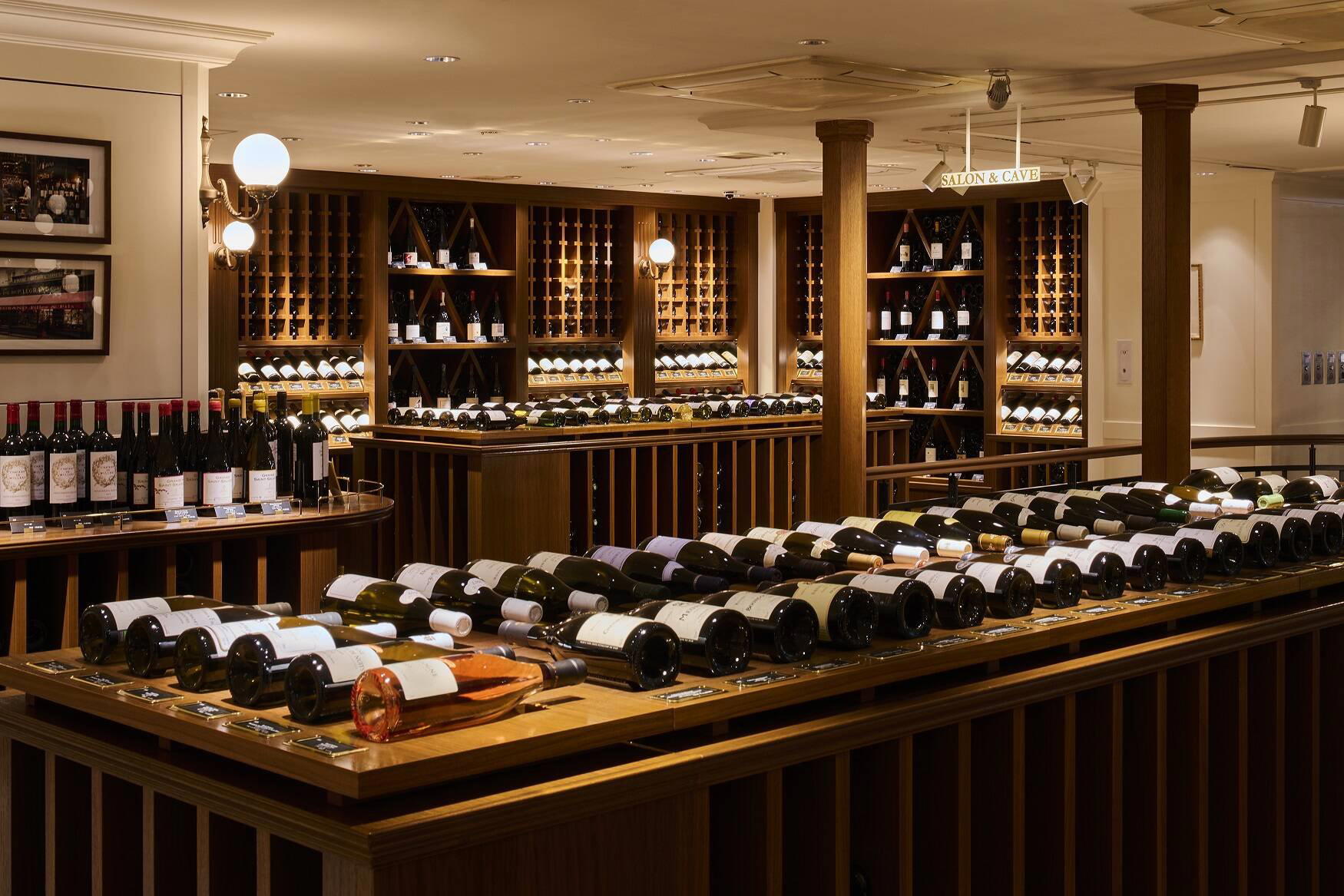





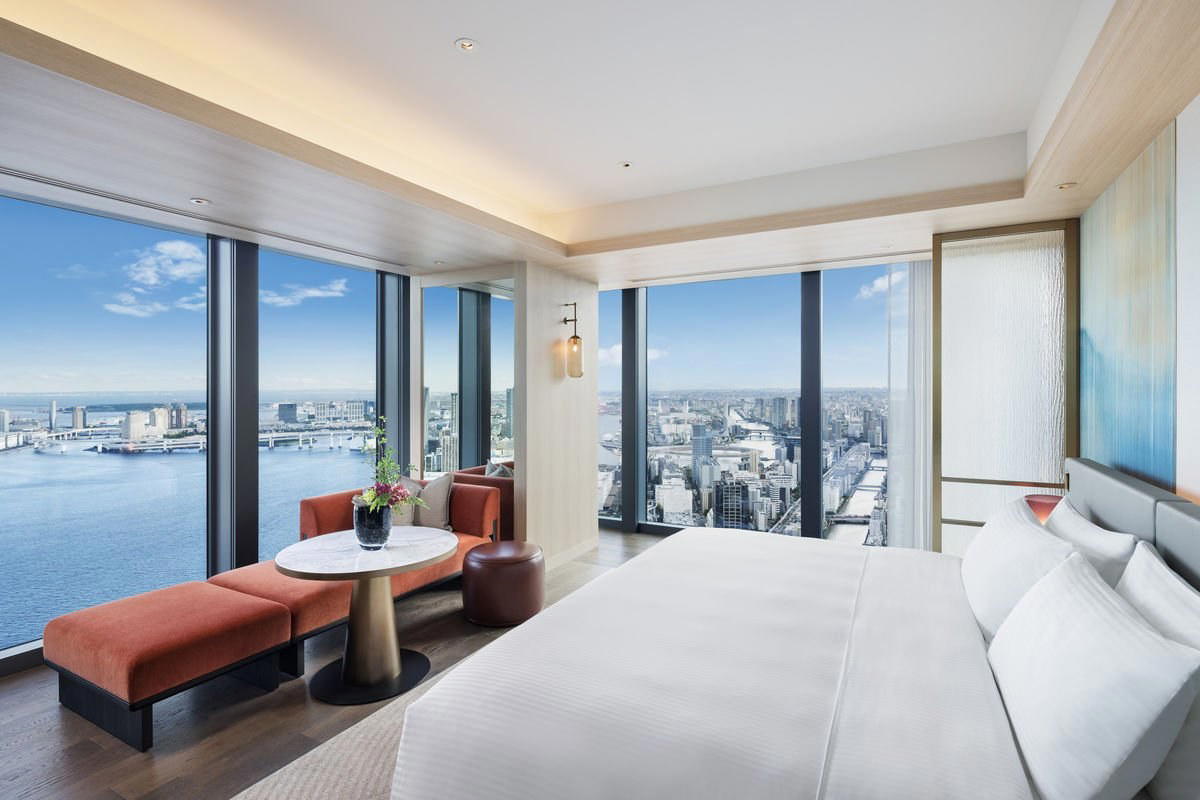
Incanto
The wine
- Wine program
- Deep wine list
- Extensive wine list
- Sommelier-led
Details
- Elegant
- Sophisticated
- Intimate
- Cozy
- Date Night
- Special Occasion
- Business Dinner
- Wine Cellar
- Extensive Wine List
- Sommelier Led
- Tasting Menu
- Italian Wine
Current opening hours
- Monday
- 5:30 PM–12 AM
- Tuesday
- 5:30 PM–12 AM
- Wednesday
- 5:30 PM–12 AM
- Thursday
- 5:30 PM–12 AM
- Friday
- 5:30 PM–12 AM
- Saturday
- 5:30–11 PM
- Sunday
- Closed
Hours can change for holidays and private events. Hours as of .
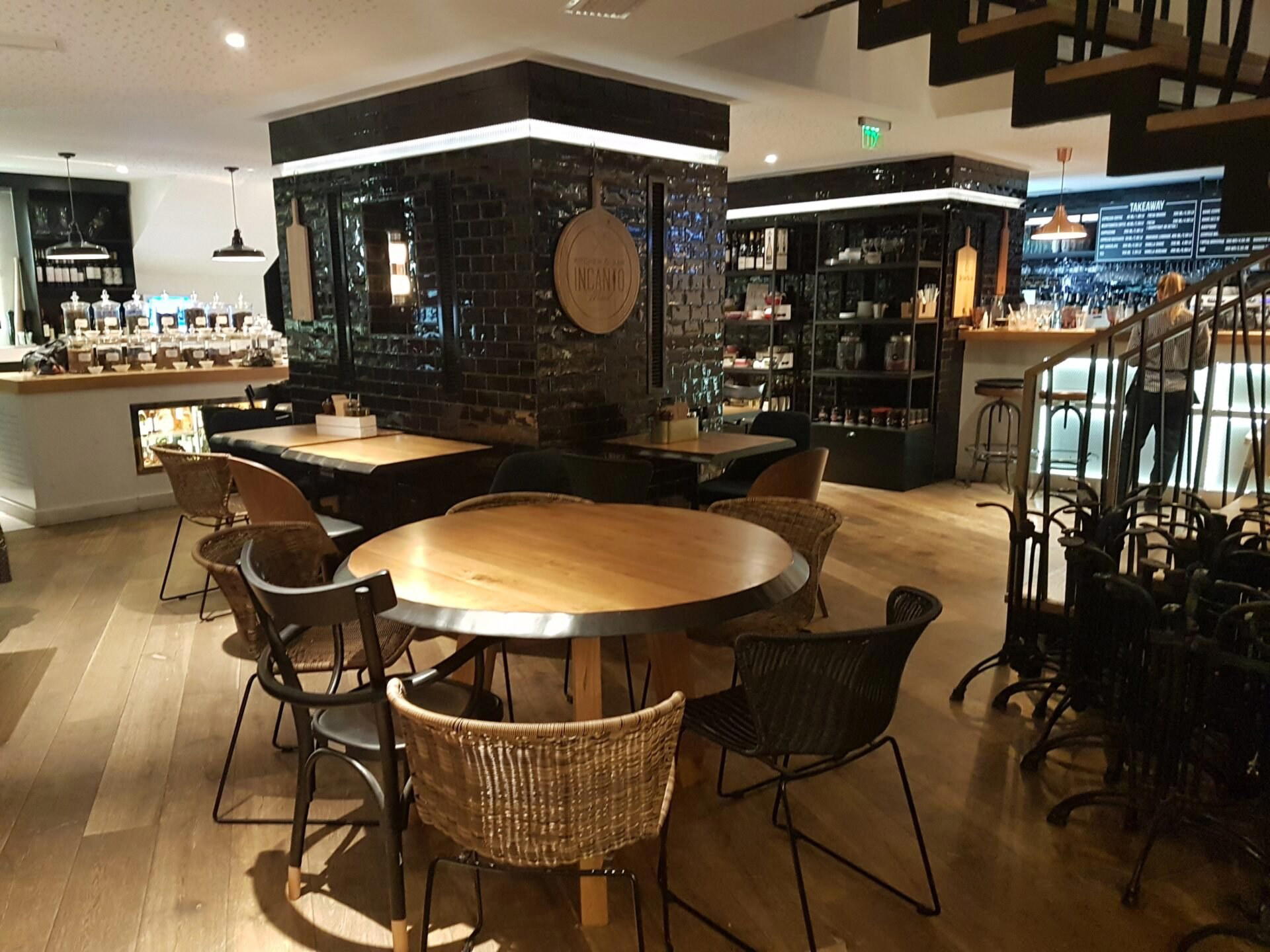
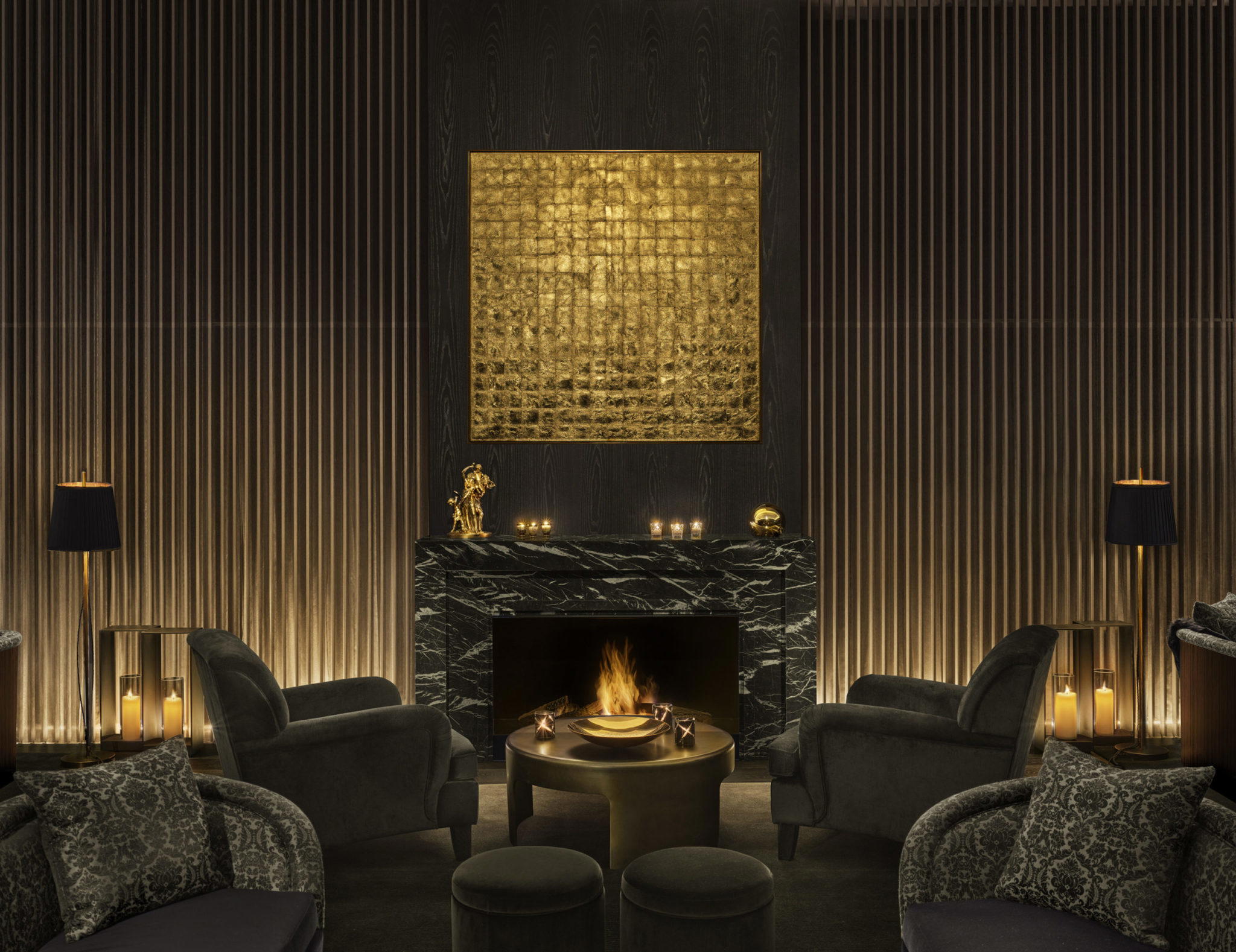
Elegant interior with dim lighting creating a tranquil, relaxing atmosphere reminiscent of Italy.