Tivoli



1 Michelin Star · Falstaff Restaurant - 94 Falstaff Points
Our verdict
A Michelin-starred table on the road to Falzarego pass, Tivoli sits at the intersection of Alpine tradition and refined modern cuisine. Chef-owner Graziano Prest draws on Dolomite mountain produce alongside fish sourced daily from Venetian markets, while a cellar weighted toward historic and French labels reflects the same dual allegiance. Ranked #379 in Opinionated About Dining's Classical Europe list for 2025, this is Cortina's most decorated year-round dining address.

Pearl is the En Primeur Club membership app — saves, bookings, and concierge access live there. Same editors, same standards.
- Address
- Località Lacedel, 34, 32043 Cortina d'Ampezzo BL, Italy
- Phone
- +39 0436 866400
- Hours
- Mon ClosedTue 7–10 PMWed–Sun 12–2 PM, 7–10 PM
- Website
- ristorantetivolicortina.it
- Directions
- Get directions
- Booking
- Book on the venue's website
The menu
What to order
- Cold_spaghetti_with_fish_tartare_and_caviar
- Wild_sea_bass_with_curry
- Pigeon_breast
Where the Dolomites Frame the Table
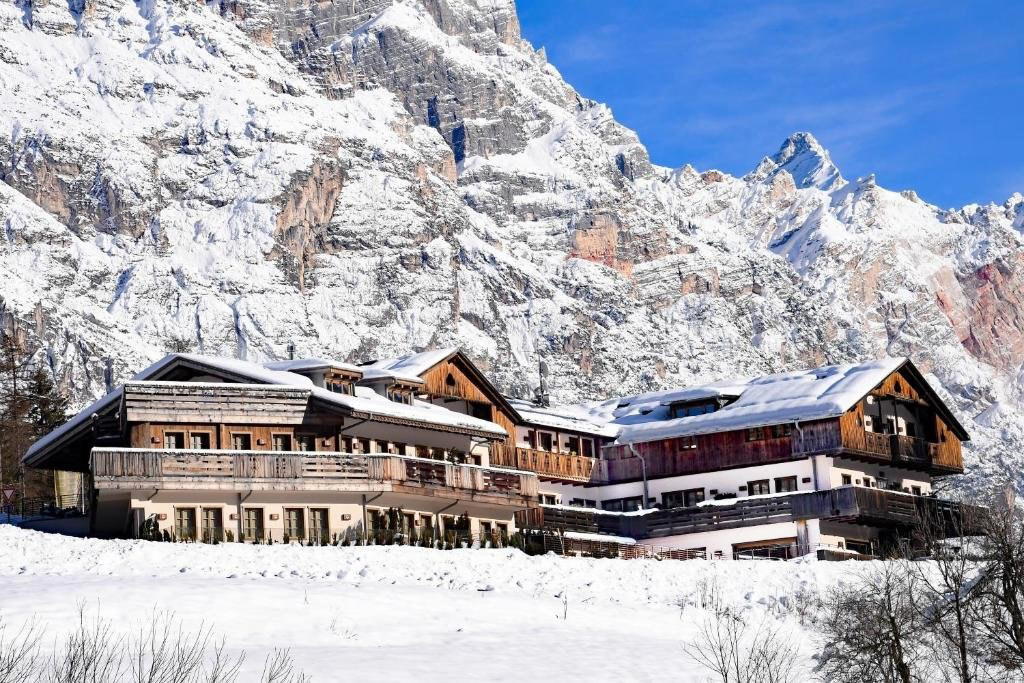
The approach to Tivoli sets the register before you step inside. The road out toward the Falzarego pass pulls away from Cortina d'Ampezzo's centre, the town's belle époque facades giving way to open Alpine terrain. At the foot of the Tofane mountains, an attractive Alpine house sits back from the road, the Dolomite peaks filling the view behind it. This is not a restaurant that announces itself with urban prominence; it earns attention through position and restraint.
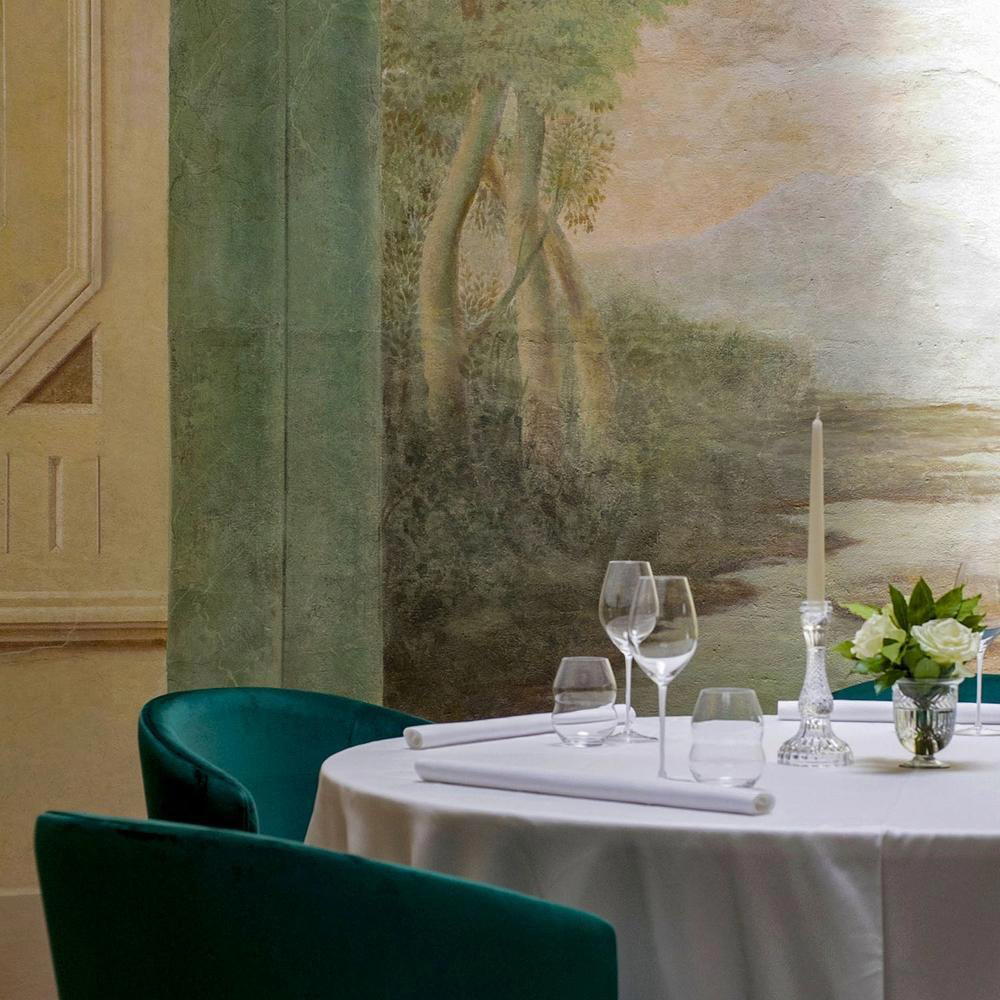
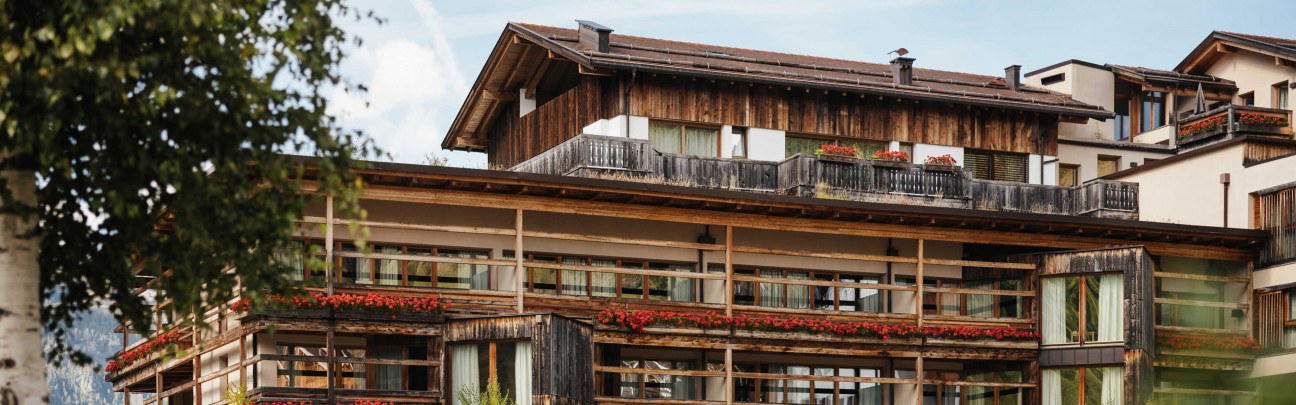
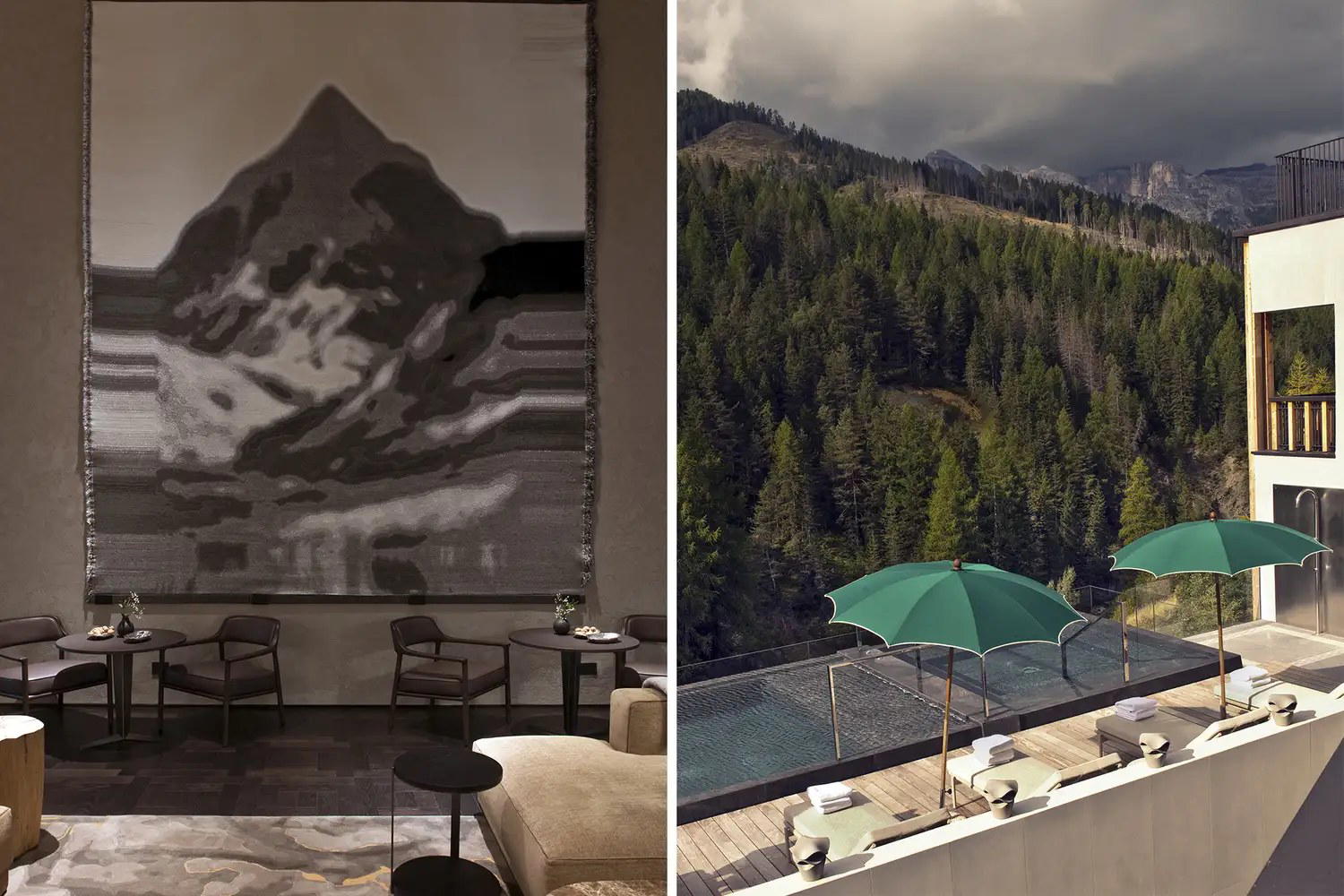
Inside, the dining room operates in that particular register that serious Alpine restaurants tend to favour: materials drawn from the surrounding landscape, proportions that feel considered rather than cavernous, and a quietness that keeps attention on the table. The two window tables in the main dining room give onto those mountain views directly, and the kitchen's awareness of this is reflected in the standing instruction to request one when booking. The panoramic terrace extends the same sightlines in the warmer months, making the exterior landscape as much a part of the meal as anything on the plate.
The Kitchen's Two Registers
The broader pattern of serious Alpine dining in northern Italy has long operated between two poles: the strictly regional, which draws its identity from mountain produce, preserved traditions, and the particular flavours of high-altitude pastoral cooking, and the more cosmopolitan register, which uses Alpine credentials as a starting point before moving outward. Tivoli sits at the intersection of both.
Graziano Prest, who is both chef and owner, works across traditional and creative formats with evident comfort in each. That dual ease is harder to sustain than it might appear. Kitchens that attempt it often produce menus where the two registers sit awkwardly alongside each other, the traditional dishes feeling obligatory and the creative ones feeling imported. Here, the connective tissue is the ingredient sourcing: mountain-grown produce from the Ampezzo valley forms the base, while fresh fish arrives daily from the markets at Venice and Chioggia. The Venice-Dolomites axis is a historically grounded one in Venetian cooking traditions, and Prest's use of it reads as knowledge rather than novelty.
The Michelin one-star recognition, current for 2024, and the Opinionated About Dining Classical Europe ranking of #379 for 2025 place Tivoli within a specific peer group. In Cortina's dining scene, that puts it at the top of the formal tier, alongside SanBrite and Alajmo Cortina, both of which also operate at the €€€€ price level. Baita Piè Tofana, also at €€€€ and positioned on the mountain itself, occupies a slightly different context. The town's country-cooking register, represented by Al Camin and Baita Fraina, operates at lower price points and with different ambitions.
The Cellar as Editorial Statement
Wine programs at this tier of Alpine dining tend to follow one of two logics. The first is regional loyalty: deep stocks of Alto Adige whites, Venetian reds, and the occasional Friulian curiosity, with French labels appearing only as a concession to internationally minded guests. The second is a more promiscuous cellar philosophy that treats geography as less determinative than quality and age.
Prest's cellar falls clearly into the second category. Historic vintages, top-quality labels across Italian regions, and a pronounced presence of French bottles make the wine offering at Tivoli as much a statement of editorial position as the food. For a Michelin-starred kitchen in the Dolomites, this is a meaningful signal: it places the restaurant in conversation with a broader European fine-dining tradition rather than narrowly within the Alpine identity. Cellars with this kind of depth and range take years to build; the commitment implies a long view of what the restaurant is for. Comparable ambition in Italian cellar depth can be found at addresses like Enoteca Pinchiorri in Florence and Dal Pescatore in Runate, where the wine program is understood as equal in weight to the kitchen.
Tivoli in the Wider Italian Fine-Dining Context
Italy's starred restaurant scene at the single-star level has expanded considerably over the past decade, and that expansion has sharpened the distinctions between what a Michelin star means in different contexts. In major urban centres, the award tends to reflect either strong technique or a clearly articulated cuisine identity; in resort towns like Cortina d'Ampezzo, it carries additional weight because the seasonal nature of the destination creates a more demanding operating environment. Chefs must maintain quality across a shorter, more intense working calendar while managing the expectations of an international clientele that arrives having dined at comparable addresses in Paris, Milan, and Tokyo.
For context on where Tivoli sits nationally, the Italian Michelin roster includes addresses like Osteria Francescana in Modena, Enrico Bartolini in Milan, and Quattro Passi in Marina del Cantone, each operating with different regional and conceptual starting points. Tivoli's particular contribution to that landscape is the mountain-to-Adriatic sourcing axis, which gives its single-star recognition a distinctly regional character.
Among Alpine fine-dining specifically, Atelier Moessmer Norbert Niederkofler in Brunico represents the most conceptually rigorous approach to mountain terroir in northern Italy, operating at three stars with a strictly seasonal, no-imported-protein philosophy. Tivoli's position is different: it incorporates the Adriatic fish supply that the Venice-Cortina axis historically supported, which is a legitimate regional tradition rather than a departure from Alpine identity.
Reading the Room
Cortina's dining scene divides along a few clear fault lines. There are the mountain huts and rifugi that serve hearty Alpine food at elevation, the mid-range country-cooking addresses in and around the town, and a small tier of formal restaurants that operate at starred or near-starred level. Tivoli has occupied that top tier long enough to be considered the reference point within it.
The physical setting, outside the town centre on the Falzarego road, means that reaching Tivoli involves a deliberate journey rather than a casual drop-in. That separation from the main corso is characteristic of serious Alpine dining destinations, where the drive or walk to the restaurant is part of how the experience is framed. It distances the meal from the resort's social circuit and places it in a quieter, more focused register.
For those building a broader stay around Cortina's dining, the contrast between Tivoli's formal Alpine setting and the more urban contemporary approach at Alajmo Cortina, which brings a Venetian contemporary sensibility to the mountain, gives the town's top tier genuine range. Both sit at €€€€, but they are addressing different instincts in the same traveller.
Planning a Table
Tivoli is closed on Mondays. From Tuesday through Sunday, dinner service runs from 7 PM to 10 PM; Wednesday through Sunday lunch is available from 12 PM to 2 PM. The Tuesday dinner-only format is worth noting for itinerary planning, particularly for travellers arriving mid-week. At Michelin-starred level in a resort town with limited capacity at the top tier, booking ahead is advisable, especially during Cortina's peak winter season from late December through March and the summer high season in July and August.
The window tables and terrace seating require specific requests at booking; this is not a venue where the leading seats are assigned automatically. At €€€€ pricing, the investment sits at the top of Cortina's dining market, consistent with peer addresses in the town and reflective of both the sourcing standards and the cellar depth. For a complete picture of the town's dining options at all price points, see [our full Cortina d'Ampezzo restaurants guide](). For accommodation, bars, wineries, and experiences, EP Club also maintains guides to [hotels](), [bars](), [wineries](), and experiences in Cortina d'Ampezzo.
Frequently asked questions
What does dinner at Tivoli typically cost?
Pricing at Tivoli is listed as €€€€.
When is Tivoli open?
Hours at Tivoli: Monday closed Tuesday 7 PM-10 PM Wednesday 12 PM-2 PM 7 PM-10 PM Thursday 12 PM-2 PM 7 PM-10 PM Friday 12 PM-2 PM 7 PM-10 PM Saturday 12 PM-2 PM 7 PM-10 PM Sunday 12 PM-2 PM 7 PM-10 PM.
Pricing, Compared
| Venue | Cuisine | Price | Awards | Notes |
|---|---|---|---|---|
| TivoliThis venue — the venue you are viewing | Modern Italian Dolomite Fine Dining | Not listed | 1 Michelin Star · Falstaff Restaurant - 94 Falstaff Points | Not listed |
| SanBrite | Modern Alpine Italian | $100–150 | 1 Michelin Star · Falstaff Restaurant - 94 Falstaff Points | Modern Italian, Alpine |
| Al Camin | Modern Italian Alpine | $30–50 | Michelin Plate | Not listed |
| El Brite de Larieto | Traditional Dolomites Alpine Italian | $50–100 | Michelin Plate | Not listed |
| Alajmo Cortina | Modern Italian Mountain Cuisine | Not listed | Michelin Plate · Falstaff Restaurant - 94 Falstaff Points | Not listed |
| Baita Piè Tofana | Contemporary Italian Alpine Cuisine | $50–100 | Michelin Plate | Not listed |
Recognition history
Dated appearances from independent guides and award organizations, with the underlying list record or original source where available.
Michelin 1 Star
Michelin
Falstaff Restaurant - 94 Falstaff Points
Falstaff
Opinionated About Dining Classical in Europe Ranked #379
Opinionated About Dining
Full recognition history (5 entries)
Michelin 1 Star
Michelin
Michelin 1 Star
Michelin
Continue exploring
More in Cortina d'Ampezzo
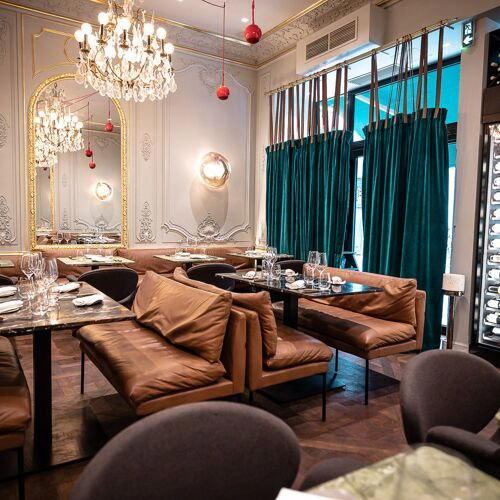
Restaurants in Cortina d'Ampezzo
Browse all →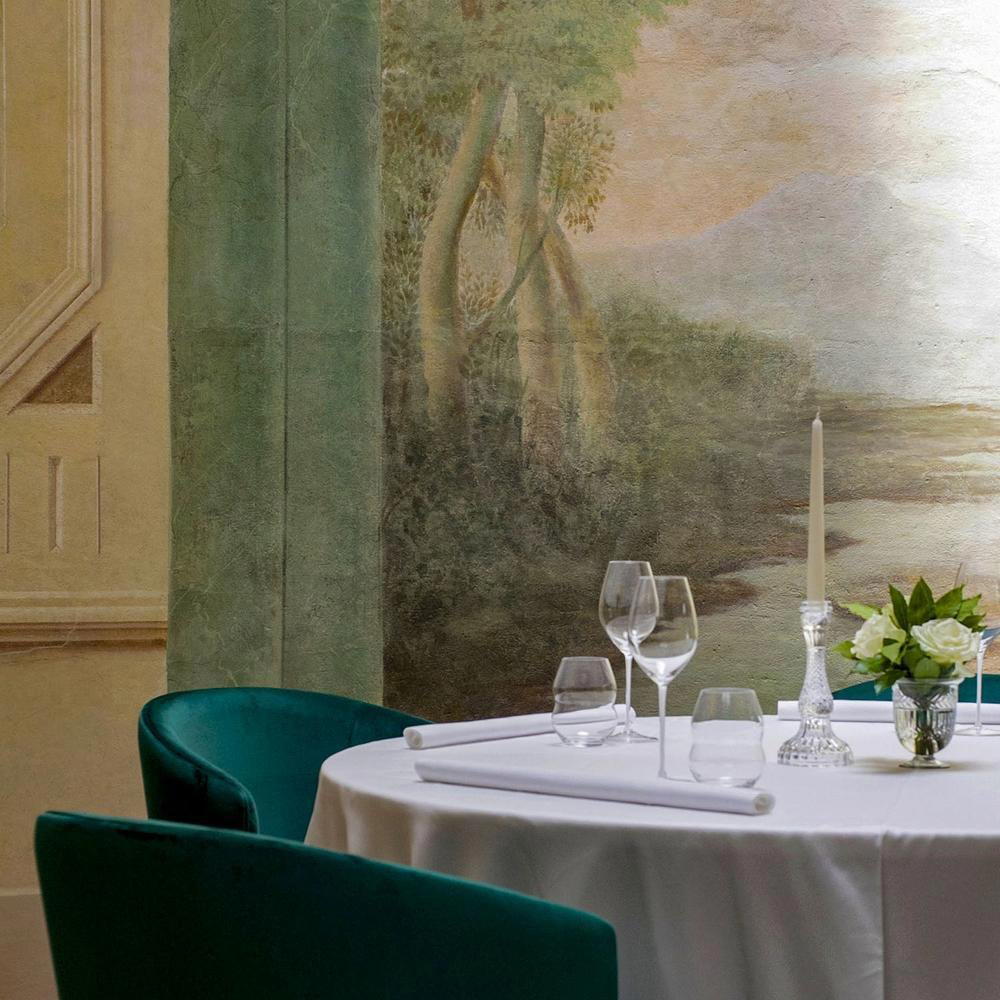
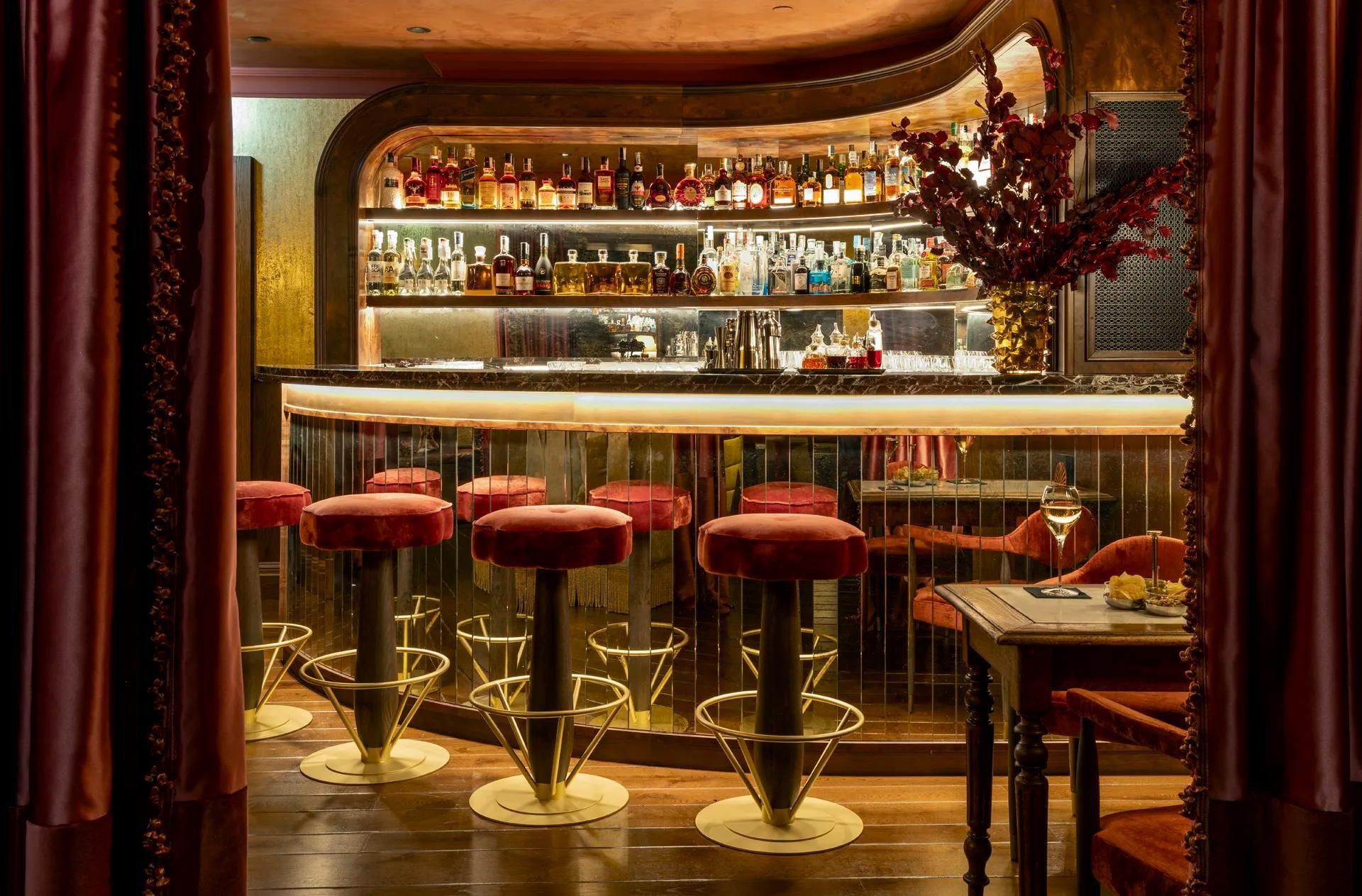
Bars in Cortina d'Ampezzo
Browse all →
Hotels in Cortina d'Ampezzo
Browse all →

Details
- Elegant
- Cozy
- Sophisticated
- Scenic
- Intimate
- Date Night
- Special Occasion
- Celebration
- Panoramic View
- Extensive Wine List
- Sommelier Led
- Local Sourcing
- Mountain
- Tasting Menu
- A La Carte
- Vegetarian Friendly
- Vegan Options
Current opening hours
- Monday
- Closed
- Tuesday
- 7–10 PM
- Wednesday
- 12–2 PM, 7–10 PM
- Thursday
- 12–2 PM, 7–10 PM
- Friday
- 12–2 PM, 7–10 PM
- Saturday
- 12–2 PM, 7–10 PM
- Sunday
- 12–2 PM, 7–10 PM
Hours can change for holidays and private events. Last verified .
Quaint and intimate dining room adorned with wood and chintzy charm, providing a calm, assured, and quietly luxurious atmosphere.