SanBrite




1 Michelin Star · Falstaff Restaurant - 94 Falstaff Points · The Best Chef Two Knives
Our verdict
A one-Michelin-star dining room in Cortina d'Ampezzo where home-produced and regional Dolomite ingredients define the menu. SanBrite — the name translates as 'healthy pasture' — takes a small-tables format with recycled-wood interiors and a dining-room window framing the Ampezzo peaks. Ranked 233rd among Opinionated About Dining's top European restaurants in 2025, it represents the more considered end of alpine fine dining.

Pearl is the En Primeur Club membership app — saves, bookings, and concierge access live there. Same editors, same standards.
- Address
- Località Alverà, 200/E, 32043 Cortina d'Ampezzo BL, Italy
- Phone
- +39 0436 863882
- Hours
- Mon–Tue 12:30–2:30 PM, 7:30–9:30 PMWed ClosedThu 7:30–9:30 PMFri–Sun 12:30–2:30 PM, 7:30–9:30 PM
- Website
- sanbrite.it
- Directions
- Get directions
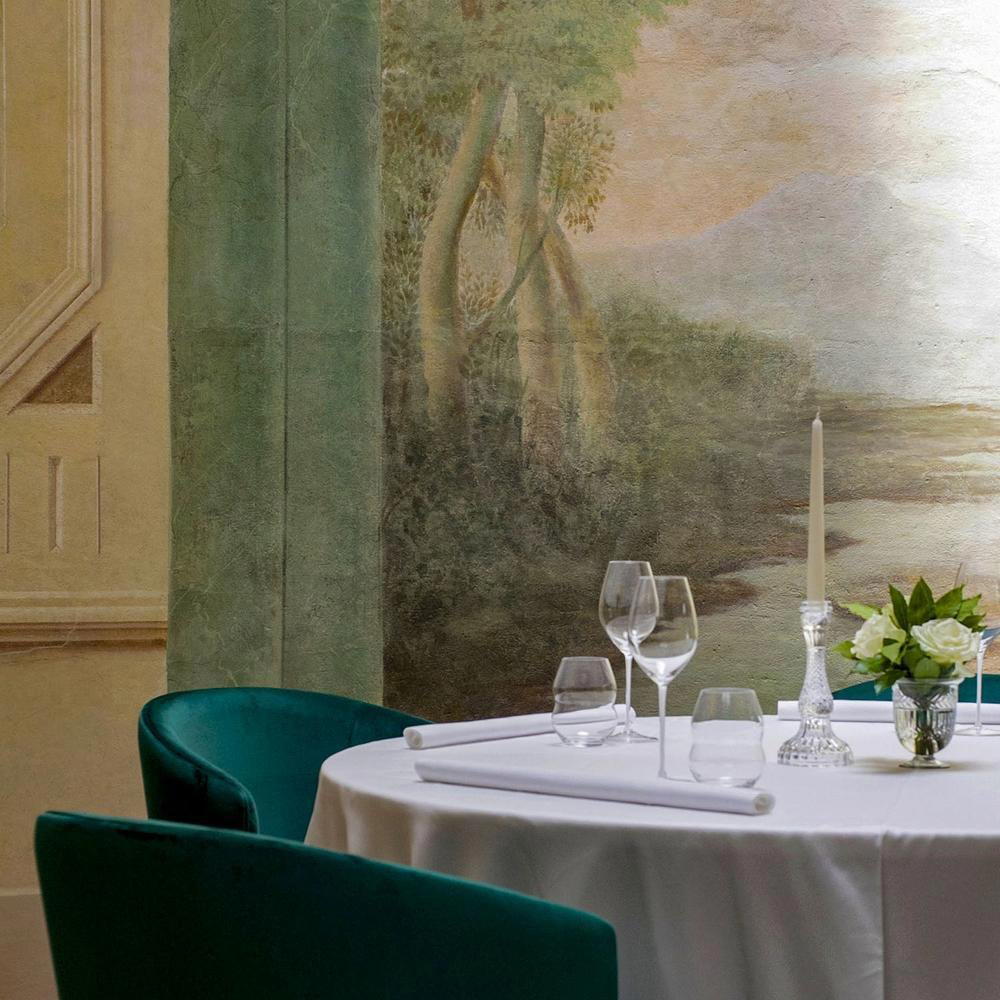
A Dining Room Shaped by What Grows Around It
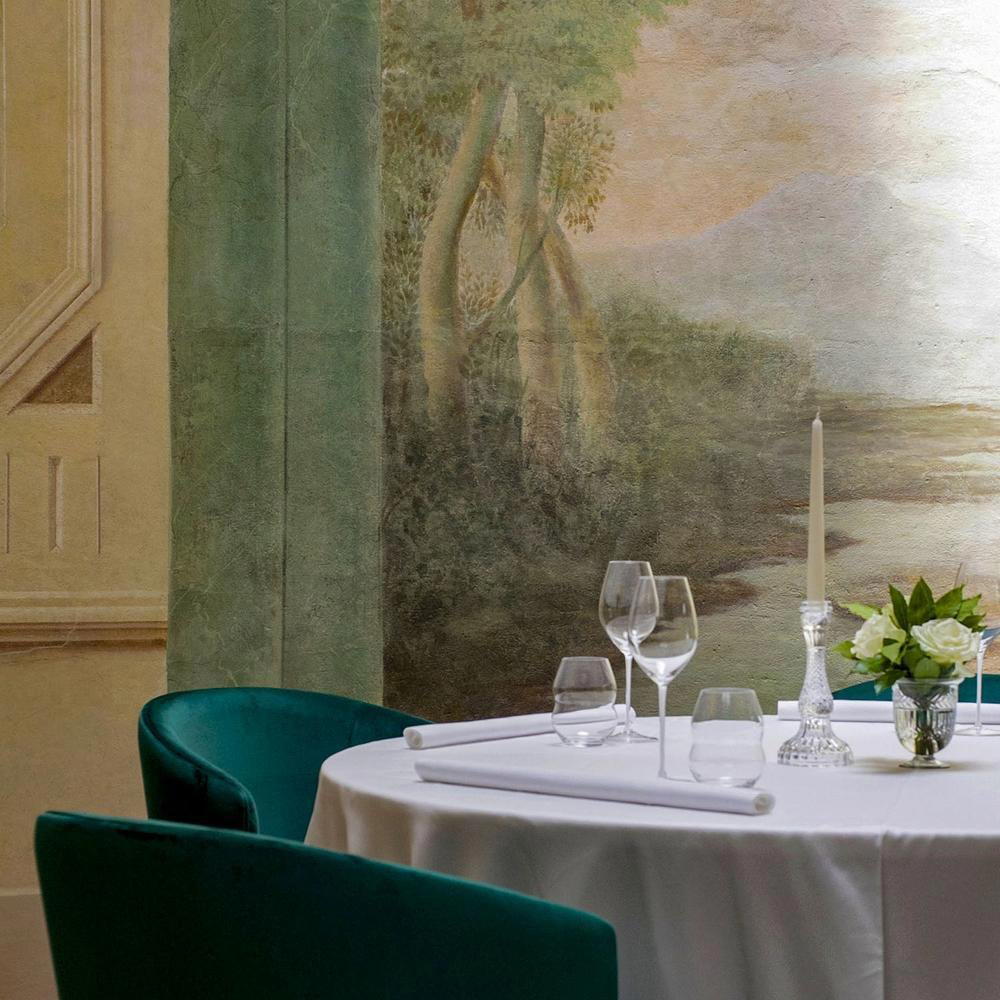
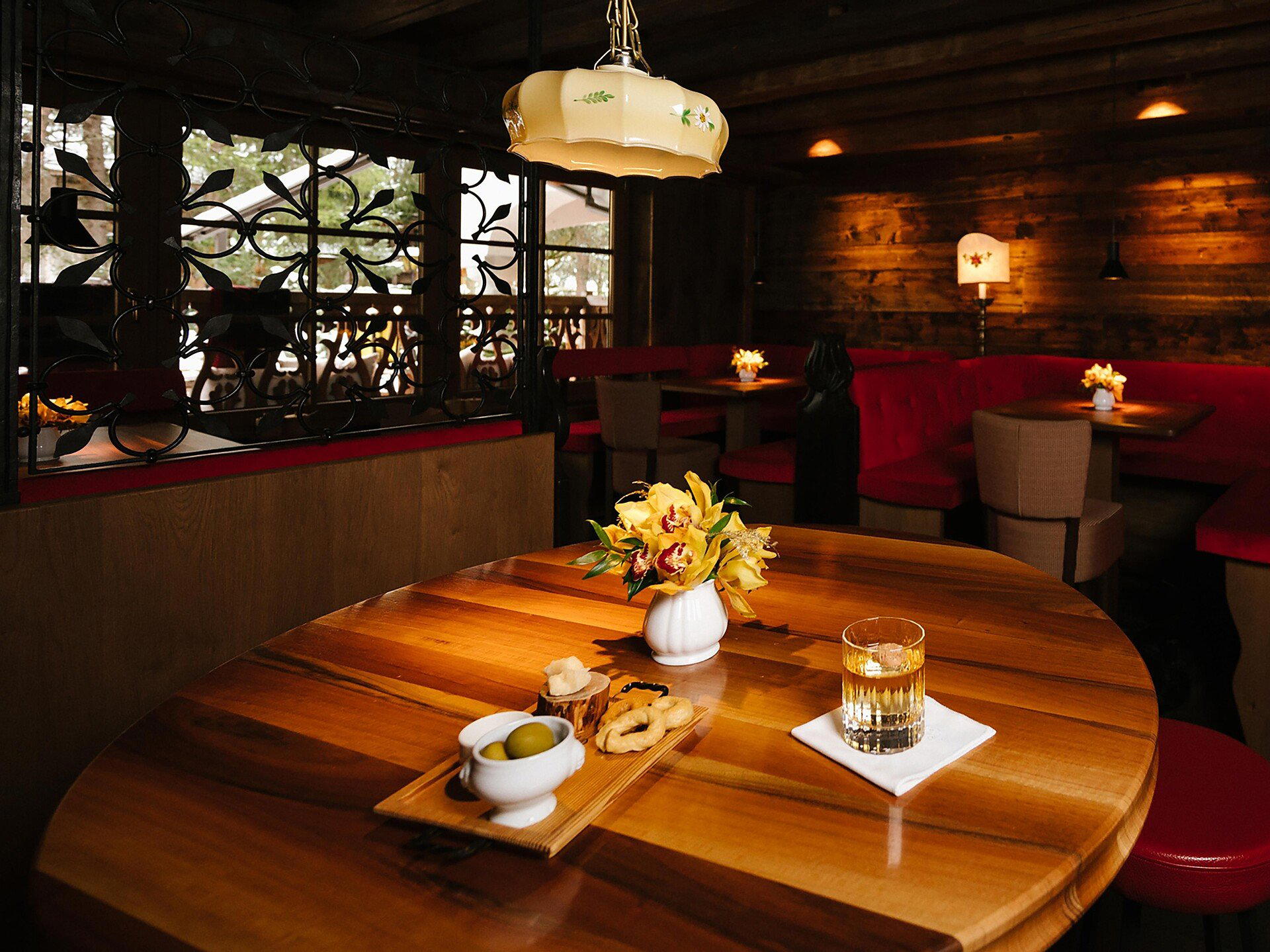
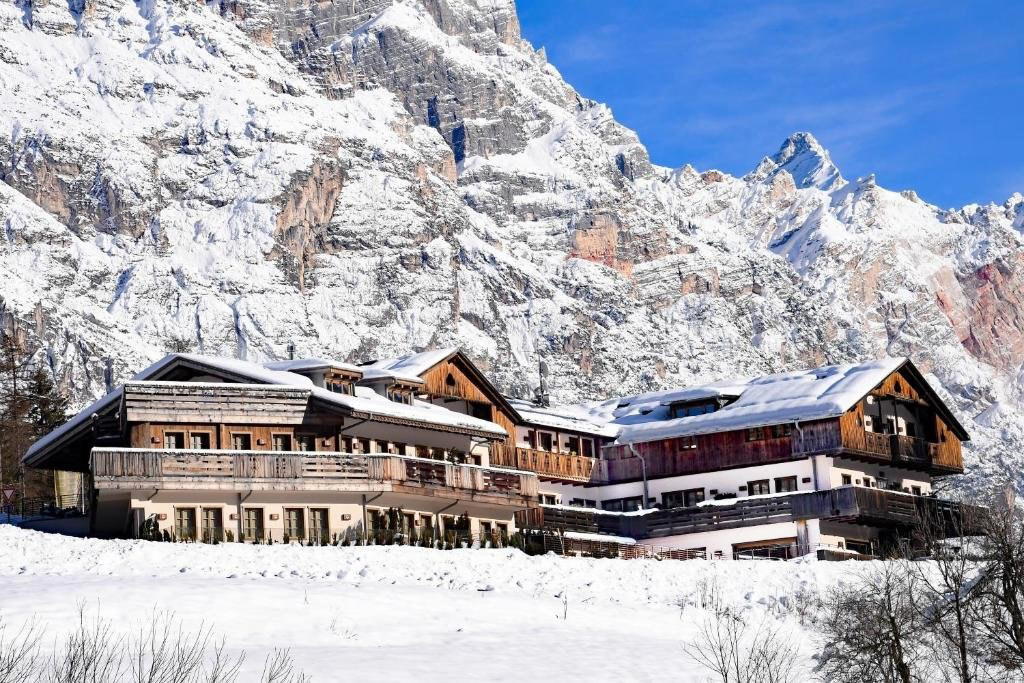
The Ampezzo valley has always produced restaurants that treat altitude as an ingredient. At Località Alverà, on the quieter fringes of Cortina d'Ampezzo, SanBrite makes that relationship explicit. The room is small, fitted with recycled old wood that reads as worn-in rather than decorative, and a large picture window positions the Dolomite ridgeline as the dominant visual presence throughout the meal. The setting is not incidental: it frames the editorial logic of the cooking itself, which draws almost entirely from what the surrounding terrain produces.
The name is not accidental either. Sanbrite translates from Ladin as 'healthy pasture', a linguistic signal toward the provenance-driven approach that distinguishes this address from the broader tier of alpine resort dining. Where Cortina's higher-volume addresses tend to trade on ski-town atmosphere and northern Italian classics, SanBrite operates closer to the model that has emerged in South Tyrol: ingredient transparency as the organising principle, with modern technique applied lightly enough not to obscure origin.
Provenance as the Foundation, Not the Marketing
Alpine fine-dining model that gained international attention through figures like Norbert Niederkofler at Atelier Moessmer in Brunico is built on a specific constraint: cook what the mountains actually produce, in season, without importing prestige ingredients from elsewhere to dress the plate. SanBrite applies a version of that same discipline. Chef Riccardo Gaspari draws from home-produced ingredients alongside a network of regional suppliers, which in practice means the menu shifts with what the Ampezzo area yields rather than what would make a conventional fine-dining list legible to an international audience.
This stands in notable contrast to the other top-tier addresses in Cortina. Tivoli and Alajmo Cortina both operate at the €€€€ price tier and represent the contemporary modern-cuisine approach, where technique and chef personality carry as much weight as raw material origin. SanBrite sits inside that same price bracket but the emphasis is redistributed: the ingredient is the argument, and technique exists to make it audible rather than to demonstrate itself independently.
The most direct illustration of this is the bread and butter service. Waiters arrive with what the restaurant describes as mountains of creamy butter alongside bread notable for its texture, a course that in most fine-dining contexts functions as a filler between arrival and amuse-bouche. Here it operates as a statement of intent: the dairy comes from the property's own production, and the service format is generous rather than restrained, which tells you something about how the kitchen wants to position itself relative to the austere end of modern Italian fine dining. The contrast with, say, the precision-first philosophy at Osteria Francescana in Modena or the seafood-centred rigour of Quattro Passi in Marina del Cantone is instructive: SanBrite is operating within a distinctly northern, land-based tradition.
The Dessert Argument
Among the courses, the desserts carry a specific editorial point. They are made without added sugar, a decision that only works if the base ingredients carry enough natural sweetness and complexity to sustain a dish. In practice, this approach is harder to execute at altitude than the restraint signals suggest: alpine produce, particularly dairy and root vegetables, can run earthy and dense without the corrective lift that sugar typically provides. That the desserts hold together without it reflects the quality of the underlying ingredients as much as any technical intervention.
This kind of no-added-sugar dessert approach has become a marker within the broader natural and provenance-led fine-dining movement across northern Italy and the Alpine arc, where it functions as evidence of confidence in raw material quality rather than as a dietary concession. Diners familiar with the cooking at Dal Pescatore in Runate or the more technically complex dessert programs at Enoteca Pinchiorri in Florence will find SanBrite's approach stripped back by comparison, which is the point.
Recognition and Where It Places SanBrite
SanBrite holds one Michelin star (awarded 2024) and appeared on Opinionated About Dining's Leading New Restaurants in Europe as Highly Recommended in 2023, the year the recognition was first extended. By 2024, OAD ranked it 271st among leading European restaurants, climbing to 233rd in 2025. That upward trajectory on OAD, which aggregates the votes of experienced diners and critics rather than operating as a single inspector's judgment, suggests the restaurant is gaining traction among the audience most likely to track the alpine provenance-led category specifically.
Across the wider Italian fine-dining tier, the single Michelin star places SanBrite in company that includes addresses like Enrico Bartolini in Milan at the multi-star level, though Bartolini's empire operates on a different scale and ambition entirely.
For international visitors comparing SanBrite against globally-positioned addresses they may already know, such as Le Bernardin in New York City or Atomix, the frame of reference shifts considerably. SanBrite is not competing on technical complexity or cultural fusion: it is making a specific regional argument, and its awards position it accurately within that narrower but coherent category.
Cortina Context: Where SanBrite Fits
Cortina d'Ampezzo's dining scene spans a wider range than its resort-town profile might suggest. At the informal end, Al Camin and Baita Fraina represent the country-cooking tradition, operating at €€ and prioritising the familiar alpine canon: cured meats, polenta, game, and the kind of hearty plates that make sense after a day on the mountain. Baita Piè Tofana occupies the modern cuisine tier with a mountain-hut format that has its own following.
SanBrite sits above that mid-tier both in price and in formal ambition, but it does not abandon the alpine ingredient logic that defines the more casual addresses. In that sense it performs a function that the leading regional fine dining typically does: it takes what the surrounding culture and terrain already produce seriously and applies the resources of a serious kitchen to make them more legible, not more international. See our full Cortina d'Ampezzo restaurants guide for the complete picture across price tiers and formats.
Planning a Visit
SanBrite is located at Località Alverà, 200/E, on the outskirts of Cortina d'Ampezzo rather than in the town centre, which means arriving by car or taxi is practical for most visitors. The small number of tables and the restaurant's growing recognition across both Michelin and OAD rankings make advance booking advisable, particularly during the winter ski season and the summer hiking season when Cortina operates at capacity. The price tier sits at €€€€, consistent with the other serious fine-dining addresses in town.
Visitors building a broader Cortina itinerary can cross-reference our full hotels guide, bars guide, wineries guide, and experiences guide for the full picture of what the valley offers across categories.
Frequently asked questions
What's SanBrite known for in terms of accolades?
SanBrite has received recognition including: This restaurant has just a few tables amid a decor of elegantly recycled old wood, while a large window offers views of the stunning Ampezzo Dolomites outside. Your meal starts in a memorable way: waiters file into the dining room carrying ….
What's the best thing to order at SanBrite?
The bread and butter service is where the meal announces its intentions: the butter is home-produced, arrives in generous quantity, and the bread has a texture that Opinionated About Dining's reviewers have singled out. Beyond that, the desserts carry a specific editorial point — made without added sugar, they rely entirely on the quality of the base ingredients, which reflects the kitchen's broader commitment to home-produced and regional produce.
What's the price range at SanBrite?
Pricing at SanBrite is listed as €€€€.
What are the opening hours for SanBrite?
Hours at SanBrite: Location.
A Quick Peer Check
| Venue | Cuisine | Price | Awards | Notes |
|---|---|---|---|---|
| SanBriteThis venue — the venue you are viewing | Modern Alpine Italian | $100–150 | 1 Michelin Star · Falstaff Restaurant - 94 Falstaff Points | Not listed |
| Tivoli | Modern Italian Dolomite Fine Dining | Not listed | 1 Michelin Star · Falstaff Restaurant - 94 Falstaff Points | Modern Cuisine |
| Al Camin | Modern Italian Alpine | $30–50 | Michelin Plate | Not listed |
| El Brite de Larieto | Traditional Dolomites Alpine Italian | $50–100 | Michelin Plate | Not listed |
| Alajmo Cortina | Modern Italian Mountain Cuisine | Not listed | Michelin Plate · Falstaff Restaurant - 94 Falstaff Points | Not listed |
| Ristorante de LEN | Modern Northern Italian Dolomite Cuisine | $50–100 | Michelin Plate | Not listed |
Recognition history
Dated appearances from independent guides and award organizations, with the underlying list record or original source where available.
Michelin 1 Star
Michelin
Falstaff Restaurant - 94 Falstaff Points
Falstaff
Opinionated About Dining Top Restaurants in Europe Recommended
Opinionated About Dining
The Best Chef Two Knives
The Best Chef
Full recognition history (9 entries)
Michelin 1 Star
Michelin
Opinionated About Dining Top Restaurants in Europe Ranked #233
Opinionated About Dining
Michelin 1 Star
Michelin
Opinionated About Dining Top Restaurants in Europe Ranked #271
Opinionated About Dining
Opinionated About Dining Top New Restaurants in Europe Highly Recommended
Opinionated About Dining
Continue exploring
More in Cortina d'Ampezzo
Restaurants in Cortina d'Ampezzo
Browse all →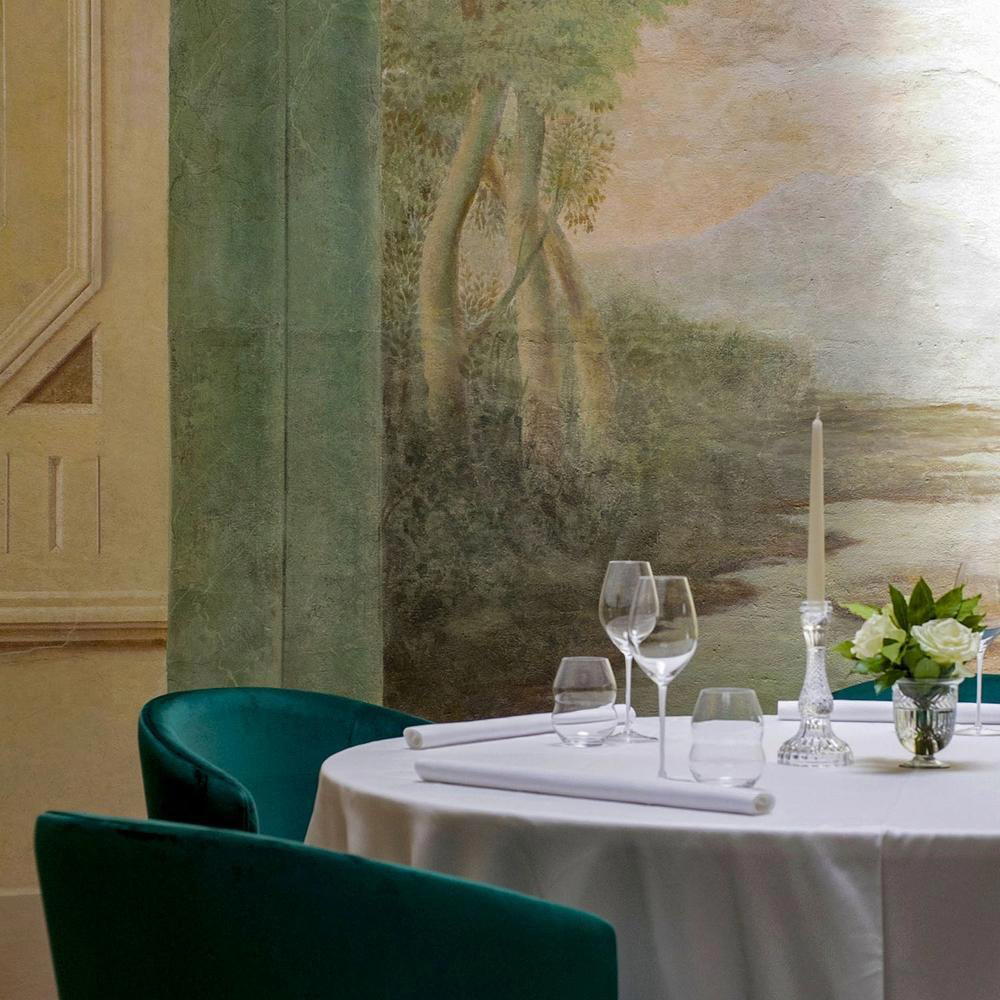
Bars in Cortina d'Ampezzo
Browse all →
Hotels in Cortina d'Ampezzo
Browse all →
Wineries in Cortina d'Ampezzo
Browse all →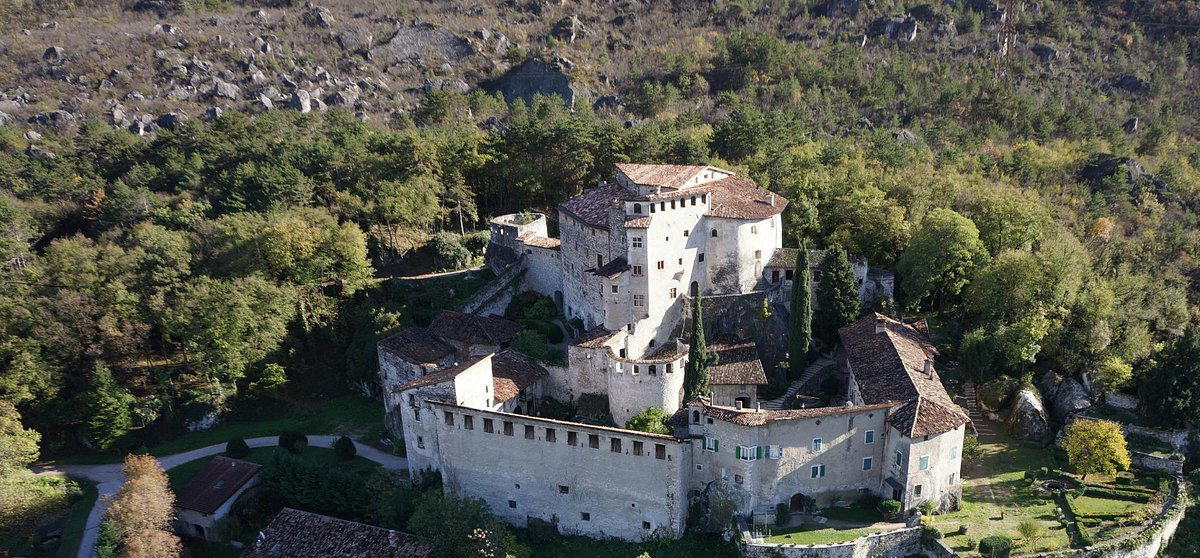
Details
- Rustic
- Elegant
- Cozy
- Intimate
- Sophisticated
- Special Occasion
- Date Night
- Open Kitchen
- Panoramic View
- Extensive Wine List
- Sommelier Led
- Farm To Table
- Local Sourcing
- Organic
- Mountain
- Tasting Menu
- A La Carte
- Wine
- Vegetarian Friendly
- Vegan Options
- Gluten Free Options
Current opening hours
- Monday
- 12:30–2:30 PM, 7:30–9:30 PM
- Tuesday
- 12:30–2:30 PM, 7:30–9:30 PM
- Wednesday
- Closed
- Thursday
- 7:30–9:30 PM
- Friday
- 12:30–2:30 PM, 7:30–9:30 PM
- Saturday
- 12:30–2:30 PM, 7:30–9:30 PM
- Sunday
- 12:30–2:30 PM, 7:30–9:30 PM
Hours can change for holidays and private events. Last verified .
Warm and welcoming dining room with decor of elegantly recycled old wood, large windows offering mountain views, and a quiet, intimate atmosphere.