Al Castelletto serves Traditional Trevisan Osteria from Via Castelletto, 3, with grilled meat and risotto with Castelmagno, plus a garden, open kitchen, and extensive wine list for a quiet, leisurely meal.
Pearl is the En Primeur Club membership app — saves, bookings, and concierge access live there. Same editors, same standards.
- Address
- Via Castelletto, 3, 31051 Pedeguarda TV, Italy
- Phone
- +39438842484
- Website
- alcastelletto.com
- Directions
- Get directions
 Saves & bookings on Pearl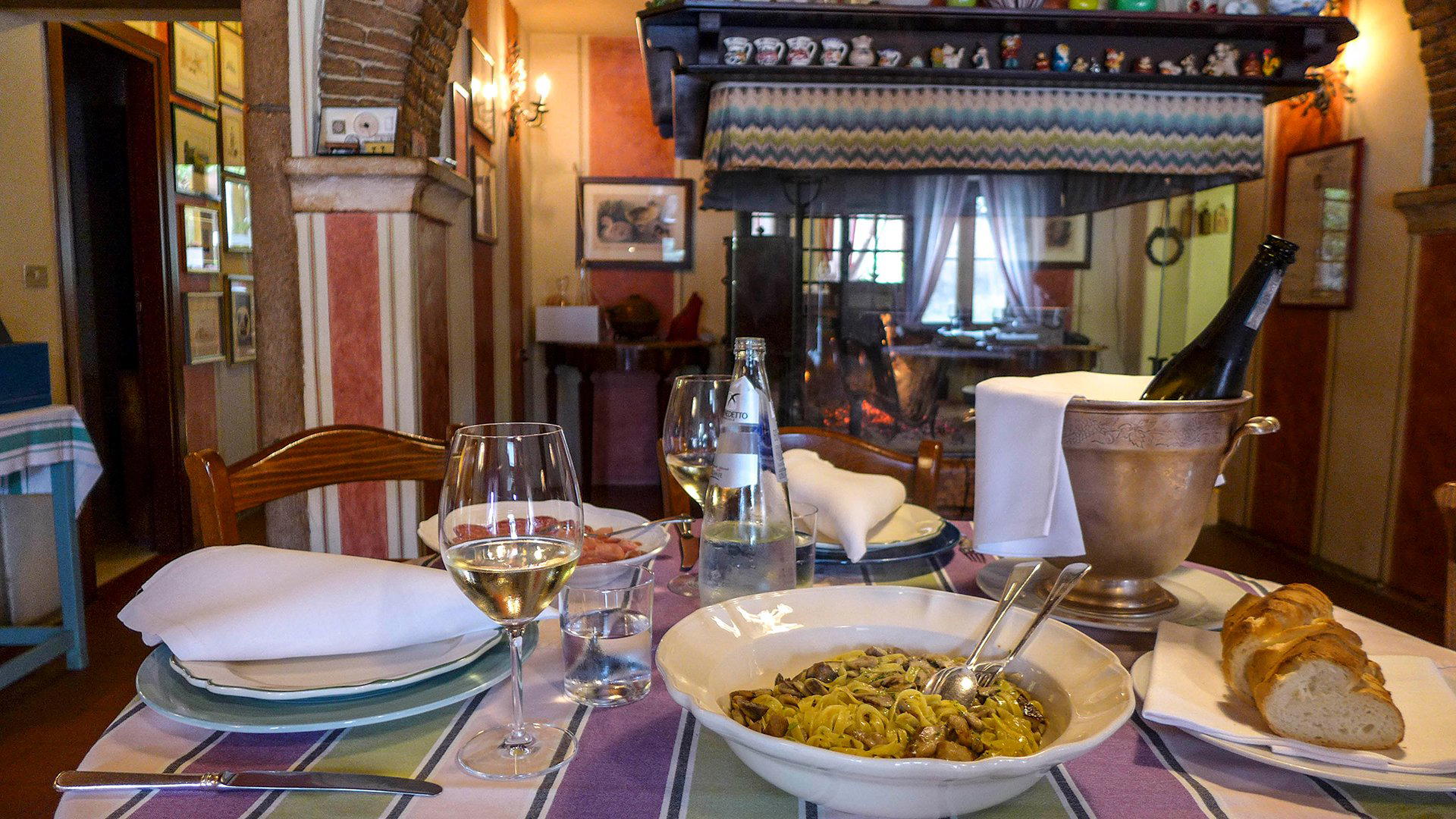
Where the Treviso Hills Shape the Plate
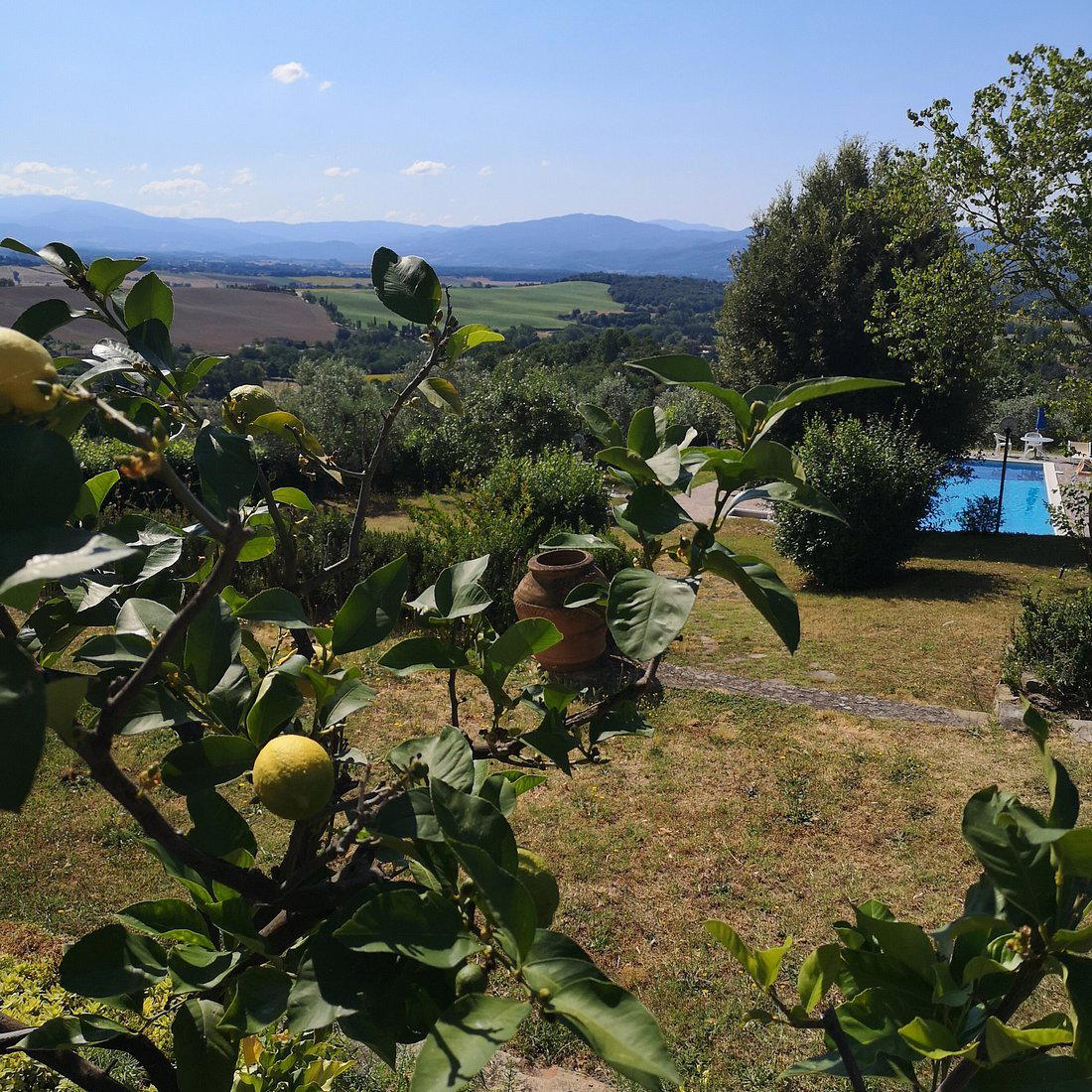
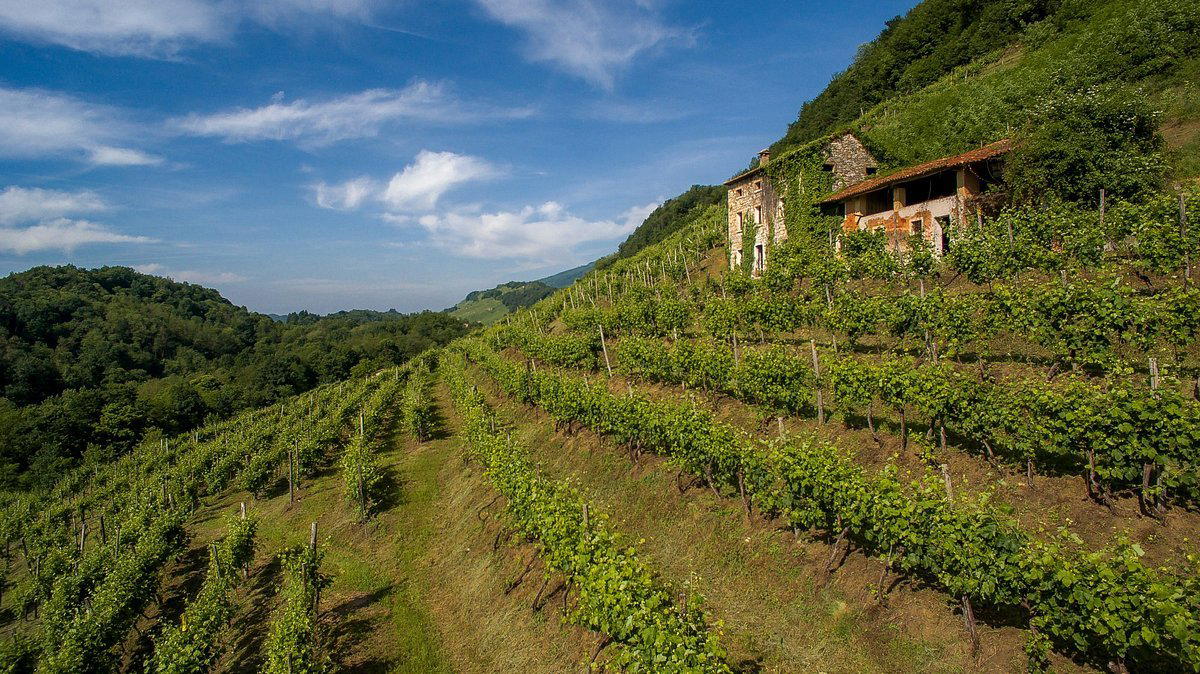
The road into Pedeguarda climbs through vine-striped slopes before the village appears, compact and unhurried, in the folds of the Marca Trevigiana. This is Prosecco Superiore country, the UNESCO-listed hillside belt that runs between Conegliano and Valdobbiadene, and the terrain announces itself before any kitchen does. Al Castelletto sits on Via Castelletto in Pedeguarda, Treviso, a traditional Trevisan osteria with.
The agricultural identity of the area, small producers, estate wineries, market gardens tied to a particular elevation and microclimate, shapes how restaurants in this corridor approach their kitchens. Ingredient provenance is not a branding exercise here; it is a function of what is available and what the local tradition demands. In that context, Al Castelletto belongs to a category of trattoria-rooted dining rooms where the sourcing of raw materials is the primary editorial statement the kitchen makes.
The Ingredient Argument in the Treviso Tradition
Northeastern Italian cooking is frequently misread outside Italy as a simpler, quieter version of the country's more publicized regional traditions. That reading misses what actually defines the Treviso table: an almost constitutional commitment to seasonal specificity. Radicchio di Treviso, in its bitter, elongated tardivo form harvested in the coldest months, is a serious product with a protected designation and a dedicated growing area. The white asparagus of Cimadolmo, north of Treviso, holds IGP status and arrives in markets for a window of approximately six weeks in spring. Mushrooms from the Dolomite foothills to the north, truffles from the Montello hills to the south, game from the upland forests: the Marca Trevigiana supplies a full annual calendar of highly specific, geographically bounded ingredients.
Restaurants that work within this tradition do not engineer novelty; they work the calendar. The discipline is in knowing when a product is ready, where it is coming from, and how little intervention it needs. This is a different kind of kitchen intelligence from the one visible at, say, Le Calandre in Rubano, which applies technical elaboration to local materials, or at Osteria Francescana in Modena, where conceptual frameworks transform regional identity. In a village room in the Treviso hills, the argument is more direct: the ingredients are the point, and the cooking exists to make that clear.
Across northeastern Italy, this approach has produced some of the country's most coherent food traditions. Dal Pescatore in Runate built a three-Michelin-star reputation around a similarly place-rooted logic in the Mantua wetlands. Atelier Moessmer Norbert Niederkofler in Brunico has pushed Alpine ingredient sourcing to the level of a strict philosophical constraint. These are the high-decorated versions of an impulse that runs through many smaller, unstarred rooms in the Italian northeast, the conviction that geography is especially honest menu.
Follina's Dining Character and Where Al Castelletto Fits
Follina is a small comune with a Cistercian abbey at its center and a wine-producing hinterland that attracts the kind of visitors who take the Strada del Prosecco seriously. The dining options in the village and its immediate surroundings reflect that profile: rooms that lean into regional tradition, priced and formatted for an audience that is already predisposed to place-specific eating and drinking. Villa Abbazia offers Italian regional cooking in a hotel context, positioned as the area's most formal proposition. La Corte operates in the modern cuisine register at a higher price point. Osteria dai Mazzeri anchors the Venetian trattoria tradition at a more accessible price.
The restaurant, at Via Castelletto 3 in Pedeguarda, sits within this cluster as a address-specific proposition: a room defined by its position within the village fabric rather than by a formal identity shaped for external recognition.
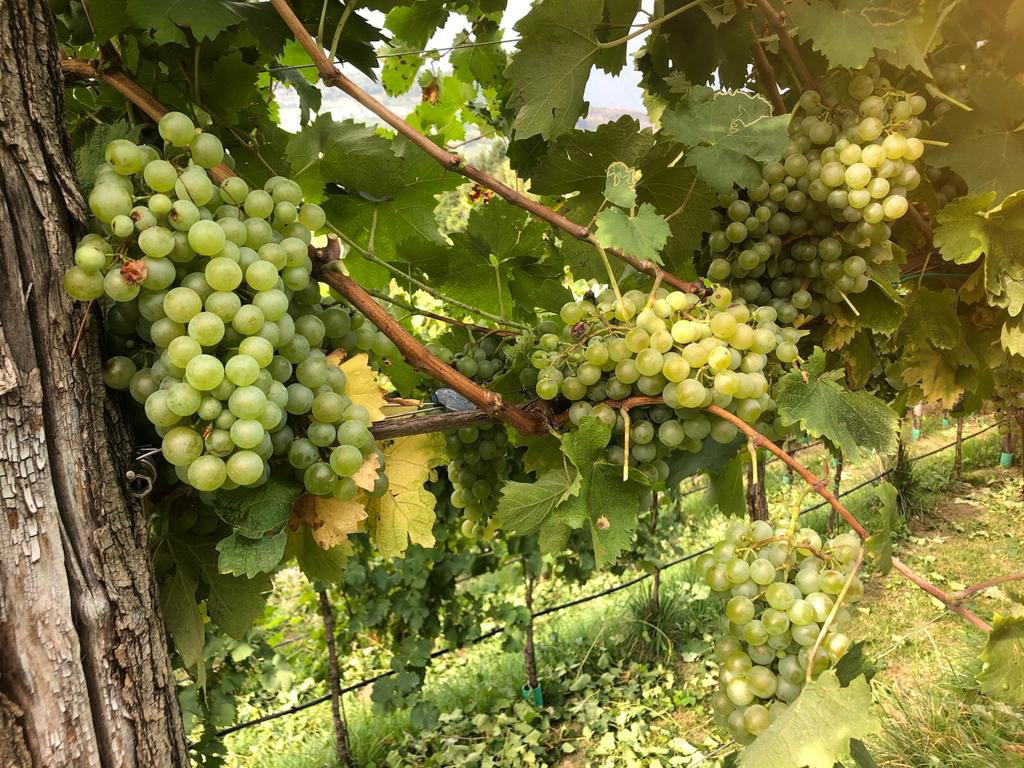
The surrounding region supplies a useful reference frame for understanding what the kitchen here is working with. Prosecco Superiore DOCG wines, produced within walking distance, are the natural pairing register. The vineyards that produce Valdobbiadene and Cartizze come from parcels directly visible from the hillside terraces of this area, which means the wine-food conversation at a table in Pedeguarda is unusually site-specific.
How This Compares to Italy's Wider Sourcing-Led Tradition
The sourcing-led model has been adopted at scale across Italy's highest-profile kitchens. Piazza Duomo in Alba has built a three-Michelin-star program around Langhe and Piedmont provenance. Uliassi in Senigallia treats the Adriatic as a hyper-local larder. Reale in Castel di Sangro has made Abruzzo's pastoral ingredients the foundation of its entire identity. Quattro Passi in Marina del Cantone grounds its Amalfi Coast cooking in the immediate coastal and mountain supply chain.
What separates village rooms from these decorated peers is not a different philosophy but a different scale of ambition and a different audience. The logic of cooking from local supply, seasonal, bounded, product-led, is consistent. The elaboration and the recognition apparatus differ. Internationally recognized rooms like Enoteca Pinchiorri in Florence, Enrico Bartolini in Milan, or Da Vittorio in Brusaporto operate within a global luxury framework that a Pedeguarda village room does not aspire to and does not require. The sourcing conviction that drives the tradition is present at both ends of the spectrum; the setting and the framing differ.
For reference, rooms outside Italy that have built sustained reputations on a similar ingredient-first argument, Le Bernardin in New York City with its product-reverence approach to fish, or Lazy Bear in San Francisco with its hyper-local California seasonal framework, confirm that the discipline is not regionally specific. But in the Treviso hills, it reads as simply the natural way things are done. Casa Perbellini 12 Apostoli in Verona offers a useful comparison point for how northeastern Italian cooking can be simultaneously rooted in tradition and formally ambitious.
Planning a Visit
Pedeguarda is reachable by car from Treviso in under an hour, and Venice is about 75 to 90 minutes away depending on the route. The area suits a wine road itinerary through the lower slopes of the Strada del Prosecco.
Quick Comparison
Comparable venues nearby, for context on price, style, and recognition.
| Venue | Cuisine | Price | Awards | Notes |
|---|---|---|---|---|
| Al CastellettoThis venue — the venue you are viewing | Traditional Trevisan Osteria | $$$ | Not listed | Not listed |
| Villa Abbazia | Michelin-Starred Italian Fine Dining | $$$$ | Not listed | Follina |
| Osteria dai Mazzeri | Traditional Venetian Regional Cuisine | $$$ | Michelin Plate | Follina |
| La Corte | Modern Italian Fine Dining | $$$$ | Michelin Plate | Follina |
| L'Ultimo Mulino | Traditional Italian in Historic Mill | $$$ | Not listed | Fiume Veneto |
| Zolin | Traditional Italian Trattoria | $$$ | Not listed | Sandrigo |
Continue exploring
More in Follina
Restaurants in Follina
Browse all →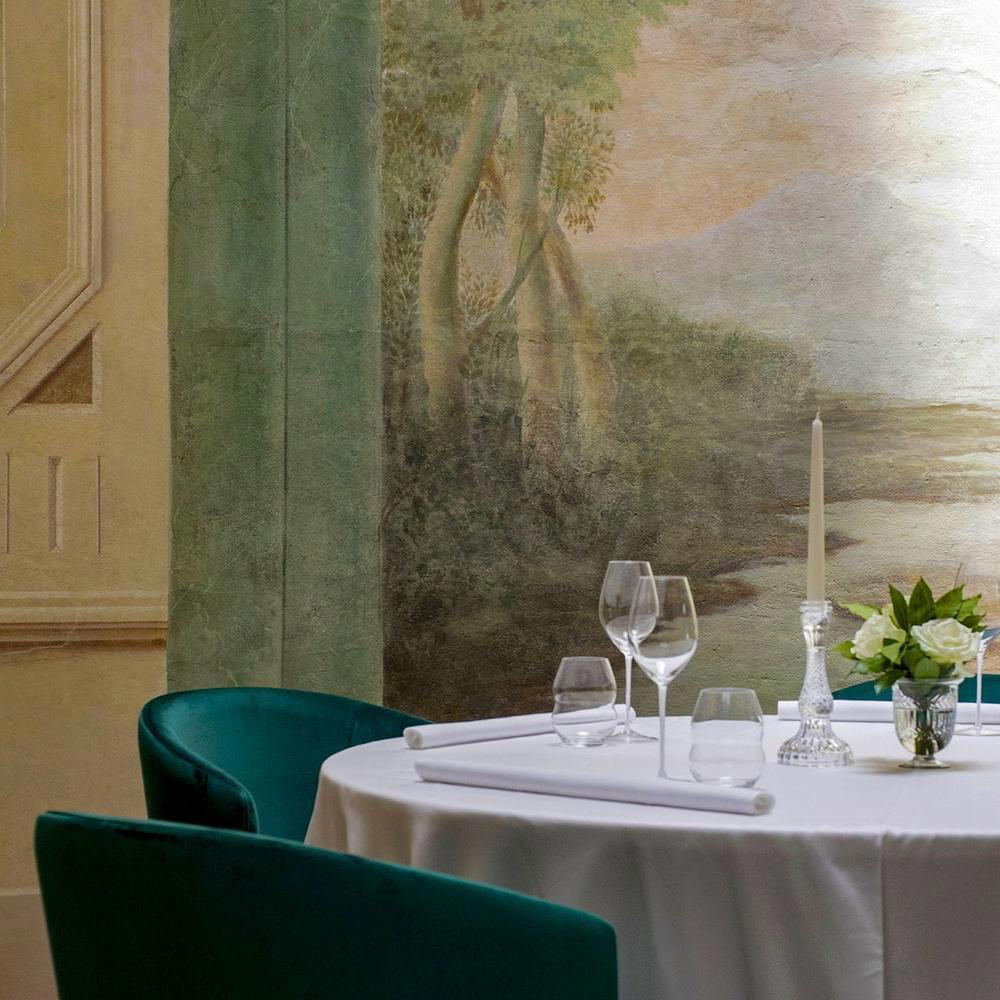
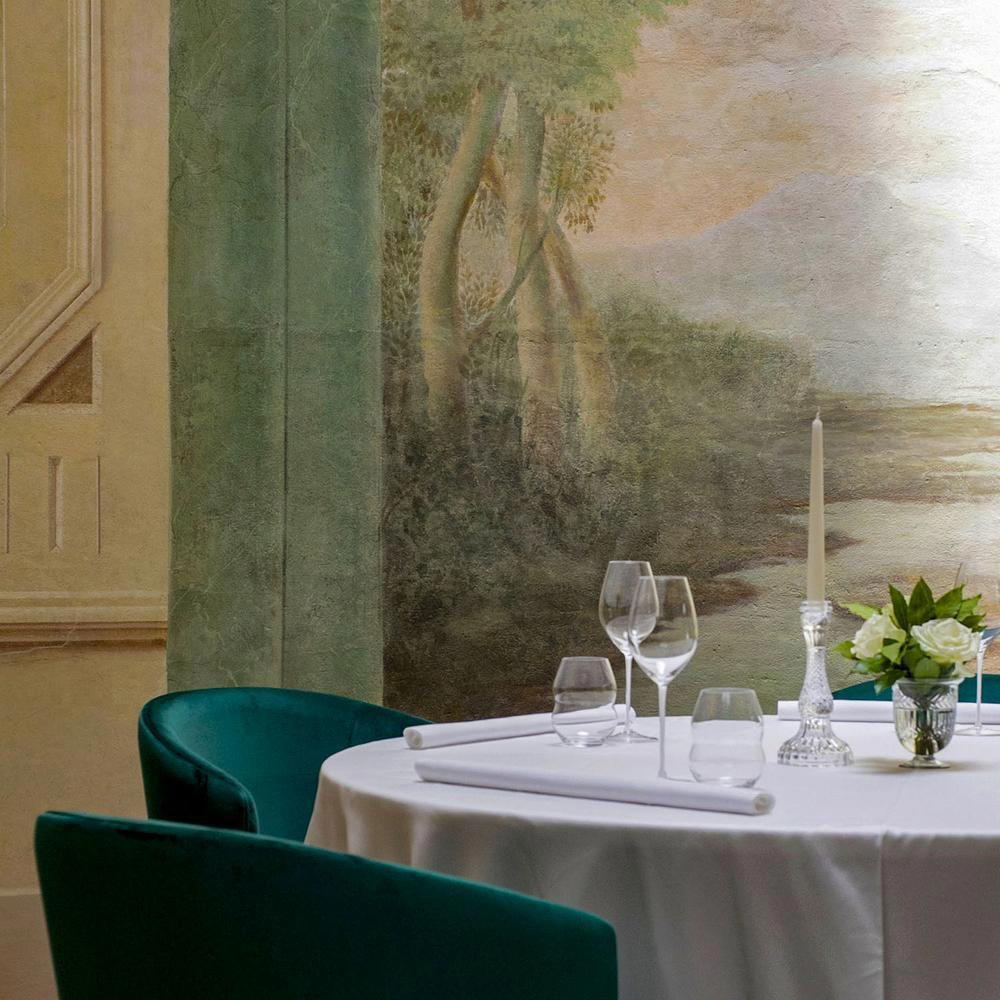
Bars in Follina
Browse all →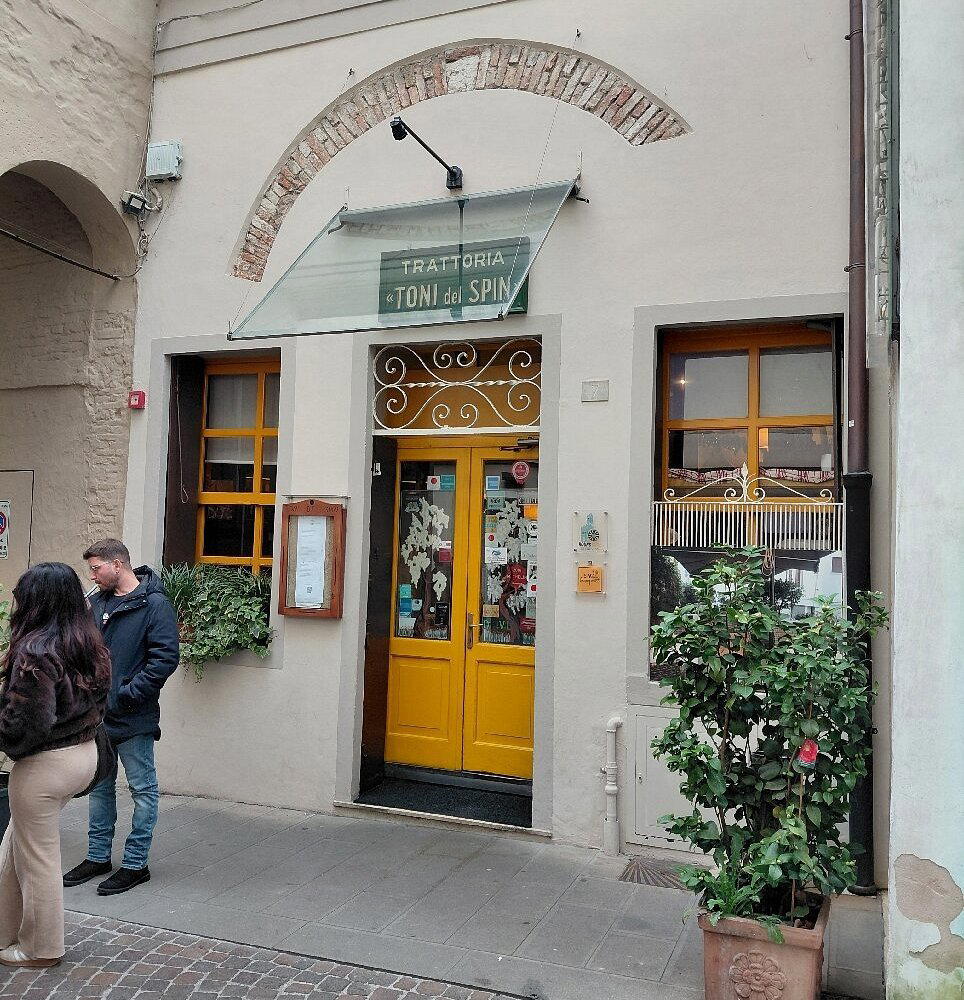
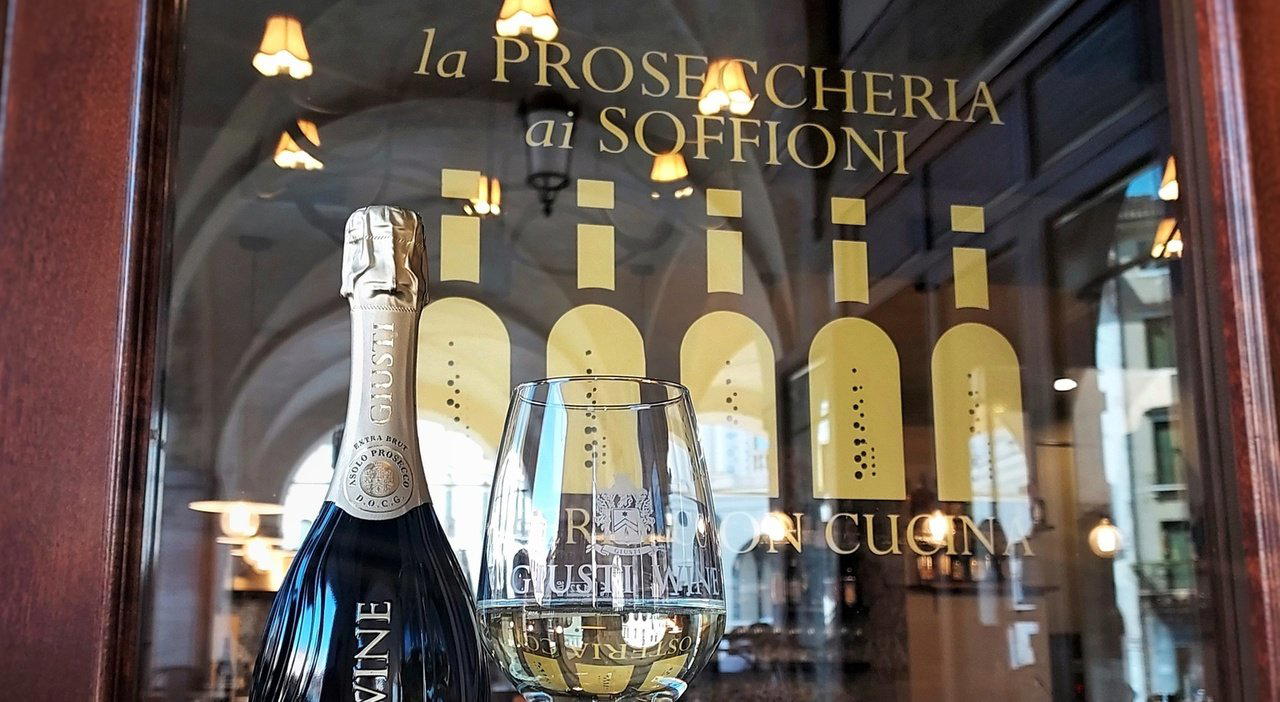
Hotels in Follina
Browse all →
At a Glance
- Rustic
- Cozy
- Elegant
- Classic
- Intimate
- Family
- Date Night
- Special Occasion
- Garden
- Historic Building
- Open Kitchen
- Extensive Wine List
- Local Sourcing
- Garden
Current opening hours
- Monday
- 12:30–2 PM, 7:30–9:30 PM
- Tuesday
- Closed
- Wednesday
- Closed
- Thursday
- 12:30–2 PM, 7:30–9:30 PM
- Friday
- 12:30–2 PM, 7:30–9:30 PM
- Saturday
- 12:30–2 PM, 7:30–9:30 PM
- Sunday
- 12:30–2 PM, 7:30–9:30 PM
Hours can change for holidays and private events. Last verified .
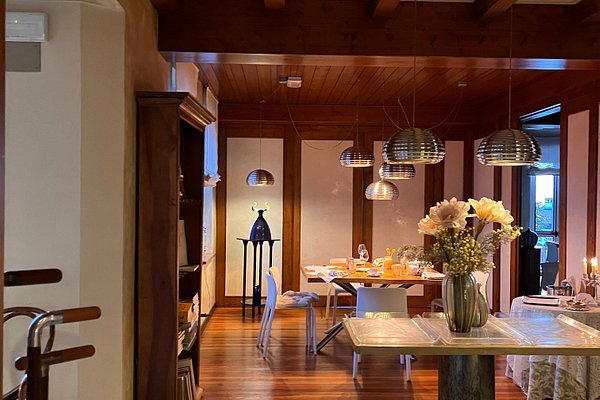
Cozy and refined rustic atmosphere with elegant furnishings, fireplace, and welcoming family vibe as described in guest reviews.