

1 Michelin Star · Falstaff Restaurant - 92 Falstaff Points
Our verdict
Inside the Badia Hill hotel, Porcino presents two tasting menus that trace Alto Adige's mountain territory through seasonal produce, home-garden vegetables, and locally raised Wagyu beef. Patron Marco Verginer anchors the cooking in Alpine tradition while reaching toward Mediterranean and international technique. Glass walls frame the surrounding peaks, making the setting as much a part of the meal as anything on the plate. Michelin Plate recognition in both 2024 and 2025 confirms its standing in the South Tyrol dining conversation.

Pearl is the En Primeur Club membership app — saves, bookings, and concierge access live there. Same editors, same standards.
- Address
- Str. Damez, 2A, 39036 Badia BZ, Italy
- Phone
- +39 0471 180 8060
- Hours
- Mon–Tue 7:30–9 PMWed ClosedThu–Sat 7:30–9 PMSun Closed
- Website
- badiahill.com
- Directions
- Get directions
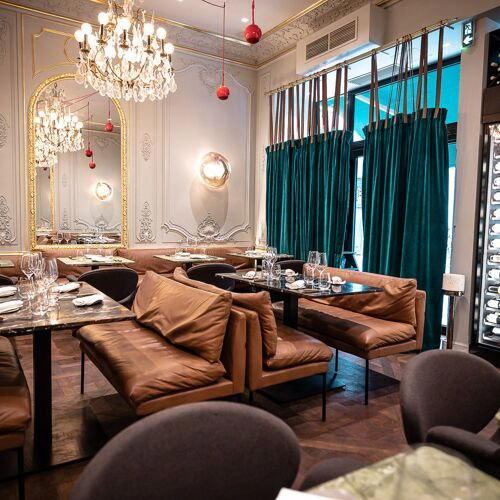
Glass, Altitude, and the Logic of Place
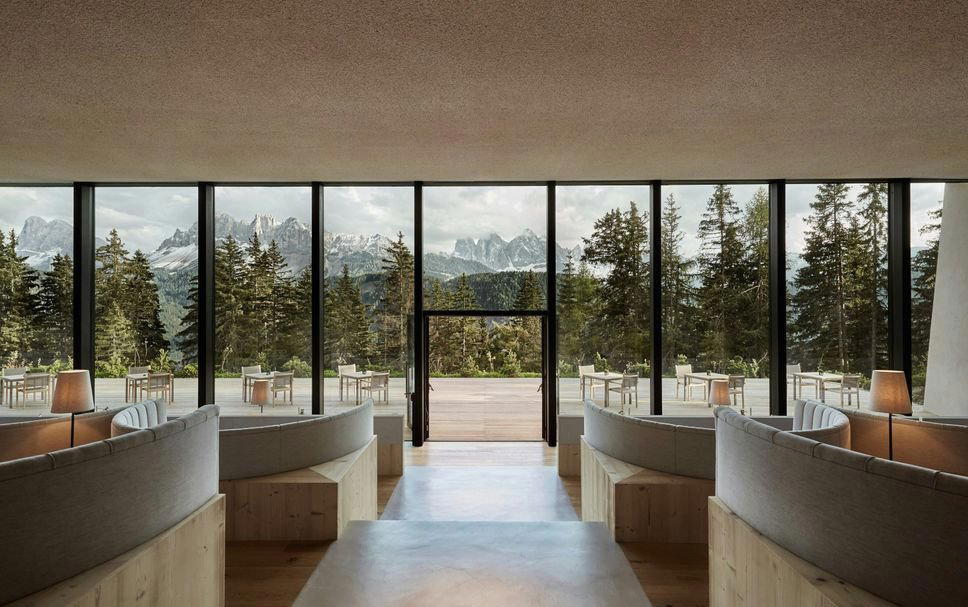
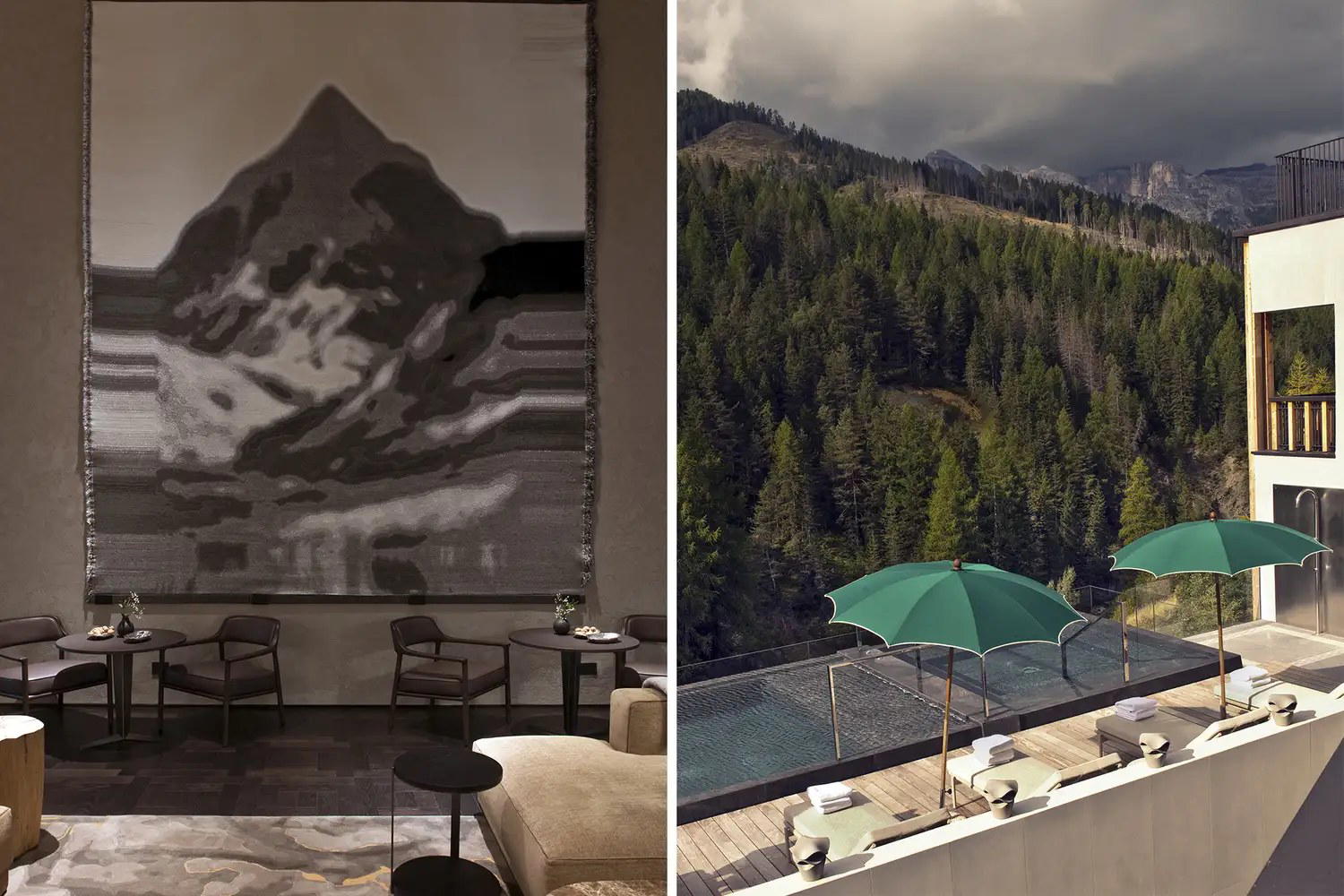
The dining room at Porcino sits inside the Badia Hill hotel on Str. Damez in Badia, and the first thing the space communicates is transparency — literally. Glass walls open the room to the Dolomite ridgelines that define this part of South Tyrol, so the visual weight of the mountains is present throughout the meal. In a region where the relationship between kitchen and terrain is often invoked but less often felt, that framing device does real work. The contemporary interior avoids the folkloric Alpine aesthetic that dominates many Val Badia properties and positions the restaurant in a different register: precise, considered, unhurried.
South Tyrol has developed one of Italy's most concentrated pockets of serious tasting-menu cooking over the past two decades. The region's German-speaking cultural heritage, agricultural specificity, and proximity to the Austrian and Swiss borders have produced a distinctive culinary sensibility that sits at an angle to both the Italian mainstream and the broader Alpine tradition. Atelier Moessmer Norbert Niederkofler in Brunico operates at the apex of that scene, with a fully mountain-sourced philosophy that has attracted international attention. Porcino works at a different tier — Michelin Plate rather than star, but the orientation toward territory, season, and altitude places it in the same regional conversation.
Two Menus, Two Arguments
The structure of the offering at Porcino is itself an editorial statement about how a kitchen can operate. Patron Marco Verginer runs two parallel tasting menus: one built around seasonality and what the Val Badia landscape yields at a given moment in the year, the other driven by creative latitude, where ingredients like Wagyu beef raised in Alto Adige appear alongside more unexpected combinations. The decision to maintain both formats rather than collapsing them into a single signature menu reflects a dual commitment, to the discipline of place-based cooking and to the freedom that a modern tasting format allows.
The Wagyu detail is worth pausing on. Alto Adige Wagyu production is a relatively recent development in the South Tyrol food economy, where a small number of farms have adapted the Japanese breed to high-altitude Alpine pasture. The result differs from both Japanese and standard European Wagyu in fat distribution and flavour profile, shaped by grass quality and elevation. When a kitchen sources that ingredient locally rather than importing a more famous version, it is making an argument about the sufficiency of its own region, that Alto Adige can produce a premium protein worth anchoring a creative menu around. That argument belongs to a wider movement in Italian fine dining, visible at places like Osteria Francescana in Modena and Reale in Castel di Sangro, where Italian regional produce is treated as the starting point for genuinely ambitious cooking rather than a supporting note.
The Garden as Supplier
Most consequential sourcing detail in Porcino's approach is the home garden. In the vocabulary of contemporary fine dining, the kitchen garden has become a near-universal claim, mentioned in press materials, depicted on menus, often more symbolic than structural. At Porcino, vegetables from the garden appear with enough frequency and centrality that they read as a genuine supply chain rather than a garnish to the narrative.
This matters in the context of Val Badia's short growing season. At this altitude, the window between last frost and first frost compresses what a kitchen can source locally into a narrower band than in lowland Italy. That constraint produces specificity: the vegetables that grow here, in this soil, at this elevation, during these weeks, are not interchangeable with what a lowland kitchen has access to.
For comparison, the contrast with coastal and lowland Italian fine dining destinations like Uliassi in Senigallia or Quattro Passi in Marina del Cantone is instructive. Those kitchens draw on maritime and Mediterranean sourcing chains with a very different seasonal rhythm. Porcino's Mediterranean and international touches, noted in its kitchen profile, arrive as a counterpoint to that mountain grounding rather than as the primary idiom, a distinction that matters when assessing where it sits in the Italian tasting-menu conversation. Comparable Italian addresses like Le Calandre in Rubano, Piazza Duomo in Alba, and Casa Perbellini 12 Apostoli in Verona each anchor their cooking in a specific regional identity; Porcino does the same but from a more geographically remote starting point.
Where Porcino Sits in the Alpine Tasting-Menu Tier
Across the broader Alpine arc, a small set of restaurants have developed tasting formats that take high-altitude ingredients seriously rather than using mountain aesthetics as decoration. Gourmetrestaurant Tannenhof in Sankt Anton am Arlberg and Die Geniesserstube im Alpenhof in Tux operate within that same cohort. Porcino belongs to this tier by format, sourcing logic, and price point (€€€), which places it above the regional trattoria category but below the starred destination restaurants that drive international travel to Alto Adige specifically. That middle positioning is commercially coherent: it draws on hotel guests who want a serious meal without the advance planning required at the region's starred addresses, while also attracting local and regional diners who follow Michelin Plate recognition as a quality signal.
Michelin Plate status in both 2024 and 2025 confirms that the kitchen is producing at a level the guide considers worth noting, even without the star that would place it in a different booking and pricing tier. For the reader deciding where to eat in Badia, that distinction is practical: Porcino is more accessible by reservation than the starred alternatives in the valley, but the cooking is sufficiently ambitious to reward attention rather than function as a fallback.
Planning a Visit
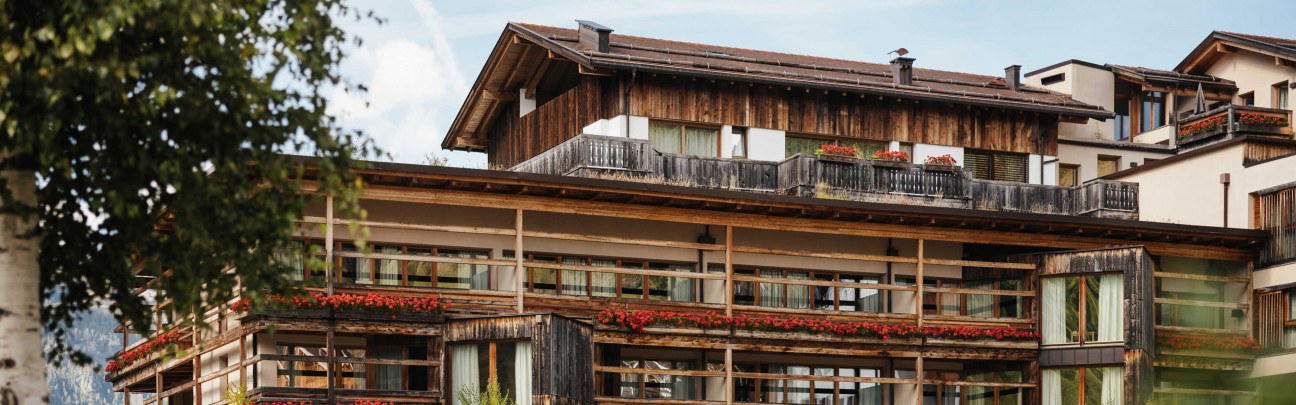
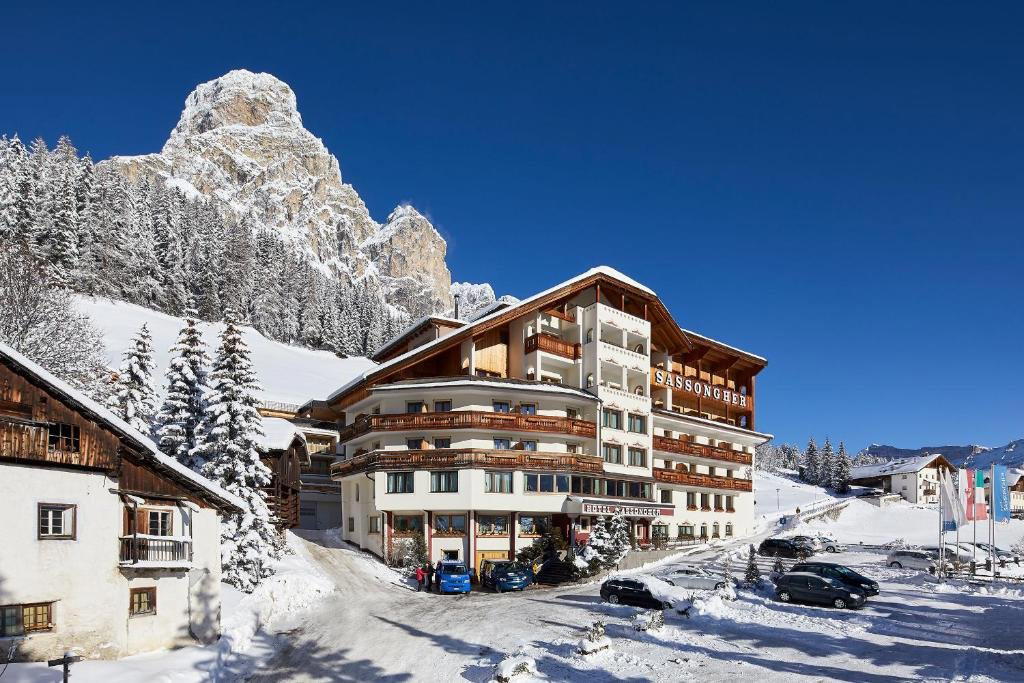
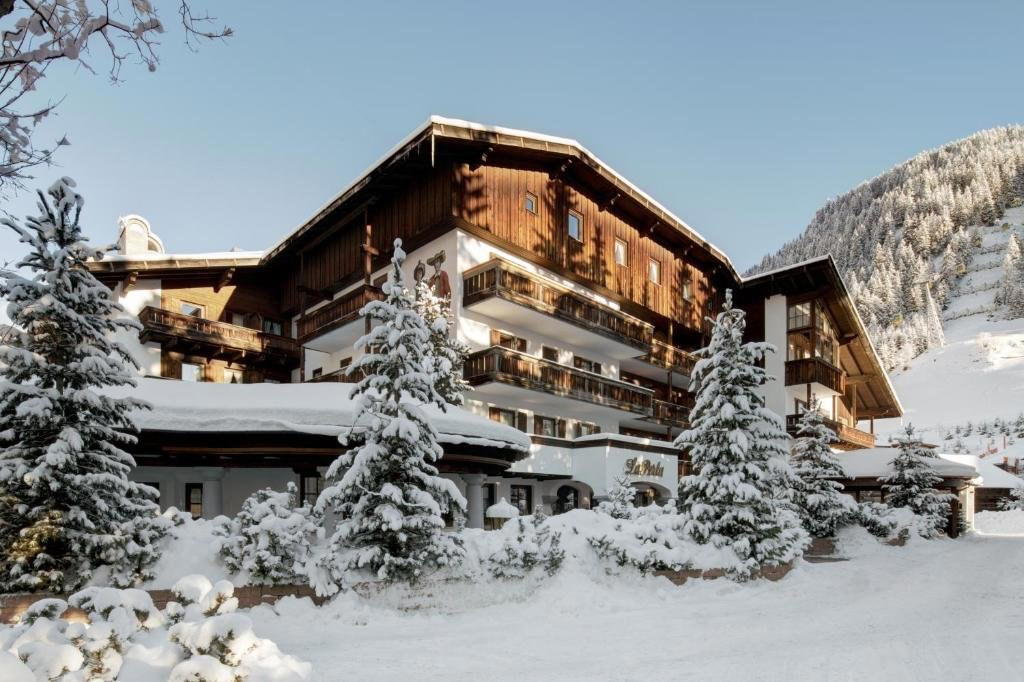
Porcino is located at Str. Damez, 2A, Badia, within the Badia Hill hotel. The restaurant operates at the €€€ price point, positioning it as a serious dinner rather than a casual hotel meal. Given the tasting-menu format and the hotel setting, the sensible approach is to treat the meal as the evening's anchor rather than one stop among several. Badia's dining options across different categories are covered in our full Badia restaurants guide, and those planning a longer stay will find relevant context in our full Badia hotels guide. For drinks before or after dinner, our full Badia bars guide covers the valley's options, and our full Badia wineries guide provides context on South Tyrol's wine production for those who want to extend the sourcing conversation beyond the dinner table. The valley's broader activity and cultural programming is mapped in our full Badia experiences guide.
Frequently asked questions
Is Porcino good for families?
Porcino operates a formal tasting-menu format at the €€€ price point inside a hotel restaurant in Badia. That format suits adults looking for a structured dining experience more naturally than families with young children who may find a multi-course progression less comfortable. For families visiting Badia who want a substantial meal without a tasting-menu commitment, other options in the valley may be a better fit; our full Badia restaurants guide covers the range of formats available.
What is the overall feel of Porcino?
The room is contemporary rather than traditionally Alpine, with glass walls that bring the surrounding Dolomite views into the dining experience. The cooking sits at the ambitious end of the Badia dining scene, Michelin Plate recognition in both 2024 and 2025 places it above the hotel-restaurant average, but the €€€ pricing keeps it accessible relative to the starred addresses that represent the upper end of the South Tyrol fine-dining tier. The tone is serious without being stiff, shaped by a kitchen that treats its mountain ingredients with genuine attention.
What should I eat at Porcino?
The kitchen offers two tasting menus: one built around the season and what the Val Badia territory is producing at the time of your visit, the other driven by creative technique and ingredients including locally raised Alto Adige Wagyu beef. Both menus carry Michelin Plate-recognised cooking with an emphasis on vegetables, many from the home garden, alongside Mediterranean and international references. If the choice between the two menus is open, the seasonality menu gives the clearest expression of what makes this part of South Tyrol worth eating in specifically; the creative menu is the place to encounter how chef Marco Verginer uses more unusual sourcing within an Alpine frame. Other destinations for serious Italian tasting-menu cooking at comparable or higher ambition levels include Enoteca Pinchiorri in Florence, Enrico Bartolini in Milan, and Dal Pescatore in Runate.
In Context: Similar Options
| Venue | Cuisine | Price | Awards | Notes |
|---|---|---|---|---|
| PorcinoThis venue — the venue you are viewing | Creative Mediterranean Fine Dining | $150–200 | 1 Michelin Star · Falstaff Restaurant - 92 Falstaff Points | Not listed |
| Atelier Moessmer Norbert Niederkofler | Italian, Creative | Not listed | Michelin 3 Star | Not listed |
| Dal Pescatore | Italian, Italian Contemporary | Not listed | Michelin 3 Star | Not listed |
| Enoteca Pinchiorri | Contemporary Italian Fine Dining | $200–300 | 3 Michelin Stars · World's 50 Best #32 | Italian - French, Italian Contemporary |
| Enrico Bartolini | Creative | Not listed | Michelin 3 Star | Not listed |
| Osteria Francescana | Avant-Garde Italian Contemporary | $300–500 | 3 Michelin Stars · World's 50 Best #1 | Progressive Italian, Creative |
Recognition history
Dated appearances from independent guides and award organizations, with the underlying list record or original source where available.
Michelin 1 Star
Michelin
Falstaff Restaurant - 92 Falstaff Points
Falstaff
Full recognition history (4 entries)
Michelin Plate
Michelin
Michelin Plate
Michelin
Continue exploring
More in Badia
Restaurants in Badia
Browse all →
Bars in Badia
Browse all →
Hotels in Badia
Browse all →

Details
- Elegant
- Cozy
- Sophisticated
- Modern
- Special Occasion
- Date Night
- Celebration
- Open Kitchen
- Terrace
- Extensive Wine List
- Sommelier Led
- Local Sourcing
- Mountain
- Tasting Menu
- Wine
- Vegetarian Friendly
Current opening hours
- Monday
- 7:30–9 PM
- Tuesday
- 7:30–9 PM
- Wednesday
- Closed
- Thursday
- 7:30–9 PM
- Friday
- 7:30–9 PM
- Saturday
- 7:30–9 PM
- Sunday
- Closed
Hours can change for holidays and private events. Last verified .
Elegant and cozy contemporary setting with glass walls offering splendid mountain views, warm professional service, and an open show kitchen.