In Toblach's Alpine Dolomite corridor, Winkelkeller occupies a position that speaks to the region's longstanding tradition of cellar-based hospitality, where stone walls and mountain produce converge in an unpretentious but considered setting. The address on Via Conti Künigl places it within reach of South Tyrol's wider dining circuit, a region whose sourcing culture and Germanic-Italian culinary duality make it one of northern Italy's most compelling food destinations.
Pearl is the En Primeur Club membership app — saves, bookings, and concierge access live there. Same editors, same standards.
- Address
- Via Conti Künigl, 8, 39034 Dobbiaco BZ, Italy
- Phone
- +39474836668
- Website
- winkelkeller.it
- Directions
- Get directions
 Saves & bookings on Pearl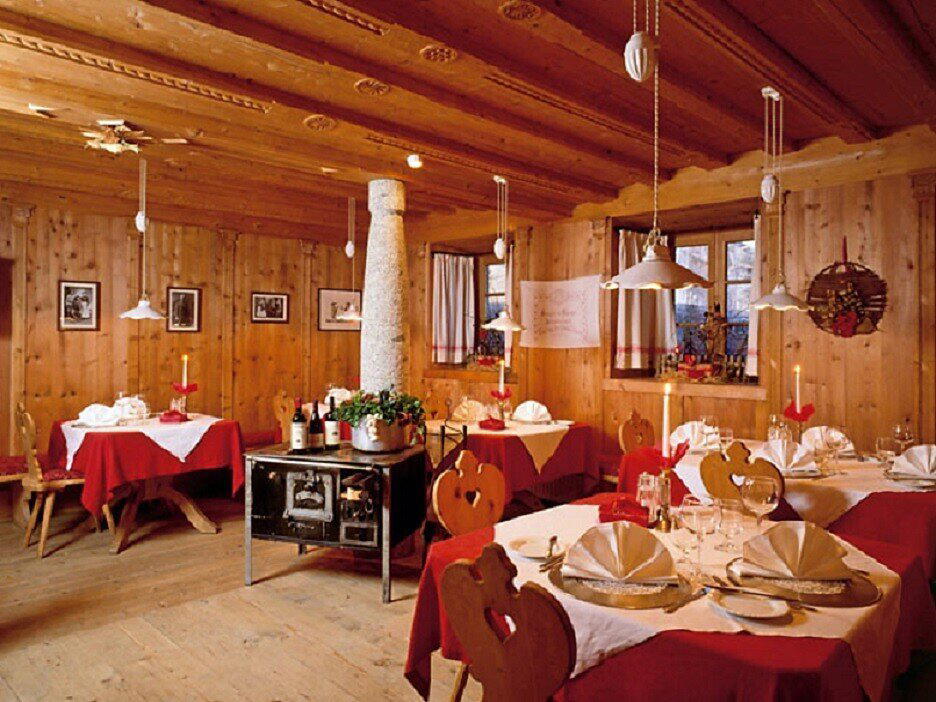
A Cellar in the Dolomites: What Toblach's Dining Culture Tells You
Approach Toblach from the Puster Valley and the landscape makes the food legible before you've sat down anywhere. The village sits at roughly 1,200 metres, flanked by spruce forest and alpine meadow, and the kitchens here have always organised themselves around what that elevation produces: cured meats from mountain pig, dairy from high-pasture cattle, foraged mushrooms and wild herbs that shift with the snowline. Winkelkeller is a restaurant in Dobbiaco serving South Tyrolean & Mediterranean cuisine at about $35 per person. The name itself signals the format: a Keller, or cellar, a room type that in this part of South Tyrol historically meant cool storage for wine and cured goods, and by extension a place to eat close to where those things were kept.
South Tyrol's dining identity is genuinely dual. The region spent centuries under Habsburg administration before becoming part of Italy in 1919, and the kitchens reflect both inheritances without resolving the tension between them. You find Speck alongside bresaola, Knödel alongside pasta, Graukäse alongside aged Parmigiano. Winkelkeller sits inside that duality, in a town where German remains the dominant spoken language and Austrian culinary logic still shapes what appears on the table, even when Italian wine pours alongside it.
The Sourcing Logic of Alpine Kitchens
The editorial angle worth examining in Toblach is not any single restaurant but the sourcing architecture that the region's geography imposes on all of them. At altitude, with limited growing season and strong local producer networks, the leading kitchens here function more like curators of a circumscribed ingredient map than like creative operations importing freely from outside. That constraint is what makes South Tyrolean mountain cooking coherent: the same Speck appears in multiple preparations, the same Graukäse surfaces in different textures, because the supply chain is genuinely short and the producers genuinely local.
Winkelkeller's cellar format historically privileged exactly this kind of hyper-local curation. A Keller in the South Tyrolean tradition was not simply a restaurant; it was a storage system, a provenance record, and a hospitality space in one. Wine came from regional producers or from the Alto Adige cooperative networks that have supplied mountain communities for generations. Cured goods came from within a radius that rarely exceeded the valley. That sourcing discipline is what separates this style of Alpine hospitality from more cosmopolitan dining formats, and it's the framework in which Winkelkeller makes most sense as a venue.
For those building a broader itinerary around serious sourcing-led kitchens in northern Italy, Atelier Moessmer Norbert Niederkofler in Brunico represents the region's most decorated expression of that philosophy, with a tasting format explicitly built around Alpine ingredient provenance. Toblach's own scene, including Tilia and Gratschwirt, operates a tier below in terms of formal ambition but shares the same sourcing logic.
Where Winkelkeller Sits in Toblach's Current Scene
Toblach has a small but genuinely varied dining circuit for a village of its size. The comparison set within the town includes Tilia, which operates at the €€€€ tier with a modern cuisine format, and Hebbo Wine and Deli, also at €€€€, with an innovative programme. Gratschwirt anchors the regional cuisine end at €€€. Winkelkeller's cellar character positions it in a distinct register from all three: less format-driven than Tilia or Hebbo, more specifically wine-and-cured-goods focused than a full-service regional restaurant like Gratschwirt.
That positioning matters for visitors planning an evening. The cellar format traditionally rewards patience and conversation over structured courses. You are not tracking through a progression designed by a kitchen; you are working through what is available, what was made, what was stored. For readers who want to map that experience against Italy's wider fine dining coordinates, the distance from Toblach to venues like Osteria Francescana in Modena or Le Calandre in Rubano is not just geographic. It is a difference in format philosophy: composed, auteur-driven tasting menus versus the older, cellar-rooted logic of place and season.
Getting There and Practical Orientation
Toblach is accessible by train on the Pusteria Valley line, which connects Fortezza and San Candido, making car-free arrival from Bolzano or Innsbruck genuinely viable. The address on Via Conti Künigl puts Winkelkeller within the walkable centre of the village. The address on Via Conti Künigl puts Winkelkeller within the walkable centre of the village.
For context on what regional sourcing looks like at longer distances, the Italian dining circuit represented by venues such as Dal Pescatore in Runate, Piazza Duomo in Alba, and Uliassi in Senigallia each demonstrates how Italy's regional ingredient logic plays out at higher levels of kitchen ambition. Toblach's own cellar and tavern culture represents an older, less formalised version of the same underlying principle.
Fast Comparison
Comparable venues nearby, for context on price, style, and recognition.
| Venue | Cuisine | Price | Awards | Notes |
|---|---|---|---|---|
| WinkelkellerThis venue — the venue you are viewing | South Tyrolean & Mediterranean | $$$ | Not listed | Not listed |
| Gratschwirt | Traditional South Tyrolean | $$$ | Michelin Plate | Toblach |
| Hebbo Wine & Deli | Contemporary Alpine Fine Dining | $$$$ | Michelin Plate | Dobbiaco |
| Tilia | Modern Regional Italian | $$$$ | Michelin 1 Star | Dobbiaco |
| Feichtnerhof | Traditional Italian / Tyrolean | $$$ | Not listed | Mittelberg, Ritten |
| Trautmannsdorf | Modern Northern Italian | $$$ | Not listed | Merano |
Continue exploring
More in Toblach
Restaurants in Toblach
Browse all →
Bars in Toblach
Browse all →
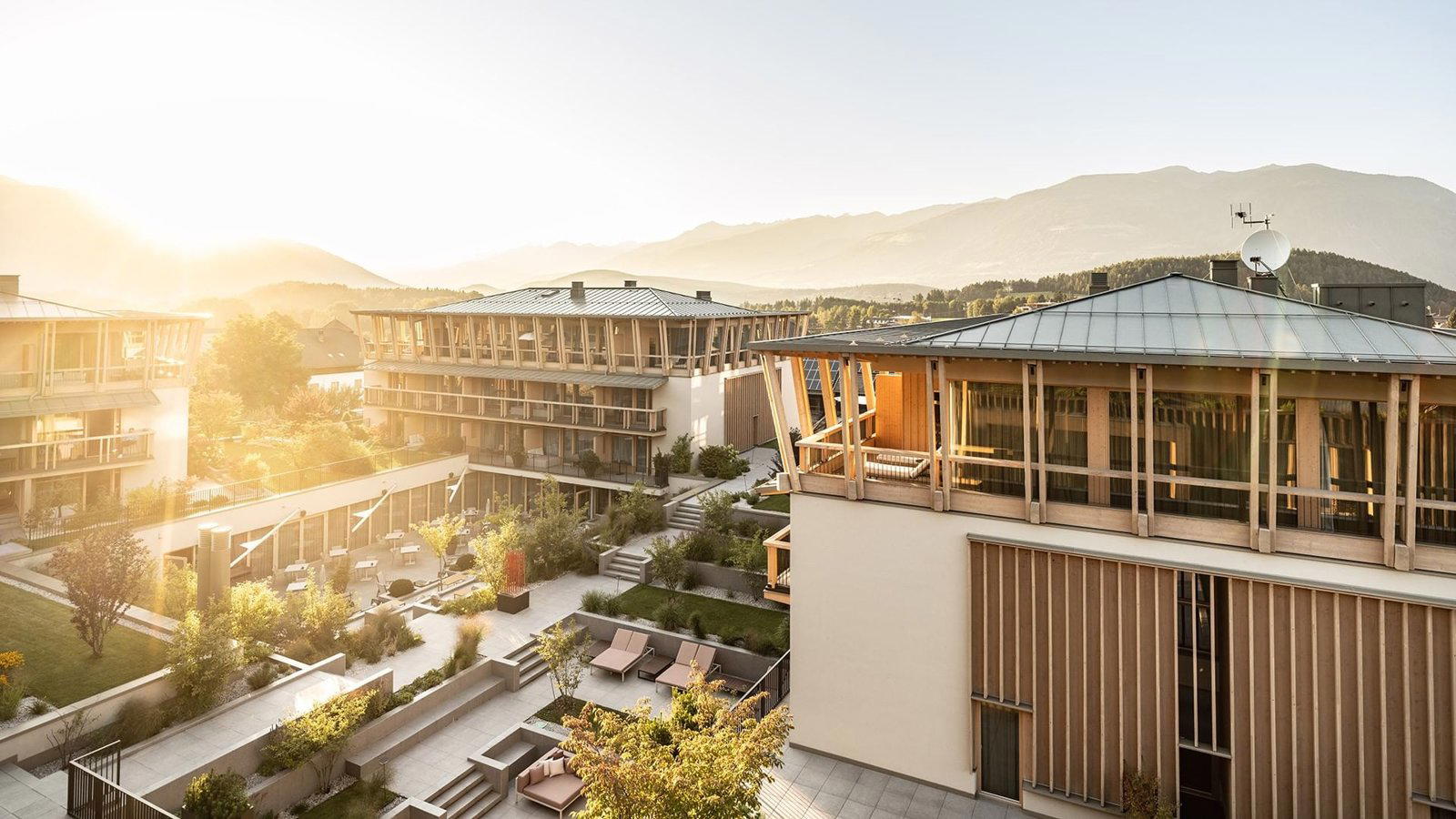
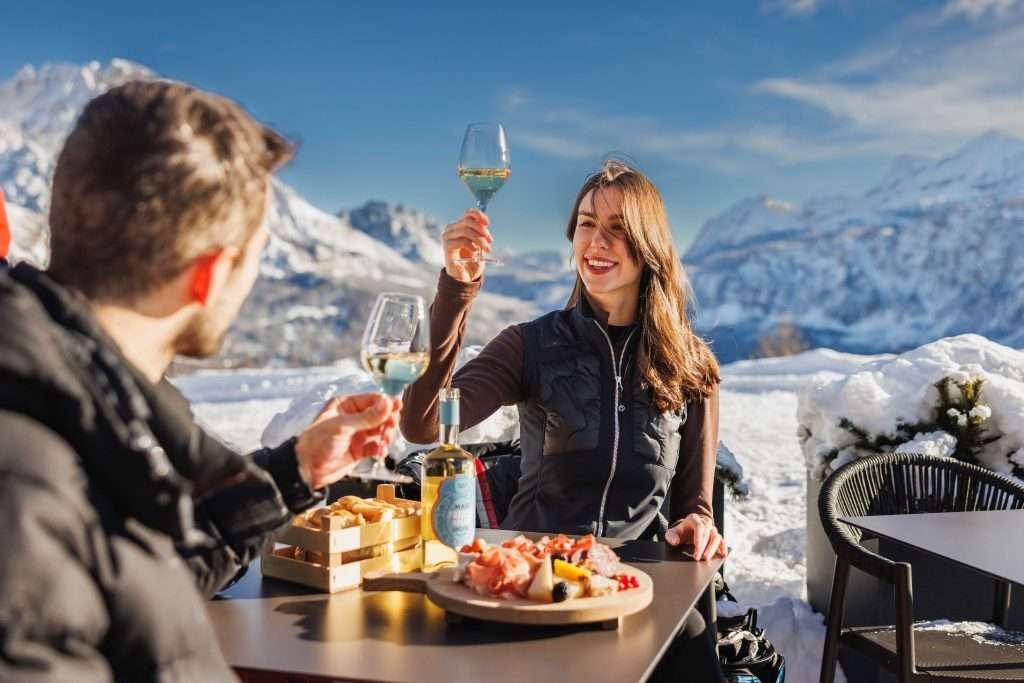
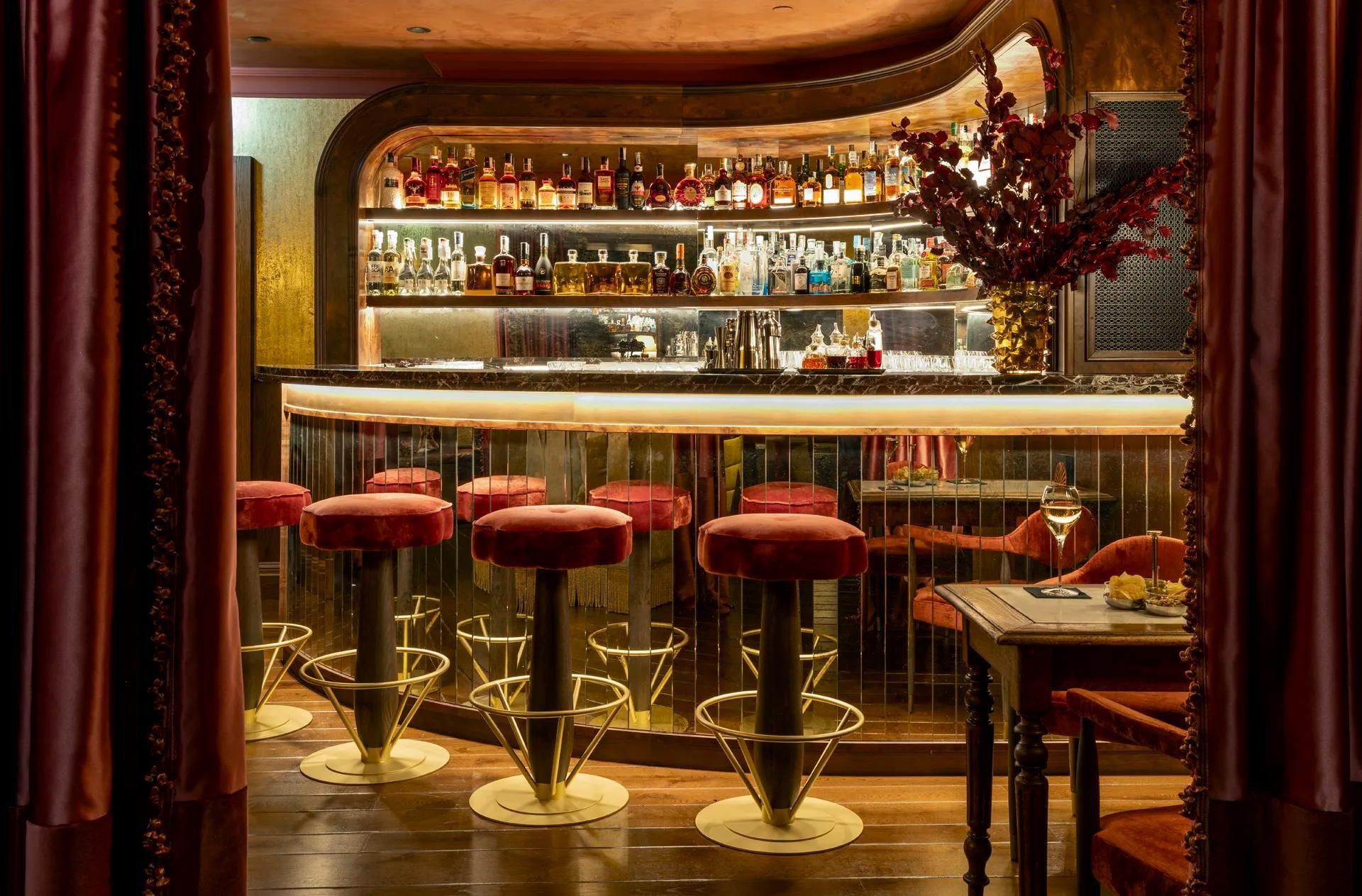
Hotels in Toblach
Browse all →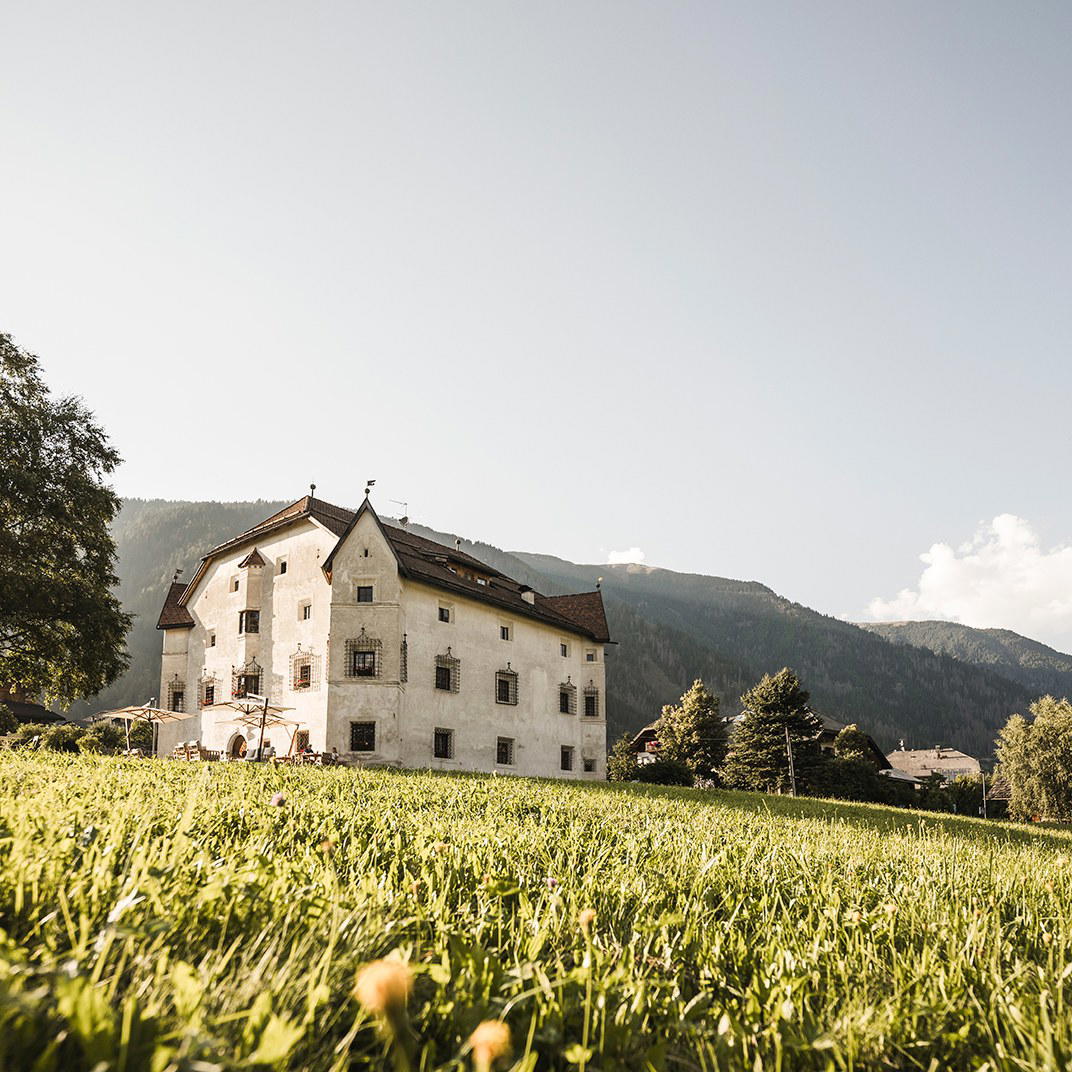
Wineries in Toblach
Browse all →
At a Glance
- Rustic
- Cozy
- Intimate
- Family
- Historic Building
- Extensive Wine List
- Local Sourcing
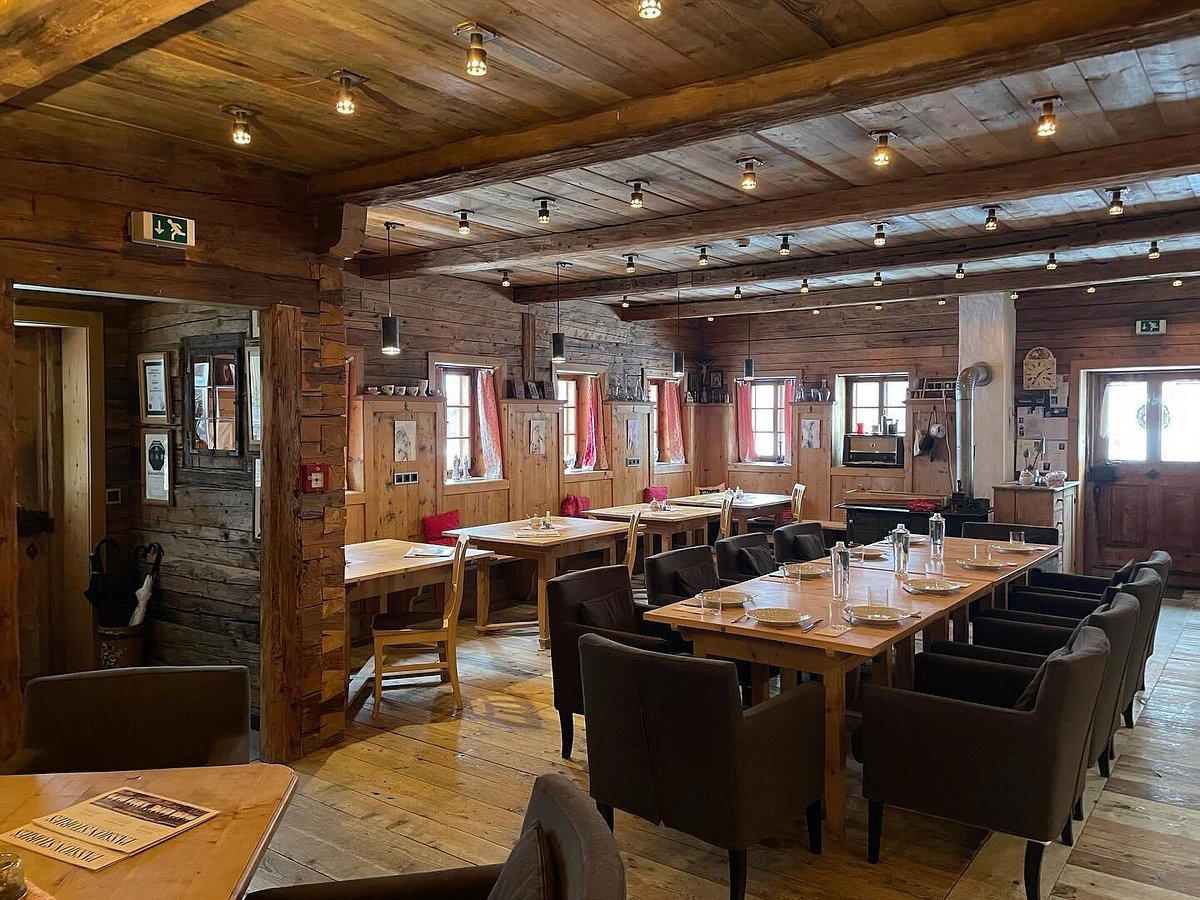
Rustic parlours with gothic vaults from the 17th century create a cozy, historic atmosphere.